South Shore Fishing Spots Near Scituate and Plymouth
Finding those perfect fishing spots along the Massachusetts South Shore, especially around Scituate and Plymouth, can feel like you're trying to crack a secret code. Between navigating crowded popular areas and trying to figure out where the fish are actually biting, it’s easy to get discouraged. This guide is designed to cut through the confusion, offering a deep dive into the diverse angling opportunities available, from the rocky shorelines to the quiet freshwater ponds, so you can spend less time guessing and more time reeling in a catch.
The Unique Appeal of South Shore Fishing Grounds
The South Shore of Massachusetts, encompassing towns like Scituate, Marshfield, Duxbury, and Plymouth, offers a truly unique and varied fishing experience that often gets overshadowed by the bigger names like Cape Cod. But believe me, this stretch of coastline, with its blend of rocky coves, expansive sandy beaches, deep harbors, and bustling estuaries, holds its own charm and plenty of fish. It's a place where you can find solitude with a rod in hand, or join the camaraderie of anglers at popular jetties.
Why the South Shore Stands Out for Anglers
What truly sets the South Shore apart is its incredible diversity. You're not just limited to one type of fishing here. One morning you could be casting for striped bass from the dramatic cliffs of Scituate, and that same afternoon, you could be dropping a line for largemouth bass in a peaceful Plymouth pond. The geography here creates a dynamic ecosystem: salt ponds, tidal rivers, rocky outcroppings, and miles of sandy beaches all converge, creating ideal habitats for a wide array of species. This rich environment supports robust populations of both migratory saltwater fish and resident freshwater species, making it a fantastic destination for anglers of all skill levels. Plus, it's often a bit less frenetic than some of the more famous spots further south, offering a slightly more relaxed pace. The accessibility is also a huge draw; many prime spots are just a short drive from major routes, meaning less travel time and more fishing time.
General Tips for Anglers in the Region
Before you cast your first line, a little preparation goes a long way on the South Shore. First and foremost, remember that you'll need the appropriate licenses. Make sure to consult the guide on the Massachusetts Fishing License Guide to understand the requirements for both freshwater and saltwater fishing. Secondly, tides are paramount, especially for saltwater spots. Many of the best fishing opportunities, particularly for striped bass, occur around changing tides, often an hour or two before or after high or low tide. Pay attention to the moon phase too, as spring tides (new and full moon) bring stronger currents which can be excellent for certain species. Thirdly, don't be afraid to try different baits and lures. What works one day might not work the next, and what works for one species might be ignored by another. Having a varied tackle box, from live eels for stripers to worms for panfish, will increase your chances. Lastly, respect private property and local regulations. Always carry proof of your license, know the Massachusetts Recreational Fishing Rules and Bag Limits, and leave no trace behind.
Prime Shore Fishing Locations on the South Shore
For many, the allure of fishing is being able to walk right up to the water's edge and cast a line. The South Shore offers an abundance of incredible shore fishing opportunities, whether you're looking for the challenge of surfcasting or the convenience of fishing from a pier or jetty.
Scituate Harbor and its Jetties
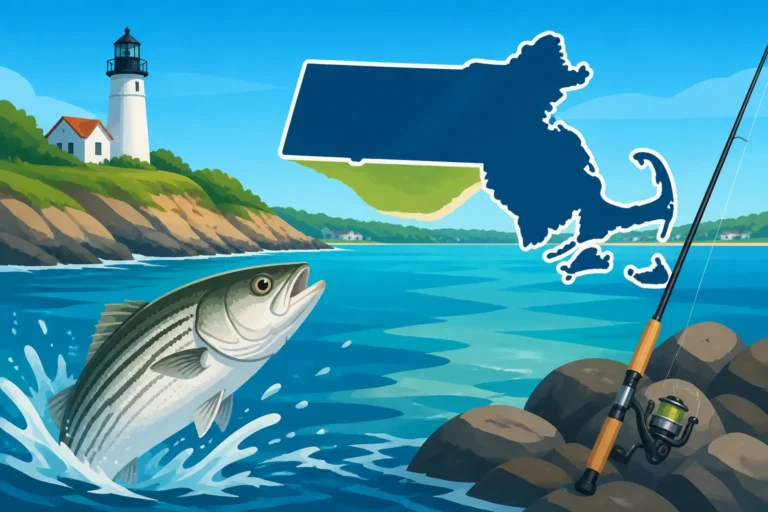
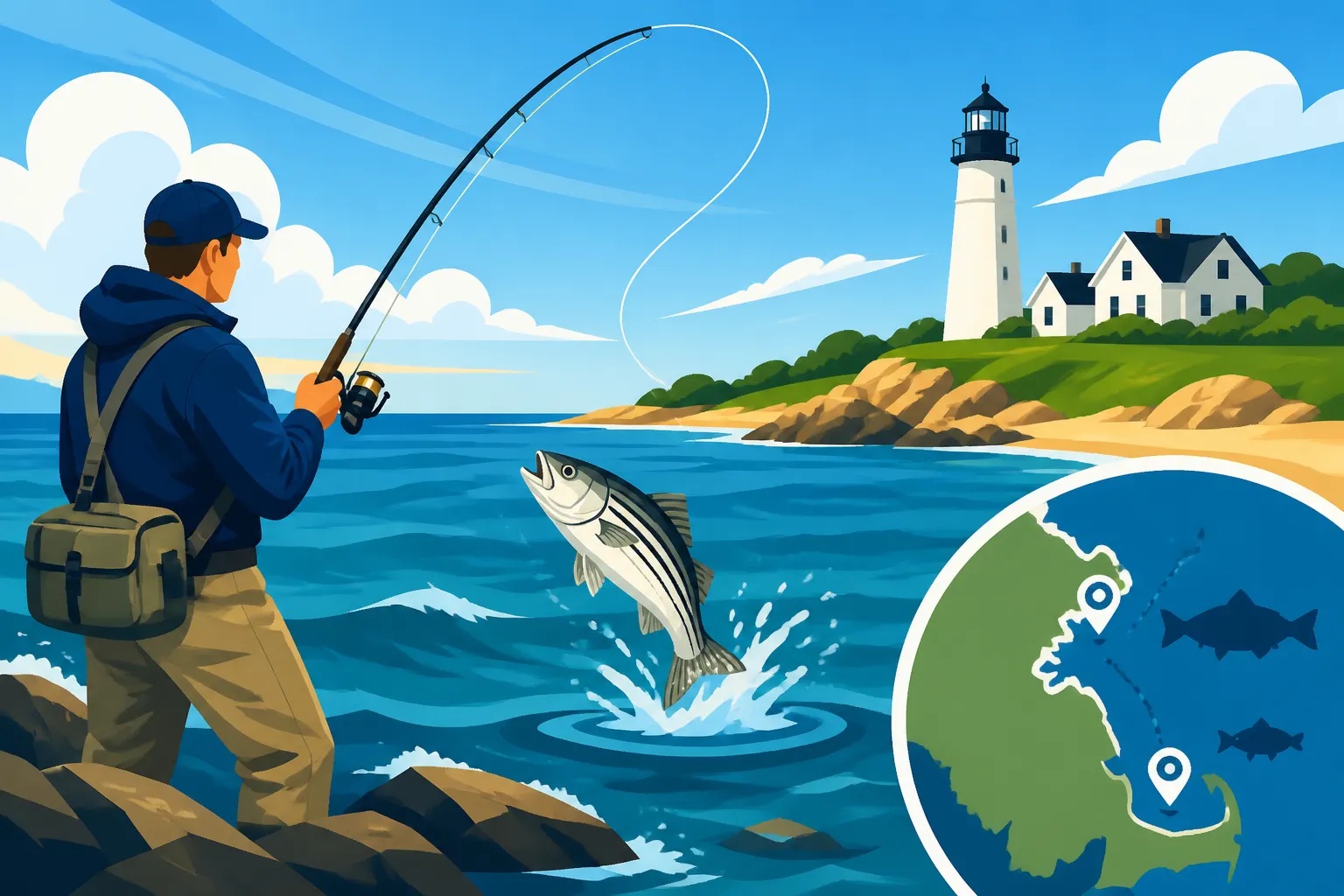
Scituate Harbor is a jewel of the South Shore, renowned for its picturesque lighthouse and, more importantly for us anglers, its fantastic jetties and diverse fishing potential. The main jetties flanking the harbor entrance, particularly the long breakwater on the north side, are absolute magnets for striped bass, bluefish, and even some tautog. These rocky structures create current breaks and ambush points that predatory fish love. Early morning or late evening, especially around tide changes, are prime times to target stripers here with soft plastics, swimming plugs, or live bait like mackerel or eels. You'll find many anglers practicing their Massachusetts Surf Fishing Techniques right from these rocks.
Beyond the jetties, the calmer waters within the harbor itself can be surprisingly productive, especially for smaller species like mackerel, scup, and flounder, particularly during the warmer months. You might even find some smaller striped bass cruising the docks or the edges of the marsh grass. Access is generally good, with parking available near the harbor, but it can get crowded, especially on weekends during peak season. Always be mindful of boat traffic when casting, and wear appropriate footwear for navigating the slippery rocks of the jetties.
Plymouth's Historic Waterfront and Beaches
Plymouth, with its iconic Plymouth Rock and bustling waterfront, isn't just a historical landmark – it's a fantastic fishing destination. The vast expanse of Plymouth Harbor and its surrounding beaches offers a different kind of shore fishing experience than Scituate's rocky points. Long sandy beaches like White Horse Beach, Manomet Beach, and the beaches surrounding Plymouth Long Beach are perfect for surfcasting. Here, you'll want to target striped bass and bluefish, especially during the spring and fall migrations. Look for baitfish schools, diving birds, or rips in the current as indicators of feeding activity. Clams, bunker, or artificial lures like poppers and metal jigs are all effective.
The Plymouth Town Pier is another excellent spot, offering easy access for anglers of all ages and abilities. From the pier, you can expect to catch a variety of species including mackerel, scup, fluke, and sometimes even stripers. It's a great place to bring the family, and often, you don't need heavy gear. Just a simple bottom rig with squid or seaworms can yield a lot of action. The harbor channel itself, especially where deeper water meets shallower flats, holds promise for fluking during the summer.
Duxbury and Marshfield Coastlines
Moving north from Plymouth, the towns of Duxbury and Marshfield present an equally rich tapestry of shore fishing opportunities, albeit with their own unique characteristics. Duxbury Beach, a barrier beach stretching for miles, is a surfcasting paradise. With vehicle access in designated areas (permit often required), anglers can drive onto the beach and find their own stretch of solitude. This is prime real estate for larger striped bass and bluefish, particularly during the new and full moon tides when the current rips through the inlets and cuts. The flats behind Duxbury Beach, accessible by small boat or kayak, are also incredibly productive for schoolie stripers and flounder.
Marshfield's coastline, including Rexhame Beach and Humarock Beach, also offers excellent surfcasting. These beaches are characterized by a mix of sandy stretches and rocky outcroppings, providing varied structure for fish. The mouth of the North River, particularly around the jetties at Humarock, is another hotspot. Here, the strong tidal flow draws in baitfish, creating a buffet for predatory species. Anglers casting from shore or wading the flats at low tide can do very well. Remember to keep an eye on the Massachusetts Striped Bass Size and Bag Limit when targeting these popular species, as regulations are strictly enforced.
Kayak and Small Boat Fishing on the South Shore
While shore fishing offers fantastic access, getting out on the water in a kayak or small boat unlocks a whole new dimension of the South Shore's fishing potential. It allows you to reach hidden coves, navigate shallow estuaries, and explore structure that's simply inaccessible from land.
Launching Points and Nearshore Opportunities
The South Shore boasts numerous public and private launching points perfect for kayaks, canoes, and small jon boats. In Scituate, the public boat ramp at Cole Parkway provides easy access to Scituate Harbor and the nearshore waters, where you can target striped bass, bluefish, and even some deeper-water species like cod (check specific regulations for cod, as they are often very restricted). For those seeking charters, platforms like FishingBooker list various local guides and captains who operate out of these harbors, providing options for guided trips if you prefer not to bring your own vessel. These guides often know the most productive spots, like the ledges just outside the harbor, where fish congregate.
Plymouth offers excellent access to its expansive harbor and Bay with multiple municipal ramps. These allow you to quickly reach the vast flats of Plymouth Harbor, a haven for schoolie stripers, particularly in spring and fall. Kayak anglers can have a field day paddling the edges of the channels and casting soft plastics or flies. Further out, you can explore the various ledges and rock piles that dot Plymouth Bay, which hold larger stripers, bluefish, and even black sea bass in the summer months. Always be mindful of larger boat traffic and changing weather conditions when venturing out into the open bay.
Exploring Estuaries and Salt Marshes
The estuaries and salt marshes along the South Shore are ecological powerhouses and incredibly productive fishing grounds, particularly for kayak and small boat anglers. The North River in Marshfield and Scituate, the Green Harbor River, and the tidal creeks feeding into Duxbury Bay are prime examples. These brackish waters provide vital nursery habitats for many fish species and are teeming with baitfish like silversides, spearing, and juvenile herring. This abundance of forage, in turn, attracts predatory species.
Paddling through these winding waterways, you'll encounter countless opportunities to cast for striped bass, especially schoolies and "slot" fish. Target the edges of the marsh grass, oyster beds, and any submerged structure. Light tackle with topwater lures, soft plastics, or even flies can be incredibly effective here. The shallow, protected nature of these areas makes them ideal for a relaxed day of fishing, often with stunning scenery and abundant birdlife. Flounder can also be found in the deeper channels of these estuaries. When planning your trip, consider the tides; incoming and outgoing tides often concentrate bait and predatory fish in specific areas. Many local anglers find great success exploring the tidal creeks of the Herring River in Scituate, or the expansive salt marshes around Duxbury.
Freshwater Gems in the Area
While the South Shore is famous for its saltwater opportunities, it also harbors a collection of fantastic freshwater ponds and rivers that offer a completely different, yet equally rewarding, angling experience. These spots are perfect for a change of pace or when the ocean conditions aren't cooperating.
Local Ponds and Lakes for Bass and Panfish
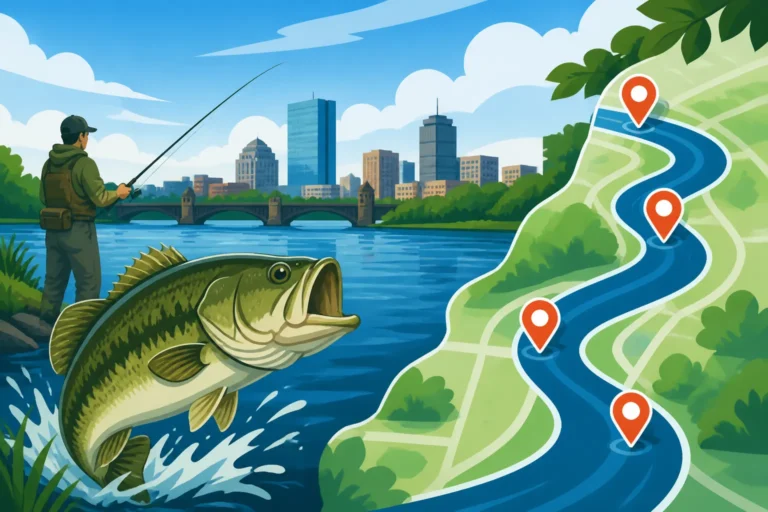
The towns of Scituate, Marshfield, Duxbury, and Plymouth are dotted with numerous ponds and smaller lakes that are teeming with freshwater species. Largemouth bass are king in many of these waters, offering exciting topwater action in the warmer months and challenging fishing with jigs and plastic worms throughout the season. Spots like Great Pond in Plymouth, Long Pond in Lakeville (partially in Plymouth), and Wompatuck Pond within Wompatuck State Park offer excellent opportunities for bass. These ponds often have healthy populations of chain pickerel, yellow perch, and various sunfish, making them ideal for family outings or teaching kids to fish. For specific tips on how to catch largemouth bass, check out our guide on How to Catch Largemouth Bass in Massachusetts.
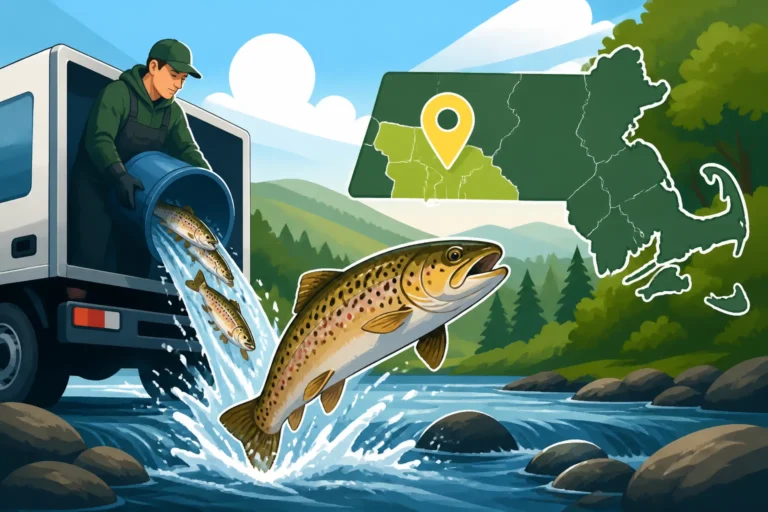
Many of these ponds are regularly stocked by MassWildlife, especially with trout, adding another layer of fishing excitement. During the spring and fall stocking seasons, these ponds become prime destinations for catching rainbow, brook, and brown trout. Check the Massachusetts Trout Stocking Schedule for specific dates and locations to plan your visit. Simple setups with worms, powerbait, or small spinners are often all you need to entice these hungry fish. Always consult the Massachusetts Freshwater Daily Catch Limits before heading out.
River Fishing for Trout and Herring
Beyond the ponds, the South Shore region also offers some excellent river fishing, particularly for those seeking trout and, seasonally, river herring. While not as famous for large trout rivers as the western part of the state, smaller streams like the North River (in its upper freshwater stretches) and various smaller brooks that feed into the larger bodies of water are often stocked or hold wild populations of brook trout. Fly fishing enthusiasts can find peaceful spots to cast dry flies or nymphs, especially in the cooler parts of the year.
The herring runs, particularly in the spring, are a spectacular natural phenomenon and can also present unique fishing opportunities. While river herring themselves are protected and cannot be harvested, their presence signifies an abundance of baitfish, which in turn attracts predatory species like striped bass into the lower stretches of the rivers. Observing a herring run can be an educational and exciting experience in itself. The Indian Head River, a tributary of the North River, is one such location where you might witness these incredible migrations. While you can't fish directly for the herring, you can often find other species feeding on them nearby.
Best Times and Species to Target on the South Shore
Understanding the seasonal patterns and the behavior of different fish species is key to maximizing your success on the South Shore. Massachusetts fishing seasons can vary significantly for different species, so a little planning goes a long way.
Seasonal Fishing Calendar for the South Shore
The fishing on the South Shore truly offers something year-round, though the species targeted change dramatically with the seasons.
Spring (April – May): This is arguably one of the most exciting times. The anadromous fish runs (river herring, shad) begin, drawing in the first waves of migratory striped bass into estuaries and nearshore waters. Trout stocking is in full swing in freshwater ponds and streams. Largemouth bass and pickerel become very active in ponds as water temperatures rise.
Summer (June – August): Peak season for most saltwater species. Striped bass are abundant along the coast, in harbors, and around jetties. Bluefish arrive in force, offering aggressive topwater action. Fluke (summer flounder), scup, and black sea bass become popular targets, particularly from boats or piers. Freshwater fishing remains good early mornings and evenings for bass and panfish. Offshore, tuna opportunities begin further out.
Fall (September – November): A second surge of incredible saltwater action as baitfish migrate south and predatory fish feed heavily before winter. The striped bass and bluefish bite can be phenomenal, especially during the fall run along the beaches and in the Cape Cod Canal region (though further south, it still impacts the South Shore). Tautog fishing becomes excellent around rocky structure as water cools. Freshwater fishing for trout, bass, and pickerel remains strong until winter sets in.
Winter (December – March): The coldest months slow down most open-water fishing, but ice fishing becomes popular on many freshwater ponds like Long Pond or Oldham Pond, targeting pickerel, perch, and occasionally trout. Some hardy saltwater anglers will still brave the cold for holdover striped bass in protected estuaries or cod offshore, but these are specialized pursuits. For a more detailed breakdown, refer to our Massachusetts Fishing Seasons Explained guide.
| Season | Primary Saltwater Targets | Primary Freshwater Targets | Typical Locations |
|---|---|---|---|
| Spring | Striped Bass (early runs), Mackerel | Trout (stocked), Largemouth Bass, Pickerel | Estuaries, Jetties, Stocked Ponds, Small Rivers |
| Summer | Striped Bass, Bluefish, Fluke, Scup, Black Sea Bass | Largemouth Bass, Smallmouth Bass, Panfish | Beaches, Harbors, Nearshore Ledges, Freshwater Ponds |
| Fall | Striped Bass (fall run), Bluefish, Tautog | Trout (stocked), Largemouth Bass, Pickerel | Beaches, Jetties, Rocky Reefs, Estuaries, Stocked Ponds |
| Winter | Holdover Striped Bass (limited), Cod (offshore, limited) | Ice Fishing: Pickerel, Perch, Trout | Protected Estuaries, Offshore (specialized), Ice-covered Ponds |
Top Game Fish of the South Shore
The South Shore truly shines when it comes to the variety of game fish available. Each species offers a unique challenge and reward.
- Striped Bass: These iconic fish are the undisputed kings of the South Shore saltwater. They can be caught from shore, kayaks, or boats, using a wide array of techniques from live baiting to artificial lures. They are migratory, arriving in spring and departing in fall, offering consistent action throughout the warmer months. Whether you're chasing them in the surf or targeting them in a quiet estuary, a striper fight is always memorable. Learn more about How to Catch Striped Bass in Massachusetts.
- Bluefish: Known for their aggressive nature and sharp teeth, bluefish provide explosive action, especially during the summer. They often travel in large schools, making for fast and furious fishing. Poppers and fast-retrieved lures are excellent choices. Just be careful with your fingers when handling them! The Massachusetts Saltwater Bag Limits by Species will provide current regulations for these exciting fish.
- Tautog: These bottom-dwelling fish are found around rocky structure, jetties, and wrecks. They are notoriously strong fighters and excellent eating. Green crabs are the bait of choice, and precise jigging is often required. Fall is prime time for tautog.
- Fluke (Summer Flounder): A popular summer target, fluke are delicious and found over sandy bottoms, often near structure or in channels. Drifting with bait (squid, minnows) or bucktail jigs is a common and effective method.
- Largemouth Bass: In the freshwater ponds, largemouth bass offer thrilling action. They love structure – lily pads, submerged timber, weed lines – and will hit everything from topwater frogs to soft plastic worms. They are a year-round target, with different techniques applied to their seasonal behaviors.
- Trout: Stocked extensively throughout the region's ponds and streams, trout (rainbow, brook, brown) provide excellent early season and fall fishing. They are a favorite for light tackle and fly anglers alike, known for their beauty and spirited fights. If you're looking for a guided trip to target any of these species, platforms like FishingBooker often feature experienced local captains who specialize in different types of fishing, from inshore striper trips to freshwater bass excursions.
No matter your preference, the South Shore near Scituate and Plymouth truly offers a comprehensive Massachusetts fishing experience. So grab your gear, check the tides, and get out there!
Disclaimer
Please note that fishing regulations, including license requirements, bag limits, and seasons, are subject to change. Always consult the latest rules and regulations published by the Massachusetts Division of Fisheries and Wildlife (MassWildlife) and the Massachusetts Division of Marine Fisheries (DMF) before engaging in any fishing activity. This guide is for informational purposes only and should not be considered a substitute for official regulatory information.