Where MassWildlife stocks trout in the Berkshires
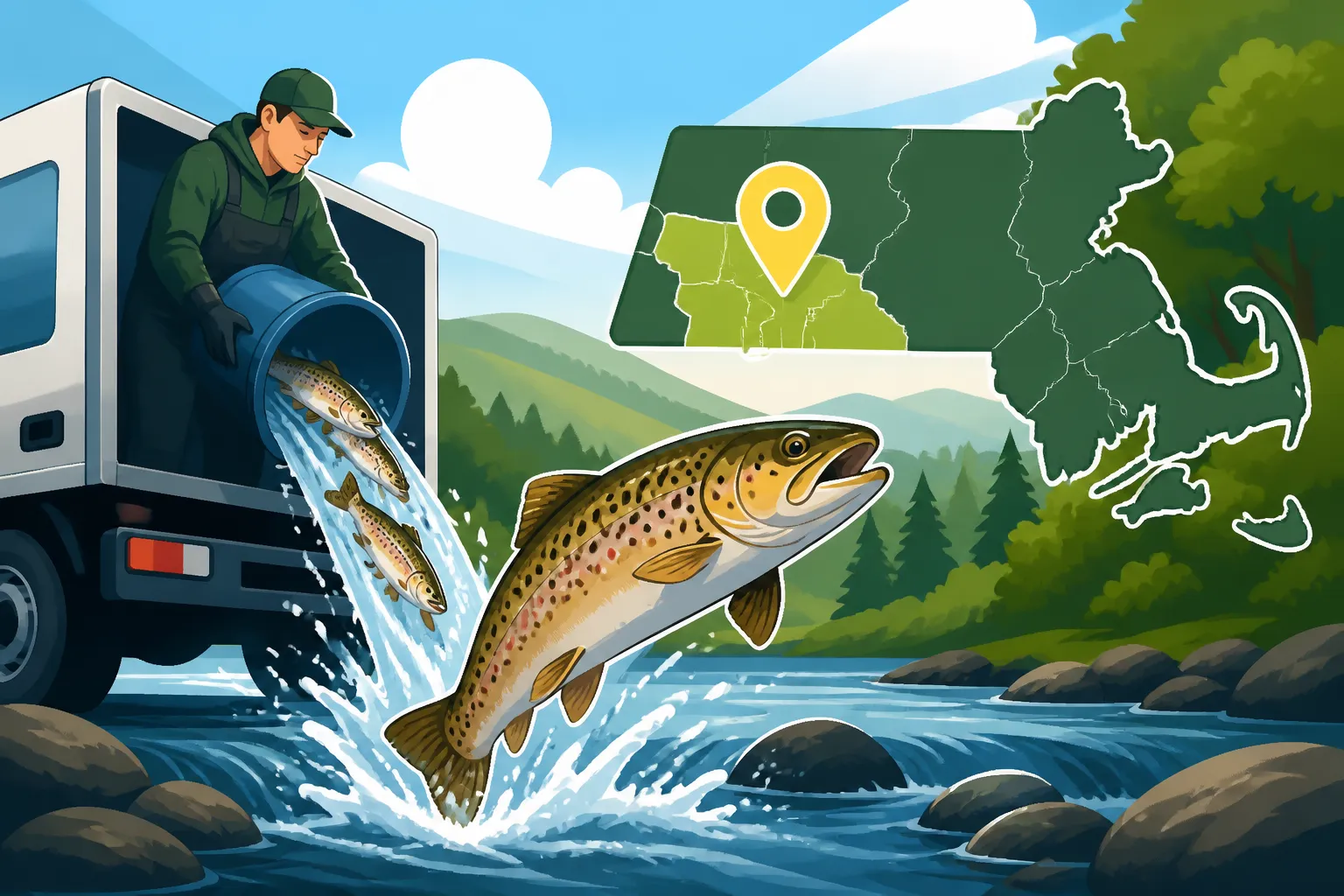
Finding those prime trout fishing spots in the vast, beautiful Berkshires can feel like searching for a needle in a haystack, especially if you're trying to track down MassWildlife's latest stockings. It's a common frustration for anglers to wonder exactly where the state agency releases those eager trout. This comprehensive guide will peel back the layers, revealing MassWildlife's stocking strategy and pinpointing the best waters in Berkshire County for your next successful trout adventure.
Decoding MassWildlife's Trout Stocking Strategy in the Berkshires
For many anglers across Massachusetts, the MassWildlife trout stocking program is a cornerstone of their fishing season. It's what ensures there are plenty of feisty fish to target, even in waters that might not naturally sustain large populations of trout. But what goes into this program, especially in a diverse region like the Berkshires? It’s more than just dumping fish into a stream; there’s a thoughtful process behind it all.
Why Trout Stocking is So Important for Anglers
Let's be real, without MassWildlife's dedicated efforts, trout fishing in many of our favorite local spots simply wouldn't be possible, or at least not nearly as productive. Many of the ponds, lakes, and even some rivers in the Berkshires get too warm in the summer or face other environmental pressures that make natural trout reproduction a challenge. Stocking bridges this gap, providing a vibrant fishery for thousands of recreational anglers, from seasoned fly fishers to kids casting a line for the very first time. It creates opportunities, supports the local economy through tackle shops and bait sales, and, most importantly, fosters a love for the outdoors. It's why keeping an eye on the MassWildlife trout stocking schedule is a rite of passage for many of us. You can find more details on this important process in our guide on the Massachusetts Trout Stocking Schedule.
The joy of catching a freshly stocked rainbow or brook trout is unique. These fish are often eager biters, providing exciting action, especially in the cooler months of spring and fall. It allows anglers of all skill levels to experience the thrill of a bending rod and a strong fight. Plus, these stockings often introduce larger "brood stock" trout, retired from the hatcheries, offering a chance at a true trophy fish that might surprise you with its size and fight.
How MassWildlife Chooses Stocking Locations
MassWildlife doesn't just randomly pick spots; there's a science and a lot of planning involved. They consider several critical factors to ensure the stocked trout have the best chance of survival and provide excellent angling opportunities. First and foremost is public access. They prioritize waters that are easily accessible to the public, whether by shore, canoe, or boat, ensuring that as many anglers as possible can enjoy the fishery. This often means state parks, town access points, and stretches of rivers with public easements.
Another crucial factor is water quality and temperature. Trout, especially brook and rainbow trout, need cool, clean water to thrive. MassWildlife monitors water bodies to ensure they meet the necessary oxygen levels and temperature ranges, especially during and after the stocking period. Waters that get too warm in summer, for instance, might only receive spring or fall stockings. They also look at the habitat, considering factors like available cover, depth, and potential food sources. Finally, angler demand and historical success play a significant role. If a particular pond or river consistently draws a crowd and provides good fishing experiences post-stocking, it's likely to remain a priority. This careful selection process helps make Massachusetts a fantastic place to fish, ensuring a diverse array of fish, including those beautiful brown trout and rainbow trout, are available.
A Detailed Look at Trout Stocking Locations in Berkshire County
Berkshire County, with its rolling hills, pristine forests, and countless waterways, is a trout angler's paradise. MassWildlife does an excellent job of spreading its stocking efforts across the entire region, ensuring that no matter where you are, a good trout spot isn't too far away. From swift-moving rivers to tranquil ponds, there’s a water body for every type of angler.
Northern Berkshire County's Premier Trout Waters
The northern part of the Berkshires offers some fantastic trout opportunities, characterized by cold-water streams and scenic ponds. When the stocking trucks roll through, these are the places anglers often flock to.
- Hoosic River (North Adams, Williamstown, Cheshire): This major river system receives significant stockings of rainbow and brown trout. Its various branches and access points, particularly around North Adams and Williamstown, make it a popular spot. While sections can be challenging due to urban encroachment, plenty of picturesque stretches offer excellent wading opportunities. The river's cooler tributaries also hold wild trout.
- North Pond (Florida): Tucked away in the town of Florida, North Pond is a serene, smaller water body that sees consistent stockings, often including brook and rainbow trout. It's a great spot for a quieter fishing experience, suitable for both shore anglers and those with canoes or kayaks.
- Savoy Pond (Savoy): High up in the hills of Savoy Mountain State Forest, Savoy Pond is another excellent option. It's regularly stocked with rainbow and brook trout and offers beautiful, remote scenery. Access is relatively easy, making it a favorite for families and those looking to combine fishing with a scenic outdoor excursion.
- Kitchen Brook (Lanesborough) and Bellows Pipe Brook (Richmond): These smaller streams, along with numerous others throughout the northern Berkshires, also receive stockings, often of brook trout. They are perfect for those who enjoy stealthy stream fishing, using light tackle or fly gear.
Central Berkshire County's Consistent Stocking Spots
Moving into the heart of Berkshire County, you'll find a blend of larger lakes, ponds, and the renowned Housatonic River, all of which are key components of MassWildlife's stocking efforts.
- Housatonic River (Pittsfield, Lenox, Lee, Stockbridge): The main stem of the Housatonic River is a jewel of the central Berkshires. It's a consistently stocked river, primarily with brown and rainbow trout, often in the spring and fall. Many stretches, particularly in the towns of Pittsfield, Lenox, and Lee, have public access points that are well-known to local anglers. This river is fantastic for wading or drift fishing, offering a chance at some larger holdover trout. Our guide on Brown Trout Fishing in Massachusetts provides more in-depth advice for targeting this species in such rivers.
- Onota Lake (Pittsfield): A large, accessible lake right in Pittsfield, Onota Lake is a popular spot that receives a good number of rainbow trout stockings. It's well-suited for boat fishing, but also has ample shore access, making it a convenient option for many. Beyond trout, it also holds bass and panfish, offering diverse opportunities.
- Richmond Pond (Richmond): This beautiful pond is another central Berkshire hotspot for trout. MassWildlife regularly stocks it with rainbow trout, and its clear waters and picturesque setting make it a favored destination. There’s public access for both shore and boat anglers.
- Goose Pond (Lee/Tyringham): Nestled between Lee and Tyringham, Goose Pond is a deeper, colder water body that supports trout year-round and receives generous stockings of rainbow trout. It’s an excellent choice for boat anglers who can cover more water to find the fish.
- Laurel Lake (Lee/Lenox): Another substantial lake, Laurel Lake is a consistent recipient of MassWildlife trout stockings, providing good action for rainbow and sometimes brown trout. Its size allows for diverse fishing methods, from trolling to still fishing from shore.
Southern Berkshire County's Hidden and Popular Gems
The southern Berkshires are dotted with beautiful ponds and rivers, many of which are regularly stocked, offering a peaceful and productive fishing experience.
- Otis Reservoir (Otis/Tolland): As one of Massachusetts' largest bodies of water, Otis Reservoir is an absolute powerhouse for trout fishing. It receives substantial stockings of rainbow and brown trout and is a prime destination for ice fishing in winter. Its vastness means there’s always a new spot to explore, whether from a boat or at one of its many access points.
- Lake Buel (Otis/Monterey): This scenic lake, split between Otis and Monterey, is another highly regarded trout water. It's regularly stocked with rainbow and brook trout, making it a popular choice for anglers throughout the spring and fall seasons. Shore access is available, and it's suitable for various types of boats.
- Greenwater Pond (Becket): A picturesque and tranquil pond in Becket, Greenwater Pond is a consistent recipient of MassWildlife stockings, often including rainbow and brook trout. Its serene environment makes it ideal for a relaxing day of fishing.
- Konkapot River (New Marlborough, Sheffield): This cold-water stream is a classic southern Berkshire trout river, receiving regular stockings of brook and rainbow trout. It’s perfect for anglers who enjoy the challenge of stream fishing, navigating bends and pockets for eager fish.
- York Lake (Sandisfield): Located in Sandisfield State Forest, York Lake is a smaller, quieter pond that is frequently stocked with rainbow and brook trout. It offers a peaceful setting for fishing and is often less crowded than some of the larger lakes.
Here’s a quick overview of some top stocking locations in the Berkshires:
| Location (Towns) | Primary Trout Species Stocked | Typical Season for Stocking (Primary) | Best Fishing Method | Notes |
|---|---|---|---|---|
| Hoosic River (North Adams, Williamstown, Cheshire) | Rainbow, Brown | Spring, Fall | Wading, Drift Fishing | Multiple public access points, good for fly fishing |
| Housatonic River (Pittsfield, Lenox, Lee, Stockbridge) | Rainbow, Brown | Spring, Fall | Wading, Drift Fishing | Excellent for larger holdovers, scenic stretches |
| Onota Lake (Pittsfield) | Rainbow | Spring, Fall | Shore, Boat, Trolling | Convenient urban access, holds other species |
| Otis Reservoir (Otis, Tolland) | Rainbow, Brown | Spring, Fall (also Ice Fishing) | Boat, Trolling, Ice Fishing | Very large, diverse fishery, great for ice fishing |
| Lake Buel (Otis, Monterey) | Rainbow, Brook | Spring, Fall | Shore, Boat | Scenic, popular spot, family-friendly |
| Richmond Pond (Richmond) | Rainbow | Spring, Fall | Shore, Boat | Clear water, good public access |
| Savoy Pond (Savoy) | Rainbow, Brook | Spring, Fall | Shore, Canoe/Kayak | Remote, scenic, good for a quiet day |
| Greenwater Pond (Becket) | Rainbow, Brook | Spring, Fall | Shore, Small Boat | Tranquil setting, consistent stockings |
| North Pond (Florida) | Rainbow, Brook | Spring, Fall | Shore, Canoe/Kayak | Smaller, quiet, good for light tackle |
Tips and Tactics for Post-Stocking Trout Fishing Success
So, you've found out where MassWildlife has stocked. Now what? Catching these freshly released trout isn't always as simple as dropping a line in the water, though sometimes it can be! There are definitely strategies and techniques that can greatly increase your chances of success. It's about understanding the fish's behavior and being prepared.
Recommended Baits and Lures for Freshly Stocked Trout
When it comes to freshly stocked trout, they're often a bit disoriented and hungry from their journey from the hatchery. This means they're usually not too picky, but certain presentations definitely outperform others.
For bait fishing, PowerBait in various colors (chartreuse, rainbow, orange) fished off the bottom with a small hook and an egg sinker rig is incredibly effective. It floats, keeping your bait visible to cruising trout. Worms (nightcrawlers, mealworms) are classic and always reliable; trout simply can't resist a wiggling worm. Corn (yes, canned corn!) can also be surprisingly effective, especially in ponds. Fish these baits either on the bottom or suspended under a bobber.
When it comes to lures, smaller is usually better for stocked trout. Inline spinners like Rooster Tails or Mepps, in sizes #0 to #2, are perennial favorites. Colors like silver, gold, black, and white with a touch of chartreuse or orange work wonders. Cast them out and retrieve slowly. Small spoons (like Thomas Buoyants or Kastmasters) in silver or gold also imitate baitfish and flash enticingly. Don't overlook small soft plastic swimbaits or grubs on a tiny jig head, retrieved slowly along the bottom or mid-water column. For fly anglers, our guide on Fly Fishing for Trout in Massachusetts Rivers offers more specific patterns, but small Woolly Buggers, Hare's Ears, and Pheasant Tails are excellent choices for stocked fish.
Timing Your Trip and Locating the Fish
One of the biggest keys to success with stocked trout is timing. The first few days after a stocking event are often the most productive. The fish are fresh, hungry, and still getting acclimated to their new environment. You can often find information about expected stocking times through MassWildlife's weekly reports, though exact dates and times are often kept vague to prevent overwhelming pressure on specific spots.
As for locating the fish, remember they've just been released. In ponds and lakes, they often congregate near the stocking points for a while before dispersing. Look for deeper pockets, shaded areas, or any structure that offers cover. In rivers and streams, they'll typically seek out slower-moving pools, eddies, or deep runs where they can rest and feed without expending too much energy against the current. Don't be afraid to move around and try different depths until you find where they're holding. Early mornings and late afternoons, especially on overcast days, tend to be the most active feeding times.
Essential Gear for Trout Angling in the Berkshires
Having the right gear makes a huge difference, not just in catching fish, but in your overall enjoyment. You don't need to break the bank, but a few key items will serve you well.
- Rod and Reel: A lightweight spinning rod (6 to 7 feet long) with a fast action, paired with a small spinning reel (2000 or 2500 size), is ideal. Spool it with 4-6 lb test monofilament or fluorocarbon line. For fly anglers, a 4-5 weight rod is perfect for most Berkshire trout streams.
- Tackle Box Essentials: Stock up on those small spinners, spoons, hooks (sizes 8-12), split shot, bobbers, and swivels. Bring a variety of PowerBait colors and always have some worms on hand.
- Waders and Boots: If you're planning to fish rivers like the Hoosic or Housatonic, a good pair of waders (chest or hip) and wading boots with felt or rubber soles (for grip) are invaluable. They'll keep you dry and allow you to access more productive spots. For some truly excellent fishing experiences, you might even consider hiring a local guide who knows the specific waters well. While this guide is informational, if you were ever looking for a guided trip, you could find local experts through platforms like FishingBooker.
- Net: A small, soft-mesh landing net is essential, especially if you plan to practice catch and release. It minimizes harm to the fish.
- Comfort Items: Don't forget sunscreen, bug spray, polarized sunglasses (to see into the water better!), a hat, and plenty of water and snacks. Being comfortable makes for a much more enjoyable day on the water.
Important Regulations and Conservation Practices
Before you head out to those freshly stocked waters, it's absolutely crucial to familiarize yourself with Massachusetts fishing regulations. Not only does it keep you on the right side of the law, but it also ensures the sustainability of our precious fisheries. Ignoring the rules can lead to hefty penalties and harm the resource we all love.
Understanding Massachusetts Trout Fishing Regulations
Massachusetts has specific regulations that apply to trout, which can vary by water body and by species. You'll need a valid Massachusetts Fishing License, which is essential for any angler over the age of 15. Our comprehensive Massachusetts Fishing License Guide can walk you through the process, and you can learn about specific age requirements in Massachusetts Fishing License Requirements by Age.
Beyond the license, pay close attention to daily bag limits and minimum size requirements for trout. These can vary significantly. For instance, many waters have a general daily bag limit of 3 trout, but some fly-fishing-only or catch-and-release areas have different rules. Make sure you understand the Massachusetts Freshwater Daily Catch Limits before you go. Additionally, certain bodies of water might have specific gear restrictions (e.g., fly fishing only, single hook artificials only) or closed seasons. Always check the current MassWildlife Freshwater Fishing Guide, available online or at license vendors. Ignorance of the law is not an excuse, so a quick check beforehand can save you a lot of trouble.
Practicing Responsible Angling in Stocked Waters
Catching fish is only part of the equation; responsible angling ensures that these resources remain vibrant for future generations.
- Respect Private Property: Always be mindful of land ownership. Stocked waters often flow through or are adjacent to private property. Only access areas that are clearly designated as public.
- Practice Catch and Release Wisely: If you plan to release fish, handle them as little as possible. Use wet hands, remove hooks quickly (barbless hooks make this much easier), and revive the fish gently in the water before letting it go. Avoid dragging fish on rocks or dry land.
- Leave No Trace: Pack out everything you pack in. This includes old fishing line, bait containers, and any other trash. Litter not only spoils the natural beauty but can also be harmful to wildlife.
- Report Poaching or Violations: If you witness any illegal fishing activity, such as exceeding bag limits or fishing without a license, report it to MassWildlife. This helps protect our fisheries.
- Be Mindful of Other Anglers: Stocked spots can get crowded, especially right after a stocking. Give others space, avoid casting over their lines, and share the resource respectfully.
By following these guidelines and understanding the regulations, you're not just a successful angler; you're a responsible steward of Massachusetts' incredible natural resources.
Disclaimer
Please note that fishing regulations, stocking schedules, and access points can change. Always consult the most current Massachusetts Angler's Guide and MassWildlife website for the latest official information before planning your fishing trip. This guide is for informational purposes and should not be considered legal advice.