Fly Fishing for Trout in Massachusetts Rivers
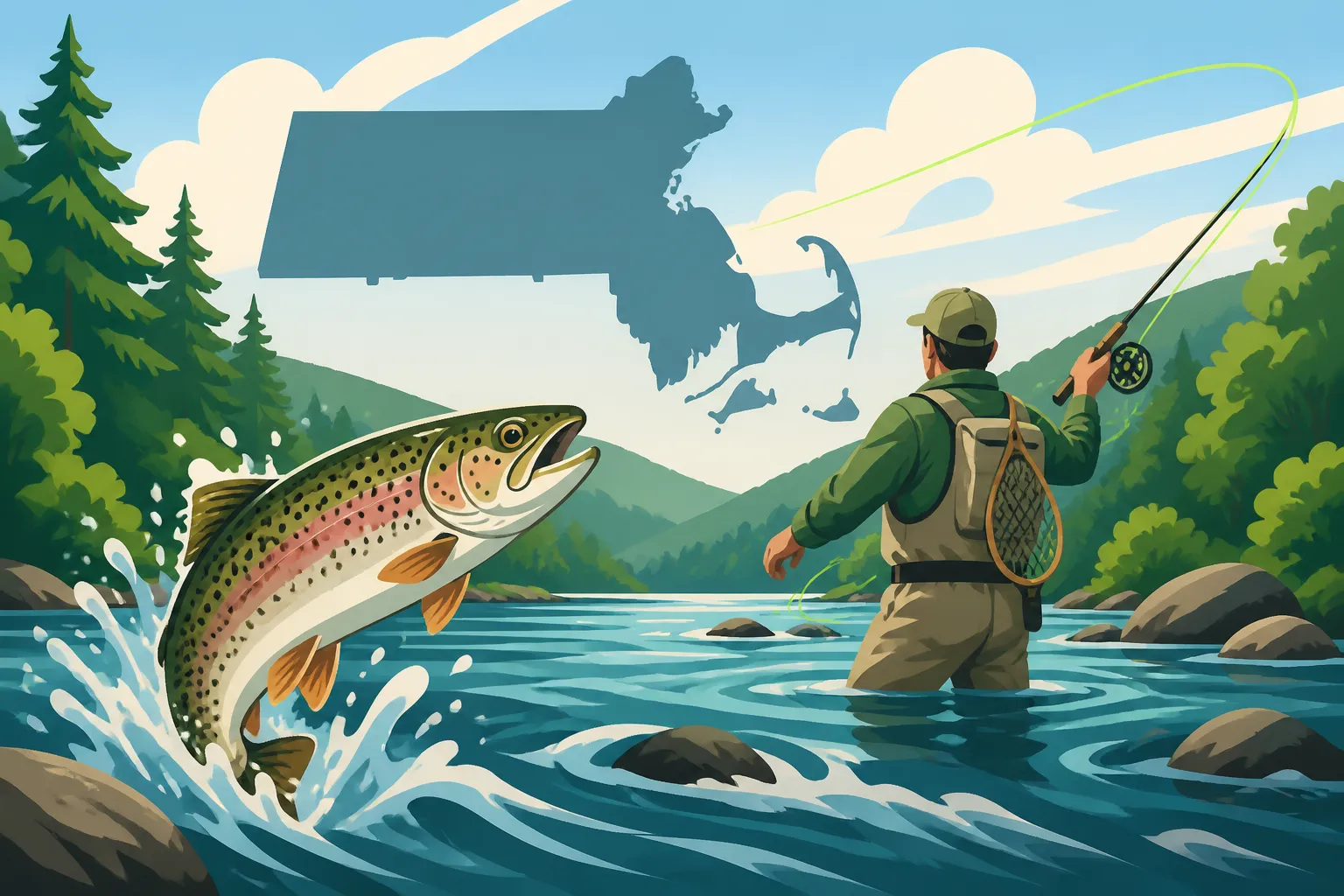
There’s a unique tranquility and challenge that comes with standing in the cold current of a Massachusetts river, carefully casting a line, and hoping to fool a wary trout with a meticulously tied fly. Many anglers feel a deep connection to nature through this pursuit, but it can also be incredibly frustrating when you’re just starting out, or even when you've been at it for years and the fish simply aren't cooperating. This comprehensive guide is here to demystify the art and science of fly fishing for trout in the diverse rivers and streams across our beautiful Bay State, helping you understand the gear, the spots, the techniques, and the seasons to find consistent success and enjoyment.
The Allure of Fly Fishing for Massachusetts Trout
Fly fishing isn't just about catching fish; it's about the entire experience—the quiet beauty of the surroundings, the rhythmic casting, and the intellectual challenge of presenting a tiny artificial insect in a way that convinces a wild trout to strike. For many, it's a meditative escape from the daily grind, a chance to truly connect with the natural world right here in Massachusetts.
Why Massachusetts Rivers Call to Fly Anglers
Our state might not have the sprawling, legendary trout rivers of the American West, but what we do have are hidden gems, productive freestone streams, and well-managed tailwaters that offer fantastic opportunities for both novice and seasoned fly anglers. The variety is truly surprising. From the fast-flowing, technical waters of the western mountains to the more placid, winding streams nearer the coast, there's a river system for every preference. The beauty of these rivers, often meandering through lush forests or alongside historic towns, adds an incredible layer to the fishing experience. You’re not just chasing fish; you’re exploring the rich tapestry of Massachusetts' natural landscapes. It’s an adventure that evolves with the seasons, offering new challenges and rewards throughout the year.
The MassWildlife agency does a commendable job of managing our trout resources, stocking many of these rivers and streams annually, while also protecting crucial habitats for wild, native populations. This means that whether you're looking for a challenging pursuit of wild brook trout or a productive day targeting freshly stocked rainbows, Massachusetts has you covered. The sheer accessibility of many of these waters also makes them incredibly appealing. You don't always need to trek deep into the wilderness; often, a productive stretch of river is just a short drive from home.
Understanding Massachusetts Trout Species for Fly Fishing
Before you even think about tying on a fly, it’s crucial to understand the stars of the show: the trout themselves. Massachusetts is home to several species that provide excellent fly fishing opportunities, each with their own preferences and challenges. Knowing what you're targeting can greatly influence your gear, fly selection, and approach.
The most iconic native species is the Brook Trout in Massachusetts Streams, a strikingly beautiful fish with vibrant red spots and worm-like markings. These wild beauties are often found in the colder, cleaner headwaters and smaller streams, preferring pristine conditions. They tend to be smaller, but their feisty nature and stunning colors make them a prized catch on light fly tackle. Then we have the Rainbow Trout Stocking in Massachusetts, a fantastic sportfish known for its acrobatic fights and willingness to hit a variety of flies. These are primarily a stocked species, meaning MassWildlife releases them into many rivers, especially in spring and fall. Finally, the Brown Trout Fishing in Massachusetts offers a different kind of challenge. Brown trout can grow quite large and are often more elusive and wary than rainbows, demanding a more subtle approach. They thrive in slightly warmer waters than brook trout and can be found in a good mix of stocked and wild populations, particularly in larger river systems. Each species presents its own unique puzzle, and part of the joy of fly fishing in Massachusetts is learning to decipher their individual habits.
Essential Gear for Massachusetts Trout Fly Fishing
Stepping into the world of fly fishing can feel a little overwhelming when it comes to gear. There's a lot of specialized equipment, and it's easy to get caught up in the details. But don't worry, you don't need to break the bank or buy every single gadget to get started. The key is to have reliable, functional gear that suits the types of rivers and trout you’ll be pursuing in Massachusetts. Think of it as investing in tools that enhance your experience, rather than just buying stuff.
Rods, Reels, and Line: Matching Your Setup
Your rod, reel, and line form the core of your fly fishing setup, and getting this combination right is crucial for casting effectively and fighting fish. For most trout fishing in Massachusetts rivers, a 7 to 9-foot rod in a 4 or 5-weight is considered the sweet spot. A 4-weight offers more sensitivity and a lighter presentation, perfect for smaller streams and delicate dry fly work, while a 5-weight is a versatile workhorse, capable of handling larger flies, nymph rigs, and bigger fish in more diverse conditions. If you're tackling smaller, brush-choked brooks for wild brookies, a shorter, lighter rod (like a 2 or 3-weight) might be an absolute blast, allowing for more accurate short casts. For larger rivers or if you plan on throwing bigger streamers, a 6-weight can also be an excellent choice.
Your reel doesn't need to be incredibly fancy for trout fishing; its primary job is to hold your line and provide a smooth drag when a fish runs. A simple, disc-drag reel that balances well with your chosen rod is usually sufficient. As for line, a weight-forward floating line is the most versatile option for general trout fishing. It’s designed to help you cast with ease and keep your flies on or near the surface. For nymphing deeper or with heavier flies, you might consider a sinking tip line or simply adding split shot to your leader. Don't forget a tapered leader (often 7.5 or 9 feet long, with a 3X to 5X tippet section) to connect your fly line to your fly, providing a nearly invisible connection and aiding in delicate presentations. You can find excellent starter kits that combine a rod, reel, line, and leader, often available from reputable brands on platforms like Amazon, which can be a smart way to get all the essentials in one go.
Waders, Boots, and Apparel: Staying Comfortable and Safe
Spending hours in a river, often in chilly water, means staying dry and comfortable is paramount. This is where good waders and wading boots come in. Breathable chest waders are usually the best choice for Massachusetts rivers. They allow moisture to escape, preventing you from getting clammy on warmer days, while keeping the cold water out. Look for durable materials and features like reinforced knees and plenty of pockets for essentials. Neoprene waders are an option for colder conditions, but less versatile.
Matching your waders with comfortable and grippy wading boots is also vital for safety and stability on slippery riverbeds. Felt soles offer excellent grip on rocky bottoms, though some areas have regulations against them due to concerns about invasive species transfer. Rubber soles with studs or cleated soles are a good alternative and increasingly popular. Beyond waders and boots, layering is key. Start with moisture-wicking base layers, add insulating mid-layers (fleece or synthetic), and finish with a waterproof, breathable outer shell jacket. A wide-brimmed hat, polarized sunglasses (essential for spotting fish and protecting your eyes), and sunscreen complete your essential apparel. Good quality gear from brands like Orvis, Simms, or Redington can be found at local fly shops or through online retailers.
Flies and Tackle: The Small Details That Make a Big Difference
Now for the fun part: the flies! This is where fly fishing truly shines, as you attempt to mimic the natural food sources of trout. The sheer variety of flies can be daunting, but for trout in Massachusetts, you'll want a selection of three main categories: dry flies, nymphs, and streamers.
- Dry Flies: These imitate adult insects that float on the surface of the water, like Caddis, Mayflies, and Terrestrials (grasshoppers, ants, beetles). Key patterns for Massachusetts often include Elk Hair Caddis, Adams, Parachute Adams, Stimulator, and various Hopper patterns. The size will vary depending on the hatch, but having a range from size 12 to 18 is a good start.
- Nymphs: These imitate the immature aquatic insect forms that live on the riverbed. Trout spend a vast majority of their time feeding subsurface, making nymphs incredibly effective. Popular Massachusetts nymph patterns include Pheasant Tail, Hare's Ear, Prince Nymph, and various stonefly and caddis larval imitations. Sizes from 10 to 20 are common.
- Streamers: These flies imitate baitfish, leeches, or larger invertebrates, appealing to the predatory nature of larger trout. Woolly Buggers (in black, olive, or brown), Clouser Minnows, and other baitfish patterns are excellent choices, especially when fishing for larger brown trout or in higher water. Sizes typically range from 4 to 10.
Beyond flies, you'll need a few essential tackle items: a fly box to organize your flies, forceps or hemostats for safely removing hooks, nippers for cutting line, split shot for adding weight to nymphs, strike indicators (tiny floats) to detect subtle bites when nymphing, and tippet spools in various sizes (e.g., 3X, 4X, 5X) for tying on new flies or extending your leader. Carrying a small backpack or vest with these items readily accessible will make your day on the water much more enjoyable. For beginners, purchasing a diverse starter pack of flies, often curated for specific regions or species, can be an easy way to build your initial arsenal.
Top Massachusetts Rivers for Fly Fishing Trout
Massachusetts offers a diverse range of rivers and streams, each with its own character and opportunities for fly anglers. While some are well-known, others are smaller, quieter, and offer a more secluded experience. Understanding the best options can help you plan your next outing and tailor your approach.
Western Massachusetts Gems: Deerfield and Farmington Rivers
When you talk about premier trout rivers in Massachusetts, the Deerfield River in Western Massachusetts inevitably comes up first. This is a cold-water gem, especially known for its significant wild brown trout population and excellent stocking programs. The section below the Fife Brook Dam in Florida and Monroe is a regulated catch-and-release, fly-fishing-only area, making it a true haven for dedicated anglers. Here, you'll find impressive numbers of brown and rainbow trout, some growing to substantial sizes. The river is diverse, with swift riffles, deep pools, and long, slow runs, requiring a range of techniques. Nymphing is often highly effective, especially with patterns mimicking caddis larvae and mayfly nymphs, but robust hatches can bring trout to the surface for exciting dry fly action. You can find detailed information on this renowned waterway in a Deerfield River Trout Fishing Spots in Massachusetts guide.
Just across the border in Connecticut, but easily accessible and frequently fished by Massachusetts anglers, is the Farmington River. This river boasts a world-class trout fishery, largely due to its consistent cold-water releases from the Hogback Dam. It features a lengthy permanent catch-and-release section that holds wild brown trout, as well as heavily stocked stretches. The Farmington offers incredibly diverse fishing, from technical dry fly fishing during prolific hatches to deep nymphing in its many pools. Many Massachusetts residents consider this river a prime destination for larger, more challenging trout. The complexity of the river and its varied insect life mean that keen observation and adaptable techniques are often rewarded.
Central and Eastern Massachusetts Streams: Beyond the Major Stocking Areas
While Western Massachusetts often gets the spotlight, Central and Eastern Massachusetts also offer fantastic, albeit sometimes less heralded, fly fishing opportunities. The Swift River, particularly the section below the Quabbin Reservoir in Belchertown, is a unique cold-water fishery. Due to the deep-water release from the reservoir, the Swift remains consistently cold year-round, making it a haven for trout, including some very large holdovers. It’s famous for its super-spooky, selective trout that demand precise presentations and tiny flies, often focusing on midge and small nymph patterns. This is a true challenge for even experienced anglers but offers immense satisfaction when cracked.
Other notable central and eastern rivers include parts of the Millers River and the Westfield River, which receive significant stockings and support wild trout populations in their colder stretches. Even closer to Boston, you can find productive, albeit smaller, streams like sections of the Ipswich River or other smaller tributaries that, after a good stocking by MassWildlife, can provide surprisingly good fishing, especially early in the season. These smaller streams are often perfect for learning basic casting and presentation skills without the pressure of a more technical river. It’s also worth exploring local state parks and wildlife management areas for publicly accessible streams. While they might not hold the trophy fish of the Deerfield or Farmington, they offer a peaceful retreat and a chance to connect with nature, often yielding beautiful native Brook Trout in Massachusetts Streams.
Mastering Fly Fishing Techniques for Massachusetts Conditions
Fly fishing is an art form, and mastering it in Massachusetts conditions means understanding how to present your fly effectively in diverse river environments. The state’s rivers throw a variety of challenges at anglers, from swift currents to slow, clear pools, and successful anglers are those who can adapt their techniques to match the situation.
Nymphing and Streamer Fishing: Getting Down to Where the Fish Are
Trout spend the vast majority of their feeding time subsurface, making nymphing and streamer fishing incredibly effective techniques, especially in Massachusetts rivers where the water might be higher, stained, or simply not experiencing an active surface hatch.
Nymphing involves presenting a fly that mimics an aquatic insect larva or pupa drifting naturally along the riverbed. It's often the most productive method, particularly in colder water or when fish aren't rising. The key to successful nymphing is getting your fly down to the fish's feeding zone quickly and maintaining a drag-free drift. This often means using weighted flies, adding small lead-free split shot to your leader, and employing a strike indicator (a small foam or yarn float) to detect subtle takes. Techniques like the "indicator nymphing" (where you watch the indicator for any twitch or hesitation) or "tight-line nymphing" (where you feel for the strike directly through the line, often without an indicator) are crucial. For example, on the Deerfield, when the water levels are up, a heavy nymph rig bounced along the bottom can be deadly, imitating dislodged insects. Remember that the "dead drift" is paramount; your fly should move at the exact speed of the current, just like a natural insect.
Streamer fishing involves using larger flies that imitate baitfish, leeches, or crayfish. This technique is fantastic for targeting larger, more aggressive trout, especially Brown Trout Fishing in Massachusetts, and can be incredibly effective after heavy rains when the water is slightly off-color, or during low light conditions. The goal is to strip or swing the streamer through the water in a way that suggests a wounded or fleeing prey item. This can be done by casting across or slightly upstream and letting the fly swing downstream while stripping line in varying lengths and speeds. Experiment with different retrieve patterns – short, sharp strips; long, slow pulls; or even erratic twitches – to see what triggers a strike. Woolly Buggers, Clouser Minnows, and Sculpin patterns are often excellent choices for tempting bigger fish lurking in deeper pools or along undercut banks. These methods allow you to actively cover water and prospect for fish that might not be looking up.
Dry Fly Fishing: The Art of the Surface Take
Ah, dry fly fishing – for many, this is the epitome of fly fishing. There's nothing quite like watching a trout rise from the depths to sip your perfectly presented artificial insect from the surface. While not always the most productive method in terms of sheer numbers, it offers some of the most visually exciting and rewarding experiences.
Dry fly fishing requires a delicate touch and keen observation. You need to identify what natural insects (mayflies, caddis, stoneflies, terrestrials) are hatching or falling onto the water, and then select a fly that closely matches their size, shape, and color. Presentation is everything: your fly must land softly, without "splashing down," and drift naturally with the current, completely drag-free. Any drag, where your line pulls the fly unnaturally, will instantly put off a wary trout. This often involves careful upstream casts, mending your line (flipping sections of line upstream to counteract the current’s pull), and precise targeting of rising fish. On rivers like the Swift, where trout are notoriously selective, matching the hatch precisely and achieving a perfect drift are non-negotiable.
Learning to read the rise forms – how a fish breaks the surface – can give you clues about what they're eating. A gentle dimple usually indicates a mayfly feeder, while a splashier rise might mean a caddis or a terrestrial. Having a variety of common Massachusetts dry fly patterns, from small midges to larger caddis and hopper imitations, is essential. When you successfully fool a trout with a dry fly, it’s a moment that will stay with you, a testament to the blend of observation, skill, and a little bit of magic.
Reading the Water: Finding Productive Lies and Structure
One of the most crucial skills in fly fishing is learning to "read the water" – understanding where trout are likely to hold and feed. Trout are creatures of efficiency and safety. They position themselves in spots that offer a steady supply of food with minimal effort, while also providing protection from predators and strong currents.
Look for areas that break the current, creating slower water zones where fish can rest without expending too much energy. These "current seams" where fast water meets slow are prime feeding lanes, as insects and baitfish are funneled through them. Undercut banks, overhanging vegetation, large rocks, submerged logs, and deep pools all provide cover and ambush points. In fast-flowing riffles, trout will often tuck into depressions or behind boulders, waiting for food to drift by. On broader, slower stretches, they might spread out, or congregate in deeper channels.
The speed and depth of the water also play a significant role. In shallower, faster water, trout might be more aggressive as they have less time to inspect a fly. In deeper, slower pools, they can be more wary and require a more subtle approach. Pay attention to the water temperature; trout seek out their preferred thermal comfort zone, which often means colder water in summer and slightly warmer areas in winter. The ability to identify these productive "lies" will drastically improve your success rate, even before you make your first cast. Think like a trout: where would you hide and wait for food if you lived in that river?
Seasonal Strategies for Massachusetts Trout Fly Fishing
Massachusetts trout rivers offer year-round fly fishing opportunities, but success often hinges on adapting your strategies to the distinct changes each season brings. From the invigorating chill of early spring to the crisp air of late fall, understanding the seasonal rhythms is key to finding fish.
Spring Runoff and Early Season Tactics
Spring in Massachusetts is a time of renewal, and for trout anglers, it brings the excitement of the annual Massachusetts Trout Stocking Schedule. As snow melts and spring rains begin, rivers often experience higher flows and cooler temperatures. This can be a challenging but rewarding time. High, slightly off-color water means trout are less selective and more willing to hit larger, more visible flies.
During early spring, when water temperatures are still quite cold (below 45°F), trout are often sluggish and hold in deeper, slower pools or behind significant current breaks. Nymphing heavy, dark patterns like stoneflies and large caddis larvae is often the most effective method, as these insects are prevalent on the bottom. Streamers, like a black or olive Woolly Bugger, stripped slowly through deep runs, can also entice lethargic fish looking for a substantial meal. As the water warms slightly (into the 45-55°F range), activity picks up. You'll start to see significant hatches of larger mayflies (like Hendricksons) and caddis, bringing fish to the surface for thrilling dry fly action. This is when the rivers truly come alive, and many anglers eagerly await the opportunity to target freshly stocked Rainbow Trout Stocking in Massachusetts or powerful Brown Trout Fishing in Massachusetts that have overwintered. Remember to check local regulations, as the fishing season traditionally opens on April 1st for many waters, and bag limits apply even for stocked fish.
Summer Challenges and Low Water Approaches
Summer in Massachusetts can be a double-edged sword for trout fly fishing. The warm weather is inviting, but rising water temperatures and often lower flows can stress trout, especially in rivers without cold-water releases. When water temperatures climb above 68-70°F, trout become highly stressed, and catch-and-release can be deadly. It's crucial to carry a stream thermometer and avoid fishing for trout when water temperatures are too high. Focus on early mornings or late evenings when water temperatures are cooler, or seek out cold-water refuges like the outflows of cold springs or deep, shaded pools.
In lower, clearer summer flows, trout become incredibly wary. Your approach needs to be more stealthy, your casts more delicate, and your fly selection more precise. Terrestrial patterns (hoppers, ants, beetles) become very effective as these land on the water from streamside vegetation. Small caddis and trico mayfly hatches can also provide brief periods of dry fly action, especially at dawn and dusk. Longer, lighter leaders and tippets (e.g., 5X or 6X) are often necessary for presenting these smaller flies naturally. Nymphing with tiny patterns is still productive, particularly in faster riffles that offer more oxygenated water. Targeting the deeper, cooler sections of rivers like the Deerfield or the tailwater sections of the Swift River becomes paramount, as these locations offer more consistent conditions for trout during the dog days of summer.
Fall Fishing: When Trout Get Aggressive
Fall is arguably one of the most beautiful and productive seasons for fly fishing in Massachusetts. As air and water temperatures cool, trout become more active and aggressive, feeding heavily in preparation for winter. The vibrant fall foliage provides a stunning backdrop to your fishing adventures.
MassWildlife conducts significant fall trout stocking, often including larger fish, which rejuvenates many rivers and streams. This means plenty of opportunities for Rainbow Trout Stocking in Massachusetts and Brown Trout Fishing in Massachusetts in a wide range of locations. Trout are often less selective than in summer, making it a great time for both nymphing and streamer fishing. Large streamers, like articulated patterns in baitfish colors, can be incredibly effective at provoking strikes from aggressive brown and rainbow trout. Many of these fish are actively migrating and spawning, particularly brown and brook trout, making them more territorial and prone to striking.
Hatches of Blue-Winged Olives (BWOs) and Caddis can provide excellent dry fly opportunities on overcast days, especially in the afternoon. Terrestrials are still on the menu too, though less abundant than in late summer. Focus on areas where trout are actively staging for spawning, but remember to be mindful of spawning fish and avoid disturbing redds (spawning beds). Fall is also a prime time to explore smaller, wild trout streams for feisty native Brook Trout in Massachusetts Streams before winter sets in. It’s a season of abundance and stunning beauty, making it a favorite for many Massachusetts fly anglers.
Conservation, Etiquette, and Regulations
Being a responsible angler goes hand-in-hand with enjoying the beautiful rivers and the fish they hold. Understanding and adhering to regulations, practicing good etiquette, and prioritizing conservation are essential for preserving Massachusetts’ trout fisheries for future generations.
Catch and Release Best Practices
Many fly anglers, particularly those targeting wild trout or fishing in special regulation areas, practice catch and release. This ensures the fish population remains healthy and vibrant. However, catch and release is only effective if done properly to minimize stress and injury to the fish.
Here are some best practices:
- Handle Fish Gently: Wet your hands before touching the fish to protect its protective slime layer. Avoid squeezing the fish, especially around its belly or gills.
- Minimize Air Exposure: Keep the fish in the water as much as possible. If you want a photo, get your camera ready before you lift the fish, snap quickly, and immediately return it to the water. A few seconds out of water can be very detrimental, especially in warmer conditions.
- Use Barbless Hooks: Crushing the barb on your hooks or using purpose-made barbless hooks makes hook removal much easier and reduces trauma to the fish. This is a simple yet highly effective measure.
- Quick Hook Removal: Use forceps or hemostats to quickly and carefully remove the hook. If the fish is deeply hooked, it’s often best to cut the line as close to the hook as possible, as the hook will eventually rust out, rather than trying to rip it free.
- Revive the Fish: Gently hold the fish upright in a slow current, allowing water to flow over its gills until it regains strength and can swim away on its own. Do not thrust it back and forth, as this can damage its gills. When it kicks strongly, let it go.
Practicing these methods ensures that the trout you release have the best chance of survival and can continue to contribute to the health of the fishery.
Understanding State Regulations and Permits
Before you even step into a Massachusetts river, it's absolutely crucial to have a valid fishing license. Anyone aged 15 and older needs a Massachusetts Fishing License Guide to legally fish in freshwaters across the state. This license covers both freshwater and saltwater recreational fishing. You can easily purchase your license online through the MassFishHunt system, at a designated vendor, or at a MassWildlife office. The cost varies for residents and non-residents, and there are often special rates for seniors and youth.
Beyond the general license, it’s vital to be aware of the specific rules that apply to different waters. Massachusetts has various special regulations on certain rivers or sections of rivers, particularly for trout. These might include:
- Catch and Release Only Sections: As mentioned for parts of the Deerfield and Swift rivers, where you must release all trout unharmed.
- Fly Fishing Only Areas: Where only artificial flies may be used, and bait is prohibited.
- Bag Limits: The number of fish you can keep per day, which can vary by species and location. You can learn more about these specifics in the Massachusetts Recreational Fishing Rules and Bag Limits.
- Minimum Size Limits: The smallest length a fish must be to be legally kept.
- Season Dates: While many rivers are open year-round for catch and release, there are specific seasons for keeping trout, typically aligning with the Massachusetts Freshwater Fishing Season Calendar.
Always consult the most current Massachusetts Freshwater Fishing Guide, available from MassWildlife, or their website, before heading out. Regulations are subject to change, and ignorance is no excuse for violating the law. This guide will also inform you about the Massachusetts Trout Stocking Schedule, which can be very helpful for planning trips.
Respecting Fellow Anglers and the Environment
Fly fishing is often a solitary pursuit, but our rivers are shared spaces, and good etiquette ensures a pleasant experience for everyone. Here are a few points to keep in mind:
- Give Space: If you see another angler, give them plenty of room. A good rule of thumb is to allow at least 100 feet (or more, depending on the river's size and layout) between yourself and others. Don't crowd someone's fishing spot or walk directly through the water they are actively fishing.
- Move Downstream: When approaching a section of river, generally start fishing upstream of where another angler is, or simply find an open section further away. If you must pass someone, do so quietly and on the bank, away from the water.
- Leave No Trace: Pack out everything you pack in, including all trash, broken line, and discarded leader material. Do not leave behind any fishing related debris. This includes taking care not to disturb streamside vegetation unnecessarily.
- Protect the Resource: Be mindful of spawning fish and avoid wading on redds (spawning beds), which appear as clean, gravelly depressions. Report any poaching or environmental violations to MassWildlife.
- Avoid Spreading Invasive Species: Clean your waders, boots, and gear thoroughly between different water bodies. Mud and plant matter can harbor invasive species that can harm our delicate ecosystems. A quick scrub with a brush and letting your gear dry completely is a good practice. Many anglers will also spray down their boots with a dilute bleach solution or a specific boot cleaning product (easily found on Amazon) to ensure no spores or organisms are transferred.
By practicing responsible angling, you're not just being polite; you're actively contributing to the health and longevity of Massachusetts' incredible trout fisheries for generations to come.
Disclaimer
Please note that fishing regulations, seasons, and stocking schedules in Massachusetts are subject to change by the Massachusetts Division of Fisheries and Wildlife (MassWildlife). Always consult the most current official Massachusetts Freshwater Fishing Guide or the MassWildlife website before planning your fishing trip to ensure compliance with all applicable laws and regulations. This guide is for informational purposes only and should not be considered legal advice.