Chumming for Bluefish and Striped Bass
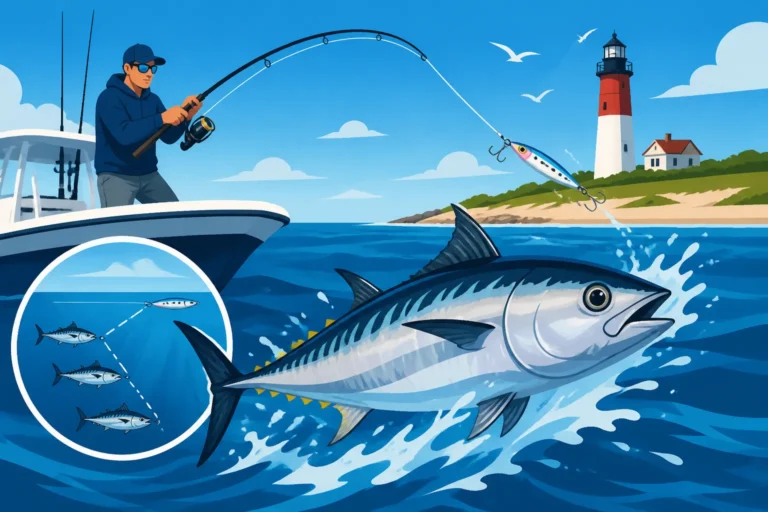
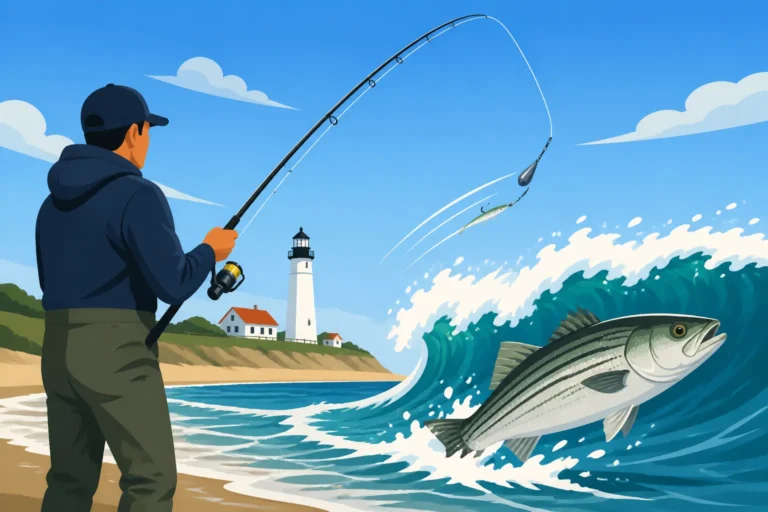
For any angler chasing the thrill of a bent rod and the powerful tug of a Massachusetts bluefish or striped bass, there are days when the bite just isn't happening. You've cast every lure in your box, tried every spot, and still, nothing. That's where the magic of chumming comes in, turning a slow day into an unforgettable one by creating an irresistible scent trail that draws these voracious predators right to your boat or shore spot. This guide is all about mastering the art and science of chumming specifically for bluefish and striped bass in our beloved New England waters.
Understanding the Power of Chumming for Massachusetts Anglers
Let's face it, fishing can be a waiting game, and sometimes, you just want to stack the odds in your favor. Chumming isn't cheating; it's a strategic method that can dramatically increase your chances of success, especially when targeting active predators like bluefish and striped bass. It’s about creating an olfactory beacon in the water, a scent trail that these fish simply can't ignore.
What Exactly is Chumming and Why Does it Work?
At its heart, chumming is the practice of strategically dispersing ground-up bait, oils, or other attractants into the water to draw fish to your fishing location. Think of it like a floating buffet line for fish. For species like bluefish and striped bass, which are highly migratory and rely heavily on their sense of smell to locate prey, this method is incredibly effective. Bluefish, known for their aggressive feeding frenzies, will often swim into a chum slick with abandon, ready to strike anything that moves. Striped bass, while sometimes more cautious, are still opportunistic predators that will follow a strong scent trail to its source. The continuous release of small, edible particles also helps to keep the fish in the area, creating a sustained feeding opportunity. It's not just about the smell; the tiny particles of food suspended in the water can also act as a visual stimulant, mimicking a school of distressed baitfish.
The science behind it is fairly straightforward: fish have an incredibly keen sense of smell, often far superior to our own. When you deploy chum, you're essentially creating a "scent highway" in the water that leads directly to your bait. The current carries these particles, dispersing the scent over a wide area and drawing fish from considerable distances. Once they hit the main concentration of the chum, their natural instincts kick in, and they often become less wary, more focused on feeding, and therefore, more likely to strike your hook bait. This is particularly true in areas with strong currents or rips, which can carry your chum slick for miles, broadcasting your invitation to every hungry fish downstream.
Legalities and Regulations of Chumming in Massachusetts
Before you start grinding up bait, it's absolutely crucial to be aware of the rules. While chumming is generally permitted for recreational anglers in Massachusetts, there aren't many specific regulations dictating the type or amount of chum you can use. However, there are overarching rules that govern all fishing practices, and it's always best to err on the side of caution and common sense. For instance, you should never use live or dead bait that is prohibited or invasive as chum. You also want to ensure that your chumming activities don't create excessive pollution or nuisance for other boaters or swimmers, particularly in crowded areas like marinas or popular swimming beaches.
Massachusetts anglers should always consult the most current "Massachusetts Recreational Fishing Rules and Bag Limits" published by the Massachusetts Division of Marine Fisheries (MassDMF) to ensure compliance. While chumming itself isn't often specifically detailed, regulations regarding bait fish, species possession, and general environmental protection apply. For example, if you're using baitfish for chum, those baitfish must have been legally acquired and not be on any prohibited species list. Generally, using natural, locally sourced bait for chum is a safe bet. Always be mindful of the impact of your actions on the environment and other anglers. The goal is to attract fish, not to create a messy situation or draw the wrong kind of attention.
Choosing the Right Chum for Bluefish and Striped Bass
The success of your chumming operation often boils down to what you're actually putting in the water. Not all chum is created equal, and tailoring your blend to the target species can make a world of difference. For bluefish and striped bass, you're looking for something oily, smelly, and appealing.
Best Chum Ingredients for Massachusetts Waters
When it comes to bluefish and striped bass, oily fish are king. Menhaden, often called "bunker" in New England, is perhaps the most popular choice due to its high oil content and strong scent. Mackerel, herring, and even squid are also excellent options. You can use these fresh, but often frozen blocks of ground bait are more convenient and readily available. The key is that the chum releases a continuous, enticing oil slick and scent trail in the water. For bluefish, which are aggressive and not picky, a coarser grind can work well, providing bigger chunks that might even provoke a visual strike. Striped bass, sometimes a bit more discerning, might prefer a finer, more consistent flow that resembles natural forage.
Many anglers swear by adding extra attractants to their chum. Menhaden oil, readily available at most tackle shops or online at places like Amazon, can be drizzled over your chum block or mixed into a homemade blend to amplify the scent. Some even add a touch of anise oil, believing its sweet smell attracts fish. While pre-made chum blocks are convenient, many seasoned anglers prefer to make their own. This allows for customization of the grind, the inclusion of specific local baitfish, and the addition of supplementary ingredients. You might even want to save scraps from your cleaned fish to add to your chum mix – nothing beats the natural appeal of local forage.
Homemade vs. Store-Bought Chum: Pros and Cons
Deciding between homemade and store-bought chum is a classic angler's dilemma, each with its own set of advantages and disadvantages.
Homemade Chum:
- Pros: Cost-effective, especially if you catch your own baitfish. You have complete control over the ingredients, grind consistency, and freshness. You can tailor it perfectly to the local baitfish populations or your target species. It can be a fun project for dedicated anglers.
- Cons: Time-consuming to prepare. Requires equipment like a meat grinder (which you can find on Amazon). Can be messy to make and store. Requires sourcing fresh bait, which isn't always easy.
For example, a dedicated angler might spend an afternoon grinding a mix of fresh bunker, a few mackerel, and some squid, adding a splash of menhaden oil and maybe some breadcrumbs for consistency. They can then freeze this in milk cartons or zip-top bags to create custom-sized chum blocks. This level of control allows for a truly unique and often highly effective blend that might outperform generic store-bought options, especially if you're targeting finicky fish.
Store-Bought Chum:
- Pros: Unbeatable convenience – just buy a frozen block, hang it, and go. Consistent quality and ingredient mix. Less mess and no prep work required. Widely available at bait and tackle shops throughout Massachusetts.
- Cons: Can be more expensive over time. Limited control over ingredients and grind. May not perfectly match local baitfish. Some brands might contain fillers that aren't as effective.
Imagine you're heading out for a quick evening trip after work to one of the "Best Fishing Spots in Massachusetts". Grinding your own chum might not be feasible. In this scenario, grabbing a pre-frozen chum block from a local tackle shop like Belsan's Bait & Tackle in Scituate or Goose Hummock Shops on Cape Cod is a no-brainer. These blocks are designed to slowly dissolve, creating a consistent scent trail without any fuss. For anglers with busy schedules, the sheer convenience often outweighs the desire for a custom blend.
| Feature | Homemade Chum | Store-Bought Chum |
|---|---|---|
| Cost | Potentially lower, especially if catching bait | Generally higher per outing |
| Ingredients | Full control, customizable | Fixed, may vary by brand |
| Freshness | Can be made very fresh | Typically frozen, thawed on site |
| Preparation | Time-consuming, messy, requires equipment | Zero prep, grab-and-go |
| Customization | High (grind, additives, species-specific) | Low (one-size-fits-all) |
| Availability | Dependent on angler effort/bait sourcing | Widely available at tackle shops |
| Equipment Need | Grinder, buckets (check Amazon for options) | Chum bag/dispenser only |
Essential Gear for Effective Chumming
Chumming isn't just about the bait; it's also about how you deliver it and what you use to fish in conjunction with it. Having the right tools for the job can make a significant difference in both efficiency and effectiveness. From how you deploy your chum to the specific rod and reel you're holding, every piece of gear plays a role.
Chum Dispensers and Deployment Methods
The most common and effective way to deploy chum is using a mesh chum bag. These bags, often made of durable nylon or onion-bag-like material, allow water to flow through, slowly dissolving the chum block or releasing small particles. You can typically find a variety of sizes and materials on Amazon or at any local tackle shop. The bag is usually tied off to a cleat on the boat or a secure point on shore, letting the current do the work of spreading the chum. For a more controlled release, some anglers use a bucket with drilled holes or even specialized automated dispensers that slowly release liquid chum or small pieces over time.
When deploying, consider the current. You want your chum to drift away from your fishing position, creating a slick that your baited hooks can then drift through. If you're on a boat, anchoring upcurrent of your desired fishing zone is usually the best approach. This allows the chum to flow directly into the area where you'll be presenting your baits. For shore anglers, finding a spot where the current naturally carries the chum offshore or along a structure is key. Drifting with the chum slick in a boat can also be incredibly effective, allowing you to follow the concentration of fish as they are drawn in. This technique is often used when fishing open water for schools of bluefish or when targeting migratory striped bass.
Rod, Reel, and Terminal Tackle for Chumming Success
While chumming helps bring the fish to you, you still need the right tackle to catch them. For bluefish and striped bass in Massachusetts, that means gear capable of handling powerful strikes and strong fights.
Rod and Reel: A medium to heavy action spinning or conventional rod, paired with a reel spooled with 20-40lb braided line, is ideal. The braid offers sensitivity to feel subtle bites and the strength to handle big fish. A 4000-6000 series spinning reel or a comparable conventional reel like a Penn Battle or a Shimano Baitrunner will give you the drag power and line capacity you need.
Leaders: This is where species-specific knowledge really comes into play.
- For Bluefish: These fish have razor-sharp teeth that will easily cut through monofilament or fluorocarbon leaders. A section of 8-12 inch wire leader, such as Malin Hard Wire or AFW Surflon, with a strength of 30-60lb, is absolutely essential. Don't skimp here; losing a nice bluefish and your tackle because of a cheap leader is frustrating!
- For Striped Bass: Stripers don't have teeth that cut line, so a 3-4 foot section of 30-50lb fluorocarbon leader is preferred. Fluorocarbon is nearly invisible in the water and more abrasion-resistant than mono, which can be crucial when fishing around structure.
Hooks: Matching your hook size to your bait and target species is important. For both bluefish and striped bass in a chum slick, a sturdy circle hook in sizes 4/0 to 8/0 is often preferred, especially if you plan to release fish, as they tend to hook in the corner of the mouth, reducing gut hooking. Bait-holder hooks can also work, particularly for chunk baits.
Weights: Often, very little weight is needed when chumming, as you want your bait to drift as naturally as possible within the chum slick. Sometimes, just the weight of the bait is enough. If you need to get deeper, use a very light egg sinker or split shot, just enough to get your bait down into the feeding zone without hindering its natural drift.
Bait Choices: Your hook bait should ideally be something that matches or complements your chum. If you're chumming with bunker, a fresh chunk of bunker on your hook is a no-brainer. Live bait, like a live menhaden or mackerel, free-lined into the chum slick, can be deadly for larger stripers and bluefish. Just remember to check the "Massachusetts Saltwater Recreational Fishing Permit Explained" to ensure you have the correct permit for these species.
Mastering Chumming Techniques for Bluefish
Bluefish are often the first to crash a chum slick. Their aggressive nature and keen sense of smell make them prime candidates for chumming. Knowing how to set up your slick and present your baits effectively can lead to some incredible action.
Setting Up Your Chum Slick for Bluefish
When targeting bluefish, think big, bold, and smelly. You want to establish a noticeable chum slick quickly. Your location matters immensely. Look for areas where bluefish are known to congregate, such as rips, inlets, or around prominent structures like rock piles or jetties. Often, these areas will have good current, which is crucial for spreading your chum. Good spots might include the mouth of the Merrimack River, the outer parts of Boston Harbor Islands Fishing Spots in Massachusetts, or the rips off Chatham.
Once you've chosen your spot, anchor your boat or position yourself on shore so that the current carries the chum away from you, creating a long, consistent trail. Start by deploying your chum bag, allowing it to slowly melt or disperse. Many anglers will also take a scoop of finely ground chum and toss it out by hand every few minutes to create an immediate, stronger scent footprint. The goal is a steady, continuous stream of scent and small particles. Watch the slick to ensure it's spreading properly and adjust your position if needed. The visual element of the chum, tiny glittering pieces of bait, can also draw bluefish in from a distance, so don't be afraid to add a bit of flash to your chum, perhaps with a few scales from your cut bait.
Presenting Your Baits Within the Bluefish Slick
Once your chum slick is established and the bluefish start to move in (you'll often see them breaking the surface or feel the increased activity), it's time to present your baits. The key is to make your hook bait look like just another piece of the chum.
- Matching the Hatch: Use the same type of bait on your hook as you are using for chum. If you're chumming with cut bunker, a fresh chunk of bunker on a wire leader and circle hook is your best bet.
- Natural Drift: Cast your baited hook upcurrent of your chum bag and allow it to drift naturally back into the slick, just as the chum particles are doing. This often means using very little, if any, weight. You want the bait to suspend at various depths, as bluefish will feed throughout the water column.
- Keep it Simple: Bluefish aren't usually shy. A simple free-lined chunk of bait or a bait suspended under a small float that drifts with the current is often all it takes. Be prepared for a hard, sudden strike! Don't forget, bluefish have teeth, so use that wire leader! You might even try drifting a live mackerel or menhaden into the slick; the struggle of a live baitfish often proves irresistible.
Strategic Chumming for Striped Bass in Massachusetts
While bluefish are often straightforward in a chum slick, striped bass can be a bit more nuanced. They are powerful predators but can also be surprisingly cautious. Tailoring your chumming approach to their habits is crucial for consistent success.
Tailoring Your Chum Effort for Striped Bass
Striped bass, particularly larger ones, often prefer different habitats than the more nomadic bluefish. You'll find them holding around structure like rock ledges, bridge pilings, jetties, or in deeper channels and estuaries. Prime locations for striped bass include the Cape Cod Canal Fishing Guide for Massachusetts Anglers, rocky stretches of the North Shore, or deeper holes in the Connecticut River. When chumming for stripers, a more subtle and consistent approach often yields better results than the aggressive methods used for bluefish.
Instead of a massive, immediate chum dump, aim for a steady, lighter flow of finely ground chum. You want to entice them, not overwhelm them. A consistent, smaller stream of scent and particles can keep stripers interested and actively feeding in your zone without making them wary. Focus your chum in areas where striped bass are likely to ambush prey, such as eddy lines behind structure or along current seams. Consider the tide meticulously. Striped bass often feed most actively during changing tides, when currents are moving bait around. The ideal scenario is a current that carries your chum directly past a known striper holding spot, bringing the fish to you.
Effective Bait Presentations for Striped Bass
Once you've got your subtle striper slick going, your bait presentation needs to be impeccable. Stripers can be finicky, and a natural presentation is key.
- Matching Chum and Bait: Just like with bluefish, your hook bait should ideally be what you're chumming with. A fresh, prime chunk of bunker or mackerel is hard to beat. For trophy stripers, a live eel or a lively pogie (menhaden) free-lined into the slick can be absolutely deadly. When considering "How to Catch Striped Bass in Massachusetts", live bait presentations within a chum slick are a top-tier strategy.
- Subtle and Natural Drift: Unlike bluefish, where aggressive strikes are common, stripers often "mouth" the bait before committing. Your bait should drift naturally, mimicking a stunned or injured baitfish. Use minimal weight, just enough to get the bait into the desired depth, and let the current do the rest. Consider a fluorocarbon leader for stealth.
- Sensitivity is Key: With stripers, feeling the bite can be subtle. Pay close attention to your line, watching for any hesitation, tick, or sudden slack. Keep your rod tip pointed towards the water, allowing the line to flow freely with the current, and use a high-quality braided line for maximum sensitivity. Sometimes, simply free-spooling the bait with a slight thumb on the spool allows for the most natural presentation. This can be especially effective when targeting bigger fish that might be hanging back slightly from the main chum concentration. Remember to understand the "Massachusetts Striped Bass Size and Bag Limit" before you go, so you know what you can keep.
Troubleshooting and Advanced Chumming Tips
Chumming isn't always a magic bullet. Sometimes things don't go as planned, or you might want to refine your technique for even better results. Knowing how to adapt and troubleshoot can save a slow day and turn you into a more effective angler.
Common Chumming Mistakes and How to Avoid Them
Even experienced anglers can fall into common chumming traps. Here are some frequent missteps and how to steer clear of them:
- Over-chumming: It might seem counterintuitive, but too much chum can actually deter fish or fill them up before they find your hook. If you're constantly tossing large handfuls of chum, fish might just pick at the floating particles and never focus on your larger, hooked bait. The solution? Start slowly. A steady drip or a small handful every few minutes is often more effective than an all-out bait dump. Let the fish come to you, don't try to force-feed them.
- Wrong Location or Current: Chumming against the current, or in an area with no current, is like trying to push a rope – it's ineffective. Your chum won't disperse properly, and you'll just create a pile under your boat. Always assess the current before you drop anchor or start chumming from shore. Look for rips, eddies, or channel edges where the current is consistent. Sometimes, even subtle current can create a fantastic slick if given time.
- Mismatched Bait Presentation: If your chum is finely ground bunker, but your hook bait is a whole mackerel on a heavy sinker, it won't look natural. Fish in a chum slick are looking for easy meals that blend in. Ensure your hook bait is either the same as your chum or a live baitfish that appears distressed but natural within the slick. Drift your bait at the same speed and depth as the chum particles.
- Ignoring Unwanted Species: Chumming can attract everything from dogfish and skates to small mackerel. While it's part of the game, if you're constantly catching species you don't want, it might be time to adjust your tactics. Try letting your bait sink deeper past the smaller, more aggressive fish, or slightly reduce your chum flow. Sometimes, simply waiting out the nuisance fish, or even changing chum types slightly, can help.
- Lack of Patience: Chumming isn't instant. It takes time for the scent to disperse, for fish to find the slick, and for them to become comfortable feeding. Don't pull anchor after 15 minutes. Give it at least an hour, sometimes two, especially for stripers, before deciding it's not working. Remember, the "Best Time of Year to Fish in Massachusetts" often involves patience and persistence.
Reading the Water and Adapting Your Strategy
The most successful chumming anglers are those who constantly observe and adapt. The ocean is dynamic, and conditions can change rapidly.
- Observe Bird Activity: Birds diving or circling often indicate baitfish, which in turn means potential predators. If your chum slick is drawing birds, you're likely drawing fish too. Similarly, if birds suddenly disappear, your fish might have moved on.
- Watch for Surface Activity: Are there splashes, boils, or wakes on the surface near your slick? These are obvious signs that bluefish or stripers have arrived and are actively feeding. Adjust your cast to target these areas.
- Monitor Current Changes: Tides ebb and flow, changing current direction and speed. Your chum slick will shift with it. Be prepared to adjust your boat's anchor line or your casting position on shore to keep your baits flowing naturally within the slick. Sometimes, a slight change in anchor position can make a world of difference.
- Adjust Chum Flow and Bait Depth: If the bite slows down, try increasing or decreasing your chum flow. Experiment with different bait depths. Are the fish feeding near the surface, or are they holding deeper? A weighted bait might get to deeper fish, while a free-lined bait might be better for topwater activity.
- Environmental Awareness: Always be a responsible angler. Minimize waste, ensure your chum containers don't accidentally fall overboard, and be respectful of other boaters and property owners. The health of our fishing grounds depends on all of us. When you're done, retrieve your chum bag and dispose of any unused chum properly. This practice helps ensure we can all continue to enjoy fishing in Massachusetts for years to come. For more on specific species, check out guides like "How to Catch Bluefish in Massachusetts" and "How to Catch Striped Bass in Massachusetts."
Disclaimer
The information provided in this guide is for general informational purposes only. Fishing regulations in Massachusetts can change, and it is the angler's responsibility to stay informed about the latest rules and obtain all necessary licenses and permits before fishing. Always prioritize safety and practice responsible angling.