Bottom Fishing for Tautog in Massachusetts
There's nothing quite like the thrill of feeling that distinct "thump-thump-thump" on your line, signaling a tautog—or "white chin," as many of us lovingly call them—has found your bait. But let's be real, these bottom-dwelling brawlers are notoriously finicky, masters of snagging your rig, and can drive even seasoned anglers to pull their hair out. If you've ever spent a frustrating day watching your bait disappear without a hookset, this guide is for you. We're going to dive deep into the art and science of bottom fishing for tautog in Massachusetts, covering everything from their sneaky habits to the gear that gives you the edge.
Understanding Tautog and Their Habitat
Tautog are unique and incredibly fun to target, but you have to understand them to catch them consistently. They're not like your average schoolie striped bass that will hit anything flashy. Tautog have very specific preferences, and knowing those preferences is half the battle won.
Biology and Behavior
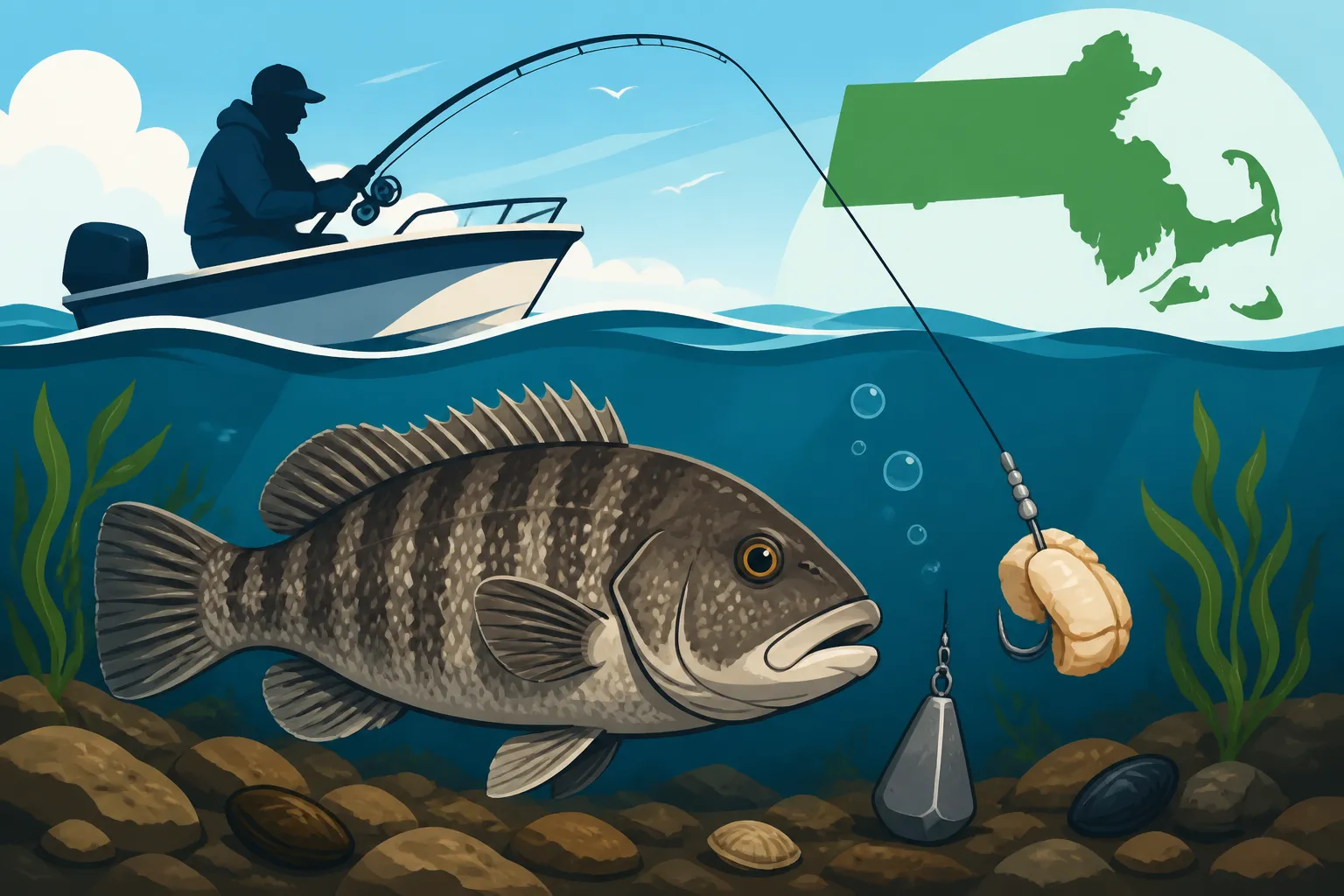
Known scientifically as Tautoga onitis, tautog are members of the wrasse family, and they have some distinct characteristics that set them apart. Their teeth, for instance, are quite remarkable – they have powerful canines at the front for nipping at crustaceans and shells, and then molar-like grinders in the back for crushing their prey. This specialized dentition tells you a lot about their diet: crabs, mussels, clams, and other shellfish are their absolute favorites.
Tautog are primarily ambush predators, but they're not chasing down fast-moving prey. Instead, they patrol rocky bottom structures, reefs, wrecks, and mussel beds, looking for an easy meal to pry off or crush. They're masters of blending into their surroundings, often exhibiting mottled brown and green patterns that help them disappear among the rocks and seaweed. What's more, they're surprisingly long-lived, with some individuals reaching over 20 years old, growing to impressive sizes. This slow growth rate is part of why careful management and understanding the Massachusetts Tautog Size and Bag Limit by Season are so crucial for their population health.
Preferred Massachusetts Bottom Structures
If you want to find tautog, you need to think like a tautog. These fish are structure-oriented, meaning they absolutely love anything that provides cover, shelter from currents, and a plentiful food source. In Massachusetts, this translates to a variety of underwater landscapes.
Natural rock piles, ledges, and rocky shorelines are prime real estate. Think about those areas where the ocean floor isn't smooth sand but rather a jumble of boulders and crevices. Artificial structures are equally appealing. Old bridge pilings, jetties, breakwaters, and even sunken wrecks become magnets for tautog. They'll cling to these spots, waiting for crabs to scuttle by or mussels to grow. Places like rocky sections of Buzzards Bay, many of the jetties in Vineyard Sound, and even the numerous inshore wrecks found along the Massachusetts coast are prime examples. When fishing from shore, targeting the base of a rocky point or a pier where there’s significant growth on the pilings can be incredibly productive. These fish don't roam far from their chosen homes, so if you find a good spot, chances are it will hold fish year after year.
Essential Gear for Tautog Bottom Fishing
Trying to wrestle a tautog out of its rocky lair with inadequate gear is like trying to fix a leaky faucet with a spoon – it's just not going to work, and you'll end up frustrated. Having the right tools for the job is paramount, given the habitat these fish frequent and their powerful bite.
Rod, Reel, and Line Selection
For tautog, you need a rod that can take a beating and still give you the leverage to pull a stubborn fish away from snags. Look for a conventional or spinning rod in the 7- to 8-foot range with a medium-heavy to heavy power and a fast action. The heavy power provides the backbone needed to exert pressure, while the fast action gives you the sensitivity to feel those subtle "nips" and the quick tip recovery for a solid hookset. A rod with a soft tip but a strong butt section is ideal – it allows you to detect the bait stealing without letting the fish completely swallow the bait before you react. Many anglers swear by specialized "tog rods" from brands like Lamiglas or St. Croix, but a robust boat rod or even a heavy surf rod can work in a pinch.
Pair this with a reliable conventional reel, like a Penn Squall or a Shimano Tekota, known for their strong drags and cranking power. Spinning reels can work for lighter applications or shorter casts from shore, but for heavier weights and pulling power, conventional reels excel. Spool up with 30 to 50 lb braided line. Braid offers superior sensitivity, allowing you to feel every bump and nibble on the bottom, and its lack of stretch is crucial for driving a hook into a tautog's bony mouth. A quality braid from manufacturers like PowerPro or Sufix is a solid choice. Remember, you'll be fishing around rocks, so abrasion resistance is a plus, though your leader will take the brunt of that abuse.
Terminal Tackle and Rigging
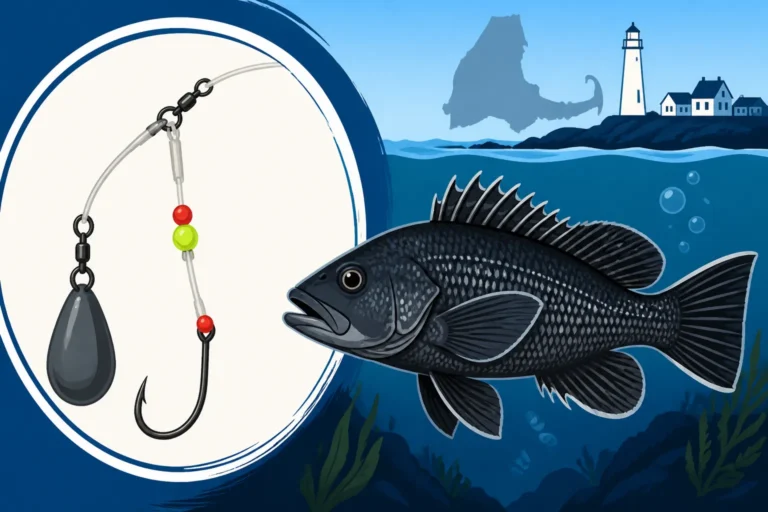
This is where the magic happens and where many anglers get it wrong. Tautog rigs need to be strong, simple, and snag-resistant. The most popular and effective rig is the "tog rig" or "crab rig," which is essentially a simple dropper loop setup. You'll want to use 40 to 60 lb fluorocarbon leader material. Fluorocarbon is nearly invisible underwater, which can be an advantage for these wary fish, and it's much more abrasion-resistant than monofilament. You can find robust fluorocarbon spools readily on Amazon.
Your rig will consist of a main leader segment, typically 18-24 inches long. On this, you'll tie one or two dropper loops. Each dropper loop should be just long enough to attach a hook, allowing the bait to sit close to the bottom but not get tangled. At the very end of the leader, tie a stout loop for your sinker. For hooks, size 2/0 to 5/0 octopus or Kahle hooks are excellent choices. They're sharp, strong, and have a wide gap to accommodate a chunky crab. The sinker choice depends on the current and depth, but you'll typically be using 3 to 8 ounces of lead or, preferably, bank sinkers, which tend to snag less than pyramid sinkers in rocky terrain. Always have a good supply of sinkers; losing tackle is part of the game when bottom fishing for these creatures!
When fishing from shore, a simple high-low rig with a heavier sinker might also work, especially if you're casting into a somewhat less snaggy area. However, for maximum effectiveness and minimal frustration when fishing around heavy structure, the specialized tautog dropper rig is hard to beat.
| Component | Recommended Type | Key Features |
|---|---|---|
| Rod | 7-8 ft, Medium-Heavy to Heavy Power, Fast Action | Strong backbone, sensitive tip, quick hookset |
| Reel | Conventional (e.g., Penn Squall, Shimano Tekota) | Strong drag, high cranking power, durable |
| Main Line | 30-50 lb Braided Line (e.g., PowerPro, Sufix) | High sensitivity, no stretch, excellent for feeling subtle bites |
| Leader | 40-60 lb Fluorocarbon | Abrasion resistant, nearly invisible, crucial for rocky environments |
| Hooks | 2/0 – 5/0 Octopus or Kahle Hooks | Sharp, strong, wide gap for bait, good for hard mouths |
| Sinker | 3-8 oz Bank Sinkers (or similar non-snagging style) | Holds bottom well, minimizes snags in rocks, weight adjusted by current |
| Swivels | Heavy-duty barrel swivels (optional for main line connection) | Prevents line twist, strong connection points |
The Art of Bait Presentation for Tautog
You can have the best gear in the world, but if your bait isn't presented correctly, you might as well be fishing with a bare hook. Tautog are discerning eaters, and their preferred baits require specific preparation and rigging to maximize your chances.
Top Tautog Baits and Acquisition
When it comes to tautog, bait is king, and green crabs are the undisputed monarchs. These invasive crabs are abundant in Massachusetts waters and are a natural food source for tautog. You can often trap them yourself using simple crab pots or find them readily available at bait shops throughout the state, especially on Cape Cod and the South Shore. When buying green crabs, look for lively ones, and keep them cool and moist, but not submerged in water, to prolong their life.
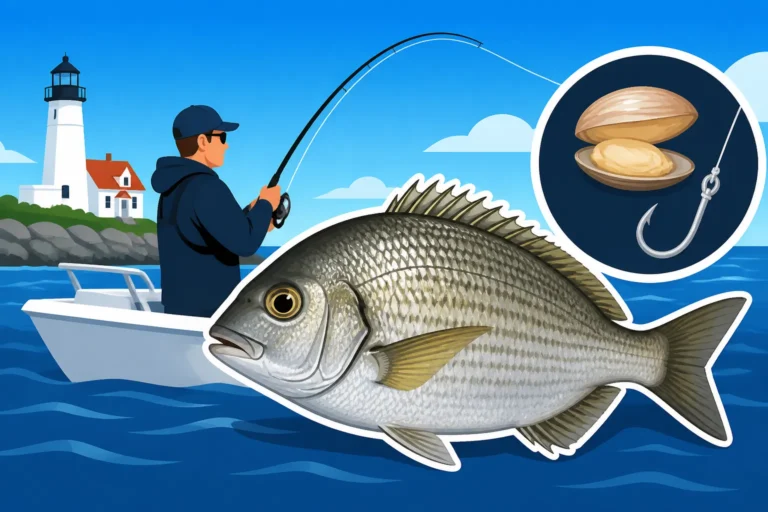
Other excellent baits include fiddler crabs, hermits crabs (though harder to come by commercially), and Asian shore crabs. Clams, especially fresh surf clams or steamers, can also be very effective, particularly in areas where they are naturally present. Many anglers swear by sea worms or even pieces of conch for a change of pace. The key is freshness. Tautog have an excellent sense of smell and taste, and old, dead, or mushy bait simply won't cut it. Consider what's natural in the environment you're fishing. If there's a huge mussel bed, a chunk of mussel might do the trick. For more detailed information, check out our guide on the Best Bait for Tautog Fishing in Massachusetts.
Effective Baiting Techniques
Once you have your bait, the way you put it on the hook matters immensely. For green crabs, which are the most common and effective bait, you'll want to break or "crack" them to release their scent. Some anglers break them in half, while others just crack the carapace. Hooking them can be done in a couple of ways:
- Whole Crab (Smaller Crabs): If using a smaller crab (quarter-sized), you can thread the hook through the back of the shell and out through the belly, ensuring the hook point is exposed.
- Half Crab (Larger Crabs): For larger crabs, break them in half, often removing the claws. Hook one half through the leg socket or through the body, again making sure the hook point is clear. The exposed guts and meat will release a potent scent trail.
When using clam, shuck it fresh and thread a generous piece onto your hook, making sure it covers the hook point. For tougher baits like conch or tougher pieces of crab, you might need to use a bait thread to secure it to the hook, preventing it from being easily picked off by smaller fish or current. The goal is always to present a natural-looking, scent-laden piece of bait that a tautog can easily find and take, with a clear path for your hook to set. Avoid "wad-ding" up bait in a way that obstructs the hook point; tautog have small, bony mouths, and a clean hookset is critical.
Best Fishing Techniques and Strategies
Tautog fishing isn't just about dropping a line and waiting. It requires a strategic approach, keen observation, and quick reflexes. These fish are masters of taking your bait without you even knowing it if you're not paying close attention.
Targeting Specific Structures
As we discussed, tautog are structure fanatics. When you're on the water, whether from a boat, kayak, or shore, look for obvious signs of rocky bottoms, wrecks, or underwater ledges. If fishing from a boat, your fishfinder becomes your best friend. Look for abrupt changes in depth, hard bottom readings, and any marks that indicate fish holding tight to the structure. Anchoring precisely over or just up-current from the structure is key. You want your bait to swing right into their living room. If you drift too far off, your chances diminish significantly.
From shore, identify areas with visible rock piles, jetties, or bridge pilings. The deeper water close to these structures, especially during high tide, will be more productive. Focus your casts as close to these features as possible without getting immediately snagged. Remember, tautog don't roam much, so if you find one, there are likely more. Work a small area thoroughly before moving on. Knowing the Best Shore Fishing Spots in Massachusetts can certainly help narrow down your options.
Reading the Bite and Setting the Hook
This is arguably the most challenging and frustrating aspect of tautog fishing. Their bite is often subtle at first—a series of light "taps" or "nips" that can feel like anything from a small panfish to your bait just bouncing on the bottom. Tautog are notorious bait stealers, taking small pieces of crab without fully committing to the hook.
The key is patience combined with immediate reaction. Hold your rod, feeling for any abnormality. When you feel those initial taps, resist the urge to immediately set the hook. Instead, wait for a more definitive pull or a solid "thump." This is the tautog fully taking the bait into its mouth to crush it. As soon as you feel that solid pull, drop your rod tip slightly to give a bit of slack, then aggressively set the hook upwards and back, reeling down hard simultaneously. You're trying to pull that fish up and away from the structure before it can dive back into a crevice and break you off. It's a fine line between waiting long enough for them to take the bait and waiting too long, allowing them to swallow the hook or disappear into the rocks. This technique often takes practice, but once you get the rhythm, it becomes incredibly rewarding.
Navigating Regulations and Conservation
Fishing for tautog in Massachusetts isn't just about the thrill of the catch; it's also about being a responsible angler and respecting the regulations put in place to protect this valuable fishery. Knowing the rules and practicing good conservation habits ensures these fish will be around for future generations.
Massachusetts Tautog Regulations
Tautog fishing in Massachusetts is subject to specific size and bag limits, and these regulations often change based on the season to protect spawning fish and ensure sustainable populations. It's absolutely crucial to stay up-to-date with the latest rules set by the Massachusetts Division of Marine Fisheries (DMF). Generally, there are different seasons with varying daily possession limits and minimum sizes. For instance, the tautog season dates and bag limits can change, often with a more liberal limit in the fall compared to the spring.
You'll need a Massachusetts Saltwater Recreational Fishing Permit Explained to fish for tautog, as they are a marine species. It's important to know the minimum size for tautog in Massachusetts and to accurately measure your fish from the tip of the snout to the end of the tail, ensuring it meets the legal length before keeping it. Always carry a measuring device and, if fishing from a boat, ensure your livewell or cooler is ready for any legal keepers. Understanding why the tautog bag limit changes by month can help you appreciate the conservation efforts behind these rules. Always consult the official Massachusetts Recreational Fishing Rules and Bag Limits pamphlet or the MassWildlife website before heading out.
Catch and Release Best Practices
Even when you're allowed to keep tautog, practicing responsible catch and release, especially for larger breeding fish, is highly encouraged. These slow-growing fish play a vital role in their ecosystem, and releasing a healthy fish ensures it can contribute to future generations.
If you catch an undersized fish or decide to release a legal one, handle it with care. Minimize its time out of the water. Use a de-hooking tool if the hook is deep, or simply cut the line as close to the hook as possible if you can't easily remove it, especially if the fish appears stressed. Avoid excessive handling, and support the fish's weight properly if you must lift it for a quick photo. For fish caught in deeper water, barotrauma can be an issue. If a fish shows signs of distress (e.g., bulging eyes, distended stomach), consider using a descending device or venting tool to help it return to depth safely, though this is less common for tautog caught in typical depths. By following these practices, you're not just fishing; you're actively participating in the long-term health of our beloved Massachusetts fisheries.
Disclaimer
Please note that fishing regulations, including size and bag limits, can change. Always consult the official Massachusetts Division of Marine Fisheries (DMF) website or the current year's Massachusetts Marine Fisheries Guide before you head out to ensure you are compliant with all applicable laws. This guide is for informational purposes only and should not be considered legal advice.