Best technique for catching striped bass from a kayak
Many anglers dream of battling a powerful striped bass, but the thought of navigating crowded boat ramps or expensive charters can feel like a real barrier. For those who crave a more intimate, stealthy approach to fishing Massachusetts' stunning coastline and estuaries, kayak fishing for striped bass offers an incredible, often overlooked, pathway to success. This comprehensive guide will walk you through the essential techniques, gear, and strategies to confidently target and catch striped bass from your kayak in the diverse waters of Massachusetts.
The Unrivaled Advantages of Kayak Fishing for Massachusetts Stripers
There’s something uniquely satisfying about paddling out on the water, propelled only by your own effort, in pursuit of one of Massachusetts’ most iconic game fish. Kayak fishing isn't just a trend; it's a deeply rewarding way to connect with the environment and outsmart striped bass in ways that traditional boats often can't.
Stealth, Access, and the Thrill of the Fight
One of the biggest frustrations for many anglers is dealing with crowded fishing spots and spooked fish. This is where a kayak truly shines. Its silent, low-profile nature allows you to sneak up on wary striped bass in ways a motorboat simply can’t. Imagine paddling quietly along a shoreline, barely making a ripple, to find a school of stripers busting bait in a shallow cove. A larger boat would likely send them scattering long before you got within casting distance.
Kayaks also grant you unparalleled access to prime striper habitat that's often out of reach for powerboats. Think about those shallow backwaters, narrow estuaries, rocky coves, and expansive flats where larger vessels dare not tread. These are often the very places where striped bass congregate, especially when feeding on smaller baitfish like silversides or sand eels. Your kayak becomes a silent key, unlocking secret fishing grounds that are less pressured and more productive.
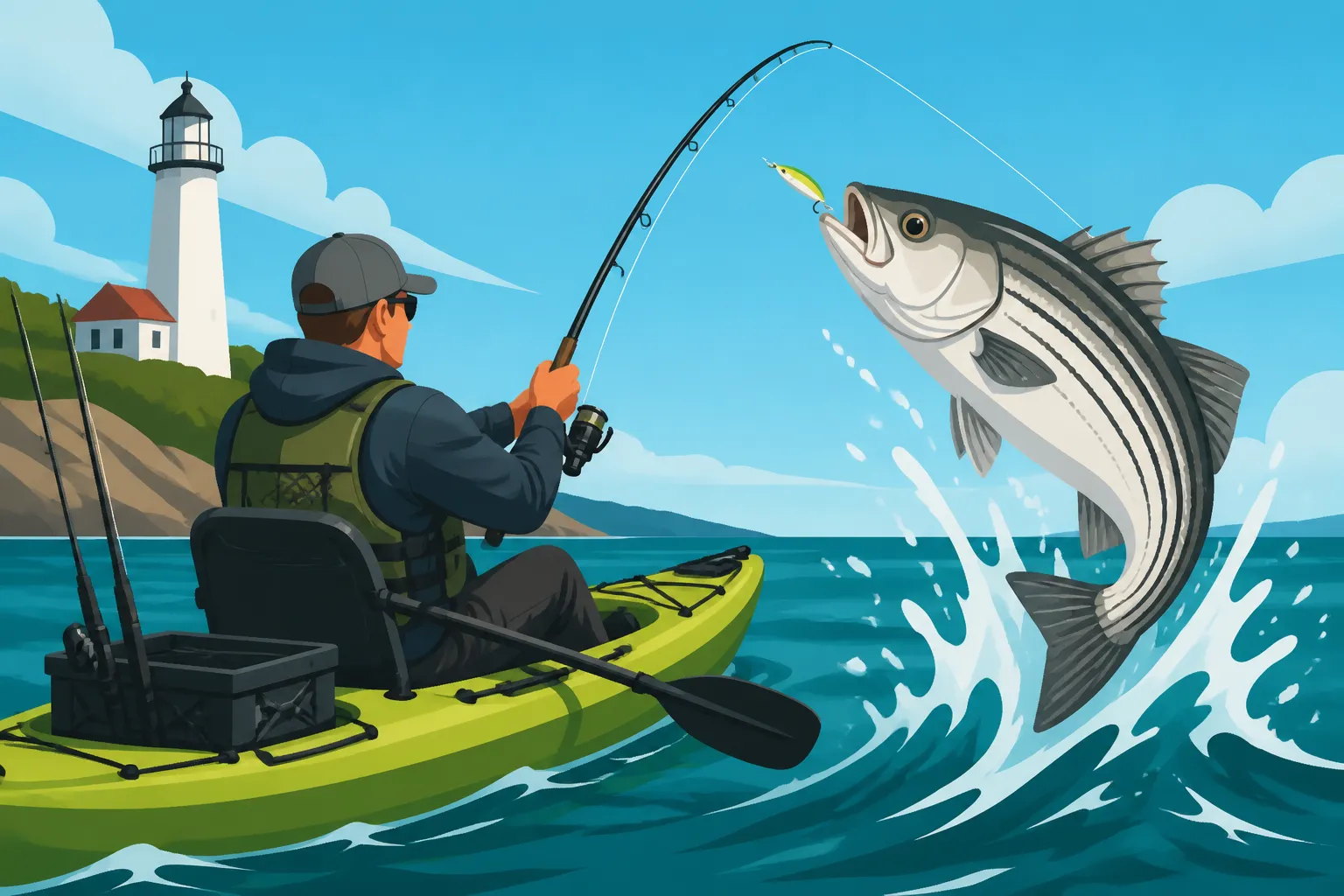
And then there's the fight. Hooking into a sizable striped bass from a kayak is an experience unlike any other. You're low to the water, feeling every head shake, every powerful run, directly through your paddle or pedal drive. The fish often tows you around, creating an exhilarating dance between angler and adversary. It's a truly humbling and intensely personal battle that amplifies the thrill exponentially, making every landed striper a monumental achievement.
Essential Safety Considerations for Kayak Anglers
While the advantages are many, it’s absolutely crucial to acknowledge that kayak fishing, especially in saltwater, comes with its own set of challenges and safety requirements. This isn't just a leisurely paddle; it's an active pursuit in potentially dynamic conditions. Many a seasoned angler has underestimated the power of the ocean or the sudden change in weather, and it’s a mistake you don't want to make.
One of the primary concerns is capsizing. Even the most stable fishing kayaks can flip in rough conditions, strong wakes, or if you're unprepared for a sudden tug from a large fish. Knowing how to self-rescue, or at the very least, how to get back into your kayak in deep water, is non-negotiable. Practicing this in calm, shallow water before you ever hit the open ocean is a smart move that could save your life.
Weather and currents in Massachusetts coastal waters can change rapidly. A calm morning can quickly turn into a windy, choppy afternoon, making paddling back to shore a grueling and dangerous task. Furthermore, strong tides and currents, particularly around inlets, rips, and structures like the Cape Cod Canal, can quickly sweep you away. Always check the marine forecast before heading out and keep an eye on the sky. Understand that a small craft advisory isn't just a suggestion; it's a warning to stay home. Proper planning, including understanding the tides, is paramount for safety, especially when you're focusing on productive areas.
Gearing Up for Kayak Striper Success: What You Need in Massachusetts
Successful kayak fishing for striped bass in Massachusetts requires more than just a paddle and a pole. The right equipment enhances your experience, increases your chances of success, and most importantly, ensures your safety on the water. Don't skimp on the essentials; think of them as investments in countless memorable fishing trips.
Choosing the Right Kayak and Essential Propulsion
When it comes to the kayak itself, stability is often the top priority for striper anglers. You'll be casting, retrieving, fighting fish, and potentially standing, so a wider, more stable platform is generally preferred. Many anglers opt for "sit-on-top" kayaks, which are inherently more stable, easier to re-enter from the water, and offer plenty of deck space for gear.
The debate between paddle kayaks and pedal-drive kayaks is an ongoing one. Paddle kayaks are generally more affordable, lighter, and simpler, offering a great workout and a quiet glide. They are fantastic for sneaking into tight spots. However, pedal-drive kayaks, like those from Hobie, Old Town, or Native Watercraft, free up your hands for casting and fighting fish, allowing you to maintain position against wind or current effortlessly. This hands-free propulsion can be a huge advantage when you're trying to stay on a school of breaking fish or slowly troll a lure. Consider your budget, the typical conditions you'll face, and how much gear you plan to carry when making this choice. You can find excellent options on online retailers like Amazon, often with detailed reviews from other kayak anglers.
Rods, Reels, Lines, and the Perfect Lure Selection
Your fishing tackle needs to be robust enough to handle the power of a striped bass, but also comfortable to use from a kayak. A medium-heavy to heavy spinning rod, typically between 7 to 8 feet long, offers the casting distance you'll need from a seated position and the backbone to turn a strong fish. Pair this with a corrosion-resistant spinning reel in the 4000-6000 size range, capable of holding 200-300 yards of braided line. Ensure your reel has a smooth, reliable drag system – it will be tested by these fish.
For line, 20-30 lb braided line is a popular choice for its strength, sensitivity, and castability. You’ll want to tie a fluorocarbon leader, typically 20-40 lb test, to your braid using a strong knot like an FG knot or a double uni. This leader provides abrasion resistance against sharp rocks and the striper's rough mouth, while also being less visible in the clear waters of Massachusetts. Learning how to tie these knots securely is an essential skill for any serious angler.
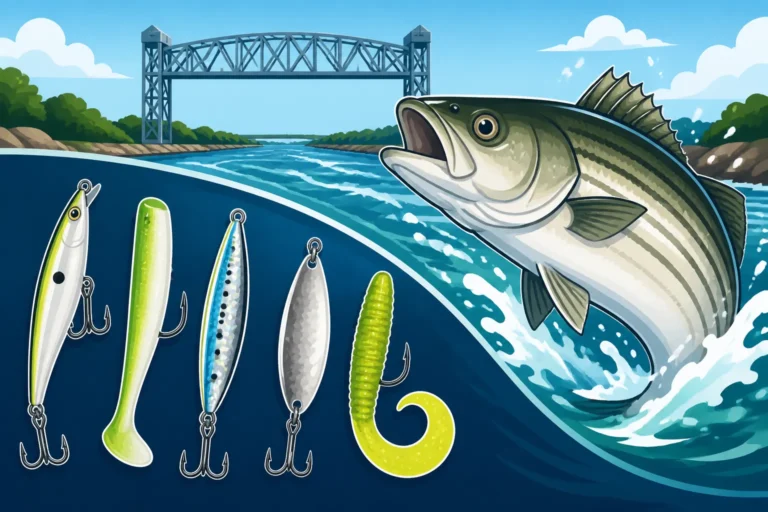
When it comes to lures, variety is key. Stripers are opportunistic feeders, and their preferences can change daily based on the available baitfish. Here’s a quick rundown of kayak-friendly options:
| Lure Type | Best Use Case | Why it Works for Kayaks |
|---|---|---|
| Soft Plastics | Imitating baitfish (eels, shads, sand eels) | Versatile, can be fished shallow or deep, jigging is easy |
| Topwater Plugs | Early morning/late evening, active fish | Exciting strikes, easy to walk the dog from a seated position |
| Minnow/Swimming Plugs | Trolling or casting in current, mimicking bait | Good for covering water, diving models get deep quickly |
| Bucktail Jigs | Deeper water, rips, bottom fishing | Simple, effective, can add a soft plastic trailer |
| Live Eels | Night fishing, large stripers | Highly effective, though handling requires care |
Brands like Super Spook, Guppy Lures, and various soft plastic manufacturers like Z-Man or Daiwa provide excellent options. You can easily stock up on a wide array of these lures and other terminal tackle through online retailers like Amazon, ensuring you have the right presentation for any situation. Remember, knowing Best Lures for Striped Bass in Massachusetts is half the battle!
Critical Safety and Navigation Gear
Beyond your fishing gear, several non-negotiable safety items must accompany you on every kayak trip. First and foremost, a properly fitted Personal Flotation Device (PFD) must be worn at all times. It’s not a fashion statement; it’s a life-saving device. Many modern fishing PFDs are designed to be comfortable and offer storage for small essentials.
Beyond the PFD, here’s a checklist of other critical safety and navigation gear:
- Communication Device: A fully charged cell phone in a waterproof bag, or better yet, a VHF radio, is essential for emergencies.
- Whistle or Air Horn: To signal other boaters or alert rescuers.
- Navigation Lights: If there’s any chance you’ll be out during low light or darkness (which is prime striper time!), an all-around white light is required by law.
- Anchor System: A small grapnel anchor (1.5-3 lbs) with appropriate line length is invaluable for holding position in current or wind, allowing you to effectively fish a spot.
- First Aid Kit: For minor cuts, scrapes, or hook punctures.
- Knife or Line Cutter: Essential for cutting tangled line or freeing yourself if snagged.
- Pliers/De-hooker: To safely remove hooks from fish and protect your hands.
- Paddle Leash: Secure your paddle to your kayak so it doesn't float away if you drop it or capsize.
- Water and Snacks: Staying hydrated and energized is crucial, especially on longer trips.
- Sun Protection: Hat, sunglasses, long-sleeved shirt, and sunscreen are vital for Massachusetts summers.
Before embarking on your trip, always inform someone of your float plan – where you're going, when you expect to return, and who to call if you don't check in. This simple step can dramatically increase your safety margin.
Mastering the Art of Kayak Striper Fishing Techniques
Now that you're geared up, let's talk about the techniques that will put you on Massachusetts striped bass from your kayak. It's a blend of stealth, precision, and understanding fish behavior. The beauty of kayak fishing is that it forces you to slow down, observe, and become a more intuitive angler.
Stealthy Approaches and Reading the Water
The kayak's stealth is your greatest asset. Unlike larger boats that often broadcast their presence, you can slip into an area almost unnoticed. When approaching a potential striper holding area – be it a rocky point, a tidal flat, or an estuary mouth – move slowly and deliberately. Avoid sudden movements or splashing your paddle. Think like a predator, merging with the environment.
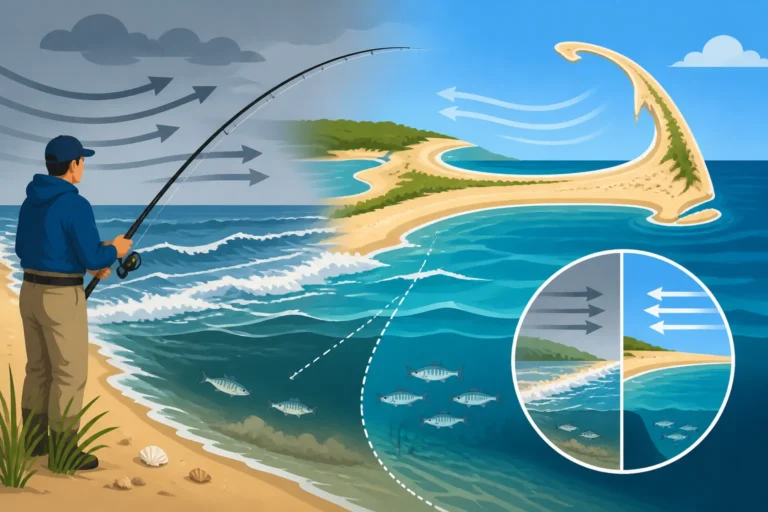
Reading the water is a critical skill. Look for signs of baitfish: nervous water, subtle swirls, or actual baitfish jumping. Gulls or terns diving into the water are often a dead giveaway that stripers are driving bait to the surface. Pay attention to structure – submerged rocks, oyster beds, marsh grass edges, and current seams are all prime ambush points for striped bass. These areas concentrate bait and offer cover for stripers to wait in ambush.
Another crucial aspect of reading the water is understanding the current. Striped bass are masters of using current to their advantage, conserving energy while waiting for food to be swept to them. Position your kayak slightly upstream or upcurrent from where you expect fish to be, allowing you to drift your lure naturally into their strike zone. This is a tactic that requires practice and good boat control, but it pays dividends, especially in areas with strong tidal flow.
Casting, Retrieval, and Drift Strategies for Kayaks
Casting from a kayak takes a little practice. Your casting arc is more limited, and you need to be mindful of your paddle, pedal drive, and other gear. Overhand casts are usually the most efficient, aiming for accuracy rather than extreme distance. Practice casting to specific targets before hitting the water. Often, shorter, more precise casts are more effective from a kayak, allowing you to thoroughly work an area without spooking fish with repeated long casts over their heads.
Retrieval techniques depend on the lure. For soft plastics, a slow, jigging retrieve along the bottom or a steady retrieve with occasional twitches can be deadly. Topwater plugs demand an aggressive "walk-the-dog" retrieve, creating a tempting commotion on the surface. Minnow plugs can be retrieved steadily or with a stop-and-go action. The key is to experiment and vary your retrieve until you find what the fish want on that particular day. Remember, a striper often hits on the pause!
Drift fishing is another highly effective kayak technique. Instead of actively paddling or pedaling, you allow the wind or current to move your kayak naturally, presenting your lure or bait over a wider area. This is particularly effective on expansive flats or along channel edges. Deploying a drift sock or sea anchor can help control your speed and orientation, allowing you to cover ground efficiently without over-exerting yourself. When fishing in these conditions, having a good understanding of Best Tides for Striped Bass Fishing in Massachusetts can make all the difference in where you position your kayak for a successful drift.
Successfully Landing a Massachusetts Striper from Your Kayak
So, you've hooked into a nice Massachusetts striper from your kayak – now what? This is where the real challenge (and fun) begins! Fighting a strong fish from a small, unstable platform requires skill and composure. Your first instinct might be to horse the fish in, but that's often a recipe for a pulled hook or a broken line.
Instead, let the fish run when it wants to, using your drag effectively. Keep your rod tip up and pointed towards the fish, maintaining constant pressure. If the fish starts to "sleigh ride" your kayak, don't fight it directly. Use the opportunity to steer your kayak with your feet (if you have pedal steering) or a quick paddle stroke, turning the kayak with the fish's run. This helps dissipate some of the force and prevents you from getting twisted up or pulled into dangerous areas.
Once the fish is subdued and alongside your kayak, having a large, rubber-coated landing net is invaluable. Avoid nets with knotting that can damage the fish's slime coat. For catch and release, a lip gripper can also be useful for controlling the fish while you remove the hook, minimizing handling. Always support the fish horizontally or by its belly when lifting it for a quick photo, especially if it's a larger fish destined for release. When releasing, hold the fish gently in the water, facing into the current, until it regains its strength and swims away on its own. It's a testament to responsible angling, ensuring these magnificent fish continue to thrive for future generations.
Prime Locations and Seasonal Strategies for Massachusetts Kayak Stripers
Massachusetts offers an incredible array of opportunities for kayak striper fishing, from protected estuaries to expansive coastal beaches. Understanding where and when to target these fish will significantly boost your success.
Identifying Kayak-Friendly Striper Hotspots
Many of the best striper locations in Massachusetts are perfectly suited for kayak access. Estuaries and salt marshes are fantastic, offering calm, protected waters where you can stalk fish in skinny water. Think about the winding creeks and grass flats of the North Shore, or the protected coves around Cape Ann. These areas are rich in bait and provide excellent ambush points for stripers.
Harbors and protected bays are also excellent choices. Places like Boston Harbor, with its numerous islands and structure, or the calmer sections of Ipswich Bay, provide ample opportunities. While these areas can see more boat traffic, your kayak's maneuverability allows you to hug shorelines and fish around docks, jetties, and other structures that hold bait and stripers. You can explore spots like Best Places to Fish in Boston Harbor, Massachusetts or Ipswich Bay Fishing Spots in Massachusetts with ease.
For those seeking a bit more adventure, some areas with moderate current, like sections of the Cape Cod Canal, can be fished from a kayak, but extreme caution and advanced skills are required. Understanding the strong currents and heavy boat traffic is absolutely paramount. It's not for beginners, but the rewards can be immense. Other spots like Buzzards Bay Fishing Guide, Massachusetts also present varied opportunities, from protected coves to more open water, catering to different skill levels. Always scout your launch and exit points beforehand and understand how tides will affect your journey.
Adjusting Your Tactics with the Massachusetts Fishing Seasons
Striped bass fishing in Massachusetts is a seasonal affair, with fish migrating into and out of our waters based on water temperature and food availability. Adjusting your tactics to the season is crucial for consistent success.
- Spring (May-June): This is when the first waves of migrating stripers arrive. Focus on estuaries, rivers, and warmer shallow flats. The fish are often hungry after their migration and eager to feed on herring and other early season bait. Smaller lures and soft plastics can be very effective as the water warms. Learning When striped bass arrive in Massachusetts waters will help you plan your first trips.
- Summer (July-August): Stripers are widespread during summer, moving between deeper waters during the day and shallower areas during low light. Early mornings, late evenings, and night fishing become highly productive. Topwater lures, live eels, and various swimming plugs are excellent choices. Watch for breaking fish, as stripers will often push bait to the surface. Also, remember to adhere to the Massachusetts Striped Bass Size and Bag Limit, particularly the slot limit, during this busy season.
- Fall (September-October): The fall run is a spectacular time for kayak striper fishing. Stripers are actively feeding, gorging themselves before their southern migration. They can be found in a wide variety of locations, from estuaries to open beaches. Larger baits and lures, including big soft plastics and swimming plugs, often entice bigger fish. This is the time when understanding When the striped bass fall run happens in Massachusetts will lead you to some of the most exciting action of the year.
Harnessing the Power of Tides and Currents
Tides and currents are perhaps the single most influential factor in saltwater striper fishing, especially from a kayak in Massachusetts. Striped bass use current to their advantage, ambushing bait that is swept past them. Fishing the moving tide, whether it's incoming or outgoing, is generally more productive than the slack tide.
- Incoming Tide: As the tide rises, stripers will move into shallower areas, flats, and estuaries to feed. They will often position themselves at the mouths of creeks, along rocky points, or around submerged structure, waiting for bait to be carried in with the rising water.
- Outgoing Tide: As the tide falls, baitfish are flushed out of estuaries and off the flats, concentrating them in channels and along drop-offs. Stripers will often sit at these choke points, picking off easy meals. Fishing an outgoing tide at the mouth of a river or estuary can be incredibly productive.
Understanding how to read a tide chart and knowing the optimal times for a given spot will dramatically increase your success. For example, knowing How to fish a falling tide at the Cape Cod Canal is critical for that particular hotspot. Always plan your kayak trip around the tides, not just for fishing success, but also for safety, ensuring you don't get stuck by a receding tide in shallow water or caught against a dangerous current when you need to return to shore.
Disclaimer
This article is for general informational purposes only and does not constitute professional advice. Laws, prices and regulations vary by location and change over time. Consult a qualified professional for guidance on your specific situation.