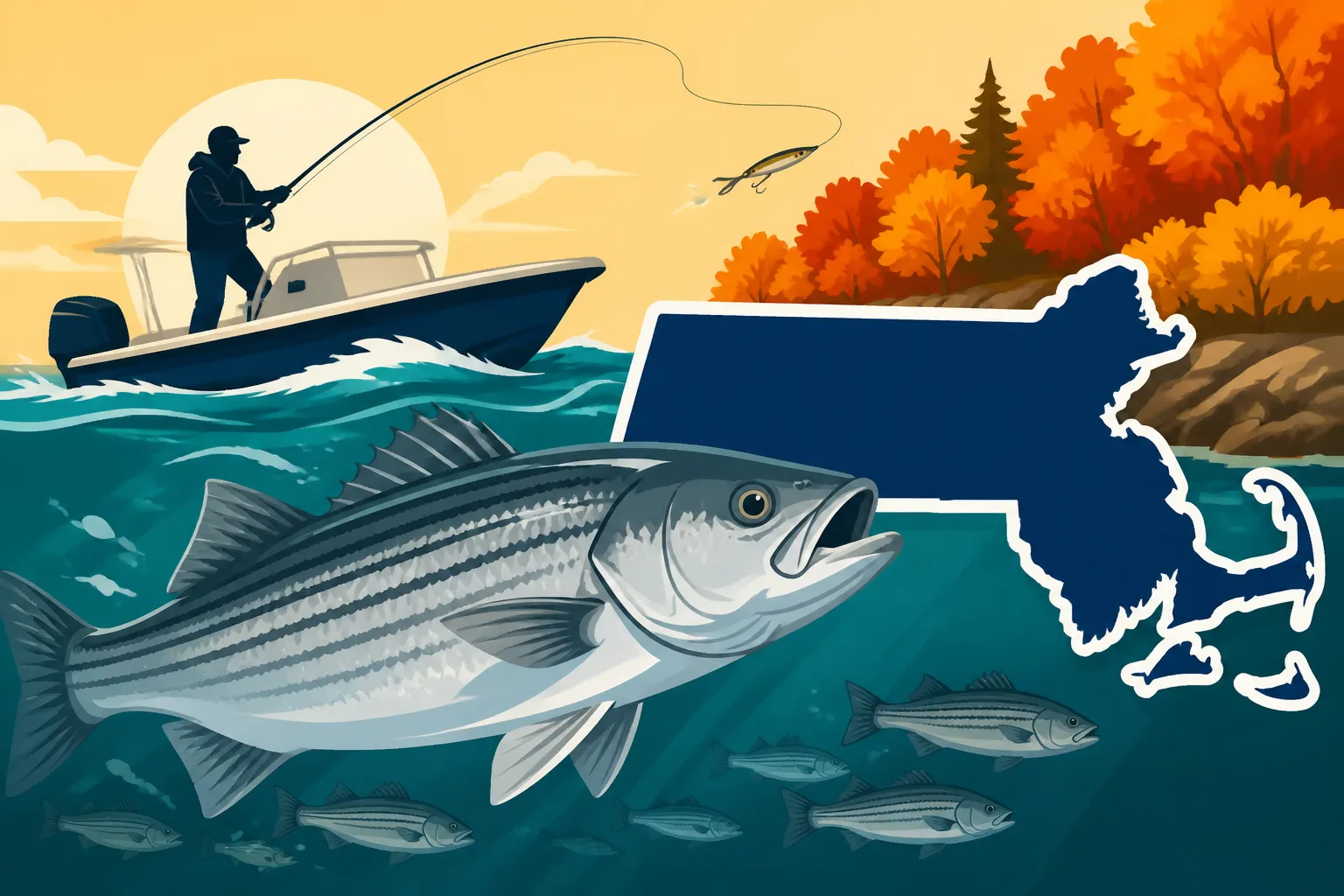
When the striped bass fall run happens in Massachusetts
For anglers in Massachusetts, there's a unique blend of excitement and a touch of seasonal mystery that comes with anticipating the striped bass fall run. It's the time of year when these magnificent fish, after a summer of feeding, start their southward migration, often triggering spectacular blitzes as they gorge themselves before the long journey. But pinpointing the exact moment this annual phenomenon kicks into high gear can feel like chasing a moving target. This guide will demystify the factors that influence the timing of the Massachusetts striped bass fall run, helping you understand the rhythm of the season and increase your chances of being in the right place at the right time.
Understanding the Striped Bass Fall Run in Massachusetts
The striped bass fall run isn't just another fishing opportunity; it's a dramatic natural event that transforms the fishing scene along the Massachusetts coast. It represents a critical phase in the life cycle of these beloved game fish, driven by instincts honed over millennia.
What Exactly is the Fall Run?
The fall run is essentially the mass southward migration of striped bass as they leave their summer feeding grounds in northern New England and Canada, heading towards their warmer wintering grounds, primarily in the Mid-Atlantic region. Unlike the spring run, which is largely driven by the urge to spawn and can see fish spread out across different areas, the fall run is characterized by a concentrated movement. The fish are often schooled up, pushing through coastal waters, river mouths, and estuaries, following abundant baitfish.
This migration isn't a leisurely stroll; it's a feeding frenzy with a purpose. Stripers are driven by the need to pack on calories, building up fat reserves to sustain them through the leaner winter months and to fuel their return journey in the spring. This intense feeding behavior is precisely what makes the fall run such an exhilarating time for anglers, as the fish can be less cautious and more aggressive in their pursuit of food.
When you hear seasoned anglers talk about "blitzes" or "the bite is on," they're often referring to moments during the fall run when large schools of striped bass corner baitfish against shorelines or in shallow coves. The water can literally explode with activity, birds diving, and acres of stripers crashing on bait, making for an unforgettable fishing experience. It's truly nature's way of saying, "Stock up, winter is coming!"
Why is the Fall Run So Productive?
The sheer productivity of the fall run stems from a perfect storm of biological and environmental factors. First and foremost, as mentioned, the stripers are in a hyper-feeding mode. Their metabolism is still relatively high from the summer, but the days are shortening, and the water temperatures are beginning to drop, signaling that their migration window is approaching. This biological imperative translates into aggressive strikes and less selective feeding habits.
Secondly, the fall run coincides with the southward migration of many baitfish species. Herring, bunker (menhaden), sand eels, and mackerel often form massive schools in coastal waters as they, too, head south or move into deeper, warmer offshore waters. The stripers simply follow this moving buffet, concentrating them in predictable corridors like the Cape Cod Canal or along barrier beaches. This convergence of predator and prey creates the ideal conditions for a feeding frenzy.
Finally, the cooling water temperatures themselves play a role. As the water cools, oxygen levels generally increase, invigorating the fish. They become more active, moving and feeding more vigorously than they might during the stagnant heat of mid-summer. This increased activity, combined with the abundance of bait and the urgent need to feed, makes the fall run one of the most action-packed periods for targeting striped bass. You can learn more about general regulations in our guide to Massachusetts Recreational Fishing Rules and Bag Limits.
General Timeline for the Massachusetts Coast
While the exact start and peak of the fall run can fluctuate year to year, we can establish a general timeline for Massachusetts. Typically, the first signs of the fall migration begin in late August, sometimes even mid-August, as the earliest northern-migrating fish start to push south. These initial waves often consist of smaller "schoolie" stripers, but they are a clear indication of what's to come.
The run usually gains momentum through September and October, which are generally considered the prime months for consistent action. During this period, larger fish become more prevalent, and the full force of the migration sweeps along the coastline. Different areas of the state will experience their peak at slightly different times, with northern regions often seeing the action earlier than those further south on Cape Cod or the Islands.
The run can often extend well into November, especially if the weather remains mild and water temperatures don't drop too drastically. In some years, anglers have reported good fishing for stripers even into early December, although these are typically the lingering fish. Understanding the broader Massachusetts Saltwater Fishing Seasons can help put the fall run into perspective with other species. As the season progresses, these fish will eventually leave our waters, a topic covered in depth in When striped bass leave Massachusetts in the fall.
Key Environmental Factors Influencing the Timing
The striped bass fall run isn't dictated by a calendar date; it's a dynamic event heavily influenced by nature's cues. Several environmental factors act as the clock and compass for these migrating fish.
Water Temperature Changes
Without a doubt, water temperature is the most critical factor influencing the timing and intensity of the fall run. As the long, sunny days of summer give way to crisp autumn mornings, the ocean and estuarine waters begin to cool. Striped bass are cold-blooded creatures, and their activity levels and migratory urges are directly tied to the water around them. They thrive in a certain temperature range, and when the water cools below their preferred threshold in their summering grounds, it triggers the southward movement.
Typically, when coastal water temperatures drop consistently into the low 60s Fahrenheit and continue to trend downward, the fall run begins to accelerate. A rapid succession of cold fronts in late summer or early fall can significantly speed up this process, pushing baitfish out of estuaries and stimulating the stripers to follow. Conversely, a prolonged warm spell into September or October can delay the run, making it feel like it's never going to arrive.
Keeping a close eye on water temperature reports from local beaches, buoy data, and fishing forecasts is an invaluable tool for predicting the run's progress. You'll often find that the best fishing occurs just as the water is in that sweet spot of dropping temperatures, signaling to the fish that it's time to feed aggressively before the long journey. This often coincides with the general Best Time of Year to Fish in Massachusetts for many species.
Baitfish Migrations
Striped bass are predators, and like any good predator, they follow their food source. The fall run is inextricably linked to the mass migrations of various baitfish species that inhabit Massachusetts waters. As water temperatures drop and days shorten, these smaller fish—such as Atlantic menhaden (bunker), sea herring, silversides, and sand eels—also begin their own migrations, often moving out of shallow estuaries and bays into deeper, offshore waters, or simply heading south.
When these baitfish school up in vast numbers, it creates an irresistible target for striped bass. The stripers will track these schools relentlessly, pushing them against shorelines, into harbors, or through choke points like the Cape Cod Canal. Anglers who pay attention to signs of baitfish, such as diving birds, nervous water, or even direct sightings of bunker schools, are often in the best position to intercept the feeding stripers.
The type of baitfish present can also influence the fishing. A strong run of peanut bunker (juvenile menhaden) can provide sustained action, while larger adult bunker might attract bigger, trophy-sized stripers. Similarly, a healthy sand eel population along the outer beaches often means excellent surfcasting opportunities. Many fishermen will stock up on artificial lures that mimic these natural food sources, often finding a great selection and deals on platforms like Amazon.
Weather Patterns and Storms
While not as directly influential as water temperature, broad weather patterns and significant storms can play a considerable role in shaping the fall run. Large storm systems, particularly nor'easters, can have a dramatic impact. On one hand, a big blow can churn up the water, disorient baitfish, and scatter them, making it harder for stripers to pin them down. It can also make fishing conditions extremely challenging or even dangerous for anglers.
On the other hand, certain storms or persistent wind patterns can actually improve fishing. Strong easterly or southerly winds can push offshore bait schools closer to shore, concentrating them within casting distance of surf anglers. The turbulent water associated with a storm can also provide cover for stripers, making them more comfortable feeding in shallow areas during daylight hours. A post-storm calm, with unsettled baitfish, can also trigger intense feeding.
Keep in mind that sustained cold fronts, even without major storms, contribute to the overall cooling trend of the water, accelerating the migratory push. Conversely, a series of warm, sunny, calm days in mid-fall might slow things down, allowing stripers to linger in areas where bait is still plentiful. Being flexible with your fishing plans and ready to adapt to changing weather is key to success during this unpredictable but rewarding season.
Regional Hotspots and Their Fall Run Characteristics
Massachusetts boasts a diverse coastline, and the striped bass fall run plays out differently across its various regions. Understanding these nuances can help you zero in on the best spots when the time is right.
North Shore and Boston Harbor
The North Shore, stretching from Boston up towards the New Hampshire border, often sees some of the earliest signs of the fall run. By late August and early September, as cooler water starts to filter down from the Gulf of Maine, schoolie stripers begin to move into the rocky coastline, estuaries, and river mouths of this region. Towns like Gloucester, Rockport, and the Merrimack River mouth can light up with action.
Boston Harbor itself becomes a major thoroughfare and feeding ground. The numerous islands, ledges, and channels within the harbor, coupled with the outflows of the Charles and Mystic rivers, create ideal conditions for stripers to ambush baitfish. Fishing around the harbor islands, the outer ledges, and the confluence of rivers can be extremely productive. You can find more specific locations in our Best Places to Fish in Boston Harbor, Massachusetts guide.
As the fall progresses, these areas can continue to hold good numbers of fish, especially if bait such as peanut bunker or mackerel remains plentiful. The North Shore tends to experience a strong, albeit sometimes shorter, fall run compared to areas further south, as the water cools more rapidly. Anglers here often use a variety of artificial lures, making sure to check for deals on fishing plugs and soft plastics on Amazon before heading out.
Cape Cod Canal and Outer Cape
The Cape Cod Canal is, without a doubt, one of the most iconic and productive spots during the fall run. This man-made waterway acts as a massive funnel, concentrating vast numbers of striped bass as they migrate between Buzzards Bay and Cape Cod Bay. The timing here is crucial and often sees peak action from mid-September through October. Massive schools of stripers, from schoolies to genuine cows, will push through with the strong tides, creating incredible shore-fishing opportunities.
Surfcasters flock to the Canal's banks, and for good reason. The combination of intense currents, abundant baitfish (herring, mackerel, squid), and concentrated stripers makes for world-class fishing. Understanding the tides and currents is paramount to success here, a topic we cover extensively in our Cape Cod Canal Fishing Guide for Massachusetts Anglers and Best Time of Year to Catch Striped Bass at the Cape Cod Canal.
Further out on the Outer Cape, from Chatham to Truro and Provincetown, the open beaches become prime real estate for surf fishermen. As bait schools move along the coastline, particularly sand eels and herring, large stripers will follow close behind. These beaches offer epic opportunities for long casts into the breaking surf, especially during prime tide stages and low-light conditions.
South Shore and Islands
The South Shore, stretching from Plymouth down to Westport, and the Islands of Martha's Vineyard and Nantucket, often experience the later stages of the fall run. While fish start moving through these areas in September, the peak action can often extend well into October and even November, sometimes offering the last significant shots at stripers before winter truly sets in.
This region is characterized by a mix of rocky shorelines, expansive shallow flats, and significant estuarine systems like those found around the Westport River or Buzzards Bay. These areas can hold lingering baitfish and offer stripers excellent feeding opportunities before their final push south. Light tackle fishing on the flats for schoolies can be a blast, while larger fish might be found patrolling the deeper channels or around offshore structure.
Martha's Vineyard and Nantucket are renowned for their incredible fall fishing, attracting anglers from across the globe. The waters surrounding these islands are major migratory highways, and the shallow shoals and rips can hold enormous amounts of bait, leading to fantastic opportunities for both boat and shore anglers. The slot limit for striped bass is an important consideration during this period; refer to Massachusetts Striped Bass Slot Limit Explained to ensure compliance.
Strategies for Maximizing Your Fall Run Success
Being in the right place at the right time is only half the battle during the fall run. Having the right gear, employing effective techniques, and staying informed are equally crucial for a successful outing.
Essential Gear for the Fall Run
The fall run demands versatile and robust gear that can stand up to aggressive fish and potentially harsh weather. For rods and reels, you'll want something in the medium-heavy to heavy range, capable of casting larger lures and handling strong, migrating stripers. A 9-11 foot surf rod paired with a heavy-duty spinning reel (like a 5000-8000 series) is ideal for beach and rock fishing, while a sturdy 7-8 foot boat rod with a conventional or large spinning reel will serve you well on the water.
When it comes to lures, variety is key. Stripers can be picky, but during a blitz, they might hit anything. Stock your tackle box with large topwater poppers, swimming plugs (both metal-lipped and lipless), soft plastics (shads, eels, worms), and metal jigs or tins. Matching the hatch – using lures that resemble the prevalent baitfish – is always a smart strategy. Many anglers find great success exploring the wide selection of fishing tackle available on Amazon, often discovering specific colors or brands that work best for them.
Don't forget the accessories. Waders are essential for staying dry and comfortable, especially when the water is cool. A reliable headlamp for predawn or night fishing, a sturdy tackle bag or backpack, and a good pair of pliers are indispensable. A measuring tape is crucial to ensure you're compliant with the Massachusetts Striped Bass Size and Bag Limit. Before the season hits full swing, it's a good idea to refresh your gear, and shopping on Amazon can be a convenient way to compare options and read reviews from other anglers.
Fishing Techniques for Migrating Stripers
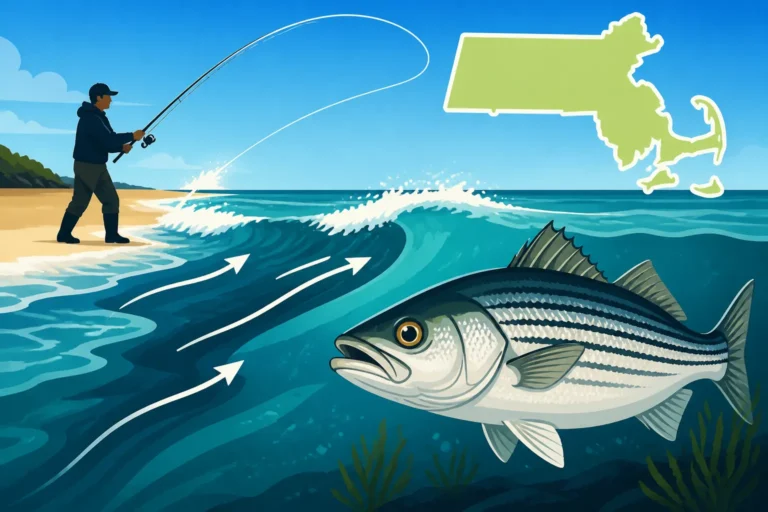
The fall run calls for active and adaptable fishing techniques. If you're surfcasting from a beach or jetty, cover a lot of water. Cast parallel to the beach, into rips, and around any visible structure. Look for diving birds, breaking fish, or nervous bait schools – these are tell-tale signs of feeding stripers. Try a range of retrieve speeds and lure presentations until you find what the fish are keying in on. Topwater lures can be incredibly exciting at dawn or dusk, while subsurface swimmers and soft plastics are often effective during the day. For more detailed tips, check out How to Catch Striped Bass From the Surf in Massachusetts.
For boat anglers, trolling, jigging, and live-lining are highly effective. Trolling tube-and-worm rigs or large swimming plugs can cover significant ground and locate schools of fish. Once found, jigging with metal jigs or large soft plastics can elicit strikes from deeper fish. Live-lining eels, especially at night or in areas with strong current, is a classic and highly effective method for targeting larger stripers; more on this can be found in Live-Lining Eels for Massachusetts Striped Bass.
No matter your preferred method, remember that stripers in the fall are often on the move. Don't get stuck in one spot if the action isn't there. Be prepared to relocate, whether it's moving down the beach or repositioning your boat. Persistence and observation are your best friends during this dynamic season. You can explore a broader range of tactics in How to Catch Striped Bass in Massachusetts.
Staying Informed for Peak Action
In the fast-paced world of the fall run, staying informed is almost as important as your fishing skill. Local intel is gold. Frequent your local bait and tackle shops; the owners and staff are often the first to know where the fish are biting and what they're hitting. They hear the reports daily and can offer invaluable, real-time advice.
Online fishing forums and social media groups dedicated to Massachusetts fishing can also be a treasure trove of information. Anglers often share their successes (and sometimes failures), providing clues about bait movements, water temperatures, and specific locations that are hot. Just remember to take some reports with a grain of salt and respect others' secret spots!
Finally, paying attention to the natural signs is critical. Look for flocks of gulls and terns diving on bait, a sure indicator that stripers are pushing bait to the surface. Observe the water for splashes, boils, or baitfish scattering on the surface. These visual cues are your direct line to the action. Because the timing can be so variable, it's wise to constantly monitor these sources. You might even consider setting up alerts or notifications on specific fishing apps to track real-time conditions. Having a good, reliable fishing compass, easily found on Amazon, can also help you track wind and current patterns.
Massachusetts Striped Bass Fall Run General Timeline
This table provides a generalized overview of the striped bass fall run along the Massachusetts coast. Actual timing can vary significantly year to year based on environmental factors.
| Region | General Peak Window | Key Factors Influencing Peak | Common Baitfish Targeted by Stripers |
|---|---|---|---|
| North Shore/Boston | Early Sept. – Mid-Oct. | First significant cold fronts, river mouth outflows, early bait migrations | Peanut Bunker, Sand Eels, Atlantic Herring, Mackerel |
| Cape Cod Canal | Mid-Sept. – Late Oct. | Strong tidal flows, concentrated baitfish movement through the bottleneck | Herring, Mackerel, Squid, Eels |
| Outer Cape Beaches | Late Sept. – Mid-Nov. | Offshore bait pushed in by winds and currents, major migratory route for larger fish | Sand Eels, Herring, Peanut Bunker, Whiting |
| South Shore/Islands | Oct. – Early Dec. | Later cooling water, lingering warm pockets, major migratory paths for southern-bound fish | River Herring, Menhaden, Sand Eels, Squid |
Disclaimer
This article is for general informational purposes only and does not constitute professional advice. Laws, prices and regulations vary by location and change over time. Consult a qualified professional for guidance on your specific situation.