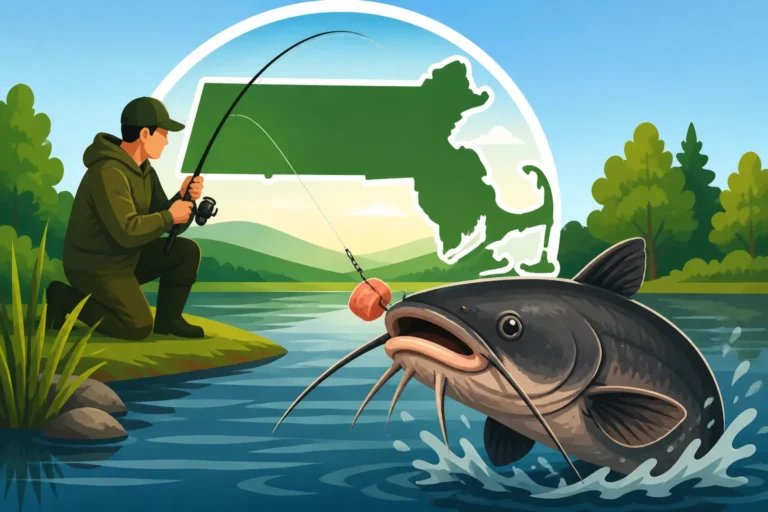
Best bait for channel catfish
If you've ever spent a beautiful day by a Massachusetts pond or river, patiently waiting for a bite, only to find that those elusive channel catfish just aren't interested, you know the frustration. It feels like they're just not in the mood, or maybe, just maybe, you're not offering them what they truly crave. This comprehensive guide is here to shed light on the best baits for channel catfish in Massachusetts, helping you understand their preferences and turn those slow days into memorable catches.
Understanding the Channel Catfish Palate in Massachusetts Waters
Before we dive into the nitty-gritty of specific baits, it's really helpful to get inside the head, or rather, the sensory organs of a channel catfish. These aren't your typical sight-feeders like trout or bass. Catfish are primarily scavengers and opportunistic feeders, meaning they rely heavily on their incredible sense of smell and touch to locate food, especially in murky waters or low-light conditions, which are common in many Massachusetts ponds and rivers.
The Power of Scent and Touch for Catfish
Imagine trying to find a meal in a dark room. You wouldn't use your eyes, right? You'd use your nose and your hands. That's essentially how a channel catfish navigates its culinary world. Their bodies are covered in taste buds, not just in their mouths, but also on their whiskers (barbels), fins, and even their skin! This means they can "taste" the water around them, picking up on incredibly faint chemical signals that indicate food. This is why scent is king when it comes to tempting a channel cat.
Beyond smell, their barbels are highly sensitive, allowing them to feel around the bottom for anything edible. This combination makes them perfectly adapted to foraging in various environments, from the muddy bottoms of lakes to the slower currents of rivers. When you're choosing a bait, you're not just offering them a meal; you're sending out a scented invitation they can't ignore, often coupled with a texture they can easily investigate with those sensitive whiskers. It's truly a masterclass in adaptation, and understanding it is your first step to success. You might be surprised at the variety of Catfish Species Found in Massachusetts.
What Catfish Naturally Forage On in Our Local Waters
While channel catfish are known for being opportunistic, they do have a "natural" diet that informs their preferences. In Massachusetts lakes, ponds, and rivers, they're often grubbing around for aquatic insects, small crustaceans like crayfish, worms, and even smaller baitfish. They'll also readily consume decaying organic matter, which is why things that smell a bit… well, funky… often work so well.
Consider a hot summer day in a sluggish river. The water might be a bit lower, and things are breaking down faster. That's a perfect environment for a catfish to thrive, sniffing out dead baitfish or insect larvae. This natural inclination towards strong-smelling, often decaying, proteins is what makes many of our best baits so effective. It’s about mimicking what they’re already programmed to seek out in their environment, just presenting it in a way that lands right on your hook. This knowledge is key when planning How to Catch Catfish in Massachusetts Ponds.
The Go-To Baits for Massachusetts Channel Catfish
Now that we understand the science behind their feeding habits, let's get to the good stuff: what actually works! You'll find there's a mix of classic, tried-and-true options and some more specialized choices, all designed to exploit that incredible sense of smell and taste.
Natural Baits: The Stinkier, The Better
When it comes to channel catfish, "natural" often means "naturally pungent." These baits mimic the decaying organic matter and strong scent profiles that catfish associate with a hearty meal.
Stink Baits and Prepared Baits
Stink baits are, perhaps, the most iconic catfish bait, and for good reason. They are specifically formulated to release a powerful, long-lasting scent trail in the water, irresistible to cruising catfish. You can find a huge variety of these at any local bait shop or even online retailers like Amazon. They come in many forms:
- Dip Baits: These are usually thick, gooey concoctions that you "dip" a special bait holder or a small piece of sponge into. The bait holder is designed to absorb and slowly release the potent smell. Some popular dip baits have a cheesy, blood, or liver base.
- Punch Baits: Similar to dip baits but often thicker, punch baits are so named because you literally "punch" your bare hook into the container, twisting it to load it up. They tend to stay on the hook a bit better in current.
- Prepared "Stink" Chunks: These are often pre-formed nuggets or cubes, sometimes with a soft, spongy texture, that are heavily infused with potent scents. They're easy to use and less messy than dip or punch baits.
When using stink baits, remember that a little goes a long way with the scent. You don't need to load your hook with a golf-ball-sized wad. A small, scent-packed piece is usually more effective. Different brands and formulations will have varying degrees of success depending on the water body and the catfish's mood, so it's always good to have a few options in your tackle box.
Cut Baits and Live/Dead Baits
Another highly effective category involves using other fish as bait. This taps into the channel catfish's predatory and scavenging instincts, mimicking an injured or dead fish that has fallen to the bottom.
- Cut Bait: This is simply pieces of fish, cut into chunks or strips. Common choices in Massachusetts include shad, herring, bluegill, or even pieces of mackerel or bunker if you have access to them. The key here is to use oily fish, as their natural oils and blood release a strong scent. Cut bait works best when it's fresh, but even slightly aged (not rotten) cut bait can be incredibly effective due to the increased scent release. A good practice is to cut the bait into 1-2 inch chunks, ensuring a piece of skin is attached to help it stay on the hook.
- Live Bait: While catfish are scavengers, they will absolutely hit live bait. Smaller shiners, killifish, or even robust worms can be very enticing. The struggling action of live bait sends out vibrations and distress signals that catfish can detect with their lateral lines. Presenting live bait just off the bottom, perhaps under a slip bobber, can be deadly, especially if you suspect bigger, more aggressive catfish are in the area.
- Dead Bait: This is different from cut bait, in that you're presenting a whole, small dead fish. A dead shiner or herring, rigged to lie naturally on the bottom, can be a fantastic offering. The lack of movement, combined with the slow release of natural oils and scent, makes it an easy meal for a catfish. For this, ensure the baitfish isn't too large for the catfish to swallow.
The benefit of cut or dead bait is that it offers a substantial meal, often appealing to larger channel catfish looking for a bigger payoff. It’s also incredibly realistic, fitting perfectly into their natural diet.
The Ever-Reliable: Worms
Ah, the humble worm. Is there any fish that doesn't eat a worm? While not specifically a "stink bait," nightcrawlers and other large worms are absolutely fantastic for channel catfish. They offer a natural scent, a wriggling action when threaded onto a hook, and a texture that catfish readily accept.
- Nightcrawlers: These large worms are probably the most popular choice. Hook them once or twice through the body, leaving plenty of the worm to dangle and entice. The natural juices and movement are a proven winner. You can often find them readily available at bait shops, gas stations, or even through Amazon for bulk orders.
- Worm Balls/Clusters: For an even more enticing offering, try threading several worms onto your hook to create a "ball" or cluster. This creates a bigger profile and a more concentrated scent, making it easier for catfish to find and more appealing as a meal.
Worms are a versatile bait. They're easy to handle, widely available, and effective for almost any freshwater species, including channel catfish. They're also great for a day when you might be targeting multiple species, as plenty of panfish and bass will also show interest.
DIY Concoctions: Making Your Own Catfish Bait
For the truly adventurous angler, making your own catfish bait can be incredibly rewarding. Not only can you customize the scent and consistency, but it's also a fun project that can sometimes out-perform store-bought options. These typically fall into the "dough bait" or "cheese bait" category.
- Dough Balls: The basic recipe often includes flour, cornmeal, garlic powder (a strong attractant for catfish), and water. You can then add other ingredients for extra scent:
- Cheese: Grated Parmesan or even a strong, aged cheddar.
- Animal Fat/Oil: A bit of bacon grease or leftover cooking oil.
- Flavorings: Anise extract, vanilla extract, or even a few drops of a powerful fish attractant.
- Protein: Blended chicken liver or canned cat food (the pate style) can be mixed in for a potent protein punch.
- Chicken Liver: This is a fantastic bait on its own, but it can be messy. To make it more manageable and even more enticing, you can "toughen" it by letting it sit in the sun for a few hours (yes, it gets stinkier!), or by coating it in garlic powder and then letting it sit in flour or cornmeal to create a crust. You can also blend it into your dough bait mixture for an extra potent punch.
The beauty of DIY baits is experimentation. Keep a log of what you use and what works well in different conditions. You might stumble upon your own secret weapon! Just remember, these can get messy, so bring extra paper towels and maybe some disposable gloves.
Rigging and Presentation for Catfish Success
Having the best bait in the world won't do you much good if it's not presented correctly. Channel catfish are bottom feeders, so your rig needs to get your bait down to where they're looking for food and keep it there.
Essential Rigs for Bottom Fishing
When targeting channel catfish, the goal is almost always to present your bait on or very near the bottom. Here are a couple of classic and effective rigs:
- Carolina Rig (or Egg Sinker Rig): This is arguably the most popular and effective rig for bottom fishing. It consists of a barrel swivel, a leader (usually 12-24 inches), and your hook. The key is a slip sinker (like an egg sinker or bullet sinker) that slides freely on your main line above the swivel. This setup allows the catfish to pick up the bait and move off with it without feeling the resistance of the heavy sinker, which can make them drop the bait. It’s perfect for both still water and gentle currents.
- Three-Way Swivel Rig: This rig is excellent for slightly stronger currents or when you want to present your bait just off the bottom. Tie your main line to one eye of a three-way swivel. To a second eye, tie a short leader (6-12 inches) with a sinker on the end. To the third eye, tie a longer leader (12-36 inches) with your hook and bait. The sinker holds the bottom, while your bait drifts enticingly a foot or two above it, making it easier for catfish to locate.
- Simple Bottom Rig (with a fixed sinker): For simplicity, you can tie a sinker directly to the end of your line, and then tie a dropper loop or snell a hook a foot or so above it. While not as sensitive as a Carolina rig, it's quick to tie and gets the job done, especially in calm waters.
Always choose a sinker weight appropriate for the current and depth. You want it heavy enough to hold your bait in place but not so heavy that it feels unnatural if a catfish tests the bait. You can find a wide array of sinkers and swivels on Amazon, ensuring you have the right components for any rig you choose. Getting your bait to the right depth is crucial, especially when considering the Massachusetts Freshwater Fishing Season Calendar.
Maximizing Scent Trails and Attractants
Even with the best bait, enhancing its scent output can drastically improve your chances. Remember, it's all about that smell!
- Scent Sprays and Dips: Many companies produce concentrated fish attractants in spray or gel form. These can be applied directly to your bait (especially cut bait or worms) to boost their scent profile. Some anglers swear by garlic-flavored attractants, while others prefer more fishy or "anise" scents. It's an easy way to give your bait an extra kick, particularly if it's a bait with less inherent smell.
- Chumming (where permitted): While not always legal or practical in all Massachusetts waters, a little bit of chumming can draw catfish to your area. This involves scattering small amounts of attractive material into the water to create a scent trail. This could be mashed-up hot dogs, crumbled bread, or even very finely chopped chicken liver. Always check local regulations before chumming, as it's not allowed everywhere.
- Patience and Persistence: Catfish are not always immediate biters. They might approach the bait, taste the water around it, and take their time deciding. Don't be too quick to reel in if you feel a subtle tap. Let them work the bait a bit. This is particularly true for larger fish. A good rule of thumb is to give it at least 20-30 minutes in a spot before considering moving, especially if you're confident in your bait choice and presentation.
Table: Comparing Popular Catfish Baits for Massachusetts Anglers
| Bait Type | Key Attractor | Pros | Cons | Best Conditions |
|---|---|---|---|---|
| Stink Baits | Powerful, unique scent | Highly attractive, easy to store/transport | Can be messy, may attract non-target species | Murky water, low light, warm water (enhances scent) |
| Cut Bait | Blood, oil, natural scent | Mimics natural food, good for larger fish | Can be messy, needs fresh sourcing, may spoil quickly | Rivers with current, deep holes, night fishing |
| Chicken Liver | Strong blood/iron scent | Very attractive, widely available | Extremely messy, soft and easily stolen by small fish | Calm water, still ponds, near cover |
| Nightcrawlers | Natural scent, movement | Universal appeal, easy to find, less messy | Small fish can nibble them off, less potent scent than others | All conditions, especially good for general fishing |
| Dough Balls | Customizable scent, texture | Can be tailored, inexpensive to make | Can fall off hook easily, takes time to prepare | Still water, light current, when experimenting with scents |
Ultimately, the "best" bait can sometimes change from day to day or even hour to hour. That's why having a few options on hand, from the pungent powerhouses to the subtle natural offerings, will always put you in the best position for success. Don't forget to review the Massachusetts Fishing License Guide before heading out!
Beyond the Bait: Tips for Catfish Angling in Massachusetts
Even with the perfect bait, there are other factors that contribute to a successful channel catfish outing in Massachusetts. Thinking about location, time, and specific techniques can greatly improve your chances.
Where and When to Find Channel Catfish
Channel catfish are pretty widespread throughout Massachusetts, preferring warmer, slower-moving waters. You'll find them in many of the larger lakes, ponds, and slower sections of rivers.
- Prime Locations: Look for them in deeper holes, near fallen trees or submerged structures, around weed beds (especially where there are open pockets), and in the mouths of feeder creeks. These areas offer cover, food sources, and often slightly cooler water in the summer. Spots like Lake Quinsigamond, the Connecticut River, and some of the larger state-stocked ponds are known for their catfish populations. If you're looking for new fishing spots, check out some of the Best Freshwater Ponds and Lakes in Massachusetts.
- Best Times: While you can catch catfish during the day, they are most active during low-light conditions. Dawn, dusk, and especially night fishing are prime times for channel catfish. Their keen senses are an advantage in the dark, and they often move into shallower areas to feed during these periods. During the day, they tend to retreat to deeper, darker waters. Warmer months, from late spring through early fall, are generally the most productive. This aligns well with The Best Time of Year to Fish in Massachusetts.
Rods, Reels, and Lines for Catfish
You don't need highly specialized gear for channel catfish, but having the right setup helps.
- Rods: A medium to medium-heavy action spinning or baitcasting rod, typically 6 to 7.5 feet long, is ideal. You want something with enough backbone to handle a strong fighting fish, but sensitive enough to detect subtle bites.
- Reels: A reliable spinning reel in the 3000-4000 series or a baitcasting reel with a good drag system is perfect. Channel catfish can put up a surprisingly strong fight, especially larger ones, so a smooth, adjustable drag is essential.
- Line: Monofilament line in the 10-20 pound test range is a popular choice due to its stretch and abrasion resistance, which is helpful around snags. Braided line (20-40 pound test) offers more sensitivity and strength in a thinner diameter, but you might want a fluorocarbon leader for abrasion resistance and to make it less visible in clearer water, though visibility is less of a concern for scent-oriented catfish.
- Hooks: Circle hooks are highly recommended for catfish. They are designed to hook the fish in the corner of the mouth, making it easier to release fish unharmed and reducing gut hooks. Sizes from 2/0 to 6/0 are common, depending on the size of your bait and the catfish you're targeting.
Don't forget to check the Massachusetts Freshwater Daily Catch Limits before you head out! Always be prepared with a good pair of pliers or a hook remover, as catfish can swallow hooks deeply, and their pectoral fins have sharp spines that can cause a painful poke. Handling them carefully is key to both your safety and the fish's well-being. Knowing how to identify your catch is also helpful, so consider reviewing the Massachusetts Fish Identification Guide.
With the right bait, a solid presentation, and an understanding of channel catfish behavior, your next fishing trip in Massachusetts could very well be a catfish catching adventure!
Disclaimer
This article is for general informational purposes only and does not constitute professional advice. Laws, prices and regulations vary by location and change over time. Consult a qualified professional for guidance on your specific situation.