Catfish Species Found in Massachusetts
It’s easy to get caught up in the allure of chasing striped bass along the coast or hiking into a remote stream for native brook trout here in Massachusetts. But for many anglers, especially those looking for a different kind of fight and a delicious meal, the often-overlooked world of catfish offers incredible opportunities right in our own backyard. If you’ve ever wondered what kind of whiskered wonders lurk in our freshwater systems, you're in the right place, because this guide is all about diving deep into the fascinating catfish species you can find across the Bay State.
The Allure of Catfish Fishing in Massachusetts
For seasoned anglers and newcomers alike, there's something truly special about targeting catfish. They’re often dismissed as bottom feeders, but let me tell you, when you hook into a sizable channel cat or even a chunky bullhead, you're in for a respectable fight. They pull hard, stay deep, and once you get them to the net, they have a distinctive look that’s undeniably cool. Plus, they’re incredibly accessible, thriving in a variety of waters, and don't require fancy gear.
Why Catfish are a Great Target
One of the biggest advantages of catfish fishing in Massachusetts is its sheer accessibility. You don’t need a specialized boat to get to them; many of the best spots are easily reached from shore. Ponds, slow-moving rivers, and even larger lakes can hold healthy populations. They're also less finicky than some other species, often biting throughout the day and into the night, which makes them a fantastic option for an evening outing or a leisurely weekend session. Furthermore, their abundance means you have a good chance of success, which is incredibly encouraging, especially for families fishing with kids.
The Overlooked Table Fare
Let's be honest, part of the appeal of fishing is the potential for a fresh, delicious meal. And catfish, when properly prepared, are absolutely fantastic table fare. Their meat is firm, white, and flaky, with a mild flavor that’s perfect for frying, baking, or grilling. Many folks shy away from eating them, perhaps due to misconceptions about their diet, but in clean Massachusetts waters, they are a genuinely tasty catch. Just remember to always check Massachusetts Freshwater Daily Catch Limits before you keep any fish, and be mindful of any local consumption advisories that might apply to specific bodies of water.
Channel Catfish: The Most Common Massachusetts Resident
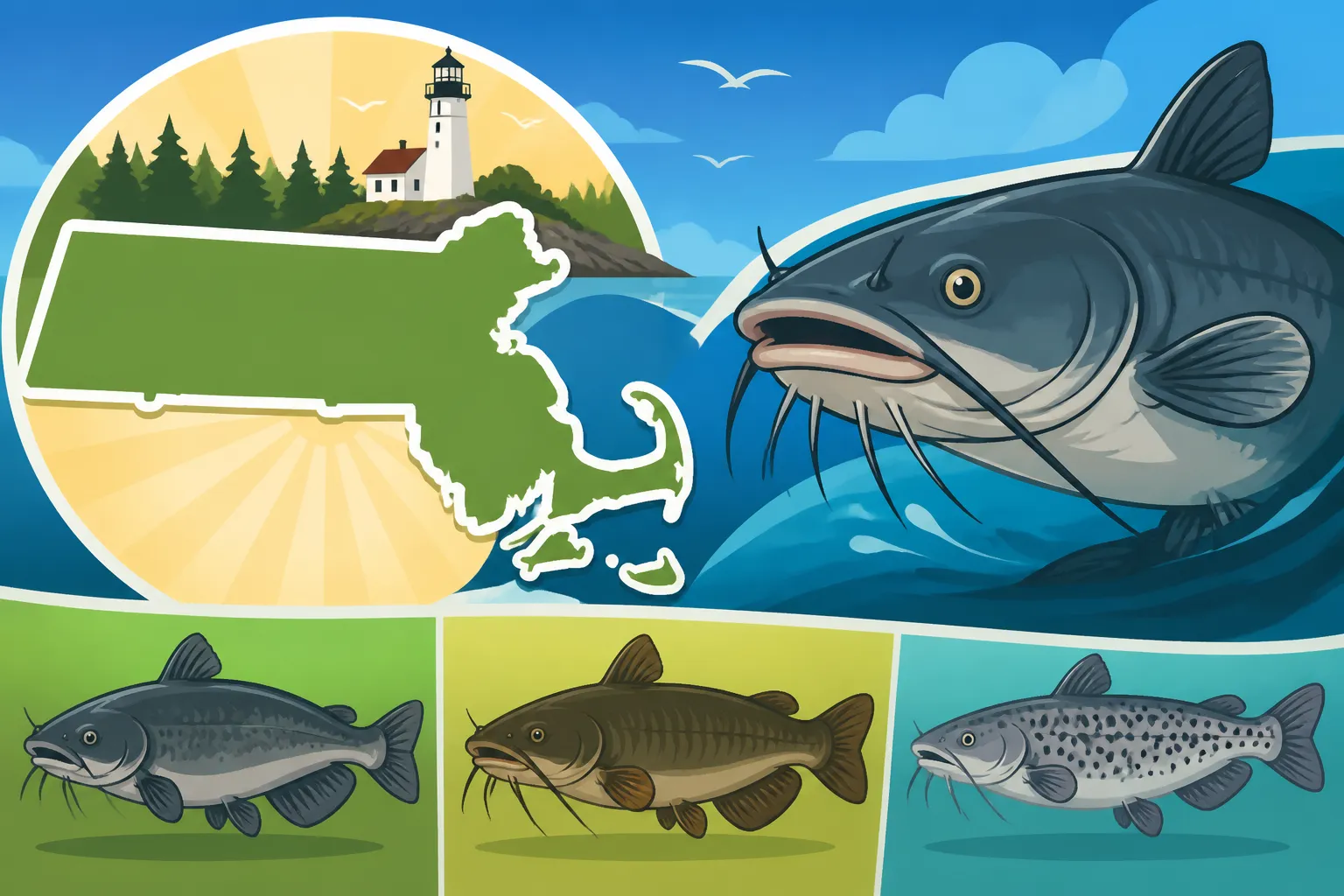
When most people think of "catfish," they're probably picturing the Channel Catfish. These are the big boys of the Massachusetts catfish scene, known for their powerful fights and impressive size. They’re streamlined, typically silver-grey to olive-green with distinctive dark spots when young, fading as they age. They also have a deeply forked tail, which helps differentiate them from their bullhead cousins.
Identifying and Locating Channel Catfish
Channel Cats are pretty unmistakable once you know what to look for. Their sleek bodies and forked tails are key identifiers. Their whiskers, or barbels, are prominent and help them navigate and find food in murky waters. In Massachusetts, you’ll find these impressive fish primarily in larger rivers, deeper ponds, and some of the bigger lakes. They prefer areas with some current, deeper holes, and plenty of structure like submerged logs, rock piles, or even bridge pilings where they can ambush prey. They’re often found in the Connecticut River, for instance, and many of the larger impoundments. You might be surprised at the size they can reach here in the Commonwealth, offering a truly memorable angling experience.
Tactics for Hooking Channel Cats
To catch a Channel Catfish in Massachusetts, you generally want to fish on or near the bottom. They are primarily scavengers but will also feed on live prey. For bait, think smelly! Cut bait (like pieces of mackerel, herring, or even hot dogs), chicken livers, nightcrawlers, or commercial stink baits are all excellent choices. Many anglers prefer a simple bottom rig, such as a Carolina rig or a three-way swivel rig, which allows the bait to rest on the bottom while the line runs freely, signaling a bite clearly. A medium to heavy action rod with a strong reel spooled with at least 10-20 lb test line is recommended, as these fish can really pull. Consider checking out some sturdy catfish rods and tackle on Amazon before your next trip. Night fishing can be particularly productive for Channel Cats, as they often become more active after dark, cruising the shallower flats and channels in search of food.
Brown Bullhead: The Ubiquitous Pond Dweller
While the Channel Catfish might get the headlines for size, the Brown Bullhead is arguably the most widespread and commonly encountered catfish species in Massachusetts. These hardy little fighters are present in nearly every warmwater pond, lake, and slow-moving river imaginable. They might not reach the same massive sizes as Channels, but what they lack in individual heft, they make up for in sheer numbers and eagerness to bite.
Recognizing Brown Bullheads
Brown Bullheads are much more stout-bodied than Channel Cats, with a rounded, square, or slightly notched tail, never deeply forked. Their skin is smooth, typically mottled brown to yellowish-brown on top, fading to a lighter belly. They have prominent barbels around their mouths, and perhaps their most defining feature, at least for anglers, is the sharp, serrated spines on their pectoral and dorsal fins. These spines can deliver a nasty poke if you're not careful when handling them, so always use caution or a good pair of pliers to remove hooks. They’re often seen in smaller, weedier ponds, thriving in conditions that might be less hospitable to other game fish. You’ll find them in places like Walden Pond, among many other local spots. Is Walden Pond Good for Fishing? might give you more ideas for bullhead locations.
Effective Fishing for Brown Bullheads
Brown Bullheads are not picky eaters, which is fantastic news for anglers. They’ll readily take a variety of baits, making them perfect targets for casual fishing trips, especially with kids. Worms, pieces of hot dog, corn, bread, and even small pieces of marshmallows can work wonders. A simple bobber rig with a small hook, fishing the bait just off the bottom or directly on it, is usually all you need. They tend to congregate in slower, shallower areas, particularly near vegetation or submerged structure. Early mornings and evenings are prime times, but they can be caught throughout the day. Don't be afraid to cast into those lily pads or near fallen trees – that's often where the bullheads are hiding. They might not be trophy fish, but a stringer full of bullheads provides a fantastic opportunity for a fish fry!
Yellow Bullhead: A Less Common but Still Present Species
The Yellow Bullhead is another member of the bullhead family found in Massachusetts, though it's generally less common and less widespread than its brown counterpart. They share many similarities with Brown Bullheads in terms of habitat and behavior, but there are some distinct features that help differentiate them, primarily their coloration and the color of their barbels.
Distinguishing Yellow Bullheads
Yellow Bullheads, as their name suggests, typically have a more yellowish or golden-brown coloration on their sides and belly, often with a darker olive to brown back. The most reliable distinguishing feature, however, is the color of their chin barbels. On a Yellow Bullhead, these barbels are white or yellowish, contrasting sharply with the darker, often black or brown, chin barbels of the Brown Bullhead. Like Brown Bullheads, they have a broad head, robust body, and a rounded or slightly notched tail. They also possess those sharp pectoral and dorsal spines, so handling them with care is equally important. They prefer clear, slow-moving waters with soft bottoms and plenty of aquatic vegetation, often found in similar habitats to Brown Bullheads but perhaps with a slight preference for slightly cleaner water.
Catching Yellow Bullheads
Fishing for Yellow Bullheads is very similar to fishing for Brown Bullheads. They respond well to the same baits and simple rigs. Worms, small pieces of cut bait, and various dough baits fished on the bottom or under a bobber are highly effective. Since they prefer areas with more vegetation, focusing your efforts around weed lines, lily pad fields, and submerged brush will increase your chances. They are also active feeders in low light, making dawn, dusk, and nighttime excellent times to target them. While you might not specifically go out targeting Yellow Bullheads, if you're fishing for Brown Bullheads in suitable habitat, there's a good chance you'll encounter a few of their yellow-chinned cousins. Keep an eye out for that tell-tale chin barbel color to confirm your catch!
Where to Find Catfish in Massachusetts
Massachusetts offers a diverse range of freshwater habitats, and thankfully, catfish have found a way to thrive in many of them. From vast rivers to secluded ponds, there's likely a catfish spot closer than you think. Understanding their preferred environments is key to successful angling.
Major Rivers and Larger Lakes
For Channel Catfish, your best bet will always be the larger river systems and significant lakes. The Connecticut River, for instance, is a known hotspot for robust Channel Cats, especially in deeper channels and slow-moving stretches. You can find excellent access points for Connecticut River Fishing in Massachusetts that will put you in prime catfishing territory. Other large bodies of water, like Lake Quinsigamond, might also hold good populations. Where to fish Lake Quinsigamond for bass often overlaps with catfish territory, as they share similar habitat preferences for structure and depth. When fishing these areas, look for deeper holes, confluence points, or areas around submerged timber and rock piles. These spots provide cover, current breaks, and ambush points for foraging catfish.
Ponds, Smaller Lakes, and Reservoirs
Brown and Yellow Bullheads are much more forgiving in terms of habitat. They are true pond dwellers and can be found in virtually any warmwater pond or smaller lake across the state, even those that seem less appealing to other fish. Think about places with soft, mucky bottoms, plenty of aquatic vegetation, and perhaps some downed trees or brush along the banks. Even urban ponds can be surprisingly productive for bullheads. Many smaller reservoirs and slow-moving sections of tributaries also hold healthy populations. Don't overlook the local pond right in your town; it could be teeming with bullheads. For a comprehensive list, you might find more local spots by exploring articles like Best Freshwater Ponds and Lakes in Massachusetts.
Seasonal and Time Considerations
Catfish are generally warmwater fish, meaning their activity levels increase as water temperatures rise. The late spring, summer, and early fall are prime seasons for catfishing in Massachusetts. During the hottest months, they often feed most actively during cooler periods – think dawn, dusk, and throughout the night. This makes them a fantastic alternative to daytime fishing when other species might be sluggish due to the heat. During cooler parts of the day or in the shoulder seasons, they might retreat to deeper water, so adjusting your depth can be crucial. In summer evenings, you'll often find bullheads in very shallow water, sometimes right at your feet, grubbing for food.
Essential Gear and Techniques for Massachusetts Catfish
You don't need a boatload of specialized equipment to catch catfish in Massachusetts, which is another reason why it's such a great activity. However, having the right basic gear and understanding a few key techniques can significantly boost your success and make the experience more enjoyable.
Rods, Reels, and Line
For Channel Catfish, a medium-heavy to heavy action spinning or baitcasting rod, typically 6 to 8 feet long, is ideal. This gives you the power to cast heavier baits and fight larger fish. Pair it with a sturdy reel spooled with 10-25 lb monofilament or braided line. Braided line offers superior sensitivity and strength for its diameter, which can be a real advantage when fishing in heavy cover. For bullheads, a medium action rod (5-7 feet) and a spinning reel with 6-12 lb test line is usually sufficient. You don't need anything too fancy; a reliable setup you might already use for bass or larger panfish will often suffice. You can find a wide selection of suitable rods and reels on Amazon, often with helpful reviews from other anglers.
Baits and Rigs
The right bait is half the battle when it comes to catfish. As mentioned earlier, Channel Cats love smelly baits: cut fish (mackerel, herring, shad), chicken livers, and commercial "stink baits" are top choices. For bullheads, earthworms (nightcrawlers), hot dogs, corn, or even dough balls work exceptionally well.
Here’s a simple rundown of common rigs:
| Rig Type | Target Species | Description | Pros | Cons |
|---|---|---|---|---|
| Carolina Rig | Channel Catfish | Sinker above swivel, leader with hook below. Bait sits on bottom. | Excellent feel for bites, good for detecting subtle takes. | Can tangle in heavy cover. |
| Three-Way Rig | Channel/Bullhead | Sinker on short dropper line, bait on longer leader. | Keeps bait off bottom in current, good for various baits. | More components, potential for more snags. |
| Slip Sinker Rig | Channel Catfish | Sinker slides freely on main line, stopped by a swivel. Hook on leader. | Natural bait presentation, fish don't feel sinker weight. | Requires specific sinker types. |
| Bobber Rig | Brown/Yellow Bullhead | Bobber holds bait at desired depth, small weight, hook below. | Visually indicates bites, easy for beginners/kids. | Less effective in strong currents or deep water. |
Always remember to use hooks appropriate for the bait and target fish size. For Channel Cats, a 2/0 to 5/0 circle hook is often preferred, as it helps prevent gut-hooking. For bullheads, smaller bait-holder hooks, sizes 4 to 1/0, are typically fine.
Timing and Location, The Catfish Code
Beyond gear, understanding when and where catfish feed is crucial. They are often most active during low light conditions – dawn, dusk, and especially throughout the night. Many dedicated catfishermen swear by night fishing, setting up camp, and enjoying the tranquility while waiting for bites. Look for areas where natural food might be plentiful. For Channel Cats in rivers, this means deeper pools downstream of riffles, current seams, or areas where smaller tributaries enter. For bullheads in ponds, target areas with abundant weeds, lily pads, or overhanging cover that provides shade and security. Don't be afraid to move around if a spot isn't producing, and always stay patient. Catfishing is often a game of waiting, but the reward of a hard-fighting fish is well worth it!
When you're out there enjoying the waters of Massachusetts, whether you're targeting the big Channels or the feisty Bullheads, remember that these whiskered wonders offer a unique and rewarding fishing experience. So grab your gear (maybe a fresh batch of chicken livers from the store or a new fishing setup from Amazon), find a quiet spot, and enjoy the thrill of Massachusetts catfishing.
Disclaimer
This article is for general informational purposes only and does not constitute professional advice. Laws, prices and regulations vary by location and change over time. Consult a qualified professional for guidance on your specific situation.