Where to fish Lake Quinsigamond for bass
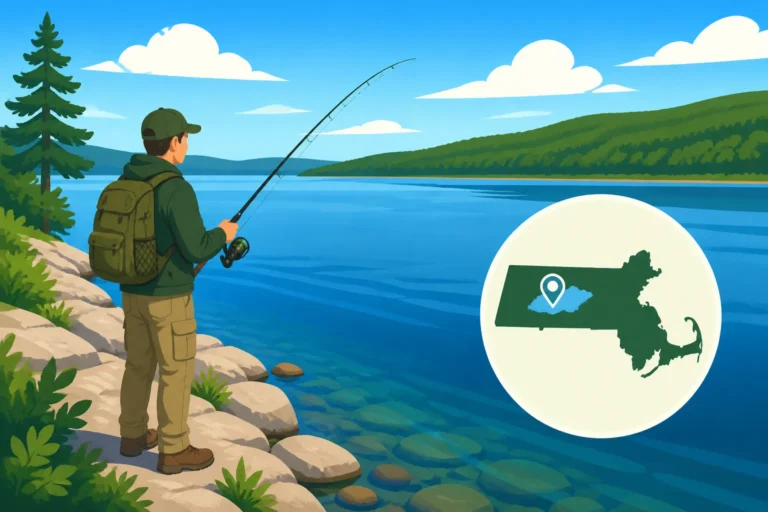
It's incredibly frustrating when you're staring out at a beautiful body of water like Lake Quinsigamond, knowing it holds some fantastic bass, but you just can't seem to figure out where they're hiding. This large, sprawling lake in Central Massachusetts can be intimidating with its varied depths, structures, and busy recreational areas. This guide is here to untangle that confusion, providing you with detailed, angler-tested spots and strategies to boost your success in catching both largemouth and smallmouth bass on Lake Quinsigamond.
Lake Quinsigamond's Bass Haven: Understanding the Waters
Before you even think about casting a line, getting a solid understanding of Lake Quinsigamond itself is key. This isn't just one big pond; it's a dynamic ecosystem with distinct sections that favor different bass species and fishing approaches. Knowing the lay of the land, or rather, the water, will dramatically improve your chances.
The Layout and Structure of Lake Quinsigamond
Lake Quinsigamond is quite unique, stretching about 4 miles long and covering approximately 772 acres. It's truly a gem in the Worcester area, but its elongated shape and varying characteristics mean you can't fish it all the same way. The lake is generally divided into a northern and southern basin, somewhat separated by the I-290 bridge causeway, which itself acts as a significant structure.
The northern basin, closer to Worcester's downtown, tends to be deeper, with rocky shorelines, sharper drop-offs, and more defined points. It's connected to the Quinsigamond River, which flows in and out, bringing in fresh water and current, especially after heavy rains. This area can hold some fantastic smallmouth bass, which prefer cooler, deeper, and rockier environments. You'll find a mix of developed shorelines with seawalls and more natural, treelined banks. The average depth in parts of the northern end can reach over 20 feet, with some holes dropping to 40 feet or more.
Move south of the I-290 bridge, and the lake generally widens and becomes shallower. This southern basin, closer to Shrewsbury and Grafton, is characterized by extensive weed beds, numerous private docks, and coves. This is prime largemouth bass territory. These green monsters love to ambush prey from dense cover, and the abundant vegetation provides exactly that. While there are deeper channels, much of this section averages 10-15 feet, making it perfect for targeting fish in and around the submerged grass. Understanding this fundamental north-south difference is your first big step towards success.
Primary Bass Species and Their Preferred Habitats
Lake Quinsigamond is home to both largemouth and smallmouth bass, offering diverse fishing opportunities. Knowing their preferences is crucial for tailoring your approach. If you're wondering about the subtle differences, our guide on Largemouth vs Smallmouth Bass in Massachusetts provides a fantastic breakdown.
Largemouth Bass are the classic green fish, known for their aggressive strikes and love for cover. In Lake Quinsigamond, you'll find them predominantly in the shallower, weedy areas of the southern basin. They gravitate towards:
- Docks and Pontoons: These offer shade, ambush points, and structure. Flipping jigs or soft plastics into the dark corners under docks is a deadly technique.
- Lily Pads and Emergent Vegetation: Shallow coves and protected areas with lily pads or thick cattails are largemouth magnets. Topwater frogs or weedless worms are perfect here.
- Submerged Weed Lines: The edges of dense weed beds are crucial. Largemouth will patrol these edges, darting out to strike baitfish. Crankbaits, spinnerbaits, or Texas-rigged worms fished along these lines can be incredibly effective.
- Laydowns and Brush Piles: Any fallen trees or submerged brush create excellent habitat. These are often found along the more natural, less developed shorelines.
Smallmouth Bass, often called "bronze backs," prefer cleaner, cooler, and rockier environments. While they are present throughout the lake, the northern basin and deeper, clearer sections are their stronghold. Look for smallmouth around:
- Rocky Points and Humps: Any rocky protrusion into deeper water or submerged humps are key smallmouth structure. They'll cruise these areas, ambushing baitfish.
- Transition Areas: Where rock meets sand, or gravel meets a weed line, are often high-traffic zones for smallmouth.
- Bridge Pilings and Causeway: The concrete and riprap around the I-290 bridge provide excellent current breaks and rocky cover. These structures are often magnets for baitfish, and thus, smallmouth.
- Deep Water Edges: Smallmouth aren't afraid of depth. They'll often be found near deep drop-offs, especially during hotter summer months. Vertical jigging or drop-shotting can be very effective in these deeper zones.
While bass are the stars, Lake Quinsigamond also hosts a healthy population of other species like chain pickerel, yellow perch, crappie, and northern pike, so don't be surprised if you hook into something else!
Top Shoreline Spots for Bass Anglers on Lake Quinsigamond
Fishing from shore on a large lake like Quinsigamond can sometimes feel like you're at a disadvantage, especially when you see boats cruising around. But don't despair! There are definitely some prime locations where shore anglers can find success, if you know where to look. The key is understanding how to leverage public access points and identify overlooked features.
Parks and Public Access Points
The most accessible areas for shore anglers are, naturally, the public parks. These spots offer parking and typically have facilities, but they can also see a lot of recreational use, especially during warmer months.
-
Regatta Point Park: Located on the northern end of the lake in Worcester, Regatta Point is probably the most well-known public access. It’s famous for its rowing events, but it also offers excellent shore fishing opportunities, particularly for smallmouth bass. The causeway that leads out to the boathouse creates significant current breaks and deep water access. You can cast parallel to the causeway, targeting rocky bottom and transition zones. The deep water here means smallmouth are often present. You'll also find some docks and seawalls along the park's edge that can hold largemouth. This area can get busy with boat traffic and general park visitors, so early mornings or late evenings often provide a more peaceful experience and better fishing.
-
Quinsigamond State Park: Situated just south of Regatta Point, also in Worcester, this park offers a large beach area and a fishing pier. While the beach area itself might not be prime bass habitat due to heavy swimming use, the pier can provide access to deeper water and the edges of weed beds. Casting out from the pier with crankbaits or soft plastics can yield both largemouth and smallmouth. The weed lines near the edges of the park, particularly away from the main beach, are excellent spots for largemouth. Just be mindful of local regulations and other park users.
-
Lake Park (Newton Hill): Although primarily a hiking and recreation area, the edges of Lake Park on the western side of the northern basin can offer some less crowded shoreline access. Look for areas with fallen trees or rocky outcrops that drop into deeper water. These spots require a bit more walking to find, but often reward with less pressured fish.
While public parks are a great starting point, remember that a Massachusetts fishing license is required for anyone 15 years and older. You can easily find out more about the Massachusetts Fishing License Guide and even renew it online if needed with our Massachusetts Fishing License Renewal Guide.
Overlooked Shoreline Features
Sometimes the best spots aren't the obvious ones. A true veteran angler knows how to spot the less-trafficked, but highly productive, pieces of structure from shore.
-
Bridge Pilings and Riprap: The I-290 bridge, while dividing the lake, creates fantastic structure. While direct access to fish under the bridge from shore is limited and often unsafe, look for areas where the bridge's supporting riprap extends along the shoreline. These rocky banks offer ideal smallmouth habitat. Cast parallel to these rocks with jigs, crankbaits, or even a simple worm and bobber rig. The current created by the constriction of the bridge can also concentrate baitfish, making it a hotspot.
-
Roadside Pull-offs and Culverts: Along the many roads that skirt Lake Quinsigamond, you might find small, unofficial pull-offs or areas where storm drains or culverts empty into the lake. These culverts can sometimes create small pockets of cooler, oxygenated water or deposit sediment, forming unique bottom contours that bass will use. Always check for "No Trespassing" signs and fish responsibly, but a small, overlooked cove or a rocky bank accessible from a roadside spot could hold a surprise.
-
The "Narrows" and Channel Edges: In areas where the lake narrows or where there's a defined channel, shore anglers can capitalize on current. Even subtle currents can position bass for ambush. Look for eddies or slack water pockets just out of the main flow. These can be prime spots for both largemouth and smallmouth, depending on the specific structure. For those considering a guided trip to truly uncover hidden gems, platforms like FishingBooker often list local guides who know these secret spots intimately.
Remember, patience and observation are your best tools when shore fishing. Watch for baitfish activity, look for changes in water depth or bottom composition, and don't be afraid to experiment with different baits and retrieve speeds until you find what the fish are keying in on.
Navigating by Boat: Prime Bass Fishing Zones on Lake Quinsigamond
For anglers with a boat, Lake Quinsigamond truly opens up, offering access to its vast and varied bass habitat. Whether you're running a high-powered bass boat or paddling a kayak, understanding where to go is paramount. The lake's distinct northern and southern basins each offer unique advantages for targeting largemouth and smallmouth.
Productive Northern Basin Areas
The northern basin of Lake Quinsigamond is generally deeper, rockier, and has a more defined channel. This is smallmouth country, but you'll certainly find largemouth lurking in the shallower coves and along the developed shorelines.
-
The I-290 Bridge Causeway and Pilings: This structure is a magnet for bass. The riprap on either side of the causeway and the concrete pilings provide excellent habitat for baitfish, which in turn attract smallmouth. Anglers can work crankbaits, jerkbaits, or drop shot rigs around these pilings. The current that flows through the bridge also concentrates fish. Position your boat to drift with the current, casting towards the structure, or anchor up-current and work your lures through the zone.
-
Regatta Point and Indian Lake Channel: Near Regatta Point, where the lake narrows and connects to the Quinsigamond River, you'll find deeper water and rocky bottoms. The channel leading towards Indian Lake also creates a distinct underwater feature. Smallmouth will patrol these areas. Look for points that extend into the main channel, and focus on the deeper edges. Vertical jigging or using a Carolina rig can be very effective in these deeper, rocky sections.
-
Worcester Shoreline Drop-offs: The western shore, particularly near the residential areas of Worcester, often features sharp drop-offs and scattered rock piles. Use your electronics to find these submerged structures and target them with finesse baits like tubes or Ned rigs. Smallmouth love to hang out on these vertical edges, ambushing unsuspecting bait.
For those interested in the financial aspects of fishing, our guide on Massachusetts Resident Fishing License Cost covers everything you need to know about getting your license before heading out.
Southern Lake Structure for Largemouth
As you venture south of the I-290 bridge, Lake Quinsigamond transforms into a largemouth bass paradise. The basin widens, the water generally shallows out, and extensive weed beds dominate the landscape, especially along the Shrewsbury and Grafton shores.
-
Extensive Weed Beds: This is the bread and butter of southern Quinsigamond bass fishing. Large, dense mats of submerged vegetation provide cover, ambush points, and a rich food source. Look for distinct weed lines, pockets within the weeds, or areas where different types of vegetation meet. Flipping jigs, pitching Texas-rigged worms or creature baits into dense cover, or working spinnerbaits and bladed jigs along the edges are highly effective. Topwater frogs and buzzbaits fished over the mats during low light conditions can be absolutely exhilarating.
-
Private Docks and Boathouses: The residential shores are lined with countless private docks, pontoon boats, and boathouses. Each one of these structures is a potential bass hideout. Largemouth love the shade and cover these provide. Carefully pitch or flip soft plastics, jigs, or small crankbaits into the tight spaces under and around these structures. Always be respectful of private property and keep your distance from docks, but fish the accessible perimeters.
-
Shrewsbury and Grafton Coves: The numerous coves along the eastern (Shrewsbury) and southern (Grafton) shores offer protected, shallow water ideal for largemouth. These areas often have extensive lily pads, laydowns, and varying depths. Explore these coves thoroughly, working their edges and any visible cover. For specific advice on techniques, our guide on How to Catch Largemouth Bass in Massachusetts is a must-read.
Targeting Transition Zones and Underwater Structure
Regardless of which basin you're in, bass often congregate in transition zones—areas where different types of habitat meet. These could be where a rocky point tapers into a weed flat, a sharp drop-off meets a gradual slope, or where hard bottom gives way to soft mud.
- Humps and Submerged Islands: Lake Quinsigamond has various underwater humps and subtle rises that aren't always obvious from the surface. Use your sonar to locate these features, especially if they have associated rock or scattered weeds. These are classic spots for both smallmouth and largemouth, acting as feeding stations.
- Old Road Beds and Foundations: Like many older lakes, Quinsigamond may have submerged remnants of old roads, foundations, or other man-made structures from when the lake was created or modified. These can be incredible bass magnets. Again, good electronics are your friend in finding these hidden treasures.
- Inflows and Outflows: Beyond the main Quinsigamond River connections, look for smaller streams or drainage pipes that feed into the lake. These inflows can bring in cooler water, oxygen, and nutrients, attracting baitfish and, consequently, bass. Fishing near these areas, especially after a rain, can be very productive.
If you're considering hiring a guide to help you unlock the secrets of Lake Quinsigamond, searching on a platform like FishingBooker can connect you with local experts who know these waters like the back of their hand. They can drastically cut down your learning curve and put you on fish faster.
Effective Techniques and Baits for Lake Quinsigamond Bass
Knowing where the bass are is only half the battle; knowing how to catch them is the other. Bass fishing on Lake Quinsigamond requires a versatile approach, as both largemouth and smallmouth respond differently to various lures and presentations, and their behavior changes with the seasons.
Lures and Presentations for Largemouth Bass
When targeting largemouth in Lake Quinsigamond, especially in the southern basin's weedy areas, your tackle box should be stocked with a variety of plastics, jigs, and surface lures.
-
Soft Plastics: These are arguably the most versatile and effective largemouth baits.
- Texas-Rigged Worms and Creature Baits: When pitching into dense weeds, brush, or under docks, a Texas rig is nearly snag-proof. Use 4-7 inch worms (like Zoom Trick Worms or Senkos) or creature baits (like a Strike King Rage Craw). Black, green pumpkin, and junebug are perennial favorites. The key is to get them into the cover where the bass live. Let them sink slowly, twitch them, and then work them out.
- Weightless Senkos: The slow, seductive fall of a weightless Senko is irresistible to largemouth. Cast these parallel to weed lines, skip them under docks, or throw them into open pockets in lily pads. They often get hit on the fall.
- Flipping and Pitching Jigs: When you need to penetrate thick cover, a jig with a bulky trailer is unmatched. Darker colors like black and blue or green pumpkin are excellent. Pitch these into dock pilings, dense lily pads, or wood cover. Let them hit bottom and slowly hop or drag them.
-
Spinnerbaits and Bladed Jigs (Chatterbaits): These moving baits are excellent for covering water along weed edges or over submerged vegetation. Their flash and vibration often trigger reaction strikes. White, chartreuse, or combinations thereof work well. Use them when bass are actively feeding or when you need to quickly locate fish.
-
Topwater Lures: On calm mornings or evenings, especially over weed mats, topwater frogs, buzzbaits, or walk-the-dog style lures can be incredibly exciting. These lures mimic frogs, mice, or struggling baitfish, drawing explosive strikes from aggressive largemouth. Cast them into open pockets or walk them over dense mats. For more in-depth lure advice, check out our guide on Best Lures for Largemouth Bass in Massachusetts Ponds.
Strategies for Smallmouth Bass Success
Smallmouth in Lake Quinsigamond, preferring rocky, deeper water, respond better to different tactics. Finesse presentations, hard baits that mimic baitfish, and bottom-contact lures are often key.
- Jerkbaits: For suspended smallmouth or those cruising rocky points, a jerkbait can be deadly. Cast it out, reel it down a few cranks, then "twitch, twitch, pause." The pause is often when the strike occurs. Colors that mimic shiners or perch are effective.
- Crankbaits: Deep-diving crankbaits are great for exploring rocky drop-offs and humps. They deflect off structure, often triggering a reaction strike. Choose colors that match the local baitfish (e.g., silver, shad patterns, crawfish).
- Tubes and Jigs: Smallmouth love soft plastic tubes or finesse jigs fished on the bottom. These imitate crawfish or gobies (if present). Drag them along rocky bottoms or hop them down ledges. Green pumpkin, brown, or black are good starting points.
- Drop Shot Rigs: When smallmouth are deep or finicky, a drop shot rig is incredibly effective. A small plastic worm or minnow imitation suspended above a weight allows for subtle presentations in vertical structure. Fish this around bridge pilings, deep rock piles, or sharp drop-offs.
Reading the Water and Seasonal Adjustments
Bass behavior is heavily influenced by water temperature, light conditions, and time of year. Being adaptable is key to consistent success on Lake Quinsigamond. Our comprehensive Massachusetts Fishing Seasons Explained article can offer a broader view, but here's a quick seasonal breakdown for bass on Quinsigamond:
- Spring (Pre-spawn & Spawn): As water temperatures rise into the 50s and 60s, bass move shallow to feed heavily and then to spawn. Look for largemouth in protected coves, along warming banks, and in newly emerging weeds. Smallmouth will be on rocky flats and points adjacent to deeper water. Spinnerbaits, jigs, and shallow crankbaits are excellent in pre-spawn. During the spawn, sight fishing with soft plastics can be productive, but always practice catch and release for bedding fish to protect the future fishery.
- Summer (Post-spawn & Summer Patterns): Once the water warms into the 70s, bass will transition to their summer patterns. Largemouth will retreat deeper into dense weed beds or seek shade under docks during the day, becoming more active during low light conditions (early morning, late evening, or night fishing). Topwater baits, flipping jigs, and deep-diving crankbaits are effective. Smallmouth will often move to deeper rock piles, humps, and drop-offs, making drop-shotting and deep jigging productive.
- Fall (Feeding Frenzy): As water temperatures cool and baitfish schools migrate, bass go on a feeding binge to bulk up for winter. This is often one of the best times to catch aggressive fish. Both largemouth and smallmouth will be shallower, chasing bait. Crankbaits, spinnerbaits, jerkbaits, and soft plastics fished along weed edges, rocky points, and current areas can be incredibly effective. Look for schooling baitfish on your electronics or visual cues on the surface.
A critical reminder for any Massachusetts angler: always check the Massachusetts Freshwater Daily Catch Limits before you head out, as regulations can change.
| Season | Largemouth Bass Strategy | Smallmouth Bass Strategy | Recommended Lures |
|---|---|---|---|
| Spring | Shallow coves, warming banks, emerging weeds | Rocky flats, points adjacent to deeper water | Spinnerbaits, shallow crankbaits, jigs, weightless worms |
| Summer | Dense weed beds, docks (shade), low light hours | Deep rock piles, humps, drop-offs, bridge pilings | Topwater frogs, flipping jigs, deep crankbaits, drop shot rigs |
| Fall | Weed edges, rocky points, baitfish schools | Rocky points, humps, baitfish schools | Crankbaits, spinnerbaits, jerkbaits, soft plastics, bladed jigs |
| Winter | Deep holes, inactive in cold water, ice fishing if safe | Deep holes, inactive in cold water, ice fishing if safe | Small jigs, vertical spoons (ice fishing), very slow retrieve plastics |
Disclaimer
Please note that fishing conditions and regulations can change. Always consult the official Massachusetts Division of Fisheries and Wildlife (MassWildlife) website for the most current rules, regulations, and advisories before heading out on Lake Quinsigamond or any other body of water. Stay safe and fish responsibly.