American Shad in the Connecticut River
For anglers who have tangled with them, the American shad run on the Connecticut River is less a fishing trip and more an annual pilgrimage, often fraught with the frustration of missed bites and the elation of a screaming drag. This guide is dedicated to helping you unlock the secrets of these incredible anadromous fish, providing comprehensive insights into their migration, prime locations, essential gear, and effective techniques right here in Massachusetts, turning those elusive whispers of a shad run into a full-blown fishing adventure.
Understanding the American Shad Migration
The arrival of American shad in the Connecticut River is a true harbinger of spring, a powerful natural event that signals renewed life and incredible fishing opportunities. For those of us who eagerly await their return, it's not just about catching fish; it's about connecting with a deeply rooted tradition and witnessing nature's incredible resilience.
The Annual Shad Run Phenomenon
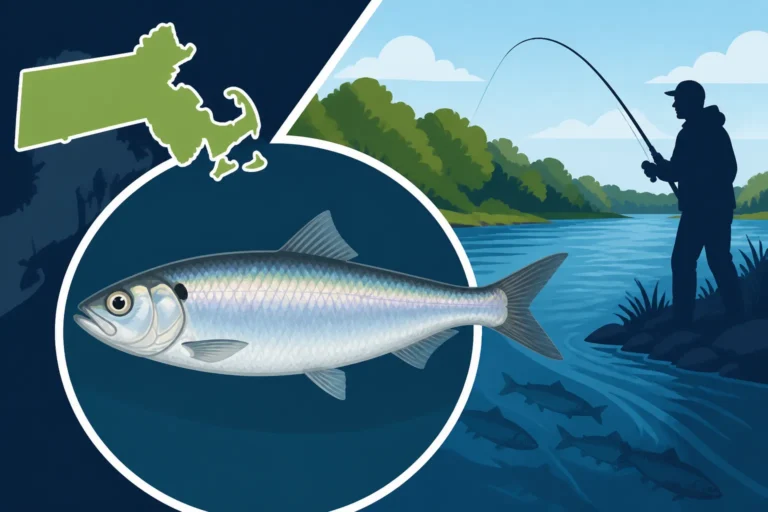
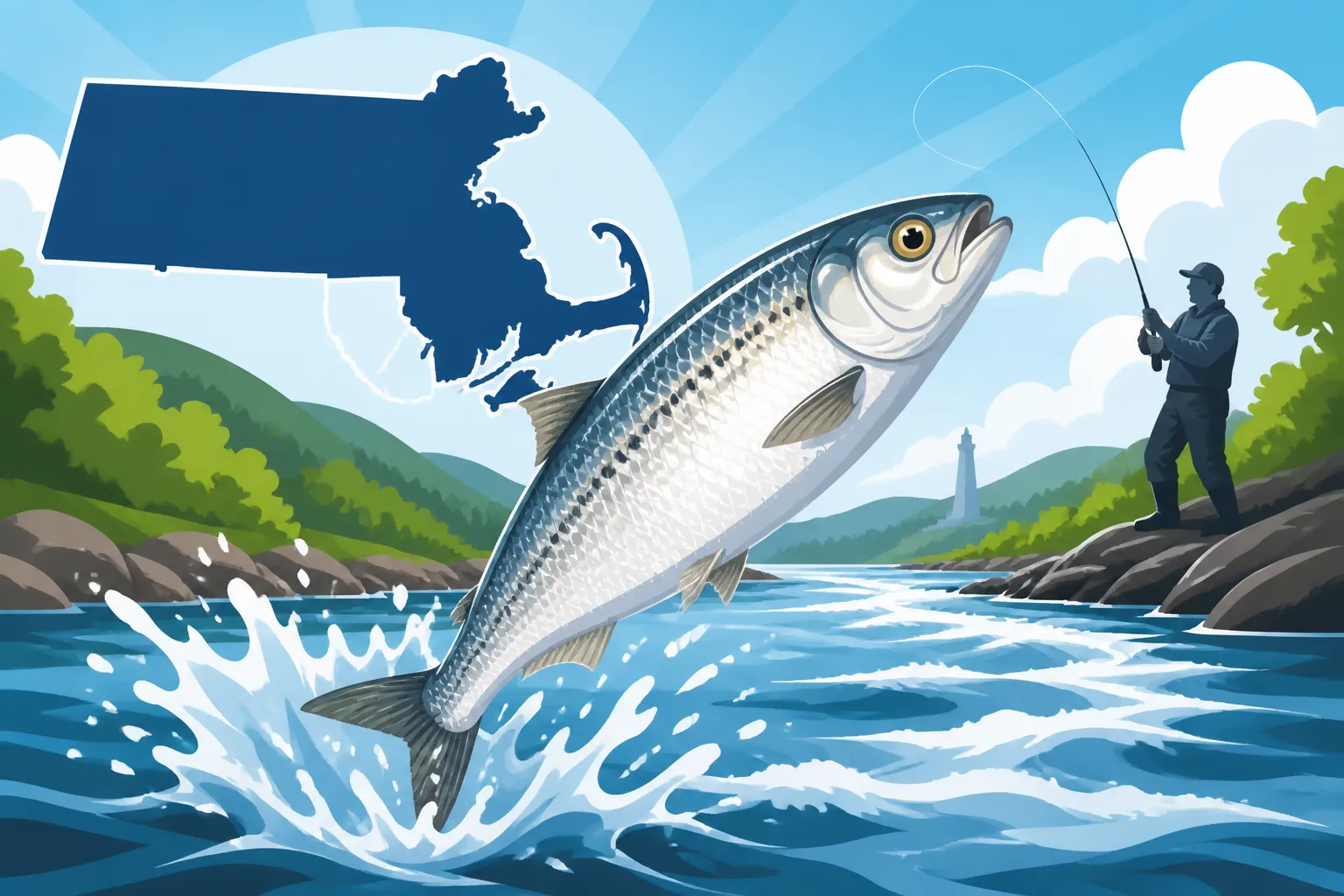
American shad, Alosa sapidissima, are anadromous fish, meaning they spend most of their lives in the ocean but return to freshwater rivers to spawn. The Connecticut River is one of North America's most significant shad rivers, and its Massachusetts stretch plays a crucial role in their incredible journey upstream. These fish navigate hundreds of miles from the Atlantic Ocean, driven by an ancient instinct to reproduce in the same freshwater nurseries where they were born. Their epic swim is a testament to their strength and determination, pushing against currents, overcoming obstacles, and following the subtle cues of temperature and flow.
As the river water warms, typically starting in April and peaking in May, the shad begin to push further inland. They travel in large schools, making their way up the main stem of the Connecticut River. The sheer volume of fish is astounding, a vibrant silver tide moving through the waterway. What's particularly fascinating for anglers is that these fish don't feed actively once they enter fresh water. Instead, they strike out of aggression, instinct, or perhaps a lingering predatory impulse from their ocean lives. This means that successful shad fishing often relies on triggering a reaction strike, rather than appealing to hunger, which adds a unique challenge to the pursuit. Understanding this behavior is critical; you're not trying to offer a meal, but rather to provoke a chase.
Historical Significance and Conservation Efforts
The American shad run has profound historical roots, not just for recreational anglers but also for the communities that have lined the Connecticut River for centuries. Native American tribes relied heavily on shad as a vital food source, and early European settlers quickly recognized its importance. Shad were once so abundant that they were a staple, salted and preserved to last through the leaner winter months. However, the industrial revolution and the subsequent construction of dams like the Holyoke Dam, starting in the 1800s, drastically altered the river's ecosystem. These dams effectively blocked the shad's migratory routes, leading to a severe decline in populations.
Thankfully, significant conservation efforts over the past few decades have worked wonders in restoring the shad run. Fish ladders and lifts, such as the famous facility at the Holyoke Dam, were constructed to help shad bypass these once insurmountable barriers, allowing them to reach their historic spawning grounds further upstream in Massachusetts, and even into Vermont and New Hampshire. These efforts, spearheaded by state and federal agencies working in conjunction with local conservation groups, have been a remarkable success story. Today, while we still manage the fishery carefully, we can enjoy a robust and thriving shad run, a testament to what dedicated conservation can achieve. Anglers today are beneficiaries of these long-term investments, allowing us to experience a fishery that was once on the brink. When you're out on the Connecticut River Fishing in Massachusetts, you're participating in a revived tradition.
Prime Fishing Spots on the Massachusetts Connecticut River
Knowing when the shad are running is one thing, but knowing where to intercept them on the mighty Connecticut River in Massachusetts is the key to consistent success. This river is vast and complex, and the shad move dynamically through its waters, so having a few go-to spots and understanding their characteristics can make all the difference between a memorable day and a frustrating one.
Identifying Key Access Points and River Features
When the shad are making their way north, they often concentrate in certain areas. Think about points of resistance, deeper channels, or areas where the current creates natural holding spots. One of the most famous and productive areas in Massachusetts is around the Holyoke Dam. This isn't just because of the fish lift, but also because the dam acts as a natural funnel, concentrating fish as they gather to ascend. Downstream of the dam, particularly in the eddies and calmer stretches, shad will hold and rest before making their next push. Public access points like those in Hadley, Northampton, and South Hadley can provide excellent shore fishing opportunities, offering anglers a chance to cast into these productive waters. Look for areas where the main current gives way to slower water, often indicated by foam lines or swirling patterns. These seams are fish highways.
Further upstream, as the river flows through towns like Sunderland and Turners Falls, other features become important. Bridges, old pilings, and natural river bends often create deeper pools or current breaks where shad will pause. Public boat launches are scattered along the Massachusetts stretch of the river, providing access for those with kayaks, canoes, or small boats, allowing them to explore more remote sections. When scouting a spot, pay close attention to depth changes, submerged structures, and areas where the current isn't uniformly fast. Shad, like many migratory fish, conserve energy when possible, so they'll seek out slightly less strenuous paths or resting areas within the river's flow. Your goal is to place your lure in these zones where the fish are either actively moving or briefly holding.
Seasonal Movement and Best Times to Fish Specific Areas
The shad run isn't a static event; it's a dynamic progression. Early in the season, typically late April to early May, the first waves of shad might be found closer to the lower stretches of the Massachusetts section, especially near the state line or in the broader, slower pools before the major rapids or dams. As the run progresses into mid-May and sometimes early June, the bulk of the fish will be actively moving upstream, and you'll find them in greater numbers around the Holyoke Dam area and then pushing further north.
Timing your fishing trips with both the peak of the run and the daily movements of the fish is crucial. Shad are often most active in the morning and late afternoon/early evening, especially on overcast days. However, given their non-feeding behavior, sunny midday hours can still be productive if you're hitting an area with a high concentration of fish. Water temperature also plays a significant role. Shad prefer water temperatures generally between 50 and 65 degrees Fahrenheit. A sudden cold snap can slow their progress, while consistently warming weather will push them forward rapidly. Keep an eye on river flow data, too; after heavy rains, the river can become high and muddy, making fishing challenging. Conversely, stable water levels after a good rain can trigger a strong push of fish. Consulting local fishing reports or bait shops can give you real-time insights into where the fish are holding and what conditions are most favorable. This dynamic nature is part of the challenge and excitement of Best Time of Year to Fish in Massachusetts for shad.
Essential Gear for Connecticut River Shad
You don't need a boatload of specialized equipment to catch American shad on the Connecticut River, but having the right tools for the job will dramatically improve your chances. These fish are powerful fighters, often described as the "poor man's salmon," and their spirited runs demand tackle that can stand up to the challenge.
Rods, Reels, and Line Choices
For American shad, light to medium-light spinning tackle is often the preferred choice for shore anglers and those fishing from smaller boats. A rod between 6 to 7.5 feet in length, with a fast action, will give you the sensitivity to detect subtle takes and the backbone to handle a powerful fish. Graphite rods are excellent for this, offering both lightness for casting all day and the necessary responsiveness. You want something that can cast small, light lures a good distance while still being able to absorb the sudden head shakes and explosive runs of a hooked shad.
Pair your rod with a reliable spinning reel in the 2000 to 3000 size range. A smooth drag system is absolutely non-negotiable for shad fishing. These fish will peel line off your reel in impressive bursts, and a sticky or jerky drag will lead to broken lines and lost fish. Make sure your reel is spooled with fresh line. Many anglers opt for 6 to 10-pound test monofilament or fluorocarbon for its stretch and knot strength. However, braided line in a similar strength (say, 10-15 pound test) has become very popular due to its thin diameter, superior casting distance, and zero stretch, which provides incredible sensitivity. If you go with braid, consider adding a 3-4 foot fluorocarbon leader of 6-8 pound test. This leader is less visible in the clear river water and offers better abrasion resistance against submerged rocks or structures. Remember, a good reel with a precise drag is probably the most critical component of your setup when dealing with these hard-fighting fish. You can find excellent options for both rods and reels on platforms like Amazon, offering a wide range of prices and features to suit any budget.
Lures and Baits
When it comes to lures for American shad, simplicity often reigns supreme. The undisputed king of shad lures is the shad dart. These small, weighted jigs typically range from 1/16 to 1/4 ounce and come in an array of vibrant colors. Pink, chartreuse, white, red, and combinations thereof are perennial favorites. The dart's design allows it to sink quickly and dance enticingly in the current, mimicking small baitfish or simply provoking a strike. Carrying a variety of sizes and colors is wise, as shad can be particular about their preferences on any given day. Sometimes a subtle white dart is all they want, while other times a flashy pink-and-chartreuse combination is irresistible.
Another highly effective lure is a small spoon, particularly those with a fluttering action. Silver, gold, or brass spoons, usually 1 to 2 inches long, can be deadly, especially in brighter conditions where their flash can draw attention. Small inline spinners, similar to those used for trout, can also work, though they are generally less common than darts. Fly anglers often use small, weighted streamers or wet flies that imitate shad darts, achieving similar results.
For those curious about bait, traditional wisdom suggests that shad do not actively feed in freshwater, so bait fishing is generally ineffective. While some anglers might try small pieces of worm or fish, the vast majority of successful shad fishing relies on artificial lures and the reaction strike. Stocking up on a good assortment of shad darts in various colors and weights is your best bet. You can easily find multi-packs of shad darts and small spoons on Amazon, which is a great way to build your tackle box without breaking the bank. Don't forget to have a few extra, as snags are common when fishing in rivers with current and rocky bottoms.
Here’s a quick comparison of popular shad lures:
| Lure Type | Key Characteristics | Advantages | Best Use Cases |
|---|---|---|---|
| Shad Dart | Small, weighted jig, often with a lead head and colored body. | Versatile, sinks fast, wide color range, triggers reaction strikes. | All conditions, especially effective in current, when fish are concentrated. |
| Small Spoon | Metal, typically silver/gold/brass, designed to flutter. | High flash, good for sunny days, attracts attention from a distance. | Clear water, bright conditions, when fish need a visual trigger. |
| Inline Spinner | Blade spins around a central shaft, often with a weighted body. | Vibration and flash, good for slower retrieves or calmer water. | Less current, target less aggressive fish, adds variety to presentation. |
| Wet Fly/Streamer | Tied to imitate darts or small baitfish, weighted. | Excellent for fly anglers, provides a natural presentation. | Fly fishing gear, specific technique, often very effective in right hands. |
Mastering Shad Fishing Techniques
Catching American shad isn't just about showing up with the right gear; it's about understanding their behavior and presenting your lure in a way that triggers a strike. The nuances of technique can often separate a truly successful day from one where you simply admire the river.
The Art of Shad Dart Fishing
Fishing with shad darts is a technique that requires a bit of finesse and a keen understanding of the river's current. The primary goal is to get your dart down to the level of the shad, which often hold near the bottom or in the middle of the water column. Start by casting slightly upstream and across the current. As the dart sinks and drifts downstream, allow it to "swing" through the likely holding areas. You want the dart to be just above the riverbed, occasionally ticking the bottom, but not constantly snagging.
The retrieve is usually slow and steady, just fast enough to keep the line taut and the dart swimming. Many anglers employ a slight jigging motion, imparting small twitches or lifts with the rod tip to give the dart an erratic, lifelike action. The strike of a shad can be anything from a subtle tap to a violent yank. It's crucial to pay constant attention to your line for any unusual movement or cessation of drift. If you feel anything out of the ordinary, set the hook with a firm, sweeping motion. These fish have surprisingly soft mouths, so don't be overly aggressive when setting the hook, but be definitive. You might find that the best approach varies from day to day or even hour to hour; sometimes a faster retrieve works, sometimes a slower drift. Experiment with different weights and colors of darts until you find what the fish are responding to. Remember, the goal is often to annoy them into striking, so a dart dancing right in their face is often the most effective presentation.
Other Effective Methods
While shad darts dominate the scene, other techniques can be highly effective, offering variety and sometimes unlocking fish when darts aren't working. Small spoons, as mentioned earlier, are fantastic for their flash. When fishing spoons, a slightly faster retrieve with occasional pauses or jerks can be very enticing. The fluttering action on the fall can often draw strikes from wary shad. The key is to cover water and vary your retrieve until you find a pattern that works.
For fly anglers, the Connecticut River offers exceptional opportunities for shad. Using sinking lines or sink-tip lines is often necessary to get your flies down to the fish in the current. Small, weighted streamers tied to imitate shad darts or traditional wet flies are excellent choices. Casting across and slightly upstream, then allowing the fly to swing through the current, is a common and effective strategy. The feel of a shad on a fly rod is truly exhilarating, amplifying their already impressive fight.
Regardless of your chosen method, persistence and observation are your best friends. Watch other anglers, pay attention to where they're catching fish, and don't be afraid to move if your spot isn't producing. Shad move in schools, so if you're catching them, chances are there are more around. If things go quiet, they might have moved on, and so should you. Don't forget to keep your terminal tackle in good shape; check your knots and leaders frequently, as the repetitive casting and fighting can put wear and tear on your setup. A small tackle box with spare darts, leaders, and a pair of line clippers is a must-have for any shad outing, and it's easy to pack these essentials in a compact bag found on Amazon.
Beyond the Catch: Handling, Regulations, and Enjoying Your Shad
So, you've mastered the techniques and successfully hooked into some hard-fighting American shad. Congratulations! Now what? Understanding how to properly handle these fish, adhering to local regulations, and knowing how to best enjoy your catch are the final pieces of the puzzle for a complete and responsible fishing experience on the Connecticut River.
Safe Handling and Release Practices
American shad are notoriously strong fighters, and bringing one to hand can be quite a tussle. If you plan on releasing your fish, which many anglers do, proper handling is paramount to ensure its survival. First and foremost, try to minimize the time the fish is out of the water. Have your camera (if you're taking a quick photo) and any release tools ready before you even land the fish.
When you do bring the shad to shore or alongside the boat, try to handle it gently with wet hands. Avoid squeezing its body or touching its gills, as this can easily damage them. If the hook is easily accessible, a pair of long-nosed pliers or a de-hooking tool can make for a quick and clean release. If the fish has swallowed the hook deeply, it's often best to simply cut the line as close to the hook as possible. The hook will eventually rust out, and this is less traumatic than trying to extract it. Support the fish horizontally in the water, allowing it to recover its strength before letting it swim away. If it swims off with a strong tail kick, you've done your part. Practicing responsible catch-and-release ensures that future generations of anglers can also enjoy the thrilling shad run.
Massachusetts Regulations for American Shad
Like all fisheries in Massachusetts, the American shad run is managed to ensure its sustainability. It's absolutely crucial for every angler to be aware of and abide by the current regulations. These rules are put in place by MassWildlife (the Massachusetts Division of Fisheries and Wildlife) and cover aspects like daily bag limits, minimum size limits, and open seasons. While specific numbers and dates can change, you'll generally find that shad have a generous daily bag limit, allowing anglers to keep a reasonable number of fish. However, there are usually no minimum size limits, given that shad are primarily targeted for their roe (the eggs) and their delicious, if bony, meat.
Before you head out, always double-check the latest Massachusetts fishing regulations. You can usually find a comprehensive guide on the MassWildlife website, or pick up a printed regulations pamphlet at local bait and tackle shops. It's also worth noting that you'll need a valid Massachusetts Freshwater Fishing License to fish for American shad in the Connecticut River. Even if you're just catching and releasing, a license is required. Understanding these rules is part of being a responsible angler and contributes to the health of the fishery for everyone. Familiarize yourself with the Massachusetts Recreational Fishing Rules and Bag Limits to ensure you're always compliant.
Enjoying Your Catch: From Roe to Fillet
For those who choose to keep some shad, they offer a truly unique culinary experience. American shad is famous for its rich, oily meat and, for female shad, their highly prized roe. Preparing shad can be a bit of a challenge due to its many small, fine bones ("pin bones"), but the flavor is worth the effort for many.
Shad roe is considered a delicacy and is often pan-fried with butter, sometimes with bacon, for a rich, savory dish. If you're keeping a female shad, the roe sacs are easy to remove once the fish is opened. For the meat itself, the pin bones are the main hurdle. Some people simply bake or grill the whole fish, and the bones become softer or easier to navigate. Others opt for more advanced filleting techniques, like the "five-cut" method, which is designed to remove the boniest sections, leaving behind relatively bone-free fillets. Some even grind the boned fillets into fish cakes.
The flavor of American shad is distinct – rich, slightly sweet, and robust. It's excellent baked, grilled, smoked, or even fried. If you're new to preparing shad, there are many online tutorials and recipes available that can guide you through the process, especially for dealing with those pesky bones. While shad might require a little more work in the kitchen, the reward is a delicious and traditional meal, connecting you even further to the annual bounty of the Connecticut River. Enjoying your catch is a fantastic way to conclude your Massachusetts Fishing Seasons Explained adventure.
Disclaimer
This article is for general informational purposes only and does not constitute professional advice. Laws, prices and regulations vary by location and change over time. Consult a qualified professional for guidance on your specific situation.