Connecticut River Fishing in Massachusetts
There's nothing quite like the allure of a big river, but knowing where to start, what to use, and what to expect can feel overwhelming, especially on a waterway as significant as the Connecticut River in Massachusetts. Many anglers, myself included, have stood on its banks wondering how to unlock its secrets. This guide aims to cut through that uncertainty, providing a deep dive into successfully fishing this incredible resource, from its diverse species to its prime access points and the best times to cast your line.
An Overview of the Mighty Connecticut River in Massachusetts
The Connecticut River isn't just a river; it's a living, breathing artery that flows through the heart of Massachusetts, shaping its landscape and offering unparalleled fishing opportunities. Spanning over 110 miles within the Commonwealth, this majestic waterway connects a vast ecosystem, from its northern, more rural reaches to the bustling urban centers further south, eventually emptying into Long Island Sound. Its sheer size and varied habitats mean it's a puzzle for many, but a rewarding one for those who learn its rhythms.
A Lifeline Through the Commonwealth
From its entry point near Northfield down to its confluence with the Chicopee River and beyond, the Massachusetts section of the Connecticut River is incredibly diverse. Up north, you'll find narrower sections, sometimes characterized by faster flows and rockier bottoms, transitioning into wider, slower, and deeper pools as it meanders south. This diversity in current and structure provides a home for an impressive array of fish species, appealing to anglers with different preferences, whether they're after hard-fighting smallmouth bass or elusive northern pike. The river isn't just a fishing ground; it's a historical and ecological treasure, with ongoing efforts to restore migratory fish passages and improve water quality, making it a truly vibrant fishery.
This extensive system also means that understanding different stretches is key. What works in the faster currents around Turners Falls might be entirely different from the techniques you'd employ in the broader, slower sections near Springfield. It's a river that demands respect for its power and appreciation for its subtle nuances, offering a lifetime of exploration for those willing to learn. You'll find sections influenced by hydroelectric dams, others by agricultural runoff, and still others that feel wild and untamed, each presenting unique challenges and rewards.
Understanding the River's Character and Flow
The Connecticut River's character in Massachusetts is heavily influenced by a series of dams, particularly the Turners Falls Dam and the Holyoke Dam. These structures significantly alter flow patterns, create impoundments, and impact fish migration. Upstream of these dams, the river can feel more like a series of wide lakes, while downstream, especially below the Holyoke Dam, strong currents and rapid changes in water levels are common. Anglers need to pay close attention to discharge rates and dam operations, which can be checked through various online resources, as these factors directly impact fish behavior and angler safety.
Beyond the dams, tributaries like the Millers River, Deerfield River, and Chicopee River feed into the Connecticut, bringing in nutrients, cooler water, and additional habitat complexity. These confluences are often hotspots for fish, as they provide current breaks, ambush points, and varied food sources. Understanding the river's character means recognizing these transitions, from deep channels to shallow flats, from rocky outcroppings to silty bottoms, all of which dictate where fish will hold and what techniques will be most effective. It's a dynamic system, constantly changing with the seasons, weather, and human activity, requiring adaptable strategies from any serious angler.
Essential Gear and Tackle for Connecticut River Anglers
Stepping up to the Connecticut River, you quickly realize your standard pond setup might not cut it. The sheer size of the river, its powerful currents, and the variety of species mean you need a more robust and versatile tackle selection. Many a frustrated angler has gone home with broken lines or bent hooks, realizing too late that the river demands a different kind of preparation. Don't be that angler; investing in the right gear makes all the difference between a productive day and a frustrating one.
Freshwater Essentials for River Fishing
For general freshwater fishing on the Connecticut River, a medium to medium-heavy spinning rod or baitcasting setup is a fantastic starting point. A 6'6" to 7'6" rod with a fast action will give you the power to cast heavier lures and jigs, fight strong currents, and handle larger fish like bass, pike, and catfish. Pair this with a reliable reel spooled with 10-20 lb braided line, which offers excellent sensitivity and strength, especially when fishing around submerged structure or in current. A fluorocarbon leader of 8-15 lb test is also crucial for invisibility and abrasion resistance.
Your tackle box should be stocked with a versatile assortment of lures. For bass, think crankbaits, spinnerbaits, soft plastic worms, and jigs. For pike and other toothy critters, consider larger spoons, swimbaits, and even some steel leaders. Don't forget an ample supply of weights (bullet, worm, egg sinkers) and hooks in various sizes (offset, worm, circle hooks) to adapt to different presentations and baits. Live bait, like shiners, nightcrawlers, or cut bait, can also be incredibly effective for many species found in the river, so having a bait bucket and aerator on hand is a good idea. Remember, the river can be unforgiving on tackle, so bring more than you think you'll need.
Specialized Gear for Specific Species
When you start targeting specific species on the Connecticut River, your gear needs to get a bit more specialized. For instance, if you're hitting the river during the famous When the shad run happens on the Connecticut River in spring, you'll want lighter spinning gear, maybe a 6' light to medium-light rod, paired with 6-10 lb mono or braid. Small, bright darts and spoons, often weighing 1/8 to 1/4 ounce, are the go-to lures for American shad. You don't need heavy gear, but you do need gear that allows for finesse and feel to detect those subtle shad bites in the current.
If you're after the hard-fighting northern pike, especially in the deeper, slower sections, you'll want to beef up your setup. A heavy action rod, a robust baitcasting reel, and 30-50 lb braided line with a strong fluorocarbon or wire leader are non-negotiable. Large swimbaits, jerkbaits, and even dead bait fished on a quick-strike rig can entice these predators. For catfish, especially the larger channel cats, a stout medium-heavy rod with a baitrunner reel, spooled with 15-25 lb mono or braid, is ideal for soaking cut bait or stink baits on the bottom. Different fish, different tactics, and definitely different gear!
Prime Fishing Spots Along the Massachusetts Stretch
The Connecticut River in Massachusetts is a vast expanse, and simply saying "I'm fishing the Connecticut River" isn't quite enough. Knowing where on the river to focus your efforts can dramatically increase your chances of success. From the roaring waters below dams to quiet backwater coves, each section offers unique opportunities for different species. It's a common mistake to treat the entire river as one homogenous fishery, but seasoned anglers know the devil – and the fish – are in the details of each distinct stretch.
The Upper Reaches: Turners Falls to Holyoke
This northern stretch of the Massachusetts Connecticut River offers some truly diverse fishing, from the faster, rockier sections around Turners Falls to the wider, more lake-like impoundments above the Holyoke Dam. The area immediately below the Turners Falls Dam is renowned for its striped bass fishing during their freshwater migrations, especially in late spring and early summer. The turbulent waters here provide excellent oxygenation and a smorgasbord of baitfish, attracting aggressive predators. Anglers often target these fish with heavy jigs, large swimbaits, or live eels. This stretch also holds good populations of smallmouth bass, northern pike, and a variety of panfish.
Further south, above the Holyoke Dam, the river widens significantly, forming a large impoundment that feels more like a series of interconnected lakes. This area, particularly around the towns of Sunderland, Hadley, and Northampton, is fantastic for largemouth bass, especially in the numerous coves and backwaters with emergent vegetation. You'll also find excellent opportunities for northern pike, especially in areas with weed beds and submerged structure. For those who prefer a more relaxed pace, this impoundment is also home to abundant panfish like crappie and yellow perch, making it a great spot for family outings. The current here is less severe, allowing for a wider range of fishing techniques, including slow-trolling and drift fishing.
Central Valley Hotspots: Springfield to Longmeadow
As the Connecticut River flows through the Central Valley, particularly around Springfield, West Springfield, and Agawam, it becomes a broader, deeper, and slower-moving river, with a mix of industrial and natural landscapes. This area, especially just below the Holyoke Dam, is famous for its incredible Best spots on the Connecticut River for shad runs each spring. Thousands upon thousands of American shad migrate upstream, providing a fast-paced, action-packed fishery for those using small, colorful darts and spoons. It's truly a sight to behold and a unique angling experience that draws crowds every year.
Beyond the shad, this central stretch of the river is a prime location for targeting channel catfish and common carp. The deeper channels and silty bottoms provide ideal habitat for these bottom-feeders. Anglers often find success using cut bait, chicken livers, or stink baits for catfish, and corn, dough balls, or specialized boilies for carp. The river's numerous bridges, deeper holes, and subtle current breaks often hold these species. Additionally, both largemouth and Where to fish the Connecticut River in Massachusetts for bass can be found here, particularly around the mouths of smaller tributaries and along the edges of current seams. Access here is often excellent, with multiple public boat ramps and shore fishing opportunities, allowing easy entry for anglers wanting to explore this productive section.
Southern Massachusetts: Enfield Dam to the Connecticut Border
The southernmost stretch of the Connecticut River in Massachusetts, from the Enfield Dam (though the dam itself is in Connecticut, its influence is felt upstream) down to the state border, offers a continued blend of deep channels, current breaks, and diverse fisheries. While less dramatic in terms of dam-induced changes than the northern sections, this part of the river still presents excellent angling, particularly for those seeking warmwater species and migratory fish that push up from Long Island Sound. The proximity to the state line means you're at the very end of the Massachusetts journey, seeing species that might be more prevalent further south.
This section is particularly good for larger channel catfish and flathead catfish, which have made a home in the deeper, slower pools and around submerged timber. Anglers targeting these giants often use heavy-duty gear and large cut baits. The river's main channel here also holds good numbers of smallmouth and largemouth bass, especially where current meets structure or around the mouths of smaller feeder creeks. As the river nears the border, it continues its role as a migratory highway, hosting various species throughout the year. Shore access can be a bit more limited in certain spots due to private property, but several public access points still provide ample opportunity to fish this productive lower stretch.
Targeting Key Species in the Connecticut River
One of the great joys of fishing the Connecticut River is the sheer variety of species you can encounter. It's not just a "bass river" or a "trout river"; it's a dynamic ecosystem that hosts everything from hard-fighting game fish to elusive bottom dwellers. However, to consistently catch fish, you need to understand the behaviors and preferences of each target species. Simply throwing out a general bait won't always cut it, and knowing what's biting when and where is half the battle.
Chasing Smallmouth and Largemouth Bass
Both smallmouth and largemouth bass thrive in the Connecticut River, but they often prefer slightly different habitats and respond to different techniques. Smallmouth bass, known for their aggressive fights and aerial acrobatics, tend to favor the rockier sections with stronger current, particularly upstream of the Holyoke Dam and in areas with gravelly bottoms and submerged boulders. They love to ambush baitfish and crayfish from current seams and eddies. Top baits for smallmouth include crankbaits, spinnerbaits, tube jigs, and soft plastic grubs fished on a jig head. Targeting them during low light conditions or when they're actively schooling on bait can lead to incredible action.
Largemouth bass, on the other hand, typically gravitate towards the slower-moving water, especially in the numerous coves, backwaters, and oxbows off the main channel where there's plenty of vegetation, laydowns, and docks. These areas offer cover and ambush points for their preferred prey, like frogs, panfish, and smaller baitfish. Strategies for largemouth often involve pitching and flipping jigs or Texas-rigged worms into heavy cover, working topwater lures around lily pads in the morning and evening, or slow-rolling spinnerbaits along weed lines. While you might use similar lures, the presentation and location are key to differentiating your approach for these two popular bass species. Many anglers find the Connecticut River to be one of the Best Largemouth Bass Lakes in Central Massachusetts due to its extensive backwaters.
The Annual Shad Run: A Spring Spectacle
Perhaps one of the most exciting and anticipated events on the Connecticut River is the annual spring shad run. These anadromous fish, part of the herring family, migrate from the ocean upstream to spawn, providing some of the fastest-paced fishing imaginable. The Holyoke Dam is a major stopping point for these fish, creating a massive concentration of shad below its fish lift. The sheer numbers of fish can be astounding, and it's a fantastic opportunity for anglers of all skill levels to experience non-stop action. The peak of the run typically occurs from late April through May, depending on water temperatures.
Targeting American shad is relatively straightforward but requires finesse. Light spinning tackle with small, colorful shad darts or spoons is the standard setup. The key is to cast upstream and allow your lure to drift naturally with the current, maintaining a tight line to feel the subtle taps of a biting shad. Experiment with different colors and retrieval speeds until you find what they're hitting. It's not uncommon to catch dozens of shad in a single outing, making it a truly memorable experience. This fishery is so popular that it draws anglers from all over New England, eagerly awaiting the start of When the shad run happens on the Connecticut River.
Other Popular Catches: Catfish, Carp, and Panfish
Beyond bass and shad, the Connecticut River is a treasure trove for anglers seeking a variety of other species. Channel catfish are abundant throughout the river, especially in the deeper, slower sections and around current breaks. They are fantastic fighters and excellent table fare. Anglers often target them using bottom rigs baited with cut bait (like pieces of bunker or herring), chicken livers, or commercial stink baits. Fishing at night can be particularly productive for these nocturnal feeders. Look for them in deep holes, near submerged logs, or along the edges of channels.
Common carp, another powerful bottom-dweller, are also plentiful. While often overlooked by many American anglers, carp provide an incredible fight and are highly prized in other parts of the world. They can be caught using simple ledger rigs with baits like corn, dough balls, or specialized carp boilies. Targeting them often involves pre-baiting an area to draw them in. Lastly, don't underestimate the panfish populations – yellow perch, crappie, and various sunfish species can be found in abundance, particularly in the calmer backwaters and coves. They offer easy action for beginners and a steady bite for experienced anglers using small jigs, worms, or minnows under a bobber. They're a perfect way to introduce kids to the joys of fishing.
| Species | Preferred Habitat | Common Baits/Lures | Peak Season |
|---|---|---|---|
| Smallmouth Bass | Rocky areas, strong current, gravel bottoms, eddies | Crankbaits, spinnerbaits, tube jigs, soft plastic grubs | Spring-Fall |
| Largemouth Bass | Slack water, coves, oxbows, heavy vegetation, laydowns | Jigs, Texas-rigged worms, topwater, spinnerbaits | Spring-Fall |
| American Shad | Below dams, main channel during migration | Small shad darts, spoons (bright colors) | Late April-May |
| Channel Catfish | Deep holes, current breaks, submerged logs, silty bottoms | Cut bait, chicken liver, stink baits | Summer-Early Fall |
| Common Carp | Slower sections, vegetated areas, silty bottoms | Corn, dough balls, boilies | Spring-Fall |
| Northern Pike | Weed beds, submerged structure, current seams | Large swimbaits, jerkbaits, spoons, dead bait | Spring-Fall |
| Panfish | Calm backwaters, coves, docks, vegetation | Small jigs, worms, minnows | Spring-Fall |
Navigating Regulations and Conservation Efforts
Fishing on a major waterway like the Connecticut River means understanding and respecting the rules and regulations set forth by the Commonwealth. It’s not just about avoiding fines; it’s about participating responsibly in the conservation efforts that ensure this incredible fishery remains vibrant for generations to come. Many anglers get caught off guard by specific river rules or variations from typical pond regulations, leading to unnecessary headaches. A little homework upfront can save a lot of trouble later.
Licensing Requirements and River-Specific Rules
Before you even think about casting a line in the Connecticut River, you absolutely need to have a valid Massachusetts Fishing License Guide. This isn't just a suggestion; it's a legal requirement for most anglers aged 15 and older. Whether you're a resident or a non-resident, the state mandates proper licensing. You can easily purchase your license online through the MassWildlife website via MassFishHunt, or in person at various Massachusetts fishing license vendor locations throughout the state. Understanding the Massachusetts Freshwater Fishing License Costs and Rules is crucial, as is knowing the specific Massachusetts Fishing License Requirements by Age. For non-residents, there are options for short-term licenses, which can be perfect if you're just visiting.
Beyond the basic license, pay close attention to the Massachusetts Recreational Fishing Rules and Bag Limits. While many general freshwater regulations apply, the Connecticut River, due to its size and migratory species, can have specific rules. For example, there might be particular catch limits or size restrictions for certain species like striped bass during their freshwater forays, or specific regulations regarding bait use in certain areas. Always check the current MassWildlife freshwater fishing regulations pamphlet, which is updated annually, to ensure you are compliant. Ignorance of the law is never an excuse, and violating regulations can lead to hefty fines and loss of fishing privileges.
Protecting the River's Ecosystem and Fisheries
Fishing on the Connecticut River isn't just about catching fish; it's about being a steward of the environment. The river's ecosystem is complex and sensitive, and responsible angling plays a huge role in its health. This includes practicing catch and release, especially for larger breeding fish, handling fish gently to ensure their survival, and properly disposing of all trash. Line, lures, and bait containers left on shore or in the water can harm wildlife and degrade the natural beauty of the river.
Conservation efforts on the Connecticut River are ongoing, focusing on everything from water quality improvements to habitat restoration and fish passage projects. Organizations like the Connecticut River Conservancy and local watershed associations work tirelessly to protect and restore the river. As anglers, we can support these efforts by following all regulations, participating in clean-up days, and reporting any suspicious activities or pollution. Understanding the Massachusetts Freshwater Daily Catch Limits isn't just a legal obligation; it's a commitment to sustainability, ensuring there are plenty of fish for future generations to enjoy. The health of the river directly impacts the quality of the fishing, so protecting it benefits everyone.
Seasonal Strategies for Success on the Connecticut River
The Connecticut River is a fishery that truly transforms with the seasons. What works in the chilly waters of early spring will likely be ineffective in the dog days of summer, and vice versa. Many new anglers fall into the trap of using the same old techniques year-round, leading to frustratingly empty livewells. The key to consistent success on this vast waterway is adapting your approach to the changing conditions and understanding how different species react to temperature, water levels, and seasonal forage patterns.
Spring: Awakened Waters and Migratory Runs
Spring on the Connecticut River is a time of incredible awakening and renewed activity. As ice recedes and water temperatures slowly climb, baitfish become more active, and predatory species begin to shake off their winter lethargy. Early spring, when water temperatures are still quite cold (40s-50s F), can be excellent for northern pike and pre-spawn yellow perch, often found in shallow, sun-warmed coves and backwaters where they seek slightly warmer water. Slow presentations with large jerkbaits or jigs can be effective for pike, while small jigs or worms work for perch.
However, the real excitement of spring is the migratory runs. By late April and May, the river comes alive with the famed How to catch American shad in Massachusetts run below the Holyoke Dam, offering fast and furious action for these schooling fish. Simultaneously, striped bass begin their incredible freshwater migration, pushing upriver from the ocean, particularly below dams and in tributary mouths. These stripers are often aggressive and will hit large swimbaits, soft plastics, and live bait. Bass, both smallmouth and largemouth, also move into shallower areas to feed and prepare for spawning. Fishing tributary mouths where warmer water and bait are abundant is a prime strategy during this period.
Summer: Warmwater Action and Evening Bites
Summer on the Connecticut River brings consistently warm water temperatures, which can change fish behavior dramatically. While the midday sun can push some fish into deeper, cooler water or dense cover, the overall fishing for warmwater species remains excellent, especially during early mornings, evenings, and after dark. Largemouth bass will be active in and around heavy vegetation, laydowns, and docks in the backwaters and coves. Topwater action can be explosive at dawn and dusk, followed by pitching and flipping jigs or Texas-rigged worms into dense cover during the day. Smallmouth bass might retreat to deeper current breaks or rocky humps in the main channel during the hottest parts of the day.
Catfish and carp truly come alive in the summer. Night fishing for channel catfish can be incredibly productive, with anglers anchoring in deeper holes and soaking cut bait or chicken livers. Carp will also be very active, cruising shallower flats and feeding heavily. Don't overlook the opportunity for northern pike, which will often be found holding in shaded areas or deep weed lines, ready to ambush unsuspecting baitfish. As summer progresses, understanding oxygen levels and water clarity becomes more important; fish will often gravitate towards areas with good oxygenation, such as current breaks or where tributaries enter the main river.
Fall: Cooler Temps and Active Predators
As the days shorten and water temperatures begin to cool in fall, the Connecticut River experiences another surge of activity, often considered one of the best times to fish. Many species go on a feeding frenzy, bulking up for the leaner winter months. Smallmouth and largemouth bass become incredibly active, chasing baitfish in open water and around structure. Crankbaits, spinnerbaits, and swimbaits are highly effective as bass aggressively feed. The fall can produce some of the largest bass of the year as they put on the feedbag.
Northern pike also become much more aggressive and easier to target in the fall, often moving into shallower flats to gorge on baitfish. Large spoons, spinnerbaits, and jerkbaits worked along weed edges can be deadly. The cooling water can also trigger a secondary run of some migratory species, though not as pronounced as the spring. Catfish and carp will continue to feed heavily until water temperatures drop significantly. For the persistent angler, fall on the Connecticut River offers the chance for trophy-sized fish across multiple species, often with fewer crowds than in the peak summer months.
Winter: Ice Fishing and Less-Known Opportunities
While much of the Connecticut River's main channel may not freeze solid enough for safe ice fishing, certain backwaters, oxbows, and shallower coves do offer ice fishing opportunities in colder winters. When conditions allow, these areas can be productive for yellow perch, crappie, northern pike, and even some largemouth bass. Always, always prioritize safety and check ice thickness thoroughly before venturing out. What appears safe can be deceiving, especially on a river system with fluctuating water levels and currents.
Even when ice fishing isn't an option, open-water fishing can still be had in the winter, particularly in sections with strong current or below dams where the water remains open. Dedicated anglers might find success targeting pike in deeper pools or even a few holdover striped bass, though these are much less common. This is a time for patience and precision, using slower presentations and targeting deep, current-protected areas where fish will conserve energy. While challenging, the solitude and potential for a cold-weather trophy can be incredibly rewarding for the hardy angler.
Access Points and Boating Considerations
Getting onto the Connecticut River, whether from shore or by boat, is a critical first step. It's a big river, and just showing up hoping to find a spot can lead to frustration. Knowing the public access points, understanding the capabilities of your vessel, and being aware of the river's unique challenges are paramount for a safe and successful trip. Many anglers underestimate the power of such a large river, leading to dangerous situations or wasted time.
Public Boat Ramps and Shoreline Access
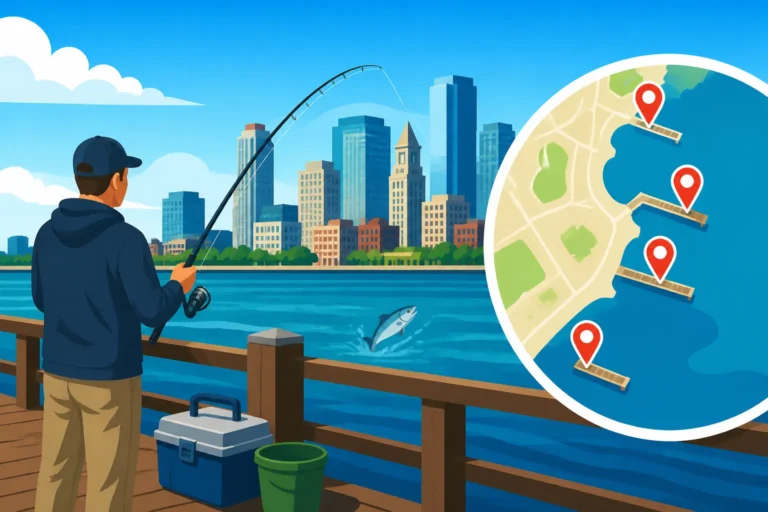
Thankfully, the Massachusetts Division of Fisheries and Wildlife (MassWildlife) and other local entities have established numerous public boat ramps and shoreline access points along the Connecticut River. These access points vary in size and amenities, accommodating everything from kayaks and canoes to larger trailerable boats.
Some notable boat launches include:
- Northfield: Near the northern border, offering access to the more upstream sections.
- Sunderland: Provides excellent access to the impoundment above the Holyoke Dam, a great spot for bass and pike.
- Northampton (Elwell Island): A popular ramp in the central section, good for various species.
- Agawam (Riverside Park): Offers access to the central-southern part of the river, excellent for shad, bass, and catfish.
- Longmeadow: Another southern access point, close to the Connecticut border.
For shore anglers, opportunities exist at various town parks, walking trails that parallel the river, and below the major dams (with designated fishing areas and safety precautions). Always respect private property boundaries and observe any posted signage regarding access restrictions. Online resources and maps from MassWildlife can be invaluable for pinpointing specific access points and understanding their facilities. Some of these spots are detailed in our guide on Connecticut River Fishing Access in Western Massachusetts.
Safety on the River: Currents and Dams
Fishing on a large river like the Connecticut comes with inherent risks that should never be underestimated. The most significant factors are the powerful currents and the presence of hydroelectric dams. The current can be deceptively strong, especially after heavy rains or when dams are releasing water. Always wear a life jacket, even if you're a strong swimmer, and be aware of your surroundings. If boating, ensure your vessel is rated for river use and that you have all required safety equipment, including paddles, a whistle, and navigational lights if fishing at dawn, dusk, or night.
The dams (Turners Falls and Holyoke) are critical safety considerations. Never approach too close to the face of a dam, as currents can be unpredictable and extremely dangerous. Always observe posted warning signs and stay well clear of restricted areas. Similarly, the waters below dams can experience rapid fluctuations in water levels and current intensity due to dam operations. Be prepared for sudden changes if fishing below these structures, and always be aware of the nearest safe exit point. For those looking to hire a guide or charter, platforms like FishingBooker can help you find experienced captains familiar with these specific hazards and equipped to provide a safe trip. FishingBooker is a great resource to explore various guided trip options across the river, ensuring you're with someone who knows the ins and outs of river safety and fishing techniques.
Local Resources and Guides for Your Trip
Embarking on a fishing adventure on the Connecticut River, especially for the first time or when targeting a new species, can be greatly enhanced by tapping into local knowledge. While this guide provides a comprehensive overview, nothing beats the insights of those who spend their lives on these waters. It's easy to feel like you're going it alone on such a big river, but there are resources available to shorten your learning curve and make your trip more successful and enjoyable.
Connecting with Local Experts
Local bait and tackle shops are absolute goldmines of information. Places like the Hadley Village Barn or Bait & Tackle Inc. in Springfield are not just places to buy worms and lures; they're community hubs where you can get up-to-the-minute reports on what's biting, what baits are working, and current river conditions. The folks behind the counter often have decades of experience on the river and are usually more than happy to share their knowledge, point you to a specific spot, or recommend a particular lure. Don't be shy – strike up a conversation! They can tell you if the Massachusetts state record largemouth bass was caught on their recommended bait.
Beyond tackle shops, online fishing forums and local social media groups dedicated to Massachusetts fishing or the Connecticut River itself can be fantastic resources. These communities allow anglers to share reports, ask questions, and connect with others who love the river. Just remember to be respectful and contribute to the community. These informal networks can often provide real-time updates on fish movements, water clarity, and other factors that can quickly change the bite. This networking can also lead to finding fishing partners or even discovering lesser-known honey holes, significantly improving your success rate.
Planning a Guided Connecticut River Adventure
For those looking to accelerate their learning curve or simply enjoy a hassle-free day on the water, hiring a local fishing guide is an excellent investment. A professional guide will not only put you on fish but will also teach you specific techniques for the Connecticut River, explain the nuances of its various sections, and ensure a safe and productive outing. They know the river's personality intimately – where the fish are holding based on current conditions, what lures they prefer, and how to navigate the complex currents and structures.
Platforms like FishingBooker are a fantastic starting point for finding reputable guides who specialize in Connecticut River fishing. You can browse profiles, read reviews from other anglers, and compare offerings for different species like bass, shad, or catfish. Whether you're interested in a full-day bass fishing excursion, a specific trip during the When the shad run happens on the Connecticut River or even a multi-species adventure, FishingBooker makes it easy to connect with experienced captains. A guided trip is not just about catching fish; it's an educational experience that can equip you with the skills and knowledge to confidently tackle the Connecticut River on your own in the future. Remember that many guides can help you understand all the licensing requirements, even guiding you on whether a Massachusetts combination hunting and fishing license might be right for your broader outdoor pursuits.
Disclaimer
Please be aware that fishing regulations, seasons, and access points can change. While every effort has been made to provide accurate and up-to-date information, it is always your responsibility to verify current regulations with the Massachusetts Division of Fisheries and Wildlife (MassWildlife) before heading out on the water. Stay safe and enjoy your time fishing the Connecticut River!