Plum Island Surf Fishing Guide
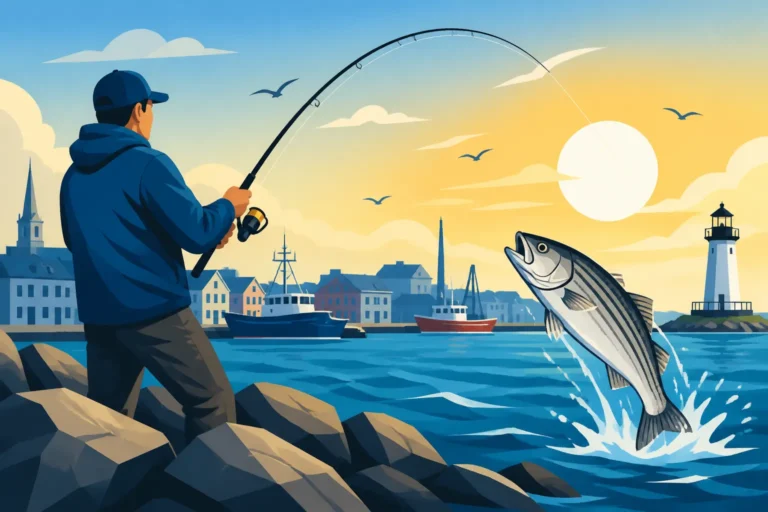
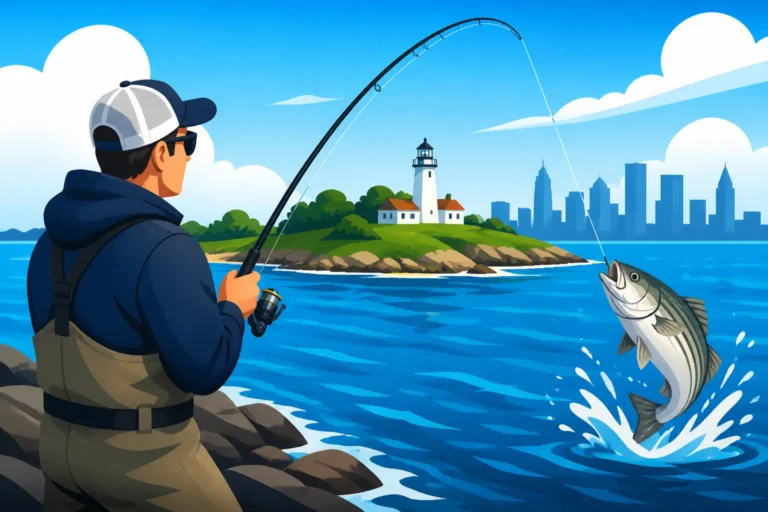
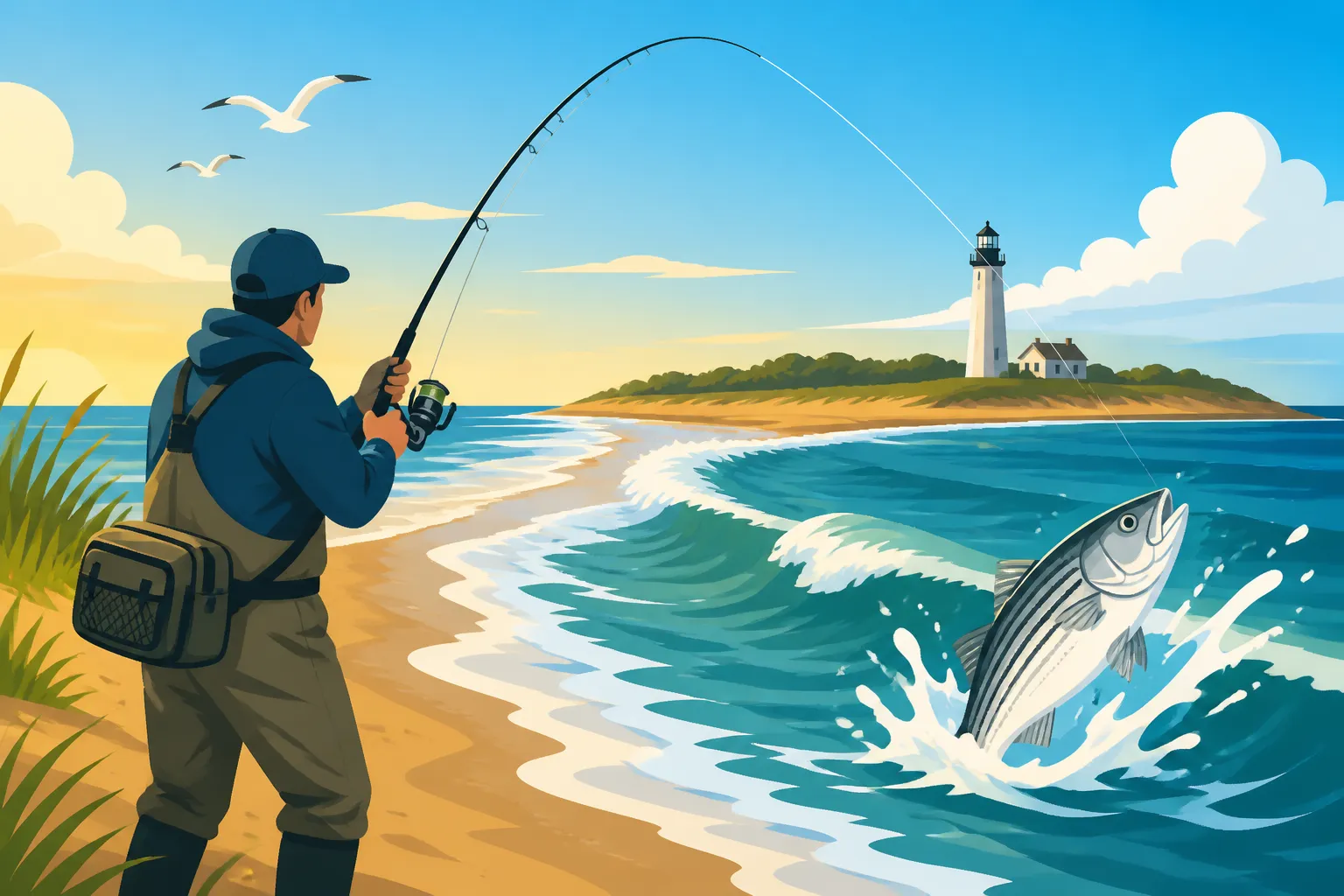
There's nothing quite like the salty air, the roar of the ocean, and the anticipation of a bent rod when you're standing on the beach, casting into the surf. But knowing where to stand, what to cast, and when to cast can feel like deciphering an ancient riddle, especially in a place as dynamic as Massachusetts. If you've been dreaming of landing a trophy striped bass or a hard-fighting bluefish from the shores of Plum Island, but feel overwhelmed by the unknowns, this guide is your go-to resource, breaking down everything you need to know for a successful and exhilarating surf fishing adventure.
Why Plum Island is a Surf Fishing Hotspot
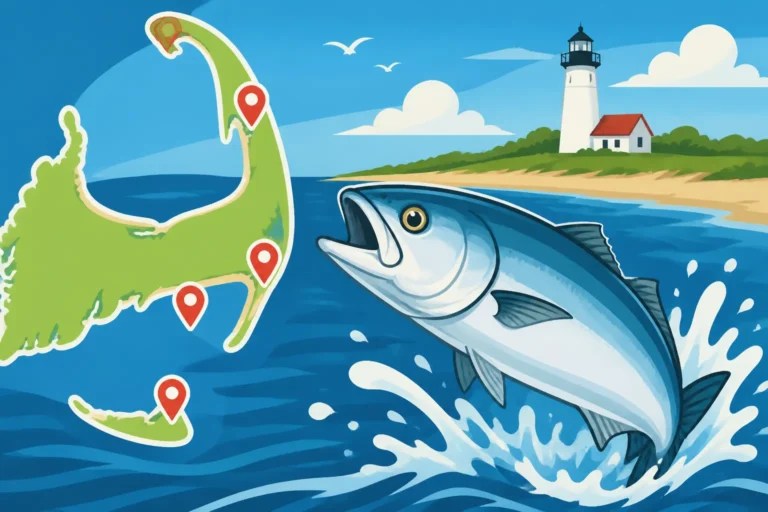
Plum Island isn't just a picturesque barrier island off the coast of Newburyport; it's a dynamic, ever-changing ecosystem that creates prime conditions for surf fishing. Its unique geography, fed by the mighty Merrimack River, makes it a true magnet for predatory fish.
Unique Geography and Fish Migration Patterns
Plum Island’s star attraction for anglers is undoubtedly its connection to the Merrimack River estuary. This powerful river acts as a superhighway for various baitfish species, drawing them in and out with the tides. As these schools of mackerel, herring, and sand eels migrate, they create a veritable buffet for larger game fish. The river mouth itself, with its deep channels, shifting sandbars, and rocky jetties, concentrates bait and, in turn, striped bass and bluefish. These features create turbulent, oxygenated water where predators can ambush unsuspecting prey. Think of it like a natural funnel, where all the good stuff gets squeezed into a smaller area, making it easier for fish to find food – and for anglers to find fish.
Furthermore, Plum Island sits squarely in the migration path of many key species, particularly striped bass. As these anadromous fish move north in the spring and south in the fall, the Merrimack River estuary offers a crucial stopover point for feeding and resting. The constant ebb and flow of the tides, especially around the river mouth, creates powerful currents that larger fish love to exploit, using them to conserve energy while lying in wait for baitfish swept along by the flow. It’s this constant movement and confluence of rich waters that makes Plum Island consistently one of the best surf fishing destinations in Massachusetts.
Abundant Baitfish and Diverse Species
The health of any fishing spot is directly tied to its baitfish population, and Plum Island boasts an incredible variety. Throughout the spring, summer, and fall, you'll encounter everything from schools of mackerel close to shore to dense pods of menhaden (pogies) moving through the Merrimack. Sand eels, a favorite food of striped bass, are also prevalent, burrowing into the sandy bottom and becoming exposed with wave action. These abundant food sources are the primary reason why Plum Island remains such a productive fishery.
While striped bass (often referred to as "stripers") are the undisputed kings of Plum Island surf fishing, they are far from the only game in town. Bluefish, known for their aggressive strikes and brutal fights, frequently move into the surf, especially during the warmer summer months. You might also encounter smaller species like winter flounder in the calmer, shallower sections, or even an occasional false albacore or bonito chasing bait further offshore, particularly in late summer and early fall. This diversity means that even if the stripers aren't biting, there's always a chance to hook into something exciting. The dynamic environment ensures that anglers are rarely bored, and the thrill of not knowing what might hit your line adds an extra layer of excitement to every cast.
Essential Gear for Plum Island Surf Fishing
Having the right equipment can make all the difference between a frustrating day and a memorable one. Surf fishing on Plum Island demands robust gear capable of handling powerful fish, strong currents, and harsh saltwater conditions.
Rod and Reel Setups for the Surf
For serious surf fishing on Plum Island, you'll want a rod and reel combination that offers both casting distance and the backbone to handle sizable fish. A good starting point for a surf rod is typically 9 to 11 feet in length, with a medium-heavy to heavy action. This length allows you to launch lures and bait beyond the immediate breakers, reaching those deeper troughs and rips where fish often hold. Look for rods rated to cast lures in the 1 to 4 ounce or 2 to 6 ounce range, as this covers most of the popular plugs and weighted baits you'll use. Brands like St. Croix, Tsunami, and Lamiglas are popular choices among seasoned surfcasters, known for their durability and casting performance.
Pair your rod with a robust spinning reel, generally in the 6000 to 8000 series size. These reels offer the line capacity needed for long casts and powerful drag systems to fight strong fish. Saltwater-specific reels are crucial, designed with sealed bodies and corrosion-resistant components to withstand the harsh environment. For line, 30 to 50 lb braided line is the standard. Braid offers superior casting distance, sensitivity, and strength-to-diameter ratio compared to monofilament. However, you'll want to add a leader of 30 to 50 lb fluorocarbon or monofilament, typically 3-5 feet long, to the end of your braid. This leader provides abrasion resistance against rocks and sharp-toothed fish like bluefish, and its lower visibility can be an advantage in clear water. Remember to check out comprehensive guides like Massachusetts Surf Fishing Techniques for more detailed rigging advice.
Lures, Baits, and Terminal Tackle
The choice of lures and baits is critical for success on Plum Island. For artificials, a diverse selection is key. Topwater plugs, such as classic poppers or "walk-the-dog" style lures (e.g., those from manufacturers like Heddon or Super Strike), are deadly during low light conditions or when stripers are actively busting bait on the surface. Subsurface swimming plugs and darters are excellent for imitating baitfish just below the surface, while soft plastics rigged on jig heads (like the Hogy Pro Tail Paddles or Gravity Tackle GT Eel) can be incredibly versatile, mimicking eels, sand eels, or various baitfish. Bucktail jigs are another essential, especially when fishing deeper currents or targeting fish near the bottom.
When it comes to natural bait, it's hard to beat fresh offerings. Clams are a staple for bottom fishing, particularly for striped bass in the spring. Fresh seaworms, either bloodworms or sandworms, are also highly effective, especially for smaller stripers or when fishing in calmer water. Live eels are perhaps the most potent bait for large striped bass, especially at night. They can be slow-trolled, drifted, or cast from the surf. Carrying a variety of weights (pyramid or Sputnik sinkers from 2 to 6 ounces) is essential to hold your bait on the bottom in strong currents. Don't forget heavy-duty swivels and strong snap clips to quickly change lures, as well as a good pair of pliers for hook removal and cutting wire.
Waders, Apparel, and Safety Gear
Surf fishing can be an immersive experience, quite literally. A good pair of breathable chest waders is indispensable, allowing you to venture into the surf to reach deeper water or maneuver around obstacles. Neoprene waders are an option for colder months, but breathable GORE-TEX or similar material waders are more comfortable for warmer weather and active fishing. Pair these with wading boots that offer excellent ankle support and grip, ideally with felt or rubber soles that can accommodate carbide studs for navigating slippery rocks. Wearing layers is also crucial, as conditions can change rapidly on the exposed coastline. A good waterproof and windproof outer shell will protect you from unexpected squalls or sea spray.
Beyond the basics, safety gear is paramount. A quality headlamp or hands-free light is non-negotiable for pre-dawn or night fishing, allowing you to tie knots, change lures, and navigate safely. A sturdy pair of fishing pliers, preferably with a line cutter, is essential for removing hooks from fish and cutting heavy leader material. Always carry a small first-aid kit for minor cuts or scrapes. If you plan to fish rocky jetties or slippery areas, corker shoes or screw-in cleats for your wading boots will provide much-needed traction. Finally, consider a stripping basket for managing your line in the waves, preventing tangles and increasing casting efficiency.
Top Surf Fishing Spots on Plum Island
Plum Island offers a diverse array of surf fishing opportunities, from the powerful currents of the Merrimack River mouth to the expansive, sandy stretches of the reservation. Each area presents unique challenges and rewards.
Northern Tip and Merrimack River Mouth
The northern tip of Plum Island, particularly around the mouth of the Merrimack River and the infamous Plum Island jetties, is arguably the most iconic and productive surf fishing location. This area is characterized by incredibly strong currents, especially during tide changes, as the massive volume of river water meets the incoming and outgoing ocean tides. These currents churn up the bottom, dislodging baitfish and creating rips and eddies that striped bass and bluefish absolutely love. The jetties themselves, composed of large granite boulders, provide excellent structure for predatory fish to hide and ambush prey.
Fishing here requires careful attention to the tides and conditions. The best fishing often occurs during the last few hours of the outgoing tide and the first few hours of the incoming tide, particularly during a strong moon tide cycle. Anglers frequently target the turbulent water around the jetty rocks, casting large swimming plugs, darters, or live eels. Night fishing can be exceptionally productive for trophy striped bass in this zone. However, be aware that these strong currents also mean a higher risk of snags and require heavier tackle to hold your lure or bait in place. Always prioritize safety, as the jetties can be slick and waves unpredictable. For more insight into what to expect in different seasons, check out Massachusetts Saltwater Fishing Seasons.
Plum Island Reservation Beaches
South of the Merrimack River mouth, the Plum Island Reservation stretches for miles, offering vast expanses of sandy beach. This is the classic "beach fishing" environment, where anglers can spread out and often find less crowded conditions than near the jetties. The Reservation beaches are characterized by a shifting bottom of sand, with occasional troughs (deeper channels parallel to the shore), sandbars, and rips (areas where current moves offshore). These features change with every storm and tide cycle, so learning to "read the beach" is a crucial skill here.
Successful fishing on the Reservation beaches often involves a mobile approach. Instead of staying in one spot, many anglers prefer to "run and gun," walking the beach and casting into promising-looking rips, cuts, or the edges of sandbars. Look for subtle changes in wave patterns, darker areas of water, or baitfish activity—all indicators of potential holding zones for stripers and bluefish. Soft plastics, bucktail jigs, and metal lures are excellent choices for covering water efficiently. While the fishing can be more spread out here, the sheer length of the beach means you can often find your own piece of paradise and enjoy a more serene fishing experience away from the crowds.
Southern End and Parker River Refuge
The southern end of Plum Island, particularly within the Parker River National Wildlife Refuge, offers a different surf fishing experience altogether. This area tends to be more tranquil and wild, characterized by miles of pristine beach, dunes, and salt marshes. Access within the refuge is highly regulated, often requiring an entrance fee and adhering to specific vehicle and foot traffic rules, especially during migratory bird nesting seasons (typically spring and early summer). It's always a good idea to check the Parker River NWR website for current regulations and access points before heading out.
Fishing the southern end can be excellent for those seeking solitude and a more natural environment. The target species are still predominantly striped bass and bluefish, but the calmer waters and less intense currents might favor different techniques. Fly fishing can be very productive here, particularly when schools of baitfish are present in the calmer tidal flats and channels. Soft plastics, smaller swimming plugs, and natural baits like seaworms or clams fished on a conventional bottom rig can also yield good results. While the fishing might be less about heavy structure and more about subtle changes in depth and bait movement, the serene beauty of the refuge makes any day spent casting here a memorable one. For those venturing into different areas of the state, remember that resources like FishingBooker can offer a glimpse into various guided fishing experiences, though surf fishing here is largely a self-reliant endeavor.
Mastering Plum Island Surf Fishing Techniques
Surf fishing is an art form, and mastering it on Plum Island involves understanding the water, employing effective casting strategies, and knowing when to fish.
Reading the Water and Tides
Successfully surf fishing isn't just about casting; it's about understanding the ocean. Learning to "read the water" means identifying the subtle clues that indicate where fish might be holding or where bait might be concentrated. Look for rips, which are areas where currents create distinct seams or breaks in the wave pattern, often indicating a deeper channel or an underwater structure. Troughs, which are deeper channels running parallel to the shore between sandbars, are natural highways for migrating fish and often hold bait. Areas where waves break consistently further out often signify a sandbar, and the water just behind or in front of these bars can be highly productive. Discoloration in the water, sudden calm spots amidst choppy waves, or concentrations of seaweed can also point to current anomalies worth exploring.
The tide cycle is perhaps the single most important factor when fishing the Merrimack River mouth and, to a lesser extent, the Reservation beaches. The powerful incoming and outgoing tides at the river mouth create feeding frenzies. Many experienced anglers prefer the outgoing tide, especially during the last few hours, as it pulls baitfish out of the river and into the ocean, concentrating them for waiting predators. Conversely, the first few hours of the incoming tide can also be excellent, as new water pushes bait towards the shore. Wind direction and swell size also play a significant role; a moderate onshore breeze can push bait closer to shore and create a productive chop, while excessively large swells can make fishing difficult and dangerous. For information on specific regulations like Massachusetts Saltwater Bag Limits by Species, always consult official sources.
Effective Casting and Retrieval Strategies
Once you've identified a promising spot, your casting and retrieval techniques become paramount. For reaching distant rips or the edges of structure, a powerful overhead cast or even a specialized pendulum cast (for advanced anglers) will maximize your distance. The key is to get your lure or bait into the "strike zone" – that area where fish are actively feeding or holding. Once your lure lands, the retrieval strategy often depends on the type of lure and the behavior you're trying to mimic.
For topwater plugs, a steady retrieve with occasional pauses or sharp twitches can create a "walk-the-dog" action that entices surface strikes. When using swimming plugs or darters, varying your retrieve speed from slow and steady to quick and erratic can help you find what the fish prefer on a given day. Soft plastics can be fished with a slow, bottom-bouncing retrieve, a steady swim, or even jigged vertically in deeper water. Natural baits, especially clams or seaworms, are typically cast out and allowed to sit on the bottom, held in place by a sinker. When using live eels, a slow, steady retrieve with occasional pauses to let the eel "swim" naturally is often effective. Remember, the goal is always to make your offering look as natural and appealing as possible to the target species. To refine your techniques, considering reading guides such as How to Catch Striped Bass in Massachusetts.
Night Fishing and Dawn/Dusk Tactics
For many serious surf anglers on Plum Island, the magic truly happens during low light conditions – particularly at dawn, dusk, and throughout the night. Striped bass, in particular, are nocturnal feeders. Under the cover of darkness, they become bolder, moving into shallower water and closer to shore to hunt for baitfish. This is often when the largest bass are caught, as they are less wary without the direct sunlight. Night fishing requires a keen sense of your surroundings and excellent gear organization, as fumbling in the dark can be frustrating and dangerous.
During night excursions, darker colored lures (black, purple, dark blue) are often favored, as they create a more distinct silhouette against the moonlight or ambient light, making them easier for fish to detect. Slower, more deliberate retrieves are also often effective at night, giving fish more time to locate and strike the lure. Dawn and dusk, often referred to as "the witching hour," are also prime times. As the light changes, baitfish become more active, and predators move in to capitalize on the feeding opportunity. For those who can commit to these challenging but rewarding hours, Plum Island's surf can yield some truly unforgettable fishing experiences. Always ensure you have a reliable headlamp with spare batteries and perhaps a red light option to preserve night vision.
Regulations, Access, and Conservation on Plum Island
Understanding and adhering to the local regulations, knowing how to access prime spots, and practicing conservation are fundamental to enjoying Plum Island's incredible fishery and ensuring its health for future generations.
Massachusetts Fishing License and Regulations
Before you even think about wetting a line on Plum Island, you absolutely must have the proper authorization. For saltwater fishing in Massachusetts, any angler 16 years of age or older needs a valid Massachusetts Saltwater Recreational Fishing Permit Explained. This permit is distinct from a freshwater fishing license, though some combination licenses may exist. It's an annual permit, typically running from January 1st to December 31st, regardless of when you purchase it. You can purchase this permit easily online through MassFishHunt, the official licensing system for the Massachusetts Division of Fisheries and Wildlife (MassWildlife), or from authorized vendor locations.
Beyond the license, it's crucial to be intimately familiar with the specific regulations for the species you are targeting. Striped bass, for example, are subject to strict size and bag limits, including a mandatory slot limit. This means you can only keep fish within a specific length range (e.g., 28 to 31 inches). Fish caught outside this slot – whether too small or too large – must be immediately released unharmed. Bluefish also have their own bag limits. These regulations are in place to manage fish populations and ensure sustainability, and they are enforced. Always consult the most current MassWildlife regulations, which can be found in their annual fishing guides or on the MassWildlife website, as rules can change seasonally or year-to-year. Ignorance of the law is no excuse, and penalties for violations can be steep. You can find more details in articles like Massachusetts Striped Bass Slot Limit Explained and Massachusetts Recreational Fishing Rules and Bag Limits.
Parking, Access, and Seasonal Restrictions
Accessing Plum Island's prime surf fishing locations requires a bit of planning, especially if you intend to fish within the Parker River National Wildlife Refuge. For the northern tip and the town beaches in Newburyport, public parking lots are available, but they can fill up quickly during peak season, especially on weekends. Many of these lots require payment, either via kiosk or mobile app. Within the Plum Island State Reservation, there's also dedicated parking, often requiring a day-use fee or a DCR ParksPass.
The Parker River National Wildlife Refuge, which encompasses the southern two-thirds of the island, has more stringent access rules. A daily or annual refuge pass is typically required for vehicle entry. More importantly, certain sections of the refuge may have seasonal closures or restrictions, particularly from April through late summer, to protect nesting shorebirds like Piping Plovers. During these times, access to certain beach areas may be limited to specific hours or completely prohibited. Always check the official Parker River NWR website or signage at the refuge entrance for the most current information. Ignoring these restrictions not only impacts wildlife but can also result in fines. Planning your trip with these access considerations in mind will prevent frustration and ensure a smooth fishing experience.
Practicing Responsible Angling
Plum Island is a precious natural resource, and it's up to all anglers to help preserve it. Practicing responsible angling isn't just about following the law; it's about ethical behavior and respect for the environment. When practicing catch and release, handle fish gently with wet hands, support their weight, and release them as quickly as possible. Avoid dragging fish onto dry sand or rocks, and consider using barbless hooks to minimize harm, especially if you're targeting oversized or undersized fish that must be released.
Beyond fish handling, minimizing your impact on the delicate dune ecosystem is critical. Stay on designated paths and avoid trampling vegetation, which helps prevent erosion. Pack out everything you pack in – and then some. Leave no trash, discarded fishing line, or bait behind. If you see litter, consider picking it up. By adhering to these principles, you contribute to the health of the fishery and ensure that Plum Island remains a beautiful and productive place for generations of anglers and wildlife enthusiasts to enjoy.
Plum Island Surf Fishing Spot Quick Guide
| Location | Primary Target Species | Best Conditions | Key Features/Considerations |
|---|---|---|---|
| Merrimack River Mouth / Northern Tip | Striped Bass (trophy-sized), Bluefish | Strong outgoing/incoming tides, especially during low light (dawn/dusk/night). Moderate swell. | Strong currents, jetties, deep channels. Requires heavy tackle, careful footing. |
| Plum Island Reservation Beaches | Striped Bass, Bluefish | Moving tides with visible rips/cuts, moderate surf. Can be productive throughout the day, especially on overcast days. | Long sandy stretches, shifting sandbars & troughs. Good for mobile "run and gun" fishing. |
| Southern End / Parker River Refuge | Striped Bass (can be smaller, more numerous), Bluefish, Winter Flounder (tidal creeks) | Calmer conditions, high tide around marsh edges, low light. Ideal for fly fishing or light tackle. | Secluded, tranquil, salt marshes. Restricted access during nesting season, check refuge rules. |
Disclaimer
Please note that fishing regulations, access rules, and conditions can change. Always check the latest information from official sources such as MassWildlife and the Parker River National Wildlife Refuge before heading out. This guide is for informational purposes only and does not constitute legal advice.