Boston Harbor Islands Fishing Spots in Massachusetts
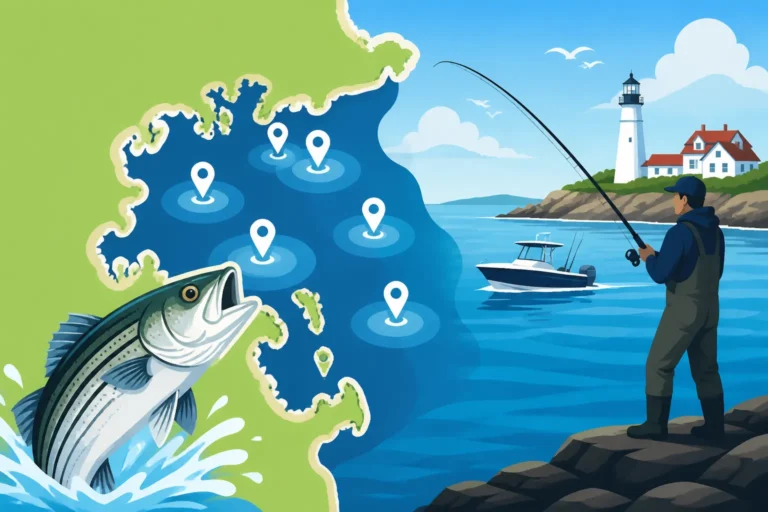
Finding prime saltwater fishing spots in Massachusetts can feel like a daunting task, especially when you're looking beyond the usual crowded piers and popular beaches in the Greater Boston area. Many anglers overlook the incredible potential of the Boston Harbor Islands, a unique blend of urban accessibility and wild, productive waters. This comprehensive guide will unravel the best fishing opportunities these islands offer, from casting a line from the shore to exploring deeper channels by boat, ensuring your next trip is a successful and memorable one.
Why the Boston Harbor Islands Are a Premier Fishing Destination
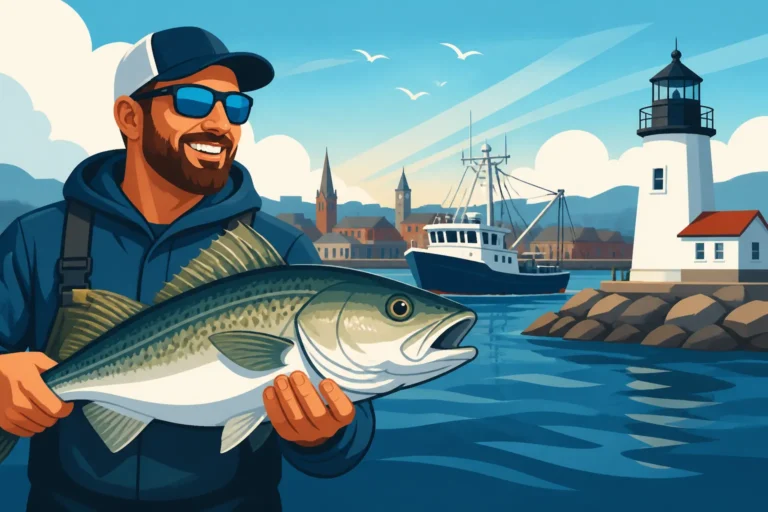
The Boston Harbor Islands offer a fantastic, often underestimated, fishing experience. It's not just about the scenic ferry ride or the historical charm; these islands are surrounded by a rich marine environment that attracts a wide variety of sought-after fish species. For anyone living in or visiting the Boston area, it’s a readily accessible natural playground that provides a genuine escape and excellent angling action, often within sight of the city skyline.
Unique Ecological Blend and Fish Diversity
What makes the Boston Harbor Islands so special ecologically? It's the unique convergence of freshwater inflows from the Charles and Mystic Rivers, coupled with the strong tidal currents and nutrient-rich waters of Massachusetts Bay. This creates a diverse ecosystem with varying depths, rock structures, sandy flats, and channels, all of which are magnets for baitfish and, consequently, the predatory game fish we love to catch. You'll find everything from anadromous species making their way upstream to resident saltwater stalwarts.
Think about it: the water around these islands is constantly churning, bringing in fresh food and creating prime ambush points for fish. The sheer variety of habitats means you're not just limited to one type of fishing. Whether you prefer casting into rocky ledges, drifting over sandy bottoms, or probing deeper holes, the islands have a spot for you. This biological richness is what truly sets this area apart from many other urban fishing destinations, making it a vibrant and productive fishery year-round.
Accessibility and Recreational Opportunities
One of the biggest advantages of fishing the Boston Harbor Islands is their surprising accessibility. You don't need a massive offshore boat to get to many of these spots. Regular ferry services run from downtown Boston, making several islands reachable for a day trip with just your fishing gear and a backpack. This convenience is a huge win for anglers who might not own a boat or want to avoid the hassle of trailering and launching. Plus, the ferry ride itself is a relaxing experience, offering stunning views of the city and the harbor.
Beyond just fishing, the islands offer a full spectrum of recreational opportunities. Many islands have hiking trails, picnic areas, and historical sites, making it perfect for a family outing where everyone can find something to enjoy. Imagine catching a keeper striper in the morning, then enjoying a picnic lunch with breathtaking views, or exploring an old fort in the afternoon. It's a fantastic way to combine your passion for fishing with an unforgettable outdoor adventure, truly making the most of what Massachusetts has to offer.
Top Boston Harbor Islands for Shore-Based Angling
While many islands are part of the National and State Park system, offering various levels of access, some stand out as exceptional choices for anglers looking to cast from solid ground. These spots provide both ease of access and proven fishing success, often without needing a boat. Just remember to check the ferry schedules and island access rules before you head out, as they can vary by season and island.
| Island Name | Primary Access | Key Features for Angling | Primary Target Species | Best Techniques |
|---|---|---|---|---|
| Spectacle Island | Ferry | Rock walls, sandy beaches | Striped Bass, Flounder | Casting, Bottom Rig |
| Deer Island | Vehicle, Walk-in | Rocky jetties, deep channels | Striped Bass, Bluefish | Live Lining, Lures |
| Nut Island | Vehicle, Walk-in | Piers, rock outcrops | Striped Bass, Tautog | Jigging, Bottom Rig |
| Georges Island | Ferry | Rocky shorelines, deep water | Striped Bass, Mackerel | Casting, Jigs |
| Peddocks Island | Ferry | Diverse shorelines, eelgrass | Striped Bass, Flounder | Casting, Bait Fishing |
Spectacle Island: A Revitalized Gem
Spectacle Island, once a landfill, has undergone an incredible transformation into a beautiful recreational area. It's now renowned for its hiking trails and stunning views of the city skyline and the harbor. But for anglers, it offers more than just pretty scenery. The island boasts diverse shorelines, including rocky points and small sandy beaches that drop off into productive waters. These features create excellent ambush points for striped bass, especially during changing tides.
Fishing the northern and eastern sides of Spectacle Island can be particularly rewarding. Anglers often find success casting topwater lures or soft plastics around the rocky outcrops during dawn and dusk. For those preferring bait, chunks of mackerel or menhaden on a fish-finder rig can be deadly for stripers and even fluke as they move through the channels. It's a truly unique spot where you can enjoy urban convenience with surprisingly wild fishing.
Deer Island: Jetty Fishing Hotspot
Deer Island, located at the mouth of Boston Harbor in Winthrop, is an absolute powerhouse for shore anglers. Connected to the mainland by a causeway, it offers easy access by car, which is a major plus. The island is famous for its long, rocky jetties that extend into deep, fast-moving currents. These jetties create prime habitat for baitfish, which in turn attracts large numbers of predatory species.
The jetties at Deer Island are legendary among local anglers for their striped bass and bluefish action. You'll often see seasoned casters here, live-lining eels or pogies, or throwing large plugs and poppers, especially during the spring and fall runs. The deep water accessible from the jetties allows you to target fish that might typically require a boat. Be sure to check the Massachusetts Recreational Fishing Rules and Bag Limits before heading out, as regulations for species like striped bass can change. The sheer volume of water movement here means that even on slow days elsewhere, Deer Island can often produce.
Nut Island: Piers and Promontory Fishing
Nut Island, another readily accessible gem in Quincy, is a fantastic spot for anglers who appreciate the convenience of pier fishing combined with rocky shore access. It's home to the Nut Island Wastewater Treatment Plant, which has a long pier and a rocky promontory that extends into the harbor. The deep water and strong currents around this area make it a consistent producer for various species.
From the pier or the rocky points, anglers can target striped bass, tautog, and even winter flounder. Using bottom rigs with sandworms, clams, or green crabs can yield excellent results, especially for tautog hiding among the rocks. For striped bass, tossing bucktails or soft plastics during tide changes can be very effective. It's a great spot for both active casting and more relaxed bait fishing, offering reliable action for a diverse range of saltwater species. Remember, a Massachusetts Saltwater Recreational Fishing Permit Explained is essential for anyone fishing these coastal waters.
Exploring Offshore Fishing Around the Islands by Boat
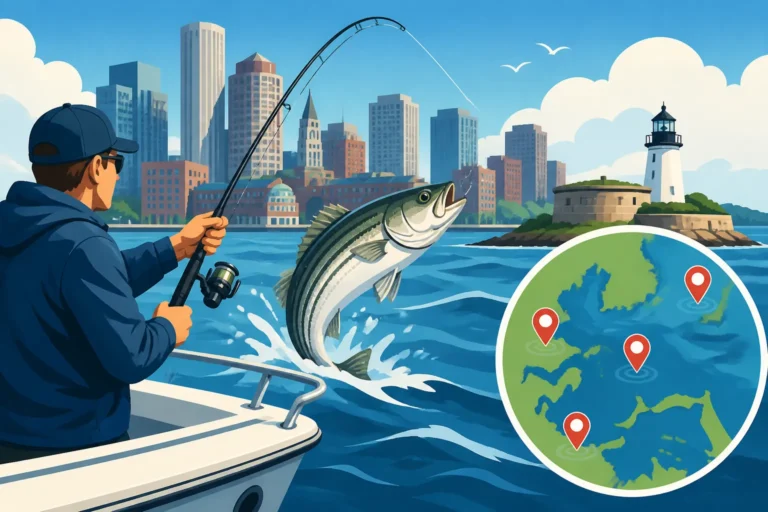
While shore fishing around the Boston Harbor Islands is fantastic, venturing out by boat opens up an entirely new world of possibilities. The waters surrounding the islands and extending into Massachusetts Bay are rich with structure, bait, and a wide array of game fish. Whether you have your own boat or opt for a charter, the potential for trophy catches increases significantly when you can reach deeper waters and less-pressured spots.
Stellwagen Bank and Nearby Reefs
For serious offshore anglers, the allure of Stellwagen Bank is undeniable. While not directly among the Boston Harbor Islands, it's a relatively short boat ride from the harbor and is a world-class fishing destination. This underwater glacial deposit is a rich feeding ground for everything from cod and haddock to massive bluefin tuna. The deep-sea environment here is dramatically different from the inshore waters, requiring different tackle and techniques.
Closer to the islands, there are numerous smaller reefs and ledges that also hold fish. These include areas like the "Boston Lumps" or other unnamed rock piles that are known to local captains. These structures attract groundfish like cod, haddock, and pollack, especially during cooler months. Drifting with bait or jigging with heavy metal jigs are common and effective methods. If you're considering a trip to these deeper waters, checking out Massachusetts Deep Sea Fishing Charters might be a good idea, as they have the expertise and equipment for these conditions.
Channel Edges and Structure Fishing
Within Boston Harbor itself, and around the larger islands, are numerous channels and submerged structures that act as highways and hiding spots for fish. The main shipping channels, dredge holes, and even the remnants of old wrecks or lobster pot lines can hold impressive numbers of fish. These areas are constantly flushed with tidal currents, bringing fresh bait and oxygen.
Targeting these channel edges and structures by boat can be incredibly productive for striped bass, bluefish, and even some bottom dwellers like black sea bass. Trolling diving plugs or umbrella rigs along channel contours is a popular method for covering ground and finding active fish. For more precise targeting, using a fish finder to locate schools of bait or specific underwater structure, then jigging or dropping live bait, can lead to explosive strikes. The "Best Fishing Spots in Boston Harbor, Massachusetts" often highlights these productive channel areas, reinforcing their importance.
Key Fish Species to Target Around the Boston Harbor Islands
The diversity of habitats around the Boston Harbor Islands supports a healthy population of many popular fish species. Understanding what you're likely to encounter and when can greatly improve your chances of success. From the iconic striped bass to delicious table fare like flounder, the harbor offers something for every angler.
Striped Bass: The Harbor's Crown Jewel
Without a doubt, the striped bass is the undisputed king of Boston Harbor fishing. These powerful, migratory fish arrive in good numbers each spring, typically starting in April and May, and can be found throughout the summer and well into the fall. They are incredibly adaptable, inhabiting everything from shallow rocky shores to deep channels, and can be caught using a wide variety of methods.
For anglers targeting striped bass around the islands, both bait and lures work exceptionally well. Live mackerel, pogies (menhaden), or eels are traditional favorites for enticing larger fish, particularly around current-swept points and channel edges. Artificial lures like topwater poppers, swimming plugs, soft plastic paddle tails, and bucktail jigs are also highly effective, especially during prime feeding times like dawn, dusk, and slack tides. Remember to familiarize yourself with the Massachusetts Striped Bass Slot Limit Explained to ensure you're compliant with regulations. It's truly an exhilarating fight when you hook into a healthy striper!
Bluefish, Flounder, and Tautog Opportunities
Beyond stripers, the Boston Harbor Islands are home to several other exciting and tasty species. Bluefish, known for their aggressive strikes and ferocious teeth, typically show up a bit later than stripers, usually by June, and provide explosive action throughout the summer. They'll readily hit a variety of lures and baits, and their powerful runs make for a thrilling fight. They often chase baitfish schools into the shallower waters around the islands, creating frenzies that are hard to miss. The Massachusetts Bluefish Bag Limit and Season should always be on your radar when targeting these toothy critters.
For those who prefer a more relaxed approach and enjoy excellent table fare, winter flounder and summer flounder (fluke) can be found in the sandy and muddy bottoms around the islands. Winter flounder are primarily a spring fishery, while fluke become more prevalent as the water warms in summer. Both can be caught using small hooks baited with sandworms or clams, fished on the bottom. Tautog, or "blackfish," are another bottom-dwelling favorite, particularly around rocky areas and jetties. They require a bit more finesse and specific baits like green crabs or hermit crabs, but their delicious white meat makes the effort well worth it. You'll want to review the Massachusetts Tautog Size and Bag Limit by Season before pursuing these hard-fighting bottom dwellers.
Essential Gear and Techniques for Island Fishing
Having the right gear and understanding effective techniques are crucial for a successful fishing trip around the Boston Harbor Islands. The diverse fishing environments, from shorelines to open water, demand a versatile approach. Don't worry, you don't need to break the bank, but a few key items will make a world of difference.
Tackle for Shore and Boat Fishing
For shore-based angling around the islands, a medium-heavy to heavy spinning rod, typically 8 to 10 feet long, is ideal. This length allows for long casts from jetties or beaches, helping you reach deeper water or baitfish schools further out. Pair this with a robust spinning reel spooled with 30-50 lb braided line, which offers sensitivity and casting distance. A fluorocarbon leader of 30-50 lb test is recommended to prevent line breaks from rocky structure and sharp-toothed bluefish. This setup is versatile enough for both lures and bait, handling striped bass and bluefish with ease.
If you're heading out by boat, your tackle can be a bit more specialized. For trolling or heavy jigging in channels, a conventional rod and reel setup, capable of handling 50-80 lb braid, might be preferred, especially if targeting larger striped bass or bottom fish in deeper water. However, many anglers still find success with heavy-duty spinning gear from a boat, particularly when casting lures to visible schools of fish. Always bring a variety of lure types, from topwater poppers to deep-diving plugs and soft plastics, to match whatever the fish are keying in on. Services like FishingBooker can help you find charters that provide all the necessary boat tackle, taking the guesswork out of it.
Best Baits and Lures for Success
When it comes to baits, live offerings are often irresistible. Live mackerel, pogies (menhaden), and eels are top choices for trophy striped bass. These can be fished directly or drifted on a circle hook rig. If live bait isn't available, fresh cut bait like mackerel chunks, bunker, or clam can be very effective, especially for bottom fishing for flounder or scup. For tautog, green crabs or hermit crabs are the go-to.
As for artificial lures, versatility is key. For topwater action, classic poppers and walk-the-dog lures are incredibly exciting when stripers or bluefish are busting on the surface. For subsurface presentations, soft plastic paddle tails (like those from Guppy Lures or Hogy Lures if you want some well-known examples), fished on jig heads, are incredibly versatile and imitate various baitfish. Swimming plugs, both lipped and lipless, are excellent for covering water, especially when trolling or casting into strong currents. Bucktail jigs, often tipped with a piece of Gulp! or a soft plastic trailer, are phenomenal for bottom bouncing or jigging for a wide range of species. It's a good practice to carry a selection of colors, with white, chartreuse, and natural baitfish patterns being consistent producers.
Navigating Regulations and Responsible Angling
Before you even think about casting a line in the Boston Harbor Islands, it's absolutely crucial to understand the rules and regulations. Massachusetts is serious about marine conservation, and ignorance of the law is no excuse. Plus, practicing responsible angling helps ensure these incredible fisheries remain healthy for generations to come.
Understanding Licenses and Permits
The first and most important step is securing the proper fishing authorization. For all saltwater fishing in Massachusetts, you are required to have a Massachusetts Saltwater Recreational Fishing Permit. This applies whether you're fishing from shore, a pier, or a boat. It's a non-transferable permit and typically lasts for a calendar year. Don't get caught without it, as fines can be substantial. You can learn more about how to buy a Massachusetts Fishing License Online or even check out where to buy a Massachusetts fishing license in person.
It's also worth noting that if you plan to fish in freshwater ponds or streams within Massachusetts, you'll need a separate Massachusetts Freshwater Fishing License Costs and Rules. While the Boston Harbor Islands are saltwater, some adjacent areas or landlocked ponds on the mainland might require a different license. Always double-check the specific location you plan to fish. Remember, if you're joining a charter boat arranged through services like FishingBooker, it's always wise to clarify whether the captain provides a blanket permit or if individual anglers still need their own, though typically, individual saltwater permits are required for recreational anglers on for-hire vessels.
Catch Limits and Conservation
Beyond just having a permit, you need to be intimately familiar with the catch limits, size restrictions, and seasons for each species you intend to target. These regulations are in place to protect fish populations and promote sustainable fishing practices. For example, striped bass currently have a strict slot limit, meaning you can only keep fish within a certain size range. Keeping an oversized or undersized fish, even accidentally, can result in penalties. Always know the current Massachusetts Striped Bass Slot Limit Explained before your trip.
Daily bag limits also apply to many species, like bluefish, flounder, and tautog. It's not enough to just catch them; you need to ensure they meet the minimum size requirement and that you don't exceed the number you're allowed to keep. MassWildlife and NOAA Fisheries regularly update these regulations, so it's a good habit to check the official Massachusetts Recreational Fishing Rules and Bag Limits before each season or even before each trip if you're targeting a new species. Practicing catch and release, especially for larger breeding fish, is also a fantastic way to contribute to conservation efforts and ensure future generations can enjoy the thrilling fishing that the Boston Harbor Islands offer.
Disclaimer
Please be aware that fishing regulations, access rules for islands, and fish populations can change. Always check the latest guidelines from the Massachusetts Division of Marine Fisheries (MassDMF) and the National Park Service (NPS) before planning your trip to the Boston Harbor Islands. Safety should always be your top priority, especially when fishing from shore or boating in unpredictable marine environments.