Where to fish the North Shore for striped bass
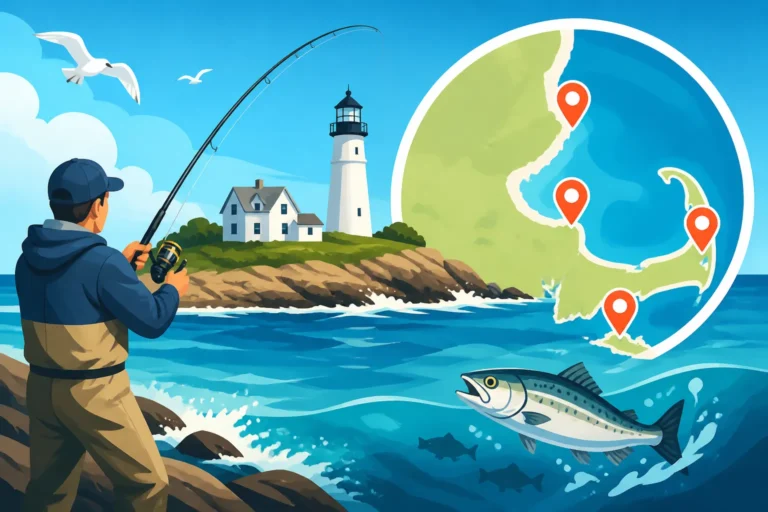
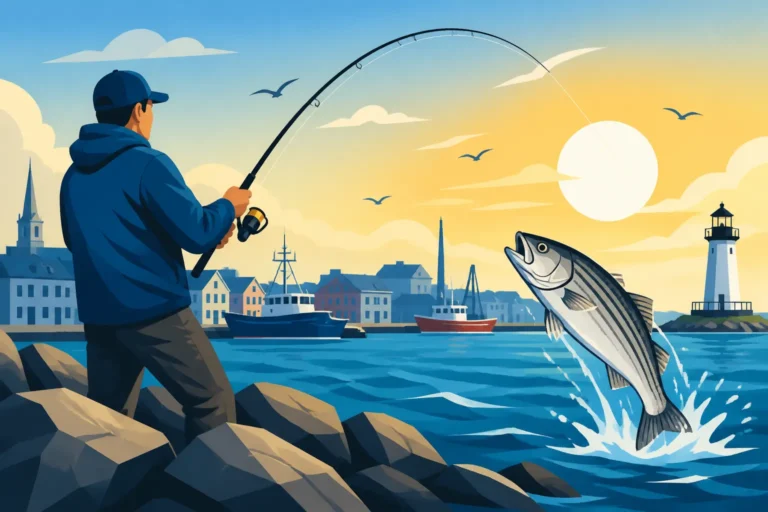
Finding those elusive striped bass on the North Shore of Massachusetts can feel like searching for a needle in a haystack, especially if you're new to the area or have been striking out at your usual haunts. The North Shore offers some truly spectacular striper fishing, but knowing where to cast your line and when to do it makes all the difference. This comprehensive guide will break down the best locations, techniques, and insider tips to help you consistently hook into striped bass along Massachusetts' stunning North Shore coastline.
Understanding the North Shore's Appeal for Striped Bass Anglers
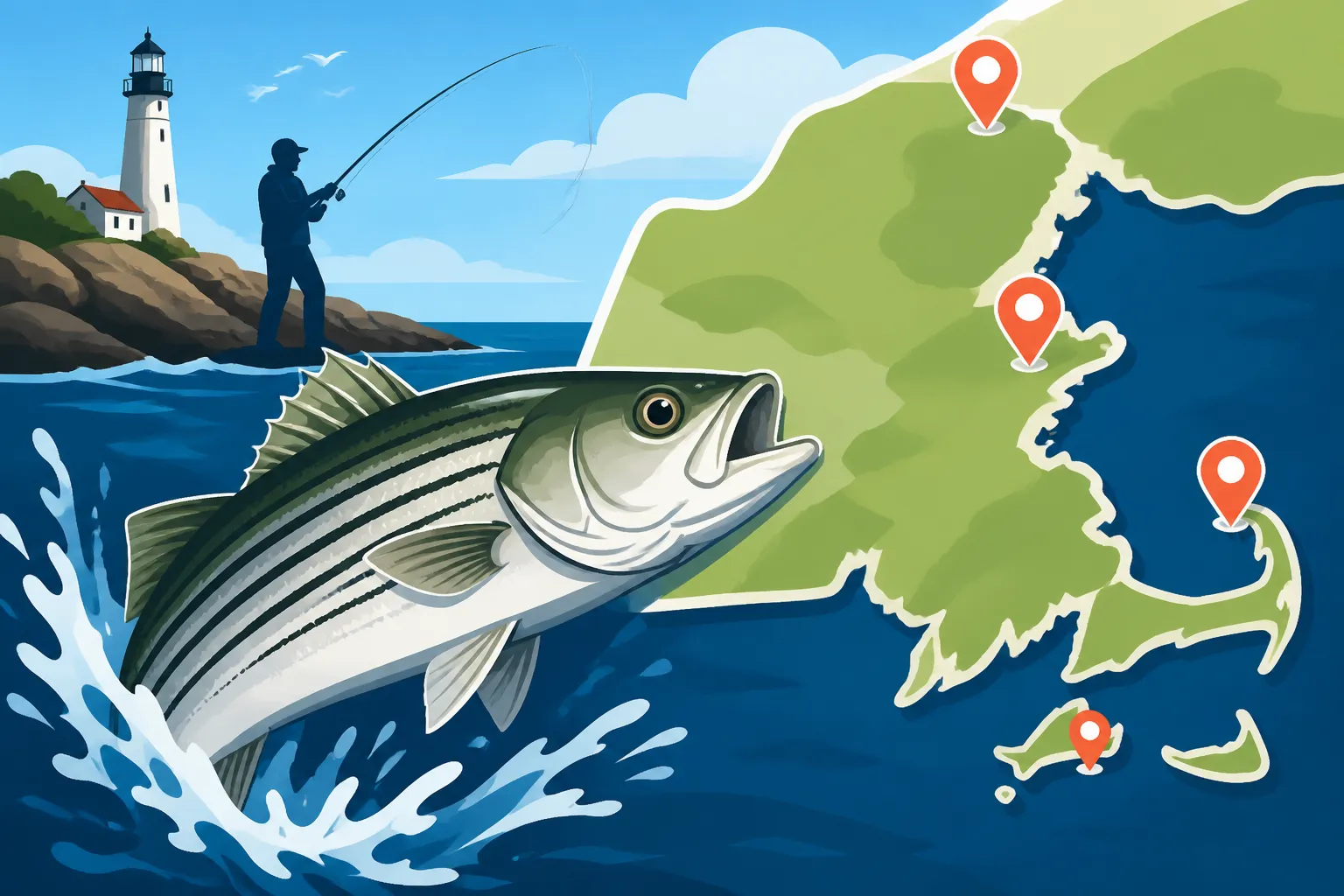
The North Shore of Massachusetts, stretching from Revere all the way up to the New Hampshire border, is a prime destination for striped bass. This isn't just a random occurrence; the unique geography and rich ecosystem here create an irresistible environment for these beloved game fish. It's not just about pretty scenery; it's about the perfect storm of conditions that bring the stripers in and keep them around.
Why Stripers Love the North Shore's Habitat
Striped bass are highly migratory and follow their food sources, and the North Shore provides an abundance of exactly what they crave. Our coastline here is incredibly diverse, offering everything from vast sandy beaches to rugged rocky outcrops, marshy estuaries, and deep harbors. This variety is key. The sandy beaches, especially those with subtle drop-offs or underwater structures, become feeding grounds where stripers can ambush baitfish like sand eels and herring. Then you have the rocky areas, particularly around places like Gloucester and Rockport, which provide structure and current breaks where larger baitfish, and consequently larger stripers, often hold.
Estuaries, like the renowned Merrimack and Ipswich Rivers, are vital nurseries and foraging areas. These brackish waters are teeming with smaller baitfish and crustaceans, making them a buffet for hungry stripers, especially during their spring arrival and fall migration. The currents created by tidal flows in these areas also play a huge role, pushing bait around and making it easier for stripers to feed without expending too much energy. Plus, the often cooler, oxygen-rich waters found near rocky areas and river mouths are much preferred by stripers, especially as summer progresses and other areas warm up. It's a complex ecosystem, but essentially, the North Shore offers a smorgasbord of food and ideal conditions that keep the striped bass coming back year after year.
Prime Seasons for North Shore Striped Bass
Timing is everything when it comes to chasing striped bass, and the North Shore has distinct peak seasons. Generally, the striped bass season in Massachusetts kicks off in late spring and runs well into the fall, but within that window, there are definite hot periods.
Spring Run (Late April to June): This is when the first waves of migratory stripers arrive, often smaller "schoolie" bass, eager to feed after their long journey north. They follow baitfish like river herring into our estuaries and rivers. If you're looking to target these early arrivals, focus on river mouths and shallow, warmer bays. The action can be fast and furious, with light tackle often being all you need for these feisty fish. This period is a fantastic time for anglers who enjoy catching a high number of fish, even if they aren't trophy-sized. You can learn more about specific regulations and when the season truly gets going in our guide on When striped bass season starts in Massachusetts.
Summer Season (July to August): As summer progresses, larger stripers move into the open ocean and along the coastline, often seeking cooler, deeper water and bigger bait. This is when you'll find them around offshore ledges, rocky points, and sometimes even cruising just off the surf beaches, especially during cooler evenings or mornings. Live bait like mackerel, pogies (menhaden), or eels become incredibly effective. Topwater action can also be explosive during low light conditions. The summer months demand a bit more strategy, often requiring knowledge of tides and structures, but the rewards can be significant, with opportunities for truly impressive fish.
Fall Run (September to November): For many seasoned anglers, the fall run is the absolute pinnacle of North Shore striper fishing. As water temperatures begin to drop, striped bass start their migration south, feeding aggressively to build up reserves for the journey. This is when you can encounter large schools of stripers, often in a feeding frenzy, pushing baitfish to the surface. It's not uncommon to see birds diving and stripers crashing bait in a spectacular display. The action can happen anywhere from the surf to offshore rips. This period offers some of the best opportunities for trophy fish and consistent action before they depart for their wintering grounds. Understanding the Massachusetts Striped Bass Slot Limit Explained is crucial during these times, as you'll likely encounter a wide range of sizes.
Top North Shore Hotspots for Striped Bass
The North Shore's varied coastline means there's a striper spot for every type of angler, whether you prefer the solitude of surfcasting, the thrill of boat fishing, or the convenience of pier fishing. Each area presents its own unique challenges and rewards.
Coastal Beaches and Estuaries
These areas are often the first to see migratory stripers in the spring and continue to hold fish throughout the season, especially during low light hours. They offer excellent access for shore anglers and kayak fishermen.
Plum Island and the Merrimack River Estuary (Newburyport/Salisbury): This is arguably one of the most famous striper destinations in all of Massachusetts, and for good reason. Plum Island offers miles of sandy beaches, jetties, and access to the dynamic Merrimack River mouth. Stripers funnel into and out of the river with the tides, often congregating in the turbulent waters where the river meets the ocean. Anglers here use everything from cut bait and eels to large plugs and soft plastics. The mouth of the Merrimack River is particularly legendary for its strong currents and the large bass it produces, especially during the fall run. Parking can be a challenge, especially on weekends, so plan accordingly. If you're interested in surfcasting here, our detailed Plum Island Surf Fishing Guide has all the information you need. For more on the river itself, check out Merrimack River Fishing Spots Near Haverhill and Lowell, Massachusetts.
Ipswich Bay and Crane Beach (Ipswich): Further south, Ipswich Bay offers a different flavor of striper fishing. Crane Beach, with its expansive sandy shoreline, can be fantastic for surfcasting, especially around the high tide. However, the true gems here are often found within the estuaries fed by the Ipswich River and the surrounding marsh creeks. These areas are rich in baitfish and crabs, attracting stripers who cruise the channels and flats. Kayak and small boat anglers can have great success navigating these labyrinthine waterways, casting soft plastics or flies into current seams and along marsh edges. Don't forget to consult our guide on Ipswich Bay Fishing Spots in Massachusetts for more specific details on where to drop your line.
Revere Beach: While perhaps not as renowned as Plum Island, Revere Beach, being Boston's closest major beach, still offers solid surfcasting opportunities, particularly for schoolie stripers in the spring and fall. The long, sandy stretch can produce good fishing, especially around the Revere Beach Reservation. It's a convenient spot for many urban anglers and can be a great place to introduce beginners to the sport, without the need for a long drive. Focus your efforts during dawn, dusk, or nighttime for the best results.
Rocky Shores and Ledges
The rugged, granite-lined coast from Gloucester to Nahant offers a completely different, and often more challenging, fishing experience. These areas are characterized by deep water close to shore, strong currents, and plenty of structure that big stripers love.
Gloucester and Cape Ann: This iconic fishing port and its surrounding coastline are a striper angler's paradise. Rocky points, ledges, and small coves abound. Spots like Good Harbor Beach, Long Beach, and the rocky areas around Eastern Point can all hold fish. Boat anglers have an advantage here, being able to access offshore ledges and rips where stripers ambush bait. However, plenty of shore access exists. Jigging bucktails or casting large plugs around structure can be very effective. Be prepared for strong currents and sharp rocks that can test your tackle. Our guide to Gloucester and Cape Ann Fishing Spots dives deeper into the specific areas worth exploring.
Marblehead and Salem Sound: The coastline here, with its numerous rocky outcroppings, small islands, and deep coves, provides excellent habitat for striped bass. Areas like Devereux Beach in Marblehead, and the shores around Salem, offer good access. Salem Sound itself is a vast body of water with plenty of submerged structure and baitfish. Boat anglers can explore the numerous islands and ledges, while shore anglers can target specific points and jetties. Fishing the tidal swings here is crucial. For detailed information on this area, check out Salem Sound Fishing Areas in Massachusetts.
Nahant: This small peninsula offers fantastic rocky shore fishing, with deep water accessible from land. The causeway itself can be a productive spot, especially at night or during strong tides. The numerous rocky points and small beaches, such as Tudor Beach and Nahant Beach, provide varied fishing opportunities. Wading out onto the rocks, where permissible and safe, can put you right where the stripers are feeding. Always be mindful of incoming tides and slippery rocks when fishing this type of terrain.
Harbors and Inshore Waters
Don't overlook the many harbors and bays along the North Shore. These areas, while often bustling with boat traffic, can provide excellent, often sheltered, striper fishing.
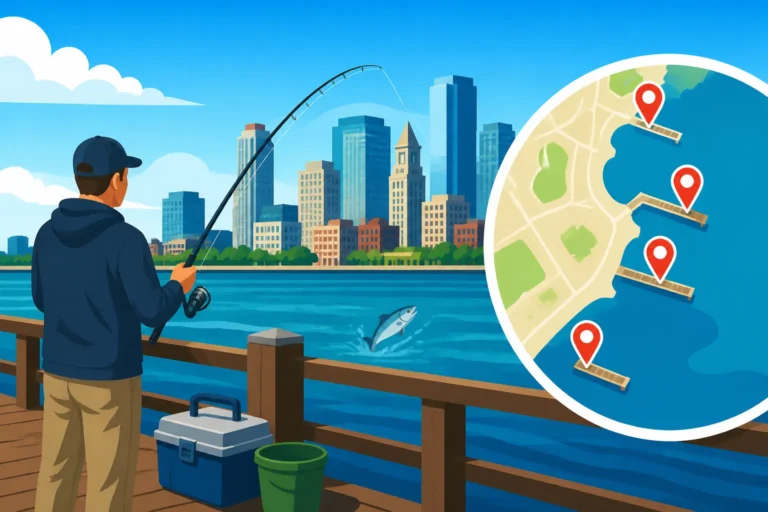
Beverly Harbor: This harbor, protected and often overlooked, can hold good numbers of striped bass, especially schoolies in the spring and fall. The docks, bridges, and channel edges offer structure that stripers will patrol. It's an excellent spot for kayak anglers or those with small boats who want to explore without venturing into rougher waters. Casting soft plastics or small plugs can be very effective here.
Lynn Harbor and Broad Sound: While heavily urbanized, Lynn Harbor and the adjacent Broad Sound can still offer surprisingly good striper fishing. The outflows from rivers and industrial areas can attract bait, which in turn attracts stripers. Fishing around the bridges and along the harbor edges can produce results. Again, low light conditions are usually best to avoid boat traffic and encourage stripers to move into shallower water to feed.
Essential Techniques and Tackle for North Shore Stripers
Catching striped bass on the North Shore isn't just about showing up at the right spot; it's also about employing the right techniques and having the proper gear. Different environments call for different approaches, and being versatile will increase your success dramatically.
Best Baits and Lures for North Shore Waters
Striped bass are opportunistic feeders, so having a range of options is crucial.
Live Bait: There's nothing quite like live bait for enticing a large striper.
- Mackerel: During the summer months, mackerel are a top choice. They can be jigged up just offshore or bought from bait shops. Drifting a live mackerel near rocky ledges or in current rips is a highly effective method.
- Eels: Live eels are deadly, especially at night. Stripers absolutely cannot resist a slithering eel. They are particularly effective when fished around rocky points, jetties, or bridge pilings where stripers might be lurking.
- Pogies (Menhaden): These larger baitfish are a striper staple. If you can find schools of pogies, either in estuaries or just offshore, live-lining one is almost a guaranteed hook-up with a big fish.
- Clams/Worms: While more commonly used for bottom fish, fresh surf clams or sandworms can be very effective for stripers, especially schoolies, fished on the bottom in sandy areas or river mouths.
Artificial Lures: For active fishing, artificials are the way to go, and the selection is vast. Our guide on Best lures for striped bass offers a deep dive into specific options.
- Plugs: Large swimming plugs (like those from Yo-Zuri or Daiwa) are fantastic for casting in the surf or from jetties, mimicking larger baitfish. Topwater plugs (like Heddon Super Spook) create explosive strikes, particularly at dawn and dusk.
- Soft Plastics: Paddle tails (like Keitech Swing Impact FAT) or slug-gos rigged on weighted hooks are incredibly versatile. They can be worked slowly along the bottom, jigged, or retrieved quickly to imitate fleeing baitfish. They're excellent for targeting stripers in estuaries and around structure.
- Bucktail Jigs: A classic for a reason, bucktails are incredibly effective, especially when tipped with a pork rind or soft plastic trailer. They're great for fishing deeper water, strong currents, or bouncing along the bottom.
- Spoons/Metal Lures: Heavy spoons or casting jigs (like Deadly Dick) can be cast a mile and are perfect for reaching distant schools of bait or cutting through strong winds. They imitate fleeing baitfish and are very effective when stripers are keyed in on silversides or sand eels.
Surfcasting and Boat Fishing Strategies
Your approach will vary significantly depending on whether you're casting from shore or from a vessel.
Surfcasting Techniques:
- Reading the Water: The most crucial skill for a surf angler is learning to read the beach. Look for cuts, troughs, sandbars, and rips – these are natural funnels where stripers will ambush bait. Often, a subtle change in wave pattern or water depth can indicate a prime feeding lane.
- Tidal Awareness: Tides dictate everything in surfcasting. Often, the incoming tide or the top of the high tide can be most productive as stripers move into shallower water to feed. Strong moving tides also activate baitfish. Understanding the specific tides for your chosen spot is paramount.
- Night Fishing: Many of the largest stripers are caught at night, especially from the surf. They become bolder under the cover of darkness and will move closer to shore to feed. Large plugs, eels, and chunk bait are highly effective in the dark.
- Stealth: Stripers can be surprisingly skittish in shallow water. Move slowly, keep your lights off (or use a dim red light), and minimize noise.
For a deeper dive into this exciting method, explore our Massachusetts Surf Fishing Techniques guide.
Boat Fishing Strategies:
- Electronics are Key: A good fish finder and GPS are invaluable. Use your electronics to locate bait schools, identify underwater structure (ledges, wrecks, humps), and mark productive spots.
- Trolling: This is a popular method, especially for covering a lot of water. Umbrella rigs, tube-and-worm combinations, or large swimming plugs trolled at various depths can be very effective.
- Drifting and Jigging: Drifting over known striper haunts or bait schools while jigging bucktails, soft plastics, or vertical jigs can be highly productive. This allows for a more natural presentation of your lure or bait.
- Live-lining: When you locate schools of baitfish, whether mackerel, pogies, or herring, live-lining them on a circle hook with minimal weight is an incredibly effective technique for larger stripers.
- Anchor and Bait: Sometimes, anchoring up-current from a productive spot (like a rocky point or a channel edge) and deploying fresh chunk bait or live eels can yield excellent results, especially if stripers are feeding on the bottom.
- Respecting Charters: If you're looking for guidance, booking a trip with a reputable Massachusetts Striped Bass Charter can be a game-changer. Services found on platforms like FishingBooker often connect you with experienced captains who know the local waters like the back of their hand.
Planning Your North Shore Striped Bass Adventure
A successful fishing trip often comes down to preparation. Knowing what to expect, what to bring, and how to stay within the rules will ensure a smoother, more enjoyable experience on the North Shore.
Navigating Regulations and Access
Before you even think about wetting a line, make sure you're properly licensed. In Massachusetts, you need a Massachusetts Fishing License Guide and, for saltwater, a Massachusetts Saltwater Recreational Fishing Permit Explained. Even if you're just catching and releasing, these are non-negotiable.
Parking and Access Points: Many prime North Shore fishing spots, especially popular beaches and jetties, have limited or paid parking, particularly during peak season. Always check parking regulations beforehand. Some areas, like parts of Plum Island, require a special parking sticker. Websites like MassWildlife or local town conservation commission sites can provide up-to-date information. Early mornings are often your best bet for securing a spot.
Tidal Charts: Understanding the tides is absolutely critical on the North Shore. Strong tidal swings can create dangerous currents, make certain areas inaccessible, or dramatically affect fish behavior. Always check a local tide chart for your specific fishing location before heading out.
Gear Considerations for North Shore Conditions
Your gear choices will depend heavily on your chosen fishing method and target species size.
Rods and Reels:
- Surfcasting: For dedicated surfcasting, a medium-heavy to heavy rod, typically 9 to 12 feet long, paired with a durable spinning reel (size 5000-8000) loaded with 30-50 lb braided line is ideal. This setup allows for long casts and the power to handle larger fish in strong currents. Brands like Penn and Shimano offer reliable options.
- Boat Fishing/Inshore: For boat fishing or targeting schoolies from shore, a medium-heavy rod around 7 feet long with a 4000-5000 size spinning reel and 20-30 lb braid is versatile enough for most situations.
- Leaders: Always use a fluorocarbon leader (30-50 lb test) at the end of your braided line. It provides abrasion resistance against rocks and sharp-toothed fish like bluefish, and it's less visible in the water.
Terminal Tackle: Carry a variety of hooks (circle hooks are great for live bait and aid in conservation), swivels, and sinkers of different weights to adapt to changing conditions. A robust pair of pliers and a fish gripper are essential for handling stripers safely.
Waders and Footwear: If you're surfcasting or fishing rocky shores, quality waders are invaluable. Breathable chest waders are comfortable for warmer weather, while neoprene is better for colder conditions. Always pair them with sturdy wading boots with good grip (felt soles are excellent for slippery rocks, but check local regulations as some areas restrict them). Safety is paramount; never fish alone in rough surf or on slippery rocks.
Safety Gear: Especially when boat fishing or wading, safety should be your top priority. Always wear a PFD (personal flotation device) when boating, kayaking, or wading in potentially dangerous areas. A first-aid kit, whistle, and fully charged cell phone are also crucial. If you're considering a guided trip, many services available via FishingBooker prioritize safety, providing all necessary equipment and expert guidance.
Table: North Shore Striped Bass Hotspots Comparison
| Location | Primary Fishing Method | Best For | Key Features | Best Time of Day | Challenges |
|---|---|---|---|---|---|
| Plum Island/Merrimack River | Surfcasting, Boat | Big Stripers, Volume | River mouth, jetties, extensive beaches | Dawn/Dusk, Night | Crowds, strong currents, parking |
| Ipswich Bay/Crane Beach | Surfcasting, Kayak | Schoolies, Estuary | Sandy beach, marsh creeks, tidal flats | High Tide | Tidal access for kayaks, bait location |
| Gloucester/Cape Ann | Boat, Shore (Rocky) | Trophy Stripers | Rocky ledges, deep water, strong rips | All Day | Rough water, slippery rocks, intricate areas |
| Marblehead/Salem Sound | Boat, Shore (Mixed) | All Sizes | Islands, coves, varied structure, bait-rich | Tidal Dependent | Boat traffic, navigation |
| Nahant | Shore (Rocky) | All Sizes | Deep water from shore, rocky points, causeway | Dawn/Dusk, Night | Slippery rocks, strong currents, safety |
| Revere Beach | Surfcasting | Schoolies | Accessible sandy beach, urban convenience | Dawn/Dusk, Night | Urban environment, fewer large fish |
The North Shore is truly a gem for striped bass enthusiasts. With its diverse fishing environments and consistent action, it offers an incredible experience for anglers of all skill levels. Remember to always respect the resource, follow regulations, and prioritize safety on your adventures. Happy fishing!
Disclaimer
The information provided in this guide is for general informational purposes only. Fishing conditions, regulations, and access can change rapidly. Always consult the official Massachusetts Division of Fisheries and Wildlife (MassWildlife) website or other relevant local authorities for the most current rules and safety guidelines before engaging in any fishing activities. Adherence to all local, state, and federal laws is the responsibility of the angler.