Salem Sound Fishing Areas in Massachusetts
Trying to figure out where to cast your line in Massachusetts' bustling coastal waters can feel overwhelming, especially with so many options. You might be dreaming of a productive day on the water, but the sheer number of harbors and sounds along the North Shore leaves many anglers wondering where to start for a truly rewarding experience. This comprehensive guide will illuminate the prime fishing areas within Salem Sound, helping you pinpoint the best spots, understand the local species, and plan your next successful Massachusetts fishing adventure.
Why Salem Sound is a Prime Massachusetts Fishing Destination
Salem Sound isn't just a picturesque stretch of coastline steeped in history; it's a vibrant fishing playground offering a diverse array of opportunities for anglers of all skill levels. Nestled along the North Shore, this area boasts a unique combination of protected waters, rocky shorelines, deep channels, and sandy flats, creating an incredibly rich habitat for a wide variety of fish species. It’s a place where you can find solitude or a bustling community of fellow fishermen, depending on your preference, and it consistently delivers fantastic fishing action.
Rich Marine Ecosystem and Diverse Habitats
What truly sets Salem Sound apart is its incredibly varied underwater landscape. Imagine rocky outcroppings and ledges providing perfect ambush points for striped bass, while nearby sandy bottoms offer excellent foraging grounds for flounder and other bottom dwellers. The Sound is also dotted with numerous islands, such as Misery Island and Baker's Island, whose surrounding reefs and ledges attract baitfish and, consequently, predatory species. This intricate web of habitats, from shallow coves to deeper channels leading out into Ipswich Bay, supports a robust marine ecosystem. The ebb and flow of tides here bring a constant supply of nutrients, drawing in schools of mackerel, herring, and sand eels, which form the base of the food chain and attract the larger game fish we all love to catch. It’s this biological richness that makes almost every cast in Salem Sound feel like it has potential.
Historical Charm Meets Angling Opportunities
Beyond its natural bounty, fishing in Salem Sound offers a unique blend of historical ambiance. As you cast your line, you're surrounded by centuries of maritime history, with views of historic lighthouses, colonial-era architecture, and the famed Salem waterfront. This rich backdrop adds an extra layer of enjoyment to any fishing trip. Whether you're fishing from a pier that has seen countless ships come and go, or from a boat with the Salem Custom House in the distance, you're not just fishing; you're experiencing a living piece of New England's heritage. The easy accessibility from major towns like Salem, Beverly, and Marblehead also means amenities are never far, making it convenient for both local anglers and those traveling from further afield to enjoy a day on the water.
Top Shore Fishing Spots Around Salem Sound
For those who prefer to keep their feet on solid ground, Salem Sound offers an abundance of fantastic shore fishing opportunities. From public piers to rocky beaches and serene parks, there are plenty of spots where you can cast a line without needing a boat. These locations are particularly popular for targeting striped bass, bluefish, and various bottom fish, especially during the spring and fall migrations. Just remember to check the local parking situations and regulations before you head out, as some spots can get crowded, especially on beautiful summer weekends.
Derby Wharf and Pickering Wharf
Right in the heart of historic Salem, Derby Wharf and Pickering Wharf offer iconic and easily accessible fishing spots. Derby Wharf, extending a considerable distance into the harbor, is a prime location for casting into deeper water. You'll often find anglers here targeting striped bass, especially during twilight hours or at night when the fish move closer to shore to feed. Mackerel can also be caught from the wharf when they are running, often used as live bait for larger gamefish. The structure around the wharf pilings and the adjacent deeper channels provide excellent habitat. Pickering Wharf, a bit smaller but equally charming, also offers good access to the harbor waters, especially around its various docks and structures. These areas are fantastic for a family outing, as they are close to shops and restaurants, making it easy to grab a bite or a coffee while you wait for a bite. Just be mindful of boat traffic and other pedestrians, especially during peak tourist season. For those wondering about the essential permits, remember that a Massachusetts Saltwater Recreational Fishing Permit Explained is required for all saltwater fishing, even from shore.
Forest River Park and Dane Street Beach
Heading slightly east from Salem, you’ll find Forest River Park, a lovely public space with ample shoreline access. This park offers a mix of sandy areas and rocky points, providing diverse opportunities for surfcasting or casting jigs and lures. The outflow of the Forest River into the Sound creates a nutrient-rich environment that attracts baitfish, making it a hotspot for predatory species. Striped bass are a primary target here, often found cruising the shallows or ambushing baitfish along the drop-offs.
Further west, in Beverly, Dane Street Beach provides another excellent shore fishing option. This sandy beach, with its rocky outcroppings, is popular for surfcasting. During the summer months, you can expect to find bluefish tearing through schools of bait, and striped bass are consistently present, especially at dawn and dusk. The rocky sections on either side of the beach are particularly productive for anglers targeting tautog or scup with bait fished on the bottom. These spots, with their generous public access, make for a pleasant day of fishing, offering both convenience and consistent action.
Beverly Shoreline and Fisherman's Beach
The Beverly coastline, stretching from Dane Street Beach further towards Manchester-by-the-Sea, is dotted with various smaller beaches, rocky points, and public access areas that offer excellent fishing. While not always as clearly defined as a single "spot," exploring this shoreline can yield fantastic results. Areas like Lynch Park, though popular for swimming, have rocky edges that can hold fish.
A notable spot within this stretch is Fisherman's Beach in Swampscott, which features a long, sandy expanse and a rocky jetty. The jetty is a perennial favorite, allowing anglers to cast into deeper water and target a variety of species. During the spring and fall runs, you'll see a lot of activity for striped bass and bluefish here, especially with eels or large plugs. The sandy bottom adjacent to the jetty is also a good spot for fluke during warmer months. These diverse access points along the Beverly and Swampscott shorelines give anglers a multitude of options, depending on the tide, wind, and target species. Many anglers consult online platforms like FishingBooker to find local guides who can pinpoint these lesser-known, productive sections of the shoreline and maximize their chances for a great catch.
Exploring Salem Sound's Waters: Boat and Kayak Fishing
While shore fishing in Salem Sound offers fantastic opportunities, venturing out onto the water in a boat or kayak truly opens up the vast potential of this intricate fishery. From navigating its numerous harbors and islands to exploring deeper structures and reefs, watercraft allow you to access untouched spots and target a wider array of species. The ability to move with the fish and explore different depths significantly enhances your chances of a successful day.
Navigating the Harbors and Islands
Salem Sound is a maze of coves, harbors, and islands, each offering unique fishing prospects. Launching from marinas in Salem, Beverly, or Marblehead, boaters can quickly reach productive grounds. The waters around Misery Island, Children's Island, and Baker's Island are particularly renowned. The rocky structure surrounding these islands provides excellent habitat for striped bass and bluefish, which often school up to ambush bait in the swirling currents. Drifting live baits like mackerel or herring, or casting large plugs and soft plastics, can be incredibly effective here. You might also find cod and pollock around the deeper edges of these island structures, especially in cooler months.
For kayak anglers, the protected coves and shallower areas within the Sound are ideal. Spots like Marblehead Harbor, with its rocky shoreline and numerous moorings, hold good numbers of fish. Exploring the marshy estuaries that feed into the Sound can also be very productive for smaller striped bass, especially on a rising tide. Just be mindful of boat traffic, especially during peak season, and always prioritize safety by wearing a PFD and carrying appropriate signaling devices. If you're wondering about general rules for paddlecraft, our guide on Where to fish with a canoe or kayak in Massachusetts offers great insights.
Deepening Your Reach: Structure and Reefs
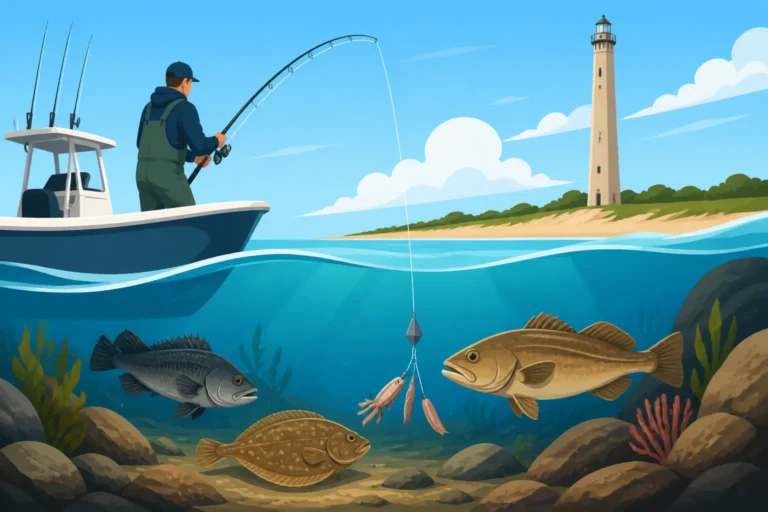
Beyond the immediate shorelines and island edges, Salem Sound contains significant underwater structure and reefs that are magnets for fish. Anglers with sonar can identify these submerged ledges, rock piles, and humps that rise from the bottom. These areas act as congregating points for baitfish and provide excellent ambush cover for larger predators. When targeting bottom-dwelling species like tautog, scup, and even some cod, focusing on these rocky areas is key. Crab or clam baits, fished directly on the bottom with a stout rod, are highly effective. The Massachusetts Tautog Size and Bag Limit by Season is crucial to know when pursuing these hardy fighters.
For those chasing fluke (summer flounder), finding areas with a mix of sandy patches and sparse bottom structure can be incredibly productive. Drifting bucktail jigs tipped with Gulp! or strips of squid along these transitional zones often yields good results. The deeper channels leading out of Salem Harbor and into the wider Sound also hold fish, especially as tides push bait in and out. Bluefin tuna can even pass through these deeper waters further offshore, though that's a more specialized pursuit requiring dedicated gear and knowledge.
Targeting Popular Species in Salem Sound
Salem Sound is a fantastic place to target a diverse range of saltwater fish, offering something for every angler. From the powerful migratory species that visit our shores to the resident bottom dwellers, understanding what you're likely to encounter and how to approach them can significantly boost your success. It’s a dynamic environment, and the species you target will often dictate your location, tackle, and technique.
Chasing Striped Bass and Bluefish
Without a doubt, striped bass and bluefish are the rockstars of Salem Sound fishing. These powerful migratory species arrive in the spring, typically by May, and remain a dominant presence through the fall run in October and early November. Striper fishing is legendary here, with anglers targeting them from shore, kayaks, and boats. They can be found cruising jetties, lurking around structure, or busting baitfish in open water. Live bait, like mackerel or eels, is incredibly effective, particularly for larger fish. Artificial lures such as topwater poppers, swimming plugs like those from Daiwa, and soft plastics rigged on jig heads (e.g., Al Gag's Whip-It Fish) are also highly productive. Understanding the Massachusetts Striped Bass Slot Limit Explained is absolutely crucial, as conservation efforts depend on anglers adhering to these rules.
Bluefish, known for their aggressive strikes and sharp teeth, are another thrilling catch. They often travel in large schools, creating chaotic feeding frenzies on baitfish. Metal spoons, fast-retrieved plugs, and even chunks of bait will typically get their attention. While smaller bluefish can be found almost anywhere, larger specimens often patrol the deeper channels and outer edges of the Sound. Always be prepared for their powerful runs and bring a good pair of pliers for hook removal, as their teeth can be dangerous. Our guide on How to Catch Striped Bass in Massachusetts provides even more detailed tactics for these sought-after fish.
Bottom Fishing for Tautog and Flounder
For those who enjoy a more stationary approach and the challenge of fishing structure, Salem Sound offers excellent opportunities for tautog and fluke. Tautog, or "blackfish," are prized for their firm, white meat and their incredible fighting ability, especially for their size. They are structure-oriented fish, meaning you’ll find them clinging to rocky bottoms, jetties, and wrecks. Green crabs are the absolute best bait for tautog, fished on a small, strong hook with just enough weight to hold bottom. You'll need to feel for their subtle nibbles and set the hook with authority. Their season and bag limits can change, so always check the latest regulations for Massachusetts Tautog Size and Bag Limit by Season.
Summer flounder, or fluke, are another popular bottom fish, known for their delicious fillets. These flatfish prefer sandy or muddy bottoms, often near structure or along the edges of channels. Drifting with bucktail jigs tipped with squid, Gulp! shrimp, or strips of mackerel is a highly effective method. They are ambush predators, lying in wait to strike at passing bait. You'll want to cover ground to find them, so boat or kayak fishing is often preferred for fluke. Be sure to familiarize yourself with the Massachusetts Fluke Size Limits Explained before you head out.
Seasonal Catches: Mackerel and Pollock
Beyond the primary gamefish, Salem Sound also offers fantastic opportunities for catching mackerel and pollock, which are not only fun to catch but also make excellent table fare and bait. Mackerel typically arrive in large schools in late spring and stay through the summer, often found in open water or near structures like jetties and channel markers. They are easily caught on sabiki rigs or small metal jigs, making them perfect for beginners or a quick fishing trip. Finding a school of mackerel can lead to fast and furious action, providing endless entertainment.
Pollock, while less commonly targeted than striped bass or tautog, are present in the deeper, rockier areas of Salem Sound, especially in cooler waters. They are strong fighters and can be caught on jigs, baitfish (like chunks of mackerel), or even flies. Sometimes, when chasing cod or larger groundfish, anglers will inadvertently catch pollock, adding to the day's bounty. These species, along with others like scup, provide additional angling fun and contribute to the rich diversity of the Salem Sound fishery. Always consult the Massachusetts Saltwater Fishing Seasons to know when these and other species are most active.
Seasonal Considerations for Salem Sound Anglers
The fishing in Salem Sound, like all New England coastal waters, is highly seasonal. Understanding these cycles is paramount to planning a successful trip, knowing what species to target, and what techniques will be most effective. Each season brings its own unique opportunities and challenges, making Salem Sound a dynamic fishery year-round for those willing to brave the elements.
Spring Awakening: Early Season Action
As the ice retreats and water temperatures slowly begin to climb in April and May, Salem Sound awakens from its winter slumber. This is a time of anticipation and the arrival of the first migratory species. Early spring often sees the return of mackerel and herring, which are crucial baitfish that kickstart the entire ecosystem. Shortly after, the first waves of striped bass, often referred to as "schoolies," begin to arrive, eager to feed after their long migration north. These smaller bass can be caught in shallow estuaries, along rocky shorelines, and near river mouths using small soft plastics, jigs, or artificial worms.
This is also a great time to target winter flounder in the sandy areas before they move offshore to deeper water. The water is still cool, so fish are often sluggish but actively feeding. Anglers often find success using small pieces of clam or seaworms on a simple bottom rig. The air might still have a chill, but the promise of the season's first catches makes spring an exciting time to be on the water in Salem Sound. It’s a period of transition, setting the stage for the warmer months to come.
Summer Bounty: Peak Fishing Months
Summer is arguably the peak season for fishing in Salem Sound, offering the widest variety of species and often the most consistent action. From June through August, the Sound is teeming with life. Striped bass are in full swing, with larger fish now present and actively feeding on abundant baitfish. Bluefish schools become a common sight, often creating spectacular surface blitzes as they chase down mackerel and herring. Topwater lures and fast-retrieved metals are incredibly exciting to use during these frenzies.
This is also prime time for bottom fishing. Fluke move into shallower, sandy areas, making them accessible to both boat and shore anglers. Tautog are active around rocky structures, offering a challenging fight. Scup, another delicious bottom fish, also become plentiful in the Sound. The warmer waters bring out more recreational boaters, so it's essential to be mindful of crowded areas. Early mornings and late evenings often provide the best fishing opportunities and a more serene experience. If you’re planning a trip during this busy time, consider checking out available charters on platforms like FishingBooker to ensure you have a spot on the water.
Fall Run: A Last Hurrah for Migratory Species
As summer slowly gives way to autumn, Salem Sound experiences one of its most exciting fishing periods: the fall run. From September into November, migratory species like striped bass and bluefish begin their journey south, staging in the Sound and feeding aggressively to fatten up for their migration. This period is characterized by intense feeding activity, with large schools of baitfish being pushed around by hungry predators. Anglers can often encounter "blitzes" where acres of water are churned by feeding fish, offering incredible action.
Larger striped bass are particularly prevalent during the fall run, and many anglers specifically target this season for trophy fish. Eels and large plugs are favored baits for big stripers. Bluefish remain abundant and aggressive. Bottom fishing for tautog is also excellent in the fall, particularly as water temperatures cool. As the season progresses, the window for good fishing gradually closes, with most migratory species departing by late November. The cooler temperatures and fewer crowds often make fall fishing in Salem Sound a truly rewarding and memorable experience, a final explosive hurrah before winter sets in.
Essential Tips for Fishing Salem Sound
Having a good understanding of the fishing spots and target species in Salem Sound is a fantastic start, but truly successful and enjoyable trips often come down to the practical details. Knowing how to read the water, prioritizing safety, and ensuring you have the right gear can make all the difference, transforming a decent day into an unforgettable adventure.
Understanding Tides and Currents
One of the most critical factors for successful fishing in Salem Sound is understanding the local tides and currents. The Sound is heavily influenced by the Atlantic Ocean, and the movement of water plays a huge role in where fish will be and when they will feed. Generally, moving water—either an incoming (flood) or outgoing (ebb) tide—is far more productive than slack tide. These currents move baitfish, concentrate nutrients, and position predatory fish in advantageous ambush points. For instance, strong currents around jetties or island points can create rips where striped bass lie in wait.
Specific spots might fish better on an incoming tide, while others excel on an outgoing tide. For example, some river mouths or estuaries might see more activity on an outgoing tide as bait is flushed out. Conversely, an incoming tide might push bait into shallow coves or onto flats. Always consult a local tide chart before your trip and plan your fishing accordingly. Knowing the tides can help you decide which side of a jetty to fish, where to drift your boat, or when to target a specific channel. Many experienced anglers track tides religiously, knowing it's often the single most important variable they can predict.
Safety First: Preparing for Your Trip
No matter how experienced you are, safety should always be your top priority when fishing in Salem Sound. The coastal environment can be unpredictable, with rapidly changing weather conditions, strong currents, and boat traffic. If you're heading out on the water in a boat or kayak, always wear a properly fitted personal flotation device (PFD). File a float plan with someone on shore, letting them know where you're going and when you expect to return. Carry appropriate safety gear, including a whistle or horn, a light, a first-aid kit, and navigation tools. A VHF radio or fully charged cell phone in a waterproof case is also essential for emergencies.
Even when fishing from shore, be aware of your surroundings. Slippery rocks, steep banks, and strong waves can pose hazards. Dress in layers, as coastal weather can shift quickly, and always bring plenty of water, sunscreen, and insect repellent. If you're fishing at night, a headlamp is indispensable. Checking the marine weather forecast before you leave is non-negotiable. Knowing whether strong winds, fog, or storms are expected can help you make informed decisions about whether it’s safe to go out or to choose a more protected fishing location. Taking these precautions ensures that your focus can remain on the joy of fishing, rather than on potential dangers.
Disclaimer
Please note that fishing regulations, seasons, and bag limits are subject to change by the Massachusetts Division of Marine Fisheries (MassDMF) and MassWildlife. Always consult the most current official regulations before heading out on any fishing trip. This guide is for informational purposes only and does not constitute legal advice. Adhering to all local, state, and federal laws is the responsibility of the angler.