Where to fish near Fall River
It's a common frustration for anglers to find themselves in a new area, or even a familiar one, and wonder, "Where are the good spots around here?" Fall River, Massachusetts, is a fantastic example of a city that often gets overlooked by the casual fishing enthusiast, yet it's absolutely brimming with diverse opportunities, from tranquil freshwater ponds to bustling saltwater estuaries. This guide is here to unlock those hidden gems and give you the local lowdown on where to cast your line successfully near Fall River.
Understanding Fall River's Unique Fishing Landscape
Fall River sits in a truly unique geographical position, offering a rich tapestry of fishing environments. You're not just limited to one type of water; instead, you have easy access to a fascinating mix of freshwater lakes and ponds, as well as the dynamic brackish and saltwater realms of Mount Hope Bay and the Taunton River estuary. This diversity means that no matter your preference or target species, there's likely a perfect spot waiting for you just a short drive away.
A Blend of Freshwater and Estuarine Opportunities
The city itself is nestled against Mount Hope Bay, which is an arm of the much larger Narragansett Bay. This means you have direct access to a tidal, estuarine environment where freshwater mixes with saltwater, creating a unique habitat for a variety of species. The Taunton River, a significant freshwater river, flows into Mount Hope Bay right at Fall River, further enhancing this blend. Upstream from the city, and even within its municipal borders, you'll find expansive freshwater bodies like the Watuppa Ponds, which are prime examples of the region's excellent inland fishing.
This transitional zone is fantastic because it means you can literally be catching freshwater species like largemouth bass or perch one day, and saltwater species like striped bass or tautog the next, all within a small radius. The fish populations here are robust, supported by healthy ecosystems that transition from deep woodlands to urbanized waterfronts. For those who enjoy a challenge and variety, the Fall River area is an angler's dream, providing endless exploration.
Navigating Licensing for Different Waters
One of the most crucial aspects of fishing in this region, given its mix of water types, is understanding the licensing requirements. Many newcomers often assume one license covers everything, but that's not always the case in Massachusetts. Generally, you'll need a Massachusetts Fishing License Guide if you plan to fish in any freshwater body. This typically covers all public lakes, ponds, rivers, and streams. You can find detailed information about the specific rules and costs associated with a Massachusetts Freshwater Fishing License Costs and Rules to make sure you're fully prepared.
However, if your sights are set on the tidal waters of Mount Hope Bay, the Taunton River estuary, or any other coastal areas, you'll need a separate Massachusetts Saltwater Recreational Fishing Permit Explained. This permit is essential for targeting species like striped bass, bluefish, or tautog. It’s important to note that even if you're fishing from a pier or shore in saltwater, this permit is required. Don't get caught off guard; always double-check the latest regulations and ensure you have the correct permit for the water you intend to fish. It's a small step that ensures your outing is enjoyable and compliant.
Prime Freshwater Fishing Spots Near Fall River
While Fall River is often associated with its industrial past and coastal proximity, it's also a gateway to some truly fantastic freshwater fishing. The area boasts several large ponds and reservoirs that are not only scenic but also teeming with a variety of game fish. These spots offer a serene escape and excellent opportunities for both shore anglers and those with small boats or kayaks.
The Watuppa Ponds: A Local Treasure
The Watuppa Ponds, divided into North Watuppa Pond and South Watuppa Pond, are arguably Fall River's most significant freshwater fishing assets. These are large, beautiful bodies of water that provide drinking water for the city, which means they are carefully managed and generally very clean. The fishing here is exceptional, with anglers regularly pulling in impressive catches.
- North Watuppa Pond: This pond is known for its healthy populations of largemouth bass, which can grow to considerable sizes. Anglers often target them with plastic worms, jigs, and crankbaits around weed lines and submerged structures. You'll also find plenty of chain pickerel, yellow perch, and various panfish, making it a great spot for a diverse fishing experience. Access points are available for shore fishing, and there are areas suitable for launching small boats or kayaks. The diverse habitat, from shallow coves to deeper sections, provides ample opportunities to experiment with different techniques.
- South Watuppa Pond: Similar to its northern counterpart, South Watuppa Pond offers excellent bass fishing, along with a good number of pickerel, white perch, and crappie. Its larger size means there are more areas to explore, making it ideal for those who enjoy covering water. Both ponds are regularly monitored by MassWildlife, ensuring sustainable fish populations. Remember that these are drinking water reservoirs, so boating regulations can be stringent; always check for any specific restrictions before launching. These ponds are truly a local gem for anyone looking for consistent freshwater action near Fall River.
Exploring the Assawompset Pond Complex
Just a stone's throw north of Fall River lies the vast Assawompset Pond Complex, a series of interconnected ponds that represent one of Massachusetts' premier freshwater fishing destinations. This complex includes Assawompset Pond, Long Pond, Little Quittacas Pond, Great Quittacas Pond, and Pocksha Pond. It's an expansive system, offering incredible diversity for anglers. If you're looking for Best Largemouth Bass Ponds in Southeastern Massachusetts, this complex will certainly be on the list.
- Long Pond (Lakeville/Freetown): This is the largest natural freshwater pond in Massachusetts and a fantastic spot. It's renowned for its exceptional largemouth and smallmouth bass fishing. Anglers can also find northern pike here, providing a thrilling fight. The pond's sheer size and varied bottom structure, from rocky points to extensive weed beds, make it a dynamic fishery. You can launch larger boats here, giving you access to vast areas of water. For a deeper dive into this particular body of water, you might want to read our dedicated Long Pond Fishing in Southeastern Massachusetts guide.
- Assawompset Pond (Lakeville/Freetown): Part of the same complex, Assawompset Pond is another excellent choice, particularly for largemouth bass and pickerel. It's a shallower pond in many areas, making it great for targeting fish with topwater lures in the warmer months or exploring with a kayak. The interconnectedness of these ponds means that fish can move between them, contributing to the health and vitality of the entire system. Our Assawompset Pond Fishing Guide offers more specific details for those keen on exploring this particular spot. When planning your trip, consider using resources like FishingBooker to find local guides who specialize in these extensive freshwater systems, as their expertise can greatly enhance your success.
Other Notable Ponds and Rivers
While the Watuppa Ponds and Assawompset Complex are highlights, there are other excellent freshwater options worth considering closer to Fall River.
- Taunton River (Upper Reaches): While its lower section is estuarine, the upper reaches of the Taunton River offer true freshwater fishing. Here, you can target smallmouth and largemouth bass, pickerel, and various panfish. The river's flow and varied structure, including fallen trees and rocky banks, provide excellent cover for fish. Kayaks and canoes are ideal for exploring its winding stretches and reaching less-pressured areas.
- Copicut Reservoir (Fall River/Dartmouth): This reservoir, part of the Fall River water supply, offers a more secluded fishing experience. It's known for trout, particularly rainbows, which are stocked by MassWildlife. There are strict regulations regarding access and boating (often limited to electric motors or car-top boats), so always check the latest rules before heading out. It's a picturesque spot, perfect for a peaceful day of fishing.
- Sassaquin Pond (New Bedford/Dartmouth): A bit further east but still easily accessible from Fall River, Sassaquin Pond in New Bedford is a popular spot for largemouth bass, pickerel, and yellow perch. It's a smaller pond but can be quite productive, especially for shore anglers and those with smaller boats. The pond is regularly stocked with trout during spring and fall, adding another dimension to the fishing opportunities. For more information on fishing in the nearby city, check out our guide on Where to fish near New Bedford for shore anglers.
Saltwater Fishing Adventures in Fall River and Beyond
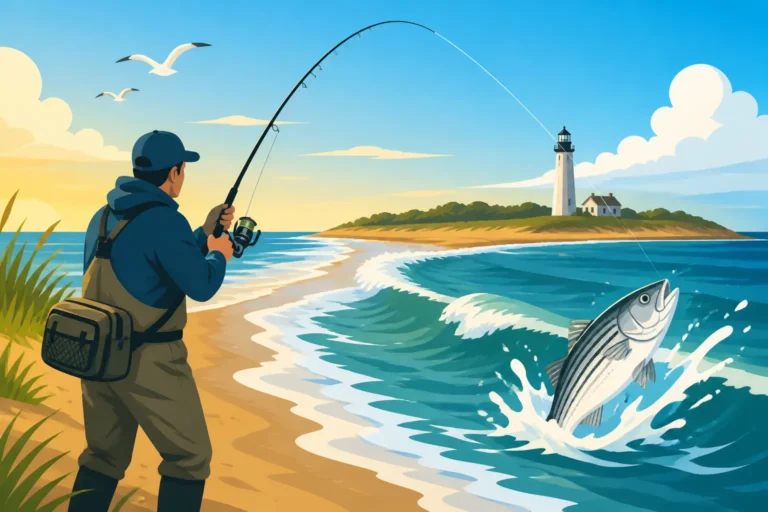
Fall River's location on Mount Hope Bay means that saltwater fishing is just as prominent, if not more so, than its freshwater counterparts for many anglers. The bay and its surrounding waters offer fantastic opportunities for a wide array of marine species, from the hard-fighting striped bass to the delectable tautog. The tidal movements bring in fresh fish, making every outgoing or incoming tide a potential feeding frenzy.
Mount Hope Bay and the Taunton River Estuary
The immediate waters surrounding Fall River – Mount Hope Bay and the lower Taunton River estuary – are dynamic and highly productive for saltwater species. This is where the blend of fresh and salt water creates a rich ecosystem that supports baitfish, which in turn attracts larger predators.
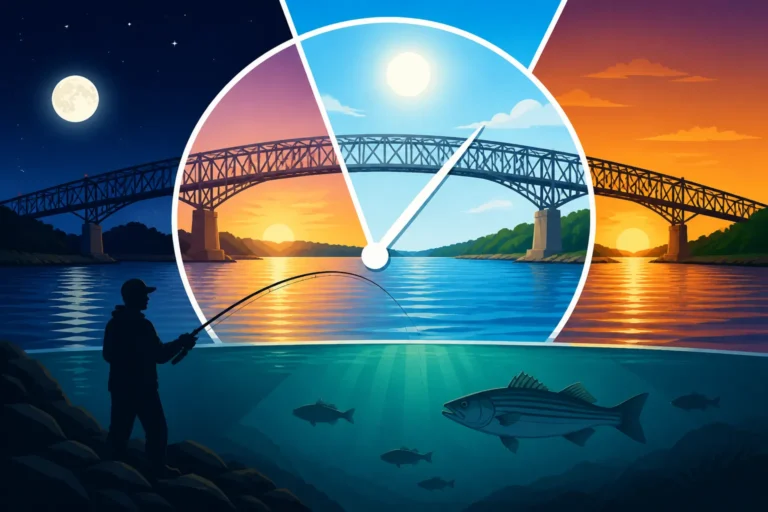
- Striped Bass and Bluefish: These are the kings of Mount Hope Bay. During their migrations, particularly from late spring through fall, the bay fills with schools of stripers and blues chasing baitfish. You can target them from shore along the Fall River waterfront, near the Braga Bridge, or from a boat. Early morning and late evening, especially around tide changes, are prime times. Look for birds diving or baitfish scattering, as these are sure signs of predatory action. Popular techniques include casting artificial lures like topwater plugs or soft plastics, or soaking chunks of menhaden or mackerel. Be sure to understand the Massachusetts Striped Bass Slot Limit Explained before you go, as regulations are strictly enforced.
- Tautog (Blackfish): For those who enjoy bottom fishing, tautog are abundant in the rocky areas and around structures like bridges and jetties in Mount Hope Bay. They are powerful fighters and delicious table fare. Green crabs or Asian crabs are the baits of choice, fished on a stout bottom rig. The season for tautog can be specific with changing bag limits, so always refer to the Massachusetts Saltwater Bag Limits by Species for the most current information.
- Flounder and Scup: While not as common as stripers or tautog, you can also find winter flounder in the spring and scup (porgy) in the warmer months. These species prefer sandy or muddy bottoms and can be caught with small pieces of clam or squid. Fishing from deeper piers or a boat over appropriate bottom structure is usually most effective.
If you're looking to explore these rich waters with a seasoned pro, consider booking a trip through a service like FishingBooker. They can connect you with experienced captains who know the local hotspots and can put you on the fish, ensuring a productive and enjoyable day on the water.
Expanding Your Reach to Nearby Coastal Access
While Fall River's immediate waters are excellent, a short drive opens up even more saltwater fishing possibilities along the Massachusetts South Coast. This allows you to diversify your target species and experience different coastal environments.
- Buzzards Bay (Westport, Dartmouth, New Bedford): Just a short drive east from Fall River, Buzzards Bay offers phenomenal fishing. This bay is famous for its striped bass, bluefish, and especially its black sea bass and fluke (summer flounder). The numerous coves, islands, and rocky ledges provide ample habitat. Westport and Dartmouth offer excellent boat ramps and shore access points. For those who enjoy jigging and bottom fishing, black sea bass here can be numerous and aggressive.
- Rhode Island Borders (Sakonnet River, Tiverton): Fall River is right on the border with Rhode Island, and the Sakonnet River, a tidal strait that connects to Mount Hope Bay, offers similar fishing opportunities. While this guide focuses on Massachusetts, it's worth noting the proximity and potentially similar species and conditions, although you'd need to consider Rhode Island's specific licensing and regulations if crossing state lines.
- South Coast Public Access: The Massachusetts Division of Marine Fisheries (DMF) and MassWildlife manage numerous public access points along the South Coast. These spots, often found in towns like Westport, Dartmouth, and Fairhaven, provide opportunities for shore fishing, kayak launching, and boat access to productive saltwater areas. Finding Best fishing access points on the South Coast can make all the difference in expanding your fishing horizons.
Remember, tides are critical in saltwater fishing. Pay close attention to tide charts for Mount Hope Bay, as incoming and outgoing tides often trigger feeding behaviors, making certain periods more productive than others.
Essential Tips for Anglers in the Fall River Area
Fishing near Fall River, whether in fresh or saltwater, offers a wide range of experiences. To make the most of your trips, it's always helpful to go prepared and understand some local nuances. These tips can help you increase your chances of success and ensure you have a safe and enjoyable time on the water.
Best Practices for Success
Local knowledge and preparation are key to a great day of fishing. Don't underestimate the power of observing your surroundings and adapting your approach.
- Scout Your Spots: Before you even cast a line, take some time to scout the areas you plan to fish. Look for public access points, parking, and visible signs of fish activity like baitfish schools or feeding birds. For freshwater, identify structure such as fallen trees, weed lines, and points. For saltwater, pay attention to current rips, rocky areas, and channels. If you're new to the area or trying a new species, consider a guided trip; many local guides listed on platforms like FishingBooker offer invaluable insights into what's biting and where.
- Match the Hatch (or Bait): In freshwater, observe what insects are active or what small baitfish are present. Matching your lure or fly to these natural food sources can be highly effective. For saltwater, popular baits like menhaden, mackerel, or crabs are often available at local bait shops in Fall River or nearby towns. Using live bait can be incredibly effective, especially for species like striped bass or tautog.
- Understand the Tides (Saltwater): As mentioned, tides are paramount in saltwater fishing. Fish often feed most actively during the movement of water – either an incoming or outgoing tide. Slack tide, when the water is still, can sometimes be slower. Consult a tide chart for Mount Hope Bay and plan your fishing around the peaks of tidal flow for optimal results.
- Vary Your Presentation: If one lure or bait isn't working, don't be afraid to change it up. Experiment with different colors, sizes, depths, and retrieval speeds. Sometimes a subtle change can make all the difference, triggering a bite when nothing else would. This applies to both freshwater and saltwater scenarios.
- Check the Weather and Water Conditions: Always check the weather forecast before heading out. Strong winds can make fishing difficult and even dangerous, especially on larger bodies of water like Long Pond or Mount Hope Bay. Water temperature, clarity, and recent rainfall can also significantly affect fish behavior and location.
Respecting Regulations and Conservation
Massachusetts has robust fishing regulations designed to protect fish populations and ensure healthy ecosystems for future generations of anglers. Being a responsible angler means understanding and adhering to these rules.
- Know Your Limits: Always check the current Massachusetts Recreational Fishing Rules and Bag Limits for specific species, especially for striped bass, bluefish, and tautog in saltwater, and trout or bass in freshwater. These limits can change seasonally or annually, so staying informed is crucial. This not only avoids penalties but also contributes to sustainable fishing practices.
- Catch and Release Ethically: If you're planning to release fish, handle them with care. Use de-hooking tools, minimize their time out of water, and revive them gently if needed. Barbless hooks can also make releases easier.
- Leave No Trace: Pack out everything you pack in. Dispose of all trash, including fishing line, properly. Discarded fishing line can be deadly to wildlife. Let's keep our beautiful fishing spots clean and pristine for everyone to enjoy.
- Avoid Spreading Invasive Species: If you're moving between different freshwater bodies, always clean your boat, trailer, and fishing gear thoroughly to prevent the spread of invasive plants and animals. This is especially important when moving between ponds within the Assawompset Complex.
- Support Conservation: The fees from your Massachusetts Fishing License for Nonresidents or resident licenses directly fund conservation efforts, fish stocking programs, and habitat restoration. By purchasing your license, you're actively contributing to the health of Massachusetts' fisheries. Consider getting involved with local conservation groups if you're passionate about preserving these precious resources.
Local Bait and Tackle Shops
Before you head out, stocking up on the right gear and bait is essential. While there might not be a huge number of specialized tackle shops right in Fall River, several local businesses in the surrounding towns are well-equipped to help. Large retailers like Dick's Sporting Goods (in North Dartmouth or Swansea) often have a decent fishing section. However, for more specialized local advice and bait, smaller, independent shops often near prime fishing areas are your best bet. A quick online search for "bait and tackle near Fall River, MA" will usually yield the most up-to-date options. These shops can also be a fantastic source of real-time local fishing reports and tips from fellow anglers.
Here’s a quick overview of potential species you might encounter near Fall River:
| Water Type | Primary Target Species | Common Lures/Bait | Best Season |
|---|---|---|---|
| Freshwater | Largemouth Bass | Plastic worms, jigs, crankbaits, live shiners | Spring, Summer, Fall |
| Freshwater | Chain Pickerel | Spoons, spinnerbaits, live shiners | All year, especially Winter (ice fishing) |
| Freshwater | Yellow Perch | Worms, small jigs, minnows | All year |
| Freshwater | Trout (stocked) | PowerBait, worms, small spinners, flies | Spring, Fall |
| Saltwater | Striped Bass | Plugs, soft plastics, eels, chunk bait (menhaden, mackerel) | Late Spring, Summer, Fall |
| Saltwater | Bluefish | Topwater plugs, spoons, chunk bait | Summer, Early Fall |
| Saltwater | Tautog (Blackfish) | Green crabs, Asian crabs | Spring, Fall |
| Saltwater | Flounder (Winter/Sum.) | Small jigs, worms, clam pieces | Spring (winter), Summer (summer) |
Remember, fishing is as much about patience and learning as it is about catching. The Fall River area provides an incredible classroom for anglers of all skill levels, with its diverse waters and abundant fish.
Disclaimer
Please be aware that fishing regulations, including licensing requirements, bag limits, and seasons, are subject to change. Always consult the official Massachusetts Division of Fisheries and Wildlife (MassWildlife) and the Massachusetts Division of Marine Fisheries (DMF) websites or their most current regulations pamphlets before heading out to fish. This guide provides general information and should not be considered a substitute for official government resources.