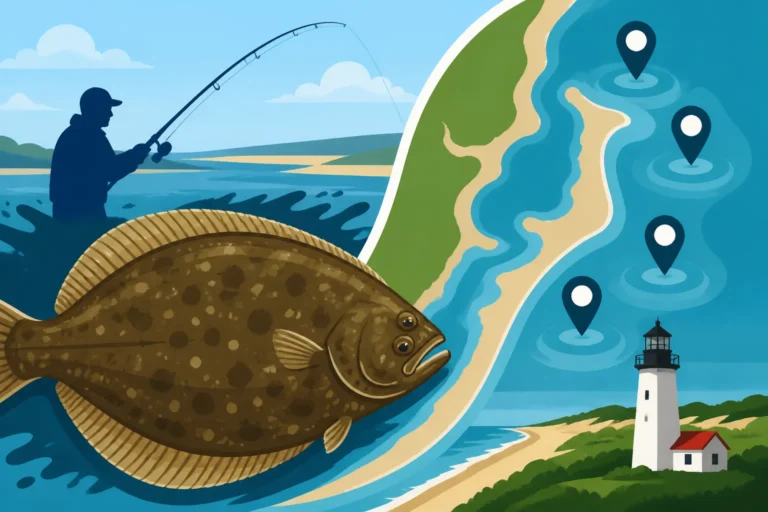
Best fishing spots near New Bedford for shore anglers
It's no secret that finding fantastic shore fishing spots near a bustling city like New Bedford can feel like a real treasure hunt. You're constantly battling crowds, navigating tricky access points, and wondering if that promising-looking stretch of water is even legal to fish. This guide is here to cut through that frustration, giving you the insider scoop on the best shore angling locations around New Bedford, complete with tips, tricks, and what to expect when you cast a line.
Understanding the Unique Challenges of Shore Fishing Near New Bedford
Shore fishing, in general, has its own set of hurdles, but when you throw in an urban environment like New Bedford, those challenges can really multiply. It's not just about knowing where the fish are; it's about knowing where you can actually get to them, legally and safely.
Navigating Urban and Industrial Waterfronts
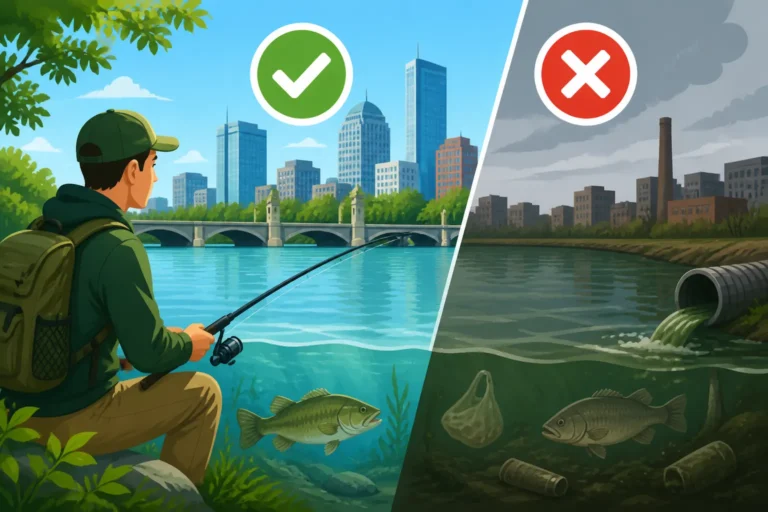
One of the biggest headaches for shore anglers in developed areas is the sheer lack of accessible coastline. Many prime waterfront areas near New Bedford are taken up by commercial docks, industrial facilities, or private residences. You might see a beautiful stretch of water, but getting to it without trespassing or encountering "no fishing" signs can be a real ordeal. It’s frustrating to drive past tantalizing spots only to find them completely off-limits.
Beyond access, safety becomes a real concern. Busy harbors mean boat traffic, which can make casting difficult and even dangerous. You also need to be mindful of your surroundings, especially if you're fishing alone or during off-peak hours. It’s a completely different vibe than casting on a quiet beach on Cape Cod. Plus, parking can be a nightmare, and sometimes, the best spots require a bit of a hike, so being prepared with lightweight gear is key.
Tidal Flows and Current Considerations
Buzzards Bay, where New Bedford is located, is a dynamic body of water with significant tidal swings and strong currents, particularly around choke points and inlets. This isn't like fishing a placid freshwater pond. The ebb and flow of the tide directly impact fish behavior and, consequently, your success. Fishing at the wrong tide can mean casting into a barren wasteland or, conversely, into currents so strong your bait gets ripped away instantly.
Understanding the tides is absolutely crucial here. For many species like striped bass and bluefish, moving water is an advantage, as it stirs up baitfish and creates ambush points. However, too much current can make it impossible to get your lure or bait down to where the fish are holding. This often means timing your trips around the peak of the incoming or outgoing tide, or targeting slack tide periods, depending on your chosen spot and species. It takes practice and a bit of local knowledge to really dial in the perfect conditions.
Prime Shore Fishing Locations in and Around New Bedford
Despite the challenges, the New Bedford area offers some fantastic opportunities for shore anglers who know where to look. You just need to be strategic about it!
Fort Taber Park and Fort Rodman
If you ask any local angler where to start, Fort Taber Park is almost always at the top of the list, and for good reason. Located at the southern tip of the New Bedford peninsula, this park offers a unique combination of historical significance and excellent fishing access. The old fortifications provide structure, and the diverse shoreline means you have options.
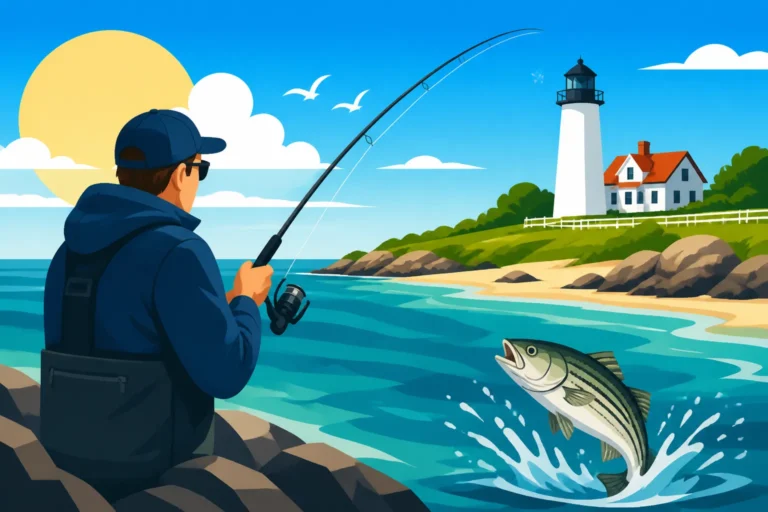
The main draw here is the access to deep water and strong currents that attract a variety of species. Anglers often fish directly from the rocky shoreline, jetties, or even the remnants of old piers. You can target striped bass, especially during the spring and fall runs, often finding them chasing baitfish right off the rocks. Bluefish are also common visitors, particularly in the warmer months. Many anglers also find good success bottom fishing for tautog, scup, and even winter flounder, especially in the calmer coves. For a comprehensive guide on what you can legally keep, make sure to check the Massachusetts Recreational Fishing Rules and Bag Limits. The park offers ample parking and facilities, making it a comfortable spot for a full day of fishing.
Fairhaven Shoreline: Fort Phoenix and West Island
Just across the harbor from New Bedford, the town of Fairhaven boasts its own share of excellent shore fishing spots. These locations offer a slightly different feel, often with more sandy stretches but still with plenty of structure.
Fort Phoenix State Reservation in Fairhaven is another historical site with great fishing potential. The stone pier here is a popular spot, providing excellent access to deeper water without needing a boat. It's a fantastic place for anglers of all ages, offering a relatively safe and stable platform to cast from. Striped bass and bluefish are common catches, particularly during dawn and dusk. You'll also find scup and a variety of other bottom fish here. The sandy beaches on either side of the fort can also be productive for surfcasting, especially if you're targeting fluke or even small stripers feeding in the shallows. When you're thinking about your gear for these spots, consider a versatile setup like those discussed in "Massachusetts Surf Fishing Techniques".
Further east in Fairhaven, West Island State Reservation is a hidden gem that offers a more remote, natural fishing experience. The causeway leading to West Island itself can be fished, particularly on either side of the bridge structure, where currents are often concentrated. Once on the island, you'll find rocky shorelines and small beaches. It's an excellent spot for targeting striped bass, especially if you're casting plugs or live bait near the rocky points. The area around West Island is also known for tautog, particularly during their prime season, and you might even hook into a black sea bass or two. For details on black sea bass fishing, a great resource would be "Massachusetts Black Sea Bass Season Dates". The quiet atmosphere and beautiful scenery make it a perfect escape for serious anglers.
Other Notable Shore Access Points (Dartmouth, Westport)
Venturing slightly south and west from New Bedford opens up even more possibilities, offering a change of scenery and different fishing dynamics. The towns of Dartmouth and Westport, while a bit more spread out, have some fantastic coastal access points.
In Dartmouth, destinations like Round Hill Beach or areas around the Apponagansett Bay can provide good shore fishing, though public access can be a bit more limited to designated spots. These areas often feature a mix of sandy beaches and rocky outcrops, perfect for casting a variety of lures or soaking bait. You'll likely encounter striped bass, bluefish, and fluke. For dedicated fluke anglers, understanding "How to Catch Fluke in Massachusetts" will be invaluable here.
Westport, a bit further out, offers a more classic "beach fishing" vibe, especially along Horseneck Beach State Reservation. This expansive barrier beach provides miles of open surfcasting opportunities. Here, you'll be primarily targeting striped bass and bluefish with surf rods, casting into the waves. The sheer length of the beach means you can often find uncrowded sections, allowing for a more peaceful fishing experience. These open beaches are also excellent for catching sand eels and other baitfish, which in turn attract larger predators. For those looking to broaden their options, checking out a "Buzzards Bay Fishing Guide, Massachusetts" will give you a better sense of the overall fishery.
| Fishing Spot | Primary Target Species | Best Techniques | Notes |
|---|---|---|---|
| Fort Taber Park | Striped Bass, Bluefish, Tautog, Scup | Jetty fishing, rocky shore casting, bottom fishing | Deep water, strong currents, historical site, good parking |
| Fort Phoenix State Res. | Striped Bass, Bluefish, Scup, Fluke | Pier fishing, surfcasting | Accessible pier, sandy beaches, family-friendly |
| West Island State Res. | Striped Bass, Tautog, Black Sea Bass, Fluke | Rocky shore casting, causeway fishing | More natural feel, good for targeting structure-oriented fish |
| Horseneck Beach (Westport) | Striped Bass, Bluefish, Fluke | Surfcasting | Miles of open beach, good for fall run, less crowded |
Essential Gear and Techniques for New Bedford Shore Anglers
Having the right gear and knowing how to use it can make all the difference between a frustrating day and a memorable one. Shore fishing in this region demands versatility.
Rod and Reel Setups for Varied Conditions
You really don't need a boatload of expensive gear to get started, but having a couple of versatile setups will serve you well. For general shore fishing around New Bedford, a medium-heavy spinning rod, around 9 to 10 feet in length, paired with a reliable 5000-6000 size reel, spooled with 30-40 lb braided line, is a fantastic all-around choice. This setup gives you the casting distance needed for open beaches like Horseneck and enough backbone to handle the strong currents at Fort Taber or the potential for a decent-sized striped bass.
For those focusing on specific areas or species, you might consider a slightly heavier surf rod (10-12 feet) for maximum casting distance if you're really trying to reach distant rips or rock piles. Conversely, if you're planning to focus on closer-in fishing for tautog around the jetties or smaller fish in calmer coves, a medium-action rod around 7-8 feet might be more comfortable and sensitive. Don't forget to equip yourself with appropriate leaders; fluorocarbon in the 20-40 lb range is often preferred for its abrasion resistance and invisibility underwater, especially when targeting wary fish like striped bass. For more on what to carry, check out "Massachusetts Fishing License Guide" to ensure you have your legal requirements covered.
Baits, Lures, and Rigs for Local Species
The diversity of fish species around New Bedford means you'll want a variety of baits and lures in your tackle box. For striped bass and bluefish, which are often the primary targets, plugs like poppers, pencils, and swimmers are incredibly effective, especially during low light conditions or when baitfish are active. Soft plastics on jig heads, such as Hogys or Slug-Gos, can imitate eels or bunker and are lethal when fished slowly. If you're using bait, fresh bunker (pogies), mackerel, or eels are top choices for bigger striped bass.
When targeting bottom dwellers like tautog, crabs (green crabs are excellent) are king. Shrimp, clams, or seaworms are also effective for scup and winter flounder. For fluke, bucktail jigs tipped with Gulp! Swimming Mullets or strips of squid are hard to beat. Simple high-low rigs with circle hooks are great for presenting bait on the bottom. Remember, fresh bait is almost always better, so stopping by a local bait shop on your way to the spot is a smart move. You'll find specific recommendations for your target species, like those in "Best Bait for Tautog Fishing in Massachusetts" which is a must-read if you're hitting the jetties.
Safety and Etiquette for Urban Shore Fishing
Fishing in urban and public areas comes with extra responsibilities. Always be aware of your surroundings, especially if you're casting. A wayward plug can do some serious damage, so make sure your back cast is clear of people and property. Headlamps are indispensable for early morning or late-night excursions, helping you navigate rocky terrain and tie knots safely. It's also wise to bring a first-aid kit, just in case of minor cuts or hook incidents.
Beyond personal safety, practicing good etiquette is paramount. Always pack out what you pack in, and if you see any trash, take an extra moment to pick it up. Be respectful of other anglers – don't crowd their spot or cast over their lines. If you're fishing near residential areas, keep noise levels down, especially during quiet hours. Remember, our access to these spots depends on us being good stewards of the environment and considerate neighbors. Also, be sure to know the Massachusetts Saltwater Recreational Fishing Permit Explained requirements before you head out.
Maximizing Your Catch: Timing, Tides, and Local Knowledge
Success in shore fishing near New Bedford is rarely just about luck. It's about combining your efforts with the rhythms of the ocean and tapping into local wisdom.
Best Seasons and Times of Day to Fish
The fishing seasons in Massachusetts greatly influence what you'll catch from shore. Spring (April-May) sees the arrival of striped bass, often starting with schoolies, but bigger fish follow quickly as the water warms and baitfish become abundant. This is also a good time for tautog and winter flounder. Summer (June-August) is prime for bluefish, scup, and fluke, with striped bass still active, especially during cooler evenings or early mornings. Fall (September-November) brings the famed "fall run," where striped bass and bluefish aggressively feed before migrating south. This can be one of the most productive times for shore anglers. You can dive deeper into these seasonal patterns by exploring "Massachusetts Saltwater Fishing Seasons."
As for the time of day, generally speaking, dawn and dusk are almost always the most productive periods for many predatory fish like striped bass and bluefish. The lower light conditions give them an advantage over their prey, and baitfish are often more active. However, don't discount night fishing for larger striped bass, especially around jetties and rocky points where they hunt under the cover of darkness. Mid-day can still be good for bottom fish like scup and tautog, especially if you're fishing deeper areas or during an advantageous tide.
Reading the Water and Utilizing Local Resources
One of the most valuable skills an angler can develop is learning to "read the water." Look for signs of baitfish, like nervous water, splashing, or diving birds. Observe how the current moves around structure – eddies and rips are often prime ambush points for fish. Pay attention to changes in water color, temperature, or the presence of seaweed, as these can all impact where fish are holding.
Beyond your own observations, leveraging local resources is a game-changer. Local bait and tackle shops are invaluable. The folks working there often have real-time reports on what's biting, where, and with what. Don't be shy; strike up a conversation! Online fishing forums and social media groups dedicated to Massachusetts fishing can also provide a wealth of information from fellow anglers. Services like FishingBooker, while primarily known for charters, sometimes have fishing reports or can help you connect with local guides who might offer shore-based clinics or advice. Remember, local knowledge is gold, and experienced anglers can provide insights on everything from the subtle nuances of a particular spot to the current "Massachusetts Striped Bass Slot Limit Explained."
Connecting with the Local Fishing Community
You know, one of the most enriching parts of fishing isn't just the catch, but the community you become a part of. The fishing scene around New Bedford is vibrant, and local bait shops are truly the heart of it. Places like New Bedford Bait & Tackle are more than just stores; they’re hubs of information. When you pop in to grab some fresh green crabs for tautog or a new lure for striped bass, take a moment to chat with the staff and other anglers. They'll often share tips on recent catches, what tides have been hot, or even suggest a less-known spot if you're respectful and genuinely interested.
Beyond the tackle shops, consider joining local fishing clubs or online forums dedicated to Massachusetts fishing. This is where you can really dive deep into the specific challenges and rewards of shore fishing in the region. You might find detailed discussions about "Massachusetts Saltwater Bag Limits by Species" or discover new rigging techniques that local experts swear by. You can learn about everything from the best way to rig live eels for stripers to where the scup are schooling up. Even if you don't consider yourself a social butterfly, just being a quiet observer in these spaces can dramatically accelerate your learning curve. FishingBooker also offers a way to browse different captains and see where they fish, which can give you ideas about productive areas, even if you’re fishing from shore. The shared passion for fishing creates a welcoming atmosphere, and you’d be surprised how eager fellow anglers are to help each other succeed, as long as you return the courtesy.
Disclaimer
The information provided in this guide is for general informational purposes only and is subject to change. Always consult the official Massachusetts Division of Marine Fisheries (MassDMF) regulations and local ordinances before fishing. Fishing conditions, species availability, and access points can vary. Practice safe angling and respect private property.