Best spots for flounder near Wellfleet
Finding the best spots for flounder near Wellfleet can feel like searching for a needle in a haystack, especially with the ever-changing tides and seasonal movements of these delicious bottom-dwellers. Many anglers get frustrated drifting over barren sand or spending precious time in areas where flounder are just passing through. This guide is here to cut through the guesswork, offering you detailed, tried-and-true locations and tactics to help you land more flounder in and around Wellfleet's rich waters.
Unraveling Wellfleet's Allure for Flounder Fishing
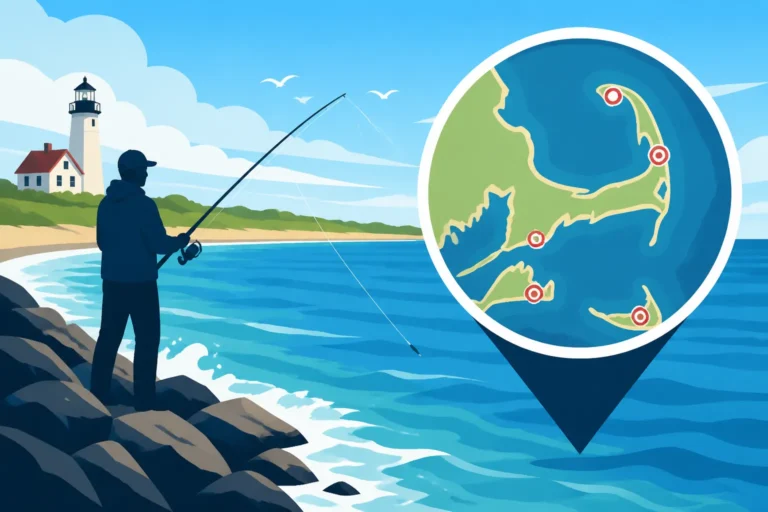
Wellfleet, nestled on the inner arm of Cape Cod, offers a unique environment that is incredibly attractive to flounder. Its geography, with expansive shallow flats, intricate marsh systems, and deeper channels leading into Cape Cod Bay, creates a perfect habitat for these fish. Understanding why flounder thrive here is the first step to consistently finding them.
Why Wellfleet's Waters Attract Flounder
Wellfleet's diverse underwater topography is a major draw. The harbor itself, along with the adjacent flats and estuaries, provides miles of sandy and muddy bottoms – precisely what flounder love. These areas are rich in the small invertebrates, worms, and baitfish that make up the bulk of a flounder's diet. As the tides ebb and flow, they carry food particles and small marine life, creating a constant buffet line for hungry flounder lurking on the bottom. The calmer, protected waters of the bay side, compared to the more exposed ocean side, also offer refuge and stable conditions, especially during colder months or harsher weather. This means flounder often choose these sheltered zones for feeding and overwintering, making them prime targets for anglers. The extensive eelgrass beds found in some of these shallower areas also provide both cover and an additional food source, further cementing Wellfleet's status as a flounder hotspot.
Understanding the Flounder Species in Outer Cape Waters
When you're fishing for flounder near Wellfleet, you're primarily looking for two species: winter flounder and summer flounder, also commonly known as fluke. While both are "flounder," they have distinct characteristics and preferences, which means your approach might need to shift depending on what you're targeting.
Winter flounder, true to their name, are more active in cooler waters, typically showing up strong in early spring and lingering into late fall. They prefer softer, muddy or sandy bottoms in shallower bays and estuaries. Their mouths are small, and they feed on tiny crustaceans, worms, and mollusks, often taking small baits with a delicate bite. They are generally brown to olive green on top, with a white underside. You'll often find them congregating in shallow flats and the channels leading to them.
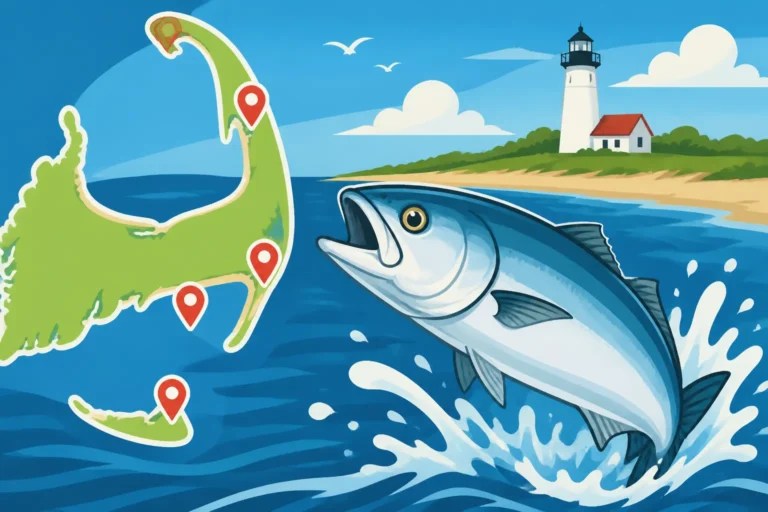
Summer flounder, or fluke, are a warm-water species, arriving as the bay waters heat up, usually from late May through early October. Unlike their winter counterparts, fluke are more aggressive predators with larger mouths, often ambushing baitfish like spearing, sand eels, and small squid. They prefer sandy bottoms, often near structure or drop-offs, and tend to be found in slightly deeper waters, though they'll push into the shallows on a strong incoming tide to feed. Their coloration can vary, often matching their surroundings with mottled browns, grays, and whites, allowing them to blend seamlessly into the bottom. Identifying a "keeper" fluke is also important, as Massachusetts fluke minimum size, shore versus boat regulations can differ, making it crucial to know your limits.
Prime Shore and Pier Fishing Locations Near Wellfleet
Many fantastic flounder fishing opportunities near Wellfleet don't require a boat. Shore anglers, or those using piers, can find great success by targeting specific areas that concentrate these bottom-dwelling fish. The key is understanding the local tides and bottom structure.
Wellfleet Harbor and its Productive Flats
Wellfleet Harbor is a quintessential flounder haven, particularly for winter flounder in the spring. The expansive, muddy and sandy flats that surround the main channel are a goldmine when the tide is moving. Anglers often find success fishing from the various accessible spots around the harbor, including near the town pier or along the fringes of the flats during an incoming or outgoing tide. The channels themselves, especially where they narrow or where there's a slight drop-off, act as natural highways for flounder moving to and from feeding grounds. Early mornings and late afternoons are often the most productive, as flounder can be less wary in lower light conditions. You'll want to target areas where the current isn't too strong, allowing your bait to settle on the bottom naturally. It’s a great spot to try for that early season bite, before the boat traffic really picks up. Make sure you have your Massachusetts Saltwater Recreational Fishing Permit Explained before you cast your line.
Exploring Chequessett Neck Road Access Points
Chequessett Neck Road, winding along the western side of the Wellfleet peninsula, provides several excellent access points for shore-bound anglers. This area offers a mix of protected flats, small estuaries, and marsh edges that flounder absolutely love. You can find small pull-offs or designated parking areas that allow you to walk out onto the flats during lower tides, or cast into deeper pockets as the tide comes in. The mouth of the Herring River, where it empties into the bay, can also be a productive area, as the mixing of fresh and saltwater often attracts baitfish and, consequently, flounder. These spots are less crowded than the main harbor and offer a more serene fishing experience. Just be mindful of private property and follow all local regulations regarding access. A good pair of waders can be invaluable here, allowing you to get further out onto the flats and reach less pressured water.
Boat Access and Offshore Spots for Wellfleet Flounder
While shore fishing offers fantastic opportunities, having a boat can unlock an even wider array of productive flounder grounds around Wellfleet. These areas often provide access to deeper channels, larger flats, and more isolated structure where flounder congregate.
Navigating the Inner Bay for Bottom Dwellers
For those with a boat, the inner reaches of Cape Cod Bay, immediately outside Wellfleet Harbor, present a vast expanse of prime flounder habitat. The key here is to look for subtle changes in bottom contour, such as slight depressions, the edges of channels, or areas where sand meets mud. Drifting with the tide over these large flats is a highly effective method. Utilize your fish finder to identify these bottom transitions and any congregations of baitfish. Areas like Billingsgate Shoal, while more well-known for striped bass, also hold excellent numbers of fluke and winter flounder on its fringes and in the surrounding deeper cuts. The beauty of boat fishing in this area is the ability to cover significant ground and find those sweet spots that might be inaccessible from shore. If you're looking for guidance, local charters often specialize in these inner bay spots and can be found on platforms like FishingBooker, offering invaluable local knowledge. Remember to check Massachusetts Saltwater Bag Limits by Species for all the fish you target.
Deeper Waters and Structure Beyond the Harbor
While flounder often prefer shallower grounds, some of the best summer fluke fishing can be found in slightly deeper waters, especially around underwater structures or subtle drop-offs. Outside the immediate harbor entrance, as the depths increase, you'll encounter more pronounced channels and humps. Fluke, being more predatory, will often stage along these deeper edges, waiting to ambush baitfish being swept by the current. Look for areas with a mix of sand and gravel, or even some rocky patches where flounder can hide. These spots often require a bit more effort to locate but can yield larger summer flounder. A good topographic chart and a reliable GPS are indispensable for identifying these offshore honey holes. The deeper parts of Wellfleet's bay-side, leading towards areas like Truro and Eastham, can also hold transient populations of fluke throughout the summer, making them worth exploring. If you're curious about specific fish, you can also check out resources on How to Catch Fluke in Massachusetts.
Mastering Techniques and Timing for Wellfleet Flounder
Catching flounder isn't just about finding the right spot; it's also about presenting your bait correctly and understanding when these fish are most active. A little finesse and knowledge of their behavior can make a huge difference in your success rate.
Recommended Gear and Effective Baits
For flounder fishing, lighter tackle is generally preferred, allowing you to feel their often subtle bites. A sensitive rod, around 6 to 7 feet in length with a fast or moderate-fast action, paired with a spinning reel spooled with 10-15 lb braided line (with a fluorocarbon leader) is ideal. The braided line offers excellent sensitivity to detect those gentle taps on your bait. When it comes to rigs, a classic flounder rig or a simple high-low rig with two snelled hooks (size #4 to #1) above a bell sinker (1-4 oz, depending on current) works wonders.
As for bait, natural options are almost always king for flounder. Sea worms (sandworms or bloodworms) are perhaps the most effective, especially for winter flounder. Small pieces of clam (sea clam or surf clam) are also incredibly potent. For summer flounder (fluke), small live baitfish like mummichogs, silversides, or spearing, as well as strips of squid or cut bait (like mackerel or bunker), are excellent choices. Artificial options like Gulp! Alive sandworms or swimming mullet are also very effective, especially when tipped onto a jig or a baited rig, and can be particularly useful when fishing from shore or if natural bait is scarce. Considering the Massachusetts Recreational Fishing Rules and Bag Limits will ensure you're compliant with regulations.
Best Seasons and Tides for Success
Timing is everything when it comes to flounder fishing. For winter flounder, the peak season typically runs from early April through June, and again in the fall from September through November, as water temperatures cool. They become less active during the hottest parts of summer. For summer flounder (fluke), their season kicks off in late May or early June and continues through September or early October, aligning with warmer water temperatures. For specific regulations and opening dates, you should always consult the official MassWildlife guide or search for "When fluke season starts in Massachusetts in 2026".
Regardless of the species, tidal movement is crucial. Flounder are opportunistic feeders that rely heavily on the current to bring food to them. The last two hours of an incoming tide and the first two hours of an outgoing tide are often the most productive, especially around harbor entrances, channels, and creek mouths. This is when the water is moving, stirring up the bottom and making bait readily available. Slack tide can often be slow, as the lack of current means less food movement. Paying close attention to the tide charts for Wellfleet is non-negotiable for successful flounder fishing.
Seasonal Shifts and Flounder Fishing Opportunities
The type of flounder you'll encounter and the best way to target them can change dramatically throughout the year. Understanding these seasonal shifts is crucial for adapting your strategy and maximizing your chances of a successful outing in Wellfleet.
Spring Flounder Runs: The Early Bird Catches the Worm
As the chill of winter recedes and the waters of Cape Cod Bay begin to warm in early spring, usually from April into May, the winter flounder truly shine around Wellfleet. This is when they move into the shallower, sun-warmed bays and estuaries to feed actively before spawning. They'll congregate in impressive numbers on those expansive muddy flats and along the edges of the main harbor channel. The key to spring success is often a slow, deliberate presentation of small, juicy baits like bloodworms or pieces of clam on a simple flounder rig.
During this period, focus your efforts on the shallower areas of Wellfleet Harbor, particularly around the town pier and the inner reaches of the bay where the mud bottom holds warmth. The early morning incoming tide is often gold. This is when the fish are hungry and less spooky. You might be surprised at the sheer volume of flounder that can be caught during this peak spring run. Anglers often keep a keen eye on the official Massachusetts Trout Stocking Schedule for freshwater, but for saltwater, it’s about watching water temperatures and local fishing reports for flounder.
Summer Fluke Opportunities: A More Aggressive Game
Once the water temperatures consistently rise into the mid-60s Fahrenheit, typically from late May or early June through September, the summer flounder, or fluke, become the primary target around Wellfleet. These are the more aggressive, larger-mouthed cousins of the winter flounder, and they require a slightly different approach. Fluke are ambush predators, often found lying in wait on sandy bottoms near structure, drop-offs, or even scattered eelgrass beds. They prefer to hit moving bait.
Drifting with bucktail jigs tipped with squid strips, Gulp! artificials, or live bait (like spearing or sand eels) is a highly effective method from a boat. From shore, casting and slowly retrieving these baits along channel edges or sandy beach fronts can also yield results. Target the slightly deeper areas of Cape Cod Bay outside Wellfleet Harbor, especially around the edges of shoals and channels where there’s a good current. Remember, specific regulations for fluke, including the Massachusetts fluke minimum length when fishing from a boat and the daily bag limits, are strictly enforced, so be sure to review them before you head out. Finding a good guide through FishingBooker might also give you an edge in locating those summer hot spots for fluke.
Fall Flounder Fishing: A Cooler Comeback
As autumn arrives and the water temperatures begin to drop again, usually from late September through November, you'll see a resurgence in both winter flounder activity and some lingering fluke. The fall run for winter flounder can be incredibly productive, often mirroring the spring bite as these fish feed heavily to bulk up for winter. They will again concentrate in the shallower, protected bays and estuaries, much like they did in spring.
For fluke, the cooler fall waters can sometimes trigger a "false albie" or bonito-like feeding frenzy on baitfish, making them more aggressive and accessible, especially in early fall. As the season progresses, they'll begin their migration out of the bay and into deeper offshore waters. This transitional period can offer excellent mixed bag fishing. Focus on similar spots to spring for winter flounder, and for fluke, continue to target those drop-offs and channel edges, but perhaps in slightly shallower water as they follow baitfish. Many anglers consider this one of the Best Time of Year to Fish in Massachusetts for a variety of species, including flounder.
Here’s a quick overview of key flounder fishing points near Wellfleet:
| Fishing Spot / Area | Primary Flounder Species | Best Access | Key Tactics | Optimal Tide |
|---|---|---|---|---|
| Wellfleet Harbor & Inner Flats | Winter Flounder | Shore/Boat | Bottom rigs with worms/clam, slow retrieve | Incoming/Outgoing |
| Chequessett Neck Road Access | Winter Flounder | Shore | Wading the flats, targeting creek mouths | Incoming/Outgoing |
| Outer Bay Flats (near Wellfleet) | Winter/Summer Flounder | Boat | Drifting with bait/jigs, bottom probing | Moving Tide |
| Billingsgate Shoal (fringes) | Summer Flounder | Boat | Drifting jigs/live bait on drop-offs | Moving Tide |
| Harbor Channels & Drop-offs | Winter/Summer Flounder | Boat/Shore | Targeting current seams with bait/jigs | Moving Tide |
Disclaimer
Please be aware that fishing regulations, including licensing requirements, size limits, and bag limits, can change. Always consult the latest Massachusetts Division of Marine Fisheries (MassDMF) regulations before heading out on the water. This guide is for informational purposes only and should not be considered a substitute for official regulations.