Quabbin Reservoir’s William E. Pula Fishing Area
There's nothing quite like the immense beauty and sheer scale of the Quabbin Reservoir, but for many anglers, its vastness and unique regulations can feel a bit overwhelming when you're just trying to figure out where to cast a line. You might be dreaming of pulling in a trophy landlocked salmon or a feisty smallmouth bass, yet the thought of navigating all those gates and rules can stop you before you even leave the driveway. This guide is specifically designed to demystify one of Quabbin's most accessible and productive spots: the William E. Pula Fishing Area, ensuring your next trip is focused on fishing, not frustration.
Understanding the William E. Pula Fishing Area at Quabbin Reservoir
The Quabbin Reservoir isn't just a body of water; it's a cornerstone of Massachusetts' natural heritage and a critical drinking water supply for millions. Because of its dual role, fishing here comes with a unique set of rules and a distinct character. Among its many access points, the William E. Pula Fishing Area stands out as a particularly popular and well-regarded location, offering a fantastic experience for both shore anglers and those looking to get out on the water. It's truly a gem for anglers seeking coldwater species in a serene, managed environment.
The area is named in honor of William E. Pula, a dedicated employee who played a significant role in the stewardship and public access efforts for the Quabbin and Wachusett Reservoirs. This designation underscores its importance as a primary point of contact for anglers. It’s more than just a boat ramp; it’s a gateway to some of the most exciting fishing Massachusetts has to offer, particularly for those targeting deeper, colder waters. When you arrive, you’ll immediately appreciate the thoughtful layout designed to facilitate a smooth and enjoyable fishing experience, even with the stringent regulations in place.
Location and Access Points
The William E. Pula Fishing Area is primarily accessed via Gate 8 on the western side of the Quabbin Reservoir in Hardwick, MA. If you're coming from the east or west, you'll typically take Route 9 or Route 32 and then follow the signs towards the reservoir and Gate 8. This gate is widely recognized as one of the main public access points for both shore fishing and boat launching activities. The drive itself, winding through the picturesque central Massachusetts landscape, adds to the anticipation of a day on the water.
Upon arrival at Gate 8, you'll find ample parking, though it can fill up quickly on peak weekends, especially during the spring trout and salmon runs. From the parking area, access to the shoreline for fishing is straightforward, with well-maintained paths leading to various vantage points. For boaters, the access ramps are clearly marked, and the process for launching, while requiring adherence to specific rules, is efficiently managed. It’s important to remember that this is a highly controlled watershed, so every step, from parking to fishing, is designed with conservation and public safety in mind.
Unique Regulations and Permit Requirements
Fishing at Quabbin Reservoir, including the William E. Pula Fishing Area, isn't quite like fishing anywhere else in Massachusetts. The most crucial thing to understand is that in addition to your standard Massachusetts Fishing License Guide, you absolutely need a separate Quabbin Reservoir fishing permit. This isn't just a suggestion; it's a mandatory requirement, and conservation officers are diligent in checking. The good news is that acquiring a Quabbin fishing permit is a fairly straightforward process, typically done online or at the Quabbin Visitor's Center. Make sure you have this squared away before you even think about heading out.
Beyond the permit, there are stringent regulations concerning boats and fishing practices. For instance, private canoes and kayaks are permitted, but they must undergo a mandatory decontamination process at designated stations to prevent the spread of invasive species. This is a critical step, and failing to comply will mean you won't be able to launch your boat. Motorized boats are strictly regulated: only boats owned and rented from the Department of Conservation and Recreation (DCR) are allowed, and these rentals come with specific horsepower limits (currently 20hp or less). There are also specific rules about bait, tackle, and even the types of fish you can keep. Always consult the most current regulations available on the MassDCR website or at the Quabbin Visitor Center before your trip, as these can change. You can find more detailed information on Quabbin Reservoir Fishing Permits and Rules in Massachusetts to ensure you're fully prepared.
The Pula Area's Ecological Significance
The William E. Pula Fishing Area isn't just a popular fishing spot; it's a gateway to a remarkably healthy and biodiverse aquatic ecosystem that is carefully managed for both recreation and water supply protection. The deep, cold waters of the Quabbin Reservoir, fed by numerous clean tributaries, create ideal conditions for coldwater species that thrive in such environments. This includes the highly sought-after landlocked salmon and lake trout, which rely on these specific conditions for their survival and growth. The reservoir's vast size and varying depths also provide diverse habitats, from shallow coves to deep offshore trenches, supporting a complex food web.
The ecological management of Quabbin goes beyond just stocking fish. The DCR and MassWildlife work hand-in-hand to monitor water quality, control invasive species, and maintain the delicate balance of the reservoir's flora and fauna. This commitment to conservation directly impacts the quality of the fishing experience. Healthy forage bases, like alewives and smelt, contribute to the impressive size and fighting spirit of the game fish found here. When you fish the Pula Area, you're not just fishing; you're participating in a carefully managed natural resource, and understanding its ecological significance deepens the appreciation for every cast and every catch.
Prime Fish Species to Target in the Pula Area
The William E. Pula Fishing Area at Quabbin Reservoir is renowned for its diverse fishery, particularly its robust population of coldwater species. While many lakes across Massachusetts offer excellent bass or panfish opportunities, Quabbin shines when it comes to species that thrive in deeper, colder water. Anglers flock here specifically for the chance to hook into some truly impressive fish that are less common in other parts of the state. Knowing what to target, and when, is key to maximizing your success.
The reservoir's unique environment, characterized by its substantial depth, cool temperatures, and abundant forage, creates an almost perfect habitat for these demanding species. This means that while you might be accustomed to chasing largemouth bass in warmer, shallower ponds, at Quabbin's Pula Area, you'll be adjusting your tactics to pursue species that prefer the cooler thermocline. It's a different challenge, but one that offers incredible rewards in terms of fight and flavor.
Landlocked Salmon and Lake Trout Strategies
These are the superstars of Quabbin Reservoir, and the Pula Area offers prime access to their haunts. Landlocked salmon and lake trout are coldwater predators, often found in the deeper, cooler sections of the reservoir, particularly as the water warms in late spring and summer. Spring is often considered the Best time to fish Quabbin Reservoir for trout and salmon, especially immediately after ice-out, when these fish are more active in shallower waters before retreating to the depths.
For landlocked salmon, trolling is often the most effective method, mimicking their pursuit of baitfish like alewives. Small spoons, stickbaits, and streamer flies trolled at various depths can be incredibly productive. You'll want to use a downrigger or weighted lines to get your lures into the thermocline where these fish are actively feeding. Lake trout, on the other hand, are often found even deeper. Jigging with heavy spoons or blade baits directly over deep structure, or trolling large spoons and plugs, are common tactics. Many anglers specifically visit the Pula Area as it's often considered the Best fishing area at Quabbin Reservoir for salmon due to its deep access. Remember, these fish put up a tremendous fight, so stout tackle is a must. For those looking to learn more about targeting these specific species, an experienced guide found through services like FishingBooker might offer invaluable insights, providing a deeper understanding of the local patterns and techniques.
Smallmouth Bass and Brown Trout Hotspots
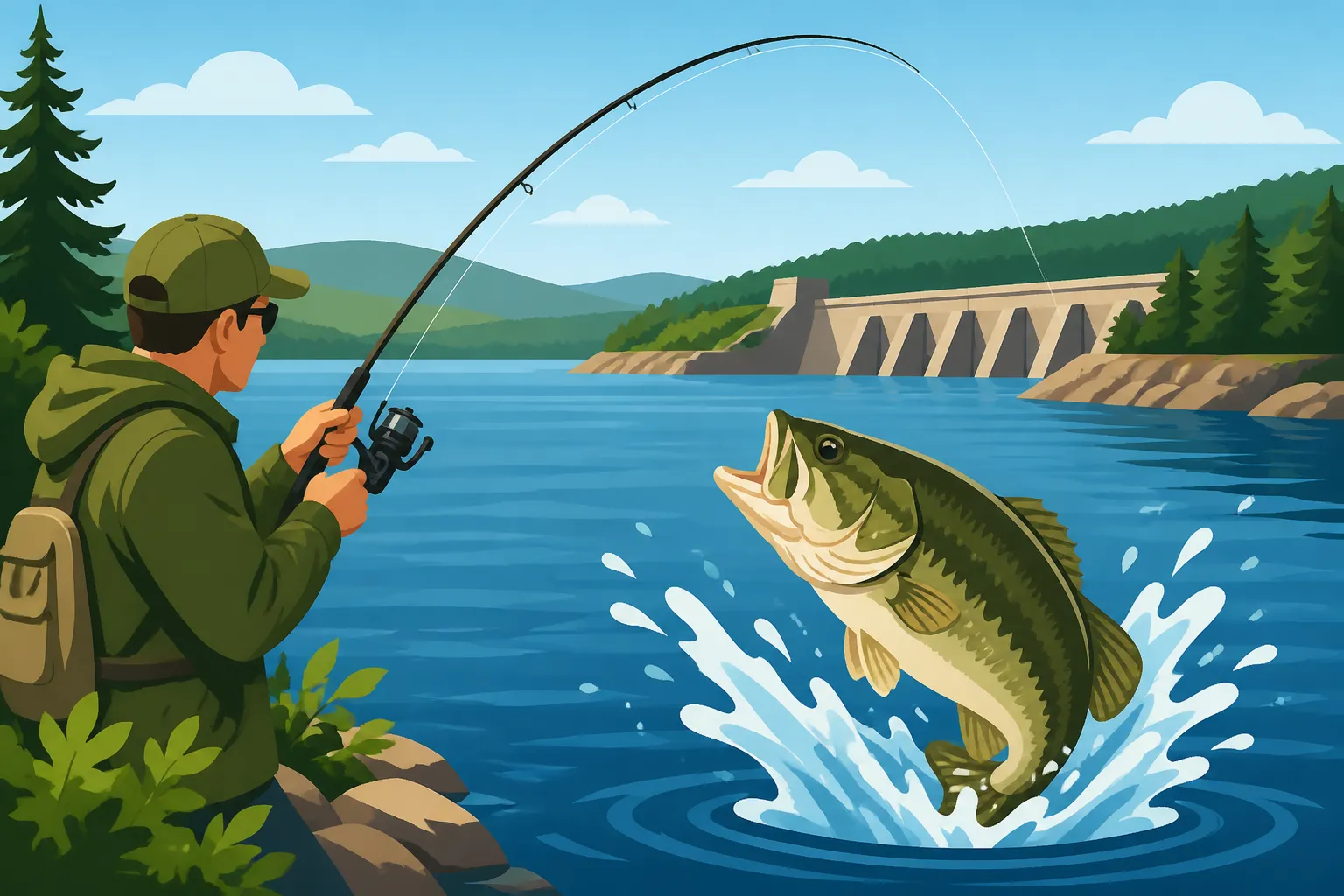
While salmon and lake trout draw a lot of attention, the Pula Area also offers fantastic opportunities for smallmouth bass and brown trout. Smallmouth bass thrive in Quabbin's rocky structure and clear waters. They tend to hang around submerged ledges, points, and rocky shorelines, especially during warmer months. During the spring and fall, they can be found in shallower waters, making them accessible to shore anglers. Drop shots, Ned rigs, tubes, and crankbaits are all excellent choices for enticing these aggressive fighters.
Brown trout, like salmon, are another coldwater species but often tolerate slightly warmer temperatures than lake trout. They can be found cruising shorelines and rocky points, especially in spring and fall, but will move deeper during summer. Trolling spoons and stickbaits, or casting spinners and live bait (like shiners) from shore or a boat, can yield excellent results. These fish are known for their beautiful colors and powerful runs. Both species offer exciting action and can be targeted with versatile tackle, adding a dynamic element to your Quabbin fishing trip.
Panfish and Other Species Opportunities
It’s not all about the big game fish at the William E. Pula Fishing Area! The reservoir also holds healthy populations of panfish, which can be fantastic fun, especially for younger anglers or those looking for consistent action. Yellow perch, white perch, and various sunfish species are abundant, particularly in shallower coves and along the shorelines. These fish are relatively easy to catch and can provide continuous entertainment on slower days.
Using small jigs, worms, or even tiny spoons can lead to a cooler full of delicious panfish. They also make excellent table fare. Additionally, anglers might encounter chain pickerel, a toothy predator that offers exciting, albeit sometimes erratic, strikes, especially when using larger spoons or shiners. While less common, some sections of Quabbin can also hold northern pike, adding another layer of excitement for those who venture into their territories. Don't underestimate the joy of a successful panfish outing; sometimes, the simplest fishing brings the greatest satisfaction.
| Species | Best Season | Primary Location | Recommended Techniques | Size Potential (Avg.) |
|---|---|---|---|---|
| Landlocked Salmon | Spring, Fall | Deep, Open Water | Trolling (spoons, flies) | 16-24 inches |
| Lake Trout | Spring, Fall, Winter | Deep structure, Thermocline | Trolling, Deep Jigging | 20-30 inches |
| Smallmouth Bass | Summer, Fall | Rocky Shorelines, Ledges | Drop Shot, Crankbaits, Tubes | 12-18 inches |
| Brown Trout | Spring, Fall | Near shore, Drop-offs | Trolling, Spinners, Live Bait | 14-22 inches |
| Yellow/White Perch | All Year | Coves, Shallower Areas | Small Jigs, Worms | 6-10 inches |
| Chain Pickerel | All Year | Weedy edges, Shallows | Spoons, Shiners | 18-26 inches |
Essential Fishing Techniques and Gear for Success
Fishing at the William E. Pula Fishing Area, with its deep, clear waters and coldwater species, often requires a slightly different approach than your typical pond or river outing. The strategies you employ and the gear you choose will directly impact your success. It's not just about having a rod and reel; it's about understanding the nuances of this specific environment and adapting your setup accordingly. The vastness of Quabbin, coupled with the behavior of its primary inhabitants, means a little preparation goes a long way.
Many anglers arrive at Quabbin ready to tackle the challenges, but without the right techniques or gear, it can be a frustrating day. Whether you're a seasoned veteran or relatively new to reservoir fishing, embracing these specialized methods will significantly enhance your chances of landing those impressive salmon, lake trout, or smallmouth bass that call Quabbin home. Don’t be afraid to experiment, but having a solid foundation of effective strategies is your best bet.
Recommended Lures and Baits
For the coldwater species like landlocked salmon, lake trout, and brown trout, imitating their natural forage is paramount. Small, slender spoons that mimic alewives or smelt are incredibly effective when trolling. Popular choices include Mooselook Wobblers, Little Cleos, and Needlefish spoons in silver, blue/silver, or gold patterns. For deeper-dwelling lake trout, larger spoons, tube jigs, or even bucktail jigs can be deadly when vertically jigged near the bottom. Many successful anglers also use live bait, particularly shiners or suckers, fished on a slip sinker rig, especially for trout. When considering How to troll for lake trout at Quabbin Reservoir, these baits are often paramount.
Smallmouth bass, on the other hand, respond well to a variety of artificials. Soft plastics like tube jigs, grubs, and creature baits rigged on jig heads are excellent for probing rocky bottom. Drop shot rigs with small worms or minnow imitations are also incredibly effective, allowing you to present bait precisely at the depth fish are holding. Crankbaits and jerkbaits, particularly those designed to dive to relevant depths, can trigger aggressive strikes from patrolling bass. For panfish, simple worms, small pieces of corn, or tiny jigs tipped with a grub or mealworm will usually do the trick. A good local bait shop, often listed on platforms like FishingBooker, can give you real-time advice on what's working best.
Shore Fishing vs. Boat Fishing Approaches
The William E. Pula Fishing Area offers opportunities for both shore and boat anglers, but each approach comes with its own set of advantages and challenges. Shore fishing is fantastic for accessibility and doesn't require a boat permit or decontamination. From the shoreline, you can effectively target smallmouth bass, brown trout, yellow perch, and chain pickerel, especially in the spring and fall when these fish move closer to the banks. Casting spoons, spinners, and live bait into deeper pockets or along rocky ledges can yield great results. Can You Fish From Shore at Quabbin Reservoir? Absolutely, and many do with great success.
However, if your primary target is landlocked salmon or lake trout, boat fishing offers a significant advantage. These fish are predominantly pelagic, meaning they roam open, deep water, making them challenging to reach from shore. Trolling from a boat allows you to cover vast areas and present your lures at precise depths using downriggers or lead core line. For boaters, remember the strict regulations: only DCR-rented boats or private canoes/kayaks that have undergone decontamination are permitted. Securing your Quabbin Reservoir Boat Permit Requirements in Massachusetts and understanding the specifics for launching is crucial for a smooth boat fishing experience.
Seasonal Strategies and Best Times to Fish
Quabbin Reservoir, and the Pula Area in particular, offers year-round fishing opportunities, but the tactics and target species shift dramatically with the seasons. Spring, right after ice-out, is arguably one of the best times to fish. The water is cold, and all species, especially trout and salmon, are often found shallower and more active before the summer heat drives them deep. This is a prime time for both shore and boat anglers to target aggressive trout and salmon with spoons and live bait.
As summer progresses, the surface water warms, and coldwater species like salmon and lake trout retreat to the cooler, oxygen-rich thermocline. This means boat anglers employing trolling techniques at deeper depths will have the most success. Smallmouth bass, however, remain active and can be found around rocky structures. Fall brings a renewed burst of activity as the water cools, and fish once again move shallower to feed aggressively before winter. This is another fantastic time for shore anglers, and often considered the Best time to fish Quabbin Reservoir for trout and salmon before the season closes for some species. Even ice fishing, while outside the typical Pula Area boat access, provides opportunities on specific parts of the reservoir for perch and pickerel. Understanding How Quabbin Reservoir fishing changes by season is essential for planning a successful trip.
Navigating the Logistics and Rules
Fishing at Quabbin Reservoir, and specifically the William E. Pula Fishing Area, isn't just about bait and tackle; it's also about understanding and adhering to a unique set of logistical requirements and rules. Because Quabbin serves as a vital drinking water supply, the Department of Conservation and Recreation (DCR) has established regulations that prioritize water quality and ecological integrity. Navigating these rules successfully is paramount to having an enjoyable and legal fishing trip. Ignoring them can lead to fines, embarrassment, and even a spoiled day on the water.
It’s easy to feel a bit overwhelmed by the distinct regulations at Quabbin, especially if you’re used to more relaxed rules at other fishing spots. However, once you understand the core principles behind them – mainly protecting the drinking water and native species – they become much clearer. Taking the time to properly prepare by understanding these logistical details will make your experience at the Pula Area smooth and rewarding, allowing you to focus on the fishing itself.
Quabbin Reservoir Boat Permit Requirements
As mentioned earlier, getting out on the water at Quabbin Reservoir with your own vessel or a rented one involves specific steps that go beyond a standard fishing license. First and foremost, a separate Quabbin Reservoir Boat Permit Requirements in Massachusetts is non-negotiable for private boats (canoes, kayaks, rowboats). This permit is obtained through the DCR, usually online or at the Quabbin Visitor Center. It’s crucial to have this permit in hand before you arrive.
Beyond the permit, private boats must undergo a mandatory decontamination process. This is to prevent the introduction of invasive species, which could wreak havoc on the reservoir's delicate ecosystem. Designated decontamination stations are available at the main boat launches, including near the Pula Area (Gate 8). Your boat will be thoroughly washed with high-pressure, hot water, and this process takes time, especially on busy days. Be sure to factor this into your schedule. For those who prefer not to bring their own boat, the DCR offers boat rentals (motorized and non-motorized) directly at the access areas, which circumvents the decontamination requirement for their boats. However, these are often booked quickly, especially around the Quabbin Reservoir 2026 boat fishing season opening date, so planning ahead is key. For more details on this process, check out How to get a Quabbin Reservoir boat permit.
General Quabbin Fishing Rules and Etiquette
Aside from boat-specific rules, Quabbin Reservoir has a suite of general fishing regulations that all anglers must follow. These cover everything from bait restrictions to catch limits. For example, the use of live baitfish is typically restricted to those caught within Quabbin itself, or approved commercially raised shiners from specific vendors, to prevent the introduction of foreign diseases or species. It’s always best to check the current DCR fishing pamphlet, available at access points or online, for the most up-to-date information on permissible baits and tackle.
Catch and possession limits for various species at Quabbin can also differ from statewide Massachusetts regulations. For instance, there might be specific slot limits or daily bag limits for trout and salmon that are unique to the reservoir. Always be sure to measure your catch accurately and adhere to these limits. Beyond the formal rules, there's an unspoken etiquette at Quabbin: respect the pristine environment. Pack out all your trash, use designated restroom facilities, and be mindful of other anglers. The Quabbin is a shared resource, and preserving its beauty and health for future generations is a responsibility we all share. Having a valid What license you need to fish at Quabbin Reservoir in addition to your Quabbin permit is the first step in being a responsible angler.
Local Amenities and Services Nearby
While the William E. Pula Fishing Area itself is quite remote and focuses on providing direct access to the reservoir, there are essential amenities and services available either directly at the access point or in nearby towns. At Gate 8, you'll typically find restrooms and often a DCR office where you can ask questions or clarify regulations. During peak season, there might also be bait shops or small vendors offering snacks and drinks. However, it’s always wise to come prepared with everything you need for the day, including food, water, and appropriate clothing.
For more extensive services, the charming towns surrounding Quabbin Reservoir, such as Hardwick, Petersham, and Ware, offer gas stations, convenience stores, and local eateries. These towns provide a chance to grab a hearty breakfast before a day of fishing or enjoy a well-deserved meal afterward. If you're looking to book a guided trip to maximize your chances, searching on platforms like FishingBooker can help you connect with local guides who specialize in Quabbin Reservoir. They can provide not only expertise but also often take care of some of the logistical headaches like boat permits or bait acquisition, making your trip even smoother.
Disclaimer
Please note that fishing regulations, permit requirements, and seasonal access can change. It is always the responsibility of the angler to check the most current rules and regulations published by the Massachusetts Department of Conservation and Recreation (DCR) and MassWildlife before heading out to Quabbin Reservoir. This guide is for informational purposes only and does not supersede official regulations.