Massachusetts Fishing License for Nonresidents
Planning a fishing trip to the Bay State can be incredibly exciting, with its diverse waters offering everything from trophy striped bass in the ocean to serene trout streams inland. However, if you're coming from out of state, the process of securing the right Massachusetts fishing license can feel a bit like navigating a maze, leaving many nonresidents scratching their heads about what they actually need to legally cast a line. This comprehensive guide is here to untangle all those complexities, walking you through every step of getting your Massachusetts fishing license as a nonresident, so you can focus on the thrill of the catch rather than the headache of paperwork.
Understanding the Basics: Why Nonresidents Need a Massachusetts Fishing License
It's a common misconception among visitors that if you're just here for a vacation, fishing rules might be relaxed. Unfortunately, that's not the case at all, and thinking otherwise could land you in some hot water. Massachusetts takes its fishing regulations seriously, and that applies equally to both residents and nonresidents.
The Legal Requirement for Out-of-State Anglers
Simply put, if you're 15 years of age or older and you plan to fish in Massachusetts, you must have the appropriate license. There are no exceptions for nonresidents, even if you’re only visiting for a day or two. This isn't just about revenue; it's about managing and conserving the state's precious fishery resources. Every license fee contributes directly to programs that monitor fish populations, restore habitats, enforce regulations, and educate the public. So, while it might feel like an extra step, it's a vital part of protecting the very waters you're hoping to enjoy. Without a valid license, you risk fines and potential forfeiture of your fishing gear, which is definitely not the souvenir you want to take home from your trip. For a complete overview of all regulations, you might want to check out our main guide on the Massachusetts Fishing License Guide.
Freshwater vs. Saltwater: Two Different Worlds
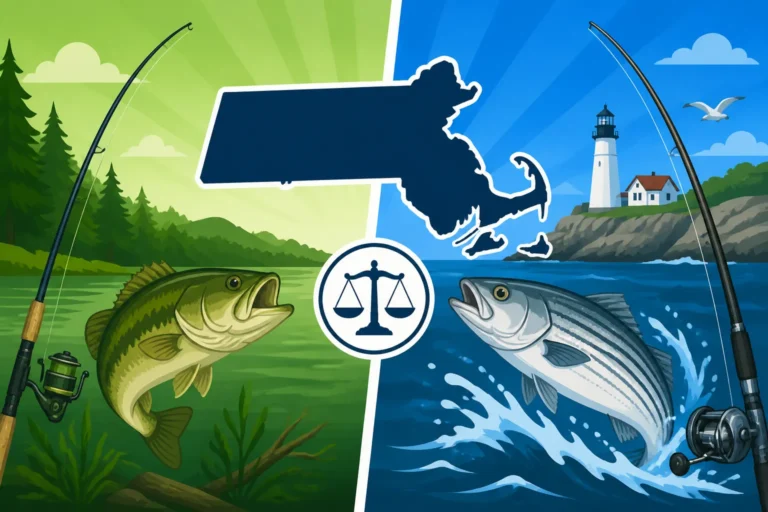
One of the biggest points of confusion for nonresident anglers, and even some residents, is the distinction between freshwater and saltwater fishing licenses. Massachusetts, like many coastal states, treats these as entirely separate entities with their own licensing requirements.
If your heart is set on catching largemouth bass, trout, or pike in one of Massachusetts' beautiful lakes, ponds, or rivers, you'll need a freshwater fishing license. This covers all inland waters, whether it's the vast Quabbin Reservoir or a small, tucked-away farm pond.
On the other hand, if you're dreaming of battling striped bass along the Cape Cod Canal, reeling in a bluefish from a boat off Martha's Vineyard, or dropping a line for tautog from a pier in Boston Harbor, you'll need a Massachusetts Saltwater Recreational Fishing Permit. This permit is specifically for fishing in the marine waters of the Commonwealth, extending three miles offshore. It's crucial to understand that one does not cover the other. You can't use a freshwater license to fish in saltwater, and a saltwater permit won't get you far on a freshwater lake. Planning a trip that might include both? Then you'll need to secure both types of authorization. This dual system is a key aspect of the Massachusetts Freshwater vs Saltwater License Differences.
Supporting Conservation Efforts in Massachusetts
When you purchase a fishing license in Massachusetts, you're not just buying a piece of paper; you're actively investing in the future of fishing in the state. The funds generated from license sales go directly to the Massachusetts Division of Fisheries and Wildlife (MassWildlife) for freshwater programs, and to the Massachusetts Division of Marine Fisheries (MassDMF) for saltwater initiatives. These agencies are responsible for a wide array of vital conservation work.
For instance, your freshwater license fees help fund trout stocking programs that enhance fishing opportunities in hundreds of ponds and rivers across the state. They also support research into fish populations, habitat restoration projects for species like brook trout, and public access improvements at boat ramps and fishing spots. Similarly, your saltwater permit contributes to scientific research on species like striped bass and cod, essential for setting sustainable catch limits, as well as efforts to protect and restore coastal habitats that are crucial nurseries for many marine species. So, while the requirement might feel like a hurdle, it’s a necessary contribution to ensure that future generations of anglers, residents and nonresidents alike, can continue to enjoy the fantastic fishing Massachusetts has to offer.
Types of Massachusetts Fishing Licenses Available to Nonresidents
Massachusetts offers several options for nonresidents, depending on how long you plan to fish and what type of water you'll be targeting. It's not a one-size-fits-all situation, so understanding your options is key to picking the most cost-effective and appropriate license for your trip.
Annual Freshwater Licenses for the Dedicated Angler
If you find yourself drawn back to Massachusetts' freshwater offerings year after year, or you plan an extended stay, an annual nonresident freshwater fishing license is likely your best bet. This license is valid from January 1st through December 31st of the calendar year it was purchased, regardless of when you actually bought it. This means if you buy it in October, it still expires on December 31st of that same year.
For the avid nonresident angler who might visit several times throughout the spring, summer, and fall, this annual option provides the most flexibility. You won't have to worry about purchasing a new license for each visit, making spur-of-the-moment fishing trips much easier. Imagine having your license already sorted when you spot a perfect-looking pond during a scenic drive! This license grants you the freedom to fish almost any public freshwater body in the state, from the tranquil waters of Walden Pond to the larger lakes like Lake Quinsigamond, as long as you adhere to all local regulations. You can find more specific details on the Massachusetts Freshwater Fishing License Costs and Rules.
Short-Term Freshwater Options for Visitors
For nonresidents who are just popping into Massachusetts for a quick visit, perhaps a weekend getaway or a short family vacation, purchasing an annual license might feel like overkill. Thankfully, MassWildlife understands this and offers short-term freshwater fishing license options that are perfect for brief trips.
Currently, nonresidents can typically purchase a 3-day freshwater fishing license. This option is ideal if you're only planning a few days of fishing during your stay. It activates on the date you specify and remains valid for three consecutive days. This flexibility is a huge benefit for tourists, allowing them to enjoy the state's beautiful inland waters without committing to a full year's license. It’s a great way to try your hand at catching some of the local species, perhaps some feisty bass or a stocked trout, without a significant upfront investment. If your visit extends beyond three days but less than a full year, you might consider multiple 3-day licenses or, if the cost approaches that of an annual license, simply opt for the annual one. Our guide on Short-Term Massachusetts Fishing License Options can provide a deeper dive into these choices.
The Mandatory Massachusetts Saltwater Recreational Fishing Permit
Regardless of whether you're a resident or a nonresident, if you plan to fish in Massachusetts' marine waters, you absolutely must obtain a Massachusetts Saltwater Recreational Fishing Permit. There are no short-term options for this permit; it's typically an annual permit, valid from January 1st to December 31st.
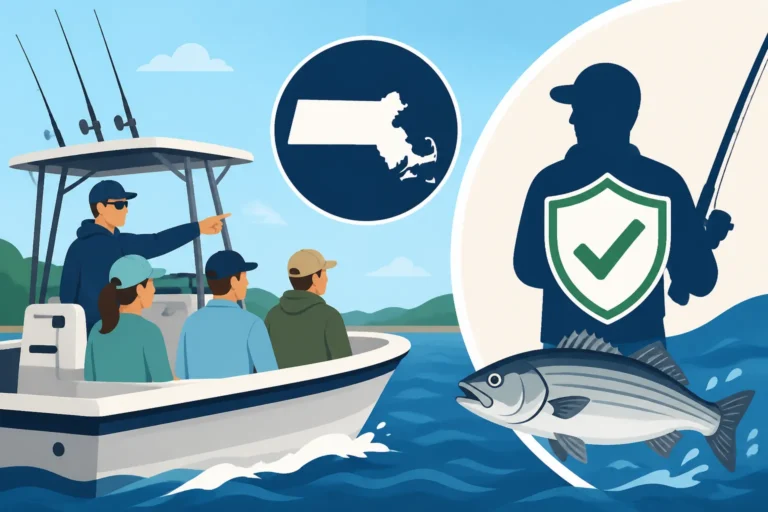
This permit is required for any recreational fishing activity in coastal waters, whether you're surfcasting from a beach, fishing from a boat, kayak, or even a pier. The only real exceptions are for those under 16 years old, or certain passengers on properly licensed for-hire vessels (charter boats or head boats) where the vessel itself holds a permit. However, even on a charter, it's always a good idea to confirm if you need your own permit. For the vast majority of nonresident saltwater anglers, this permit is non-negotiable. It's a crucial part of managing the state's highly popular and economically significant marine fisheries, from the prized striped bass to black sea bass and tautog. Don't skip this step if you're heading to the coast! Learn more about its specifics in our article, Massachusetts Saltwater Recreational Fishing Permit Explained.
Massachusetts Nonresident Fishing License Costs and Fees
Let's talk brass tacks: what's this all going to cost you? Understanding the price breakdown for nonresident licenses is essential for budgeting your fishing trip and ensuring you get exactly what you need without any surprises. The fees for nonresidents are generally higher than for residents, reflecting the fact that residents' taxes also contribute to conservation efforts.
Breaking Down the Freshwater License Price Tag
The cost of a nonresident freshwater fishing license in Massachusetts varies depending on whether you opt for the annual or short-term version.
For the annual nonresident freshwater fishing license, the price is typically around $29.50. This fee provides you with year-long access to all inland waters. Remember, it expires on December 31st of the year purchased, regardless of the purchase date.
If your trip is shorter, the 3-day nonresident freshwater fishing license usually costs about $23.00. This is a great value for a brief visit, allowing you to enjoy a weekend of fishing without paying for an entire year's license.
It's important to note that these prices are subject to change and may include a small processing or agent fee if purchased online or through a vendor. While you might find lures or gear on Amazon for a steal, the actual license itself is a fixed state fee. It’s always best to check the most current prices directly on the MassFishHunt system before you make your purchase. This information is key to understanding the Massachusetts Nonresident Fishing License Cost.
Understanding the Saltwater Permit Fee Structure
The Massachusetts Saltwater Recreational Fishing Permit, as mentioned, is an annual permit for nonresidents. The good news here is that the fee is the same for residents and nonresidents, making it a bit more straightforward.
The annual fee for the Massachusetts Saltwater Recreational Fishing Permit is currently set at $10.00. This permit, like the annual freshwater license, is valid from January 1st through December 31st of the calendar year purchased.
This relatively low cost makes it very accessible for anyone wanting to experience the fantastic coastal fishing Massachusetts has to offer. Whether you're targeting bluefish off Nantucket or scup in Buzzards Bay, this single permit covers your recreational saltwater angling needs. No short-term options exist, so even if you're only fishing for one day, you'll pay the same annual fee.
Additional Stamps and Permits: The Wildlands Conservation Stamp and Quabbin
Beyond the basic freshwater and saltwater licenses, there are a couple of other permits that nonresidents might encounter, depending on their specific fishing plans.
First up is the Massachusetts Wildlands Conservation Stamp. This stamp is mandatory for anyone (resident or nonresident) who purchases an annual fishing license, hunting license, or trapping license in Massachusetts. It costs an additional $5.00 and is automatically added to your purchase when you buy an annual freshwater license. The revenue from this stamp goes directly to fund MassWildlife’s efforts in land acquisition, habitat management, and public access, making it a vital component of conservation. If you buy a 3-day freshwater license or only the saltwater permit, you are generally exempt from purchasing the Wildlands Conservation Stamp. Our detailed article on The Massachusetts Wildlands Conservation Stamp Explained can clarify this further.
Secondly, if your fishing plans include the iconic Quabbin Reservoir, a special access permit and potentially a boat permit are required, in addition to your regular freshwater fishing license. The Quabbin Reservoir is managed by the Department of Conservation and Recreation (DCR), and it has its own unique set of rules and fees due to its status as a primary drinking water supply. Nonresidents will need to purchase a DCR Quabbin fishing permit, and if you plan to use a boat, a Quabbin boat permit as well. These are typically available online or at specific DCR boat launch areas around the reservoir. These additional permits are crucial for anyone wanting to explore this renowned fishing destination. For all the specifics, refer to Quabbin Reservoir Fishing Permits and Rules in Massachusetts.
Here’s a quick summary of typical nonresident license costs:
| License Type | Duration | Nonresident Cost (Approx.) | Additional Requirements |
|---|---|---|---|
| Freshwater Fishing License | Annual | $29.50 | Mandatory $5.00 Wildlands Conservation Stamp for annual license holders |
| Freshwater Fishing License | 3-Day | $23.00 | No Wildlands Conservation Stamp required |
| Saltwater Recreational Fishing Permit | Annual | $10.00 | No Wildlands Conservation Stamp required |
| Quabbin Reservoir Fishing Permit | Annual | (Varies by DCR, approx. $5-$10) | Freshwater license also required. Additional Quabbin boat permit needed for boat fishing. |
Note: All prices are approximate and subject to change. Always confirm current fees on the official MassFishHunt website.
Where and How to Purchase Your Nonresident License
So, you know what you need. Now, how do you get it? Fortunately, Massachusetts has made the process quite accessible for both residents and nonresidents, with online being the most convenient option for most out-of-state anglers.
Buying Online Through MassFishHunt: Your Easiest Option
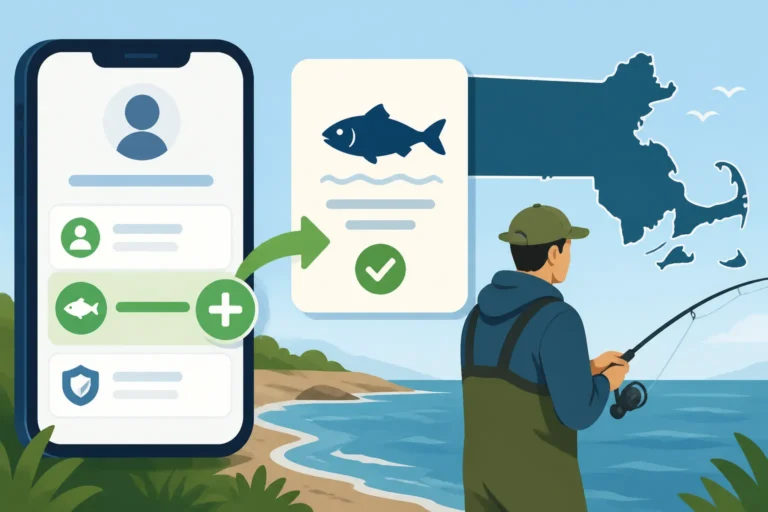
For nonresidents, the absolute easiest and most recommended way to purchase your Massachusetts fishing license is through the state's official online licensing system: MassFishHunt. This platform is managed by MassWildlife and allows you to buy all necessary freshwater licenses and the saltwater permit from the comfort of your home, before you even set foot in Massachusetts.
To use MassFishHunt, you'll need to create an account if you don't already have one. This usually involves providing some personal information, including your name, address, date of birth, and a valid form of identification (like a driver's license number). Once your account is set up, you can simply select the type of license you need – whether it's an annual freshwater, a 3-day freshwater, or the saltwater permit – add it to your cart, and complete the purchase with a credit card.
The system is user-friendly and walks you through the steps. After successful payment, you'll receive a confirmation email, and your license will be immediately available to print. Many anglers even save a digital copy on their phone, although carrying a physical printout is always a safe bet. This online method is a lifeline for many nonresidents, allowing them to sort out their licensing before their trip, preventing any delays or frustrations once they arrive. Our guide on How to Buy a Massachusetts Fishing License Online offers a step-by-step tutorial.
In-Person Purchases at License Vendors
While online is often the most convenient, some nonresidents might prefer or need to purchase their license in person once they arrive in Massachusetts. The state has a network of authorized license vendors scattered across the Commonwealth. These typically include:
- Sporting Goods Stores: Larger chains like Bass Pro Shops or local independent tackle shops often serve as license vendors. They are great places to pick up some last-minute gear or local bait while you're there.
- Town Clerk's Offices: Many town clerk's offices are equipped to issue fishing licenses.
- MassWildlife Offices: While fewer in number, MassWildlife district offices also issue licenses.
When purchasing in person, you'll need to bring a valid photo ID (like your driver's license) and be prepared to provide the same personal information you would online. The vendor will process your request, and you'll receive a physical copy of your license on the spot. This can be a good option if you have questions about specific local regulations or want to chat with a local expert about fishing conditions. However, verify business hours and ensure the vendor can issue nonresident licenses before you make a special trip.
What to Do After You Buy: Printing and Carrying Proof
Once you've purchased your license, whether online or in person, the next crucial step is to ensure you have valid proof with you when you go fishing.
If you bought online via MassFishHunt, you'll want to print a physical copy of your license. While showing a digital image on your phone might be accepted by some enforcement officers, it's not universally guaranteed. A crumpled, water-resistant printout tucked into your tackle box or wallet is the safest bet. It's also a good idea to keep your printed license in a waterproof holder or laminated, especially if you're planning on being near the water or fishing in wet conditions. You can even find waterproof cases on Amazon that will protect your license and phone simultaneously.
Regardless of how you obtain it, your license must be immediately available for inspection by an Environmental Police Officer (EPO) or other authorized enforcement agent while you are actively fishing. Failure to produce a valid license upon request can lead to fines, even if you technically have one purchased but just left it in your car. So, treat it like your driver's license – always have it on you when engaged in the activity it covers. Our guide on Carrying Proof of Your Massachusetts Fishing License elaborates on the best practices.
Age Requirements and Special Considerations for Nonresidents
Navigating age cutoffs and special exemptions can be confusing, especially when you're dealing with different states' rules. Massachusetts has specific guidelines for minors, seniors, and military personnel that nonresidents should be aware of.
Do Nonresident Kids Need a Fishing License?
This is a frequently asked question, and thankfully, Massachusetts offers some leniency for younger anglers. Nonresidents under the age of 15 are generally not required to have a fishing license to fish in freshwater or to obtain the saltwater permit in Massachusetts. This means if you're bringing your kids or grandkids along for a fishing adventure, those under 15 can cast their lines without any additional paperwork or fees.
This exemption is fantastic for family outings, encouraging youngsters to get involved in the sport early. However, it's absolutely crucial that any fish caught by an unlicensed minor contribute to the daily bag and possession limits of an adult who does hold a valid license, or they must be released. An unlicensed child cannot keep their own separate limit of fish. So, if your 10-year-old catches a trophy largemouth, it counts towards your limit. This detail is often overlooked, so make sure you understand it to avoid any issues with game wardens. For more details, see Do Kids Need a Fishing License in Massachusetts?.
Massachusetts Fishing License for Nonresident Seniors
For senior nonresident anglers, the news isn't quite as favorable as it is for resident seniors. While Massachusetts residents who are 70 years of age or older can obtain a permanent, free freshwater fishing license, this benefit does not extend to nonresidents.
Therefore, if you are a nonresident senior visiting Massachusetts, you will still need to purchase the appropriate freshwater fishing license (either annual or 3-day) and the annual saltwater recreational fishing permit, just like any other adult nonresident angler. There are no reduced fees or free licenses offered to out-of-state seniors. It’s important to budget for these costs when planning your trip, as they are a mandatory requirement regardless of age for non-residents. This is a common point of confusion, as many states do offer senior discounts to nonresidents, but Massachusetts currently does not.
Special Rules for Military Members and Disabled Veterans
Massachusetts does extend some recognition and benefits to military personnel and disabled veterans, but the specifics can vary for nonresidents.
For active duty military members who are nonresidents but stationed in Massachusetts, they may be eligible to purchase resident fishing licenses at resident rates. This is a significant cost saving. Typically, proof of active duty status and residency in Massachusetts due to military orders is required.
For disabled veterans, Massachusetts offers certain fishing license exemptions and discounts. Generally, permanent residents of Massachusetts who are disabled veterans (with a service-connected disability of 100% or who have been awarded the Purple Heart) are eligible for free fishing licenses. For nonresident disabled veterans, however, the situation is more complex. While some states offer reciprocal benefits, Massachusetts generally requires nonresidents to meet the standard nonresident license requirements. It's always best for nonresident military members or disabled veterans to directly contact MassWildlife or the Massachusetts Division of Marine Fisheries before their trip to confirm their eligibility for any special rates or exemptions, as policies can sometimes have nuances. Our post on Massachusetts Fishing License for Military Members and Massachusetts Fishing License for Disabled Veterans can offer further insights.
Navigating Massachusetts Fishing Regulations as a Nonresident
Getting your license is just the first step. Once you're legally permitted to fish, you need to understand the rules of the game. Massachusetts has a robust set of fishing regulations designed to protect fish populations and ensure sustainable angling for everyone. As a nonresident, it's your responsibility to know and follow these rules.
General Freshwater Fishing Rules and Bag Limits
Freshwater fishing in Massachusetts comes with a variety of regulations regarding catch limits, minimum sizes, and tackle restrictions. These rules can vary by species and even by specific water body, so always check the latest regulations pamphlet.
For popular species like largemouth and smallmouth bass, there are usually daily bag limits (e.g., 5 fish per day) and minimum size limits (e.g., 12 inches). Trout regulations are often more complex, with specific limits for different species (brook, brown, rainbow) and sometimes special regulations for designated "catch and release" or "fly-fishing-only" areas. The state's extensive trout stocking program means these fish are widely available, but the rules are designed to spread the catch among anglers.
Beyond species-specific rules, there are general regulations to be aware of:
- Number of Rods: Typically, you can fish with two rods in freshwater.
- Bait Restrictions: Some waters, particularly those designated as public drinking water supplies (like parts of the Quabbin or Wachusett Reservoirs), have restrictions on the type of bait you can use, often prohibiting live bait to prevent the introduction of invasive species.
- Ice Fishing: If you're planning a winter trip, ice fishing has its own set of rules regarding tip-ups and shanties.
Always consult the MassWildlife Freshwater Fishing Guide, available online or at license vendors. This guide provides all the necessary details, including any specific regulations for major fishing destinations like the Quabbin Reservoir or the Connecticut River. A good starting point for detailed information is the Massachusetts Freshwater Daily Catch Limits.
Key Saltwater Regulations and Slot Limits to Know
Saltwater fishing regulations in Massachusetts are often dynamic, changing year to year based on federal and state management efforts for migratory species. The most important species for many nonresident anglers is the striped bass. Massachusetts employs a "slot limit" for stripers, meaning you can only keep fish within a specific size range (e.g., 28 to 31 inches). Fish smaller or larger than this slot must be immediately released. This is a critical regulation to understand.
Other popular saltwater species also have their own specific rules:
- Bluefish: Typically have a generous daily bag limit, but always confirm the current numbers.
- Tautog: Have variable bag limits and seasons that change throughout the year, often with stricter limits during spawning periods.
- Fluke (Summer Flounder): Have minimum size limits that can sometimes differ slightly depending on whether you are fishing from shore or a boat.
- Black Sea Bass: Also have seasonal regulations and bag limits.
It’s crucial to know the current regulations for any species you plan to target. You can find this information on the Massachusetts Division of Marine Fisheries (MassDMF) website or in the official Saltwater Fishing Guide. These regulations are designed to protect vulnerable fish stocks and ensure healthy fisheries for the future. Understanding the Massachusetts Striped Bass Slot Limit Explained is especially vital for nonresident anglers targeting this iconic species.
Understanding Catch and Release and Other Best Practices
While knowing bag and size limits is essential, practicing responsible angling goes beyond just legal compliance. Many nonresident anglers come to Massachusetts for the experience, and adhering to catch and release best practices is a vital part of conservation, especially for species under pressure.
When practicing catch and release:
- Use appropriate tackle: Heavy enough to land the fish quickly, reducing stress.
- Minimize handling: Keep the fish in the water as much as possible.
- Wet your hands: Before touching a fish to protect its slime coat.
- Use barbless hooks: Or pinch down barbs on your hooks to make removal easier. You can find tools for this on Amazon.
- Use proper dehooking tools: Such as pliers or a hook remover, to extract hooks quickly and cleanly.
- Avoid excessive time out of water: Fish cannot breathe air, so lengthy photo ops can be fatal.
- Revive the fish: Hold it gently in the water, facing into the current, until it can swim away under its own power.
Beyond catch and release, general best practices include:
- Leave no trace: Pack out everything you pack in, including discarded fishing line and bait containers.
- Respect private property: Ensure you have legal access to any fishing spot.
- Be courteous to other anglers: Give them space and respect their fishing grounds.
- Report violations: If you witness illegal fishing activity, report it to the Massachusetts Environmental Police.
Following these guidelines not only ensures you have a positive experience but also contributes to the health and longevity of Massachusetts' incredible fishing resources. Remember, even if you're a nonresident, you're a guest in these waters, and responsible stewardship is always appreciated. For a broader look at all rules, consider reviewing Massachusetts Recreational Fishing Rules and Bag Limits.
Common Questions and Troubleshooting for Nonresident Anglers
Even with all the information at hand, specific scenarios or unexpected issues can arise. Here are some common questions and troubleshooting tips for nonresident anglers.
What Happens If You Fish Without a License?
Fishing without a required license or permit in Massachusetts is a direct violation of state law, and the consequences can be more severe than just a slap on the wrist. If you are caught by a Massachusetts Environmental Police Officer (EPO) or other authorized enforcement agent fishing without a valid license, you can face:
- Fines: The specific monetary penalty can vary, but fines are typically significant. These aren't just minor tickets; they can easily run into hundreds of dollars for a first offense.
- Forfeiture of Gear: In some cases, EPOs have the authority to confiscate your fishing equipment, including rods, reels, tackle, and even your catch. Imagine losing that brand new reel you just bought!
- Criminal Charges: While often considered a civil infraction, repeated offenses or fishing without a license in conjunction with other violations (like exceeding bag limits or fishing out of season) could potentially lead to more serious legal trouble.
It's simply not worth the risk. The cost of a nonresident license is a small fraction of what a fine would be, not to mention the hassle and embarrassment of dealing with law enforcement on your vacation. Always ensure you have the correct and current license in your possession when fishing. Get the full scoop on this in our article about Penalties for Fishing Without a License in Massachusetts.
Reciprocity with Other States: What to Expect
One question that frequently comes up from nonresidents is whether their fishing license from their home state or an adjacent state (like Rhode Island, Connecticut, or New Hampshire) is valid in Massachusetts due to reciprocity agreements. The answer, unfortunately, is generally no.
Massachusetts does not have broad fishing license reciprocity agreements with neighboring states. This means that even if you have a valid fishing license from New Hampshire, you cannot use it to fish in Massachusetts waters (freshwater or saltwater). Each state manages its own licensing and conservation programs independently.
There might be very specific, limited exceptions for certain border waters, but these are extremely rare and highly specific, usually requiring detailed verification with both states' wildlife agencies. For the vast majority of cases, nonresidents must purchase a Massachusetts fishing license to fish legally within the Commonwealth's borders. Assume you need a Massachusetts license, and you'll always be on the safe side.
Planning Your Trip: Combining Licenses and Permits
For many nonresident anglers, a trip to Massachusetts might involve a mix of freshwater and saltwater fishing, or perhaps even a visit to special areas like the Quabbin Reservoir. Here's how to plan for these combinations:
- Freshwater & Saltwater: If you plan to fish both inland and coastal waters, you will need both a Massachusetts freshwater fishing license (annual or 3-day) and the annual Massachusetts Saltwater Recreational Fishing Permit. Purchase them together online through MassFishHunt for convenience.
- Quabbin Reservoir: If Quabbin is on your itinerary, remember you'll need your Massachusetts freshwater fishing license plus the specific Quabbin Reservoir fishing permit (and possibly a boat permit) from the DCR. Make sure to factor in the additional time to acquire these unique DCR permits.
- Free Fishing Days: Massachusetts does offer Free Fishing Days in Massachusetts annually, typically one weekend in June for freshwater and sometimes a separate day for saltwater. On these specific days, the license requirement is waived for everyone, including nonresidents. This can be a fun way to try fishing in Massachusetts without the license cost, but all other regulations (bag limits, size limits, etc.) still apply. Check the MassWildlife website for the exact dates each year.
- Guided Trips/Charters: If you're booking a guided fishing trip or a charter boat for saltwater fishing, inquire specifically if your permit is covered. For-hire vessels (charters, head boats) often operate under a blanket permit that covers their passengers, but it is not always the case, and it's always best to verify directly with your captain. This can sometimes eliminate the need for your individual saltwater permit for that specific trip, but you'd still need it if you fish on your own.
Planning ahead, understanding the specific requirements for your desired activities, and using the MassFishHunt system will ensure a smooth and enjoyable fishing experience in Massachusetts, allowing you to focus on the beautiful scenery and, hopefully, plenty of fish!
Disclaimer
Please note that fishing regulations in Massachusetts can change. While this guide provides comprehensive and up-to-date information at the time of writing, it is essential to always consult the official Massachusetts Division of Fisheries and Wildlife (MassWildlife) and Massachusetts Division of Marine Fisheries (MassDMF) websites for the most current regulations, bag limits, and licensing requirements before you go fishing. This content is for informational purposes only and should not be considered legal advice.