Best largemouth bass ponds in southeastern Massachusetts
There’s nothing quite like the thrill of a largemouth bass hitting your line, especially when you’re out on a peaceful pond. But if you’ve spent countless hours staring at maps, wondering which of Massachusetts's many ponds truly hold those elusive lunkers, you're not alone. It can be tough to cut through the noise and find those honey holes. This guide is all about pointing you towards the best largemouth bass ponds in southeastern Massachusetts, giving you the lowdown on where to cast your line for success.
Why Southeastern Massachusetts is a Largemouth Bass Haven
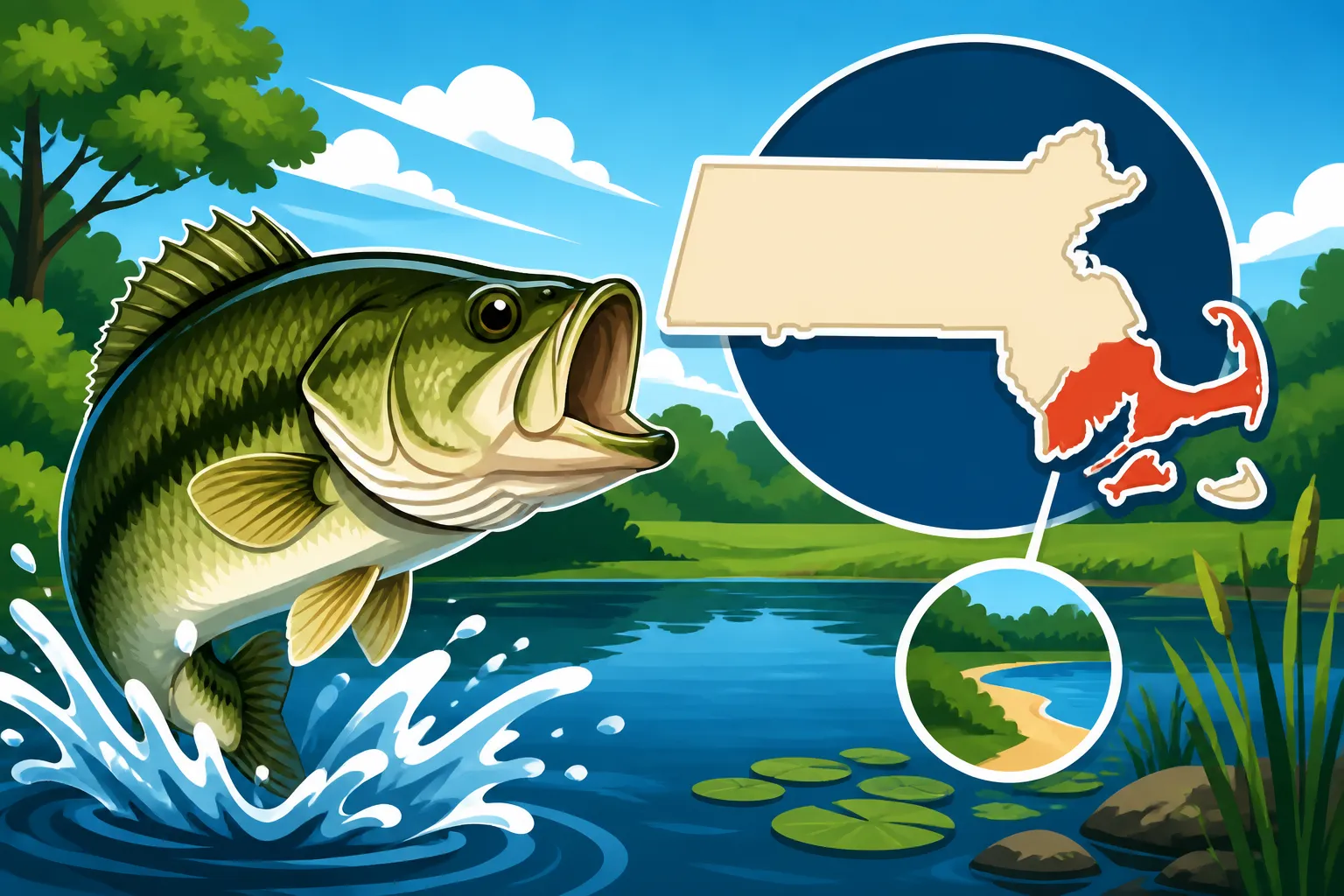
Southeastern Massachusetts, encompassing regions like Plymouth, Bristol, and parts of Barnstable County (Cape Cod), is a hidden gem for freshwater anglers, especially those chasing largemouth bass. Unlike the deeper, colder lakes of central or western Massachusetts, many ponds here offer unique characteristics that foster thriving bass populations.
The Unique Habitat and Forage
The ponds in this part of the state often feature a fantastic mix of shallow, weedy flats, lily pad fields, submerged timber, and rocky bottom structures. This varied underwater landscape creates ideal ambush points for largemouth bass, which are opportunistic predators. These waters are typically rich in forage, too. You'll find plenty of baitfish like alewives, shiners, and perch, along with crayfish and frogs – all prime targets for hungry bass. The warmer, shallower nature of many of these ponds also allows for earlier spawns and longer growing seasons, contributing to impressive bass sizes. Think of it as a perfect storm of conditions, tailor-made for growing chunky bass that love to fight.
Accessibility and Variety of Waters
One of the biggest perks of fishing in southeastern Massachusetts is the sheer number and accessibility of its ponds. You're never too far from a promising spot, whether you're looking to launch a full-sized bass boat, a kayak, or simply fish from shore. From expansive, interconnected pond systems to smaller, secluded waters, there’s a diverse range of environments to explore. This variety also means that if one spot isn't producing, another is often just a short drive away, increasing your chances of finding active fish. For instance, you might spend a morning exploring the vastness of Assawompset Pond and then switch to a smaller, more intimate setting like Watson Pond in the afternoon.
Top Largemouth Bass Ponds in Southeastern Massachusetts
Now, let's get down to the brass tacks: where exactly should you be wetting a line? Southeastern Massachusetts boasts numerous excellent largemouth bass ponds, each with its own character.
Ponds in Plymouth County
Plymouth County offers some truly fantastic opportunities for largemouth bass, known for their size and abundance.
- Long Pond (Plymouth/Lakeville): This sprawling, deep pond, shared by the towns of Plymouth and Lakeville, is a true regional heavyweight. Long Pond is a prime example of a great bass fishery with its diverse structure, including steep drop-offs, rocky points, and extensive areas of submerged vegetation. Anglers often find success working plastic worms and jigs along the deeper breaks or throwing topwater frogs over the abundant lily pads in shallower coves during summer mornings and evenings. There's ample boat access, making it a popular choice for serious bass anglers. If you're planning a trip here, remember to check the Massachusetts Fishing License Guide to ensure you're compliant.
- Great Herring Pond (Plymouth): Another large and productive waterbody, Great Herring Pond offers excellent largemouth fishing, particularly around its numerous coves and inlets. The pond features a good mix of sandy bottom areas and heavier vegetation, providing diverse cover for bass. Spinnerbaits and chatterbaits can be very effective when worked along weed edges, especially during the spring and fall. The public boat ramp on the eastern shore provides easy access for boaters.
- Billington Sea (Plymouth): Despite its name, Billington Sea is a large freshwater pond located entirely within Plymouth. This historical pond is shallower than some of its neighbors but makes up for it with abundant aquatic vegetation and structure. It's a fantastic spot for throwing frogs, swim jigs, and Texas-rigged plastics into heavy cover. Shore access is somewhat limited, but there are a few public spots, and boat access is available. It’s also a great pond to explore by kayak or canoe, allowing you to reach some of the less pressured areas.
Ponds in Bristol County
Bristol County, home to some truly massive pond systems, is a largemouth bass angler's dream.
- Assawompset Pond (Lakeville): The largest natural great pond in Massachusetts, Assawompset is part of an interconnected system of ponds, including Long Pond and Great Quittacas Pond. This vast waterbody is known for producing trophy-sized largemouth bass. Its sheer size and complex structure, with deep pockets, shallow flats, and intricate weed lines, demand varied fishing techniques. Early mornings or late evenings are often best for throwing topwater lures over submerged grass or around rocky points. For those who want detailed insights, our guide on where to fish Assawompset Pond can provide even more specialized tips. Remember, a Massachusetts freshwater license covers these waters, but it's always good to be aware of the Massachusetts Freshwater Daily Catch Limits.
- Long Pond (Lakeville/Freetown): Not to be confused with the Plymouth Long Pond, this Long Pond in Lakeville and Freetown is equally impressive. It's connected to Assawompset, offering a similar vast and productive fishery. Expect to find bass relating to docks, laydowns, and extensive weed beds. Crankbaits and shaky head jigs are popular choices here, especially when targeting bass holding to specific structure. Our dedicated article on Long Pond Fishing in Southeastern Massachusetts provides more in-depth information for this excellent spot.
- Watson Pond (Taunton): A smaller, more accessible pond in Taunton, Watson Pond is a favorite among local anglers. While it might not boast the same trophy potential as the larger Lakeville ponds, it offers consistent action for largemouth bass of all sizes. The pond has good shore access from Watson Pond State Park, making it a great family-friendly option. Texas-rigged worms and spinnerbaits are often very effective around the pond's perimeter, especially near fallen trees and lily pads.
Ponds in Barnstable County (Cape Cod)
Don't let Cape Cod's reputation for saltwater fishing fool you; Barnstable County has some stellar freshwater largemouth bass ponds.
- Wequaquet Lake (Centerville): Located in Centerville, Wequaquet Lake is one of Cape Cod's largest and most popular freshwater bodies. It’s known for its clear waters and excellent largemouth bass fishing. The lake offers a variety of habitats, from shallow, weedy coves to deeper open water with submerged structure. Spinnerbaits, swim jigs, and topwater lures are all highly effective, especially when targeting bass around the extensive shoreline vegetation and docks. There's a public boat ramp available for easy access.
- Mashpee-Wakeby Pond (Mashpee/Sandwich): This massive, interconnected pond system is a true Cape Cod gem, often considered one of the best bass fisheries on the Cape. Mashpee-Wakeby Pond is deep in some areas, but also features sprawling shallow flats with abundant grass and lily pads. These areas are fantastic for pitching jigs, flipping soft plastics, and working topwater lures. The sheer size of the system can be intimidating, but it offers endless opportunities to explore new bass hideouts. Local fishing guides often recommend exploring the transition areas between deep and shallow water, which you can often find information about through resources like FishingBooker.
- Peters Pond (Sandwich): Peters Pond is another excellent option in Sandwich, offering clear waters and a healthy population of largemouth bass. It's a great choice for both boat and shore anglers, with areas of significant aquatic vegetation and some deeper sections. Soft plastics, especially stick baits like Senkos, fished weightless or with a light Texas rig, are incredibly effective here, particularly when bass are cruising weed edges. Public access is available, making it a convenient spot for a quick fishing trip.
Here's a quick overview of some of these fantastic bass fishing spots:
| Pond Name | County | Size (Acres) | Max Depth (Feet) | Primary Species Target | Key Features for Bass |
|---|---|---|---|---|---|
| Long Pond (Plymouth) | Plymouth | ~800 | ~60 | Largemouth Bass | Deep drop-offs, rocky points, extensive vegetation |
| Great Herring Pond | Plymouth | ~400 | ~46 | Largemouth Bass | Numerous coves, inlets, sandy & vegetated areas |
| Assawompset Pond | Bristol | ~2400 | ~22 | Largemouth Bass | Vast, interconnected system, deep pockets, weed lines |
| Long Pond (Lakeville) | Bristol | ~1000 | ~30 | Largemouth Bass | Connects to Assawompset, docks, laydowns, weed beds |
| Wequaquet Lake | Barnstable | ~650 | ~22 | Largemouth Bass | Clear water, shallow coves, docks, shoreline vegetation |
| Mashpee-Wakeby Pond | Barnstable | ~730 | ~30 | Largemouth Bass | Large system, deep sections, sprawling shallow flats |
Essential Tips for Targeting Largemouth Bass in These Ponds
Knowing where to go is just the first step. To really up your game and consistently catch largemouth bass in southeastern Massachusetts, a few key strategies will make all the difference.
Best Baits and Lures for Massachusetts Largemouth
Largemouth bass are aggressive, but they can also be finicky depending on the conditions. Having a versatile tackle box is crucial.
- Soft Plastics: These are almost always a go-to. Texas-rigged worms, creature baits, and stick baits (like a Yamamoto Senko) are incredibly effective when fished around cover such as lily pads, submerged timber, or weed lines. The subtle action of a weightless Senko fluttering down is often irresistible. Don't forget jig worms or wacky-rigged options for more open water. Our guide on How to Catch Largemouth Bass in Massachusetts delves deeper into these techniques.
- Spinnerbaits and Chatterbaits: When bass are active and feeding, especially in stained water or during windy conditions, spinnerbaits and chatterbaits shine. Their flash and vibration can draw strikes from aggressive fish hiding in cover or cruising open water. These are particularly good for covering a lot of water quickly.
- Topwater Lures: There's nothing quite as exhilarating as a largemouth exploding on a topwater frog, popper, or walking bait. These lures are best used in low-light conditions (dawn and dusk) or on overcast days, especially over matted vegetation or along shallow edges. They are incredibly effective during the warmer months. You'll find that the Best Time of Day to Catch Largemouth Bass in Summer often aligns perfectly with topwater action.
- Crankbaits and Jigs: For targeting bass in deeper water or along rocky bottoms and drop-offs, diving crankbaits and jigs are essential. Match your crankbait's diving depth to the water you're fishing, and use jigs with pork or soft plastic trailers to mimic crawfish or baitfish near the bottom.
Seasonal Strategies for Success
Largemouth bass behavior changes significantly throughout the year, so adapting your approach seasonally is key. To understand the broader picture, you might want to review the Massachusetts Fishing Seasons Explained.
- Spring (Pre-spawn & Spawn): As water temperatures rise into the 50s and 60s Fahrenheit, bass move to shallower areas. Look for them around spawning flats, coves, and areas protected from the wind. Slow-moving baits like jigs, spinnerbaits, and soft plastics are excellent as bass prepare for and engage in spawning. This is a prime time for big fish.
- Summer (Post-spawn & Warm Water): During the heat of summer, bass will often seek cooler, deeper water during the day, or hold tight to dense cover like lily pads, docks, and thick weed beds. Early mornings and late evenings are prime for topwater action. Throughout the day, try pitching jigs and Texas-rigs into heavy cover, or slow-rolling spinnerbaits along deeper weed edges. Understanding the Best Time of Year to Fish in Massachusetts can help you pinpoint optimal conditions.
- Fall (Feeding Frenzy): As water temperatures begin to drop, bass become highly active, feeding aggressively to build up fat reserves for winter. This is a fantastic time for crankbaits, spinnerbaits, and jerbaits, as bass chase schools of baitfish in open water and along shorelines. They often relate to the same structures as in spring but may be slightly deeper.
- Winter (Ice Fishing): While not as common for largemouth as for other species, ice fishing for largemouth bass is possible on some of these ponds once safe ice forms. Jigging spoons and tip-ups rigged with live shiners can entice slower-moving bass. However, always prioritize safety and check ice thickness before venturing out.
Navigating Access and Regulations
Before you head out, always make sure you're properly licensed and aware of local rules.
- Licensing: Almost all freshwater fishing in Massachusetts requires a valid fishing license for anyone aged 15 or older. You can easily obtain one online through the MassFishHunt system or from various vendors. Details can be found in the Massachusetts Freshwater Fishing License Costs and Rules guide. It's also important to know that you don't need a separate permit to fish most Massachusetts ponds, but always check local regulations, as some private ponds or municipal water supplies may have specific rules. Our resource on Do You Need a License to Fish in Massachusetts Ponds? clarifies this further.
- Boat Access: Many of these larger ponds have public boat ramps, often maintained by the state or local municipalities. Always check ramp conditions and any specific rules, such as motor restrictions (some ponds may limit horsepower or allow only electric motors).
- Shore Access: While less common for prime bass fishing (which often requires reaching specific structures), many ponds offer decent shore access, especially in state parks or conservation areas. Look for public parks, walking trails, or designated fishing areas.
- Conservation and Etiquette: Practice catch-and-release, especially for larger breeding bass, to help sustain these fisheries. Always pack out what you pack in, and be respectful of other anglers and private property. If you're looking for an alternative to navigating these waters alone, you can often find local fishing guides specializing in largemouth bass on platforms like FishingBooker, who can provide expert knowledge and ensure you're fishing responsibly. They can often provide insights that even a seasoned local might miss. Also, keep a copy of the Massachusetts Fishing Regulations Pamphlet, Explained handy, as rules can change.
Remember, every day on the water is a chance to learn something new. These ponds in southeastern Massachusetts are bursting with largemouth bass, just waiting for you to find them. Good luck out there!
Disclaimer
Please remember that fishing conditions, regulations, and fish populations can change. Always consult the latest Massachusetts Division of Fisheries and Wildlife (MassWildlife) regulations before heading out. Safety should always be your top priority when fishing, especially around water and ice.