Where to fish Wachusett Reservoir from shore
Shore fishing at Wachusett Reservoir in Massachusetts can feel like a puzzle, with specific access rules, gates, and vast waters that can make it hard to know where to even begin. Many anglers get discouraged thinking it's only a boat fishery, or that the best spots are unattainable. But don't despair! This comprehensive guide will strip away the confusion, offering a realistic look at the best shore fishing spots, essential gear, and crucial regulations to help you successfully cast a line and reel in some impressive catches from Wachusett's banks.
The Allure and Intricacies of Wachusett Reservoir Shore Fishing
Wachusett Reservoir isn't just any body of water; it's a monumental achievement of engineering and a stunning natural resource that doubles as one of Massachusetts' premier fishing destinations. But its primary purpose as a drinking water supply for greater Boston comes with a unique set of rules and access challenges, especially for those who want to fish from shore. Understanding these nuances is the first step toward a successful outing.
Massachusetts' Crown Jewel for Freshwater Anglers
Spanning over 4,000 acres and reaching depths of more than 100 feet, Wachusett Reservoir is truly a freshwater marvel. It's renowned for its exceptional trout and salmon fisheries, boasting impressive populations of rainbow trout, brown trout, and even landlocked salmon. Beyond the cold-water species, anglers can also find robust populations of smallmouth bass, yellow perch, and chain pickerel, making it a diverse fishery. The sheer size of the fish caught here often makes headlines – it's not uncommon for anglers to pull out trout in the 5-10 pound range, and smallmouth bass that easily break the 5-pound mark. This trophy potential is a huge draw, attracting passionate anglers from across New England. It's a place where patience and skill can truly pay off with a fish of a lifetime. If you're looking for an overview of what makes this body of water so special, our detailed Wachusett Reservoir Fishing Guide for Massachusetts Anglers offers even more insights.
Navigating the Unique Shore Fishing Landscape
Unlike many other lakes and ponds in Massachusetts, Wachusett Reservoir is managed by the Department of Conservation and Recreation (DCR), and its role as a potable water source dictates stringent regulations. This means no private boats are allowed, and access is limited to designated areas, usually marked by gates. For a shore angler, this can be both a blessing and a curse. On one hand, the lack of boat traffic means less competition on the water and a more serene experience. On the other hand, it means you can't simply launch a kayak or wander freely along the entire shoreline. You're confined to specific points, which might be a bit of a hike from parking areas. These limitations require a strategic approach, knowing which gates are open, what the walk entails, and how to effectively fish the accessible stretches. It's a completely different ballgame compared to dropping a line in a local farm pond, where you might only need a basic Massachusetts Freshwater Fishing License Costs and Rules.
Unlocking Wachusett's Prime Shore Access Points
Successfully fishing Wachusett from shore hinges on knowing where to go. The reservoir's vastness can be intimidating, but several key access points consistently offer excellent opportunities, provided you understand their characteristics and limitations.
The Main Gate 16 Area (Route 140/Old Princeton Road)
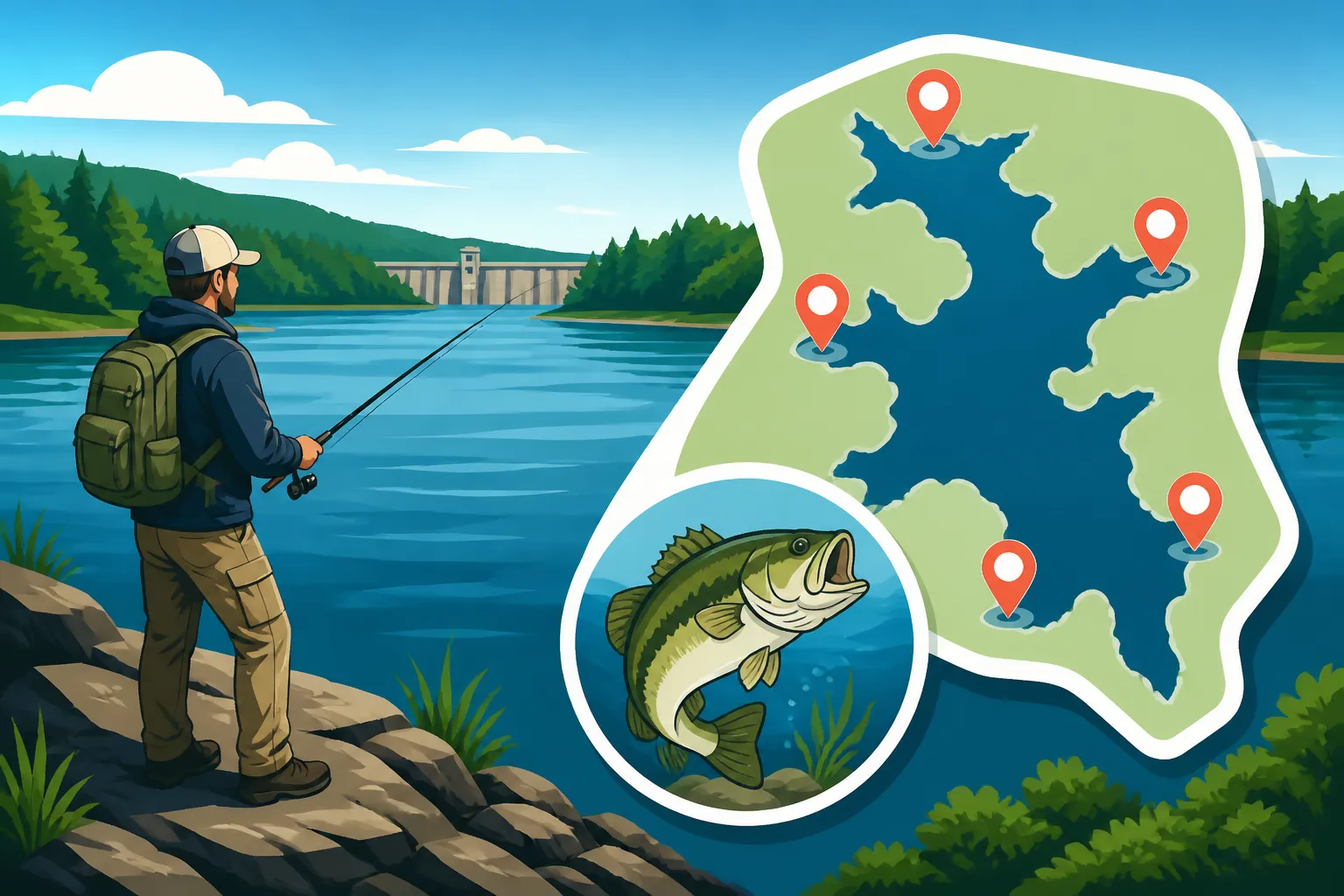
When most anglers think of Wachusett shore fishing, their minds immediately go to Gate 16. Located off Route 140 and Old Princeton Road in West Boylston, this is arguably the most popular and accessible shore fishing spot on the entire reservoir. You'll find a spacious parking lot, and from there, well-maintained paths lead to an expansive stretch of shoreline. This area is fantastic because it offers a variety of underwater structures: rocky points, drop-offs, and shallower flats, all within casting distance. It's particularly productive for trout and salmon, especially during the spring and fall stocking seasons when MassWildlife releases thousands of fish. Early mornings or late evenings often yield the best results here, as the fish move closer to shore. The walk to some of the prime spots can be a bit of a hike, sometimes up to a mile or more, so comfortable shoes and a portable setup are key. This spot truly gives you a feel for the reservoir's scale and its potential for big catches.
Northern and Eastern Shoreline Access (Route 12, Route 70, and Others)
While Gate 16 gets a lot of attention, there are other excellent shore access points, often less crowded, scattered along Routes 12 and 70. These can be a bit more challenging to find, sometimes requiring a keen eye for DCR signs or a willingness to explore.
- Route 12 Access (Sterling/West Boylston): Along Route 12, particularly near the towns of Sterling and West Boylston, you'll find various gates and pull-offs. Some of these provide access to rocky outcrops and ledges that are fantastic for smallmouth bass. Unlike the more open terrain of Gate 16, these spots often have steeper banks and deeper water closer to shore. They require a bit more scrambling, but the reward can be fewer anglers and concentrated fish. Always ensure you're parking legally and accessing through designated DCR gates.
- Route 70 Areas (Sterling/Boylston): Similarly, Route 70 offers a few spots, though these tend to be even more secluded. Anglers willing to venture a bit further can find quieter stretches, often with a mix of rocky and softer bottom, which can be great for targeting yellow perch or even elusive landlocked salmon during their seasonal movements. These areas might require a longer walk through wooded paths, so proper planning and navigation are essential.
The key to these alternative spots is research. Consulting DCR maps or asking local bait shops can give you valuable intelligence on which gates are currently open and which spots are producing. Remember, the rules here are strict, and respecting them ensures these fishing opportunities remain available for everyone.
Understanding Wachusett's Gate System and Open Hours
The DCR maintains a system of numbered gates around Wachusett Reservoir, and not all of them are open to public access at all times. These gates are crucial for protecting water quality and managing public use.
For shore fishing, you'll typically be looking for gates designated for public access. These gates usually have clear signage indicating "Public Fishing Access" or similar. However, even open gates can have specific operating hours, often opening at dawn and closing at dusk. It's absolutely critical to check the DCR website or the official Wachusett Reservoir regulations pamphlet before you head out, especially if you're planning an early morning or late evening trip. Getting locked in or out is not an experience you want!
Parking is generally available at the open gates, but it can fill up quickly during peak seasons or weekends. Always park in designated areas to avoid fines or towing. Some gates might only allow pedestrian access, meaning you'll need to walk a significant distance to the shoreline. This is where a backpack with all your gear becomes invaluable. Knowing which gates are open and their hours is as important as knowing what bait to use, ensuring you can enjoy your time on the water without any unwelcome surprises.
| Access Point | Nearest Town | Common Target Species | Key Shoreline Features | Notes |
|---|---|---|---|---|
| Gate 16 | West Boylston | Rainbow Trout, Brown Trout, Salmon, Smallmouth Bass | Long, varied shoreline; rocky points, gravel flats | Most popular and accessible. Check DCR for open hours. |
| Gate 35 (Route 12) | Sterling | Smallmouth Bass, Yellow Perch | Rocky ledges, deeper water closer to shore | Good for bass, often less crowded than Gate 16. Limited parking. |
| Gate 20 (Route 70) | Sterling/Boylston | Trout, Panfish | More secluded, varied bottom, some deeper channels | Requires longer walks; quieter atmosphere. Verify access. |
| Other Route 12 Pull-offs | West Boylston/Sterling | Smallmouth Bass, Pickerel | Numerous small access points, often rocky | Look for DCR signs. Can be steep; limited parking. |
Gear, Baits, and Tactics for Wachusett Reservoir Shore Anglers
Once you've pinpointed your access point, the next step is ensuring you have the right tools and techniques to tempt Wachusett's impressive fish. Shore fishing here demands a thoughtful approach to tackle and presentation.
Essential Tackle for the Shoreline Mission
Given the vastness of Wachusett and the need for long casts from shore, your tackle setup needs to be optimized for distance and power. A medium-heavy spinning rod, typically in the 7 to 9-foot range, is ideal. This length allows for greater casting distance, helping you reach those deeper channels or distant drop-offs where fish often hold. Pair it with a reliable spinning reel in the 3000 to 4000 series, capable of holding 200+ yards of line.
For line, many experienced Wachusett anglers opt for braided line (15-20 lb test) as their main line due to its incredible sensitivity and casting distance. A fluorocarbon leader (6-12 lb test, depending on target species and water clarity) is then tied to the braid. Fluorocarbon is nearly invisible underwater, which is crucial in Wachusett's clear waters, and it offers excellent abrasion resistance against the reservoir's rocky bottom. Don't forget a sturdy landing net with a long handle; once you hook a big trout or salmon, you'll need it to safely bring your prize ashore, especially from elevated banks. Waders can also be invaluable if there are designated areas allowing you to enter the water slightly to gain a better casting angle or retrieve a snagged lure.
Proven Baits and Lures for Wachusett's Diverse Fish
The beauty of Wachusett is its diverse fishery, meaning you can target different species with various offerings.
- For Trout and Salmon: These cold-water species are often the prime targets for shore anglers. Traditional baits like PowerBait (especially in bright colors like chartreuse, orange, or rainbow) fished off the bottom with a sliding sinker rig are highly effective. Live shiners, if allowed (always check current regulations as bait restrictions can change), can also be deadly. When it comes to lures, spoons like Kastmasters (gold, silver, blue/silver), Thomas Buoyants, and small Rapala stickbaits (like the Countdown series in natural or chrome patterns) are incredibly productive. Cast these out, let them sink to different depths, and retrieve with varying speeds and twitches to entice strikes. For more tips on what works, check out our Best Bait for Trout Fishing in Massachusetts.
- For Smallmouth Bass: Wachusett boasts a fantastic smallmouth fishery, particularly around rocky points and drop-offs. Soft plastics such as tube jigs, grubs, and finesse worms rigged on a jig head or a dropshot rig are excellent. Hard baits like suspending jerkbaits or small crankbaits can also draw aggressive strikes. Work these lures slowly, mimicking crawfish or baitfish around the structure.
- For Yellow Perch and Panfish: If you're looking for consistent action, yellow perch are abundant. A simple setup with a small hook, a piece of nightcrawler or a small grub under a bobber, is usually all it takes. These fish are often found closer to shore, especially in less turbulent areas.
Experimentation is key at Wachusett. The fish can be finicky, so having a variety of options and being willing to switch up your presentation can make all the difference.
Mastering Shore Casting and Presentation
Effective shore fishing at Wachusett goes beyond just having the right gear; it's about how you use it. One of the most important tactics is fan casting. Instead of repeatedly casting to the same spot, cast in a fan-like pattern, covering a wide arc of water in front of you. This helps you locate active fish and identify potential holding structures.
Pay close attention to retrieval speed and depth. Sometimes fish are hugging the bottom, other times they might be suspended. Try different retrieve speeds, from slow and steady to fast and erratic, until you find what triggers a bite. Observing the water for signs of baitfish or surface activity can also clue you into where predator fish might be lurking.
Lastly, patience and stealth are virtues at Wachusett. Especially in popular areas like Gate 16, fish can become wary of human presence. Try to keep a low profile, avoid loud noises, and move deliberately. Don't be afraid to walk a bit further from the main crowds; a quiet, undisturbed spot often yields better results. Understanding How to Catch Largemouth Bass in Massachusetts in different scenarios can give you a leg up, even for Wachusett's smallmouth.
Navigating Regulations, Permits, and Safety for a Successful Trip
A day of fishing at Wachusett Reservoir can be incredibly rewarding, but it's paramount to understand and adhere to the specific rules and safety guidelines in place. These regulations exist to protect both the reservoir's pristine water quality and the angling experience.
The Absolute Must-Haves: License and Reservoir Rules
Before you even think about casting a line, you absolutely need a valid Massachusetts Freshwater Fishing License. This is non-negotiable for anyone aged 15 or older. You can easily purchase one online through the MassFishHunt system, or at various authorized vendors. For details on age requirements and pricing, our Massachusetts Fishing License Guide covers all the essentials.
Beyond the general state license, Wachusett Reservoir has its own set of special regulations enforced by the DCR. These are specific and strictly enforced to protect the public water supply. Key rules include:
- No private boats, canoes, kayaks, or float tubes: This is probably the most significant rule. All fishing must be done from shore.
- No wading: You cannot enter the water to wade, with very few exceptions in specifically designated areas that are clearly marked.
- Specific bait restrictions: While live bait is generally allowed, certain types, particularly species that could introduce invasive elements or disease, are prohibited. Always check the official DCR regulations for the most current list of allowed and prohibited baits.
- Designated fishing areas and hours: As mentioned earlier, fishing is only permitted in designated areas, and usually from dawn to dusk. Always consult the DCR's official publications or their website for the most up-to-date information, which can sometimes change seasonally. Our article on License requirements for fishing at Wachusett Reservoir goes into more depth on this crucial topic. Don't forget to also check the Wachusett Reservoir 2026 fishing season opening date to plan your trip effectively.
Prohibited Items and Activities to Avoid Fines
To maintain the purity of the drinking water supply, the DCR has a list of items and activities that are strictly forbidden around Wachusett Reservoir. Ignorance of these rules is not an excuse, and violations can result in significant fines and legal action.
Common prohibitions include:
- Littering: Any form of litter is strictly prohibited. This includes fishing line, bait containers, food wrappers, and especially anything that could contaminate the water. "Pack it in, pack it out" is the mantra here.
- Ice fishing: Due to safety concerns and water quality protection, ice fishing is never permitted on Wachusett Reservoir.
- Swimming or bodily contact with the water: Again, this is a drinking water reservoir, so swimming, bathing, or any direct bodily contact with the water is strictly forbidden.
- Camping or fires: No fires, camping, or overnight stays are allowed on DCR property around the reservoir.
- Pets: With the exception of service animals, pets are generally not allowed on DCR property around Wachusett to prevent potential contamination.
- Target practice or hunting: These activities are not allowed on reservoir lands.
These rules are not arbitrary; they are critical for maintaining the high quality of drinking water for millions of residents. By understanding and respecting them, you're contributing to the health of the community and the longevity of this incredible fishery. Always carry your Massachusetts Fishing Regulations Pamphlet, Explained or have access to digital copies of the rules. For general license purchases, learning about the MassFishHunt account setup guide will be beneficial.
Safety First: Enjoying Wachusett Responsibly
Beyond the regulations, personal safety should always be your top priority when fishing Wachusett from shore. The terrain can be challenging, and the weather unpredictable.
- Footwear: Wear sturdy, comfortable, and slip-resistant footwear. Many shore access points involve walking over uneven ground, rocky sections, and potentially muddy paths.
- Weather Awareness: Massachusetts weather can change rapidly. Check the forecast before you go and be prepared for sudden shifts. Layered clothing is always a good idea. Even on a sunny day, the reservoir can get surprisingly windy and cool.
- Slippery Rocks: The shoreline can be incredibly slippery, especially after rain or with algae growth. Exercise extreme caution, particularly on sloped or wet rocks. A fall could be serious.
- Deep Water: Wachusett is a very deep reservoir. Stay a safe distance from the water's edge, especially if you're not a strong swimmer or if you're fishing with children. The DCR regulations prohibit wading for a reason.
- Stay Hydrated and Bring Snacks: Especially if you plan on hiking to more secluded spots, make sure you have enough water and some energy-boosting snacks.
- Tell Someone Your Plans: Always let a friend or family member know where you're going and when you expect to return, especially if you're fishing alone. Cell service can be spotty in some remote areas around the reservoir.
- Respect Wildlife: Wachusett is home to diverse wildlife. Observe from a distance and never feed wild animals.
By being mindful of your surroundings, adhering to the rules, and practicing responsible angling, you can enjoy a safe, memorable, and potentially very successful shore fishing experience at Wachusett Reservoir. While Wachusett is highly regulated, for general fishing information or finding other guided trips in the state, resources like FishingBooker can offer a wide range of options for different water bodies and species across Massachusetts, helping you diversify your fishing adventures. Don't forget to review the Massachusetts Freshwater Daily Catch Limits for all species you might encounter.
Disclaimer
Please note that fishing regulations, access points, and season dates for Wachusett Reservoir and all Massachusetts waterways are subject to change. Always consult the official Massachusetts Division of Fisheries and Wildlife (MassWildlife) website and the DCR's Wachusett Reservoir regulations for the most current information before planning your fishing trip. This guide is for informational purposes only and should not be considered a substitute for official government publications.