Where to fish near Woods Hole
Finding a fantastic fishing spot in a place like Woods Hole, Massachusetts, can feel a bit daunting at first. With so many intersecting waterways, strong currents, and a mix of well-known and hidden gems, it's easy to wonder where to even cast your line for the best chance at a great catch. This comprehensive guide will cut through the confusion and pinpoint exactly where you can find success, whether you prefer fishing from shore or venturing out on a boat, giving you the local insights you need for a truly memorable experience.
Understanding the Unique Waters Around Woods Hole
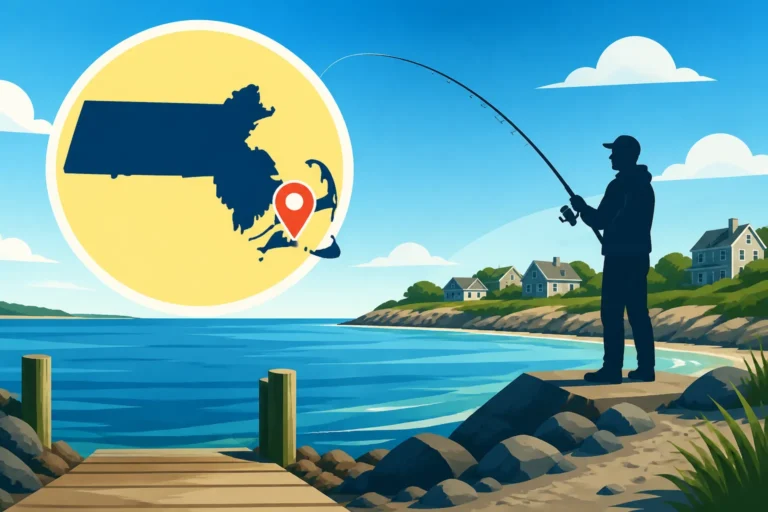
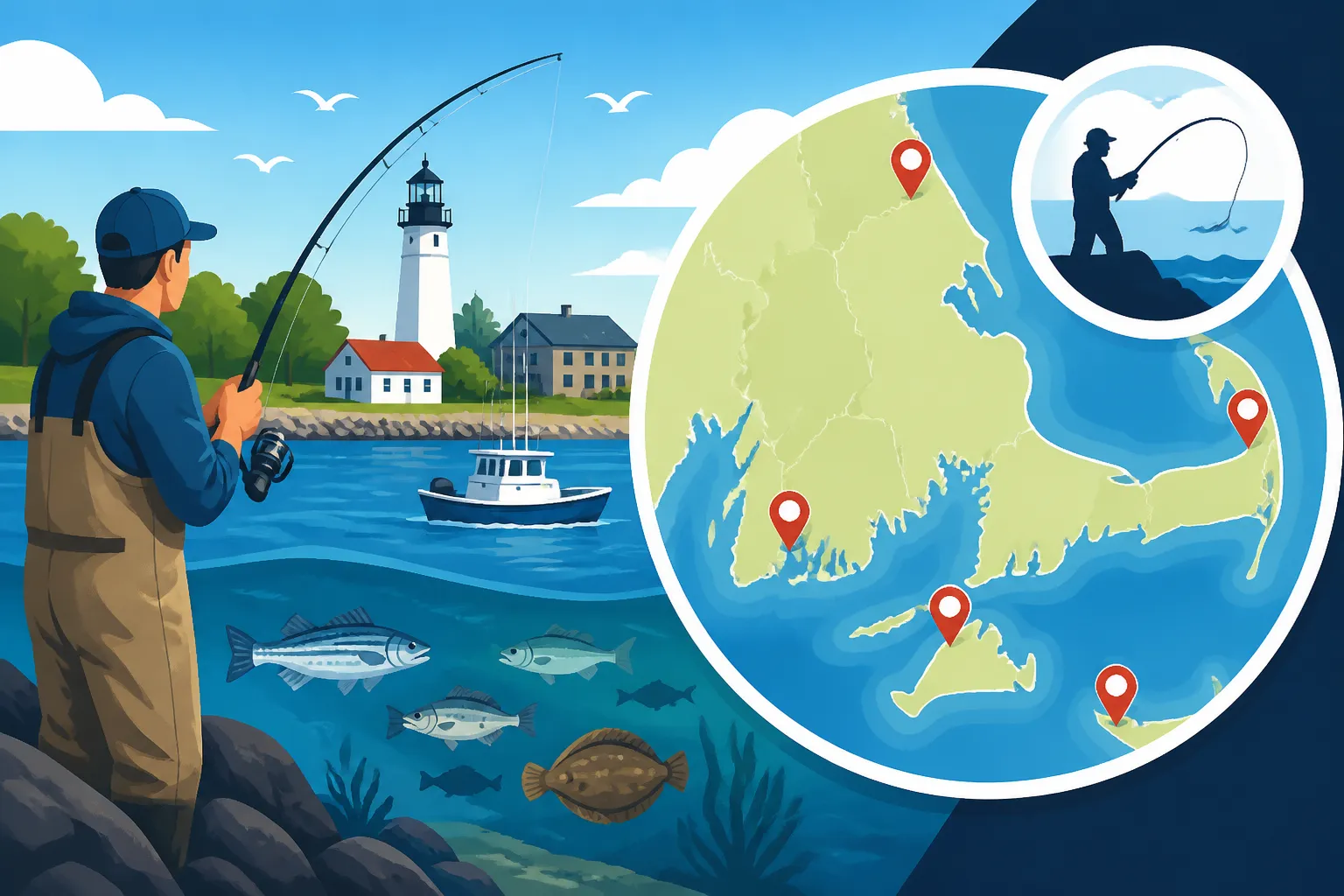
Woods Hole isn't just a picturesque village; it's a dynamic aquatic crossroads. Situated at the southwestern tip of Cape Cod, it acts as a funnel between the protected, calmer waters of Buzzards Bay to the north and the expansive, often more turbulent Vineyard Sound to the south. This unique geographical position creates an incredibly rich and diverse marine environment, making it a hotspot for a variety of popular fish species. Anglers often find this area particularly rewarding due to the constant movement of baitfish and the structure provided by rocky bottoms and deep channels.
A Confluence of Productive Ecosystems
The coming together of Buzzards Bay and Vineyard Sound at Woods Hole means you're dealing with two distinct, yet interconnected, marine ecosystems. Buzzards Bay is known for its relatively shallower, warmer waters in some areas, offering prime habitat for species like tautog, scup, and black sea bass, particularly around rocky structures and mussel beds. On the other hand, Vineyard Sound, with its deeper channels and proximity to the open Atlantic, provides excellent opportunities for larger migratory species such as striped bass, bluefish, and even bonito or false albacore during their runs. The constant influx of nutrient-rich waters from both sides supports a robust food chain, attracting predators to these productive grounds. It’s a truly special place where you can target a wide array of fish depending on the season and your chosen technique.
Navigating Tidal Flows and Current
If there's one thing you absolutely must understand about fishing around Woods Hole, it's the profound impact of the tides and the powerful currents they generate. The Woods Hole Passage, specifically, is famous for its swift currents, which can reach speeds of several knots, especially during peak tidal changes. These currents act like a conveyor belt, bringing baitfish—like silversides, pogies (menhaden), and squid—right past hungry predators. For shore anglers, understanding the tides is crucial for safety and successful casting. You'll often find that the periods around slack tide, just before or after the full strength of the current, can be highly productive, as fish can hold more easily and ambush prey. However, skilled boat anglers often thrive in the stronger currents, employing heavy jigs or live baits to get down to the fish holding on the bottom or in current seams. Many local anglers consult tide charts religiously, sometimes even planning their entire fishing trip around the specific ebb and flow of the Best Tide for Fishing the Cape Cod Canal, a similar but even more famous current fishery nearby. Ignoring the tides here is like trying to drive a car without knowing how to steer – you're just asking for trouble and disappointment.
Top Shore Fishing Locations Near Woods Hole
While Woods Hole is primarily known as a boating hub, there are indeed some fantastic opportunities for shore-based anglers, provided you know where to look and respect the local conditions. These spots often offer unique challenges and rewards, putting you face-to-face with some impressive Massachusetts saltwater species. Just remember to always be aware of your surroundings, especially with boat traffic and strong currents.
Nobska Beach and Lighthouse
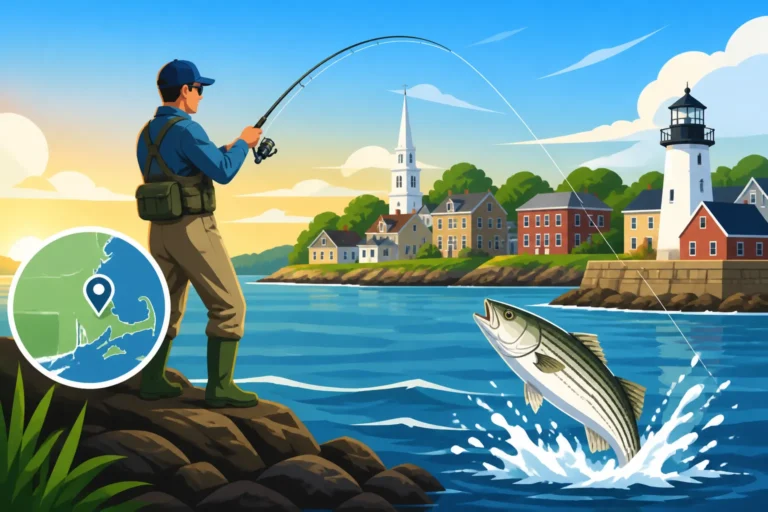
Just a short drive from the bustling center of Woods Hole, Nobska Beach offers a stunning backdrop for shore fishing with the iconic Nobska Lighthouse standing sentinel. This location provides access to the waters of Vineyard Sound, which can be incredibly productive, especially during the spring and fall migrations. Anglers here often target striped bass, bluefish, and scup. For striped bass and bluefish, casting artificial lures like poppers, pencils, or swimming plugs at dawn or dusk can yield exciting results. During the day, bottom fishing with bait like squid or sea worms can be effective for scup and even small fluke. The beach itself is mostly sandy, but there are scattered rocks, especially closer to the lighthouse, that provide some structure for fish to hold. Accessibility is generally good, with parking available, though it can fill up quickly during peak summer months. It's a great spot to practice your Massachusetts Surf Fishing Techniques.
Stoney Beach
Stoney Beach, nestled a bit closer to the village, offers a more intimate shore fishing experience. As its name suggests, it's a pebble and rock beach, providing more varied bottom structure compared to purely sandy beaches. This makes it an attractive spot for fish that prefer to lie in wait among the rocks, such as tautog and scup, in addition to the ever-present striped bass and bluefish. Light tackle fishing with jigs tipped with crab pieces or sea worms can be very effective for tautog, particularly in the calmer pockets during incoming or outgoing tides. For bass and bluefish, casting metal lures or soft plastics can work well, especially if you can reach beyond the immediate shallow areas. Access here is a bit more limited, often requiring parking along residential streets or a short walk, so it feels a bit more like a local's secret.
Woods Hole Passage and Drawbridge
This area, specifically around the Woods Hole drawbridge, presents some of the most challenging but potentially rewarding shore fishing in the region. The currents here are notoriously strong, funneling water at high speeds between the mainland and the Elizabeth Islands. For experienced anglers, this can mean excellent opportunities for large striped bass and bluefish that ambush baitfish swept through the passage. However, extreme caution is advised due to the powerful currents, boat traffic, and potential for snags. Heavy jigs, large swimming plugs, or live eels (if allowed and safely deployed) are often the tackle of choice to combat the current and get down to where the fish are holding. Fishing here is definitely not for the faint of heart or the inexperienced. Always check local regulations, as access and fishing methods may be restricted in certain areas near the bridge for safety reasons. You might also want to consult the guide on Massachusetts Rules for Fishing From a Pier or Bridge before heading out.
Falmouth Jetties and Beaches (Nearby Extension)
While not in Woods Hole proper, the various jetties and beaches stretching along the Falmouth coastline, just a short drive east, are essentially an extension of the same productive waters and are too good to ignore for shore anglers. Locations like Falmouth Heights Beach, Bristol Beach, and especially the various stone jetties offer excellent access to Vineyard Sound. These spots are renowned for yielding impressive catches of striped bass and bluefish, especially during low light conditions or when baitfish are plentiful. Anglers here use a variety of techniques, from casting large pencils and poppers at dawn, to soaking chunks of bait or live eels off the jetties at night. You'll often find excellent opportunities for bottom fishing for scup, fluke, and even black sea bass around these structures. The beauty of these Falmouth spots is their relative accessibility and diverse fishing opportunities, making them a fantastic alternative or addition to a Woods Hole fishing trip. For more specific details on these broader areas, you can also check out Falmouth and Woods Hole Fishing Spots.
Prime Boat Fishing Grounds from Woods Hole
Woods Hole truly shines for boat anglers, serving as a gateway to some of Massachusetts' most legendary saltwater fishing grounds. Whether you're launching your own vessel or hopping on a charter, the opportunities are vast and varied, promising a thrilling day on the water. The deeper waters and varied bottom structures accessible by boat open up a whole new world of angling possibilities.
Fishing Vineyard Sound
Stepping out of Woods Hole into Vineyard Sound immediately puts you in prime territory for a multitude of species. This expansive body of water, stretching between Cape Cod and Martha's Vineyard, is a major migration route for striped bass and bluefish. Trolling tube-and-worm rigs, parachute jigs, or swimming plugs along rocky shorelines and structure can be incredibly effective for trophy-sized stripers. During the summer, jigging or casting topwater lures for bluefish schools is often fast and furious action. Beyond the migratory predators, Vineyard Sound also boasts excellent bottom fishing for fluke (summer flounder), scup, black sea bass, and even tautog around its many rock piles, wrecks, and mussel beds. Drift fishing with bucktails and Gulp! Swimming Mullets is a classic technique for fluke, while clam or crab baits work wonders for scup and tautog. A day exploring the Vineyard Sound Fishing Spots can be incredibly productive, often yielding a mixed bag of delicious table fare and thrilling fights.
Exploring Buzzards Bay
To the north of Woods Hole lies Buzzards Bay, a distinct fishery with its own set of charms. While often shallower than Vineyard Sound, it offers a labyrinth of rocky reefs, coves, and estuaries that provide ideal habitat for a different mix of species. This bay is particularly famous for its incredible tautog fishing, with numerous rocky outcroppings and artificial reefs holding large numbers of these hard-fighting "blackfish." Anglers typically use green crabs or hermit crabs on a tog jig or a bottom rig to entice them from their rocky lairs. Buzzards Bay also holds a healthy population of striped bass and bluefish, often found patrolling the edges of shoals and feeding lanes, especially around current breaks. Scup and black sea bass are also abundant throughout the bay, making for excellent light tackle action. Many successful days start by studying the marine charts, identifying promising structure, and working those areas thoroughly. For a broader overview of the bay's offerings, consult the Buzzards Bay Fishing Guide, Massachusetts.
The Elizabeth Islands and Quick's Hole
Just a stone's throw from Woods Hole, the string of the Elizabeth Islands (Naushon, Pasque, Nashawena, Cuttyhunk, and Gosnold) offers some of the most remote and pristine fishing opportunities in the region. These islands are renowned for their rugged shorelines, deep channels, and prolific rips, which create perfect ambush points for large striped bass and bluefish. Quick's Hole, the passage between Nashawena and Cuttyhunk, is particularly famous for its strong currents and deep waters, often holding significant schools of bait and the predators that chase them. Jigging with heavy diamond jigs or vertical jigs, or live-lining large baits like mackerel or pogies, can produce monster stripers here. The deeper offshore areas around the islands can also hold bonito and false albacore during late summer and fall, providing exhilarating light tackle action. Access to many parts of the islands is private, so boat anglers must respect property lines, but the waters surrounding them are open for fishing, offering a truly wild and adventurous experience.
Essential Gear and Local Tips for Woods Hole Fishing
Success in the waters around Woods Hole often comes down to having the right equipment and understanding the local nuances. It's a place where adaptability and preparedness pay off, given the varied conditions and diverse species.
Rod, Reel, and Tackle Recommendations
For most inshore fishing around Woods Hole, a versatile setup is key. For striped bass and bluefish, whether from shore or boat, a medium-heavy spinning rod (7-9 feet) paired with a robust spinning reel (4000-6000 size) spooled with 30-50 lb braided line is a solid choice. This provides the power needed for strong currents and bigger fish. For bottom fishing for tautog, scup, and black sea bass, a slightly shorter, more sensitive rod (6-7 feet) with a medium-heavy action and a smaller spinning or conventional reel (3000-4000 size or equivalent) spooled with 20-30 lb braid is ideal. You'll want a sensitive tip to detect subtle bites but enough backbone to pull fish away from structure. Don't forget an assortment of leadhead jigs (1/2 oz to 2 oz for shore, heavier for current in boats), swimming plugs, poppers, and soft plastic paddletails. Always carry plenty of leader material (fluorocarbon in 30-50 lb test) as the rocky areas are notorious for abrading lines.
Understanding Bait and Lure Preferences
Baitfish are king around Woods Hole, and mimicking them is your best bet. Live eels are phenomenal for striped bass, especially at night or in strong currents. Mackerel and pogies (menhaden) are also top choices when available, either live-lined or chunked. For bottom fish, fresh squid is a universal bait for fluke, scup, and black sea bass, while green crabs or hermit crabs are the absolute go-to for tautog. Sea worms can also be deadly for scup and smaller fluke.
When it comes to artificial lures, think realistic and durable. Soft plastic paddletails (like those from Z-Man or Lunker City) on jig heads are highly effective for bass, bluefish, and fluke. Swimming plugs from brands like Daiwa SP Minnow or Bomber are classic choices for stripers. Poppers and pencil poppers create surface commotion that can drive bluefish and bass into a frenzy. Metal jigs, such as diamond jigs, are essential for getting down in current or targeting deeper-holding fish. Having a diverse tackle box will allow you to adapt to whatever the fish are biting on that day. If you're targeting specific species, exploring guides like How to Catch Striped Bass in Massachusetts or How to Catch Fluke in Massachusetts can provide more detailed lure and bait advice.
When to Visit: Seasonal Highlights
The fishing calendar around Woods Hole dictates what you'll catch and how.
- Spring (May-June): This is prime time for the striped bass migration as they push into the sounds and bays. Large schools of hungry bass and bluefish follow bait. Fluke also start to become active.
- Summer (July-August): Striped bass and bluefish remain strong, often found in deeper rips or early/late in the day. Tautog, scup, and black sea bass fishing is excellent and consistent. You might also encounter bonito and false albacore later in the summer.
- Fall (September-October): The fall run is legendary, with massive schools of striped bass and bluefish moving through, feeding aggressively before heading south. False albacore and bonito fishing can be spectacular. Tautog remains strong until the waters cool significantly.
- Winter (November-April): While primary target species are gone, some hearty anglers may find success targeting cod or other groundfish in deeper, offshore areas if conditions allow, but this is a much more specialized fishery.
Understanding the Massachusetts Saltwater Fishing Seasons will give you a better idea of what species are in season and when you're likely to encounter them.
Hiring a Local Guide or Charter
For many visitors and even experienced anglers looking to maximize their time and target specific species, hiring a local fishing guide or charter out of Woods Hole or nearby Falmouth is an invaluable decision. Navigating these complex waters and understanding the constantly changing conditions can be a steep learning curve, and a local expert can cut straight to the action.
Advantages of a Guided Trip
A guided fishing trip offers numerous advantages. First and foremost, local captains possess an intimate knowledge of the area's hotspots, current patterns, and the specific behaviors of the fish throughout the seasons. They know precisely where the fish are hiding, what they're biting on, and how to safely navigate the sometimes-treacherous waters. This local expertise dramatically increases your chances of success, often saving you countless hours of trial and error. Furthermore, charters provide all the necessary, high-quality gear, bait, and often even handle the fish cleaning. For families or beginners, this means a hassle-free experience where everyone can focus on the fun of fishing. Plus, many captains are passionate educators, eager to share their knowledge and techniques, turning a fishing trip into a valuable learning experience.
Finding the Right Charter
When looking for a charter, it's essential to do a little homework to ensure you find a captain that matches your fishing goals and style. Websites like FishingBooker are excellent resources for browsing various charter options departing from Woods Hole, Falmouth, and other nearby Cape Cod towns. You can filter by target species (striped bass, bluefish, tautog, tuna, etc.), trip duration (half-day or full-day), boat type, and even read reviews from previous customers. It's wise to contact potential captains directly to discuss your expectations, their experience, and what's typically biting during your desired timeframe. Don't be afraid to ask about their safety protocols and what's included in the price. Many captains specialize, so if you're set on chasing big tuna, look for a tuna-focused charter, versus one primarily doing inshore bass trips. Booking well in advance, especially for peak season (summer and fall), is highly recommended, as the best charters fill up quickly. You can learn more about finding and booking the right experience by reading about Booking a Fishing Charter on Cape Cod or understanding Massachusetts Fishing Charter Costs.
Fishing Opportunities Near Woods Hole
| Fishing Location/Type | Primary Species Targeted | Best Fishing Method(s) | Notes & Best Time |
|---|---|---|---|
| Shore Fishing | |||
| Nobska Beach & Lighthouse | Striped Bass, Bluefish, Scup | Surfcasting with lures/bait, bottom fishing | Dawn/Dusk for predators, daytime for bottom fish; good access. |
| Stoney Beach | Tautog, Scup, Striped Bass | Light tackle jigging with crabs, casting soft plastics | Good structure, less crowded. Slack tide best for tog. |
| Woods Hole Passage/Bridge | Large Striped Bass, Bluefish | Heavy jigging, live bait (eels); extreme caution for currents | Highly challenging, strong currents, experienced anglers only. |
| Falmouth Jetties & Beaches | Striped Bass, Bluefish, Fluke, Scup | Surfcasting, bottom fishing, live bait (eels/mackerel) | Excellent variety, good access, productive year-round. |
| Boat Fishing | |||
| Vineyard Sound | Striped Bass, Bluefish, Fluke, Black Sea Bass, Tautog | Trolling, jigging, drifting, bottom fishing with bait | Major migration route, diverse species, can get rough. |
| Buzzards Bay | Tautog, Scup, Striped Bass, Black Sea Bass | Bottom fishing with crabs/clams, jigging, light tackle casting | Excellent tautog fishing, more protected waters. |
| Elizabeth Islands/Quick's Hole | Trophy Striped Bass, Bluefin Tuna, Bonito, False Albacore | Live-lining, heavy jigging, trolling (offshore) | Remote, strong currents, offshore opportunities, big fish. |
Disclaimer
Please be aware that fishing regulations in Massachusetts are subject to change. It is always the angler's responsibility to check the latest rules and regulations regarding licenses, seasons, size limits, and bag limits from the Massachusetts Division of Marine Fisheries (MassDMF) or MassWildlife before heading out. Safety should always be your top priority, especially when dealing with strong currents or boating in busy areas.