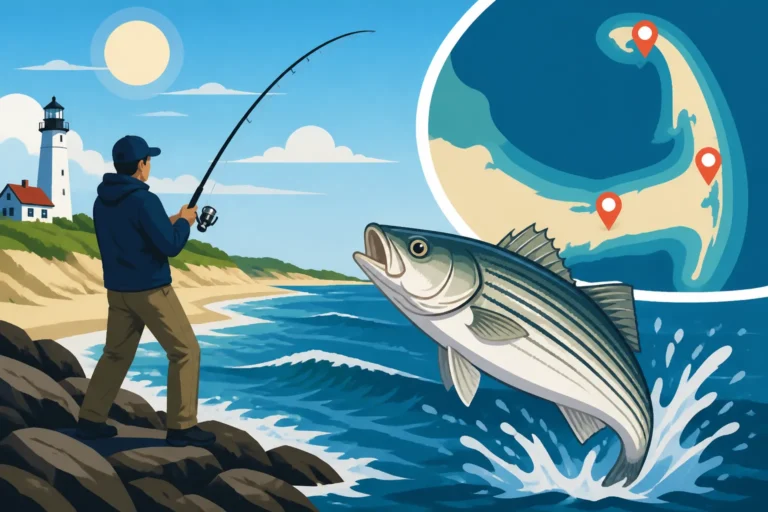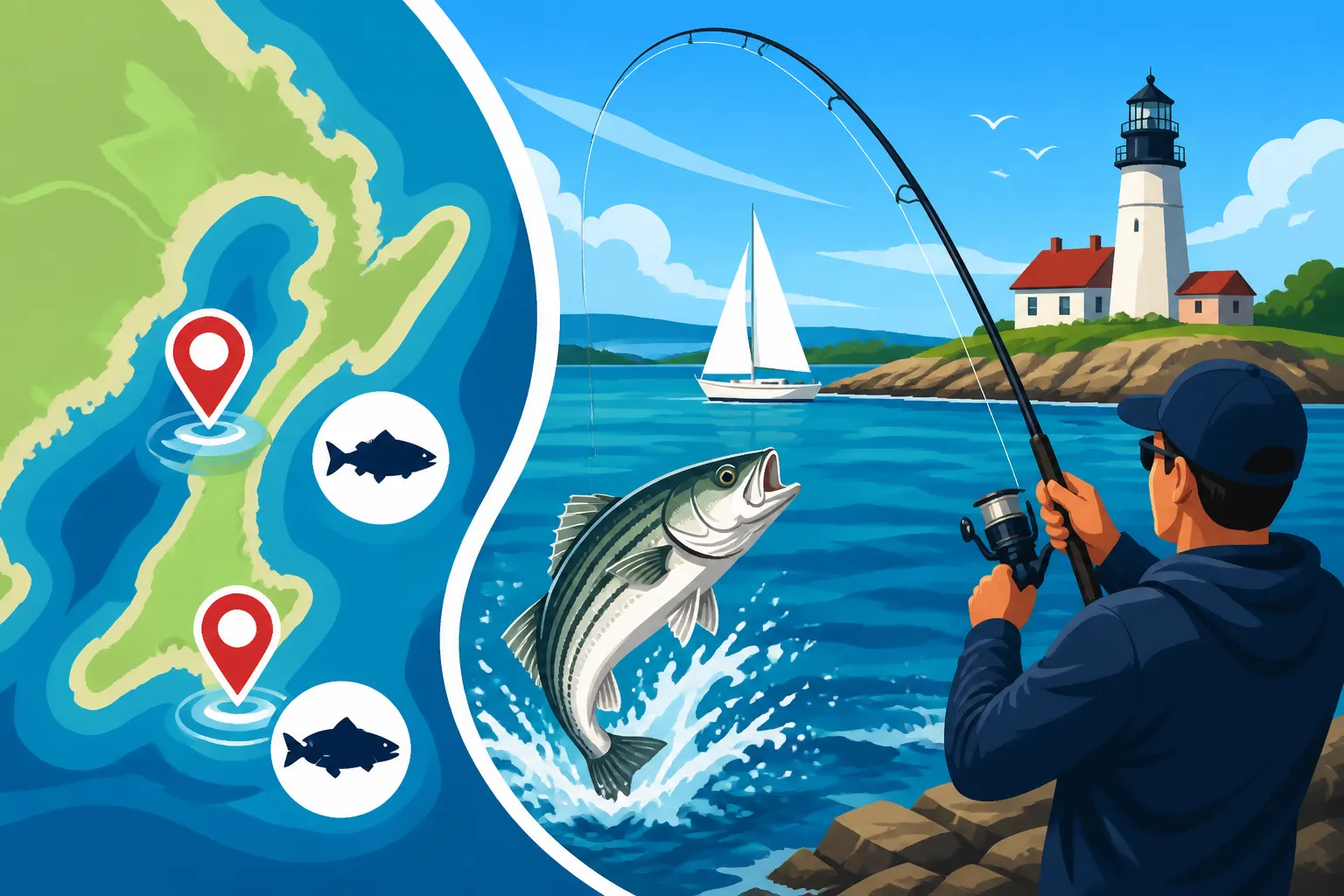
Falmouth and Woods Hole Fishing Spots
One of the biggest headaches for anglers exploring Massachusetts is trying to pinpoint the truly productive spots, especially in a region as renowned as Cape Cod. It's easy to get overwhelmed by the sheer number of beaches, coves, and channels. This guide is here to cut through the confusion and highlight the fantastic fishing opportunities around Falmouth and Woods Hole, ensuring you spend less time searching and more time reeling in that next big catch.
Uncovering Falmouth's Diverse Shoreline Fishing Opportunities
Falmouth, nestled on the southwestern tip of Cape Cod, offers an incredible diversity of fishing experiences, from the gentle lapping waves of Vineyard Sound to the more exposed areas facing Buzzards Bay. It's a town that truly embraces its coastal identity, providing ample opportunities for shore anglers, kayakers, and those with small boats looking to explore. You don't always need a fancy charter to find great fish here; sometimes, all it takes is a walk along the beach or a visit to a local pier.
Surfcasting on Falmouth's Beaches
For many, surfcasting is the quintessential Cape Cod fishing experience, and Falmouth's beaches deliver in spades. From the long, sandy stretches of Old Silver Beach to the more protected waters of Falmouth Heights, there's a unique feel to each spot. Old Silver, particularly at dawn or dusk, can be a fantastic place to target striped bass as they cruise the shallow waters for baitfish. The outgoing tide here, especially around the jetties, often creates rips and currents that stripers love. It's a busy beach during the day, so early mornings or evenings are best for serious fishing. You’ll want a sturdy surf rod, about 9-11 feet, capable of casting heavy lures or bait. Think about pencils, poppers, and metal jigs when the bait is visible, or chunks of menhaden and mackerel if you're fishing with natural bait.
Then you have beaches like Chapoquoit Beach on the Buzzards Bay side, which, while often shallower, can surprise you with good runs of bluefish and smaller striped bass, especially during the fall migration. The waters here are generally calmer than the outer Cape, making it a comfortable spot for longer casting sessions. Often, these calmer waters are perfect for those just starting out in surfcasting, as they present fewer challenges with waves and undertow. The key is to observe the water for any signs of baitfish or predators, like diving birds, which almost always indicate fish activity below.
Fishing from Piers and Jetties
Falmouth isn't just about sandy beaches; it also boasts several accessible piers and jetties that provide excellent fishing platforms, especially for those without a boat. The Falmouth Harbor jetties, for instance, are incredibly popular. These rocky structures extend into the harbor entrance, creating perfect ambush points for migrating striped bass and bluefish. You can cast into the channel or try fishing the calmer waters inside the harbor for scup, tautog, or even a stray flounder. The depth changes quickly around these structures, attracting a wider variety of fish. It's also a great spot for kids and beginners, as the access is easy, and you don't need a massive cast to reach productive water.
Another notable spot is the pier at Woods Hole Oceanographic Institution. While primarily a research facility, the public pier can offer some surprisingly good fishing, especially for species that prefer rocky bottom or structure. You'll find a mixed bag here – everything from bottom-dwelling scup and cunner to migrating stripers and bluefish. The strong currents in Woods Hole Passage also funnel a lot of bait past the pier, making it a consistent spot if you time your visit with the tides. Always check for any posted regulations or restrictions, as these areas can sometimes have specific rules to accommodate scientific work. Fishing from these structures often requires a robust setup that can handle snags from rocks and the powerful runs of larger fish.
Kayaking and Small Boat Access
For those who want to get just a little further out without committing to a full-sized boat, Falmouth offers excellent opportunities for kayak and small boat fishing. The protected coves and shallow estuaries are perfect for paddling quietly and targeting a variety of species. Spots like Salt Pond or Waquoit Bay, with their extensive marsh systems, are ideal for sight fishing for striped bass, especially during the warmer months when baitfish school up in the shallows. You can access these areas from various public launches, offering a unique perspective away from the crowded beaches.
Exploring the inshore islands and rocky outcrops near the shore can also yield fantastic results. Kayakers can easily navigate around obstacles that larger boats can't, reaching secluded spots where fish often congregate. For instance, the waters around the Elizabeth Islands, just a short paddle from Woods Hole, offer incredible opportunities for larger striped bass and tautog. Remember to always prioritize safety when venturing out in a kayak or small boat. Wear your personal flotation device, check the weather and tides, and let someone know your float plan. These smaller craft allow for a stealthy approach that can be incredibly effective when chasing wary fish.
Woods Hole: A Gateway to Productive Waters
Woods Hole isn't just a picturesque village and ferry terminal; it's a dynamic hub of marine activity, both natural and man-made. The confluence of waters here creates some of the most unique and productive fishing conditions on Cape Cod, drawing anglers from all over. The very geography of Woods Hole, acting as a funnel between Buzzards Bay and Vineyard Sound, ensures a constant flow of nutrient-rich water and baitfish.
The Swift Currents of Woods Hole Passage
The most defining feature of Woods Hole, from an angler's perspective, is the legendary Woods Hole Passage. This narrow, rocky channel experiences some of the fastest tidal currents in the Northeast, sometimes reaching speeds of 5-7 knots. These ripping currents are a double-edged sword: they can make fishing challenging, requiring heavy tackle and precise timing, but they also create an incredible feeding ground. The strong flow disorients baitfish and concentrates them, making it an easy meal for predators. This area is a prime location for casting big plugs or jigs for massive striped bass. Anglers often target the eddies and rips formed by the various points and islands within the passage, such as the famous "Quick's Hole" and "Robinson's Hole" further out in the Elizabeth Islands.
Fishing these currents demands respect and skill. You need to understand the tide charts intimately, knowing when the current will slacken enough to allow your lure to reach the fish, or when it will be running just right to carry your bait naturally. Many local anglers prefer to fish the beginning or end of the tide, or during the brief slack tide window. It’s also important to remember that these currents can be dangerous for smaller vessels, so caution is paramount. The rewards, however, can be immense, with some of the largest striped bass on Cape Cod being pulled from these waters.
Ferry Docks and Public Access
While much of Woods Hole is dedicated to scientific institutions and private docks, there are still pockets of public access that anglers can utilize. The area around the Steamship Authority ferry terminal, surprisingly, can offer decent fishing. The deep water, pilings, and constant activity create an environment that attracts a variety of species. You might find scup, tautog, and even small bluefish or stripers lurking around the structure, especially at night or during off-peak ferry hours. It’s a good spot for a quick fishing session if you're in the area, offering a convenient alternative to more remote locations.
Always be mindful of ferry operations and private property when fishing near the docks. Courtesy and respect for marine traffic are essential. While you might not be casting into the wild currents of the passage here, the sheltered waters can still provide a good outing, especially for bottom fishing with bait. Local tackle shops like Falmouth Bait & Tackle often have the most up-to-date information on where public access is best and what’s biting. For those planning a trip, booking a local guide through platforms like FishingBooker can provide invaluable insight into these specific, sometimes tricky, access points.
Access to Vineyard Sound and Buzzards Bay
Woods Hole acts as a pivotal gateway to two distinct and highly productive bodies of water: Vineyard Sound to the south and Buzzards Bay to the north. This unique position means anglers launching from Woods Hole have unparalleled flexibility to choose their fishing grounds based on weather, tides, and target species. Vineyard Sound is known for its relatively calmer waters, expansive sandy bottoms, and excellent fluke fishing, as well as strong runs of striped bass and bluefish along its shores and around the Elizabeth Islands.
Buzzards Bay, on the other hand, is characterized by its numerous rocky structures, kelp beds, and stronger winds, making it a haven for tautog, black sea bass, and robust populations of striped bass. The fishing opportunities in Buzzards Bay are diverse, offering everything from shallow-water light tackle action to deeper water jigging. Having access to both bodies of water from a single launch point significantly enhances the potential for a successful fishing trip, allowing captains to pivot quickly if conditions change in one area. This strategic location is a major draw for both recreational anglers and professional charters operating out of Falmouth and Woods Hole.
Productive Inshore and Nearshore Targets in Falmouth and Woods Hole
When you're fishing the waters around Falmouth and Woods Hole, you're not just hoping for a bite; you're targeting specific species known to thrive in this vibrant marine environment. The diversity of habitats, from sandy beaches to rocky bottoms and strong currents, supports a rich fishery. Understanding what fish are typically found where, and when, will significantly boost your chances of success.
Striped Bass and Bluefish Hotspots
Striped bass are, without a doubt, the rockstars of Massachusetts saltwater fishing, and the Falmouth/Woods Hole area is a premier destination for them. The strong currents of Woods Hole Passage are legendary for holding large "cow" stripers, particularly during the spring and fall migrations. Anglers here often use live eels, large swimming plugs, or heavy jigs to entice these powerful fish. Early morning, late evening, and especially night fishing, can be incredibly productive when targeting these wary predators. The rips and eddies created by the tidal flow are crucial ambush points that stripers utilize. For a more detailed look into what sizes you can keep, check out our guide on the Massachusetts Striped Bass Slot Limit Explained.
Bluefish often accompany stripers, especially during the warmer months, and they are known for their aggressive strikes and powerful fights. They frequent the same areas as stripers but are often found in more open water, chasing baitfish. Pop-
pers and metal lures are excellent choices for bluefish, as their aggressive nature often leads to spectacular topwater strikes. Be mindful of their razor-sharp teeth; always use a leader to prevent bite-offs. The beaches of Falmouth, particularly those facing Vineyard Sound, can see excellent runs of bluefish throughout the summer. You'll want to review the Massachusetts Bluefish Bag Limit and Season to stay within regulations.
Fluke and Tautog Grounds
Summer flounder, or fluke as they're commonly known, are a highly sought-after species in the sandy and muddy bottoms of Vineyard Sound. These flatfish are masters of camouflage, lying in wait for baitfish. Drifting with bucktail jigs tipped with Gulp! artificial baits, or live killifish/squid, is a popular and effective method. The shallow sandy flats and channel edges within the Sound and around the Elizabeth Islands are prime fluke territory. A slow drift over varying depths often yields the best results, allowing you to cover more ground and find where the fluke are holding. Our guide on Massachusetts Fluke Size Limits Explained provides all the details you need to know about legal keepers.
Tautog, or "blackfish," are another bottom-dwelling species that thrive in the rocky, structure-rich environments of Buzzards Bay and the numerous ledges around Woods Hole. These fish are notorious for their strong bite and penchant for dwelling in hard-to-reach places, making them a challenge and a thrill to catch. Green crabs, fiddler crabs, or even small pieces of conch are preferred baits, fished on a stout jig or a two-hook rig right on the bottom. Tautog fishing is often best in the spring and fall when water temperatures are just right. For specific regulations and season details, consult the Massachusetts Tautog Size and Bag Limit by Season.
Scup and Bottom Fish Opportunities
For a more relaxed fishing experience, or when targeting dinner, scup (also known as porgy) offer consistent action and delicious fillets. These schooling fish are abundant throughout Vineyard Sound and Buzzards Bay, especially over sandy and rocky bottoms. They are readily caught on small pieces of clam, squid, or seaworms fished on a simple bottom rig. Scup are great fun for anglers of all ages and skill levels, providing continuous bites and a good introduction to saltwater fishing. Many of the local piers and jetties, including those in Falmouth Harbor, are excellent spots for scup.
Alongside scup, you might also encounter other bottom dwellers like sea bass (black sea bass), cunner, and small cod in deeper waters. Black sea bass prefer rocky habitats and wrecks, offering a spirited fight and excellent table fare. They are typically caught using jigs or bait (squid, clams) fished vertically over structure. The waters off Falmouth and Woods Hole provide ample opportunities for these species, particularly if you venture out on a boat. These bottom fish provide excellent action when the conditions aren't ideal for targeting larger predators, making them a reliable option for a successful fishing trip.
| Species | Primary Habitat | Best Time of Year | Common Methods | Bait/Lures |
|---|---|---|---|---|
| Striped Bass | Rocks, Rips, Channels, Beaches | Spring, Fall | Surfcasting, Live-lining, Trolling | Eels, Mackerel, Plugs, Jigs, Poppers |
| Bluefish | Open Water, Beaches, Inshore | Summer, Early Fall | Surfcasting, Trolling, Casting | Metal Jigs, Poppers, Swimming Plugs |
| Fluke (Summer Flounder) | Sandy/Muddy Bottoms, Channel Edges | Summer | Drifting, Jigging | Bucktail Jigs, Gulp!, Squid, Killifish |
| Tautog | Rocky Bottoms, Ledges, Structure | Spring, Fall | Bottom Fishing, Jigging | Green Crabs, Fiddler Crabs, Hermit Crabs |
| Scup | Sandy/Rocky Bottoms, Piers, Structure | Summer, Early Fall | Bottom Fishing | Clams, Squid, Seaworms |
| Black Sea Bass | Rocky Bottoms, Wrecks, Ledges | Summer | Bottom Fishing, Jigging | Jigs, Squid, Clams |
Offshore Opportunities from Falmouth and Woods Hole
While the inshore and nearshore fishing around Falmouth and Woods Hole is fantastic, this area also serves as a jumping-off point for incredible offshore adventures. The proximity to Martha's Vineyard and Nantucket opens up vast expanses of productive fishing grounds, ranging from relatively shallow shoals to deep ocean canyons. For serious anglers looking for bigger challenges and larger fish, the options are plentiful.
Nantucket Sound and Martha's Vineyard Shoals
Just a short run south from Woods Hole, you enter the vast and dynamic waters of Nantucket Sound, bordered by Martha's Vineyard. This area is famous for its productive shoals and rips that concentrate baitfish and, consequently, large predators. Places like Lucas Shoal, Muskeget Channel, and the multitude of lesser-known bumps and humps hold excellent numbers of striped bass, bluefish, and even bonito and false albacore during their late summer and fall migrations. The strong currents around these shoals create ideal feeding conditions. Anglers often troll with tube-and-worm rigs, wire line, or cast large jigs and poppers into the rips.
Martha's Vineyard itself offers a fantastic variety of fishing, both from shore and by boat. The island's south shore, facing the open Atlantic, is renowned for its surfcasting for massive striped bass, particularly during the fall run. For boaters, the waters around the island's many points and ledges are rife with black sea bass, tautog, and even shark. Accessing these areas from Falmouth or Woods Hole is relatively easy, making them popular destinations for half-day or full-day trips. Exploring these areas might require a Massachusetts Saltwater Recreational Fishing Permit Explained, so make sure you're properly licensed before heading out.
Deep Sea Fishing Beyond the Islands
For those with larger vessels and a taste for adventure, the true "deep sea" opportunities lie further offshore, beyond Martha's Vineyard and Nantucket. This is where you start to encounter the continental shelf, canyons, and vast expanses of the Atlantic that hold pelagic species. Trips to these distant grounds often involve overnight stays, but the rewards can be spectacular. Here, you're looking at species like tuna (bluefin, yellowfin, bigeye), mahi-mahi (dorado), swordfish, and various shark species. The Canyons—such as Veatch, Hydrographer, and Block—are world-renowned big game fishing destinations.
These trips require specialized gear, extensive knowledge of offshore conditions, and a strong, well-equipped boat. Most anglers looking to experience this level of fishing will opt for a professional charter. Platforms like FishingBooker list numerous charters operating out of Falmouth and other Cape Cod ports that specialize in these deep-sea excursions. It’s an unforgettable experience, pitting your skills against some of the ocean's most powerful creatures.
Tuna and Offshore Species Pursuits
The waters off Cape Cod, particularly south of Martha's Vineyard and Nantucket, have become a hotbed for bluefin tuna in recent years. These magnificent fish are highly migratory, arriving in the summer and staying through the fall, feeding on abundant baitfish. Anglers target bluefin using a variety of methods: trolling with spreader bars and lures, jigging with heavy metal jigs, and chunking with bait like butterfish or mackerel. While bluefin are the most famous, yellowfin and even occasional bigeye tuna can be found further offshore. Landing a giant bluefin tuna is often considered the pinnacle of big game fishing in the Northeast.
Beyond tuna, the offshore grounds also offer opportunities for other exciting pelagics. Mahi-mahi are a vibrant and hard-fighting species often found around floating debris or weed lines. White marlin and even sailfish can make appearances during warmer water periods, adding to the exotic allure of these distant waters. Shark fishing is also a popular pursuit, with mako, thresher, and blue sharks providing intense battles. These trips are serious undertakings, often requiring departures before dawn and returns after dusk, but the chance to connect with such powerful creatures is what draws many to these incredible offshore fisheries. The Massachusetts Charter Fishing Costs for these types of trips can be substantial, reflecting the expertise, equipment, and fuel required.
Tides, Bait, and Local Knowledge: Keys to Success
Fishing around Falmouth and Woods Hole isn't just about showing up with a rod and reel. To truly maximize your chances, you need to respect and understand the local environment, particularly the powerful influence of the tides, the preferred forage of your target species, and the invaluable wisdom of local anglers and guides. This is where the difference between a good day and a great day often lies.
Understanding the Tidal Influence
Nowhere in Massachusetts is the tidal influence more pronounced than in Woods Hole. The currents here are legendary and dictate everything from fish behavior to safe boating practices. Understanding the tide charts for Woods Hole is absolutely critical. For instance, striped bass often feed most aggressively during the stronger currents of the outgoing or incoming tide, as baitfish are swept through the passage. However, casting into these fast currents can be challenging, requiring heavier jigs and precise timing to get your lure into the strike zone. The brief period of "slack tide," when the current momentarily pauses, can also be productive as fish take a breather and feed on what settles.
For fishing the calmer beaches of Falmouth, the tide still plays a significant role. An incoming tide often brings baitfish closer to shore, making it an excellent time for surfcasting for stripers and bluefish. Outgoing tides can create rips and drop-offs that fish patrol. Even slight tidal movements can affect how fish position themselves around structure or along channel edges. Consulting a local tide chart for Falmouth or Woods Hole is a non-negotiable step before any fishing trip, allowing you to plan your day around the most opportune windows. You can even check out resources about the Best Time of Year to Fish in Massachusetts for broader seasonal insights.
Essential Bait and Lure Selections
The bait and lure choices you make can dramatically impact your success. Around Falmouth and Woods Hole, a diverse array of forage fish means anglers need to be adaptable. For striped bass, live eels are often considered king, especially when fished at night in the rips of Woods Hole or around rocky structures. Fresh chunks of mackerel or menhaden are also highly effective, particularly when fishing with bait from shore or a drifting boat. When it comes to artificials, swimming plugs like the Danny Plug or Gibbs Pencil Popper are classics for surface action, while soft plastics and bucktail jigs are versatile for sub-surface presentations.
Bluefish are less picky and will aggressively strike most shiny or fast-moving lures. Metal jigs, poppers, and swimming plugs are all excellent choices. For bottom fish like scup and tautog, fresh bait is key. Green crabs are the go-to for tautog, while clams, squid, and seaworms will entice scup and black sea bass. Having a varied tackle box that can imitate the local baitfish (e.g., mackerel, herring, sand eels) and present natural baits effectively is crucial. Don't be afraid to ask local tackle shops for their recommendations; they often know exactly what the fish are biting on that day. For catching stripers, our comprehensive guide on How to Catch Striped Bass in Massachusetts offers even more lure and bait tips.
Hiring Local Guides and Charters
While DIY fishing can be incredibly rewarding, sometimes the best way to experience the fishing riches of Falmouth and Woods Hole is by hiring a local guide or booking a charter. These professionals possess an unparalleled understanding of the local waters, tides, and fish behavior. They know the secret spots, the current patterns, and exactly what baits and techniques are working right now. This can be particularly invaluable in complex areas like Woods Hole Passage, or when venturing offshore for pelagic species.
A good charter captain will not only put you on fish but will also teach you about the local ecosystem, fishing techniques, and safety. This is especially beneficial for beginners or those looking to learn new skills. For those without a boat, a charter provides access to areas simply unreachable from shore. When choosing a charter, consider their specialization (e.g., striped bass, tuna, bottom fishing), their reputation, and what's included in the trip. Platforms like FishingBooker can help you find reputable captains in the Falmouth/Woods Hole area, allowing you to compare options and read reviews from other anglers. A guided trip can turn a potentially frustrating day into a memorable success, giving you a serious edge in these productive waters.
Regulations and Best Practices for Anglers
Fishing in Massachusetts, particularly in popular areas like Falmouth and Woods Hole, comes with a set of responsibilities. Adhering to regulations and practicing ethical angling are crucial for ensuring the health of fish populations and the enjoyment of all who use these beautiful waters. It’s not just about what you catch, but how you catch it and how you interact with the environment.
Permits and Licenses
Before you even make your first cast in Massachusetts saltwater, you need to make sure you have the proper permits. For recreational saltwater fishing, all anglers aged 16 and older need a Massachusetts Saltwater Recreational Fishing Permit. This permit covers most saltwater species and is readily available online through the MassFishHunt system, or from authorized license vendors throughout the state. It's a small fee that goes a long way towards funding conservation efforts and managing the state's valuable marine resources. You might also want to consult the Massachusetts Recreational Fishing Rules and Bag Limits for a full overview.
It’s important to understand that while a general saltwater permit covers a broad range of species, there might be specific regulations for certain areas or target species. For instance, if you plan to fish in federal waters (beyond three miles from shore), additional federal permits may apply for certain species like highly migratory tunas or sharks. Always carry proof of your license while fishing, either a physical copy or a digital image on your phone. Ignoring these basic requirements can lead to fines and spoil your fishing trip.
Catch and Release Ethos
While many anglers fish for the table, practicing responsible catch and release, especially for certain species or undersized fish, is vital for conservation. Striped bass, for example, have strict slot limits in Massachusetts, meaning only fish within a specific size range can be legally kept. Any fish outside that slot, whether too small or too large, must be released. Learning proper catch and release techniques minimizes stress and injury to the fish, significantly improving their survival rates. This includes handling fish minimally, keeping them in the water as much as possible, using barbless hooks, and quickly releasing them.
For species that are not intended for consumption, or for those you've already filled your bag limit on, a catch and release mindset ensures future generations can enjoy the same fishing opportunities. Many trophy-sized fish, particularly large stripers, are often released by anglers who understand their value as breeding stock. Embracing this ethos contributes directly to sustainable fishing practices and helps to maintain the robust fisheries that draw so many people to Falmouth and Woods Hole.
Respecting Private Property and Wildlife
Massachusetts, especially coastal areas like Falmouth, has a mix of public and private lands. It's imperative for anglers to be aware of property lines and respect private ownership. Accessing the shoreline from public roads or designated access points is usually fine, but trespassing onto private docks, yards, or beaches is not. Always look for "No Trespassing" signs and err on the side of caution. Public access points are often marked, and local towns usually have maps or lists of public fishing locations.
Beyond private property, it's also critical to respect local wildlife. This means not disturbing nesting birds, seals, or other marine animals. Proper disposal of fishing line, hooks, and trash is paramount. Monofilament line, in particular, can be deadly to birds and marine mammals if left in the environment. Many fishing access points have designated recycling bins for fishing line. Leave no trace behind, and ensure the beautiful fishing spots of Falmouth and Woods Hole remain pristine for everyone to enjoy. Being a responsible angler means being a good steward of the environment and a respectful visitor in coastal communities.
Disclaimer
Please remember that fishing regulations, seasons, and bag limits are subject to change. Always consult the most current Massachusetts Division of Marine Fisheries (MassDMF) and MassWildlife regulations before heading out on your fishing trip. Local conditions, such as tides and bait availability, can also vary. This guide is for informational purposes only and should not replace official sources or local expert advice.