Best fishing access on the Nashua River
Finding a great fishing spot, especially on a river, can sometimes feel like hunting for a hidden gem. You know the fish are there, but figuring out where to park, where to cast from, or where to launch a small boat can be a real headache. But don't worry, if you're looking to explore the Nashua River in Massachusetts, you've come to the right place. This guide will help you navigate the best public access points and offer some insights to make your fishing trip a success.
Understanding the Nashua River Fishery
The Nashua River, flowing through north-central Massachusetts and into southern New Hampshire, boasts a remarkable comeback story. Once severely polluted by industrial waste, dedicated conservation efforts have transformed it into a vibrant waterway teeming with life. This environmental success means it's now a fantastic destination for anglers looking for diverse freshwater opportunities.
A River Reborn and Its Diverse Fish Population
Not long ago, the Nashua River was a poster child for industrial pollution, with its waters often discolored and its ecosystem struggling to survive. Thanks to the tireless work of organizations like the Nashua River Watershed Association, spearheaded by incredible advocates like Marion Stoddart, the river has undergone a phenomenal rehabilitation. Today, its waters are clean, and the surrounding environment has largely recovered, supporting a robust and varied fish population.
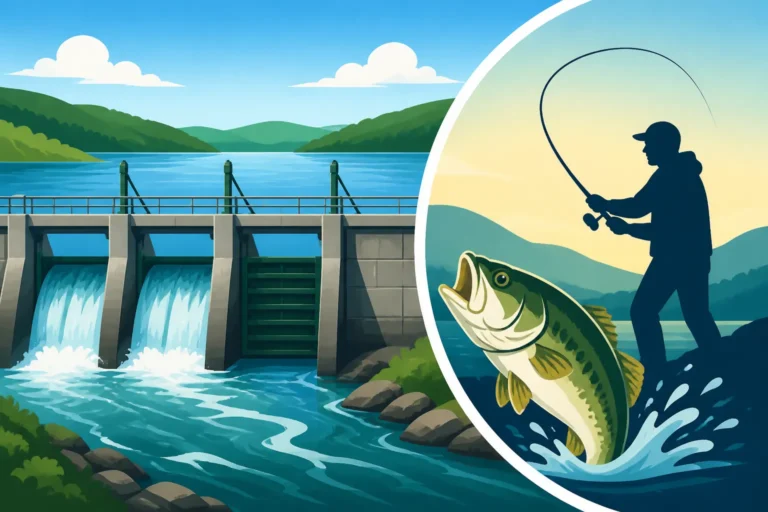
What does this amazing turnaround mean for you, the angler? It means the Nashua River now offers clean, healthy habitats for a wide array of fish species. You'll primarily find a strong population of both smallmouth bass and largemouth bass. Smallmouths tend to prefer the rockier, faster-moving sections of the river, often hiding behind current breaks and submerged structures. Largemouths, on the other hand, are more at home in the calmer, weedier backwaters, oxbows, and slower stretches of the river.
Beyond the popular bass species, the Nashua also hosts a healthy population of panfish. Anglers can expect to encounter yellow perch, various sunfish species like pumpkinseed and bluegill, and black crappie, especially in areas with submerged vegetation and slower currents. Chain pickerel, known for their aggressive strikes and sharp teeth, are also common inhabitants, typically found lurking in dense weed beds. While the main stem of the Nashua isn't primarily known for trout, some of the colder, cleaner tributaries that feed into the river do support wild or stocked trout populations, offering a different challenge if you explore upstream sections.
General Fishing Conditions and Best Times
Fishing conditions on the Nashua River can vary significantly with the seasons, offering different experiences throughout the year. Understanding these patterns will help you plan your most productive outings.
Spring on the Nashua often brings higher water levels from snowmelt and spring rains. This can mean strong currents, but also invigorated fish. As the water temperatures begin to rise, bass become more active, moving into shallower areas to feed and eventually spawn. Early spring can also be a good time to target certain panfish species. If you venture into any of the river's cooler tributaries, spring is often when they receive their annual trout stockings, making it a prime time to pursue rainbow, brown, or brook trout. For those looking for more comprehensive details on species and regulations, our Massachusetts Fishing Seasons Explained guide offers a great overview.
During the warmer summer months, the Nashua's water levels tend to drop, and temperatures climb. This makes early mornings and late evenings the most productive times for bass and pickerel, as they seek cooler, shaded areas and are more active during these periods. Look for them around submerged logs, undercut banks, and deeper pools. Panfish, being less sensitive to heat, can often be caught throughout the day in their preferred weedy or structured habitats. Be mindful of potential algal blooms in very warm, stagnant sections, which can impact fishing and water quality.
Fall is often a favorite season for many Nashua River anglers. As air and water temperatures cool down, fish enter a period of aggressive feeding in preparation for winter. Bass and pickerel become highly active, often striking a variety of lures with enthusiasm throughout the day. Water clarity generally improves in the fall, making it easier to spot structure and present baits effectively. Winter offers opportunities for ice fishing on some of the wider, slower sections of the river and connected ponds, but always exercise extreme caution and ensure ice thickness is safe.
Prime Public Fishing Access Points on the Nashua River
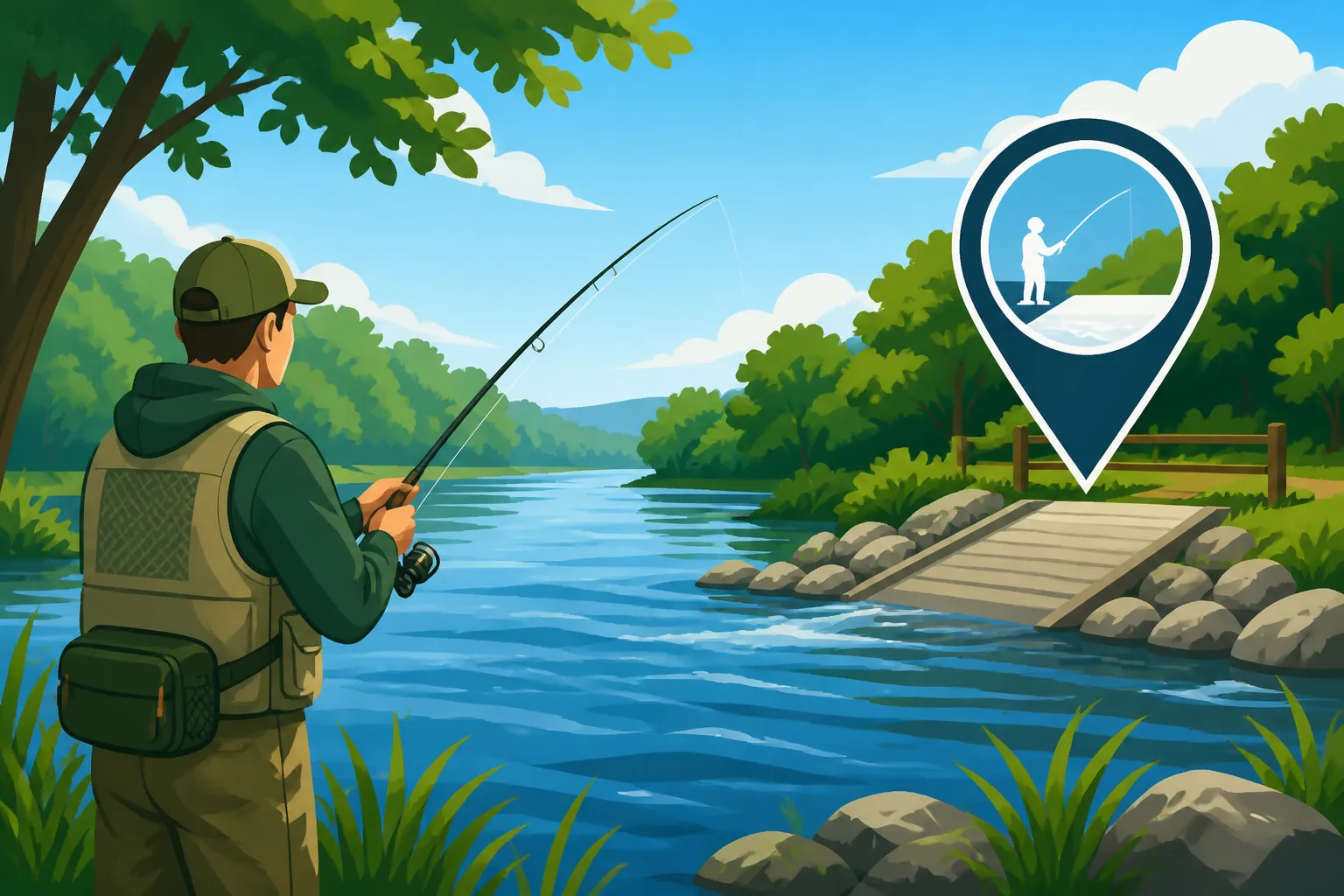
One of the great things about fishing the Nashua River is the availability of several excellent public access points, catering to both shore anglers and those with kayaks or canoes. Knowing where to go is half the battle, and Massachusetts has done a good job of providing spots to get your line in the water.
Massachusetts DCR and MassWildlife Designated Access
The Massachusetts Department of Conservation and Recreation (DCR) and MassWildlife manage several key areas along the Nashua River, ensuring anglers have reliable access to its waters. These designated spots are well-maintained and offer varying fishing experiences.
A true jewel for both anglers and nature enthusiasts is the Oxbow National Wildlife Refuge in Devens and Shirley. This sprawling refuge offers miles of river frontage and several entry points, allowing anglers to explore a diverse range of habitats. You can access the main river, but also connected oxbow ponds and marshy areas, providing varied fishing opportunities. The refuge is excellent for shore fishing, with numerous spots along trails and banks to cast from. It’s also a prime location for launching kayaks or canoes, allowing you to paddle into quieter sections and target fish away from the crowds. Expect to find a mix of largemouth and smallmouth bass, pickerel, and panfish throughout the refuge's waters. Plenty of parking is available at various access points, making it a convenient destination.
Further north, the Nashua River Rail Trail in Groton provides unique linear access to the river. This paved trail, popular with walkers and cyclists, runs alongside portions of the Nashua River, offering numerous spots for shore anglers to try their luck. You can park at various points along the trail, such as near the Groton town center or at other designated trailheads, and then walk or bike to your preferred fishing spot. Anglers often find success casting from the bank or small bridges, targeting bass around bridge pilings, fallen trees, and deeper bends in the river. It’s a peaceful way to fish, allowing you to explore different stretches of the river at your own pace.
For those looking to get a small boat on the water, the Pepperell Town Forest / Nashua River Boat Launch in Pepperell is an excellent option. This public launch is perfectly suited for kayaks, canoes, and other small car-top boats, providing direct access to the river. There’s ample parking available, making it easy to unload your gear and get afloat. From here, you can paddle upstream or downstream to explore longer sections of the Nashua, reaching prime fishing spots that might be inaccessible to shore anglers. Drifting with the current, casting to submerged structure, and covering more water are key strategies when launching from Pepperell, giving you the chance to encounter more diverse fish habitats.
While less formally designated, many smaller local conservation lands and town parks in communities like Lancaster, Leominster, and Fitchburg also offer pockets of river access. These might require a bit more exploration on your part, perhaps checking local town websites or driving around. However, they can often yield quiet, productive fishing spots away from more frequented areas, especially for those seeking solitude.
Kayak and Canoe Launch Points
Paddle craft truly shine on the Nashua River, offering unmatched access to some of its best fishing areas. Many prime fishing spots, especially those calmer sections with less current or areas bordered by dense vegetation, are best reached by kayak or canoe. These stealthy vessels allow you to approach wary fish without spooking them, opening up a world of angling opportunities.
As mentioned, the boat launch in Pepperell is a fantastic starting point for kayaks and canoes, offering easy put-in and parking. From here, you can spend hours exploring the river, targeting everything from bass lurking in submerged structure to pickerel hiding in weed beds. The Oxbow National Wildlife Refuge also provides numerous informal and formal put-in points within its vast area, allowing you to launch and explore different sections of the river and its connected ponds. Even along the Nashua River Rail Trail in Groton, determined anglers can find suitable, though often informal, spots to slide a kayak or canoe into the water, particularly where the bank is gentle and accessible.
When planning a paddle-powered fishing trip on the Nashua, prioritize safety. Always wear a personal flotation device (PFD), even if you're an experienced paddler. Be aware of river currents, especially after heavy rains, and scout for any submerged hazards like fallen trees or rocks that could create obstacles. A stable recreational kayak or canoe is generally the best choice for this river, providing comfort for fishing and sufficient stability for navigating moderate currents. Using resources like FishingBooker can help you find guided trips in other parts of Massachusetts if you want to try kayak fishing with an experienced guide before venturing out on your own.
Strategies for Successful Nashua River Fishing
Fishing the Nashua River, like any river system, requires a bit of adaptability and understanding of fish behavior. The diverse habitats mean you might need to switch up your tactics, but with the right approach, you're in for some rewarding catches.
Lures, Baits, and Techniques for Different Species
When you're out on the Nashua, having a variety of lures and baits can make all the difference, as different species and river conditions call for specific presentations.
For smallmouth bass, which often prefer rocky bottoms and current breaks, lures that mimic crawfish or baitfish are highly effective. Small crankbaits, like a Rapala Shad Rap or a Strike King KVD 1.5, in natural crawfish or baitfish patterns, can be deadly when retrieved near submerged rocks or current seams. Tube jigs, worked along the bottom, also imitate crawfish well. Spinnerbaits in chartreuse, white, or silver are excellent for covering water and triggering strikes from aggressive smallmouths, especially in slightly stained water.
Largemouth bass will often be found in the quieter, weedier parts of the river and oxbows. For these fish, focus on fishing structure like lily pads, fallen timber, and dense weed edges. Texas-rigged soft plastics, such as plastic worms or creature baits, are fantastic for working through vegetation without snagging. Green pumpkin, black and blue, or junebug colors are often reliable. In low-light conditions or over dense mats, topwater frogs or poppers can provide explosive strikes and are incredibly exciting to fish. Our guide on How to Catch Largemouth Bass in Massachusetts Ponds offers tips that are very applicable to the Nashua's slower sections.
If you're targeting panfish like yellow perch, crappie, or sunfish, you're in for some consistent action, making them perfect for beginners or family outings. These species respond incredibly well to simple baits and techniques. Live worms, either fished under a bobber or on a tiny jig head, are almost irresistible. Small inline spinners, such as a Mepps or Rooster Tail, in sizes #0 or #1, can also be very effective, especially when retrieved slowly near submerged brush or weed beds. Look for panfish in slower-moving sections of the river, around docks, or near any submerged cover. When you catch one, there are often many more in the vicinity, so stick with the spot!
For the aggressive chain pickerel, prepare for a fierce strike. These toothy predators love to ambush prey from dense weeds or around submerged logs. Spinnerbaits with larger blades, spoons like a Daredevil, or even live shiners fished under a bobber are excellent choices. Pickerel are not shy, and a fast, erratic retrieve can often provoke a reaction strike. Just be sure to bring a pair of pliers for hook removal and consider using a wire leader to prevent bite-offs from their sharp teeth.
Navigating Regulations and Conservation Efforts
Before you even think about casting a line into the Nashua River, it's absolutely paramount to secure the necessary permits. A valid Massachusetts Fishing License Guide is required for anyone 15 years or older to fish in the Commonwealth's freshwater bodies. This applies equally to Massachusetts residents and non-residents alike. Thankfully, obtaining a license is a straightforward process, readily available online through the MassFishHunt system or at various authorized vendors across the state. If you're wondering about the specific fees, our article on Massachusetts Freshwater Fishing License Costs and Rules provides all the details you’ll need.
Beyond the license, understanding and adhering to bag limits and size restrictions is a cornerstone of responsible angling and crucial for maintaining healthy fish populations. The Nashua River, like all freshwater systems in the state, is governed by the Massachusetts Recreational Fishing Rules and Bag Limits. This means there are specific Massachusetts Freshwater Daily Catch Limits for popular species such as bass, trout (if you're in a stocked tributary), and other game fish. Always carry a measuring tape with you to ensure your catch meets the legal size requirements, and if you're fishing for bass, understanding the difference between largemouth and smallmouth can be helpful, as seen in our Largemouth vs Smallmouth Bass in Massachusetts guide.
Conservation should always be at the forefront of every angler's mind. Many dedicated anglers on the Nashua River practice catch and release, especially for larger bass, to help ensure robust future populations. When you do catch a fish you intend to release, proper handling techniques are essential: minimize the time the fish spends out of the water, use wet hands when handling, and consider using barbless hooks to facilitate easier and less harmful removal. By fishing responsibly and respecting the resource, we can all contribute to keeping the Nashua River a thriving fishery for generations to come. And remember, for any comprehensive fishing trip planning across the state, including finding guides or charters in different regions, platforms like FishingBooker can offer a wide array of options and resources.
Nashua River Fishing Access Summary
To help you quickly plan your next Nashua River fishing adventure, here's a summary of key public access points:
| Access Point Name | Location (Town) | Primary Access Type | Best For | Key Features |
|---|---|---|---|---|
| Oxbow National Wildlife Refuge | Devens/Shirley | Shore, Kayak/Canoe | Bass, Panfish, Pickerel | Miles of river frontage, connected oxbow ponds, trails, ample parking |
| Groton Town Forest / Rail Trail | Groton | Shore | Bass, Panfish | Access from paved rail trail, ideal for walking/biking to spots, bridge access |
| Pepperell Town Forest Boat Launch | Pepperell | Kayak/Canoe, Small Boat | Bass, Panfish, Pickerel | Designated public boat launch, easy put-in, good parking, upstream/downstream exploration |
| Local Conservation Areas | Lancaster, Leominster | Shore, Limited Kayak | Bass, Panfish, Pickerel | Smaller, often quieter spots, requires local research, varied access |
For those planning to explore more of Massachusetts' diverse fishing opportunities, and perhaps looking to book a guided trip or charter in other areas, remember that platforms like FishingBooker connect you with local captains and fishing guides for a wide range of experiences, from freshwater bass to saltwater giants.
Disclaimer
Please note that fishing regulations, access points, and conditions can change. Always consult the latest Massachusetts Division of Fisheries and Wildlife (MassWildlife) regulations before you head out. This guide is for informational purposes only and does not constitute official legal advice. Enjoy your time on the water!