Where to fish Buzzards Bay for fluke
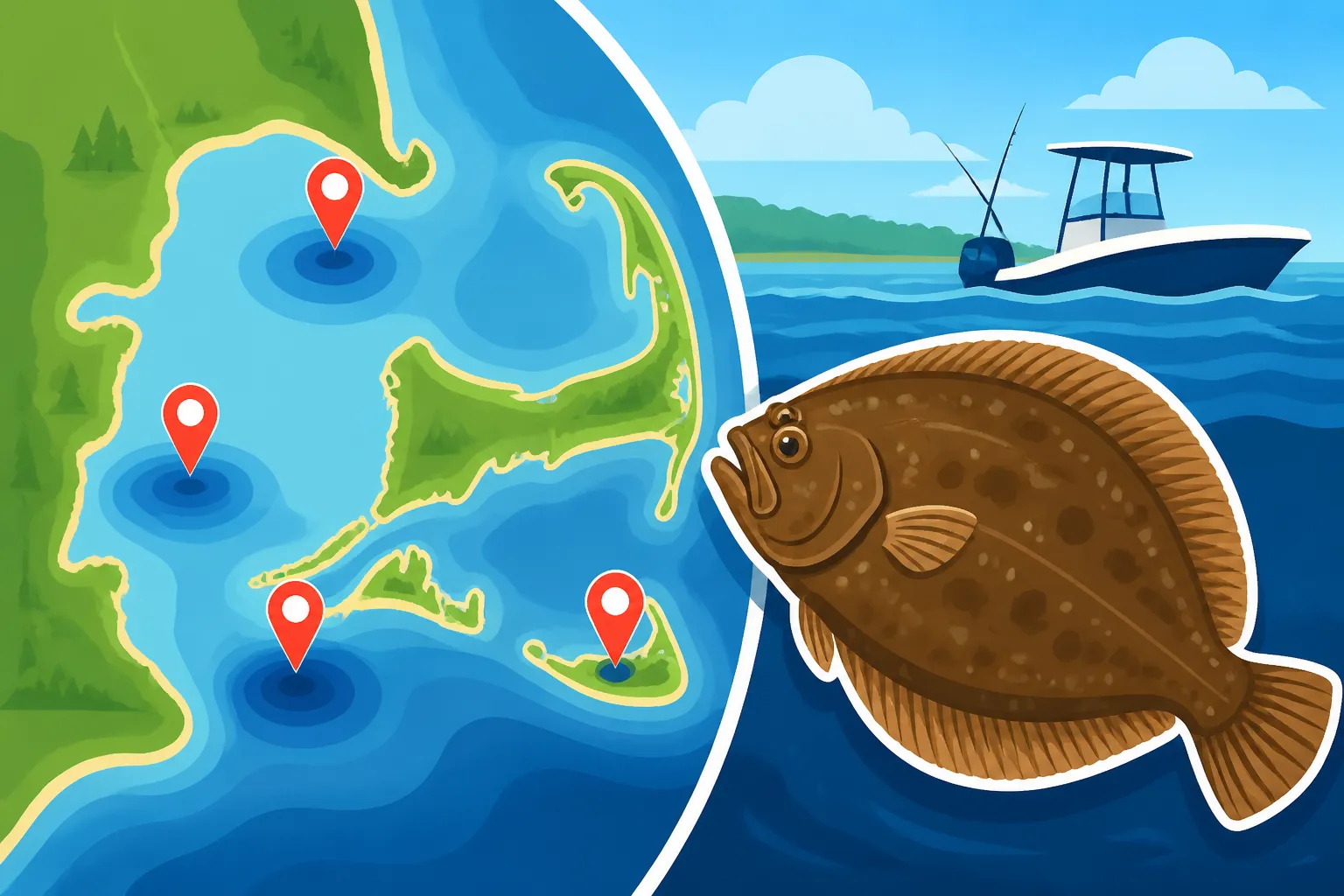
Fishing in Buzzards Bay for fluke, or summer flounder as they're officially known, can be one of the most rewarding experiences you'll have on the water in Massachusetts. But let's be real, Buzzards Bay is a huge body of water, and just saying "go fish for fluke there" isn't exactly helpful. It can feel like looking for a needle in a haystack, especially if you're new to the area or even if you've been around for a while but haven't quite cracked the code for consistently finding those delicious flatfish. This guide is designed to cut through the guesswork, helping you pinpoint the best areas and techniques to make your next fluke trip to Buzzards Bay a true success.
Understanding Fluke Behavior in Buzzards Bay
Before we even talk about specific locations, it's crucial to understand what makes a fluke tick. These fish aren't just swimming around aimlessly; they have distinct preferences for habitat, food, and water conditions. Knowing these patterns is your first step to narrowing down those vast stretches of water.
Preferred Habitats and Bottom Structure
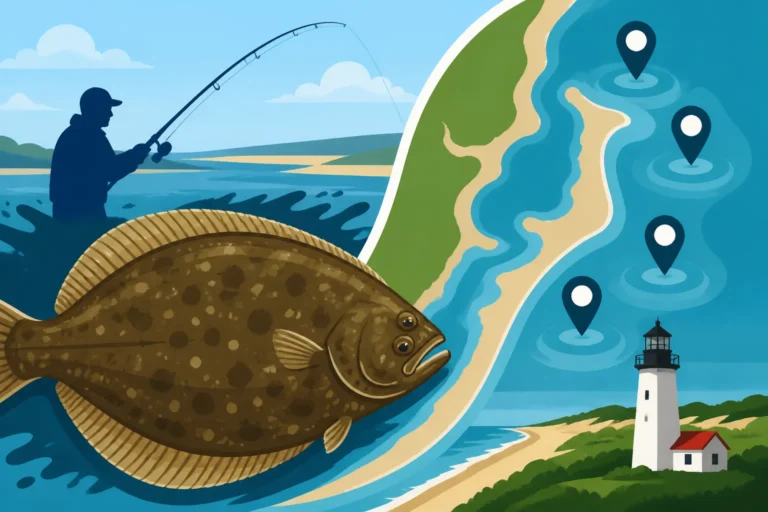
Fluke are masters of camouflage, spending much of their time lying flat on the seabed, waiting to ambush unsuspecting prey. This tells you a lot about where to find them. They absolutely adore sandy or muddy bottoms, especially when these areas are interspersed with some kind of structure. Think about it: a flat, open sandy patch offers little cover, but a sandy patch next to a rocky outcropping, a mussel bed, a channel edge, or even a subtle drop-off? That's prime real estate.
These structures provide excellent ambush points. The fluke can bury themselves in the soft bottom, blend in, and then dart out to grab a passing meal. You'll often find them congregating along the edges of channels where the current brings food right to them, or on the down-current side of underwater humps and reefs. Even subtle changes in depth, like a small ledge or a transition from sand to gravel, can hold a significant number of fish. Pay close attention to areas where you see baitfish holding, as fluke won't be far behind.
Seasonal Movements and Water Temperature
The fluke season in Massachusetts, particularly in Buzzards Bay, is heavily dictated by water temperature and their migratory patterns. Generally, you'll start seeing fluke move into the bay in late spring or early summer as the water warms up. This initial influx often sees them in shallower, warmer waters, particularly around the estuaries and protected coves.
As the summer progresses and water temperatures climb higher, fluke tend to move into slightly deeper, cooler waters. This doesn't mean they abandon the shallows entirely, but the larger, more consistent concentrations will often be found in the bay's deeper channels and along significant drop-offs. Come fall, as the water cools, fluke begin their migration out of the bay and towards deeper offshore waters for the winter. Understanding this ebb and flow is key to knowing where to focus your efforts throughout the year. You can keep an eye on the official season dates and regulatory changes to plan your trips, as the Massachusetts Fluke Season Opening Date for 2026 can vary slightly year to year.
Forage and Feeding Patterns
What do fluke eat? Almost anything they can get their flat mouths around! Their diet primarily consists of smaller baitfish like silversides, sand eels, and juvenile scup. They're also big fans of squid, crabs, and even smaller crustaceans. This preference directly influences your choice of bait and lures. If you can "match the hatch" – meaning, use bait or lures that mimic what they're naturally feeding on – your chances of success will skyrocket.
Fluke are visual predators, and they'll often position themselves facing into the current, waiting for food to drift by. This is why drift fishing is such a popular and effective technique for them. The best times to target them often coincide with moving tides, typically the last two hours of the incoming tide and the first two hours of the outgoing tide, when the current is bringing fresh food past their ambush points. Low-light conditions, like early morning or late afternoon, can also be particularly productive as they become more active feeders.
Top Fluke Fishing Grounds in Buzzards Bay
Buzzards Bay offers a diverse range of fishing environments, from shallow estuaries to deep, ripswept channels. Knowing which areas consistently hold fluke can save you a lot of searching time.
Nearshore Hotspots and Structured Areas
For anglers with smaller boats, kayaks, or even those looking for some decent shore access, the nearshore areas of Buzzards Bay can be incredibly productive, especially during the early part of the season.
- Onset Bay/Wareham River Estuary: This area, particularly Onset Bay and the lower reaches of the Wareham River, is a fantastic spot. The relatively shallow waters warm up quickly in the spring, drawing in baitfish and, consequently, fluke. Look for sandy pockets adjacent to deeper channels or around the numerous docks and moorings that provide artificial structure. Kayak anglers especially love this area for its protected waters and abundant opportunities.
- Westport River Estuary: Down on the western end of Buzzards Bay, the Westport River offers similar conditions to Onset. It's a complex system of channels, flats, and coves. Focus on the tidal rips and sandy flats where the current pushes bait. It’s also excellent for kayak fishing, offering a more serene experience than the open bay.
- Marion/Mattapoisett Coastline: This stretch features numerous small coves, points, and more consistent depth changes. Spots around the various harbors like those in Marion and Mattapoisett can hold good numbers of fluke, especially where natural or artificial structures create current breaks. These areas often have deeper channels not too far from shore, making them accessible to a wider range of boats.
- Wings Neck (Pocasset): Located on the northern side of Buzzards Bay, Wings Neck offers a mix of rocky structure and sandy bottom, with strong currents flowing around the point. The transition zones from shallow to deeper water here are classic fluke hangouts. It's a spot where you can often pick up both quality and quantity.
When fishing these nearshore locations, remember that fluke can be closer to shore than you think. Don't be afraid to cast into relatively shallow water if there's structure or a bait concentration.
Deeper Channels and Rips
For those with larger boats capable of handling the open waters and stronger currents of Buzzards Bay, the deeper channels and rips are where you can find some truly impressive fluke, especially as the summer heat sets in.
- Cleveland Ledge: This is perhaps one of the most famous fluke fishing spots in all of Buzzards Bay. Situated southeast of Marion, Cleveland Ledge features a substantial lighthouse and surrounding rocky structure, dropping off into deeper water. The strong currents here create prime feeding zones, and the diverse bottom hosts a wide variety of forage. It's a go-to for many experienced fluke anglers seeking larger fish, but it requires a boat and a good understanding of navigation and currents.
- Canapitsit Channel (Between Cuttyhunk and Nashawena Islands): While a bit of a run for some, the waters around the Elizabeth Islands, particularly the Canapitsit Channel, are legendary for holding massive fluke. The currents here are incredibly strong, making fishing challenging but highly rewarding. The deep, rocky channel creates fantastic ambush points, and the abundance of baitfish flowing through ensures a steady food supply. This area is definitely for experienced boaters with appropriate heavy tackle.
- Weepecket Islands: Located just east of Woods Hole, the Weepecket Islands offer a maze of rocky structure, ledges, and channels. While known for striped bass, the sandy areas adjacent to the rocks, particularly where the bottom drops off, can be excellent for fluke. The complex currents around these islands create dynamic feeding opportunities, but navigating them requires caution.
Fishing these deeper, high-current areas often requires heavier sinkers to keep your bait or lure on the bottom. But the effort can be well worth it when you hook into a true doormat fluke.
South Shore of Cape Cod (Buzzards Bay Side)
The Cape Cod side of Buzzards Bay, from Falmouth west to Woods Hole, presents another fantastic area for targeting fluke, especially with its diverse bottom and current systems.
- Falmouth/Woods Hole Area: This region is a melting pot of currents, diverse bottom structures, and depths. Fishing around the edges of the numerous shoals, such as those near Nobska Point or off West Falmouth, can be very productive. The waters here are influenced by the flow from Vineyard Sound and Nantucket Sound, creating nutrient-rich environments that attract bait and, in turn, fluke. Drift fishing is king here, allowing you to cover various depths and structures effectively.
- Quick's Hole/Robinson's Hole: Further out among the Elizabeth Islands, Quick's Hole and Robinson's Hole are two more infamous channels known for their strong currents and substantial depths. Similar to Canapitsit, these are advanced fishing grounds, but they hold some of the largest fluke in the bay. The rapid flow of water funnels massive amounts of bait through, making them irresistible to hungry flatfish. These spots are not for the faint of heart, but if you're up for the challenge, they can pay off handsomely.
Remember that a recreational fishing permit is required for most saltwater fishing in Massachusetts, so be sure to understand the Massachusetts Saltwater Recreational Fishing Permit Explained before heading out.
Effective Techniques and Tackle for Buzzards Bay Fluke
Once you've identified a promising spot, knowing how to present your bait or lure effectively is the next critical step. Fluke fishing isn't overly complicated, but mastering a few key techniques can dramatically improve your catch rate.
Drift Fishing Strategies
Drift fishing is hands-down the most popular and effective method for catching fluke in Buzzards Bay. It allows you to cover a lot of ground, presenting your bait naturally to actively feeding fish.
The key to successful drift fishing is controlling your drift speed. Too fast, and your bait lifts off the bottom and you miss strikes; too slow, and you're not covering enough ground. Ideally, you want to drift at a speed that allows your bait or lure to bounce along the bottom with a rhythmic lift and fall. If the current is too strong, you might need to use a sea anchor or drift sock to slow your boat down. Conversely, if there's not enough current, a light troll with your engine can simulate a drift.
Always pay attention to your depth sounder. Look for changes in bottom contour, drop-offs, and areas where baitfish are congregating. These are the prime targets for your drift. Mark productive drifts on your GPS so you can repeat them. The ability to repeat a successful drift over a particular structure or depth contour is often the difference between a good day and a great day. You can learn more about Drift Fishing Techniques for Summer Flounder to hone your skills.
Baits and Lures That Get Bit
Fluke are aggressive feeders, and they respond well to a variety of natural baits and artificial lures. Having a selection of both on hand is always a good idea.
- Natural Baits: Fresh squid strips are universally loved by fluke. Cut them into long, thin strips that flutter enticingly in the current. Other excellent natural baits include live mummichogs (killifish), spearing, silversides, and sand eels. These are often fished on a traditional fluke rig, which typically involves a dropper loop or a three-way swivel to keep the bait near the bottom.
- Artificial Lures: Bucktail jigs are iconic fluke catchers. Weights from 1 to 4 ounces are common, depending on depth and current. Colors like white, chartreuse, and pink are perennial favorites. The trick is to tip your bucktail with something extra – a strip of natural bait (squid, clam, mackerel) or, perhaps even more popular these days, a soft plastic scented bait like a Berkley Gulp! Swimming Mullet or a curly tail grub. Gulp! baits in chartreuse, white, or "nuclear chicken" are incredibly effective and can often outfish natural bait. Jigging a bucktail involves a subtle lift and drop, letting it bounce off the bottom. Tandem rigs, which combine a bucktail jig with a teaser fly or hook a foot or two above it, are also very productive, offering two chances to entice a strike.
Choosing the right bait or lure, and knowing how to work it, is a huge part of How to Catch Fluke in Massachusetts.
Essential Gear and Rigging
Having the right gear makes a huge difference in enjoying your day and successfully landing fluke.
For rods and reels, a medium-heavy spinning or conventional setup around 7 to 8 feet long is ideal. This length provides good casting distance and enough backbone to handle a strong fluke, while still being sensitive enough to detect subtle bites. Pair it with a reel spooled with 20-30 lb braided line, which offers superior sensitivity and strength for its diameter. Always use a fluorocarbon leader (20-30 lb test) of about 3-5 feet; it's nearly invisible underwater and resistant to abrasion.
Terminal tackle typically includes appropriately weighted sinkers (from 1 to 8 ounces, depending on depth and current), barrel swivels to prevent line twist, and sharp hooks. For natural bait, Kahle hooks or wide-gap octopus hooks in sizes 2/0 to 4/0 are good choices. Fluke rigs can vary, but a common setup uses a three-way swivel with a sinker on a short dropper line and your baited hook on a longer leader, or a high-low rig with two hooks. Remember, sharp hooks are paramount for effective fluke fishing!
Navigating Regulations and Maximizing Your Trip
Part of being a responsible and successful angler means understanding the rules and making the most of your time on the water.
Massachusetts Fluke Regulations
Regulations for fluke in Massachusetts are set to ensure the health of the fishery, and they can change, sometimes even mid-season, so always check the most current MassWildlife or Division of Marine Fisheries guidelines before you head out. Generally, there are specific size limits and bag limits. For instance, sometimes the minimum size limit for fluke caught from a boat might differ from those caught from shore.
It's absolutely critical to know these numbers. Keeping an undersized fish can lead to a hefty fine, and it harms the conservation efforts that keep our fisheries healthy. Always measure your fish carefully and release anything that doesn't meet the legal minimum. You can find detailed information on these rules, including potential differences between shore and boat fishing, in resources like Massachusetts Fluke Minimum Size, Shore Versus Boat. Also, be aware of the overall Massachusetts Recreational Fishing Rules and Bag Limits for all species you might encounter.
Hiring a Charter or Guide
Sometimes, the best way to crack the code on a new fishing spot, or even a familiar one, is to learn from a local expert. Hiring a fishing charter or guide in Buzzards Bay can be an invaluable experience, especially for targeting a specific species like fluke.
A good captain or guide, like those you can find on platforms such as FishingBooker, will have intimate knowledge of the local waters, including the best current spots, effective techniques, and the right tackle to use. They often have years of experience navigating Buzzards Bay, understanding its tides, currents, and seasonal fish movements. This means less time searching and more time fishing. They also typically provide all the necessary gear, bait, and often even handle the fish cleaning, making for a truly hassle-free day. For beginners, it's a fantastic way to learn the ropes; for experienced anglers, it's a chance to refine techniques and discover new honey holes. Exploring options through a Cape Cod Fishing Charters Guide for Massachusetts Anglers can give you a better idea of what's available and the Massachusetts Fishing Charter Costs.
Planning Your Buzzards Bay Fluke Adventure
A successful fishing trip starts long before you cast your first line. Planning is everything, especially in a dynamic environment like Buzzards Bay.
- Tides and Weather: Always check the tide charts for your chosen area. The tides dictate current, which is crucial for fluke. Also, keep a close eye on the marine weather forecast. Buzzards Bay can get choppy quickly, especially with a southerly wind. Safety should always be your top priority.
- Safety Gear: Ensure your boat is equipped with all necessary safety gear, including life jackets, flares, a first-aid kit, and communication devices. Let someone know your float plan.
- Charts and GPS: A good marine chart (paper or electronic) and a reliable GPS are essential for navigating Buzzards Bay, especially if you're exploring new areas. Mark those promising spots and productive drifts!
- Licensing: Don't forget your Massachusetts fishing license. Whether you're a resident or non-resident, or if you're curious about Massachusetts Fishing License Requirements by Age, make sure you're properly licensed for saltwater recreational fishing.
- Packing Essentials: Bring plenty of water, snacks, sunscreen, a hat, sunglasses, and appropriate clothing layers. Even on a hot summer day, being out on the water can get cool, and the sun can be intense. A cooler with ice for your catch is a must.
Buzzards Bay Fluke Fishing Hotspot Comparison
| Location Category | Specific Area | Best For | Primary Bottom Type | Key Features | Considerations |
|---|---|---|---|---|---|
| Nearshore/Estuary | Onset Bay/Wareham River | Boat, Kayak | Sand, Mud | Shallow, warmer early season, docks, coves | Can be crowded, shallower draft boats best |
| Westport River Estuary | Boat, Kayak | Sand, Mud, Channels | Tidal rips, extensive flats, protected waters | Access points, current awareness | |
| Marion/Mattapoisett Coastline | Boat, Kayak | Sand, Gravel, Rocky Edges | Numerous coves, points, diverse depths | Navigation around smaller harbors | |
| Deeper Channels/Rips | Cleveland Ledge | Boat | Rocks, Sand, Drops | Lighthouse, strong currents, big fish potential | Heavy tackle, good boat handling required |
| Canapitsit Channel | Boat | Deep Rocky Channel | Very strong currents, large fluke | Advanced boating skills, heavy tackle essential | |
| Weepecket Islands | Boat | Rocks, Sand | Complex currents, structure, good ambush points | Navigation can be tricky, caution advised | |
| Cape Cod Side (Buzzards Bay) | Falmouth/Woods Hole Area | Boat | Diverse, Shoals | Influenced by sounds, good drift fishing | Can get busy, strong currents near Woods Hole |
| Quick's Hole/Robinson's Hole | Boat | Deep Channels | Extreme currents, trophy fluke | Very challenging, experienced anglers only |
Buzzards Bay is a fantastic fishery, and with a little preparation and understanding of fluke behavior, you'll be well on your way to catching some impressive summer flounder. Good luck out there!
Disclaimer
Please remember that fishing conditions, regulations, and fish populations can change. Always consult the latest rules and advisories from the Massachusetts Division of Marine Fisheries (MassDMF) or MassWildlife before heading out. Safety on the water is paramount; check marine forecasts and ensure your vessel is properly equipped. This guide is for informational purposes only and does not guarantee fishing success.