Chatham and the Outer Cape Fishing Spots
Finding the perfect fishing spot on Cape Cod can feel like trying to solve a puzzle, especially when you're looking at the vast, dynamic waters of Chatham and the Outer Cape. It's easy to feel overwhelmed by the sheer number of beaches, inlets, and offshore areas, wondering where to cast your line for the best chance at a great catch. This comprehensive guide will cut through the confusion, revealing the most productive fishing spots in Chatham, Provincetown, Eastham, Wellfleet, and Truro, and arming you with the local knowledge you need for a truly memorable Massachusetts fishing experience.
Understanding the Unique Waters of Chatham and the Outer Cape
The Outer Cape, stretching from Chatham all the way to Provincetown, is a geological marvel forged by glaciers and continuously reshaped by the Atlantic Ocean. This constant change is what makes it so incredibly rich for fishing, but it also means understanding its unique characteristics is key to success. You're not just casting into generic ocean here; you're engaging with a complex, dynamic ecosystem.
The Dynamic Shoreline and Habitat Diversity
Imagine a place where barrier beaches constantly shift, inlets open and close, and sandy shoals meet rocky structures – that's the Outer Cape. In Chatham, for instance, the infamous Chatham Bar, a constantly shifting sandy barrier, creates incredibly fertile waters. On one side, you have the calmer, shallower waters of Nantucket Sound, while the other faces the full force of the Atlantic. This diversity means you can find everything from sheltered coves ideal for light tackle to turbulent rips perfect for targeting large predators. Further north, places like Nauset Beach in Orleans and the vast expanse of the Cape Cod National Seashore in Eastham, Wellfleet, and Truro offer miles of uninterrupted sandy beaches, punctuated by occasional jetties or outflows. These areas are prime for surfcasters, but don't underestimate the deeper cuts and troughs that form along the shore, often holding schools of baitfish and, consequently, game fish.
This variety of habitats is precisely why the Outer Cape supports such a wide array of species. You've got the vast sandy flats, perfect foraging grounds for fluke and striped bass. Then there are the deeper channels and ledges that attract cod, pollock, and black sea bass. The ever-present tidal currents sweep nutrients and baitfish through these diverse zones, creating feeding frenzies at predictable times. Understanding the subtle shifts in the bottom structure – a sudden drop-off, a patch of rocky bottom amidst sand, or a deeper channel carved by currents – can dramatically increase your chances of finding fish. It's like reading a secret map, where every ripple and contour tells a story of what might be lurking beneath.
Tidal Influences and Their Impact on Fishing
If there's one thing that dictates fishing success on the Outer Cape more than any other, it's the tide. Unlike some inland fishing where water levels are relatively stable, the Atlantic Ocean here presents powerful tidal swings that can transform a calm flat into a raging current in a matter of hours. The difference between high and low tide can be significant, especially in areas like the Chatham inlets or the narrow passages around Provincetown Harbor. These tides create strong currents, or "rips," that sweep baitfish, crabs, and other forage, making them irresistible feeding stations for larger predators like striped bass and bluefish.
A common mistake newcomers make is fishing at the wrong part of the tide. For many species, especially those feeding close to shore or in shallow water, the moving tide is critical. For instance, a strong outgoing tide can flush bait from estuaries, concentrating it at the mouth of an inlet where predatory fish wait. Conversely, an incoming tide might push baitfish closer to shore, making beaches more productive. Different spots fish best on different tides. Some jetties are only accessible at low tide, while others become productive only when enough water covers submerged structure at high tide. Learning to read the tides – knowing when high and low are, and understanding the speed and direction of the current – is a foundational skill that will serve you well in these waters. Many experienced anglers plan their entire day around the tides, sometimes even fishing through the night to hit prime moon-phase influenced tides.
Prime Shore Fishing Locations on the Outer Cape
Shore fishing on the Outer Cape is an experience unto itself, offering access to some of the most productive waters in Massachusetts without needing a boat. From the dynamic bars of Chatham to the vast beaches of the National Seashore, there's a spot for every type of angler.
Chatham's Coastal Gems for Surfcasters
Chatham is renowned for its incredible surfcasting opportunities, particularly for striped bass and bluefish. The town's unique geography, with its intricate network of barrier beaches, inlets, and the famous Chatham Bar, creates a diverse range of environments for shore anglers. One of the most popular and productive areas is Stage Harbor. While not entirely surfcasting in the traditional sense, the jetties and surrounding beaches here offer fantastic access. Anglers often target striped bass that patrol the currents around the jetties, especially during the moving tides. Live bait, like eels or mackerel, can be incredibly effective, as can soft plastics or swimming plugs cast into the rips. The outgoing tide here is often a favorite, as it flushes bait from the harbor.
Further out, accessing the actual barrier beaches, like those near the Chatham Lighthouse, can be an adventure in itself, often requiring a 4×4 vehicle with a special permit. These remote stretches of sand offer unparalleled solitude and access to deep cuts and troughs where large schools of migrating fish often pass. Surfcasters here employ heavy tackle, throwing large plugs, poppers, and chunks of bait to tempt big stripers. Just remember that the Chatham Bar is constantly shifting, so conditions and access points can change rapidly. Always check local advisories and be acutely aware of the tides, as getting stranded by an incoming tide on a rapidly disappearing sandbar is a real danger. The thrill of hooking into a trophy striper in such a wild, untamed setting is truly unforgettable.
Provincetown's Productive Beaches and Jetties
At the very tip of the Cape, Provincetown offers a different flavor of shore fishing, blending productive town beaches with more rugged, outer shorelines. MacMillan Pier is a bustling hub where you can often see anglers casting for mackerel, pollock, and even smaller striped bass directly from the pier. It's a fantastic spot for families or those just looking to enjoy a casual fishing experience without needing specialized gear. However, the real draw for serious surfcasters often lies on the beaches bordering the open Atlantic.
The beaches of the Cape Cod National Seashore just outside of Provincetown, like Race Point Beach and Herring Cove Beach, are legendary. Race Point, in particular, is a magnet for large striped bass and bluefish, especially during the spring and fall migrations. The powerful waves and strong currents here create ideal conditions for predators to ambush baitfish. Anglers often fish at dawn, dusk, and into the night, using large pencil poppers, swimming plugs, or fresh chunk bait. The deep troughs that run parallel to the shore at Race Point are key areas to target. Herring Cove Beach, on the bayside, offers slightly calmer waters but can still be very productive, especially when baitfish are pushed into the calmer reaches by strong offshore winds. Both areas offer vast stretches of beach, giving anglers plenty of room to spread out and explore. Just be prepared for the elements, as the wind and waves can be formidable.
Exploring the Beaches of Eastham, Wellfleet, and Truro
Nestled between Chatham and Provincetown, the towns of Eastham, Wellfleet, and Truro are home to some of the most iconic stretches of the Cape Cod National Seashore, offering incredible surf fishing opportunities. These beaches are characterized by vast, unspoiled sands backed by towering dunes, creating a truly wild and immersive fishing experience. Places like Coast Guard Beach in Eastham and Newcomb Hollow Beach in Wellfleet are prime examples. Here, the focus is squarely on striped bass and bluefish, which patrol the surf lines during their seasonal migrations.
Surfcasters typically use long rods to cast beyond the breaking waves, targeting the deeper sloughs and rips that form along the shore. Early morning and late evening, or even night fishing, are often the most productive times. Lures like poppers, darters, and various soft plastics can be deadly, imitating the sand eels and herring that form a significant part of the fish's diet. Don't forget that during the fall run, these beaches can be absolutely electric with activity, as migrating stripers gorge themselves before heading south. It's not uncommon to witness epic feeding frenzies with birds diving and fish crashing bait right at your feet. For access, many of these beaches have large parking areas, though some may require a National Seashore pass or local sticker, especially during peak season. Always check local regulations, including those found in the Massachusetts Recreational Fishing Rules and Bag Limits, to ensure you're compliant.
| Location Category | Prime Spots | Target Species | Best Season | Key Tactics |
|---|---|---|---|---|
| Chatham Area | Stage Harbor Jetties, Harding's Beach, Monomoy | Striped Bass, Bluefish, Fluke | Spring, Summer, Fall | Live bait, plugs, soft plastics, chunk bait |
| Provincetown Area | Race Point Beach, Herring Cove, MacMillan Pier | Striped Bass, Bluefish, Mackerel | Spring, Summer, Fall | Poppers, plugs, metals, bait fishing (pier) |
| Mid-Outer Cape | Nauset Beach (Orleans), Coast Guard Beach (Eastham), Newcomb Hollow (Wellfleet), Ballston Beach (Truro) | Striped Bass, Bluefish, Surf Perch | Spring, Summer, Fall | Heavy surf tackle, large plugs, chunk bait, metals |
Exciting Boat Fishing Opportunities
While shore fishing offers fantastic access, stepping onto a boat unlocks a whole new dimension of fishing on the Outer Cape. You gain access to deeper channels, offshore structures, and broader expanses of water that hold a different class of fish and offer different challenges.
Nearshore Action in Nantucket Sound and Cape Cod Bay
From Chatham, you're perfectly positioned to explore the fertile waters of Nantucket Sound. This body of water, relatively shallower and warmer than the open Atlantic, is a paradise for light tackle enthusiasts. Drifting the sandy bottoms for fluke (summer flounder) is incredibly popular, especially around the countless shoals and channels. Using bucktail jigs tipped with Gulp! or strips of squid can lead to consistent action. Nantucket Sound is also excellent for catching scup (porgy) and black sea bass, often found around rocky structures or shell beds. You can find many local charters or guides ready to take you out; a quick search on a platform like FishingBooker can help you find the perfect trip.
Moving around the tip of the Cape towards the bay side, Cape Cod Bay offers a different character. The waters here are generally calmer, making it a great option when the open ocean is too rough. Striped bass and bluefish are prevalent, often found chasing baitfish schools (like mackerel and herring) that push into the bay. Trolling tubes and worms, or livelining mackerel, can be highly effective for stripers. The bay also holds a good population of tautog (blackfish) around rocky outcrops and wrecks, especially during their dedicated seasons. For those looking for a different challenge, offshore cod fishing during its limited season can also be productive in the deeper areas of the bay, though these trips often venture further out.
Offshore Adventures: Tuna, Sharks, and Deepwater Species
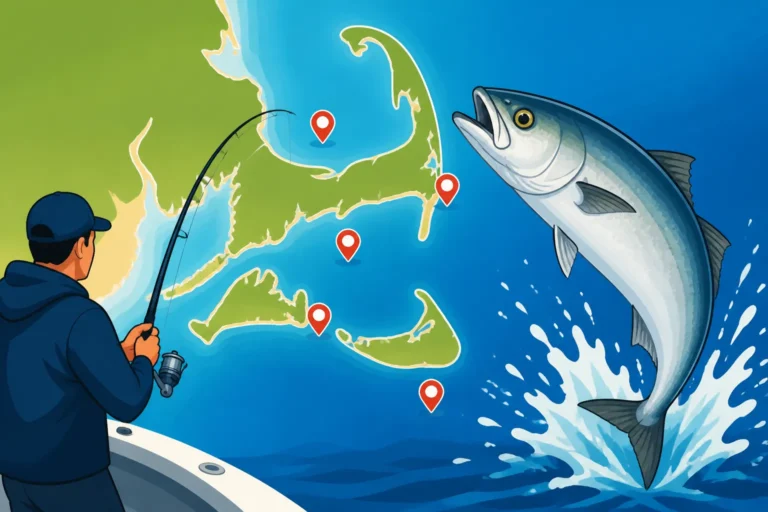
For the truly adventurous angler, the Outer Cape serves as a launchpad for epic offshore excursions into the Atlantic. This is where you target the giants – bluefin tuna, thresher sharks, mako sharks, and even swordfish. Boats departing from harbors like Harwich Port or Saquatucket Harbor (just south of Chatham) or Provincetown can quickly reach the Stellwagen Bank National Marine Sanctuary, a renowned fishing ground, or venture further to the canyons. These trips are typically full-day or even multi-day affairs, requiring specialized gear and experienced captains.
Bluefin tuna, in particular, draw anglers from around the world. These powerful fish can be targeted using various methods, including trolling with large lures, jigging with heavy metal jigs, or chunking with baitfish like butterfish or mackerel. The sheer power of a fighting bluefin is something every serious angler should experience. Sharks, too, are a major draw. Thresher sharks, known for their elongated tail fins, and the aggressive mako sharks are often targeted by chumming. These are not only thrilling fights but also require careful handling for release. Beyond the pelagics, deep-dropping for species like tilefish, hake, and pollock can be incredibly rewarding, offering a taste of the deep-sea ecosystem. If you're considering an offshore adventure, booking a seasoned charter through a platform like FishingBooker is highly recommended, as they provide all the necessary gear, expertise, and safety protocols for these demanding trips. When considering these longer trips, it's vital to be aware of the Massachusetts Fishing Charter Costs involved, as they are significantly higher than inshore trips.
Targeting Key Species in Outer Cape Waters
The Outer Cape is a haven for a multitude of fish species, each offering its own unique challenge and reward. Knowing what to target and how to approach each species will greatly enhance your fishing success.
Chasing Striped Bass and Bluefish
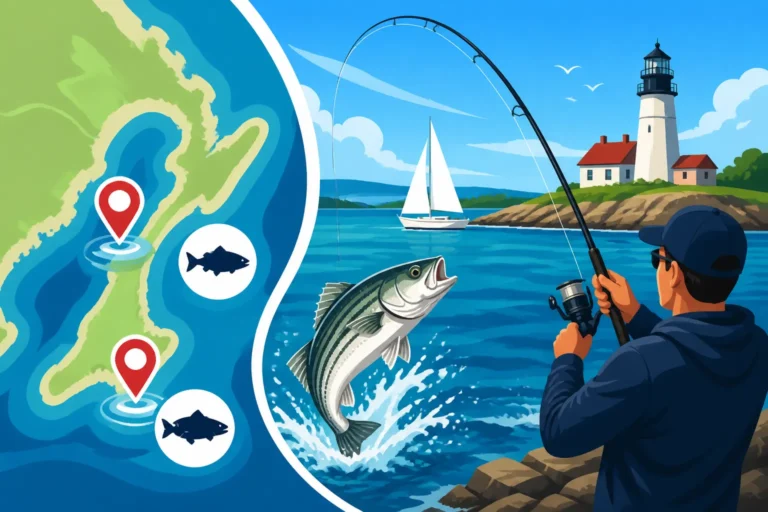
Striped bass are the undisputed kings of the Outer Cape, drawing anglers with their size, strength, and delicious fillets. They arrive in the spring, typically around May, following the schools of baitfish, and stay well into the fall, often through October. The entire Outer Cape shoreline, from the Chatham Bar to Race Point in Provincetown, is prime striper territory. Surfcasters target them with poppers, swimming plugs, and bucktail jigs, often focusing on dawn, dusk, or night tides when stripers are most active. For boat anglers, livelining mackerel or eels, or trolling tubes and worms, are highly effective techniques. The Massachusetts Striped Bass Slot Limit Explained is crucial to understand, as regulations are in place to manage the fishery and protect breeding stock. Knowing the legal size and bag limit is essential before you even cast a line.
Bluefish often arrive shortly after the stripers and are known for their aggressive nature and sharp teeth. While they may not have the same cachet as stripers, they offer an incredibly hard fight and are a blast to catch. They'll readily hit most artificial lures, especially shiny metals, poppers, and swimming plugs. Be prepared to lose a few lures, as their teeth can easily shred mono or even fluorocarbon leaders. They often school up in large numbers, making for fast and furious action. The Massachusetts Bluefish Daily Bag Limit is generally quite generous, making them a great target for anglers looking to fill a cooler. Like stripers, they can be found both in the surf and from boats, often in the same areas, sometimes even feeding side-by-side.
Fluke, Tautog, and Black Sea Bass: Bottom Fishing Delights
For those who enjoy a more relaxed style of fishing, focusing on bottom species offers consistent action and excellent table fare. Fluke, also known as summer flounder, are a popular target during the warmer months, typically from late May through early October. They ambush bait from the sandy bottom, so drifting with bucktail jigs tipped with bait (squid, spearing, or Gulp!) over sandy or muddy flats is the most effective method. Areas in Nantucket Sound and the calmer bay waters near Chatham and Harwich are prime fluke grounds. The Massachusetts Fluke Minimum Size, Shore Versus Boat regulations vary, so always check the current rules before heading out.
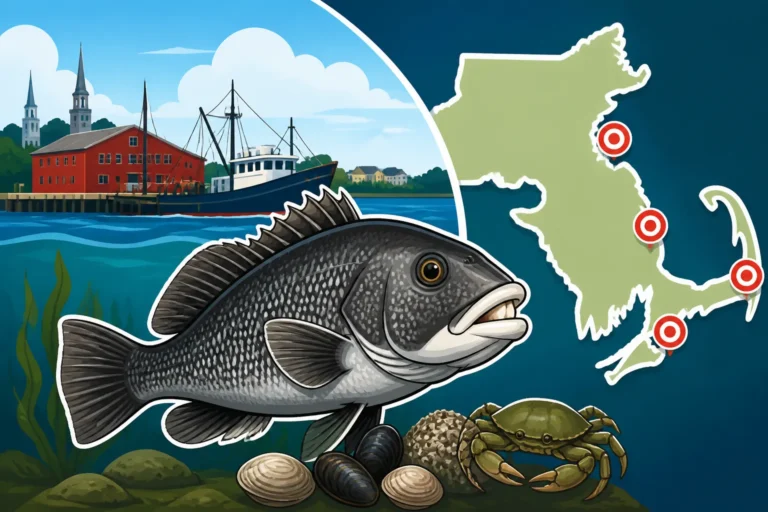
Tautog, or blackfish, are a challenging and rewarding species, prized for their firm, white meat. They are structure-oriented, preferring rocky bottom, wrecks, and mussel beds. You'll find them around jetties, bridge pilings, and offshore reefs, especially in Nantucket Sound. Green crabs, fiddler crabs, or hermit crabs are the baits of choice, fished on a strong hook with just enough weight to hold bottom. Tautog fishing requires patience and a good feel for the bite, as they can be notoriously subtle. Black sea bass are another fantastic bottom species, found in similar habitats to tautog. They respond well to jigs, Gulp! scented baits, and clam or squid baits. Their vibrant colors and delicious meat make them a favorite among anglers. Both tautog and black sea bass have specific seasons and bag limits, which you can usually find detailed in the Massachusetts Recreational Fishing Rules and Bag Limits pamphlet.
The Thrill of Bonito and False Albacore
For a high-speed, light-tackle adrenaline rush, few fish compare to bonito and false albacore, often referred to as "albies." These members of the tuna family visit the Outer Cape in late summer and early fall, chasing schools of baitfish like bay anchovies and peanut bunker. They are incredibly fast, powerful, and notoriously finicky, making them a true challenge for even seasoned anglers. Bonito are generally a bit larger and more robust, offering a stronger pull, while albies are absolute rockets on the end of a line.
You'll typically find them feeding in blitzes, crashing on baitfish at the surface, often around rips, shoals, and points with strong currents. Casting small, heavy lures like metal jigs (Deadly Dicks, A.O.K. T-Bands), small soft plastics, or flies (like epoxy jigs) is the most effective approach. Matching the hatch – using lures that mimic the size and color of the baitfish they are feeding on – is critical. Famous spots for albies and bonito include the waters around Monomoy Island in Chatham, the rips off Martha's Vineyard and Nantucket (accessible by boat from the Outer Cape), and various shoals in Nantucket Sound. Success often comes down to being at the right place at the right time and making precise casts into fast-moving schools. It's truly a test of skill, and the reward of landing one of these speedsters is immense. For more details on these exciting encounters, check out guides on Bonito and False Albacore off Cape Cod.
Essential Tips for a Successful Outer Cape Fishing Trip
Fishing the Outer Cape is an incredible experience, but like any dynamic environment, it pays to be prepared. A little planning can go a long way in turning a good trip into a fantastic one.
Gear Recommendations for Diverse Conditions
The diverse fishing opportunities on the Outer Cape mean your gear choices should be equally versatile. For surfcasting, a long, robust rod (9-11 feet) paired with a reliable spinning reel (size 5000-8000) spooled with 30-50 lb braided line is a solid all-around setup. This will allow you to cast heavy lures and baits a long distance and handle powerful fish in the surf. Don't forget a strong leader (50-80 lb fluorocarbon or monofilament) to prevent break-offs from bluefish teeth or abrasion from rocky structure. A good pair of waders and cleats is also invaluable for safely navigating the beaches and accessing deeper water.
For boat fishing, a medium-heavy spinning rod or conventional setup is suitable for most inshore species like striped bass, bluefish, fluke, and black sea bass. A 7-foot rod with a medium-fast action and a reel spooled with 20-30 lb braid is a versatile choice. If you're targeting tuna or sharks offshore, you'll need significantly heavier gear – specialized stand-up conventional rods and reels loaded with 80-130 lb braid or mono, designed to handle the immense power of these pelagic giants. Regardless of your target, always bring a variety of lures and baits. The fish can be picky, and having options (poppers, swimming plugs, jigs, soft plastics, chunk bait, live bait) will maximize your chances. Lastly, don't forget essentials like a sharp knife, pliers, sun protection, and plenty of hydration.
Timing Your Trip: Seasons and Tides
Understanding the rhythms of the Outer Cape is paramount for successful fishing. The fishing seasons here are dictated by the migratory patterns of the fish. Spring (May-June) sees the arrival of migratory striped bass and bluefish, offering excellent action in the surf and inshore. Summer (July-August) brings warmer waters, and with it, fluke, black sea bass, bonito, and false albacore. Fall (September-October) is often considered the peak, with the "fall run" of stripers and bluefish creating incredible blitzes as they feed heavily before heading south. Even winter can offer opportunities for hardy anglers targeting cod or pollock offshore, though many inshore species are absent. You can explore the full range of possibilities in the Massachusetts Fishing Seasons Explained guide.
Beyond the general seasons, daily tides are critical, as discussed earlier. Always consult a local tide chart for your specific fishing location. A strong incoming or outgoing tide often brings the best action, as currents move bait and stimulate feeding. Some spots are only fishable on certain tides. For instance, a shallow flat might only hold fish at high tide, while a rocky point might be most productive at the peak of a strong current. Also, consider moon phases, as new and full moons often bring stronger tides and can trigger intense feeding periods. Checking weather forecasts, especially wind direction and swell height, is also crucial, particularly for boat fishing or surfcasting on exposed beaches. Local bait and tackle shops are invaluable resources for up-to-the-minute reports and local knowledge.
Navigating Regulations and Licensing
Fishing in Massachusetts, especially in marine waters, comes with specific rules and regulations designed to protect fish populations and ensure sustainable angling for future generations. The absolute first thing you need before casting a line is the proper license. For saltwater recreational fishing in Massachusetts, you'll need a Massachusetts Saltwater Recreational Fishing Permit. This applies to most anglers, though there are some exceptions for certain age groups or those fishing from licensed charter boats. This permit is required regardless of whether you are fishing from shore, a boat, or a pier. You can easily acquire this online or at licensed vendors. Dive deeper into the specifics with the Massachusetts Fishing License Guide to ensure you're fully compliant.
Beyond the permit, you must be aware of species-specific regulations. These include minimum size limits, daily possession limits (bag limits), and sometimes even slot limits (where fish must fall within a certain size range to be kept). These rules vary by species and can change season to season, so it's vital to stay updated. For instance, the striped bass slot limit is frequently adjusted, and knowing how to measure your catch accurately is key. Certain species also have closed seasons during which they cannot be harvested. Always carry proof of your license while fishing, either a physical copy or an electronic version on your phone. Ignorance of the law is not an excuse, and penalties for violations can be significant. Local bait shops and the MassWildlife website are excellent resources for the most current regulations.
Disclaimer
Please remember that fishing conditions, regulations, and access can change. Always check the latest Massachusetts Division of Marine Fisheries (MassDMF) and MassWildlife regulations before heading out. Exercise caution, respect private property, and practice Leave No Trace principles to preserve these beautiful fishing spots for everyone. Fishing involves inherent risks; always prioritize safety.