Nantucket Shoals Fishing Areas
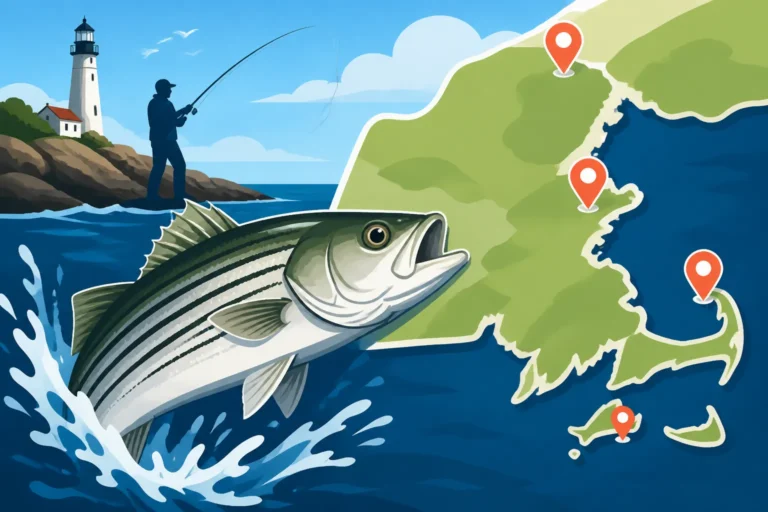
For many anglers, the name "Nantucket Shoals" evokes a mix of excitement and trepidation. This vast, often unpredictable expanse of shallow, sandy bottom, strong currents, and deep channels southeast of Nantucket Island can be incredibly frustrating for those unfamiliar with its quirks, yet it consistently delivers some of the most phenomenal fishing Massachusetts has to offer. If you've ever dreamt of battling trophy striped bass in turbulent rips, chasing elusive bluefin tuna offshore, or simply finding a quiet patch for bottom fish, but felt overwhelmed by the sheer scale and complexity of this unique fishery, this comprehensive guide is for you. We'll demystify the shoals, break down its prime fishing areas, reveal the target species, and arm you with the knowledge to approach this incredible fishing ground with confidence and success.
Understanding the Allure of Nantucket Shoals for Anglers
Nantucket Shoals isn't just a fishing spot; it's an entire ecosystem, a wild and dynamic marine environment that acts as a magnet for baitfish and, consequently, for an incredible array of game fish. Its unique geography creates a perfect storm of conditions that make it one of the most productive fishing grounds on the East Coast, but also one of the most challenging.
Why Nantucket Shoals is a Premier Fishing Destination
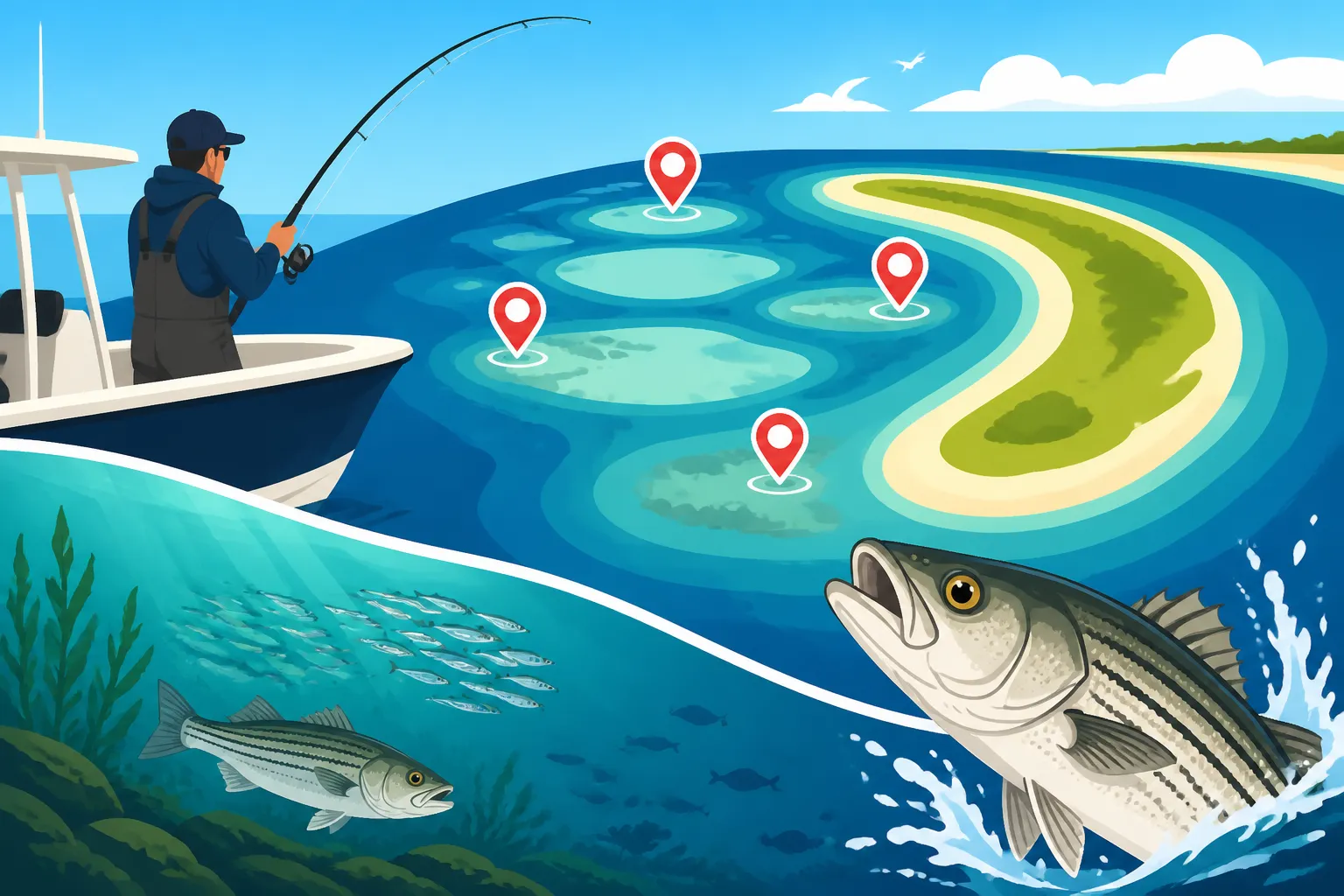
Imagine hundreds of square miles of ever-shifting sandbars, sudden drop-offs, and treacherous rips where the Atlantic Ocean collides with the shallow bottom. This isn't just pretty scenery; it's a food factory. The complex bathymetry of the Nantucket Shoals, including prominent features like the Old Man Shoal, Rose and Crown, Great Rip, and the multitude of lesser-known bumps and ridges, creates an environment ripe for marine life. These underwater contours funnel baitfish like sand eels, mackerel, herring, and squid, concentrating them into dense schools. When these baitfish get pushed up against the shoals or caught in the powerful currents of the rips, it becomes an all-you-can-eat buffet for predators.
The sheer abundance of food attracts a staggering diversity of species, from the inshore legends like striped bass and bluefish to the pelagic giants of the open ocean. Moreover, the shoals are a crucial migration corridor. As vast schools of fish move up and down the coast, many funnel through or skirt the edges of the shoals, making them accessible to anglers for extended periods throughout the fishing season. It's not uncommon to find multiple species feeding simultaneously, creating opportunities for a truly memorable day on the water, whether you're sight-casting to breaking tuna or jigging for fluke. This rich, nutrient-dense environment is truly a natural wonder, constantly changing and always offering new opportunities for those willing to learn its secrets.
Navigating the Unique Challenges of the Shoals
While the fishing opportunities are immense, let's be real: Nantucket Shoals is not for the faint of heart, nor for the unprepared. Its notorious reputation for strong currents, shoaling waters, and rapidly changing weather conditions is well-earned. The same powerful tides and currents that concentrate baitfish can make navigation extremely hazardous, especially for those unfamiliar with the area. Shifting sandbars can transform well-known channels overnight, and a seemingly calm morning can quickly give way to fog so thick you can't see the bow of your boat, or a sudden squall that whips up dangerous seas.
Proper navigation requires constant vigilance, up-to-date charts, reliable GPS, and a deep understanding of local tides and currents. It's crucial to pay attention to your depth sounder at all times and to understand how strong currents can push your boat off course, even in seemingly open water. Many experienced captains will tell you that the shoals demand respect. Running aground here isn't just embarrassing; it can be incredibly dangerous, especially if the tide is falling or if you're exposed to open ocean swells. Beyond navigation, the sheer vastness of the area means fish can be spread out, requiring patience, persistence, and often a lot of fuel to cover ground and find the hot bite. But for those who embrace the challenge and prepare adequately, the rewards are often unparalleled.
Top Target Species and Their Seasons in Nantucket Shoals
The diversity of fish in Nantucket Shoals is truly remarkable, offering something for every type of angler. Knowing which species are active and when to target them is key to a successful trip. The shoals support both migratory and resident populations, making it a dynamic fishery throughout the spring, summer, and fall.
Chasing Striped Bass and Bluefish in the Rips
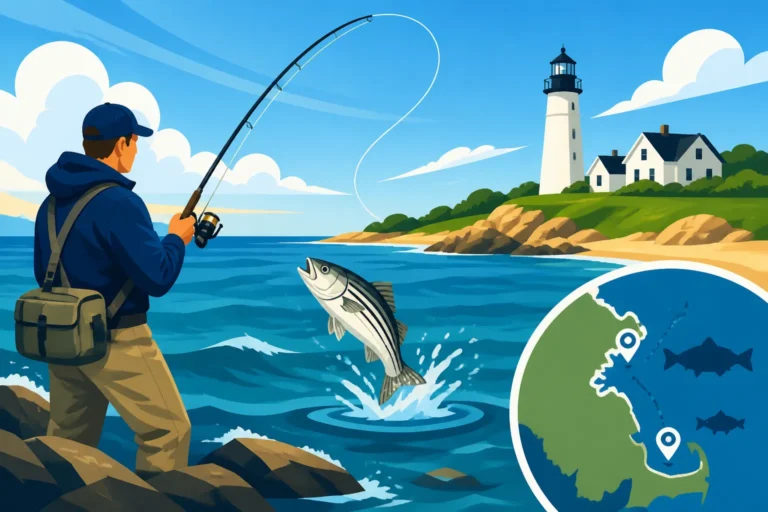
The rips of Nantucket Shoals are legendary for their monumental striped bass and bluefish action. As the tide pushes vast amounts of water over the shallow sandbars, it creates turbulent, oxygen-rich currents where baitfish are disoriented and easy prey. This is where the biggest predators gather. Key rips like the Great Rip, Old Man Shoal, and Rose and Crown are particularly famous, but countless smaller rips and current lines can also hold fish.
Striped bass, often in trophy sizes, are found here from late spring through early fall, with peak action usually occurring in June, July, and September. Anglers typically target them by drifting live baits like eels or mackerel through the rips, or by casting large plugs, jigs, or soft plastics. The How to Catch Striped Bass in Massachusetts guide offers detailed strategies that are highly effective in these turbulent waters. The sheer power of a large striper hooked in a strong current is an unforgettable experience. Bluefish, notorious for their aggressive strikes and toothy grins, arrive a bit later in the spring and stay well into the fall, often mixing with the stripers. They are voracious eaters, readily hitting topwater poppers, metal jigs, and chunks of cut bait. Understanding the Massachusetts Striped Bass Size and Bag Limit and the Massachusetts Bluefish Bag Limit and Season is crucial here, as regulations can change, and enforcement is strict. The dynamic nature of these rips means that one day can be completely different from the next, but the potential for epic fishing is always present.
The Thrill of Tuna Fishing: Bluefin, Yellowfin, and False Albacore
Beyond the inshore rips, the deeper waters surrounding Nantucket Shoals become prime hunting grounds for pelagic species, most notably various tuna species. This is where the true offshore adventure begins. Bluefin tuna, highly sought after for their incredible fight and delicious meat, can be found from late spring through late fall. Early season bluefin often feed on mackerel and herring, while later in the summer and fall, they key in on sand eels and butterfish. Anglers target them using a variety of methods including trolling with spreader bars and skirted lures, jigging with heavy metal jigs, and even casting poppers to breaking schools. For more on this, consider exploring dedicated guides on Massachusetts Bluefin Tuna Charters.
Yellowfin tuna and even some Bigeye tuna can also be found further offshore, particularly in warmer summer and early fall waters, often associated with temperature breaks and canyon edges that are accessible from the shoals region. These are typically targeted by trolling or chunking. Additionally, the fast and furious false albacore (Albies) and bonito make an appearance around the shoals from late summer into early fall. These speedsters offer incredible light tackle action, often chasing small baitfish in the shallower, clearer waters around the shoals' edges. Casting small metal jigs or epoxy resin lures to breaking schools is the preferred method for these exciting, hard-fighting fish. The rush of hooking into a 20-pound Albie on light spinning gear is something every angler should experience.
Bottom Fishing Delights: Fluke, Tautog, and Black Sea Bass
While the glamour of striped bass and tuna often steals the spotlight, Nantucket Shoals offers excellent opportunities for bottom fishing, too. The varied bottom structure, from sandy flats to rocky patches, provides perfect habitat for a range of delicious groundfish. Fluke, also known as summer flounder, are abundant on the sandy bottoms and edges of the shoals throughout the summer. Drifting with bucktail jigs tipped with Gulp! or natural baits like squid strips and live killifish is a highly effective method. The Massachusetts Fluke Size Limits Explained is particularly important here, as regulations can vary by season and fishing platform (boat vs. shore). These flatfish are not only fun to catch but also make for fantastic table fare.
As waters cool in late summer and fall, tautog (blackfish) become a prime target, congregating around the scattered rocky outcrops and wrecks that exist within and on the perimeter of the shoals. Fiddler crabs, green crabs, and even clams are top baits for these notoriously stubborn fighters. Black sea bass are another popular bottom species, often found alongside fluke and tautog, especially around structure. They readily hit jigs, squid, and clam baits. The season for black sea bass usually runs from mid-May through much of the fall, offering consistent action and excellent eating quality. Understanding the specific habitat preferences for each of these species and having a good bottom machine is key to finding them amidst the vastness of the shoals.
Essential Gear and Techniques for Fishing Nantucket Shoals
Fishing Nantucket Shoals demands more than just a boat and a rod; it requires specialized gear and a nuanced understanding of techniques tailored to its challenging environment. The right equipment can make the difference between a frustrating outing and a triumphant one.
Rods, Reels, and Line for Shoals Success
Given the diverse range of species and conditions you'll encounter, a versatile arsenal of rods and reels is essential. For the powerful striped bass and bluefish in the rips, a medium-heavy to heavy spinning rod (7-8 feet) paired with a high-quality, corrosion-resistant reel in the 6000-8000 size range is ideal. Spool these with 50-65 lb braided line for maximum casting distance and sensitivity, backed by a 60-80 lb fluorocarbon leader. Brands like Shimano, Daiwa, and Penn offer reels robust enough to handle the abuse of strong currents and hard-fighting fish. For tuna, especially bluefin, you'll need even heavier gear. A conventional jigging setup with a 300-600 gram jigging rod and a high-capacity lever drag reel (like a Shimano Talica or Penn Fathom) spooled with 80-130 lb braid is standard. Trolling setups will be even heavier, often employing 50-80 lb class outfits.
For bottom fishing for fluke, a medium-light to medium spinning rod (6'6"-7'6") with a sensitive tip is perfect for feeling subtle bites. Pair this with a 3000-4000 size reel spooled with 20-30 lb braid and a 20-30 lb fluorocarbon leader. This lighter setup allows you to present baits naturally and enjoy the fight of even smaller fish. For tautog and black sea bass, a slightly stiffer rod with a strong backbone is preferred to muscle them out of rocky structure, often a medium-heavy spinning or conventional setup with 30-50 lb braid. Always rinse your gear thoroughly after each trip to combat the corrosive saltwater and ensure longevity.
Mastering Baits, Lures, and Rigs for Various Species
The choice of bait and lure can be as critical as your gear. For striped bass and bluefish in the rips, live bait reigns supreme. Mackerel, eels, and menhaden (pogies) drifted naturally with the current are deadly. For artificials, large topwater poppers like those from Guppy Lures or Gibbs Lures, big swimming plugs such as Bomber Long A's, and heavy metal jigs (e.g., A.O.K. T-Man, Shimano Butterfly jigs) are excellent. Soft plastics on jig heads, especially those imitating sand eels or larger baitfish, can also be highly effective. The key is to match the hatch – use lures that mimic the size and color of the prevalent baitfish.
For tuna, the game changes. Trolling spreads often consist of various spreader bars, skirted lures, and sometimes even natural baits like ballyhoo. For jigging, heavy-duty vertical jigs in various weights (from 150g to 300g+) are used, often fished with a fast, erratic retrieve. Poppers and stickbaits can provoke explosive topwater strikes from feeding tuna. For fluke, the classic bucktail jig tipped with a Berkley Gulp! Swimming Mullet (in white, chartreuse, or pink) is a perennial favorite. A high-low rig with bait such as squid strips, spearing, or silversides can also be deadly. Tautog prefer crabs (green crabs, fiddler crabs, hermit crabs) fished on a traditional bottom rig or a snelled hook with a sinker. Black sea bass are less picky and will hit small jigs, clam pieces, or squid strips on a simple dropper loop rig. Having a diverse tackle box is crucial for adapting to whatever the shoals throw at you.
Strategic Considerations: Tides, Currents, and Navigation
Understanding the intricate dance of tides and currents is paramount for fishing Nantucket Shoals. This isn't just about knowing when high or low tide is; it's about predicting how the currents will behave in specific rips and channels, and how they will affect your drift, your boat's position, and the feeding behavior of fish. The Best Time of Year to Fish in Massachusetts is often dictated by these environmental factors. Fishing the rips, for instance, is typically best during a strong current when baitfish are actively being funneled. You need to position your boat upstream of the rip and drift your baits or lures into the feeding zone. This requires constant adjustment of your boat's position using engine and sometimes even a sea anchor or drift sock.
Navigation in the shoals requires meticulous attention to detail. Always have multiple forms of navigation onboard: a reliable GPS plotter with up-to-date charts, a physical chart, and even a backup GPS. Fog can roll in thick and fast, reducing visibility to mere feet, making radar and intimate knowledge of your surroundings invaluable. Keep an eye on weather forecasts, not just for wind and waves, but also for fog potential. Many experienced captains use online booking platforms like FishingBooker to help anglers find reputable local guides who possess this intimate knowledge. A skilled captain knows the subtle signs of changing weather and the safe passages through shifting sands. Always inform someone on shore of your float plan, including your intended fishing areas and estimated return time. Safety in the shoals is not a suggestion; it's a non-negotiable requirement.
Planning Your Trip to Nantucket Shoals
A successful trip to Nantucket Shoals starts long before you ever leave the dock. Careful planning, whether you're hiring a professional or skippering your own vessel, is key to maximizing your chances of a memorable and safe experience.
Choosing a Charter or Guide for the Shoals
For many, especially those unfamiliar with the area or lacking a suitable boat, chartering a local guide is the best option for fishing Nantucket Shoals. These captains live and breathe these waters, possessing an unparalleled understanding of the ever-changing rips, baitfish movements, and prime fishing spots. They have the appropriate vessel, all the necessary safety gear, and specialized tackle to target various species effectively. When looking for a charter, prioritize experience and local knowledge specific to the shoals. Don't be afraid to ask about their experience level in the area, what species they specialize in, and what their typical trip looks like. Websites like FishingBooker can be an excellent resource for finding reputable Cape Cod Fishing Charters Guide for Massachusetts Anglers or Massachusetts Deep Sea Fishing Charters that operate in the Nantucket Shoals region, complete with reviews from previous customers.
A good charter captain will not only put you on fish but will also ensure your safety, navigating the tricky currents and keeping an eye on the weather. They also provide all the bait, tackle, and often even handle the fish cleaning. This means you can focus entirely on the fishing experience. It's a fantastic way for both seasoned anglers and newcomers to experience the shoals without the steep learning curve or the significant investment in specialized equipment. Plus, they're often a wealth of information about the local ecosystem and fishing history.
Launching Your Own Vessel: Access and Safety
If you plan to navigate Nantucket Shoals in your own boat, thorough preparation is paramount. You'll need a vessel capable of handling open ocean conditions, typically 23 feet or larger, with reliable engines, ample fuel capacity, and comprehensive electronics including radar, a chart plotter, and a good VHF radio. While Nantucket has a few launch ramps, many anglers might opt to launch from Cape Cod or other mainland locations, which entails a longer run to the shoals. Popular launch points include Saquatucket Harbor in Harwich, Sesuit Harbor in Dennis, and Hyannis Harbor. Always ensure your boat is in top mechanical condition before heading out, as breakdowns far offshore can be extremely dangerous.
Safety gear is non-negotiable: a full complement of PFDs, flares, a horn, a first-aid kit, and a functional EPIRB or PLB are absolute must-haves. Regularly check your bilge pumps and have a backup communication method. Due to the rapid weather changes and treacherous conditions, especially fog, carrying a radar is highly recommended. Always check marine forecasts before and during your trip, paying close attention to sea state and visibility. Filing a float plan with a reliable person on shore is also crucial; let them know your departure point, destination, estimated return time, and number of people onboard. Respect the shoals; they can be unforgiving if you're unprepared.
Weathering the Elements and Staying Safe
The weather around Nantucket Shoals is notoriously fickle and can change dramatically in a matter of hours. A sunny, calm morning can quickly give way to dense fog, strong winds, or even thunderstorms. Fog is a particularly common and dangerous adversary in these waters, often rolling in unexpectedly and drastically reducing visibility. This is where radar and a strong understanding of navigation, coupled with an intimate knowledge of your boat's systems, become crucial. Always carry extra layers of clothing, including waterproof outerwear, even on seemingly warm days, as sea temperatures can be much cooler than land temperatures.
Beyond fog, sudden squalls and building seas can pose significant risks. Always monitor marine weather forecasts via VHF radio or satellite weather apps. If you see dark clouds building or hear warnings of severe weather, don't hesitate to cut your trip short and head for safe harbor. No fish is worth risking your life or your vessel. Seasickness can also be a major concern, especially if the seas kick up. Over-the-counter remedies like Dramamine or Bonine can be effective, but it's best to take them proactively before you start to feel queasy. Staying hydrated and having snacks on board will also help. The rule of thumb in the shoals is always to prioritize safety over catching fish.
Conservation and Responsible Angling Practices
As anglers, we have a responsibility to protect the incredible resources that draw us to places like Nantucket Shoals. Sustainable fishing practices and adherence to regulations ensure that these amazing fisheries remain vibrant for future generations.
Adhering to Massachusetts Regulations and Limits
Fishing in Nantucket Shoals means adhering to both federal and Massachusetts fishing regulations, which can be complex and change frequently. It's not enough to simply have a license; you need to know the specific size limits, bag limits, and seasons for each species you plan to target. For instance, the Massachusetts Recreational Fishing Rules and Bag Limits document, available through MassWildlife or NOAA Fisheries, is an essential resource. Regulations for popular species like striped bass, bluefish, fluke, tautog, and black sea bass are updated annually, sometimes even mid-season, to reflect stock assessments and conservation needs.
Ignorance of the law is never an excuse, and penalties for violations can be severe, including hefty fines and confiscation of gear or even your vessel. Always carry a current copy of the regulations, or at least have a reliable app on your phone that can access them. When in doubt, measure your fish carefully and release anything questionable. Understanding the why behind the regulations, such as slot limits for striped bass to protect breeding stock, helps foster a greater appreciation for their importance. Responsible anglers make it their business to stay informed and compliant.
Practicing Catch and Release for Sustainable Fishing
While keeping a few fish for the table is part of the joy of fishing, practicing ethical catch and release is vital for the long-term health of many species, particularly those under conservation pressure or those that exceed or fall short of legal limits. For trophy-sized striped bass or bluefin tuna that might be at the upper end of the slot limit, a quick photo and careful release can help ensure they contribute to future spawning cycles.
When practicing catch and release, minimize handling time, especially if the fish is out of the water. Use barbless hooks or debarb your hooks to make removal easier and less traumatic. Consider using circle hooks, especially when fishing with bait, as they tend to hook fish in the corner of the mouth, reducing gut hooking and improving survival rates. For larger fish, revive them boat-side by holding them gently in the water, facing the current, until they are strong enough to swim away on their own. Avoid dragging fish onto dry sand or rough surfaces, which can remove their protective slime coat. Every fish released successfully contributes to the health and abundance of the fishery, ensuring that Nantucket Shoals continues to be a world-class fishing destination.
Nantucket Shoals Species and Seasonal Overview
Here's a quick reference for some of the prime species you might encounter in Nantucket Shoals, along with their general seasonal availability and common fishing methods. Remember that exact timings can vary based on water temperature and baitfish movements.
| Species | Primary Season | Common Locations | Preferred Methods | Key Baits/Lures |
|---|---|---|---|---|
| Striped Bass | Late Spring – Fall | Rips, Shoal Edges | Drifting, Trolling, Casting | Live Eels, Mackerel, Plugs, Jigs, Soft Plastics |
| Bluefish | Late Spring – Fall | Rips, Shoal Edges | Casting, Trolling, Drifting | Topwater Poppers, Metal Jigs, Cut Bait, Plugs |
| Bluefin Tuna | Early Summer – Fall | Offshore Drops, Bait Balls | Trolling, Jigging, Chunking, Popping | Spreader Bars, Skirted Lures, Vertical Jigs, Live Bait |
| Yellowfin Tuna | Mid-Summer – Fall | Offshore Canyons, Temp Breaks | Trolling, Chunking | Skirted Lures, Bailing, Chunk Bait |
| False Albacore | Late Summer – Early Fall | Shoal Edges, Nearshore Rips | Casting | Small Metal Jigs, Epoxy Lures, Fly Fishing |
| Fluke (Summer Flounder) | Summer | Sandy Bottoms, Channels | Drifting | Bucktail Jigs + Gulp!, Squid Strips, Live Killifish |
| Tautog (Blackfish) | Fall (also Spring) | Rocky Bottoms, Wrecks | Bottom Fishing | Green Crabs, Fiddler Crabs, Clams |
| Black Sea Bass | Late Spring – Fall | Structure, Rocky Bottoms | Bottom Fishing, Jigging | Squid Strips, Clam, Small Jigs |
Disclaimer
The information provided in this guide is for general informational purposes only and does not constitute professional advice. Fishing regulations, weather conditions, and marine environments are subject to change without notice. Always consult official sources for the most up-to-date regulations and prioritize safety when on the water. Fishing inherently carries risks, and responsible judgment is essential for a safe and enjoyable experience.