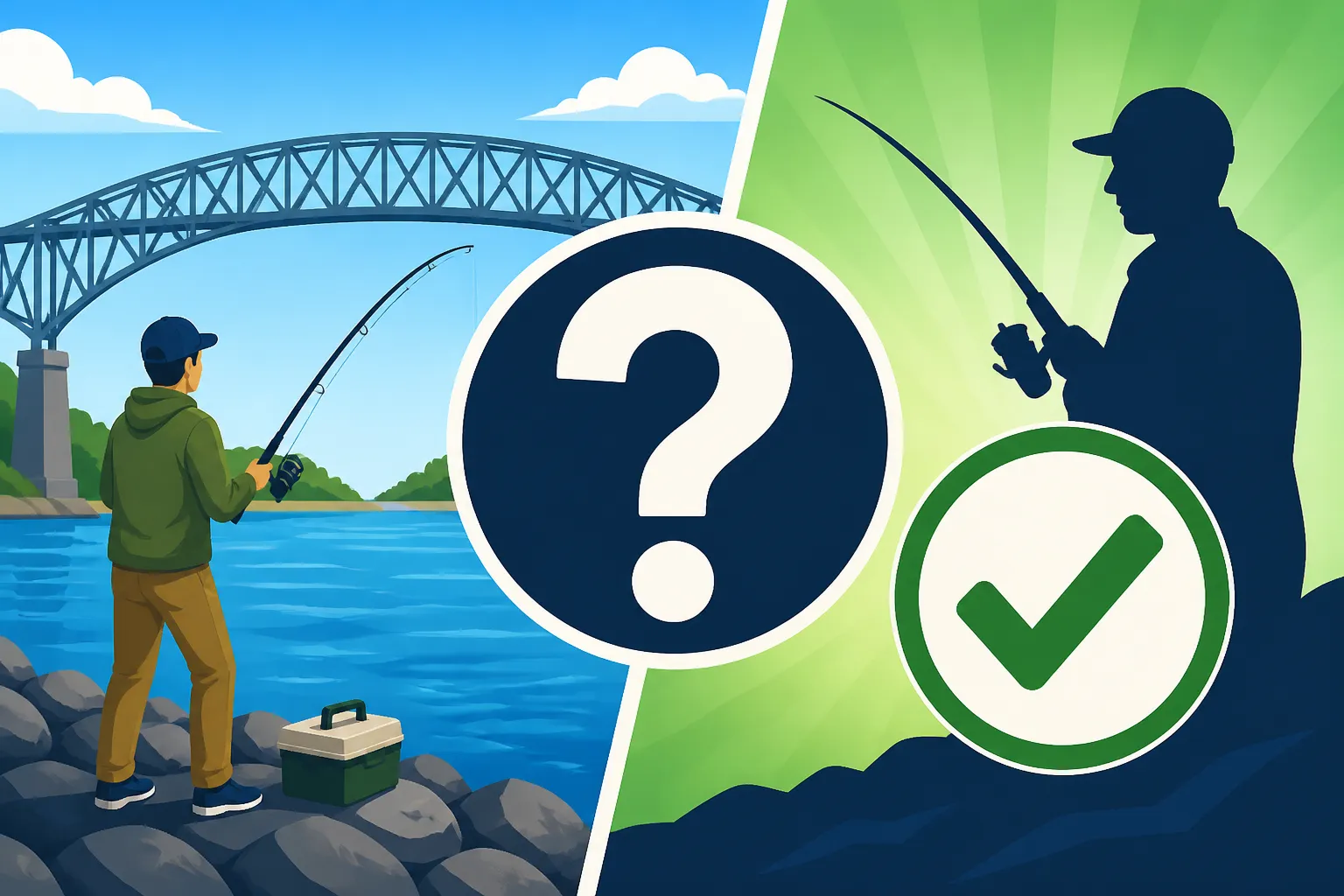
Is Cape Cod Canal Shore Fishing Free?
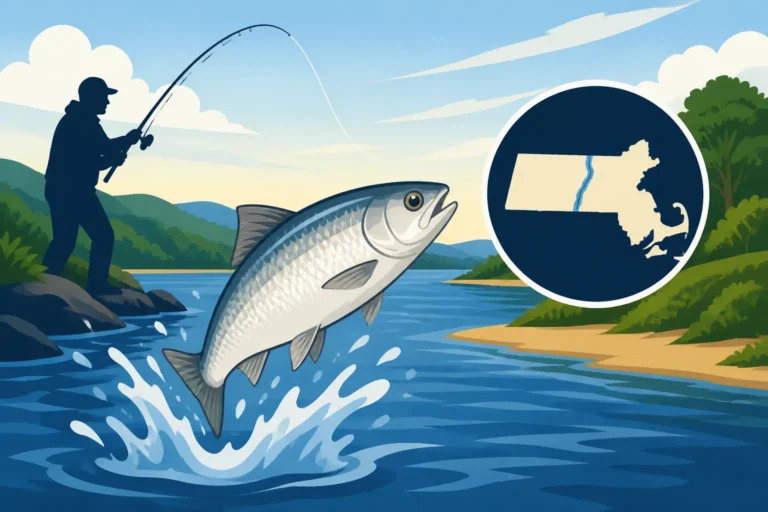
It's a common question, especially for those looking to cast a line without breaking the bank: is shore fishing at the iconic Cape Cod Canal truly free? While the physical act of standing on the shore and fishing itself doesn't come with an admission ticket, there are definitely some key considerations and requirements you need to be aware of to ensure your outing is both legal and enjoyable. This guide will clarify the costs, permits, and access details for fishing the Cape Cod Canal from its shores.
Navigating Massachusetts Fishing License Requirements
Before you even think about baiting a hook or tying on a lure, the most crucial thing to understand is that fishing in Massachusetts, including from the shores of the Cape Cod Canal, almost always requires a valid state fishing license or permit. This isn't just a suggestion; it's a legal requirement designed to support the conservation efforts that keep our waters healthy and stocked for future generations.
Who Needs a Massachusetts Saltwater Permit
For the Cape Cod Canal, which is a saltwater environment connecting Buzzards Bay to Cape Cod Bay, you'll need a Massachusetts Saltwater Recreational Fishing Permit. This permit is required for anyone age 16 and older who intends to fish in the marine waters of the Commonwealth. It doesn't matter if you're a seasoned angler or just trying it out for the first time; if you're 16 or older and fishing the Canal, you need one. There are very few exceptions, such as on designated Free Fishing Days in Massachusetts, but these are specific dates, not a year-round allowance.
You can learn more about the specifics in our comprehensive guide, Massachusetts Saltwater Recreational Fishing Permit Explained. This permit helps fund critical marine resource management programs, ensuring sustainable fishing for popular species like striped bass, bluefish, and tautog, all of which frequent the Canal.
Understanding License Fees and Exemptions
While the act of fishing from shore is "free" in the sense that no turnstile awaits you at the Canal banks, the right to fish legally is not. The Massachusetts Saltwater Recreational Fishing Permit does have a cost, though it's generally quite reasonable, especially for residents. The fees vary for residents and non-residents, and there are sometimes exemptions or reduced fees for specific groups, such as individuals with certain disabilities or active-duty military personnel. Children under 16 years old are usually exempt from needing a license, which is a wonderful way for families to introduce youngsters to the sport without additional cost.
For a detailed breakdown of who needs what, check out Massachusetts Fishing License Requirements by Age. It's important to remember that these fees are an investment in the health of the fishery. Every dollar helps support MassWildlife and the Division of Marine Fisheries in their efforts to manage fish populations, conserve habitats, and enforce regulations that protect marine ecosystems. Without these funds, the vibrant fishing opportunities we enjoy would quickly diminish.
Cape Cod Canal Access: Public and Generally Free
The good news is that the physical access to the Cape Cod Canal's shores for fishing is indeed free for the public, thanks to the U.S. Army Corps of Engineers, who manage the Canal. You won't find gates or entrance fees just to walk along the banks and cast your line.
Exploring Shore Fishing Spots
The Cape Cod Canal offers miles of publicly accessible shoreline on both the north and south sides, stretching from Buzzards Bay to Cape Cod Bay. Anglers can fish from numerous spots, including the areas directly under the iconic Sagamore and Bourne Bridges, along the paved service roads, and at various pull-offs. Popular spots like the East End (near Scusset Beach State Reservation) and the West End (near the Massachusetts Maritime Academy) are well-known for their accessibility and productive fishing, particularly for striped bass. The beauty of the Canal is that you can often drive right up to a promising spot, set up your gear, and start fishing.
These public access points are a huge boon to anglers, allowing everyone, regardless of boat ownership, to experience the thrill of fishing this incredible waterway. For a deeper dive into specific areas, our guide, Cape Cod Canal Fishing Guide for Massachusetts Anglers, offers extensive details on popular fishing locations and what you can expect to catch. It truly is a public resource, designed for navigation and recreation alike, making it an incredible asset for shore anglers across Massachusetts and beyond.
Understanding Parking Nuances
While the shoreline itself is free to access, parking can sometimes come with a fee, which is a crucial detail often overlooked when considering "free" fishing. Many popular access points along the Canal feature parking lots or roadside pull-offs. Some of these are completely free, particularly the designated Army Corps of Engineers parking areas along the service roads. However, if you choose to park within a state park, such as Scusset Beach State Reservation or the Peter Igo Park in Sandwich, you'll likely encounter parking fees, especially during peak season.
For instance, Scusset Beach State Reservation often charges a daily parking fee for vehicles, which is separate from your fishing permit. These fees typically contribute to the maintenance and facilities of the state park itself, rather than the Canal's fishing access. Always pay attention to signage and meters when you park to avoid unexpected fines. It's wise to research specific parking options before you head out, and our article on Where to park for Cape Cod Canal fishing can provide valuable insights to help you plan your trip efficiently and avoid any parking headaches.
Beyond the Permit: Other Costs to Consider
Even with a license in hand and free access to the Canal's shores, there are other financial aspects that contribute to the overall cost of a fishing trip. These might seem obvious to experienced anglers, but for newcomers, it's worth laying them out clearly.
Gear and Tackle Investments
Let's face it, you can't fish without some basic equipment. While the fishing spot might be free, your rod, reel, line, hooks, sinkers, and lures certainly aren't. For the Cape Cod Canal, especially for targeting powerful striped bass and bluefish, you'll need relatively robust tackle. A good surf rod and a reel spooled with strong braided line are essential, and these can represent a significant upfront investment.
Lures and bait are also ongoing costs. Whether you prefer to throw large plugs, jigs, or metal spoons, or you opt for live bait like eels or mackerel, these items add up. Many anglers spend considerable time and money researching and purchasing the "perfect" lure for Canal fishing. While this isn't a direct fee for access, it's a very real cost of the sport. Our guide on Best Lures for Striped Bass in Massachusetts can help you get started with tackle choices, but remember, these are purchases, not freebies!
Bait and Live Offerings
For many anglers, particularly those targeting striped bass in the Canal, live bait can be incredibly effective. Whether you're buying live eels from a local bait shop or catching your own mackerel, there's either a monetary cost or a time investment involved. Local bait and tackle shops along Cape Cod are excellent resources for fresh bait and often have the most up-to-date information on what's biting.
This is where the "free" aspect really begins to fade. While a worm might be inexpensive, a dozen live eels can be a significant expense. For some, the thrill of catching their own bait is part of the fun, eliminating the direct cost but requiring time, effort, and often additional small tackle items like sabiki rigs.
Optional, But Valuable, Guided Trips
While shore fishing is primarily a do-it-yourself endeavor, if you're serious about maximizing your chances, especially in a challenging environment like the Canal, you might consider a guided trip. Hiring a local expert to show you the ropes, explain the tides, and pinpoint the best locations and techniques can be invaluable. This is certainly not free, but it's an investment in your learning and success. Many experienced guides specialize in Cape Cod Canal shore fishing, offering a unique perspective you won't get on your own.
You can find numerous reputable guides through booking platforms. For example, FishingBooker lists many highly-rated guides and charters in the Massachusetts area, including those specializing in Canal fishing. They offer a convenient way to browse options, read reviews, and book a professional who can drastically improve your fishing experience. While it's an added expense, the knowledge gained from a few hours with a seasoned guide can pay dividends for years to come. If you're considering this, take a look at our Cape Cod Canal Fishing Guides in Massachusetts article for more details.
Why Fees are Important for Conservation
It’s easy to grumble about fees and licenses, but understanding why they exist helps put them into perspective. The money collected from fishing permits and other related fees plays a vital role in maintaining the health and accessibility of Massachusetts' aquatic environments, including the celebrated Cape Cod Canal.
Funding Conservation Efforts
The funds generated from the sale of Massachusetts fishing licenses, including the saltwater permit, are directly channeled into the state's conservation and fisheries management programs. This includes efforts by agencies like the Massachusetts Division of Marine Fisheries (DMF) and MassWildlife. These agencies are responsible for monitoring fish populations, conducting scientific research, enforcing regulations (like bag limits and size restrictions, which you can learn about in Massachusetts Recreational Fishing Rules and Bag Limits), and managing habitats crucial for fish spawning and growth.
Imagine if there were no funds to regulate fishing pressure or protect critical areas. Over time, fish stocks would decline, and the very resources we cherish would be depleted. Your license fee is an investment in the future of fishing, ensuring that future generations can enjoy the same opportunities you do today. This is a topic explored further in How Massachusetts fishing license fees fund conservation programs.
Protecting Natural Resources
Beyond direct fisheries management, license fees contribute to broader environmental protection. This can include efforts to improve water quality, restore degraded habitats, and control invasive species that threaten native fish populations. For a dynamic ecosystem like the Cape Cod Canal, which sees heavy recreational use and commercial shipping traffic, these protective measures are especially critical.
Without these sustained efforts, the natural resources that make places like the Canal prime fishing destinations would suffer. It’s a collective responsibility, and the permit system is one of the most effective ways to share that burden among those who benefit most from healthy fisheries. Every angler who purchases a license is contributing to a larger effort to keep Massachusetts waters vibrant and productive.
MassFishHunt: Your Portal to Legal Fishing
The Commonwealth of Massachusetts has streamlined the process for obtaining your fishing license through the MassFishHunt system. This online platform is the easiest and most convenient way to purchase your saltwater recreational fishing permit, renew an existing license, or print a duplicate. You can access it from the comfort of your home, ensuring you're legal before you even leave for the Canal.
While you can also purchase licenses from authorized vendors, using MassFishHunt saves time and ensures you have the most up-to-date information regarding fees and regulations. If you're a nonresident planning a trip to the Canal, checking out Massachusetts Fishing License for Nonresidents will be particularly helpful. Even if you're an occasional angler, it's worth understanding the system, as your permit generally lasts for the calendar year, meaning you'll need to remember to renew it. Our Massachusetts Fishing License Renewal Guide can walk you through that process.
Here's a quick summary of potential costs for a shore fishing trip to the Cape Cod Canal:
| Item/Service | Is It "Free"? | Explanation |
|---|---|---|
| Shore Access at Canal | Yes | Public access to the Canal shoreline itself is free, maintained by the U.S. Army Corps of Engineers. |
| Massachusetts Saltwater Permit | No | Required for anyone 16+, funds conservation. |
| Parking at State Parks | No | If parking within a state reservation (e.g., Scusset Beach), daily parking fees apply. |
| Parking at Public Pull-offs | Usually Yes | Many designated Army Corps of Engineers pull-offs and service road parking areas are free. |
| Fishing Rod & Reel | No | Essential equipment for fishing. |
| Bait & Lures | No | Consumable items for fishing. |
| Guided Fishing Trip | No | Optional service, provided by professional guides (e.g., booked via FishingBooker). |
| FishingBooker Services | No (for bookings) | A platform to find and book fishing guides/charters, which incur costs. |
So, is Cape Cod Canal shore fishing free? The short answer is: the access to the shore is free, but legal fishing requires a Massachusetts Saltwater Recreational Fishing Permit (for those 16 and older), and you might encounter parking fees depending on where you choose to park. Always make sure you're properly licensed, especially given the stiff Penalties for Fishing Without a License in Massachusetts, and keep an eye out for parking signs. Enjoy your time casting a line in this incredible Massachusetts fishing destination!
Disclaimer
The information provided in this guide is for general informational purposes only and does not constitute legal or professional advice. Fishing regulations and fees in Massachusetts can change. It is always the responsibility of the angler to check the most current regulations and licensing requirements with the Massachusetts Division of Fisheries and Wildlife (MassWildlife) or the Division of Marine Fisheries (DMF) before engaging in any fishing activities. We are not responsible for any inaccuracies or outdated information.