Cape Cod Canal Fishing Guides in Massachusetts
The Cape Cod Canal, with its legendary striped bass runs and challenging currents, can feel like a whole different world to even experienced anglers. Many people dream of landing a trophy fish there, but the sheer power of the tides, the unique bottom structure, and the ever-changing bite can be incredibly intimidating. This guide is here to walk you through everything you need to know about hiring a Cape Cod Canal fishing guide, ensuring you have the best possible chance at a memorable and successful fishing adventure in this iconic Massachusetts waterway.
Why Hire a Fishing Guide for the Cape Cod Canal?
Let's face it, the Cape Cod Canal isn't your average fishing hole. It's a beast of a waterway, constantly churned by powerful tides, home to some of the biggest striped bass and bluefish around, and sometimes, it feels like the fish have a secret language only a few understand. That's where a seasoned guide comes into play – they're not just taking you fishing, they're unlocking years of accumulated wisdom about this specific stretch of water.
Navigating the Canal's Unique Challenges
The biggest hurdle for many anglers on the Canal is definitely the current. It's not just strong; it shifts dramatically with the tides, creating rips, eddies, and subtle changes that dictate where fish will hold and feed. If you've ever tried casting into a raging current only to have your lure immediately swept away, you know the frustration. A guide understands these dynamics intimately, knowing how to position a boat, where to cast from shore, and what weight and presentation are needed to get your offering in front of fish. They're also experts at navigating the sometimes-crowded shorelines and boat traffic, ensuring you're fishing safely and effectively without stepping on anyone's toes.
Beyond the currents, the Canal's bottom is a maze of rocks, humps, and sudden drop-offs – prime ambush points for stripers, but also notorious for snagging expensive lures. A good guide knows the "structure" like the back of their hand, helping you fish these productive areas without constantly losing tackle. They'll show you exactly where to drop a jig or present a live bait to avoid the hang-ups that can quickly ruin a fishing day. Plus, they stay on top of all the local regulations, ensuring you're always compliant with size and bag limits for species like striped bass. This means less worrying about the rules and more focusing on the fight!
Unlocking Local Knowledge and Experience
Think of a Cape Cod Canal guide as a human fishing encyclopedia for this specific stretch of water. They've spent countless hours, often decades, observing the patterns of fish, the movement of bait, and the subtle cues that indicate a hot bite is on. This isn't knowledge you can get from a quick internet search or a few trips. It's built on trial and error, early mornings, late nights, and a deep passion for the Canal. They know when the mackerel are running, what tide the eels are most effective on, and when those giant striped bass move into the deeper holes.
This local expertise extends to everything from lure color preferences on a given day to the best time to fish a specific tide stage. For example, a guide might know a particular rock pile that only produces big fish on the last hour of the outgoing tide, or a specific jigging retrieve that mimics the local baitfish perfectly. They've got "secret spots" – or at least, highly productive spots that aren't widely published – and they know how to access them safely and legally. This kind of insider information is invaluable, especially if you're visiting the area or new to fishing the Canal, and it dramatically increases your chances of hooking into something substantial. It's truly like having a cheat sheet for the most challenging fishing puzzle around.
Enhancing Safety and Enjoyment
Safety on the Cape Cod Canal cannot be overstated, especially if you're considering a boat-based trip. The strong currents can be dangerous for inexperienced boaters, and navigating the busy shipping channel requires expertise. A professional guide, particularly one running a boat, will have all the necessary safety equipment, be skilled in handling their vessel in various conditions, and know how to react in an emergency. They'll make sure you're wearing appropriate life jackets and are aware of all safety protocols, allowing you to relax and focus on fishing without constant worry.
Beyond safety, a guide simply makes the experience more enjoyable. They remove the stress of planning, guessing, and potentially struggling alone. All the gear is ready, the bait is fresh, and they've already scouted the best locations. This means you spend more time with a rod in your hand and less time fumbling with tackle or searching for fish. It’s a fantastic way for families, beginners, or even seasoned anglers looking for a new perspective to truly immerse themselves in the fishing without the usual headaches. Imagine landing a massive striper with the guide cheering you on – that's a memory worth making!
Types of Cape Cod Canal Fishing Guides
When you start looking for a guide on the Cape Cod Canal, you'll quickly realize it's not a one-size-fits-all situation. The Canal offers a diverse range of fishing experiences, and guides have specialized to cater to these different approaches. Whether you prefer keeping your feet on solid ground or venturing out onto the water, there’s likely a guide perfectly suited for your angling style.
Shore-Based Guides and Walking Tours
For many, the allure of the Cape Cod Canal is its accessibility from shore. You don't need a boat to catch big fish here, but you do need to know where to go and when. Shore-based guides specialize in exactly this. They often meet you at designated parking areas along the Canal, like those near Scusset Beach or the various service roads, and then lead you on foot to the most productive spots for the current tide. These guides are experts at reading the currents from land, identifying key eddies, rips, and bottom structures that hold fish.
These walking tours are fantastic for anglers who might not have access to a boat, for those prone to seasickness, or for anyone who enjoys the physical act of casting from solid ground. They'll teach you the nuances of surfcasting or jigging from the banks, showing you exactly where to aim your casts and how to work your lures in the powerful currents. Target species almost exclusively include striped bass and bluefish, which are abundant and readily accessible from shore. A shore-based guide can be an excellent entry point for beginners, providing a solid foundation of Canal fishing techniques without the added complexity of boat handling. They’ll also often provide all the necessary rods, reels, and tackle, making it a truly turn-key experience.
Boat-Based Charters on the Canal
If you want to truly explore the Canal's vastness and hit those harder-to-reach spots, a boat-based charter is the way to go. These guides operate various types of vessels, from small center consoles perfect for navigating tight spots and shallow water to larger, more comfortable sportfishing boats. The advantage of a boat is undeniable: mobility. Guides can quickly move to where the fish are biting, chase down breaking schools, or target specific underwater structures that are inaccessible from shore.
Boat charters often focus on a wider array of techniques, including live-lining eels or mackerel, trolling deep-diving plugs, or heavy jigging in the main channel. They can also target different depths and parts of the Canal, sometimes venturing into the protected harbors or slightly outside the Canal's entrances if conditions are right. For anglers looking to seriously increase their chances of a trophy striped bass or to experience the thrill of multiple hook-ups on bluefish, a boat-based charter is usually the preferred option. These charters almost always provide top-of-the-line rods, reels, and a full complement of lures and baits, ensuring you're equipped for any situation the Canal throws your way. The captains are typically Coast Guard licensed and highly experienced in safe operation within the Canal's unique environment.
Hybrid Approaches and Specialized Trips
Beyond the traditional shore or boat options, some guides offer more specialized experiences on the Canal. For instance, kayak fishing guides are becoming increasingly popular. These guides provide kayaks, safety gear, and instruction, leading small groups or individuals to navigate quieter eddies or areas where a larger boat might struggle. Kayak fishing offers an incredibly intimate connection to the water and the fish, allowing for stealthy approaches to feeding stripers. While not for everyone, it’s a unique way to experience the Canal.
You might also find guides who specialize in specific techniques, such as fly fishing for striped bass. These experts understand the specific challenges of casting a fly in strong currents and targeting stripers with artificial flies, offering a highly specialized and rewarding experience for avid fly anglers. Some guides also offer multi-day packages, allowing you to immerse yourself fully in the Canal's fishing patterns and potentially fish different tides and conditions over a longer period. Always be sure to clarify with any guide exactly what kind of trip they offer and what their specialty is to ensure it aligns with your fishing goals. If you're looking for niche experiences, it's always worth asking around or checking detailed listings on platforms like FishingBooker.
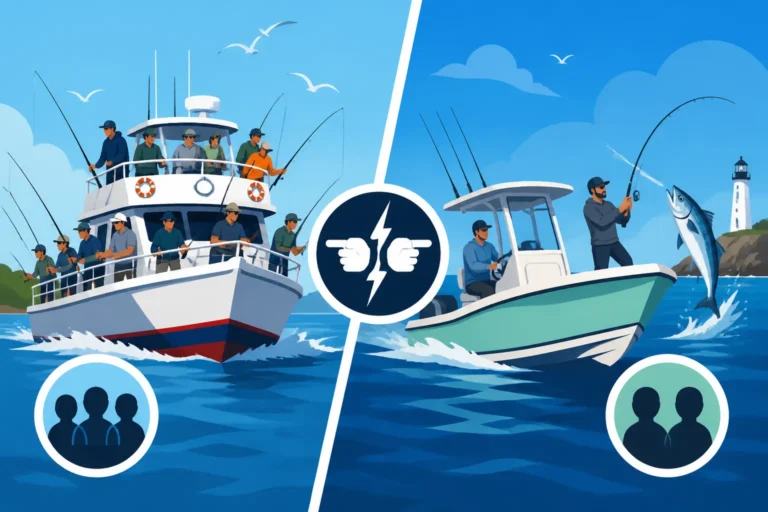
Here's a quick comparison of the two main types of Cape Cod Canal fishing guides:
| Feature | Shore-Based Guide | Boat-Based Charter |
|---|---|---|
| Accessibility | Best for those without a boat, less prone to seasickness | Requires boat access, covers more water |
| Mobility | Limited to walking access points | Highly mobile, can chase fish and access remote spots |
| Techniques | Primarily surfcasting, jigging from shore | Jigging, live-lining, trolling, casting, diverse methods |
| Target Areas | Specific eddies, rips, and structures visible from land | Entire Canal, including main channel, deeper holes |
| Focus | Learning land-based techniques, reading shore currents | Versatile fishing, comfort, rapid movement |
| Group Size | Often smaller, more instructional | Varies, can accommodate larger groups depending on boat |
| Experience | Great for beginners, casual anglers, land-lovers | Excellent for all skill levels, serious anglers |
What to Expect from a Guided Canal Trip
So, you've decided to book a guide for the Cape Cod Canal – awesome! Now, what should you really expect once you're out there? Understanding the logistics, the typical fishing targets, and the general costs will help you manage expectations and ensure a smooth, enjoyable outing. It's not just about showing up with a cooler; it's about being prepared for what your guide will provide and what they'll expect from you.
Gear, Bait, and Tackle Provided
One of the biggest advantages of hiring a guide is the elimination of the guesswork and expense of fishing gear. Nearly all reputable Cape Cod Canal fishing guides will provide all the necessary rods, reels, lures, and bait for your trip. This is crucial for Canal fishing, where specialized heavy-duty tackle is often required to battle strong currents and powerful fish. You can expect high-quality, well-maintained equipment that's specifically chosen for the conditions and the target species. This means no worrying about whether your rod is strong enough or if you have the right jig weight.
For bait-centric trips, especially those targeting striped bass, expect fresh, lively offerings. This might include live eels, bunker (menhaden), or mackerel, all of which are premium baits that can be expensive and hard to acquire on your own. Your guide will have sourced these, often waking up long before sunrise to ensure the freshest supply. They'll also have a wide array of artificial lures – various jigs, plugs, and soft plastics – that they know work best in the Canal's challenging environment. They'll handle the rigging, teach you how to use everything, and untangle any snags (a common occurrence in the Canal!), letting you focus solely on fishing.
Typical Target Species and Techniques
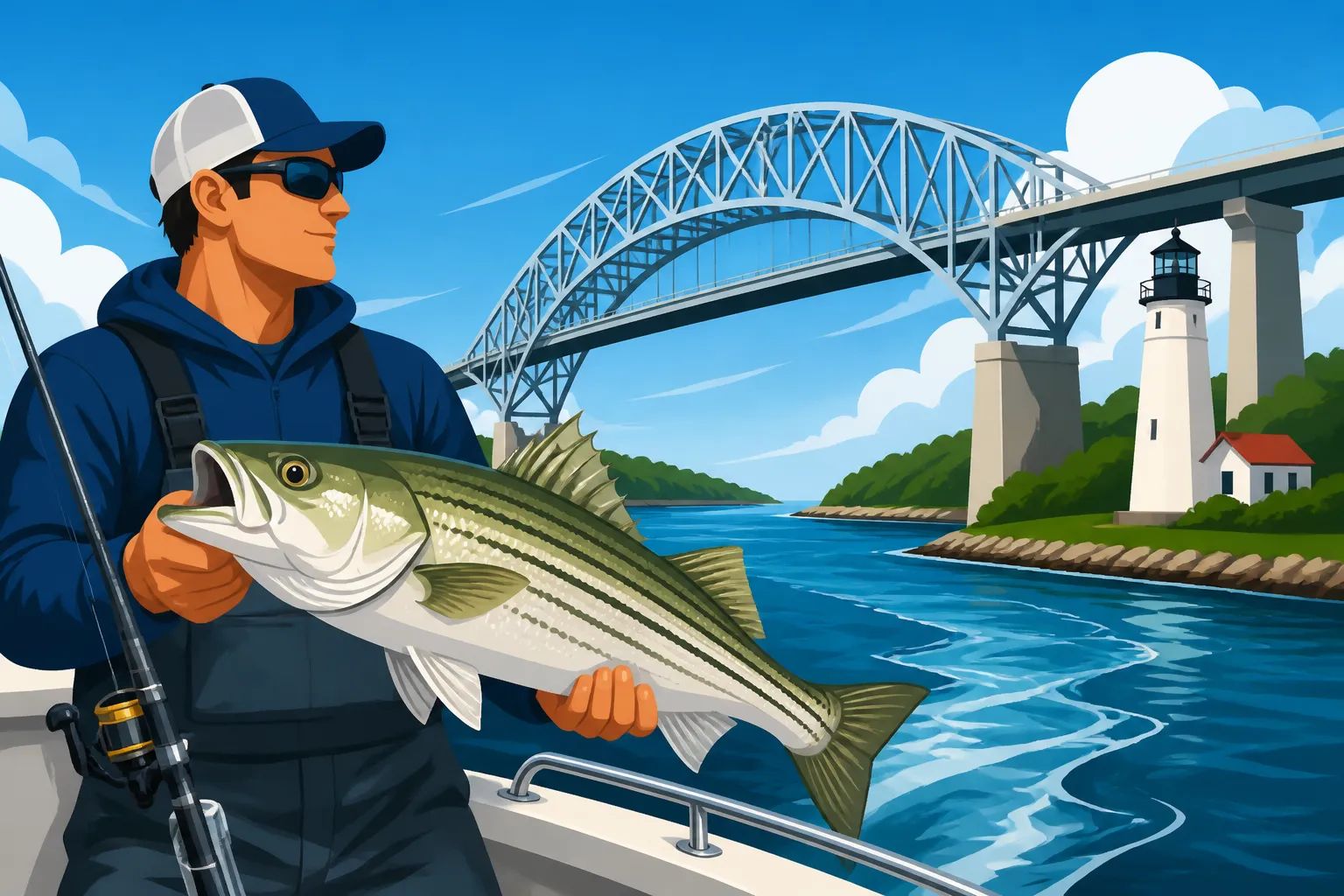
The undisputed king of the Cape Cod Canal is the striped bass. These powerful fish use the Canal as a migratory highway and a feeding ground, often growing to impressive sizes. Most guides will primarily target stripers, employing techniques like heavy jigging with soft plastics or metal jigs, live-lining eels or mackerel, or casting large plugs. The specific technique will depend on the tide, time of day, and what the fish are currently feeding on. Your guide will interpret these factors and instruct you on the most effective approach.
Bluefish are another incredibly popular target in the Canal, especially during the warmer months. These toothy predators provide a fierce fight and often hit lures with aggressive abandon. While less common, anglers might also encounter bonito and false albacore during late summer and early fall, especially closer to the Canal's entrances. Your guide will be well-versed in the appropriate tackle and presentation for each species. They'll also educate you on local regulations, such as the Massachusetts Striped Bass Slot Limit Explained and Massachusetts Saltwater Bag Limits by Species, ensuring you're up-to-date on what can be kept. The focus is always on giving you the best chance to hook into the Canal's most sought-after game fish.
Duration, Pricing, and Group Sizes
Cape Cod Canal guided trips typically come in a few standard durations, with half-day (4-5 hours) and full-day (8-9 hours) options being the most common. Some guides might offer shorter "quick strike" trips or longer offshore excursions that combine Canal fishing with nearby waters. The cost for these trips can vary significantly based on the duration, the type of guide (shore vs. boat), the number of anglers, and the season. Generally, boat charters will be more expensive than shore-based trips due to higher operational costs.
When it comes to pricing, most guides quote a total price for the trip, which covers a certain number of anglers (e.g., up to 1-3 people for a shore guide, or 1-6 people for a boat charter). It’s less common for Canal guides to charge per person, though some might, especially for larger party boat-style operations. Always clarify the total cost, what's included, and any potential extra fees (like bait costs, though usually included). Group sizes are usually kept small to ensure a quality experience – typically 1-3 anglers for shore guides and up to 4-6 for most boat charters, depending on the vessel size. This allows for personalized instruction and ample fishing room for everyone. Be sure to check with the guide or the booking platform, like FishingBooker, for their current rates and group size limits before committing.
Choosing the Right Cape Cod Canal Fishing Guide
Picking the right guide is like finding the perfect pair of waders – it needs to fit your style and needs just right. With so many options out there, it can feel a bit overwhelming, but by asking the right questions and doing a little homework, you can ensure a fantastic experience on the legendary Cape Cod Canal. It's about finding someone whose expertise aligns with your fishing goals and whose approach makes you feel comfortable and confident.
Researching Reputable Guides and Charters
The first step is always research. Start by looking for guides who specifically advertise their expertise on the Cape Cod Canal, as this is a unique fishery that requires specialized knowledge. Online reviews on platforms like Google, Yelp, or dedicated fishing forums can offer valuable insights into a guide's professionalism, fishing success rates, and overall customer experience. Pay attention to comments about their teaching style, patience, and whether they cater well to beginners or families. Word-of-mouth recommendations from fellow anglers can also be incredibly powerful, so don't hesitate to ask around at local bait shops or fishing clubs if you're in the area.
Another excellent resource for finding reputable guides is through online booking platforms. Sites like FishingBooker specifically list charters and guides, often providing detailed profiles, photos, customer reviews, and transparent pricing. These platforms can simplify the booking process and give you a good overview of the options available. Always look for guides with a consistent track record of positive feedback and a clear description of their services. Don't be shy about contacting them directly with any questions you might have before booking; a good guide will be happy to chat and help you decide if their trip is right for you.
Inquiring About Experience and Specialties
When you're trying to choose a guide, experience really matters, especially on a challenging waterway like the Canal. Don't be afraid to ask a potential guide about their background: How long have they been guiding on the Cape Cod Canal specifically? What are their preferred target species, and what techniques do they specialize in? Some guides might be masters of jigging the rips, while others excel at live-lining eels from a boat. If you have a specific goal – say, catching a large striped bass on a topwater lure – make sure your chosen guide has a strong track record in that area.
It's also worth asking about their approach to fishing. Are they patient instructors, ideal for beginners or kids? Or do they cater more to experienced anglers looking for a hardcore fishing trip? Do they focus on catch-and-release, or are they happy to help you keep and clean legal fish? Understanding their fishing philosophy will help ensure your expectations align with what they offer. A guide who matches your style will make the trip far more enjoyable and productive, fostering a great learning environment out on the water.
Understanding Licenses, Insurance, and Safety Protocols
This is a critical, non-negotiable aspect, especially for boat-based guides. Any charter captain operating a for-hire fishing vessel in Massachusetts waters (including the Canal) must hold a valid U.S. Coast Guard (USCG) Captain's License. This license ensures they have met rigorous training, experience, and safety standards. Always confirm that your guide is properly licensed and insured. Don't hesitate to ask to see their credentials if you have any doubts. A reputable guide will be proud to display them.
Beyond licensing, inquire about their safety protocols. What safety equipment do they have on board (life jackets, first aid kit, fire extinguisher, VHF radio)? What's their plan in case of bad weather or a medical emergency? For shore-based guides, this might translate to knowledge of safe access points, emergency contact procedures, and awareness of tide changes that could impact footing. Knowing these details upfront provides peace of mind, allowing you to fully enjoy your time on the water. A guide who prioritizes safety demonstrates professionalism and care for their clients. It's a foundational element of a quality guiding service.
Booking Your Cape Cod Canal Fishing Adventure
You've done your research, found a guide you like, and now it's time to lock in that trip! The booking process itself has a few key considerations, from when to reserve your spot to what you should pack and how to handle payments and gratuities. Getting these details squared away beforehand will ensure your fishing adventure starts smoothly and finishes on a high note.
Best Time to Book and Seasonal Considerations
The Cape Cod Canal can be fished throughout much of the year, but peak seasons for striped bass and bluefish are generally from late spring through fall. If you're hoping to fish during the prime summer months (June, July, August) or during the incredibly productive fall run (September, October), you'll want to book your guide well in advance – often several months ahead of time, especially for weekend dates. Popular guides, particularly those listed on platforms like FishingBooker, fill up their calendars quickly.
Spring (May) offers a chance at early migratory stripers, while late fall can provide exciting opportunities for larger, migrating fish before they head south. Consider what species you're most interested in and align your booking with their seasonal presence in the Canal. For example, if you're keen on the Best Time of Year to Fish in Massachusetts for trophy stripers, you might aim for late May, June, or the fall. If you wait until the last minute, you might find your preferred guide fully booked or have to settle for less ideal dates. A little planning goes a long way in securing your spot during the most productive times.
What to Bring on Your Trip
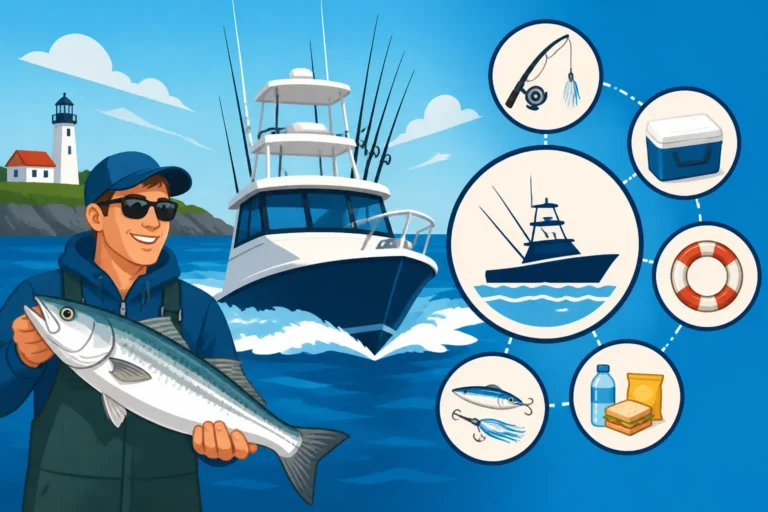
While your guide will provide the essential fishing gear, there are a few personal items you should definitely bring to ensure your comfort and enjoyment:
- Appropriate Clothing: Dress in layers! Even on a warm day, it can be cooler on the water or when the wind picks up. A waterproof jacket is always a good idea, as is a hat and sunglasses for sun protection.
- Sun Protection: Sunscreen is an absolute must, even on cloudy days. The reflection off the water can be intense.
- Food and Drinks: Pack snacks, a lunch, and plenty of water or other beverages. Most trips don't include meals, so be prepared to fuel up.
- Cooler: Bring a cooler to transport any legal fish you decide to keep home. Your guide might have ice, but it's good to be self-sufficient.
- Camera: To capture those epic catches and memorable moments!
- Motion Sickness Medication: If you're on a boat and prone to seasickness, take medication before the trip starts. It's much less effective once symptoms begin.
- Fishing License: While some charters cover the vessel's permit for saltwater, it's always best to clarify if you need your own Massachusetts Saltwater Recreational Fishing Permit Explained or freshwater license if targeting certain areas. Your guide can advise you, but it's your responsibility to have what's required.
For a more comprehensive checklist, refer to resources like What to Bring on a Massachusetts Fishing Charter.
Cancellation Policies and Tipping Etiquette
Before you finalize your booking, always review the guide's cancellation policy. Reputable guides will have a clear policy regarding weather-related cancellations (e.g., high winds, lightning, severe storms). Most will offer to reschedule your trip or provide a full refund if they have to cancel due to unsafe conditions. However, if you cancel within a certain window (e.g., 7-14 days prior), you might forfeit your deposit. Understanding this upfront prevents any unpleasant surprises.
When it comes to tipping, it's customary to tip your fishing guide, much like you would a server or other service professional. A general guideline for a good experience is 15-20% of the trip's total cost. If the guide went above and beyond, provided excellent instruction, or put you on some truly memorable fish, consider tipping towards the higher end of that range. This gratuity shows your appreciation for their hard work, expertise, and dedication to making your trip a success. It's always a good idea to bring cash for tipping, as guides might not have card processing for gratuities. For more details, check out Is Tipping Expected on a Massachusetts Fishing Charter?.
Maximizing Your Experience with a Canal Guide
A guided trip is more than just a ride to a fishing spot; it's an opportunity to learn, grow as an angler, and truly appreciate the unique fishery that is the Cape Cod Canal. To get the most out of your investment and create lasting memories, there are a few things you can do to enhance the experience for yourself and your guide. It's about engagement, respect, and being mindful of the environment.
Active Participation and Asking Questions
One of the greatest benefits of hiring a guide is the wealth of knowledge they possess. Don't be a passive participant! Engage with your guide, ask questions, and try to understand the "why" behind their techniques. Why are we fishing this specific spot at this tide? Why this lure color today? What do I do when I feel a strike? How do you know where to fish the Best Tide for Fishing the Cape Cod Canal? A good guide loves to share their passion and knowledge, and your genuine interest will make the trip more rewarding for everyone.
Pay close attention to their instructions on casting, retrieving, and fighting fish. These aren't just suggestions; they're honed techniques that work effectively in the challenging Canal environment. The more actively you participate and soak in the information, the more you'll learn and the better angler you'll become. This isn't just about catching fish on the day of your trip; it's about acquiring skills that will serve you well on future fishing excursions, whether you're back on the Canal or elsewhere.
Respecting the Guide and Fellow Anglers
A successful guided trip relies on mutual respect. Always follow your guide's instructions promptly and courteously. They are the experts on their boat and in their chosen fishing grounds, and their directions are often for your safety and the success of the trip. This includes things like where to stand, how to cast, and how to handle fish. Remember, they're managing the entire experience, from navigation to fish finding to tackle management.
If you're part of a group, be mindful of your fellow anglers. Ensure everyone has enough space, take turns casting if necessary, and celebrate each other's successes. The Canal can be a crowded place, especially at popular spots, so patience and courtesy are key. Keeping a positive attitude, even if the fish aren't biting as expected, contributes to a much more enjoyable atmosphere for everyone on board or along the shore. A respectful and cooperative client is always a guide's favorite kind of customer.
Handling Your Catch and Fish Care
Before your trip, discuss with your guide your intentions regarding your catch. Are you primarily interested in Do You Need a License to Catch and Release in Massachusetts? or do you plan to keep legal fish for consumption? Your guide can provide valuable insights into best practices for handling fish, especially if you're practicing catch and release. They'll show you how to quickly unhook fish, minimize their time out of water, and handle them gently to ensure a high survival rate. This is particularly important for large striped bass, which are a valuable resource.
If you plan to keep legal fish, your guide will typically assist with proper fish care, which might include bleeding, icing, and even filleting at the dock. This ensures the fish stays fresh and provides you with high-quality fillets to take home. Always adhere to the Massachusetts Recreational Fishing Rules and Bag Limits for all species. Responsible angling practices, whether releasing fish unharmed or ensuring kept fish are handled properly, are a core part of enjoying the sport and contributing to sustainable fisheries in Massachusetts.
Disclaimer
This article is for general informational purposes only and does not constitute professional advice. Laws, prices and regulations vary by location and change over time. Consult a qualified professional for guidance on your specific situation.