Martha’s Vineyard and Nantucket Fishing Charters in Massachusetts
Trying to plan an unforgettable fishing trip to Martha's Vineyard or Nantucket can feel overwhelming, can't it? You've heard the stories of epic catches and stunning island scenery, but then you're faced with questions about licenses, boat types, what fish you'll even target, and how to find a reputable captain. This comprehensive guide is here to untangle all those knots, helping you understand everything you need to know about booking and enjoying a fishing charter around these iconic Massachusetts islands, ensuring your trip is smooth sailing from start to finish.
The Allure of Fishing Martha's Vineyard and Nantucket
There's something truly magical about fishing the waters surrounding Martha's Vineyard and Nantucket. It's not just about the potential for incredible catches; it's about the entire experience of being on the water in one of the most picturesque and storied fishing grounds in the Northeast. These islands aren't just summer retreats for the rich and famous; they are also legendary havens for anglers seeking everything from hard-fighting striped bass to colossal bluefin tuna.
Unique Island Fishing Environments
When you venture out on a charter from Martha's Vineyard or Nantucket, you're not just fishing any patch of ocean. You're immersing yourself in a diverse and vibrant marine ecosystem that's constantly shifting with the tides and seasons. Around both islands, you'll find a mix of shallow flats, rocky shorelines, deep rips, and expansive shoals, each holding different species and requiring unique approaches. Martha's Vineyard, with its varied coastline, offers excellent opportunities in Nantucket Sound, Vineyard Sound, and along its southern shores. Nantucket, further offshore, is surrounded by a vast network of shoals and deeper waters, providing fantastic grounds for both inshore and offshore species. The currents here, especially in the rips and channels between the islands, are incredibly rich with baitfish, which in turn attracts larger predatory species. This dynamic environment means every trip can offer something different, from calm waters perfect for fly fishing to exhilarating drifts over choppy rips.
The clear, often nutrient-rich waters contribute to healthy fish populations. You might be sight-casting to striped bass in relatively shallow areas one day, and the next, you could be battling a tuna miles offshore. The variety is truly unparalleled. It’s this combination of stunning natural beauty and phenomenal fishing opportunities that draws anglers back year after year.
A Rich History and Angler's Paradise
Beyond the natural bounty, these islands hold a deep-rooted fishing heritage that adds another layer to the experience. For generations, fishermen have plied these waters, developing a profound understanding of the tides, currents, and migratory patterns of the fish. Martha's Vineyard, in particular, is famous for its annual Striped Bass and Bluefish Derby, an event that has attracted anglers from all over the world for decades. This derby alone speaks volumes about the quality and quantity of fishing available here.
Nantucket also boasts a strong connection to the sea, historically known for its whaling industry, and now for its vibrant recreational fishing scene. There's a certain thrill in knowing you're casting your line in waters where countless fishermen before you have sought their prize. The local captains and guides, often with generations of knowledge, are living testaments to this history. They know the secret spots, the subtle signs of feeding fish, and the most effective techniques for each species. Stepping aboard one of their charters isn't just a fishing trip; it's an opportunity to connect with this rich legacy and learn from true experts. It's an angler's paradise, not just because of the fish, but because of the entire culture and tradition that surrounds it.
Understanding Charter Options and Types of Trips
When you decide to embark on a fishing adventure from Martha's Vineyard or Nantucket, one of the first things you'll need to figure out is what kind of trip you're looking for. The world of fishing charters isn't one-size-fits-all, and understanding the different options will help you choose the perfect experience for you and your group. From how far you'll travel to how long you'll be out, there's a trip designed for almost every angler's dream.
Inshore vs. Offshore Charters: What's the Difference?
The fundamental distinction in charter fishing is usually between "inshore" and "offshore" trips. Inshore charters typically focus on waters closer to the coast, often within sight of land. Around Martha's Vineyard and Nantucket, this means fishing in the sounds, bays, around prominent rips like Wasque or Muskeget, or near the many beaches and jetties. These trips generally target species like striped bass, bluefish, fluke (summer flounder), scup, and tautog. Inshore fishing is fantastic for anglers who might be prone to seasickness, as the waters are often calmer, and for families with younger children, as the ride out to the fishing grounds is shorter. You'll spend more time actively fishing and less time traveling. A typical inshore trip might last anywhere from 4 to 6 hours, perfect for a half-day adventure.
Offshore charters, on the other hand, venture far from shore, sometimes dozens of miles out into the open Atlantic. This is where you go if you're chasing the big game: bluefin tuna, sharks (mako, thresher, blue), mahi-mahi (dorado), and sometimes even yellowfin tuna further south. These trips require larger, more robust boats capable of handling rougher seas and carrying more fuel. The travel time to the fishing grounds can be substantial, often an hour or more each way. Offshore trips are typically longer, ranging from full-day (8-10 hours) to extended canyon trips (12+ hours or even overnight). While more demanding, the reward of hooking into a truly massive fish like a bluefin tuna can be an unforgettable, once-in-a-lifetime experience. The fight is intense, the gear is heavy-duty, and the sheer power of these pelagic species is awe-inspiring.
Half-Day, Full-Day, and Specialized Trips
The duration of your charter is another key factor. Half-day trips, usually 4-5 hours, are a popular choice, especially for families or those new to fishing. They offer a taste of the action without committing to a full day on the water. You'll still get plenty of opportunities to catch fish, typically focusing on closer inshore grounds. These are excellent for species like scup, bluefish, or smaller striped bass.
Full-day trips, lasting 7-9 hours, provide a more comprehensive experience. With more time, captains can travel to more distant, productive inshore spots or even venture a bit further offshore for species like bonita or false albacore when they are around. You'll have more time to try different techniques, perhaps drift fishing for fluke in one spot and then moving to a rip to cast for stripers. This extra time allows for a more relaxed pace and a greater chance of success, especially if the bite is slow in one area.
Beyond these standard durations, many charters offer specialized trips. Fly fishing charters are popular for targeting striped bass on the flats or in the rips with light tackle. Some captains offer "kids' trips" specifically designed for younger anglers, focusing on continuous action and easy-to-catch species. There are also evening or sunset charters, which can be magical, especially for chasing nocturnal feeders like striped bass. For the truly adventurous, some offshore boats offer "canyon trips" that can last 24 hours or more, targeting bigeye and yellowfin tuna far offshore, though these are typically more common from mainland ports than directly from the islands due to the immense travel distance involved. When booking through a service like FishingBooker, you can often filter by these specialized trip types to find exactly what you're looking for.
Party Boats vs. Private Charters for Island Fishing
Deciding between a party boat (also known as a head boat) and a private charter is a crucial decision, particularly when fishing from the islands.
Private Charters:
A private charter means you and your group have the entire boat to yourselves, along with the captain and often a mate. This offers unparalleled flexibility and personalization. You can discuss your target species preferences, choose specific fishing grounds (within reason), and even dictate the pace of the day. If you want to spend more time trolling for stripers, or if someone in your group needs a break, the trip can be adjusted. You get one-on-one attention from the crew, which is invaluable for learning new techniques or getting assistance. Private charters are ideal for families, groups of friends, or corporate outings where a tailored experience is desired. While more expensive upfront, splitting the cost among a group can make it quite reasonable.
Party Boats (Head Boats):
Party boats operate on a per-person fare. You'll share the deck with many other anglers, sometimes dozens. These boats typically run on a fixed schedule and target specific species, often bottom fish like scup, sea bass, or fluke, as these species are generally more abundant and easier for many anglers to catch simultaneously. While less personalized, party boats are a much more budget-friendly option, making them accessible to a wider range of people. They're also a great way to meet fellow anglers and enjoy a social fishing experience. However, space can be limited, and you won't have the captain's undivided attention. Around Martha's Vineyard and Nantucket, private charters are far more prevalent, especially for targeting migratory game fish, although a few party boat options may exist from larger island ports or nearby mainland harbors.
Here's a quick comparison to help you weigh your options:
| Feature | Private Charter | Party Boat (Head Boat) |
|---|---|---|
| Cost | Higher upfront, but can be split among your group | Lower per person fare |
| Group Size | Exclusive to your group (usually 1-6 anglers) | Shared with many other anglers (15-50+) |
| Flexibility | High – customize target species, locations, pace | Low – fixed schedule, specific target species |
| Attention | One-on-one from captain/mate | Shared among many anglers |
| Target Fish | Varied – from inshore game fish to offshore giants | Often bottom fish or abundant inshore species |
| Experience | Personalized, tailored, intimate | Social, budget-friendly, less individualized |
| Suitability | Families, serious anglers, groups, beginners wanting guidance | Budget-conscious anglers, social outing, casual fishing |
For most anglers seeking a dedicated fishing experience around Martha's Vineyard and Nantucket, a private charter often provides the best opportunity to target specific species and truly make the most of the rich fishing grounds.
Top Target Species Around Martha's Vineyard and Nantucket
The waters surrounding Martha's Vineyard and Nantucket are teeming with a diverse array of fish, offering exciting opportunities for every type of angler. From the hard-fighting inshore favorites to the behemoths of the deep, knowing what you can target will help you choose the perfect charter experience.
Chasing Striped Bass and Bluefish
If you're fishing Massachusetts waters, chances are you've got striped bass and bluefish on your mind. These two species are arguably the most popular targets around Martha's Vineyard and Nantucket, and for good reason—they're abundant, aggressive, and put up a fantastic fight!
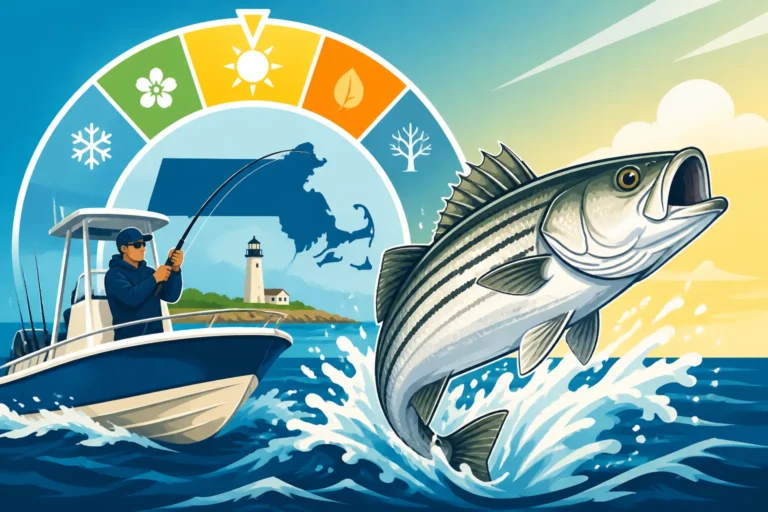
Striped Bass (or "stripers") are the kings of the inshore game here. They migrate into these waters in late spring, stay throughout the summer, and can be found well into the fall. You'll find them lurking in the rips, patrolling the beaches, and ambushing baitfish in the numerous channels and shoals surrounding the islands. Captains often employ a variety of techniques to catch them, including trolling tube-and-worm rigs, drifting live eels or bunker, casting plugs (like poppers or swimming lures), or jigging soft plastics. The famous rips, such as those off Wasque Point on Chappaquiddick, or the shoals around Muskeget and Nantucket, are renowned hotspots where stripers stack up to feed in strong currents. Catching a large striper in these conditions is a true test of strength and skill. It's exhilarating to watch them hit a topwater plug with a violent splash or feel the powerful tug on your line as they try to escape. Be sure to check the current Massachusetts Striped Bass Size and Bag Limit before you head out, as regulations can change.
Bluefish are the other main event, known for their toothy grins and ferocious strikes. They typically arrive a bit later in the spring than stripers but stay through the fall, often sharing the same feeding grounds. Bluefish are less discerning eaters and will hit almost any bait or lure with incredible aggression. They are incredible fighters, famous for their head shakes and powerful runs. While some anglers prefer the table fare of stripers, bluefish offer unparalleled action. They often hunt in large schools, creating chaotic feeding frenzies on the surface, which is a sight to behold. Casting a metal lure or a popper into a school of actively feeding bluefish almost guarantees a hook-up. Just be mindful of their sharp teeth when handling them! Details on the Massachusetts Bluefish Bag Limit and Season are important for any angler planning to keep their catch. Both species offer high-action fishing, perfect for an exciting day on the water, whether you're a seasoned pro or a beginner.
Fluke, Tautog, and Bottom Dwellers
While the surface action for stripers and bluefish is undeniably thrilling, a whole world of exciting fishing awaits on the bottom around Martha's Vineyard and Nantucket. Target species like fluke (summer flounder), tautog (blackfish), scup (porgy), and sea bass offer a different kind of challenge and are excellent eating fish to boot.
Fluke are a highly sought-after species, known for their delicious white meat. These flatfish lie camouflaged on sandy or muddy bottoms, ambushing baitfish and crustaceans. Around the islands, they can be found in bays, channels, and along the edges of shoals, particularly in Vineyard Sound and Nantucket Sound. The most common technique for fluke is drift fishing with bait (like squid strips, spearing, or killifish) or bucktail jigs tipped with Gulp! or other soft plastics. The key is to keep your bait moving along the bottom, mimicking a natural prey item. When a fluke hits, it's often a distinct thud or a steady pull, and reeling them up provides a satisfying fight, especially for larger "doormat" fluke. Knowing the current Massachusetts Fluke Size Limits Explained is essential for keeping legal fish.
Tautog, often called "blackfish," are incredible fighters found around rocky structures, wrecks, and mussel beds. They have powerful jaws designed for crushing shellfish, their primary diet. Fishing for tautog is a more technical affair, requiring patience and a quick hook-set. Anglers typically use green crabs, fiddler crabs, or hermit crabs on stout tackle, dropping them directly into rocky crevices where tautog reside. When a tautog bites, it's often a subtle tap followed by a strong pull, and if you don't react quickly, they'll pull your line into the rocks and snap you off. They are a prized catch, offering both a challenging fight and superb table fare. The Massachusetts Tautog Size and Bag Limit by Season varies, so it's critical to be informed before you go.
Other bottom dwellers like scup (porgy) and black sea bass are also plentiful and provide excellent action, especially for kids or new anglers. Scup are often found in large schools over sandy or rocky bottoms, eagerly taking clam or squid baits. Sea bass prefer rocky areas and wrecks and are known for their beautiful colors and aggressive strikes on jigs or bait. These species ensure that there's rarely a dull moment when fishing the bottom. These bottom fishing trips are a fantastic way to fill a cooler with some of the tastiest fish the ocean has to offer.
The Offshore Thrill: Tuna and Shark
For the adrenaline junkies and those seeking the ultimate big-game challenge, the waters south of Martha's Vineyard and Nantucket transform into a playground for colossal bluefin tuna and various species of sharks. These offshore expeditions are not for the faint of heart, demanding long hours, heavy tackle, and the sheer grit to battle a fish that could outweigh you.
Bluefin Tuna are the undisputed heavyweights of Massachusetts waters. These magnificent pelagic predators are incredibly powerful and fast, making every hook-up an epic struggle. The season typically runs from early summer through late fall, with peak times often in late summer and early fall when large schools of baitfish, like mackerel and herring, draw the tuna close to shore. Captains employ various techniques for bluefin, including trolling spreader bars and daisy chains, jigging heavy metal lures, or chunking with bait to draw them close to the boat. The fight can last for hours, pushing anglers to their physical limits, but the reward of seeing a massive bluefin beside the boat is unparalleled. These fish are strictly managed, and understanding the complex Bluefin Tuna Size Limits off Massachusetts and retention rules is paramount, as many are caught and released or fall within specific size classes. Finding a specialized tuna charter, often booked well in advance through platforms like FishingBooker, is key to this experience.
Shark fishing also offers a unique offshore thrill. Waters around the islands are home to various shark species, including mako, thresher, and blue sharks. Mako sharks are particularly prized for their acrobatic jumps and incredible speed, providing an exciting, often visual, fight. Thresher sharks are known for their incredibly long tails, which they use to stun prey. Blue sharks, while smaller, are beautiful, abundant, and put up a respectable fight. Shark trips typically involve chumming (creating a slick of fish bits and oils) to draw the sharks to the boat, then fishing with large baits on heavy leader and stout tackle. Catching a shark, particularly a mako or thresher, requires skill, strength, and respect for these powerful creatures. Most shark fishing today is done on a catch-and-release basis, emphasizing conservation and the thrill of the encounter. Whether you're dreaming of a stand-up battle with a giant bluefin or the suspense of a shark on the line, the offshore waters of Martha's Vineyard and Nantucket offer truly unforgettable big-game fishing experiences.
Choosing the Right Charter and Captain
Selecting the perfect fishing charter and captain is perhaps the most critical step in planning your Martha's Vineyard or Nantucket fishing adventure. A great captain can turn a good day into an unforgettable one, while a poor choice can lead to frustration. Don't rush this decision; a little research upfront will pay dividends on the water.
Researching and Vetting Charter Operators
The first step in finding the right charter is doing your homework. Start by looking for captains who specialize in the type of fishing you want to do and the species you hope to catch. If you dream of bluefin tuna, make sure you're booking with a captain whose boat is equipped for it and who has a proven track record. Similarly, if you want a calm inshore trip for the family, seek out charters that advertise family-friendly experiences.
Online reviews are your best friend here. Websites like FishingBooker are invaluable resources, allowing you to read real testimonials from past clients. Pay attention not just to the number of stars, but to the content of the reviews. Do people praise the captain's patience with kids? Was the boat clean and well-maintained? Did the crew work hard to find fish even when conditions were tough? A consistent theme of professionalism, good communication, and a focus on customer experience are excellent indicators. Don't be swayed solely by pictures of giant fish; look for consistency and positive comments about the overall trip.
Beyond online platforms, sometimes the best recommendations come from local tackle shops or even word-of-mouth if you know someone who has fished the islands before. A reputable charter will also be fully licensed and insured. In the U.S., any vessel carrying paying passengers must be U.S. Coast Guard (USCG) inspected and operated by a captain holding a valid USCG Merchant Mariner Credential. Don't hesitate to ask for proof of these credentials if it's not clearly stated on their website. This ensures your safety and that the captain operates legally.
What to Ask Before Booking Your Trip
Once you've narrowed down a few potential charters, it's time to pick up the phone or send an email. Asking the right questions upfront will clarify expectations and avoid any surprises.
Here's a checklist of key questions to ask:
- What's included in the price? This is crucial. Does it cover bait, tackle, rods, reels, and fuel? Are snacks or drinks provided? Many charters include all necessary fishing gear, but it's always good to confirm.
- What is your cancellation policy? Weather is a big factor in fishing. Understand if and when the captain will cancel due to unsafe conditions and what your options are (reschedule, refund). Also, what's your cancellation policy if your plans change?
- Do you clean and fillet the fish? Most captains or mates will offer this service, sometimes for an additional tip, but it's good to know in advance. Can You Keep the Fish You Catch on a Charter? and get it cleaned? Ask!
- How many people can we bring on the boat? Each boat has a maximum capacity, often six passengers for a private charter, but it can vary.
- What are we likely to catch during our trip (time of year, duration)? A good captain will give you realistic expectations based on the season and current fishing conditions.
- What kind of boat is it? Knowing the boat type, length, and amenities (restroom, cabin) can help you determine if it's comfortable for your group.
- What time does the trip start and end? Confirm meeting points and times, especially if you're traveling from off-island or a different part of the island.
Clear communication from the captain or booking agent is a sign of a well-run operation. Don't be shy about asking these questions; a good captain will appreciate your thoroughness.
Understanding Pricing and What's Included
Charter fishing isn't usually the cheapest activity, but it offers incredible value for the experience, expertise, and equipment provided. Prices for Martha's Vineyard and Nantucket fishing charters can vary significantly based on several factors:
- Trip Duration: Half-day (4-5 hours) trips will be less expensive than full-day (7-9 hours) or extended offshore trips (10+ hours).
- Target Species: Chasing giant bluefin tuna, for example, requires more specialized (and expensive) gear, fuel, and expertise, making those trips more costly than an inshore striped bass or bottom fishing trip.
- Boat Size and Amenities: Larger, more luxurious boats with advanced electronics, spacious cabins, and private restrooms typically command higher prices.
- Number of Anglers: While the total price for a private charter is fixed, dividing it among more people can make the per-person cost quite reasonable.
- Time of Year: Peak season (mid-summer) might see higher demand and prices.
Prices fluctuate due to fuel costs, demand, and individual charter operator policies. Always check the charter's direct website or contact them for the most up-to-date rates. A reliable platform like FishingBooker will also provide clear pricing for various options.
Generally, a reputable charter price includes:
- The Boat and Captain/Crew: Their expertise, navigation, and hard work to put you on fish.
- Fuel: This is a significant cost, especially for offshore trips.
- All Fishing Gear: Rods, reels, lines, lures, and tackle specifically suited for your target species.
- Bait: Live, fresh, or artificial bait as needed.
- Safety Equipment: Life jackets, first-aid, communications gear, as mandated by the USCG.
- Sometimes (but not always) Your Fishing License/Permit: While many charters include a blanket vessel permit for saltwater, it's critical to confirm. We'll cover this in more detail next!
Always ensure you understand exactly what you're paying for and what might be an additional cost (e.g., gratuity for the mate, fish cleaning service, snacks, beverages). Transparent pricing helps ensure a smooth and enjoyable experience for everyone involved.
Essential Preparations for Your Island Fishing Adventure
A successful fishing trip isn't just about what happens on the water; it's also about what you do to prepare beforehand. From understanding regulations to packing the right gear, a little foresight goes a long way, especially when you're traveling to islands like Martha's Vineyard or Nantucket.
Licensing and Permit Requirements
This is a big one, and it's where many anglers can get confused. For recreational saltwater fishing in Massachusetts, you generally need a Massachusetts Saltwater Recreational Fishing Permit. This applies to fishing from shore, a private boat, or a charter vessel. However, there's a common misconception about charters.
Most licensed for-hire fishing vessels (charters and head boats) in Massachusetts operate under a Federal For-Hire Permit. This federal permit often covers all passengers on board, meaning that you, as a paying passenger, do NOT need your own individual Massachusetts Saltwater Recreational Fishing Permit when fishing on a federally permitted charter boat. This is fantastic news, as it takes one item off your pre-trip checklist.
However, it is crucial to confirm this with your specific charter captain when you book. While most do operate under such a permit, it's always best to ask to avoid any last-minute surprises or potential fines. Your captain should be able to clarify their permit status immediately. For a deeper dive, check out our guide, Massachusetts Saltwater Recreational Fishing Permit Explained, and the specific question, Do Charter Passengers Need Their Own Massachusetts Saltwater Permit?.
If, by chance, you are fishing from a private boat or from shore on Martha's Vineyard or Nantucket, then yes, you would absolutely need your own permit. These permits can be purchased easily online through the MassFishHunt system.
What to Bring: Gear, Food, and Personal Items
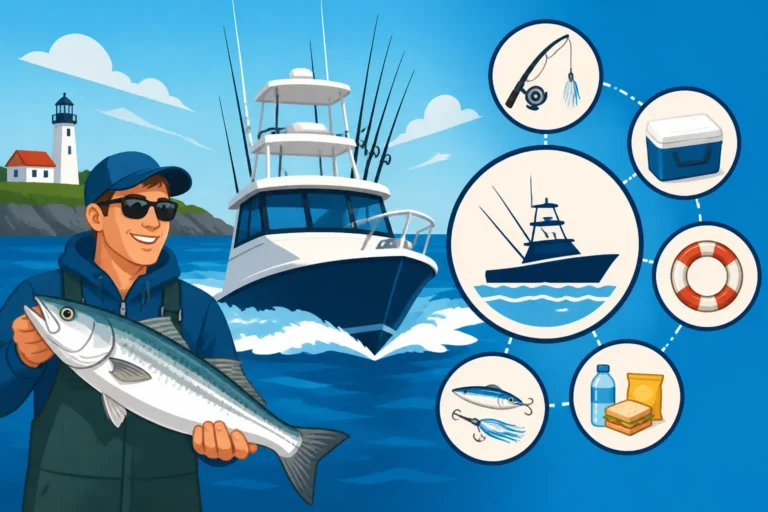
While your charter captain typically supplies all the necessary fishing gear, there are several personal items you'll want to pack to ensure your comfort and enjoyment throughout the day. Think of it like packing for a mini-expedition!
Here's a comprehensive list of essentials:
- Sun Protection: This is paramount. The sun's reflection off the water can be intense, even on cloudy days.
- Sunscreen: High SPF, water-resistant. Apply generously and reapply often.
- Hat: A wide-brimmed hat is better than a baseball cap for neck and ear protection.
- Sunglasses: Polarized lenses are a game-changer for reducing glare and spotting fish or structure in the water.
- Long-sleeved shirt/pants: Lightweight, breathable, UV-protective clothing can save you from a nasty sunburn.
- Layers of Clothing: Weather on the water can change dramatically. Even on a hot summer day, a cool breeze or passing cloud can make it chilly, especially offshore or at dawn/dusk. Pack a waterproof or water-resistant jacket, a fleece or sweatshirt, and wear quick-drying materials.
- Footwear: Wear comfortable, non-slip shoes with good traction. No flip-flops, as you'll want closed-toe shoes for safety on a moving boat.
- Food and Drinks: Pack a cooler with plenty of water, soft drinks, snacks, and a packed lunch. Fishing works up an appetite! Avoid glass bottles.
- Cooler for Your Catch: If you plan on keeping fish, bring a separate cooler with ice to transport your fillets home. Ask the captain if they provide ice for your catch onboard.
- Camera/Phone: To capture those memorable moments, but ensure it's in a waterproof case or bag.
- Motion Sickness Medication: If you're at all prone to seasickness, take preventative measures before you board the boat. More on this next.
- Small Bag: A small backpack or dry bag for your personal items is handy.
- Cash: For gratuities (tipping the mate and captain is customary) and any extra services like fish cleaning.
- ID/Medical Info: Just in case of an emergency, have your identification and any critical medical information readily accessible.
Remember, space on a boat can be limited, so pack efficiently. For a more detailed guide on what to pack, check out What to Bring on a Massachusetts Fishing Charter.
Dealing with Seasickness and Weather Concerns
Seasickness can turn a dream trip into a nightmare, but thankfully, there are many ways to prevent and mitigate it. Prevention is key.
- Medication: If you're at all susceptible, take an over-the-counter motion sickness medication (like Dramamine or Bonine) the night before your trip, and again at least an hour before departure. Follow the directions carefully.
- Wristbands: Acupressure wristbands like Sea-Bands work for some people.
- Stay Hydrated & Eat Light: Avoid heavy, greasy meals and alcohol the night before. Stick to bland, easily digestible foods. Stay well-hydrated with water.
- Fresh Air and Horizon: Once on board, stay on deck in the fresh air and keep your eyes fixed on the horizon. Avoid reading or staring at your phone.
- Ginger: Ginger ale, ginger candies, or ginger snaps are often recommended as natural remedies.
No captain wants a seasick passenger. Communicate any concerns you have about seasickness with your captain when booking. For more tips on managing seasickness, including How common seasickness is on Cape Cod tuna charters, explore our related content.
Weather Concerns: The weather around Martha's Vineyard and Nantucket can be fickle. A beautiful forecast one day can turn breezy and choppy the next. Your captain's primary concern is the safety of everyone on board.
- Captain's Discretion: Reputable captains will monitor the forecast diligently and will make the call to cancel or reschedule a trip if conditions are deemed unsafe (high winds, large swells, lightning). This decision is solely at their discretion and should always be respected.
- Cancellation Policies: Understand the charter's cancellation policy for bad weather. Most will offer a full refund or the option to reschedule. It's rare for a charter to go out in genuinely dangerous conditions, but they might fish in lighter rain or moderate chop.
- Stay in Touch: Maintain communication with your charter operator in the 24-48 hours leading up to your trip, especially if the forecast looks iffy. They will provide updates.
Remember, a little preparation for both personal comfort and understanding the dynamics of weather on the water will ensure your island fishing adventure is as enjoyable and safe as possible.
Maximizing Your Charter Experience
You've done your research, booked your trip, and made all the necessary preparations. Now it's time to step aboard and make the most of your Martha's Vineyard or Nantucket fishing charter. A great day on the water isn't just about catching fish; it's about the entire experience, and how you interact with the crew and handle your catch can greatly enhance it.
Onboard Etiquette and Working with Your Crew
Think of your charter boat as the captain's office and the mate's workplace. Showing respect for their expertise, their vessel, and the other anglers on board will go a long way towards ensuring everyone has a fantastic time.
- Listen to Instructions: The captain and mate are the experts. They know the boat, the waters, and the fish. Pay close attention to their safety briefings and fishing instructions. If they tell you how to drop a line, reel in a fish, or where to stand, follow their guidance. It's for your safety and success.
- Ask Questions (Respectfully): Don't be afraid to ask questions about techniques, fish identification, or the local area. Most captains and mates love sharing their knowledge, especially if you're genuinely interested in learning.
- Be Mindful of Space: Boats, even large ones, have limited space. Be aware of your surroundings, your casting area, and avoid tangling lines with other anglers. If you're on a party boat, be extra courteous of your neighbors.
- Keep the Boat Clean: Be tidy with your trash, food wrappers, and anything else you bring aboard. Most boats will have trash receptacles. A clean boat makes for a more pleasant experience for everyone.
- Help When Asked (or Offer): If the mate needs a hand with something small, like netting a fish or rigging a bait, offer to help if you're able. A little teamwork makes the day smoother.
- Alcohol in Moderation: If alcohol is permitted, consume it responsibly. Getting intoxicated can be dangerous on a boat and will not be tolerated by a professional captain. Always confirm the boat's alcohol policy beforehand.
Remember, a positive attitude and good communication contribute significantly to a successful and enjoyable trip for all.
Tipping Your Captain and Mate
Tipping is a customary and expected part of the charter fishing experience, much like tipping in a restaurant or for any service industry. The mate, in particular, often works tirelessly throughout the day—baiting hooks, untangling lines, gaffing fish, cleaning up, and filleting your catch. Their hard work directly contributes to your enjoyment and success.
- Standard Gratuity: A good rule of thumb is to tip the crew 15-20% of the total charter cost. If you had an exceptional day with outstanding service, a higher tip is always appreciated.
- Separate Tips: If there is both a captain and a mate, it's common practice to tip the mate directly. You can give the captain the tip for himself, or you can give him a combined tip and ask him to share it with the mate. Sometimes, people provide a portion to the captain and a separate tip for the mate, especially if the mate did a lot of hands-on work.
- When to Tip: It's best to give the tip at the end of the trip, before you depart the boat.
- Cash is King: Cash tips are generally preferred, as they are immediate and avoid any processing fees for the crew.
Even if the fishing was slow, if the crew worked hard, maintained a positive attitude, and provided excellent service, they still deserve a gratuity for their efforts. A good mate makes all the difference! For more details, see our specific article on Is Tipping Expected on a Massachusetts Fishing Charter?.
Handling Your Catch: Keeping, Releasing, and Filleting
The moment of truth: you've landed a fish! What happens next? Understanding the rules and the crew's process for handling your catch is important.
- Regulations First: Every species has specific regulations regarding minimum size, maximum size (slot limits), and daily bag limits. Your captain and mate are experts on these rules and will ensure that any fish you keep are legal. Listen to them! For example, Massachusetts Striped Bass Slot Limit Explained means only fish within a specific length range can be kept. Anything outside that range must be released.
- Catch and Release: Many anglers, especially when targeting large game fish like tuna or even oversized striped bass, practice catch and release. If you plan to release a fish, the crew will help you handle it carefully to maximize its chances of survival. Minimizing time out of the water, wet hands, and proper de-hooking techniques are crucial.
- Keeping Your Catch: If you decide to keep your legal catch, the crew will usually put it in a dedicated fish box or cooler on board to keep it fresh.
- Filleting Service: Most charters offer a fish cleaning and filleting service at the dock after the trip. This is typically included in the service, but sometimes the mate will appreciate an additional small tip for this extra work, especially if you have a lot of fish. Confirm this when you book. They will neatly fillet your fish, bag it, and often put it on ice for you, ready for your cooler. Can You Keep the Fish You Catch on a Charter? Absolutely, within regulations, and they'll help prepare it!
- Photo Opportunities: Don't forget to ask the mate to snap a picture of you with your prize before it goes into the cooler or back into the water! They're usually happy to oblige and know the best angles.
Knowing these protocols ensures a smooth transition from hook-up to dinner plate, respecting both the fish and the regulations.
Beyond the Fishing: Enjoying Martha's Vineyard and Nantucket
While the primary goal of your trip might be to land a trophy fish, Martha's Vineyard and Nantucket offer so much more than just incredible angling. Making time to explore the islands will enrich your overall experience, turning a fishing trip into a truly memorable island getaway.
Island Attractions and Activities
Both Martha's Vineyard and Nantucket boast a unique blend of natural beauty, charming towns, and cultural attractions that are worth exploring.
Martha's Vineyard is larger and more diverse, with six distinct towns, each offering its own character.
- Edgartown: Famous for its stately white Greek Revival houses, quaint shops, and the iconic Edgartown Lighthouse. Strolling its streets feels like stepping back in time.
- Oak Bluffs: Known for its vibrant gingerbread cottages, the Flying Horses Carousel (the oldest operating platform carousel in the US), and bustling harbor. It has a more lively, festive atmosphere.
- Vineyard Haven: The main port of entry for many ferries, offering a mix of shops, restaurants, and a working harbor feel.
- Up-Island Towns (West Tisbury, Chilmark, Aquinnah): These areas offer a more rural, serene experience with rolling farmlands, stunning scenic overlooks like the Aquinnah Cliffs, and beautiful, quieter beaches.
- Beaches: Beyond fishing, the island's many public beaches are perfect for swimming, sunbathing, or simply relaxing. State Beach, between Edgartown and Oak Bluffs, is popular and calm, while South Beach (Katama) offers bigger waves.
Nantucket, further offshore, is often described as more exclusive and pristine, maintaining a strong historical aesthetic.
- Nantucket Town: A cobblestoned gem, this historic district is filled with beautifully preserved whaling-era homes, high-end boutiques, art galleries, and exquisite restaurants. The Whaling Museum is a must-visit.
- Beaches: Nantucket is ringed with beautiful beaches, from the family-friendly calm waters of Children's Beach to the surf of Cisco Beach.
- Biking: The island is relatively flat and crisscrossed with scenic bike paths, making cycling a popular way to explore.
- Lighthouses: Great Point Lighthouse and Sankaty Head Lighthouse offer picturesque views and a sense of timeless charm.
Whether you're looking for fine dining, boutique shopping, a leisurely bike ride, or just a quiet spot to read, both islands provide a delightful backdrop to your fishing adventure.
Accommodation and Travel Logistics
Planning your travel and stay is crucial, as island logistics require some foresight, especially during the peak summer season.
-
Ferries: The most common way to get to both islands is by ferry.
- Martha's Vineyard: The Steamship Authority is the only ferry that carries vehicles, departing from Woods Hole. Foot passenger ferries also run from Falmouth, Hyannis, and New Bedford. Vehicle reservations, especially in summer, need to be made months in advance.
- Nantucket: The Steamship Authority also offers both traditional (car and passenger) and high-speed (passenger only) ferries from Hyannis. Other high-speed passenger ferries depart from Harwich Port and New Bedford. Again, book well ahead.
-
Flights: Both islands have airports (MVY and ACK) with seasonal direct flights from major East Coast cities, offering a faster (though more expensive) option.
-
Accommodations: Lodging on both islands can be pricey and books up rapidly, particularly from June through September.
- Martha's Vineyard: Offers a range of options from charming inns and B&Bs to hotels and vacation rentals. Different towns cater to different vibes (e.g., Oak Bluffs for lively, Aquinnah for serene).
- Nantucket: Tends to be on the higher end, with luxurious hotels, historic inns, and vacation rentals.
- Book Early: Regardless of your budget or preferred style, booking your accommodations as far in advance as possible is strongly recommended.
-
Getting Around the Islands:
- Martha's Vineyard: Public bus service connects all the main towns, and taxis, rideshares, and car rentals are available. Many visitors bring or rent bikes.
- Nantucket: The town is very walkable. Bike rentals are popular, and there's a good shuttle bus system. Car rentals are available but often unnecessary due to the small size and traffic.
Planning your travel and accommodations in advance will help avoid stress and ensure you have a comfortable base from which to launch your fishing expeditions and explore the islands. For general advice, you might find articles like Booking a Fishing Charter on Cape Cod helpful, as the logistics share similarities.
The Unique Charm of Island Angling
Ultimately, what truly sets fishing charters from Martha's Vineyard and Nantucket apart is the unique blend of exceptional angling with the undeniable charm of island life. It's more than just a day trip; it's an immersive experience.
Imagine this: You wake up before dawn, the island still sleepy and quiet, perhaps grabbing a coffee at a local cafe as you head to the dock. The air is crisp, carrying the scent of salt and the promise of the sea. You board your charter boat, the captain and mate greeting you warmly. As the sun rises, painting the sky with brilliant colors, you cruise out past historic lighthouses, quaint towns, and untouched shorelines. You might see seals sunning themselves on rocks, or a pod of dolphins playing in the wake of the boat.
Then, the fishing begins. The thrill of a screaming reel as a powerful striped bass takes your lure, or the steady, heavy pull of a fluke from the bottom. The camaraderie with your fellow anglers, the encouraging words from the mate, the strategic decisions from the captain. Whether you're fighting a fish, taking in the panoramic ocean views, or simply enjoying the peaceful rocking of the boat, there's a sense of escape and connection to nature that's hard to replicate elsewhere.
After a day of exhilarating catches and fresh sea air, you return to the harbor, perhaps with a cooler full of fresh fillets. You can then unwind at a waterfront restaurant, recounting the day's tales, or simply relax and watch the sunset over the Atlantic. This combination of world-class fishing grounds, expert local captains, and the serene, picturesque beauty of two of Massachusetts' most beloved islands creates an angling adventure that is truly special. It's about making memories, connecting with the ocean, and experiencing the best of New England fishing in an idyllic setting.
Disclaimer
This article is for general informational purposes only and does not constitute professional advice. Laws, prices and regulations vary by location and change over time. Consult a qualified professional for guidance on your specific situation.