What to Bring on a Massachusetts Fishing Charter
There's nothing quite like the excitement of booking a fishing charter in Massachusetts. The thought of reeling in a feisty striped bass or battling a powerful bluefin tuna offshore gets the adrenaline pumping. But as the date approaches, a common question pops into many anglers' minds: "What exactly should I bring?" It's a valid concern, as being unprepared can quickly turn a dream day on the water into a less-than-ideal experience. This guide is here to walk you through everything you need to pack for your Massachusetts fishing charter, ensuring you're comfortable, safe, and ready to make unforgettable memories, regardless of whether you're targeting freshwater giants or the monsters of the deep.
The Essentials: Gear You Can't Forget
When you're heading out on the open water, there are some non-negotiable items that should always be at the top of your packing list. These aren't just about comfort; they're about ensuring you can legally and safely enjoy your time fishing in Massachusetts.
Personal Identification and Licenses
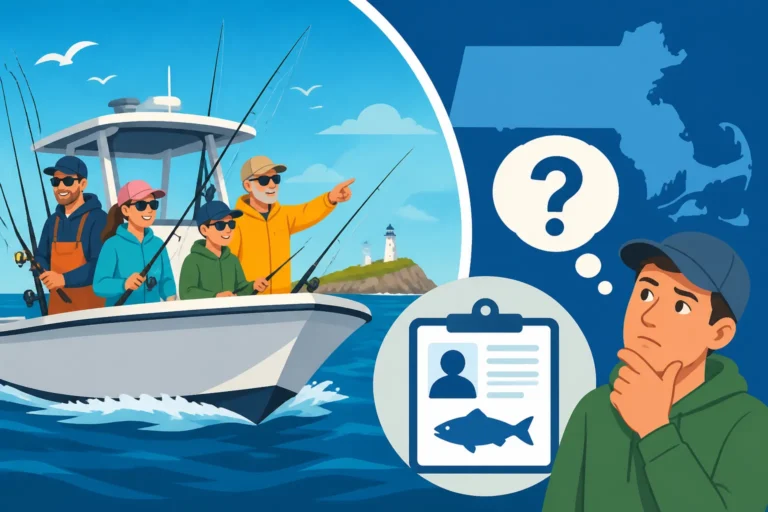
First and foremost, you absolutely need to have your fishing license on you. This isn't just a suggestion; it's a legal requirement. Whether you're fishing freshwater lakes and rivers or chasing stripers in the Atlantic, Massachusetts mandates that anglers over a certain age possess a valid license or permit. Don't let the excitement of the trip make you forget this crucial detail, as conservation officers do check.
It's always a good idea to have a form of personal identification, like a driver's license, in addition to your fishing license. While many charters will handle some permits for the boat, your personal license is your responsibility. While a photo on your phone might sometimes be accepted, it's best practice to have a physical copy of your Massachusetts Fishing License Guide or saltwater permit. You can usually print a duplicate if you purchased it online. If you're wondering about the specifics, our guide on Massachusetts Saltwater Recreational Fishing Permit Explained covers all the details you'll need. Always keep these documents in a waterproof bag or container to protect them from spray and splashes.
Appropriate Clothing for Coastal Massachusetts
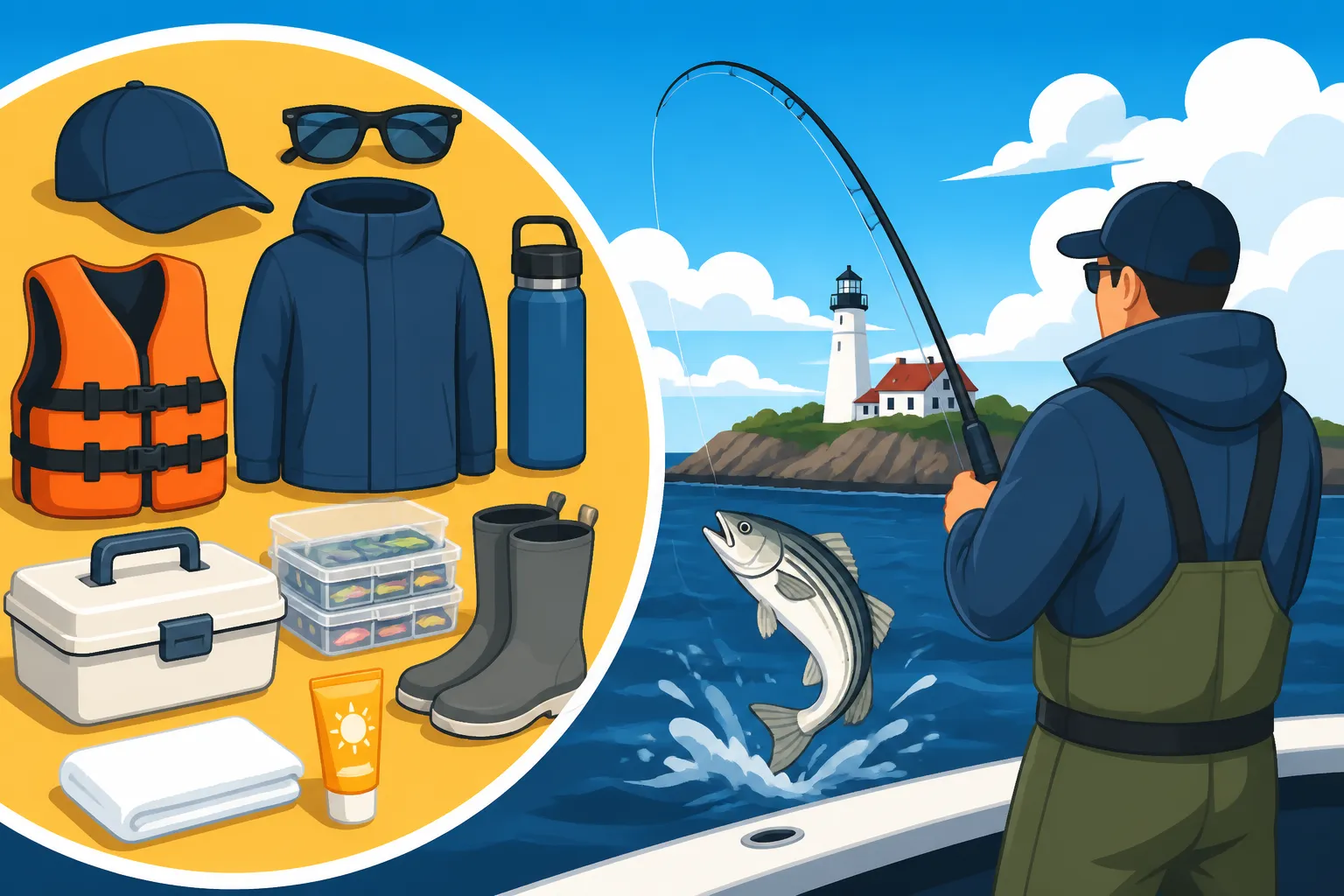
The weather in Massachusetts, especially near the coast, can be notoriously unpredictable. A sunny morning can quickly turn into a cool, breezy, or even rainy afternoon, especially when you're miles offshore. Layering is your best friend here. Think in terms of three layers: a moisture-wicking base layer, an insulating mid-layer (like a fleece or wool sweater), and a waterproof and windproof outer shell. This allows you to adjust your clothing as conditions change throughout the day without having to constantly change outfits.
Even on what seems like a warm day, the breeze on the water can make it feel much cooler. Long pants and sleeves are often a good idea, not just for warmth but also for sun protection. For footwear, prioritize comfort and safety. Non-marking, non-slip waterproof shoes or boots are ideal. Flip-flops or open-toed sandals are generally not recommended on a boat, as you need good traction and protection for your feet in case of a slippery deck or errant fishing gear. Always check the forecast for the specific area you'll be fishing, whether it's the waters off Cape Cod or closer to Boston.
Sun Protection is Non-Negotiable
Spending hours under the open sky, especially when sunlight reflects off the water, can lead to a severe sunburn faster than you might think. Even on cloudy days, harmful UV rays penetrate the clouds. This is why sun protection is absolutely non-negotiable for any Massachusetts fishing charter.
Start with a broad-spectrum sunscreen with a high SPF (30 or higher) and apply it generously to all exposed skin before you even leave the dock. Reapply frequently, especially after getting wet or sweating. A wide-brimmed hat or a baseball cap with a neck gaiter provides crucial protection for your face, ears, and neck. Polarized sunglasses are also a must-have. They don't just protect your eyes from the sun's glare, but they also significantly reduce glare off the water, allowing you to see deeper into the water, which can be helpful for spotting fish or structure, or simply enjoying the view. Don't underestimate the power of the sun out on the water; it's always stronger than you anticipate.
Fueling Your Adventure: Food, Drinks, and Comfort
A day of fishing, whether it's a half-day inshore trip or a full-day offshore excursion, is an energetic activity. You'll be standing, casting, reeling, and potentially battling some big fish. Staying fueled and comfortable is key to enjoying every moment.
Hydration and Snacks for a Day on the Water
Staying hydrated is crucial, especially when you're out in the sun and actively fishing. Bring plenty of water – more than you think you'll need. Dehydration can lead to fatigue, headaches, and even seasickness. Electrolyte drinks can also be a good idea to replenish salts lost through sweating. Avoid excessive sugary drinks, as they can sometimes lead to a sugar crash later in the day.
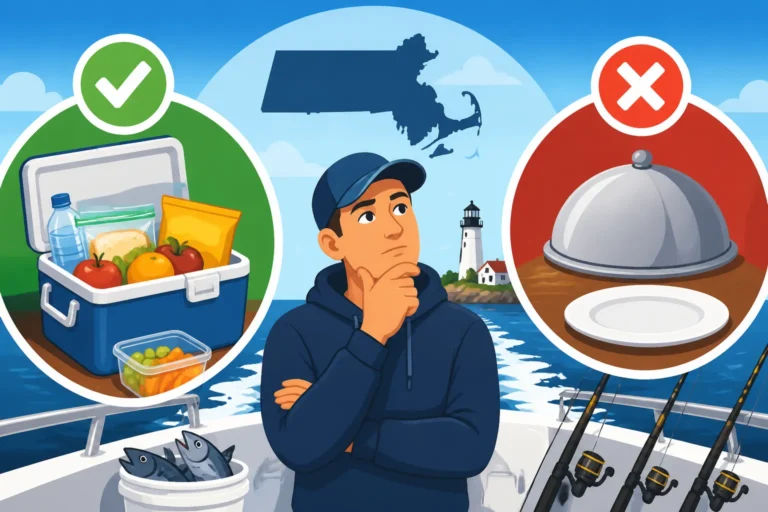
For snacks, think easy-to-eat, non-messy options that provide sustained energy. Sandwiches, granola bars, fruit (apples, oranges, bananas are great), trail mix, and crackers are all excellent choices. Avoid foods that are greasy, heavily spiced, or require extensive preparation on the boat. Pack everything in a small, soft-sided cooler that's easy to store on the boat. Many charters provide a cooler for your catch, but your personal food and drinks should generally be in your own. If you're booking your trip through platforms like FishingBooker, you can often confirm these details directly with the captain beforehand.
Combating Seasickness
For some, the thought of seasickness is enough to deter them from booking a charter. But don't let it! There are many effective ways to prevent and manage motion sickness, allowing you to fully enjoy your day. Over-the-counter medications like Dramamine or Bonine are popular choices, but they need to be taken before you board the boat, usually an hour or two in advance, to be most effective. Follow the dosage instructions carefully.
Natural alternatives include ginger (ginger chews, ginger ale, or ginger capsules) and acupressure wristbands. Getting a good night's sleep before your trip, avoiding heavy or greasy meals, and staying on deck in the fresh air with your eyes on the horizon can also make a significant difference. If you're prone to seasickness, definitely read up on What to Take for Seasickness Before a Charter well in advance of your trip. Don't be shy about telling your captain or crew if you start feeling unwell; they've seen it all and can often offer advice or a quiet spot on the boat.
Personal Comfort Items
Beyond the absolute necessities, a few small items can significantly enhance your comfort. A small towel can be invaluable for wiping hands, drying off spray, or cleaning up a small mess. Hand sanitizer is also a good idea, especially after handling bait or fish and before eating.
If you wear glasses or sunglasses, consider bringing a retainer strap to prevent them from falling overboard. For those sensitive to cold, a pair of thin gloves can make a big difference, even on days that don't seem overtly chilly. A small backpack or waterproof dry bag to keep your personal items organized and dry is also highly recommended. Some anglers even bring a small, comfortable cushion for sitting, though most charter boats have adequate seating. Remember, boat space can be limited, so pack smart and keep your items contained.
Capturing Memories and Handling Your Catch
A successful fishing trip often means a great story and maybe even some fresh fish for dinner. Thinking ahead about how you'll capture those moments and manage your catch will add to the overall enjoyment of the day.
Cameras and Electronics
You're going to want to remember those thrilling moments, so bringing a camera is a great idea. Just be mindful of the marine environment. Water, salt spray, and accidental drops are common hazards for electronics on a boat. If you have a waterproof camera, that's ideal. Otherwise, ensure your phone or camera is protected in a waterproof case or bag. Many anglers opt for a simple, rugged action camera for hands-free video and photos.
Make sure all your devices are fully charged, and consider bringing a portable power bank if you plan on extended use. While cell service can be spotty offshore, you'll still want your phone for photos and maybe even a quick call once back in range. Just remember to secure it when not in use to prevent it from sliding off the console or being splashed.
Preparing for Your Catch (or Not!)
One of the most exciting parts of a fishing charter is bringing home fresh seafood! While many charters will have a cooler with ice to keep your catch fresh, it's a good idea to confirm their policy on fish cleaning and filleting. Some captains include it, while others might offer it as an additional service. If you want to take your fillets home, bring a separate, personal cooler with ice specifically for your cleaned fish. This prevents your catch from mingling with the boat's ice and ensures you have enough space.
It's also wise to bring a few large, heavy-duty Ziploc bags or garbage bags to store your fillets, especially if you have a significant catch. This keeps everything tidy and contained in your cooler for the ride home. Always familiarize yourself with Massachusetts Recreational Fishing Rules and Bag Limits for the species you're targeting. The captain will guide you on legal sizes and limits, but it's good to be aware.
Medications and First Aid
While all reputable fishing charters will have a basic first-aid kit on board, it's always prudent to carry any personal prescription medications you need. This includes inhalers, EpiPens, insulin, or any daily medications. Ensure they are stored in a waterproof container and easily accessible. Don't rely on the charter's kit for your specific needs.
Beyond prescriptions, a small personal first-aid kit with essentials like pain relievers (ibuprofen, acetaminophen), antiseptic wipes, and blister plasters can be useful for minor scrapes or headaches that might pop up. Even a simple headache can feel magnified when you're out on the water without easy access to relief. Again, store these securely to keep them dry and readily available.
Specialized Gear: When to Bring Your Own
Most Massachusetts fishing charters are "turnkey" operations, meaning they provide all the necessary fishing gear, bait, and tackle. This is a huge convenience, especially for beginners or those traveling light. However, there are times when an experienced angler might consider bringing their own specialized equipment.
Rods, Reels, and Tackle
For the vast majority of charter guests, using the boat's rods, reels, and tackle is the standard and most practical approach. Charter captains invest in high-quality, well-maintained gear specifically suited for the target species and local conditions. They know what works best in their waters, whether it's heavy-duty offshore tackle for tuna or lighter setups for inshore striped bass.
However, if you're an experienced angler with a favorite rod and reel setup, or if you practice a specific technique like fly fishing or light-tackle jigging, you might consider bringing your own. This is a conversation you absolutely need to have with your captain before your trip. They'll let you know if your gear is appropriate for the target fish and if there's space on the boat. Most charters are happy to accommodate, but they need to know in advance. Never assume it's okay to bring your own specialized equipment without clearing it first.
Fishing Specific Extras
Even if you're using the boat's main gear, there are a few small fishing-specific extras that some anglers like to have on hand. A small, compact tackle box or bag with a few of your favorite lures, jigs, or soft plastics can be a fun addition, especially if you have a particular "lucky" lure. Again, clear this with the captain; they might have preferences or even suggest what works best.
Other useful tools include a good pair of fishing pliers (for hook removal and cutting line), a small sharp knife (for cutting bait or line), and perhaps a specialized fishing glove for handling toothy fish or leader. These items are often provided by the charter, but having your own can add a personal touch and ensure you have exactly what you prefer. Just remember, space is limited, so keep it concise and practical. You don't want to bring your entire garage of fishing gear onto someone else's boat.
Before You Go: Pre-Trip Preparations
The success of your Massachusetts fishing charter isn't just about what you bring on the boat; it also depends on the preparations you make beforehand. A little proactive communication and research can make a world of difference.
Communicating with Your Captain
This is perhaps the most important pre-trip step. Don't hesitate to reach out to your charter captain or booking agent (like FishingBooker) a few days before your trip. Confirm the departure time and location, and ask any lingering questions you might have. This is the perfect opportunity to inquire about:
- What's explicitly included: Does the charter provide snacks, drinks, or just bait and tackle?
- Fish cleaning: What's their policy on filleting the day's catch?
- Weather expectations: While you'll check yourself, they have local expertise.
- Special requests: Do you have a specific fish you'd like to target (if conditions allow), or a preference for a certain fishing style?
Good communication ensures everyone is on the same page and helps manage expectations. They're there to help you have a great time, so don't be afraid to ask! For general booking advice, check out our guide on Booking a Fishing Charter on Cape Cod.
Checking the Weather Forecast
While your captain will be monitoring conditions, it's always a good idea for you to check the local weather forecast for your departure point in Massachusetts a day or two before your trip, and then again on the morning of. Pay close attention to:
- Temperature: Both air and water temperatures will influence your clothing choices.
- Wind speed and direction: This is critical for comfort on the water and can impact how rough the seas might be.
- Chance of precipitation: If rain is in the forecast, definitely double-check your rain gear.
- Wave height: Especially important for offshore trips, higher waves can increase the likelihood of seasickness.
Knowing what to expect allows you to pack appropriately and avoids unpleasant surprises. Remember, forecasts can change, so always be prepared for slightly different conditions than predicted.
Understanding Charter Policies
Each fishing charter operates with its own set of policies, and familiarizing yourself with them ahead of time will contribute to a smooth experience. Key policies to consider include:
- Cancellation policies: What happens if the weather turns foul? Our article on What Happens if a Charter is Canceled for Weather? explains typical scenarios. Most reputable charters will cancel for unsafe conditions and offer a refund or reschedule.
- Alcohol and glass containers: Some boats have strict rules about alcohol consumption or prohibit glass bottles for safety reasons.
- Group size and payment: Confirm How Many People Can Join a Massachusetts Charter and how payment is handled.
- Tipping etiquette: Tipping the captain and crew is customary in the charter industry. It's helpful to understand typical expectations before you go. You can find more details in our guide Is Tipping Expected on a Massachusetts Fishing Charter?.
Knowing these details beforehand helps you prepare and ensures you're a considerate guest on board. A little homework goes a long way in making your charter trip enjoyable for everyone.
General Tips for a Smooth Trip
Beyond the specific items to bring, there are a few overarching principles that can make your Massachusetts fishing charter experience as smooth and enjoyable as possible.
Pack Light, But Smart
While we've covered a lot of items, the goal isn't to bring your entire household! Boat space is often at a premium, and you don't want to clutter the deck with unnecessary bags and gear. Focus on efficiency and versatility. A single, medium-sized, soft-sided bag or backpack that is water-resistant or waterproof is usually sufficient for your personal items. This keeps everything contained, dry, and easy to stow away.
Think about multi-purpose items. For example, a neck gaiter can offer sun protection, warmth, and even serve as a light mask on dusty roads. Pack what you need for safety and comfort, and leave anything that's purely "nice to have" at home or in your car. A streamlined approach ensures you have quick access to your essentials without tripping over excess luggage.
Respect the Boat and Crew
Remember, you're a guest on someone else's vessel, and it's also their workplace. Treating the boat, its equipment, and the crew with respect is paramount. Listen carefully to the captain's and mates' instructions, especially regarding safety procedures and how to handle fish. They are experts in their field and are there to ensure your safety and success.
Keep your area on the boat tidy, dispose of trash properly, and avoid bringing anything that could damage the boat or its gear. A little courtesy goes a long way. If you're unsure about something, just ask. A respectful and engaged attitude not only makes the trip more pleasant for everyone but can also lead to a more informative and successful fishing experience, as the crew will be more inclined to offer tips and assistance.
| Category | Essential Items | Recommended Extras | Avoid Bringing |
|---|---|---|---|
| Personal & Legal | Valid Fishing License, Photo ID | Physical license copy, wallet in dry bag | Expired licenses |
| Clothing & Comfort | Layers (base, mid, outer shell), Rain Gear | Thin gloves, comfortable cushion, neck gaiter | Jeans (cotton gets cold when wet), flip-flops |
| Sun Protection | SPF 30+ Sunscreen, Wide-brimmed Hat, Sunglasses | Long-sleeved UV shirt, Lip balm with SPF | No sun protection at all |
| Food & Drink | Plenty of Water, Electrolyte Drinks, Snacks | Small soft cooler, Ginger chews | Heavy/greasy meals, excessive sugary drinks, glass bottles |
| Health & Safety | Personal Prescriptions, Motion Sickness Meds | Small personal first-aid kit, Hand sanitizer | Relying solely on boat's first-aid for personal meds |
| Tech & Memories | Waterproof Phone Case, Fully Charged Phone | Waterproof camera (GoPro), Portable power bank | Expensive, non-waterproof electronics |
| Fishing Specific | (Usually provided by charter) | Favorite lucky lure (ask captain), fishing pliers | Your entire tackle box, unsuitable heavy gear |
| Catch Management | Personal cooler with ice for fillets, Ziploc bags | Assuming fish cleaning is included and free |
Disclaimer
This article is for general informational purposes only and does not constitute professional advice. Laws, prices and regulations vary by location and change over time. Consult a qualified professional for guidance on your specific situation.