Whether you need to bring your own food on a charter
One of the most common questions that pops into an angler's mind when preparing for a Massachusetts fishing charter, especially for those longer trips, is, "Do I need to bring my own food?" It's a completely valid concern, and honestly, the answer isn't always a straightforward "yes" or "no." Many people worry about being caught hungry or thirsty miles offshore, or worse, packing a huge cooler only to find the boat already has provisions. This guide will dive deep into what to expect regarding food and drink on your charter, helping you plan ahead for a comfortable and enjoyable day on the water.
The General Rule: What Most Charters Provide and Don't
Let's be real, when you're shelling out for a fishing charter, you expect a certain level of service and convenience. However, what's included can vary widely, and often, food and beverages fall outside the standard package. It's not because captains are being stingy; it's simply a practical matter of logistics, personal preference, and minimizing potential waste. Most charters focus their provisions on the core activity: fishing.
Standard Inclusions: Gear, Bait, and Expertise
When you book a Massachusetts fishing charter, you can almost always count on the essentials for a successful fishing trip being covered. This typically includes all the necessary fishing gear, from rods and reels to tackle specific for the target species, whether it's striped bass, bluefish, or even offshore tuna. Your captain and crew will also provide the bait, be it live eels for stripers or chum for bluefin. More importantly, you're paying for their invaluable local knowledge – their understanding of tides, currents, and where the fish are biting. They bring the expertise and the vessel, ensuring you have the best possible chance to hook up. Many charters also have safety equipment, first-aid kits, and usually a cooler for keeping your catch fresh. You can read more about what's generally covered in articles like What to Bring on a Massachusetts Fishing Charter and Massachusetts Striped Bass Charters.
What's Usually Left to You: Food, Drinks, and Personal Comfort
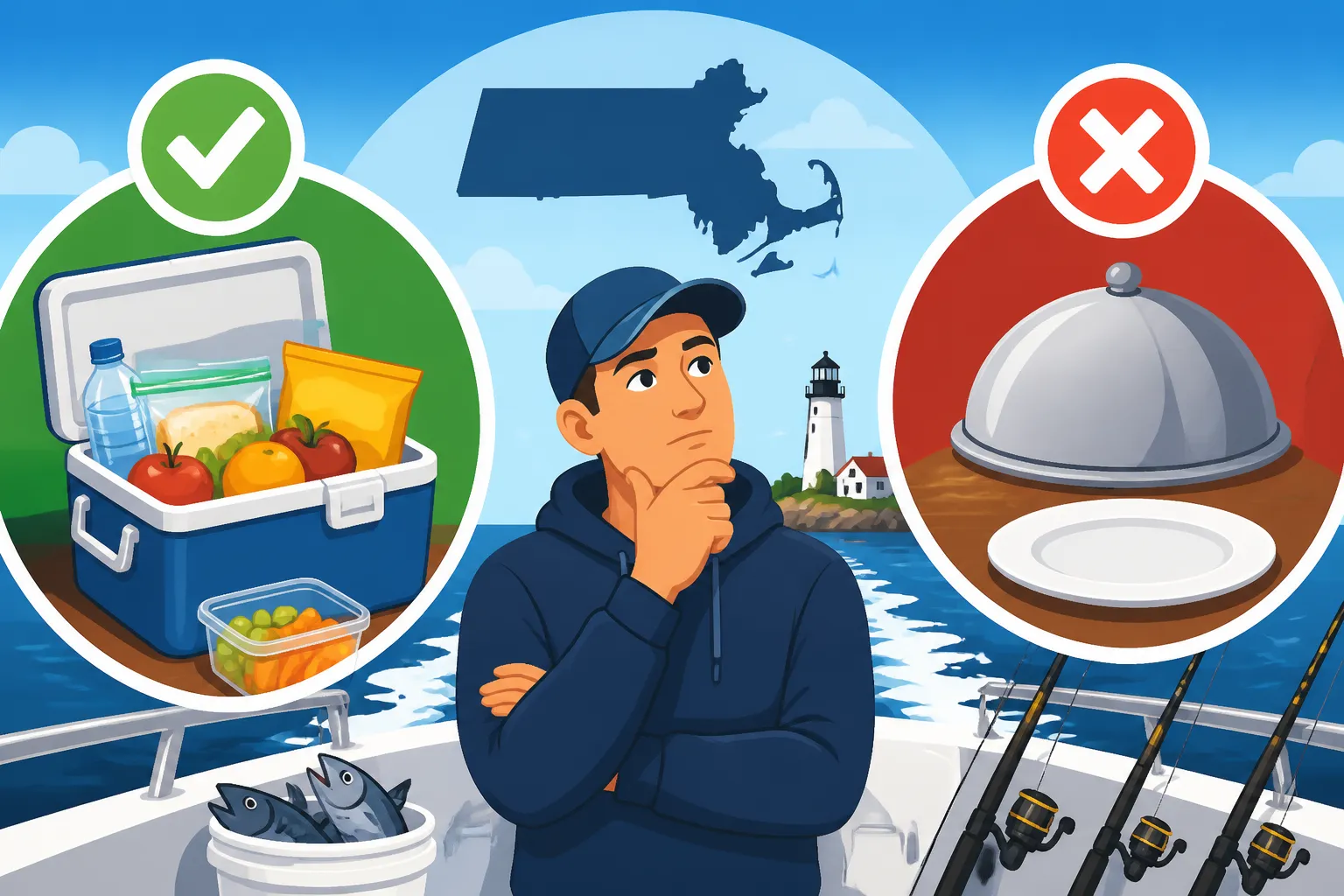
Here's where the "bring your own" rule usually kicks in. For the vast majority of Massachusetts fishing charters, especially half-day or full-day trips, food and drinks are not provided. Think about it: every angler has different tastes, dietary restrictions, and preferences. Trying to cater to everyone on a diverse group charter would be a nightmare for the captain. So, it becomes your responsibility to pack your own snacks, sandwiches, and beverages. This also extends to other personal comfort items like sunscreen, hats, sunglasses, and appropriate clothing layers, which are crucial for enjoying a long day out on the unpredictable New England waters. Some charters might have bottled water or a small cooler with ice available, but don't count on it to sustain you for hours. It's always best to prepare as if you'll need to provide everything for yourself in this category.
Planning Your Provisions: Why Bringing Your Own is Often Best
Even if a charter did offer food and drinks, bringing your own has several advantages. It gives you complete control over what you consume, helps manage costs, and ensures you're prepared for whatever hunger or thirst strikes while you're focused on reeling in that trophy fish.
Catering to Your Tastes and Dietary Needs
This is arguably the biggest reason to pack your own food. Are you a picky eater? Do you have allergies? Are you vegetarian, gluten-free, or on a specific diet? Imagine being stuck on a boat for eight hours with nothing to eat that suits your needs. It's a recipe for a miserable day, no matter how good the fishing is. By bringing your own, you can pack exactly what you know you'll enjoy and what agrees with your stomach. If you're heading out on a Cape Cod Fishing Charters Guide for Massachusetts Anglers, you'll appreciate having those familiar comforts as you battle the waves and the fish. Having your favorite sandwich, a bag of chips, and that specific energy bar can make all the difference in maintaining your energy and mood throughout the trip.
The Cost-Effectiveness of DIY Snacks and Meals
Let's face it, fishing charters, while worth every penny for the experience, aren't exactly cheap. You're already investing in the trip itself; adding on overpriced snacks and drinks (if they were even offered) would just inflate the Massachusetts Fishing Charter Costs. Preparing your own food and packing a cooler from home is almost always more budget-friendly. You can buy a pack of sandwiches, some fruit, and a case of water for a fraction of what a boat might charge, assuming they even stock such items. This way, you save a little money and can allocate it towards other fishing expenses, like maybe a new lure or a souvenir from your trip!
Packing for Different Trip Lengths
The duration of your charter plays a huge role in how much food and drink you should bring. A short, half-day trip (say, 4 hours) might only require a few snacks and plenty of water. But if you're venturing out on a full-day excursion, perhaps 8-10 hours, or even an extended offshore trip for tuna, your provisioning strategy needs to be much more robust.
Consider the difference between a quick inshore trip and an extended journey. For a short Half-Day vs Full-Day Cape Cod Charters, you might get away with just a few granola bars and some hydration. But for a full day, especially if the bite is slow and you're expending energy fighting fish or just standing in the sun, you'll need substantial sustenance. Think about not just lunch, but also mid-morning and mid-afternoon snacks. The goal is to avoid that mid-trip energy crash that can leave you feeling drained and irritable, potentially ruining the latter half of your fishing adventure.
What to Pack: Practical Food and Drink Ideas for a Day on the Water
Now that we've established why you should bring your own, let's talk about what makes for good charter boat food. The key is practical, non-messy, and energizing options that can withstand boat conditions.
Hydration is Key: Beyond Just Water
This cannot be stressed enough: stay hydrated! Even on a cloudy day, the sun's reflection off the water and the constant fresh air can quickly lead to dehydration. Always pack more water than you think you'll need. Plastic bottles are often preferred over glass for safety reasons on a moving boat. Beyond plain water, consider bringing electrolyte-rich drinks like sports drinks or coconut water, especially during warmer months or on longer trips. Sodas are fine for a treat, but don't rely on them for hydration. Alcohol consumption might be permitted on some charters, but usually in moderation and often requires prior discussion with your captain. Always check the charter's policy on alcoholic beverages.
Easy-to-Eat Snacks and Sandwiches
When you're out on the water, you want food that's easy to handle, doesn't require utensils, and won't make a huge mess. Think about these practical options:
- Sandwiches or Wraps: Pre-made and wrapped individually. Avoid anything with excessive mayonnaise or ingredients that spoil quickly in the heat. Peanut butter and jelly, turkey and cheese, or a simple ham sandwich are classic, reliable choices.
- Granola Bars/Protein Bars: Excellent for quick energy boosts, easy to stash in a pocket, and minimal mess.
- Fruit: Apples, bananas, oranges, and grapes are great. They're refreshing and provide natural sugars. Avoid berries that can get easily squashed or make a mess.
- Trail Mix/Nuts: Packed with energy and healthy fats.
- Chips/Crackers: Simple, satisfying, and easy to share (if you're feeling generous!).
- Pre-cut Veggies with Dip: Carrots, celery, and bell pepper strips are healthy and refreshing. Put the dip in a small, sealed container.
Avoid anything that needs reheating, elaborate preparation, or is extremely greasy or crumbly. The last thing you want is a greasy mess on the boat deck or a complicated meal when the fish suddenly start biting.
Considering the Boat and Weather Conditions
The type of boat and the expected weather can influence your food choices. On a smaller boat, space might be limited, so compact snacks are better. On larger vessels, you might have a bit more room for a cooler. If it's a scorching summer day, prioritize foods that won't melt or spoil quickly. If it's chilly, some hot coffee or tea in a thermos can be a welcome comfort. Always ensure your food is packed in sealable containers or Ziploc bags to prevent spillage and keep it fresh. A good, sturdy cooler is essential for keeping everything cold and organized. This leads into the next point about what else you should consider bringing.
Communicating with Your Captain: Clarifying Expectations
The absolute best way to avoid any uncertainty about food, drinks, or anything else is to simply ask your charter captain or the booking agent beforehand. They are the experts on their specific trips and can provide the most accurate information.
Asking Before You Go: The Best Practice
Before your trip, whether you're booking directly or through a platform like FishingBooker, make it a point to clarify what, if anything, is provided in terms of refreshments. A quick phone call or email can save you a lot of hassle and prevent any awkward surprises on the day of the trip. Some high-end charters might offer light snacks or bottled water, but these are exceptions rather than the rule. It's also a good time to ask if they have a cooler with ice that you can use, or if you should bring your own. Remember, a well-informed angler is a happy angler. When booking your trip, make sure to ask about all these details, especially if it's your first time out or a longer trip.
Special Requests and Dietary Restrictions
If you or anyone in your party has severe allergies or specific dietary needs, it is absolutely critical to communicate this in advance. While most charters won't cater to these needs, knowing about them can help the captain advise you better on what to bring or if there are any restrictions on certain foods on board (though this is rare). For instance, if someone has a severe nut allergy, you might want to consider packing nut-free snacks to ensure everyone's safety on the boat, especially if space is shared. This pre-trip communication ensures everyone has a safe and enjoyable time.
The FishingBooker Role in Communication
If you've used a booking platform like FishingBooker to secure your charter, leverage their communication channels. Most reputable platforms allow you to message the captain directly after booking. This is an ideal way to ask specific questions about food, drinks, or any other logistical concerns you might have. FishingBooker's platform can facilitate these conversations, ensuring that your expectations align with what the charter offers, and that any specific needs or concerns you have are addressed well before you step foot on the boat. It's a great tool for making sure all your bases are covered. You can also find information about how to book effectively through services like Booking a Fishing Charter on Cape Cod.
The "Extras": Beyond Just Food
Beyond the grub, there are other essential items that contribute to a comfortable day on the water. These often go hand-in-hand with your food and drink planning.
Essential Comfort Items Sunscreen, Layers, etc.
You wouldn't head out for a long hike without the right gear, and a fishing charter is no different. Sunscreen is non-negotiable; the sun's reflection off the water can lead to severe sunburn even on an overcast day. A wide-brimmed hat, polarized sunglasses, and comfortable, layered clothing are also crucial. New England weather can be incredibly fickle, so dressing in layers allows you to adapt to changing temperatures throughout the day. A light rain jacket is always a good idea, even if the forecast looks clear. Don't forget any personal medications you might need. For those prone to seasickness, remedies should be taken before boarding the boat.
Cooler Considerations
Bringing your own cooler is often the best plan. This allows you to keep your food and drinks separate from the day's catch, ensuring hygiene and preventing your lunch from smelling like fish! Choose a cooler size appropriate for your group and trip length. Make sure it's sturdy and has a good seal to keep ice lasting longer. While some charters have a cooler for your catch, bringing a dedicated one for personal provisions is generally recommended. Make sure to inquire if you need to bring your own ice or if it will be provided for your personal cooler.
Disposing of Waste Properly
One of the most important aspects of being a responsible angler is respecting the marine environment. Whatever you bring onto the boat, make sure you take it all off with you. This means all your food wrappers, empty drink bottles, and any other trash should be packed into a separate bag that you dispose of once you're back on shore. Most charter boats will have a designated trash receptacle, but it's always good practice to have your own small trash bag within your cooler or backpack. Remember, "leave no trace" is the golden rule of outdoor recreation, and it applies even more so on the ocean.
| Item Category | Typically Provided by Charter | Recommended to Bring Yourself | Notes |
|---|---|---|---|
| Fishing Gear | Yes | No (unless personal preference) | Rods, reels, tackle, bait usually included. |
| Food | No (generally) | Yes, always | Pack meals, snacks for all trip durations. |
| Drinks | No (generally) | Yes, always | Water, sports drinks, personal beverages. |
| Ice | For fish (sometimes), for personal cooler (ask) | Yes (for your cooler) | Clarify if charter provides ice for personal use. |
| Sun Protection | No | Yes | Sunscreen, hat, sunglasses are vital. |
| Clothing | No | Yes | Layers for variable weather, rain gear. |
| Seasickness Meds | No | Yes | Take before boarding if prone to motion sickness. |
| Cooler | For catch (usually) | Yes (for personal food/drinks) | Keep personal items separate from fish. |
| Trash Bags | Yes (on board) | Yes (for personal waste) | Pack out everything you pack in. |
| Fishing License | No (mandatory for angler) | Yes | Carrying Proof of Your Massachusetts Fishing License is essential. |
In conclusion, while fishing charters handle the heavy lifting of equipment and getting you to the fish, the responsibility for keeping yourself fed and hydrated rests squarely on your shoulders. A little pre-planning goes a long way in ensuring your Massachusetts fishing adventure is as comfortable and enjoyable as possible. So, pack that cooler, grab your favorite snacks, and get ready for a fantastic day of fishing!
Disclaimer
This article is for general informational purposes only and does not constitute professional advice. Laws, prices and regulations vary by location and change over time. Consult a qualified professional for guidance on your specific situation.