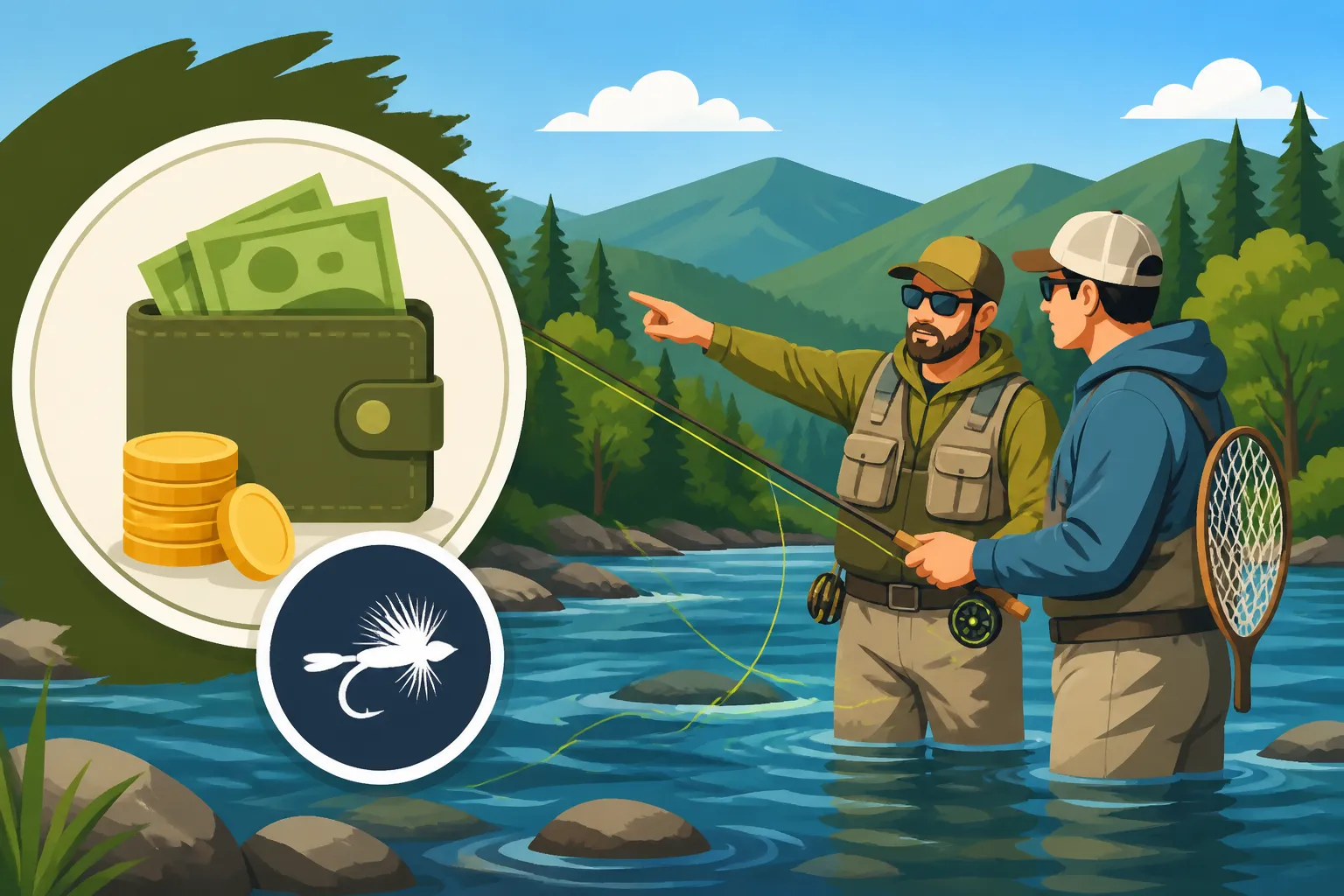
Cost of a fly fishing guide in the Berkshires
Venturing into the picturesque Berkshire Mountains for a fly fishing adventure sounds like a dream, doesn't it? The serene rivers, the crisp air, the thrill of a trout rising to your dry fly – it's an experience many anglers crave. But if you’re new to the area or fly fishing itself, the thought of navigating unfamiliar waters, understanding local hatches, or even just knowing where to start can feel overwhelming. You might be wondering, "What's the real deal with hiring a fly fishing guide out here, and more importantly, what's it actually going to cost me?" This guide is here to break down the factors that influence the price of a fly fishing guide in the Berkshires, what you can realistically expect for your investment, and how to ensure you get the most out of your hard-earned money and time on the water.
Why Consider a Fly Fishing Guide in the Massachusetts Berkshires?
Let's be honest, standing in a river with a fly rod can feel incredibly humbling. The Berkshires offer some truly fantastic fly fishing, but these waters have their own quirks and secrets. This is where a guide truly shines, transforming a potentially frustrating day into a memorable, educational, and often successful outing.
Unlocking Local Expertise
Imagine trying to fish a new river for the first time. You spend precious hours driving around, trying to find public access, only to discover the fish aren't biting where you are, or you're using the wrong fly. A local fly fishing guide, especially one who spends hundreds of days a year on these waters, cuts through all that guesswork. They know the subtle nuances of rivers like the Deerfield, the Hoosic, or the Housatonic – when the caddis flies are hatching, where the brown trout are holding in a specific pool, or which riffle might produce a wild brook trout.
These guides live and breathe the local fisheries. They’ve seen every water level, every weather pattern, and they understand how fish react to these ever-changing conditions. This isn't just about pointing you to a spot; it's about interpreting the river, predicting fish behavior, and putting you in the best possible position to cast to active fish. Their knowledge extends beyond just trout; they might know where the smallmouth bass are hiding or even where to find a surprise landlocked salmon. This localized wisdom is invaluable, especially if you're visiting from out of state or have limited time to explore.
Skill Development and Learning
For many, fly fishing isn't just about catching fish; it's about the art, the challenge, and the continuous learning. If you're new to fly fishing, a guide can provide hands-on instruction that’s tailored specifically to you. They can teach you the fundamentals of casting, how to mend your line, read the water for subtle currents and fish lies, and even the etiquette of sharing a stream with other anglers. Think about it: trying to learn these things from a YouTube video while standing waist-deep in a cold river is a whole different ballgame than having an experienced teacher right beside you, offering real-time feedback.
Even seasoned anglers can benefit. Perhaps you want to master a specific casting technique, learn how to effectively fish streamers, or gain a deeper understanding of entomology to match the hatch more accurately. A good guide can elevate your skills, showing you tricks and techniques that would take years to discover on your own. They can help you refine your presentation, understand the nuances of nymphing versus dry fly fishing, and even make subtle adjustments to your gear setup that make a huge difference. It's a personalized clinic on the water, designed to make you a more proficient and confident angler.
Maximizing Your Time on the Water
Let's face it, most of us have limited time for our passions. When you book a guide, you're buying efficiency. There's no fumbling with maps, no wasted hours searching for productive water, and often, no need to worry about bringing all your own gear. Many guides provide high-quality rods, reels, and even waders and boots, saving you the hassle of packing or buying expensive equipment. This means you can focus entirely on the experience – the casting, the fish, the beautiful Berkshire scenery – rather than the logistics.
Furthermore, a guide takes care of the safety aspects. They know which areas are safe to wade, where currents might be tricky, and how to navigate the river responsibly. For float trips, they are expert oarsmen, maneuvering the boat through rapids and into prime fishing lanes, allowing you to concentrate on your cast. This allows you to relax and truly immerse yourself in the moment, knowing that an experienced professional is handling all the details. It's about getting the most out of every minute you dedicate to your fishing trip, making it a stress-free and enjoyable escape.
What Factors Influence the Cost of a Berkshire Fly Fishing Guide?
When you start looking at guide services, you'll notice a range of prices. It’s not just an arbitrary number; several key elements contribute to how a guide structures their fees. Understanding these factors will help you make an informed decision and find a trip that fits your expectations and your wallet.
Trip Duration and Type
One of the most significant cost drivers is the length of your trip. Most guides offer half-day (typically 4-5 hours) and full-day (usually 8-9 hours) options. Naturally, a full-day trip will cost more than a half-day, but it often provides better value per hour, allowing more time to explore different sections of the river, adapt to conditions, and refine your techniques. A half-day trip can be perfect for beginners or those with limited time, offering a taste of the action without a full-day commitment.
Beyond duration, the type of trip matters. Wade trips, where you walk and fish from the riverbanks or directly in the water, tend to be slightly less expensive than float trips. Float trips, conducted from a drift boat or raft, involve the guide rowing you down a river, covering more water and often accessing areas difficult to reach by wading. These require specialized equipment (the boat itself!) and often more effort from the guide, thus commanding a higher price. Some guides might also offer specialized trips, like multi-day excursions or trips targeting specific, harder-to-find species, which will naturally be priced accordingly.
Guide Experience and Reputation
Just like in any profession, experience and reputation play a huge role in pricing. A guide who has been operating in the Berkshires for decades, who has a long list of satisfied clients, and who consistently puts anglers on fish, will typically charge more than a newer guide. These seasoned veterans have accumulated an unparalleled understanding of the local waters, weather patterns, and fish behavior, and their expertise is often worth the premium. They've also likely invested significantly in their equipment, licenses, and insurance, all of which are factored into their rates.
On the other hand, a newer guide might offer more competitive rates as they build their client base and reputation. This isn't necessarily a bad thing; many up-and-coming guides are incredibly passionate and eager to share their knowledge. When researching guides, especially on platforms like FishingBooker, pay attention to reviews and how long they've been guiding. A guide with specific certifications, like a U.S. Coast Guard (USCG) license for operating vessels on certain waterways (essential for many float trips), also indicates a level of professionalism and safety that might be reflected in their pricing.
Inclusions and Exclusions
What's included in the guide's advertised price can vary significantly. Many reputable Berkshire fly fishing guides will include the use of high-quality rods, reels, and all necessary flies, leaders, and tippet for the day. Some even provide waders and wading boots, which is a huge bonus, especially if you're traveling light or don't own your own gear. These inclusions save you from having to purchase or rent equipment.
However, some things are almost universally not included. You will always be responsible for purchasing your own Massachusetts Freshwater Fishing License Costs and Rules. This is a non-negotiable requirement for fishing legally. Many guides will provide a packed lunch, snacks, and non-alcoholic beverages for full-day trips, but it's always a good idea to confirm this beforehand. Other potential exclusions could be specific types of flies if you request something rare or expensive, or if you consistently lose flies (it happens!). Transportation to the fishing spot is usually assumed to be your own vehicle following the guide, but sometimes guides offer pickup services, which might be an added cost. Always clarify what's covered when you book to avoid any surprises.
Group Size and Customization
The number of anglers in your party is another critical factor. Most guide services price their trips for one or two anglers. If you want to add a third or fourth person (if the guide's boat or permits allow it), there will almost always be an additional per-person charge. This is because more people mean more gear, more guiding effort, and potentially more impact on the fishing spot. A single angler trip offers the most personalized instruction and attention, while a two-person trip still allows for excellent interaction and learning.
If you're looking for a highly customized trip – perhaps targeting a specific, elusive species, requesting a unique itinerary that covers multiple rivers, or planning a multi-day backcountry adventure – expect the cost to be higher. These personalized experiences require additional planning, scouting, and resources from the guide, moving beyond their standard offerings. Sometimes, guides might offer "private water" access, which involves special permissions or leases to fish on privately owned stretches of river; this premium access will definitely come with a higher price tag.
Typical Cost Structures and What to Expect
Let's talk brass tacks about what these Berkshire fly fishing guide costs generally look like, without getting into specific dollar amounts, because those can change rapidly. The goal here is to give you a framework for understanding the pricing you'll encounter.
Understanding Pricing Tiers
Most guides will have distinct pricing for half-day versus full-day trips. As we discussed, full-day trips usually represent a better hourly value. For example, a half-day might be 60-70% of a full-day rate, despite being only half the duration. This reflects the fixed costs and preparation time involved for any trip. You'll often see prices quoted as a "boat rate" for float trips, meaning one price covers the boat and the guide, regardless of whether you're one or two anglers. Wade trips, especially for a single person, might be slightly less.
When you start adding more people, you'll see a tiered pricing structure. For instance, a guide might charge a base rate for one angler, a slightly higher rate for two anglers, and then an additional fee for each subsequent person if their capacity allows. This additional fee reflects the extra time the guide spends untangling lines, helping with casting, finding suitable spots for multiple casters, and generally managing more people on the water. While the per-person cost might seem to go down with more people, the total cost for the group goes up. When comparing options, check if the price is per person or per trip.
| Trip Type | Duration | Typical Inclusions (Check with Guide) | General Cost Impression | Ideal For |
|---|---|---|---|---|
| Half-Day Wade | 4-5 hours | Guide, rods/reels, flies, leaders, tippet. Some may include waders/boots. | Entry-level to Moderate. Lower end of the spectrum. | Beginners, those with limited time, focused skill development. |
| Full-Day Wade | 8-9 hours | Guide, rods/reels, flies, leaders, tippet, usually lunch/snacks. Often waders/boots. | Moderate. Better per-hour value than half-day wade. | Anglers wanting more time, explore more water, deeper learning. |
| Half-Day Float | 4-5 hours | Guide, drift boat, rods/reels, flies, leaders, tippet. Some may include waders/boots. | Moderate to Upper-Moderate. Higher than wade trips due to boat. | Covering more water efficiently, learning boat fishing techniques. |
| Full-Day Float | 8-9 hours | Guide, drift boat, rods/reels, flies, leaders, tippet, usually lunch/snacks. Often waders/boots. | Upper-Moderate to High. Premium experience with maximum coverage. | Serious anglers, those wanting to experience the full river, maximize fish encounters. |
Value Beyond the Dollar Amount
It’s easy to look at a guide’s fee and think, "Wow, that's a lot for a day of fishing." But it’s crucial to consider the immense value you're receiving. You're not just paying for a guide’s time; you're paying for their years of experience, their intimate knowledge of the Berkshire fishery, their investment in top-tier gear, their insurance, and their dedication to making your day successful and enjoyable. Think of it as an expedited learning curve. Instead of spending days or even weeks figuring out a new river, a guide can put you on fish and teach you effective techniques in a matter of hours.
The value also lies in access. Guides often have relationships with landowners or specific knowledge of public access points that aren't widely advertised. They can take you to places you might never find on your own, sometimes even away from the crowds, offering a more pristine and private experience. The memories you create, the photographs you take, and the skills you acquire are intangible benefits that far outweigh the monetary cost. It's an investment in your passion and an opportunity to connect with nature and learn from a true expert.
Budgeting for Your Berkshire Fly Fishing Adventure
When planning your trip, don't just factor in the guide's base rate. There are a few other costs to consider to ensure you have a clear picture of your total expense. Firstly, tipping is customary and highly encouraged for fishing guides, much like in the restaurant industry. A tip for a job well done is a significant part of a guide's income. Most suggest a percentage of the trip cost, depending on your satisfaction with the experience.
Secondly, remember that a fishing license is always an additional cost. You can easily purchase a Massachusetts Freshwater Fishing License Costs and Rules online via the MassFishHunt system, or from a local vendor before your trip. Always double-check the Massachusetts Fishing License Requirements by Age for everyone in your party. Lastly, consider any personal gear you might need if the guide doesn't provide it, such as specific rain gear, sunglasses, or personal snacks and drinks beyond what's included. Some anglers might also want to purchase a few of their favorite flies from a local fly shop before the trip to support the local economy and have a backup. When you're ready to find a guide, reliable platforms like FishingBooker can help you compare options and see what's included in different packages.
Making the Most of Your Guided Experience
Hiring a fly fishing guide in the Berkshires is an investment in your fishing journey. To ensure you get the absolute best return on that investment, a little preparation and clear communication go a long way.
Preparing for Your Trip
Before you even meet your guide, take some time to communicate your expectations and goals. Are you a complete beginner hoping to learn the basics? Are you an experienced angler looking to target a specific fish like a trophy brown trout, or to refine an advanced technique? Are you hoping to catch a lot of fish, or are you more interested in the scenery and the learning process? Being upfront about what you want will help your guide tailor the day to your preferences.
Also, ask your guide about what to wear and what you should bring. They'll have valuable advice on layering for variable New England weather, suitable footwear, and essential items like polarized sunglasses, a hat, and sunscreen. Even if the guide provides gear like waders, double-check sizing if you’re particularly tall or small. Inquire about the physical demands of the trip – will there be a lot of walking, or will it mostly be from a boat? Lastly, and crucially, remember to purchase your Massachusetts Fishing License Guide ahead of time. It's easy to do online, and you don't want to waste precious fishing time dealing with logistics on the day of your trip. You can learn How to Buy a Massachusetts Fishing License Online if it's your first time.
Engaging with Your Guide
Once you're on the water, listen intently to your guide. They are there to help you, and their instructions are based on years of experience on those specific rivers. If they suggest a particular cast, a different fly, or a specific way to approach a pool, give it a try with an open mind. Don't be afraid to ask questions! Wonder why the fish are holding in a certain spot, or why a particular fly pattern is effective? Speak up. This is your opportunity to soak up as much knowledge as possible.
Remember that fishing, by its very nature, can be unpredictable. There will be days when the fish are finicky, the weather is challenging, or the bite is just slow. Try to maintain a positive attitude and trust your guide's expertise to adapt to the conditions. They are working hard to put you on fish and ensure you have an enjoyable experience, regardless of the catch count. Focus on the learning, the beauty of the Berkshire landscape, and the joy of being out on the water.
Post-Trip Considerations
As the trip concludes, remember that tipping is a standard practice and a significant way to show your appreciation for your guide's hard work, knowledge, and effort. If you had a great experience, a generous tip is always well-received. Many anglers aim for a percentage of the trip cost, but ultimately, it's a personal decision based on your satisfaction.
After the trip, consider leaving a review for your guide, especially if you booked through an online platform like FishingBooker. Positive reviews help guides build their business and allow other anglers to find quality services. Think about what you enjoyed most, what you learned, and any specific moments that stood out. Finally, take some time to reflect on your experience. What new skills did you acquire? What did you learn about fly fishing in the Berkshires? Use that newfound knowledge to plan your next independent outing, or perhaps, use a platform like FishingBooker again to explore more Freshwater Fishing Guides in Massachusetts or even venture into Fly Fishing for Trout in Massachusetts Rivers in other parts of the state. The Berkshires offer countless opportunities, and your guided trip is often just the beginning of a lifelong passion.
Disclaimer
This article is for general informational purposes only and does not constitute professional advice. Laws, prices and regulations vary by location and change over time. Consult a qualified professional for guidance on your specific situation.