How common seasickness is on Cape Cod tuna charters
There's a special kind of excitement that bubbles up when you book a bluefin tuna charter out of Cape Cod. You're dreaming of epic battles with giant fish, the thrill of the open ocean, and stories to tell for years. But for many, that excitement is quickly tinged with a nagging worry: seasickness. It's a real fear, capable of turning a dream trip into a miserable ordeal. This guide is here to tackle that head-on, giving you a realistic understanding of how common seasickness is on Cape Cod tuna charters and, more importantly, what you can do about it to ensure your adventure is all about the fish, not the queasiness.
Understanding Seasickness: What It Is and Why It Happens on the Open Ocean
Seasickness isn't just "feeling a little green"; it's a genuine physiological response that can range from mild discomfort to debilitating nausea and vomiting. When you're heading offshore for tuna, you're exposing yourself to conditions that are prime for triggering this unwelcome visitor. It's important to understand why it happens so you can better prepare for it.
The Science Behind the Queasiness
At its core, seasickness, or motion sickness, is a conflict between your senses. Your inner ear, which is responsible for balance, detects the motion of the boat rocking, rolling, pitching, and yawing on the waves. Meanwhile, your eyes might be focused on the stationary interior of the cabin or the horizon, sending conflicting signals to your brain. This sensory mismatch, where your eyes tell your brain one thing (we're stable) and your inner ear tells it another (we're moving all over the place), creates confusion in your brain. Your brain, in its attempt to resolve this conflict, often interprets it as a sign of poisoning. Its solution? To make you vomit, clearing out any potential toxins. It's an ancient survival mechanism that, unfortunately, causes a lot of grief on modern fishing boats.
This isn't just psychological; it's a very real physical reaction. The symptoms can include nausea, cold sweats, dizziness, fatigue, headache, and ultimately, vomiting. It can hit anyone, regardless of how tough you think you are or how much you love the water. Even seasoned captains can have their moments if the conditions are particularly brutal.
Why Tuna Charters are Different from Inshore Trips
When we talk about Cape Cod tuna charters, we're not talking about a leisurely ride around a calm bay. Tuna fishing typically takes you offshore, often many miles from the coast, into the true open Atlantic Ocean. This is a crucial distinction. Inshore trips, like those targeting striped bass or fluke closer to shore, usually involve calmer, shallower waters. You might still experience some chop, especially on windy days, but the deep, rolling swells of the open ocean are a different beast entirely.
Offshore, the waves can be larger, more unpredictable, and have a longer period (the time between waves), which creates that characteristic "rocking horse" motion that is so effective at inducing seasickness. These trips are also often much longer—Cost of a 10-hour bluefin tuna trip or even 12-hour outings—meaning you're exposed to these conditions for an extended period. The constant motion, combined with the focused attention required for fishing, can quickly wear down your defenses. It’s not uncommon for people who are fine on a calm lake or even a short coastal trip to find themselves struggling on a full-day tuna adventure.
Common Symptoms and Their Impact on Your Trip
The spectrum of seasickness symptoms is wide. At the milder end, you might feel a general unease, a slight dizziness, or a bit of a headache. You might notice yourself feeling unusually tired or yawning frequently, which is often an early sign. As it progresses, nausea becomes more prominent. You might start to sweat profusely, feel cold despite the warm weather, or find yourself unable to concentrate.
When it truly sets in, the debilitating nausea can make standing, walking, or even looking at the horizon incredibly difficult. The thought of eating or drinking becomes repulsive. And of course, there's the vomiting, which, while sometimes offering temporary relief, often leaves you feeling drained and miserable.
The impact on your trip can be profound. Instead of enjoying the beautiful sunrise, the camaraderie with your fellow anglers, and the thrill of the hunt, you'll be focused solely on managing your symptoms. You might miss out on important moments, be unable to reel in a fish, or even have to spend a significant portion of the trip lying down in the cabin. The worst-case scenario is that you're so incapacitated you can't participate at all, essentially wasting what could be a significant investment for an incredible experience. This is why addressing seasickness is paramount for anyone considering an offshore tuna trip.
Factors Influencing Seasickness on Cape Cod Tuna Charters
While seasickness can feel like an uncontrollable force, it's actually influenced by several key factors. Understanding these can help you better assess your risk and take proactive steps.
The Role of Weather and Sea Conditions
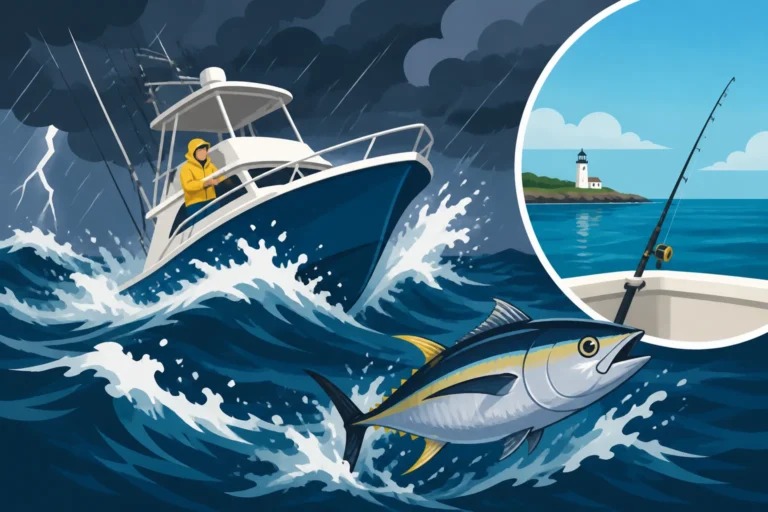
This is perhaps the biggest determinant of seasickness on any offshore trip. Flat, calm seas are a joy; rough, choppy seas are a torment. On Cape Cod, the Atlantic can be notoriously unpredictable. A beautiful, sunny forecast on land doesn't always translate to calm waters offshore. Wind speed and direction, swell height, and swell period all play critical roles.
- Wind Speed: High winds directly affect wave height. A stiff breeze can create short, steep chop that a boat slams through, making for a jarring ride.
- Swell Height: This refers to the vertical distance from the trough to the crest of a wave. Offshore, swells can be several feet high, even on a relatively calm day, leading to that characteristic up-and-down motion.
- Swell Period: This is the time it takes for two consecutive wave crests to pass a fixed point. A long swell period (e.g., 8-10 seconds or more) often means larger, more rolling waves that, while not always "choppy," can cause a deep, swaying motion that many find particularly nauseating. A short swell period (e.g., 3-5 seconds) with high swells often results in a very jarring, uncomfortable ride.
Your captain will always prioritize safety, but even safe conditions can be unpleasant. Many reputable charter operations, often found through platforms like FishingBooker, will discuss expected sea conditions with you beforehand. Remember, the further offshore you go, the more pronounced these conditions can become. If you're particularly susceptible, it's worth asking your captain about the forecast and considering rescheduling if it looks too rough, even if it means missing the Best month for bluefin tuna off Cape Cod.
Individual Susceptibility and Prior Experiences
Some people seem to be immune to seasickness, while others get nauseous just thinking about a boat. Most of us fall somewhere in between. Your personal history with motion sickness is a strong indicator of how you'll fare on a tuna charter.
- Past Experiences: Have you been seasick before on a ferry, a smaller boat, or even a car ride? If so, you're more likely to experience it on an offshore tuna trip. Don't assume that because you were fine on a lake, you'll be fine in the open ocean. The scale of motion is vastly different.
- Age and Health: While not universal, children and pregnant women often report higher susceptibility. Those with inner ear conditions or certain medical issues might also be more prone. Fatigue, stress, and hangovers can also lower your tolerance, making you more vulnerable.
- Mindset: While not a cure, a positive and prepared mindset can make a surprising difference. If you go into the trip convinced you'll be sick, you might be more likely to manifest symptoms. Conversely, having a plan and feeling prepared can boost your confidence.
It's helpful to be honest with yourself about your own susceptibility. If you know you're prone, don't try to tough it out; preventative measures are your best friend.
Boat Size, Type, and Motion
The vessel you're on plays a significant role in how you perceive and react to the ocean's motion. Not all charter boats are created equal when it comes to stability.
- Size Matters: Generally, larger boats tend to be more stable than smaller ones. They have more mass to resist the forces of the waves, and their length helps them bridge over multiple wave crests, reducing the pitching motion. A 50-foot offshore sportfisher will typically ride smoother than a 25-foot center console in similar conditions.
- Hull Design: Different hull designs offer varying degrees of stability. Deep-V hulls are designed to cut through waves smoothly, providing a softer ride, but they can sometimes roll more at drift. Catamaran hulls, with their two parallel hulls, often offer exceptional stability, particularly when underway, by reducing side-to-side roll.
- Crew Experience: A skilled captain knows how to run their boat to minimize discomfort. They can adjust speed, change course, or find a "sweet spot" in the waves to make the ride as smooth as possible. They also know which areas to fish based on current conditions to keep everyone comfortable.
- Location on the Boat: Where you sit or stand on the boat can also affect how much motion you feel. Generally, the stern (back) of the boat is where you feel the most pitch and roll, while midship (the middle) tends to be the most stable. The bow (front) can be very bouncy in head seas. On a tuna charter, you might spend a lot of time on the deck, moving around, which increases your exposure to motion.
When researching charters on platforms like FishingBooker, pay attention to the type and size of the boat. Don't hesitate to ask the captain about their vessel's stability, especially if you know you're prone to seasickness.
Strategies to Prevent and Manage Seasickness for a Better Charter Experience
Okay, so you understand what seasickness is and what makes it tick. Now for the good stuff: what you can actually do to prevent it or at least keep it at bay so you can enjoy your Massachusetts Bluefin Tuna Charters trip.
Pre-Trip Preparations and Medications
This is where the real battle is won or lost. Proactive steps are far more effective than trying to manage symptoms once they've set in.
-
Medication is Key: For many, over-the-counter medications are highly effective.
- Dramamine (dimenhydrinate) or Bonine (meclizine): These are antihistamines that block the signals to the brain that cause nausea and vomiting. The key is to take them before you feel sick. Most recommendations suggest taking them 30-60 minutes before boarding. Bonine is often preferred for its non-drowsy formula, though individual reactions vary.
- Scopolamine Patches (Transderm Scop): These are prescription-only patches worn behind the ear. They release medication slowly over three days and are considered very effective for severe cases. You typically apply them hours before the trip. Talk to your doctor well in advance if you're considering this option.
- Ginger: Natural remedies like ginger (capsules, chews, or ginger ale) have anecdotal support from many anglers. While not as potent as pharmaceutical options, they can complement other methods and cause fewer side effects.
- Acupressure Bands: "Sea-Bands" or similar acupressure wristbands are designed to apply pressure to a point on your wrist believed to relieve nausea. They work for some, not for all, but are harmless to try.
Seasickness Prevention Method Type Effectiveness (General) Notes Bonine (Meclizine) Oral Pill High Non-drowsy for most, take 30-60 min before, lasts 24 hrs. Dramamine (Dimenhydrinate) Oral Pill High Can cause drowsiness, take 30-60 min before, lasts 4-6 hrs. Scopolamine Patch Prescription Very High Apply behind ear hours before, lasts 3 days, consult doctor. Ginger (Capsules/Chews) Natural Moderate No side effects, can be used with other meds, take before/during. Acupressure Wristbands Physical Variable No medication, works for some, no side effects. -
Hydration and Food: Don't go on an empty stomach, but don't eat heavy, greasy food either. A light, easily digestible meal (toast, crackers, fruit) a couple of hours before the trip is ideal. Avoid excessive alcohol the night before, as a hangover will only exacerbate symptoms. Stay well-hydrated with water or clear liquids.
-
Rest: Ensure you get a good night's sleep before your charter. Fatigue makes you more susceptible to motion sickness.
Onboard Tactics and Mindset
Once you're on the boat and underway, there are still things you can do to mitigate discomfort.
- Focus on the Horizon: This is a classic tip for a reason. Keeping your eyes fixed on a stable point on the horizon helps to re-align those conflicting sensory signals to your brain. Avoid looking down at your phone, reading, or concentrating on anything inside the boat for extended periods.
- Fresh Air: Position yourself where you can get plenty of fresh air. Staying in a stuffy cabin can make symptoms worse. The back of the boat or the flybridge often offer good airflow.
- Stay Midship: As mentioned earlier, the middle of the boat generally experiences the least amount of motion. If you have the option, try to stay in this area, especially when the boat is drifting or at anchor.
- Avoid Strong Smells: The smell of diesel fumes, bait, or even someone else's lunch can trigger nausea. If possible, try to move away from strong odors.
- Relax: Tensing up can actually make you feel worse. Try to breathe deeply and consciously relax your body. Sometimes, just accepting that you might feel a bit queasy can lessen the anxiety around it.
- Stay Busy (if you can): For some, actively fishing and focusing on the task at hand helps distract from the motion. But if you're truly feeling awful, don't force it.
Choosing the Right Charter and Asking the Right Questions
Part of your prevention strategy starts long before you step on the dock. Researching and choosing the right charter can make a world of difference.
- Boat Size and Type: Look for larger vessels, especially those with stable hull designs, if seasickness is a major concern. Reviews on platforms like FishingBooker often mention how well a boat handles rough seas.
- Captain's Experience: An experienced captain will be attuned to the conditions and know how to run their boat to minimize discomfort. They can also offer advice and support if you do get sick.
- Ask About Cancellation Policies: What happens if the weather turns really bad? Reputable charters should have clear Massachusetts Charter Fishing Cancellation Policies for weather-related cancellations. This gives you peace of mind if you need to call off a trip due to a truly rough forecast.
- Be Honest with the Captain: When you book, let the captain know if you're prone to seasickness. They can offer advice, suggest optimal seating, and be prepared to assist if needed. Don't be embarrassed; it's a common issue, and they've seen it all before. Many captains even carry extra remedies onboard. When looking through options, platforms like FishingBooker often allow you to read detailed descriptions of boats and chat with captains directly, which is a great way to get these questions answered.
What to Do if Seasickness Hits Hard During Your Trip
Despite all your best efforts, sometimes seasickness still decides to crash the party. It happens! The key is to manage it gracefully and not let it completely ruin your experience.
Communication with Your Captain and Crew
The absolute first thing you should do if you start feeling unwell is to tell your captain or one of the crew members. Do not suffer in silence!
- Early Warning is Best: The sooner they know, the better they can help. They might have a trick up their sleeve, offer a different position on the boat, or even provide some over-the-counter remedies they keep on hand for just such occasions.
- They Understand: Remember, charter captains and their crews spend countless hours on the water. They are intimately familiar with seasickness and are not judging you. Their primary concern is your safety and well-being. They've likely seen hundreds of people get sick, and they know how to help you be as comfortable as possible. They can also adjust their course or speed if possible, or even choose a slightly different fishing spot that might be in calmer waters, if the fishing allows.
- Don't Be Afraid to Ask for Help: If you need to lie down, throw up, or simply need a moment, let them know. They can guide you to a safe and appropriate place on the boat. Having someone look out for you can make a huge difference in how quickly you recover.
Focusing on Recovery and Enjoying the Remaining Trip
Once you've communicated and potentially received some help, your next goal is to minimize the discomfort and try to salvage as much of your fishing experience as possible.
- Follow the Captain's Advice: If they suggest lying down in the cabin or focusing on the horizon, do it. They know their boat and the conditions.
- Hydrate (Carefully): Even if you're nauseous, try to sip small amounts of water or clear liquids like ginger ale. Dehydration can worsen seasickness and make you feel even more drained. Avoid sugary drinks or anything acidic.
- Small Bites of Bland Food: If you can manage it, a few saltine crackers might help settle your stomach. Don't force it, though.
- Acceptance: Sometimes, the best strategy is to accept that you're going to feel rotten for a bit. Focus on your breathing, keep your eyes on the horizon, and remind yourself that it will pass once you're back on solid ground. Trying to fight it too hard can sometimes make it worse.
- Don't Give Up on the Fishing (if possible): If you start to feel a little better, even just for a moment, try to pick up a rod. The distraction and excitement of a fish strike can sometimes be enough to momentarily forget your symptoms. However, if you're truly too sick, rest is paramount. It's okay to sit one out.
Post-Trip Reflection and Future Planning
Even if you had a rough go of it, don't let one bad experience scare you off entirely. Reflect on what happened and how you can prepare better next time.
- Review Your Prevention Strategy: Did you take medication early enough? Was it the right type for you? Did you get enough sleep? This is a learning process.
- Consider Different Conditions or Charters: Perhaps that day was exceptionally rough, or a smaller boat wasn't the best choice for you. On your next outing, you might opt for a calmer weather window, a larger vessel found on a site like FishingBooker, or even try an inshore trip first to test your tolerance.
- Talk to Other Anglers: Share your experience. You'll likely find that many others have faced similar challenges and can offer their own tips and tricks for What to take for seasickness before a charter.
- Don't Let it Deter You: Bluefin tuna fishing on Cape Cod is an incredible experience that many anglers dream of. With the right preparation and strategies, you can minimize the chances of seasickness ruining your trip and ensure you get to enjoy the thrill of battling these magnificent creatures. Sometimes, it just takes one successful, seasickness-free trip to build the confidence you need for future adventures.
Remember, seasickness is common, but it's also manageable. With a proactive approach and open communication, you can greatly improve your chances of having a fantastic and memorable Cape Cod tuna charter.
Disclaimer
This article is for general informational purposes only and does not constitute professional advice. Laws, prices and regulations vary by location and change over time. Consult a qualified professional for guidance on your specific situation.