How far offshore tuna charters travel
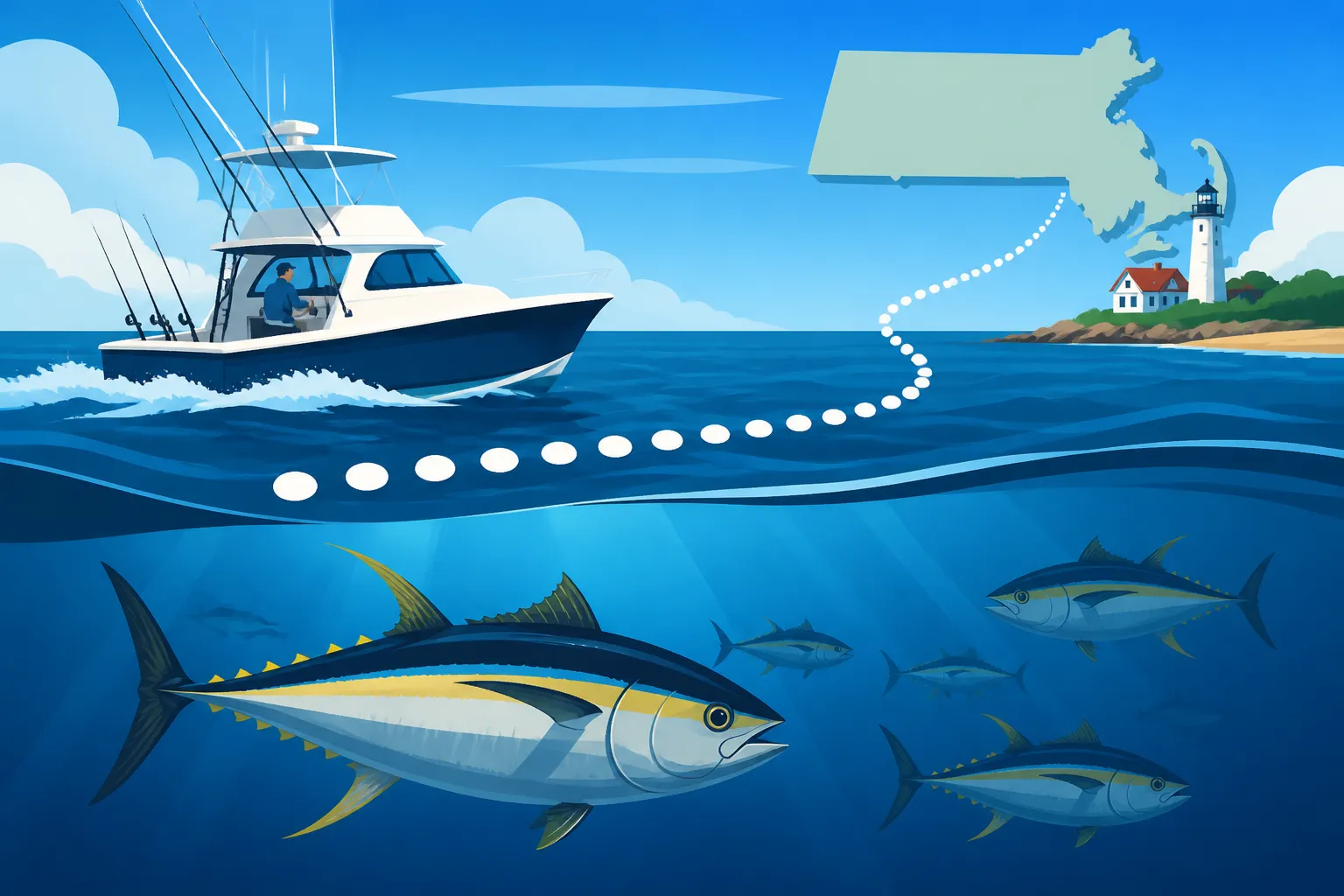
One of the biggest questions I hear from folks dreaming of landing a monster tuna off the Massachusetts coast is, "Just how far out do these charter boats actually go?" It's a completely fair question, because if you're picturing a quick hop just beyond the jetties, you might be in for a surprise. Planning an offshore tuna trip involves a lot more than just packing your cooler; it means understanding the vastness of the ocean and the serious distances involved. This guide is here to shed some light on the incredible journeys Massachusetts tuna charters undertake to put you on the fish of a lifetime.
Understanding the Massachusetts Offshore Tuna Grounds
When we talk about tuna fishing in Massachusetts, we're not just talking about the calm waters of Cape Cod Bay. We're often referring to some seriously open ocean, sometimes hundreds of miles from shore. It’s a completely different world out there, and the distances can be quite intimidating if you’re not prepared.
The Allure of the Offshore Canyon
Why do anglers and captains venture so far? Simply put, the biggest, most elusive, and often most diverse tuna species hang out in deeper, warmer waters far from the coastline. These aren't the smaller bluefin that might occasionally cruise closer to shore; we're talking about the giants, and also yellowfin and bigeye tuna, which thrive in specific deep-water structures.
Imagine the continental shelf, that vast underwater plain that gradually slopes away from land. Well, beyond that shelf, the ocean floor drops dramatically into a series of deep canyons – underwater chasms that can rival land-based canyons in their grandeur. These geological features create incredible upwellings and currents that churn nutrients, attracting vast schools of baitfish, which in turn draw in the pelagic predators like tuna. For a Massachusetts angler, "the canyons" often refer to a series of these deep-sea structures located southeast of Nantucket, such as Veatch Canyon, Hydrographer Canyon, and sometimes even farther south to Wilkinson or Atlantis Canyons. These aren't just names on a chart; they are vibrant, teeming ecosystems that represent the pinnacle of offshore fishing for many. The sheer thrill of hooking into a powerful tuna in these remote waters, with nothing but open ocean around you, is what drives many anglers to commit to such long journeys.
Key Offshore Fishing Zones
Massachusetts boasts a few distinct tuna fishing zones, each with its own characteristics and typical distances from port. It’s not a one-size-fits-all situation, and where your charter heads will largely depend on the time of year, the target species, and what the fish are doing.
Closer to home, within a range of roughly 20 to 60 miles offshore, you might find bluefin tuna. Areas like Stellwagen Bank, east of Gloucester, or parts of Jeffreys Ledge further north, are renowned for their bluefin activity, especially during certain seasons. These spots are still a significant run for a boat, taking a couple of hours or more to reach, but they don't compare to the marathon trips to the true deep-sea grounds. You'll often find these trips departing from ports like Gloucester, Newburyport, or the North Shore for Jeffreys Ledge, or from Boston, Plymouth, or even some Cape Cod ports for Stellwagen. These trips are typically full-day affairs, giving you a solid amount of fishing time after the steam out. Many captains specializing in Massachusetts Striped Bass Charters might also target bluefin in these mid-shore zones when the opportunity arises.
However, if your dream is to target large yellowfin or bigeye tuna, or the truly giant bluefin that roam the Atlantic, then your sights are set much farther east and south – towards those legendary canyons. These are the "deep-sea fishing" grounds in the purest sense. Charters heading to these locations will typically depart from more southerly ports on Cape Cod, like Falmouth, Harwich, or Chatham, as well as from Martha's Vineyard and Nantucket, or even as far west as New Bedford to shave off some travel time. The journey to these distant spots is not for the faint of heart and often involves overnight trips.
Factors Influencing How Far Tuna Charters Travel
The exact distance a tuna charter travels isn't just a fixed number; it's a dynamic calculation influenced by a variety of factors. It's truly a dance with the ocean and its inhabitants.
Target Species and Seasonal Movements
Different tuna species have different habits and preferred habitats, and these can change throughout the season. Early in the season, typically late spring into early summer, smaller bluefin tuna often show up closer to shore, sometimes within 20-40 miles of coastal ports. These are often transient fish, following bait schools that hug the continental shelf. As the summer progresses and water temperatures climb, the larger bluefin, yellowfin, and especially bigeye tuna tend to push farther offshore, often towards the deep canyons where warmer currents and abundant bait are more prevalent.
For example, if you're specifically targeting yellowfin tuna, you're almost certainly heading to the canyons, which means a much longer steam. These powerful, open-ocean cruisers rarely venture into the shallower, colder waters closer to the Massachusetts coastline. Similarly, while giant bluefin can be found in a range of locations, the truly massive ones that make the news are often in areas that require significant travel. A captain's strategy for a Massachusetts Bluefin Tuna Charters trip will change dramatically if they're looking for a 50-pound "schoolie" versus a 500-pound "giant." This constant migration means that what was a hotspot last week might be barren this week, forcing captains to cover more ground.
Weather and Sea Conditions
This is perhaps the single biggest variable that dictates how far, and even if, a charter can travel. Safety is always the top priority. A captain might have a specific tuna ground in mind, say 80 miles out, but if the forecast calls for significant swells or high winds, that plan is immediately off the table. No fish is worth risking the safety of the crew and passengers. You can learn more about this by checking out How rough the water gets on tuna charters.
A responsible captain will always err on the side of caution. Even if the fish are biting furiously 100 miles out, if the ride there and back would be unbearable or dangerous, they simply won't go. This might mean adjusting the trip to a closer, more sheltered area, or even rescheduling entirely. Beyond safety, boat capabilities also play a role. A smaller, less seaworthy vessel might be limited to within 40-50 miles, while larger, more robust offshore boats are built to handle the rigors of canyon runs. Fuel capacity is another practical consideration; steaming 100+ miles each way consumes a tremendous amount of fuel, and the boat must have enough reserve for unforeseen circumstances. When you're looking to book a trip, especially a longer one, it’s always wise to discuss the captain's weather policy and contingency plans.
Captain's Experience and Strategy
Every captain is a bit different. Some have spent decades honing their craft in specific areas, developing an intimate knowledge of particular ledges, wrecks, and canyons where tuna frequently congregate. They might have a network of fellow captains, satellite imagery, and long-term experience that informs their daily strategy.
A seasoned captain might know that, given the currents, bait presence, and water temperature, the fish are likely holding at a specific depth 90 miles offshore. Another might prefer to stay closer, targeting bluefin that are known to patrol certain banks. The captain’s strategy is heavily influenced by real-time intelligence – reports from other boats, water temperature breaks, and even observations of seabirds or bait on the way out. You might have booked a Massachusetts Deep Sea Fishing Charters trip with a general idea of targeting tuna, but the captain makes the ultimate call on where to go based on the best chance of success and safety. Their intimate knowledge of the Massachusetts Saltwater Fishing Seasons and fish behavior is crucial. This is why when you're booking, it's great to connect with the captain, perhaps through a platform like FishingBooker, to understand their approach and what typical trips entail.
Typical Distances and Travel Times to Massachusetts Tuna Grounds
So, let's get down to the nitty-gritty: what kind of distances are we actually talking about when you book a tuna charter in Massachusetts? The answer truly varies based on your target and the type of trip you’re looking for.
Nearshore to Mid-Shore Tuna Opportunities
For anglers primarily interested in bluefin tuna, especially the smaller "schoolie" to "stand-up" class fish (anything from 50 to 200 pounds), there are excellent opportunities closer to shore during certain times of the year. These trips typically focus on well-known fishing grounds like Stellwagen Bank, which lies roughly 20-30 miles east of Boston or Gloucester, or Jeffreys Ledge, about 25-50 miles northeast of the North Shore ports.
| Fishing Ground | Primary Target Species (Closer In) | Typical Distance from Port (Miles) | Estimated One-Way Travel Time (Hours) | Typical Trip Duration |
|---|---|---|---|---|
| Stellwagen Bank | Bluefin Tuna, occasionally White Marlin | 20-40 | 1.5 – 2.5 | Full Day (8-10 hours) |
| Jeffreys Ledge | Bluefin Tuna | 25-55 | 2 – 3 | Full Day (8-10 hours) |
| Cape Cod Bay (Outer) | Bluefin Tuna | 10-25 | 1 – 1.5 | 3/4 Day to Full Day |
These "mid-shore" trips are fantastic options for many anglers. They offer a great chance at bluefin without the extreme commitment of a canyon trip. You'll spend less time steaming and more time with lines in the water, which can be a huge plus for those prone to seasickness or on a tighter schedule. While the fish might not consistently be the absolute giants you hear about, there's still a real possibility of hooking into a significant bluefin that will test your tackle and stamina.
The True Offshore Experience: Canyon Runs
This is where the distances really start to add up. If you're chasing yellowfin, bigeye, or monster bluefin that live in the warmer, deeper waters, you're looking at a serious voyage to the offshore canyons. These are multi-day expeditions, often involving overnight stays at sea.
The canyons, such as Veatch, Hydrographer, or Wilkinson, are typically located anywhere from 80 to 150+ miles southeast of Cape Cod and the Islands. Let that sink in for a moment – that's a long way to travel by boat!
- Veatch Canyon: Often a popular target, this canyon can be 80-100 miles from the nearest Cape Cod ports.
- Hydrographer Canyon: A bit further out, expect to travel 100-120 miles from many Massachusetts departure points.
- Farther Canyons (e.g., Wilkinson, Atlantis): These can push the travel distance to 120-150+ miles, making them even more of an adventure.
To put this into perspective, steaming to these grounds can take anywhere from 6 to 10 hours, or even more, depending on the specific canyon, the boat's speed, and sea conditions. This means that on a typical overnight canyon trip, you'll spend a significant portion of your first day just getting to the fishing grounds, and then a similar amount of time steaming back on your last day. These trips are an investment of time, money, and personal endurance, but the rewards can be truly spectacular, offering opportunities for multiple species and potentially world-class catches. For those interested in the details of planning such an adventure, our guide on Massachusetts Bluefin Tuna Charter Cost provides valuable insights.
Estimating Your Time on the Water
When you book a full-day or multi-day offshore tuna charter, it's crucial to understand how the time is allocated. It's rarely 8-10 hours of non-stop fishing. Instead, your trip will generally break down into three main components:
- Steam Out: The journey from the dock to the fishing grounds. As discussed, this can be anywhere from 1.5 hours for closer bluefin spots to 10+ hours for the distant canyons.
- Fishing Time: The actual time spent deploying gear, trolling, jigging, or chunking for tuna. On a full-day trip, this might be 4-6 hours, while on an overnight canyon trip, it could be 12-24 hours or more of active fishing, including night fishing opportunities for species like bigeye.
- Steam Back: The return journey to port, which is roughly the same duration as the steam out.
For a typical 10-hour full-day bluefin trip to Stellwagen Bank (let's say 25 miles out), you might have:
- 2 hours steaming out
- 6 hours of active fishing
- 2 hours steaming back
That still leaves a good amount of time for fishing, but it's important to set realistic expectations. For a 30-hour overnight canyon trip (let's say 100 miles out):
- 7 hours steaming out
- 16 hours of fishing (including night)
- 7 hours steaming back
These longer trips are truly expeditions. They require patience, resilience, and a love for the open ocean. When looking for a captain or charter, perhaps on a platform like FishingBooker, make sure to ask about the typical breakdown of travel versus fishing time for the specific trip you're interested in.
What to Expect on a Long-Distance Tuna Charter
Embarking on a long-distance tuna charter from Massachusetts is a significant undertaking, far more involved than a casual fishing trip. Knowing what to expect can make all the difference in enjoying the experience and being prepared for the challenges and rewards that lie ahead.
The Vessel and Crew
When you book a trip that's venturing 80, 100, or even 150 miles offshore, the boat itself becomes a critical part of the experience. These aren't your average recreational fishing boats; they are purpose-built offshore vessels, designed for safety, speed, and comfort in challenging conditions. Expect robust construction, powerful engines, and a full suite of modern navigation and fish-finding electronics. These boats often feature a comfortable cabin, a head (marine toilet), and sometimes bunks for multi-day trips. Our article on Type of boat used for tuna charters can give you more insights.
The crew is equally important. A professional tuna charter crew typically consists of an experienced captain and often one or two mates. The captain is not just a driver; they are navigators, meteorologists, strategists, and problem-solvers, all rolled into one. They are intimately familiar with the offshore waters, the habits of tuna, and, most importantly, maritime safety protocols. The mates are there to assist anglers, manage tackle, rig baits, gaff fish, and ensure everything runs smoothly. Their expertise is invaluable, especially when you're battling a powerful tuna far from shore. Don't be shy about asking questions when you're considering a booking, whether it's directly with the captain or through a platform like FishingBooker – a good crew will always be happy to share details about their operation.
Provisions and Comfort
Given the extended travel times and long hours on the water, provisioning for a long-distance tuna trip is essential. This is not a quick lunch at sea; it's a full-on sustenance plan.
- Food and Drink: You'll need plenty of non-perishable food, snacks, and water. Think sandwiches, fruit, granola bars, chips, and plenty of hydrating beverages. Avoid anything that might spoil quickly. Many charters will have cooler space, but confirm if you need to bring your own.
- Seasickness Medication: This cannot be stressed enough. If you have any susceptibility to seasickness, take preventative measures before you even step on the boat. Once you're 100 miles offshore and feeling green, it's too late. Talk to your doctor about options like patches or oral medications.
- Appropriate Clothing: Dress in layers! Even on a warm summer day, it can be significantly cooler offshore, especially with the wind chill from the boat's speed. Bring rain gear, a hat, and polarized sunglasses.
- Sun Protection: The sun's reflection off the water is intense. High-SPF sunscreen is a must, even on cloudy days.
- Personal Items: A small bag with toiletries, a towel, and perhaps a book or headphones for the long steam can be helpful, especially for overnight trips. Check out What to Bring on a Massachusetts Fishing Charter for a more comprehensive list.
Many boats will have basic amenities, but you are generally responsible for your personal comfort items. The crew will focus on the fishing, so make sure your personal needs are covered.
Planning and Booking Your Expedition
Booking a long-distance tuna charter requires forethought. These specialized trips are popular and often get booked up months in advance, especially during peak seasons for species like bluefin (often summer and fall).
First, decide on your target species and the type of experience you want. Are you okay with a full-day bluefin trip to Stellwagen, or do you have your heart set on an overnight canyon adventure for yellowfin? This will dictate the potential travel distance and, consequently, the duration and Massachusetts Fishing Charter Costs.
Next, do your research. Look for captains and charters that specialize in offshore tuna fishing. Read reviews, look at photos of past catches, and get a feel for their reputation. This is where resources like FishingBooker can be incredibly helpful. You can filter by location, target species, and even boat size, and read reviews from other anglers. When you find a few potential options, reach out to the captain or booking agent. Don't hesitate to ask specific questions about the typical distances covered, the species targeted, what's included (bait, tackle, licensing), and their cancellation policy. Understanding these details upfront ensures there are no surprises when you're out on the water. Be sure to specifically ask about Massachusetts Bluefin Tuna Charter Cost for the type of trip you envision.
Remember, a successful tuna trip offshore is a partnership between you and the crew. Good communication and realistic expectations are key to making it an unforgettable adventure.
Disclaimer
This article is for general informational purposes only and does not constitute professional advice. Laws, prices and regulations vary by location and change over time. Consult a qualified professional for guidance on your specific situation.