Whether to bring a cooler on a fishing charter
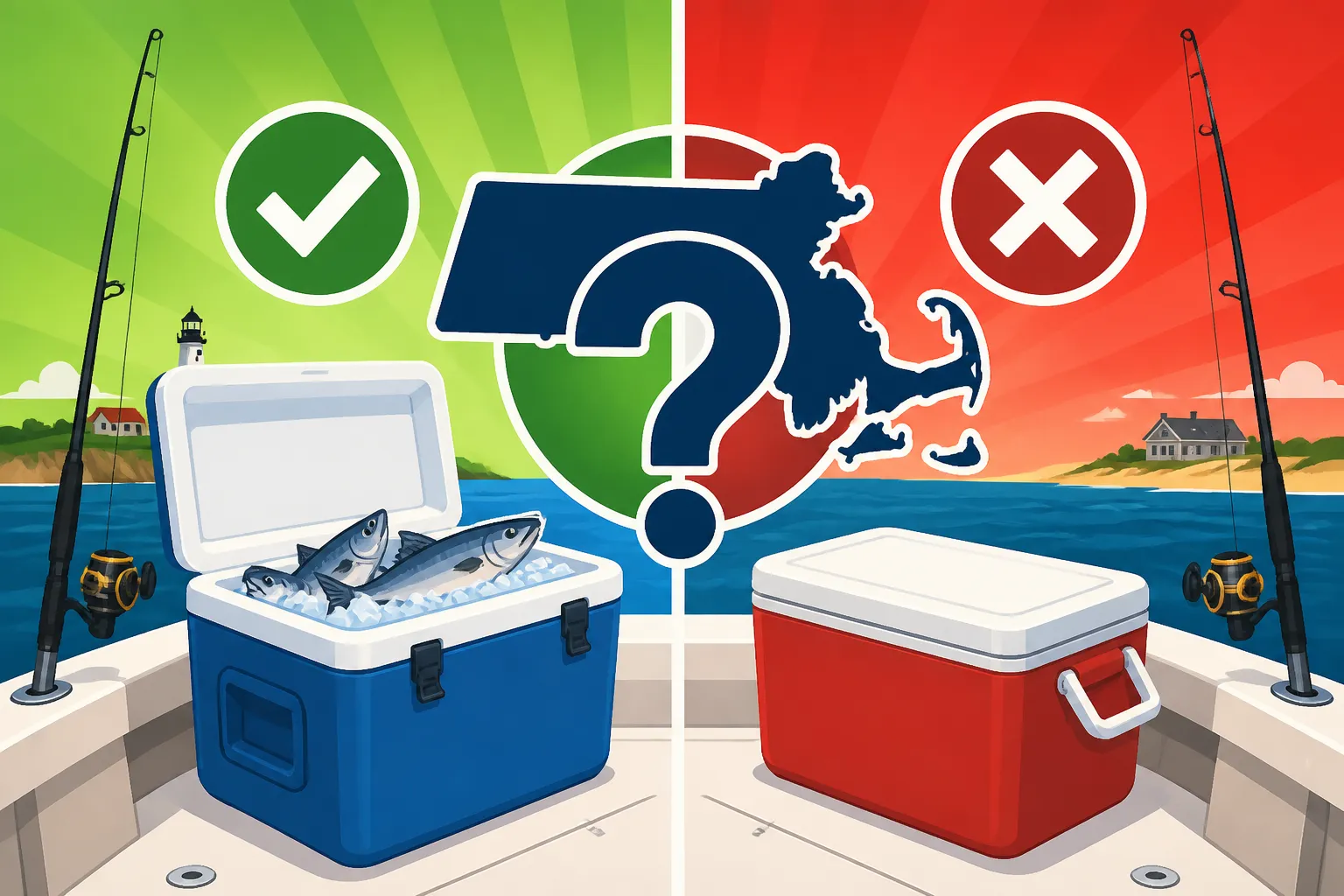
Picture this: you’ve booked a fantastic Massachusetts fishing charter, the excitement is bubbling, and you’re running through your mental checklist. Rod? Check. Sunscreen? Check. Snacks? Definitely check. But then it hits you: should you bring a cooler? It's a common question, and frankly, a bit of a head-scratcher for many anglers, especially if it’s your first time heading out on the open waters of the Bay State. You don't want to overpack and be a nuisance, but you also don't want to be caught unprepared. This guide is here to clear up that confusion, helping you decide if a cooler is a necessary piece of gear for your Massachusetts fishing adventure.
The Essential Question: Do You Even Need to Bring a Cooler?
It’s easy to assume that a fishing trip automatically means you need a giant cooler. After all, you’re going to catch fish, right? And you want to keep them fresh! While that logic isn't wrong, the reality of charter fishing, especially here in Massachusetts, often has nuances that can make your personal cooler either an absolute lifesaver or an unnecessary piece of bulk taking up valuable deck space. Understanding what your specific charter provides is the first step in making this decision.
Understanding the Charter's Provisions (and why you might not need one)
Most reputable fishing charters in Massachusetts are incredibly well-equipped, and that often includes provisions for keeping your catch cold and fresh. Think about it from the captain’s perspective: their business thrives on happy clients catching fish and taking home quality seafood. They know what it takes to protect that valuable bounty. Many charter boats, particularly those doing Massachusetts Striped Bass Charters or Massachusetts Bluefin Tuna Charters, will have built-in fish boxes that are heavily insulated and designed to hold a significant amount of ice and fish. These aren't just flimsy coolers; they're often integrated into the boat's design, making them highly efficient and robust.
Captains and crews are typically experts at handling and processing fish. They'll often bleed your catch immediately, which is crucial for taste and preservation, and then place it directly into these iced-down fish boxes. Sometimes, they even offer to fillet your fish for you at the end of the trip, an invaluable service for anglers who might not be comfortable with a knife on a moving boat or just want to relax after a long day. If this is the case, and your charter explicitly states they have ample iced storage for your catch, bringing your own large cooler for fish might be redundant. It could even be a logistical headache for the crew trying to navigate around extra gear on deck, especially if you’re on a popular trip like a Massachusetts Party Boat and Head Boat Fishing excursion where space is at a premium. Always check with your charter operator or look at their FAQ section on their website or on booking platforms like FishingBooker before you head out.
When a Personal Cooler Becomes Handy (Beyond Fish)
Even if the charter boat has excellent fish storage, there are still compelling reasons why a smaller, personal cooler could be a fantastic addition to your gear. This is where the distinction between a "fish cooler" and a "personal provisions cooler" becomes important.
Consider your personal comfort and sustenance throughout the day. A full-day trip on the water, whether you're targeting Massachusetts Striped Bass Size and Bag Limit or heading offshore for larger game, can be a long haul. You'll want drinks, snacks, sandwiches, and maybe even a few celebratory beverages (if permitted and consumed responsibly, of course). A small to medium-sized cooler is perfect for these items. It keeps your food fresh, your drinks cold, and prevents them from rolling around the deck. Imagine trying to keep your lunch from getting soggy or your soda from turning lukewarm on a hot summer day – that’s where your personal cooler shines.
Moreover, if you have specific dietary needs, allergies, or just prefer your own homemade snacks, having a dedicated spot to store them makes a lot of sense. It also helps keep the boat tidy. Instead of having various bags and containers cluttering up the seating areas, everything can be neatly stowed in your cooler. This is particularly true if you're bringing along kids on a Family-Friendly Fishing Charters in Massachusetts trip; having their favorite drinks and snacks readily accessible and cold can be a game-changer for their enjoyment and your sanity.
What to Consider Before Packing That Cooler
Okay, so you've decided a cooler might be a good idea, at least for your personal items. Now, let's talk about the practicalities. Not all coolers are created equal, and not all cooler situations are the same on a boat. Making the right choice involves thinking about size, insulation, and how you'll manage it during the trip.
Size, Space, and Stowing Away
This is probably the most critical factor. Boat space, especially on a charter, is precious. Nobody wants to trip over your enormous cooler when a big fish is on the line. The general rule of thumb for personal coolers is to go smaller rather than larger. A 25-quart to 45-quart cooler is usually more than sufficient for drinks and snacks for a few people on a half-day or full-day trip. If you’re a solo angler or a couple, even a smaller soft-sided cooler might do the trick.
Think about where it will sit. Many boats have designated storage areas, but these can be limited. Your cooler should ideally be able to fit under a seat, in a corner out of the way, or stack neatly if there are other personal items. A good tip is to choose a cooler with a flat top that can double as extra seating if needed, though always check with the captain first. A well-placed, modest-sized cooler is a convenience; an oversized, cumbersome one is a hazard and an annoyance. Before bringing it, consider the type of boat you'll be on – a smaller center console might have very different space constraints than a larger offshore sportfisher.
Keeping Your Catch Fresh: Ice Management
If, after speaking with your captain, you decide you do need to bring a cooler for your actual fish (perhaps it's a small boat, or you're specifically targeting a species you want to take extra care with, or you just want to transport fillets home), then ice management becomes paramount.
First, always start with a pre-chilled cooler. Don't just dump ice into a warm cooler right before you leave; the ice will melt quickly just bringing the cooler's internal temperature down. Pre-chill it overnight with a sacrificial bag of ice or frozen water bottles. Second, use plenty of ice. Block ice melts slower than cubed ice, so a combination is often best. Cubed ice can surround your catch quickly, while block ice provides long-lasting cold. Some anglers even prefer using frozen gel packs or reusable ice packs in combination with traditional ice for an extra layer of chilling power.
When you do put fish in, try to layer them with ice. Don't just throw fish on top of ice or, worse, just on top of other fish. You want maximum contact with the cold surface. For prolonged freshness, especially on longer trips or warmer days, you can even add a little saltwater to the cooler with the ice to create an icy brine. This method, often called an "ice slurry," can keep your fish incredibly cold and prevent freezer burn if you plan to keep it on ice for an extended period before cleaning. Remember, proper care of your catch begins the moment it hits the deck, and good ice management in your cooler is a huge part of that.
| Cooler Type | Best Use on Charter | Pros | Cons |
|---|---|---|---|
| Small Soft-Sided | Personal snacks, drinks, small lunch | Lightweight, flexible, easy to store, often has shoulder strap | Limited capacity, less insulation, not suitable for fish |
| Small Hard-Sided | Personal provisions, small amount of fillets | Good insulation, durable, can double as a seat | Can be bulky, takes up more floor space than soft-sided |
| Large Hard-Sided | Transporting fillets home from the dock, extra fish (if captain approves) | Excellent insulation, large capacity | Very bulky on deck, heavy when full, usually redundant on chartered boats |
| Backpack Cooler | Individual use, hands-free transport | Convenient for carrying, leaves hands free for gear | Limited capacity, can get heavy on your back |
The "What If" Scenario: Catching More Than Expected
This is a fun problem to have, isn't it? You hit a hot bite while on a Massachusetts Recreational Fishing Rules and Bag Limits trip, and suddenly you've filled the boat's fish box (or met your personal limit) quicker than you thought possible. What happens if you catch an absolute monster striped bass or a limit of fluke, and there's no more room?
This is a scenario worth discussing with your captain before you depart. Most experienced charter captains are prepared for this and will have extra solutions, whether it's more ice in a backup bin or a method to consolidate. However, if you are bringing your own cooler specifically for fish, and you manage to fill it, you might be at a point where you need to stop fishing for that species, or practice catch and release for subsequent fish.
It's crucial to respect bag limits and size restrictions (like the Massachusetts Striped Bass Slot Limit Explained) to ensure sustainable fishing. No amount of cooler space can override the regulations. If you're on a multi-day trip or planning a really epic haul, you might need to coordinate with the charter for offloading and processing at the dock. For most recreational day trips, the boat’s capacity for ice and fish, combined with your personal provisions cooler, will be more than enough. When booking your trip, especially through a service like FishingBooker, you can usually find details about fish handling and storage or ask the captain directly through the platform's messaging system.
Cooler Etiquette and Best Practices on a Massachusetts Charter
Bringing a cooler onto someone else's boat, even a charter, requires a certain level of etiquette. It's not just about what you bring, but how you manage it and interact with the crew regarding its presence. Good communication and respect for the boat's operations go a long way.
Communicating with Your Captain
This cannot be stressed enough: always ask your captain about bringing a cooler. A quick phone call or email before the trip will save you potential hassle and ensure you're not bringing something unwelcome. You might ask, "Hey Captain, I'm planning to bring a small cooler for drinks and snacks. Is that okay, and do you have a preferred spot for it?" Or, if you're thinking about bringing a fish cooler, "Do you have enough fish storage on board, or should I bring a cooler for my catch?"
The captain might have specific policies, especially regarding glass bottles (often a no-go for safety reasons on deck) or alcoholic beverages. They might also have limited deck space or specialized fish holds they want to use exclusively. Getting clarification beforehand shows respect for their vessel and their expertise. It also helps them plan for your trip. They might even suggest a better alternative or reassure you that they've got everything covered. This simple act of communication can prevent awkward moments and ensure a smoother, more enjoyable fishing experience for everyone.
Designating Your Cooler's Purpose
Once on board, be clear about your cooler's role. Is it for your lunch and sodas? Or is it intended for fish you catch? This helps the crew understand where it should be stowed and how it should be treated.
If it's your personal provisions cooler, keep it accessible but out of the main working areas. Ensure it's not blocking pathways, emergency exits, or the fishing action. If you're using it for fish (after confirming with the captain), then it should be ready with ice and located where the crew can easily access it to place your catch, or where you can manage it without interfering with their operations. Don’t just assume the crew will move your cooler for you; be proactive in keeping it out of the way. Having a specific purpose for your cooler also prevents confusion. You don't want a deckhand mistakenly putting a bloody fish into your cooler full of sandwiches! Clearly mark or communicate the contents to avoid any mix-ups.
Post-Trip Care for Your Catch and Cooler
The trip isn't over when the lines are reeled in. What you do with your catch and your cooler immediately after the charter is just as important as during the trip.
If your charter offers filleting services, take advantage of them. Many will do this right at the dock, and it's a huge convenience. You'll then have clean, ready-to-cook fillets to put into your personal cooler for the ride home. If you didn't bring a fish cooler but need one for transport, some marinas or bait shops near the docks will sell ice and even disposable coolers. It’s always a good idea to have a plan for how you’ll get your fish home, especially if you have a long drive. Bringing an empty, pre-chilled cooler in your car is an excellent strategy for this. You can then transfer your freshly filleted and bagged fish into your car cooler for the journey.
Once home, clean your cooler thoroughly. Fish slime and odors can linger, so a good wash with soap and water, followed by a rinse with a diluted bleach solution (if compatible with your cooler material) and thorough drying, will keep it fresh for your next adventure. Taking care of your gear extends its life and ensures it’s always ready for the next time you hit the water.
Alternative Solutions and Charter Services
Sometimes, the best solution to the cooler dilemma is to simply not bring one. Many charter services in Massachusetts are designed to make your life easy, offering amenities that negate the need for you to haul extra gear.
Relying on the Boat's Amenities
As mentioned earlier, most legitimate fishing charters will have robust, built-in fish boxes that are perfectly suited for keeping your catch fresh. These are often superior to anything you could bring from home, both in terms of insulation and drainage. They are designed for heavy-duty use and are an integral part of the boat's operation.
Beyond fish storage, some charters might even offer complimentary bottled water or have a small galley where you can purchase drinks and snacks. This varies widely from charter to charter, so it's another good question to ask when booking. If you're flying in for a vacation and don't want the hassle of buying and transporting a cooler, finding a charter that handles all these details can be a significant convenience. This allows you to focus purely on the fishing experience, like mastering Jigging Techniques for Cape Cod Canal Stripers or battling a mighty tuna.
When to Book a Charter That Provides All
For those who want a truly hassle-free experience, there are charters that market themselves as "all-inclusive" or "full-service." These are often higher-end operations, but they take care of nearly everything. This can include:
- Rods, reels, and tackle: Standard for almost all charters, but premium setups might be included.
- Bait: Always included.
- Fishing licenses/permits: While you usually need your own Massachusetts Saltwater Recreational Fishing Permit Explained or freshwater license, some charters might have blanket permits for certain types of fishing (though this is rare for individual anglers). Always verify your personal license requirements.
- Drinks and snacks: Often included, sometimes even full meals.
- Fish cleaning and bagging: Many do this, but full-service charters might offer more comprehensive handling.
If you’re planning a special occasion, like a corporate outing, a bachelor party (check Booking a Massachusetts Charter for a Bachelor Party rules!), or simply want to treat yourself, a charter that handles absolutely everything might be worth the extra cost. It removes all the logistical headaches and lets you step onto the boat ready to fish, without a single cooler worry.
Planning Ahead with FishingBooker
When you're trying to figure out the cooler situation, or any other detail about your fishing trip in Massachusetts, using a platform like FishingBooker can be incredibly helpful. It's not just for finding a boat; it's a great resource for getting answers to all your logistical questions.
Many listings on FishingBooker will detail what's included in the trip, such as "cooler on board for drinks," "fish cleaning included," or "please bring your own cooler for fillets." If it's not explicitly stated, the platform usually allows you to message the captain directly. This direct line of communication is invaluable for clarifying policies on coolers, food, drinks, and any other specific needs you might have. You can easily ask, "Do I need to bring a cooler on this trip?" and get a personalized answer from the person who knows their boat best. This proactive approach, facilitated by comprehensive booking platforms, ensures that when you step aboard, you're fully prepared and ready to enjoy your Massachusetts Fishing Charter Costs adventure without any last-minute cooler conundrums.
Ultimately, the decision to bring a cooler on a Massachusetts fishing charter boils down to communication and common sense. A small personal cooler for your sustenance is almost always a good idea, as long as it's compact and doesn't impede movement. For your prized catch, trust your captain's provisions unless explicitly told otherwise. A little planning goes a long way in ensuring your fishing trip is memorable for all the right reasons, not for a cooler-related mishap!
Disclaimer
This article is for general informational purposes only and does not constitute professional advice. Laws, prices and regulations vary by location and change over time. Consult a qualified professional for guidance on your specific situation.