What’s included in a bottom fishing charter
You've decided to embark on a bottom fishing charter here in Massachusetts, which is an excellent choice for some fantastic local species! But as you scroll through various charter listings, you might find yourself scratching your head, wondering what exactly comes with the price tag. It's a common dilemma, and frankly, the details can sometimes feel a bit murky. This guide is here to clear up that confusion, breaking down what you can typically expect to be included in a Massachusetts bottom fishing charter, and what you'll usually need to handle yourself, so you can book with confidence and focus on the fun.
Decoding Your Bottom Fishing Charter Package in Massachusetts
Booking a fishing charter should be an exciting prospect, not a guessing game. When it comes to bottom fishing in Massachusetts, most reputable charters aim to make your experience as smooth as possible by providing the core essentials. However, understanding what falls under "essential" can vary slightly, so let's break down the typical inclusions that really matter.
Essential Inclusions: What Every Bottom Charter Should Provide
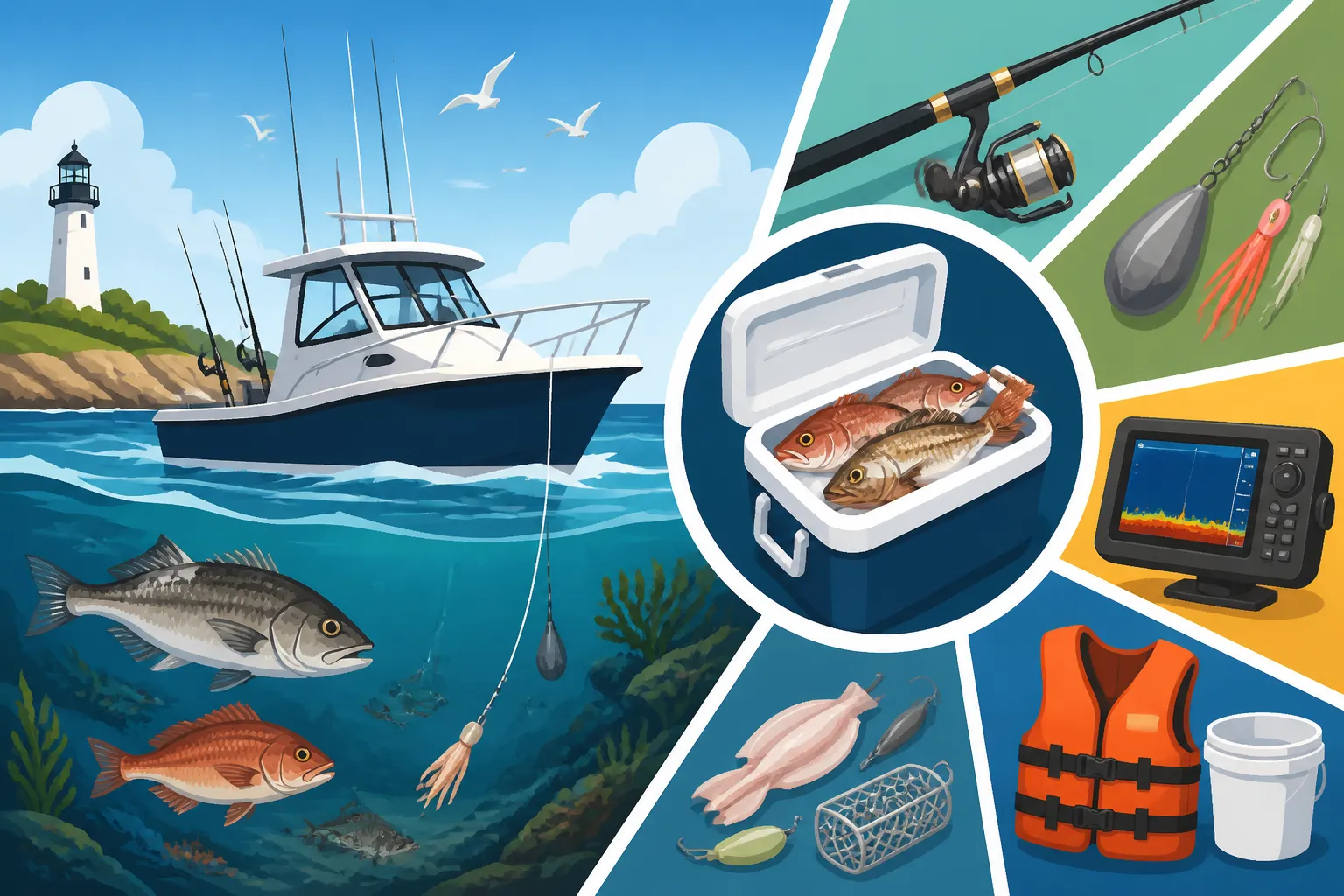
First and foremost, when you book a bottom fishing charter, you're paying for access to a vessel and the expertise of its captain and crew. This isn't just a joyride; it's a dedicated trip focused on putting you on fish. The boat itself, whether it's a center console, a walk-around, or a larger sportfisher, is obviously included. It will be equipped with all the necessary safety gear, navigation equipment, and fish-finding electronics crucial for a successful day on the water.
Beyond the boat, the most important inclusion is the fishing gear. Imagine showing up ready to fish, only to realize you needed to bring your own rods and reels! Thankfully, this is almost universally covered by bottom fishing charters. They'll supply appropriate rods and reels, usually sturdy conventional or spinning setups, spooled with line suitable for the local species you'll be targeting, like tautog, scup, fluke, or even cod. Don't worry about bringing your own tackle box either; a good charter will have a plentiful supply of hooks, sinkers, leader material, and swivels designed to handle the various depths and currents found in Massachusetts' bottom fishing grounds.
Finally, bait is almost always provided. For bottom fishing, fresh bait is key, and charters know this. You can expect to find buckets of fresh or frozen bait onboard, tailored to what's biting. Common choices for Massachusetts bottom species include clams, squid, crabs (especially for tautog!), and sometimes cut fish like mackerel or menhaden. The crew will usually bait your hooks for you, or at the very least, show you how to do it effectively, ensuring you're fishing with the best presentation possible.
The Captain and Crew: More Than Just a Ride
The captain of your bottom fishing charter is much more than just a boat driver; they are your guide, your safety officer, and your fish whisperer all rolled into one. Their experience navigating Massachusetts' varied waters – from the rocky bottom structure of Cape Ann to the sandy flats of Buzzards Bay or the deeper ledges offshore – is invaluable. They know the tides, the currents, and where the fish tend to hold based on the season and conditions. Their primary role is to get you to the best fishing spots safely and efficiently. You might find some excellent options through platforms like FishingBooker, which often detail captain's experience and specializations.
Supporting the captain is often a dedicated mate or crew member, especially on larger vessels. This person is your hands-on assistant throughout the trip. They're typically responsible for setting up your rods, baiting hooks, untangling lines, gaffing or netting fish, and providing general assistance. If you've never bottom fished before, or if you're bringing kids along, a good mate can make all the difference, offering tips and ensuring everyone has a good time without getting frustrated. They're a vital part of the charter experience, helping to maximize your fishing time and enjoyment.
Bait and Tackle: The Angler's Arsenal
As mentioned, bait and tackle are standard inclusions. But let's dive a little deeper into what that typically means for bottom fishing in Massachusetts. For tackle, expect a range of terminal gear. This usually involves circle hooks or J-hooks in various sizes, often snelled or tied directly to fluorocarbon leader material, which is less visible to fish. Sinkers will be plentiful, from egg sinkers to pyramid sinkers, allowing the crew to adapt to changing currents and depths to keep your bait on the bottom where the fish are. They'll also have specialized rigs, like hi-lo rigs or slip-sinker rigs, ready for targeting different species.
The bait provided is almost always fresh and high-quality, as the success of the trip often hinges on it. For specific species, you'll see targeted baits: for scup and flounder, small pieces of clam or squid are common; for tautog, green crabs, fiddler crabs, or even pieces of conch are often on the menu; and for cod or other groundfish, large pieces of clam, squid, or sometimes jigging with artificials might be employed. The crew handles the sourcing and storage of this bait, ensuring it's fresh and readily available throughout your trip. This takes a huge burden off you, the angler, who might not know where to find the best bait or what's even effective for the day. For more on what you might catch, check out our guide on Massachusetts Fluke Size Limits Explained or Bottom Fishing for Tautog in Massachusetts.
Beyond the Basics: Common Extras and What to Expect
While the core components of a bottom fishing charter are usually consistent, there are several other elements that might or might not be included, or come with an additional cost. It's crucial to clarify these details when booking to avoid any surprises on the day of your trip.
Fishing Licenses and Permits: Your Responsibility or Theirs?
This is a big one, and it's almost always the angler's responsibility to possess a valid fishing license or permit. For saltwater bottom fishing in Massachusetts, every angler aged 16 and older needs a Massachusetts Saltwater Recreational Fishing Permit. While some very large head boats (party boats) might hold a blanket permit that covers all passengers, it's rare for smaller private charters to do so.
Always assume you need your own permit. It's usually easy to purchase online through the MassFishHunt system before your trip. For more detailed information, be sure to read Massachusetts Saltwater Recreational Fishing Permit Explained. Don't show up without one, as fishing without the proper documentation can lead to fines, and no charter captain wants that kind of trouble on their boat! When browsing options, particularly on booking sites like FishingBooker, the listing will usually specify if permits are not included.
Fish Cleaning and Filleting: From Catch to Cooler
So, you've had a great day and caught a cooler full of delicious bottom fish. What happens next? Most Massachusetts bottom fishing charters will offer to clean and fillet your catch as part of their service, often for no additional charge beyond the tip. This is a huge convenience, saving you the messy work at home and ensuring your fish are properly prepared for cooking. The crew usually has a dedicated station for this on deck or at the dock.
However, it's always a good idea to confirm this service when you book. Some charters, particularly if they are rushing to get off the dock for another trip, might offer a quicker gut-and-gill service, or might ask for a small additional fee for extensive filleting. They'll often provide bags for your fillets, but it's wise to bring your own cooler with ice to transport your fresh catch home safely. In some cases, especially with abundant catches, a charter might have limits on how much they can fillet for you, or they may refer you to a local fish processor at the dock for a fee.
Drinks, Snacks, and Amenities: Comfort on the Water
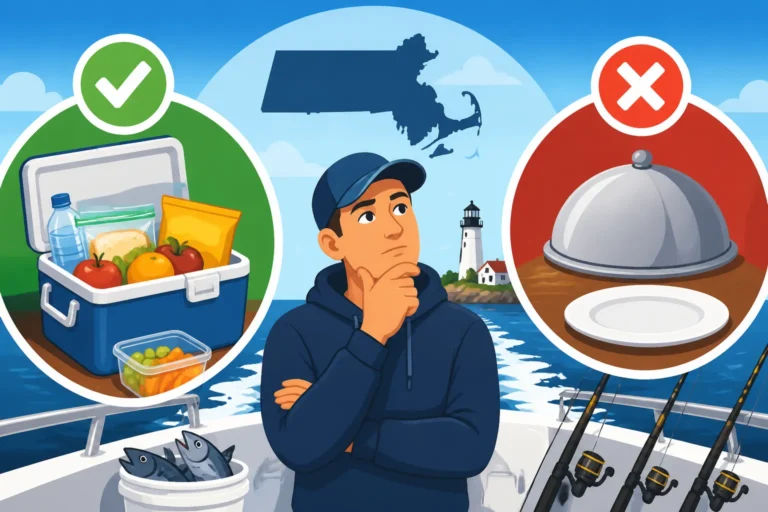
The general rule here is: don't expect a full catering service unless specifically advertised. Most charters will provide a cooler stocked with ice and bottled water for your convenience. Some might go a step further and offer a few sodas or light snacks. However, for anything more substantial, you should plan to bring your own.
Think about your personal preferences for drinks and snacks, especially for a half-day or full-day trip. Pack sandwiches, chips, fruit, or anything else you might want. If you bring alcoholic beverages, remember to check the charter's policy beforehand; some allow beer and wine in moderation, while others have a strict no-alcohol rule. Always use common sense and drink responsibly on the water. Other amenities like restrooms (a "head") are typically found on larger charter boats, but smaller, faster boats might have more basic facilities, or none at all. If having a proper restroom is important to your group, definitely inquire when booking.
Preparing for Your Bottom Fishing Adventure: What You Should Bring
A successful fishing trip isn't just about what the charter provides; it's also about what you, the angler, bring along to ensure your comfort and readiness. Being prepared can make a huge difference in your overall enjoyment, especially when you're out on the unpredictable Massachusetts coast.
Personal Essentials: Clothing, Sun Protection, and Comfort
The weather in Massachusetts, especially on the water, can change in an instant. Layering your clothing is absolutely crucial. Even on a warm summer day, the ocean breeze can feel chilly, and conversely, the sun reflecting off the water can be intense. Start with a moisture-wicking base layer, add a fleece or sweatshirt, and top it off with a waterproof and windproof jacket. You'll thank yourself when a sudden squall rolls through!
Sun protection is non-negotiable. Bring a wide-brimmed hat, polarized sunglasses (they help cut glare and see into the water better!), and plenty of high-SPF sunscreen. Even on cloudy days, UV rays penetrate. Comfortable, non-slip shoes or boots are also vital for safety on a wet deck. If you're prone to seasickness, take medication like Dramamine or Bonine before you board the boat, as it's much more effective as a preventative. Check out our detailed guide on What to Bring on a Massachusetts Fishing Charter for more packing tips.
Food, Drinks, and Cooler Considerations
As we discussed, while water might be provided, it's always a good idea to bring your own food and drinks to keep your energy up throughout the trip. Sandwiches, fruit, granola bars, and plenty of hydrating beverages are perfect. Bring a separate cooler for your personal food and drinks, if space allows, so it doesn't get mixed in with the boat's provisions or your catch.
Speaking of your catch, remember to bring a large cooler filled with ice for transporting your freshly filleted fish home. The crew will usually have bags for your fish, but having your own cooler ensures they stay cold and fresh on the ride home, which is especially important on a warm day. A good general rule is one cooler for your personal items and one dedicated cooler for your fish.
Photography and Personal Items
You're going to want to remember this trip! Bring your phone or a waterproof camera to capture those moments – the sunrise over the Atlantic, the thrill of reeling in a big tautog, or a group shot with your day's haul. Just make sure you have a waterproof bag or case for your electronics, as spray and splashing are inevitable on a fishing boat.
Don't forget any personal medications you might need throughout the day. A small dry bag or backpack can be invaluable for keeping all your personal items secure and dry. It's better to be overprepared than underprepared when you're out on the open water.
Understanding Costs and Booking Considerations
Understanding what's included also means understanding the cost structure and what additional expenses you might incur. Being fully informed allows you to budget correctly and ensures a smooth, enjoyable experience from start to finish.
Flat Rates, Hourly Charges, and Tipping Etiquette
Most Massachusetts bottom fishing charters operate on a flat rate for a set number of hours (e.g., half-day, full-day, or extended trips). This rate typically covers the boat, captain, crew, fuel, gear, and bait. Some might offer hourly rates for shorter trips, but this is less common for dedicated bottom fishing. Always confirm the exact duration of the trip when booking.
One crucial aspect often not included in the upfront price is the tip for the captain and crew. Tipping is customary and highly encouraged, especially if you had a good experience, the crew worked hard, and you caught fish. A standard tip usually ranges from 15-20% of the total charter cost. Remember, the mate often works for tips alone, so a generous tip directly reflects their hard work. For more insights on this, check out our guide on Massachusetts Charter Boat Tipping Etiquette.
Reading the Fine Print and Asking the Right Questions
Before you finalize any booking, especially when using platforms like FishingBooker, take the time to read all the details. Look for a "what's included" or "what to bring" section. If anything is unclear, don't hesitate to reach out to the charter operator directly. It's always better to ask a "silly question" beforehand than to face an unexpected situation on the day of your trip.
Key questions to ask might include:
- "Do I need my own fishing license for this trip?"
- "Is fish cleaning and filleting included, or is there an extra charge?"
- "What kind of bait will you be using?"
- "Are drinks and snacks provided, or should I bring my own?"
- "What is your cancellation policy in case of bad weather?" (You can learn more about this in Massachusetts Charter Fishing Cancellation Policies).
- "How many people can comfortably fish at once?"
Selecting the Right Charter for Your Group
The inclusions and overall experience can also be influenced by the type and size of the charter boat, as well as the target species. A smaller, faster boat might focus on specific inshore bottom structure for tautog or fluke, while a larger vessel might head further offshore for cod or black sea bass.
Consider your group's experience level. If you're bringing beginners or children, a charter with a dedicated, patient mate who enjoys teaching might be a priority. If you're a seasoned angler looking for a challenge, you might prioritize a captain known for finding trophy fish. Don't be afraid to communicate your expectations and preferences when you're making inquiries; a good charter operator will help guide you to the best fit.
Here's a quick summary of typical inclusions and what you should plan for:
| Category | Typically Included by Charter | Often an Extra/Angler's Responsibility | Always Angler's Responsibility |
|---|---|---|---|
| Fishing Essentials | Boat, Captain, Crew, Fuel, Rods, Reels, Basic Tackle, Bait | ||
| Licenses & Permits | Group Permit (rare for private charters) | Individual Massachusetts Fishing License/Permit (16+ yrs old) | |
| Fish Handling | Fish cleaning & filleting (usually for tip) | Bringing a cooler with ice for transport | |
| Refreshments | Ice, Bottled Water | Personal snacks, meals, specific beverages (alcohol per policy) | |
| Safety Gear | Life jackets, First-aid, Navigation & Communication equipment | ||
| Personal Comfort | Appropriate clothing, sun protection, seasickness meds, camera | ||
| Gratuity | Tip for Captain & Crew (15-20% customary) |
By understanding these distinctions, you'll be well-prepared for your Massachusetts bottom fishing adventure. Now you can focus on the exciting part: dropping a line and reeling in some fantastic fish!
Disclaimer
This article is for general informational purposes only and does not constitute professional advice. Laws, prices and regulations vary by location and change over time. Consult a qualified professional for guidance on your specific situation.