How many rods a 6-person charter provides
One of the common questions that pops up when you're planning a fishing trip with a group, especially in a popular fishing destination like Massachusetts, is how many rods a charter boat will actually provide. It's a valid concern! You don't want to show up with five friends, all eager to cast a line, only to find there aren't enough setups to go around. This guide is here to demystify the rod situation on a typical 6-person Massachusetts fishing charter, helping you set clear expectations and ensure a smooth, enjoyable day on the water.
Understanding Standard Rod Provisions on Massachusetts Charters
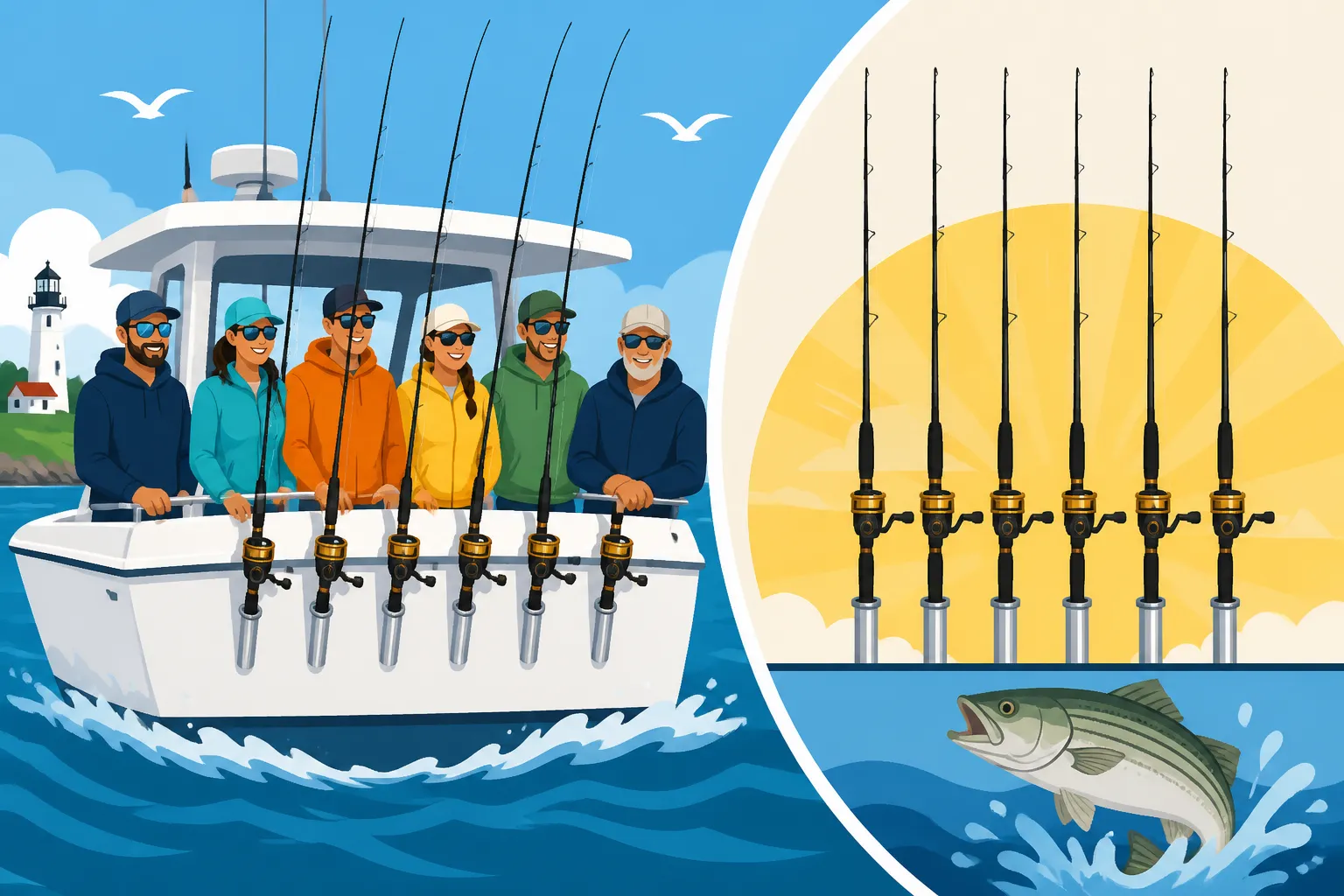
When you book a 6-person fishing charter in Massachusetts, whether you're targeting striped bass off Cape Cod or chasing bluefin tuna offshore, you can generally expect the captain to have more than enough rods for everyone on board. The standard practice for most reputable charters is to provide one rod per angler actively fishing, plus a few extra as backups or for specialized techniques.
The "One Rod Per Angler" Rule of Thumb
Think of it this way: if you have six people on your charter, the captain will almost always have at least six rods ready to go, often more. This ensures that every single person in your party can actively fish at the same time. No one wants to sit idle while others are reeling in fish, right? Captains understand this and aim to maximize your fishing time and enjoyment. These rods are usually matched to the target species and local conditions, so you're not trying to catch a monster striper on a ultralight trout rod. They'll have the right action, line strength, and reel size for what you're after.
For example, if you're heading out for Massachusetts Striped Bass Charters, the captain will likely have medium-heavy spinning or conventional setups rigged with appropriate lures or baits. If you're venturing out for Massachusetts Bluefin Tuna Charters, you'll see heavy-duty conventional gear designed to handle powerful offshore species. The goal is always to equip each angler with a capable tool for the job.
Factors Influencing Rod Count Beyond the Basics
While one rod per angler is a good baseline, the actual number of rods on a 6-person charter can fluctuate based on several factors. It's not just about meeting the minimum; it's about optimizing the fishing experience.
- Type of Fishing:
- Bottom Fishing: If you're dropping lines for tautog, fluke, or black sea bass, a captain might have more rods available, sometimes even two per angler if the action is slow and deck space allows, or if they want to try different baits simultaneously.
- Trolling: For species like tuna or certain striped bass techniques, trolling typically involves a spread of 4-6 rods actively fishing from the boat's rod holders. Even with six anglers, you might only have four lines in the water at a time to prevent tangles, with others ready for rotations or if someone wants to hand-crank a fish.
- Casting/Jigging: When everyone is actively casting or jigging, it's usually one rod per person to manage space and prevent lines from crossing.
- Backup and Specialty Rods: No matter the target, charter boats always carry extra rods. Lines break, reels malfunction, and sometimes, a fish runs off with a favored setup. Having backups means minimal downtime. Furthermore, a captain might have specialty rods for specific techniques – perhaps a lighter rod for casting small lures at breaking fish, or a heavier one for jigging deep. This versatility is part of what you pay for when booking a professional charter.
- Boat Size and Layout: A larger boat simply has more room for rod holders and storage. While a smaller 6-pack charter boat (meaning licensed for up to 6 passengers) will always be well-equipped, a larger vessel might have even more options available due to the physical space.
It’s always a good idea to confirm specifics when you're booking. Websites like FishingBooker often list what's included, or you can simply ask the captain directly. This clarity ensures everyone knows what to expect.
Why Charter Captains Manage Rod Numbers Carefully
You might wonder why a captain just doesn't bring out dozens of rods. It's not about being stingy; it's about safety, efficiency, and providing the best possible fishing experience for your group.
Deck Space, Safety, and the Art of the Bite
Imagine six anglers on a boat, each with two or three rods taking up valuable deck space. It quickly becomes a tripping hazard, an organizational nightmare, and an absolute recipe for tangled lines and frustration.
- Safety First: A cluttered deck is dangerous. Rods and tackle boxes lying around can cause falls, especially when the boat is moving or the seas get a little choppy. Captains prioritize safety above all else, and keeping the deck clear is a major part of that.
- Minimizing Tangles: More lines in the water, especially with inexperienced anglers, almost guarantees tangles. Nothing kills the vibe faster than spending precious fishing time untangling lines. Captains skillfully manage the number of active lines to reduce this, allowing each angler a better chance to feel a bite and fight a fish without interference.
- Managing the "Bite": Often, when a school of fish is found, the bite can be fast and furious. The captain needs to be able to quickly assist anglers, net fish, and re-bait hooks. If they're constantly navigating a maze of idle rods, their ability to help you maximize your catch is severely hampered. It’s a delicate balance of having enough opportunities without creating chaos.
Captains are masters of their craft, and part of that mastery involves efficient deck management. They've learned through countless trips what works best to keep everyone safe and catching fish.
Balancing Active Fishing with Specialized Techniques
Different fishing techniques require different approaches to rod management. A good captain adapts to what the fish are doing and how your group wants to fish.
- Active vs. Passive Fishing: If you're drift fishing or anchored for bottom dwellers, everyone might have a rod in hand. If you're trolling, the active role might rotate as only a few rods are deployed. A captain might have "stand-up" rods ready for jigging while others are trolling, giving anglers options. This means while only 4 rods might be active in the water at a time for a trolling spread, there might be 2 additional lighter setups ready for casting should a school of breaking fish appear.
- Teaching and Learning: Many charters cater to beginners or families with kids. In these situations, the captain or mate might spend more time assisting, baiting, and explaining techniques. Having a manageable number of rods allows them to focus on teaching without getting overwhelmed. This personalized attention is a huge benefit of a guided trip over just showing up at a busy public pier. Can Beginners Go on a Massachusetts Fishing Charter? is a common question, and the answer is usually a resounding yes, precisely because the crew is there to guide you.
- Maximizing Success: Ultimately, the captain's goal is to put you on fish and give you the best chance to catch them. This sometimes means running fewer lines more effectively rather than many lines haphazardly. They use their experience to decide on the optimal setup for the conditions and the species you're pursuing. If you're interested in specific methods, like Jigging Techniques for Cape Cod Canal Stripers or Live-Lining Eels for Massachusetts Striped Bass, communicating this beforehand allows the captain to prepare specialized tackle.
What to Do If You Need More Rods or Want to Bring Your Own
Communication is key when it comes to charter fishing. Don't leave anything to chance or assumption.
Communicating Your Needs Before Booking
If your group has specific preferences regarding rods, or if you're planning a trip with a particular focus that might require more specialized gear, always speak up when you book.
- Ask Directly: The simplest solution is to ask the charter captain or booking agent (e.g., through platforms like FishingBooker) directly: "How many rods will be available for our 6-person group, and can everyone fish simultaneously?" This clears up any ambiguity.
- State Your Intent: Are you all experienced anglers who prefer to jig with your own specialized setups? Or are you a family with kids, some of whom might just want to try it for a bit? Letting the captain know your group's experience level and expectations helps them prepare. For instance, if you're bringing kids, you might be interested in Kids Fishing Charters on Cape Cod, and these often have extra consideration for smaller hands and simpler setups.
- Bringing Your Own Gear: Most captains are perfectly fine with you bringing your own favorite rod and reel, especially if you're an experienced angler with a specific setup you trust. However, it is crucial to clear this with the captain in advance. Space is limited, and they might have rules about what type of gear is allowed on their boat (e.g., no treble hooks, specific line tests, etc.). They'll also want to ensure your gear is appropriate for the target species and doesn't interfere with their prepared tackle. This avoids any awkwardness or misunderstandings on the day of your trip.
- Special Requests: Perhaps one member of your party wants to try fly fishing for striped bass while the others spin fish. This is a specialized request and definitely needs to be discussed well in advance to see if the captain can accommodate it, or if it might impact the other anglers.
The Role of Backup and Specialized Rods on Board
Even if everyone is using the primary rods provided by the charter, it's reassuring to know that your captain will have an arsenal of backup and specialized gear at the ready.
- Quick Swaps: If a rod gets a bird's nest tangle, a reel jams, or a line snaps, a good captain or mate will have a replacement rod ready to go in moments. This minimizes your time out of the action, keeping the fishing momentum going strong.
- Adapting to Conditions: Fish can be finicky. What worked yesterday might not work today. A captain might switch up tactics mid-trip, going from live bait to artificial lures, or changing the depth. Having a variety of rods rigged for different scenarios allows them to adapt quickly and increase your chances of success. For example, if you're fishing for Black Sea Bass Fishing in Massachusetts, they might have heavier rigs for deeper water and lighter ones for shallower spots.
- Different Skill Levels: Sometimes, a charter will have a range of rod types to suit different skill levels. A beginner might get a simpler spinning setup, while a more experienced angler could be offered a conventional reel for more precision. This flexibility ensures everyone feels comfortable and confident with their gear.
Table: Typical Rod Provision by Charter Type (for a 6-person trip)
| Charter Type | Primary Rods per Angler | Backup/Specialty Rods | Total Rods Typically On Board | Common Use Case |
|---|---|---|---|---|
| Striped Bass Inshore | 1 | 2-4 | 8-10 | Casting, jigging, light trolling |
| Bottom Fishing | 1-2 (if space allows) | 2-3 | 9-12 | Dropping bait for fluke, tautog, cod, scup |
| Bluefin Tuna Offshore | 1 (heavy-duty) | 2-3 | 8-9 | Trolling, jigging, stand-up fighting |
| Mixed Bag/General | 1 | 2-4 | 8-10 | Combination of techniques, varied species |
Note: These are general estimates. Always confirm with your specific charter.
Beyond the Rods: Other Essential Gear Your Charter Provides
While rods are a big part of the equation, a comprehensive charter experience includes much more than just the fishing pole. Professional captains think of everything to make your trip as hassle-free and productive as possible.
Bait, Tackle, and the Convenience Factor
One of the biggest advantages of booking a charter is that you don't have to worry about sourcing bait or having the right tackle. It's all handled for you.
- Fresh Bait: Captains wake up early or have trusted suppliers to ensure they have the freshest bait, whether it's live mackerel, eels, bunker, squid, or clams, depending on what you're targeting and the time of year. Knowing what the fish are biting on is their business, and they'll have it ready. Trying to find fresh bait yourself, especially in the early morning hours before a charter, can be a real headache.
- Appropriate Tackle: From hooks, swivels, and sinkers to a variety of lures, jigs, and flies, the boat will be stocked with everything you need. This isn't just generic stuff; it's tackle specifically chosen for the local waters and the species you're after. You won't have to spend your precious time in a tackle shop wondering if you're buying the right gear. Plus, if you lose a lure to a snag or a toothy bluefish, replacements are readily available. Best Lures for Striped Bass in Massachusetts or Best Bait for Tautog Fishing in Massachusetts are questions the captain has already answered for you with their onboard selection.
- Cooler Space & Ice: Most charters will have a cooler with ice available for your drinks and snacks, and often a separate fish box for your catch. This means you don't need to haul a huge cooler yourself. Always ask if they provide ice for drinks, or if you should bring your own.
- Safety Gear: This is non-negotiable. Charters are regulated and must carry all necessary safety equipment, including life jackets for all passengers, first-aid kits, communication devices, and flares. You're in good hands.
- Fish Cleaning: Many charters offer to clean and fillet your catch at the end of the trip, often for a small fee or as part of the service. It's a fantastic convenience, as you can take your fresh fillets right home to the grill or freezer. Always confirm this service and any associated costs beforehand. Can You Keep the Fish You Catch on a Charter? and Whether the charter cleans and fillets your fish are excellent questions to ask when booking.
What You Might Still Want to Bring Along
Even though charters are well-equipped, there are a few personal items that will significantly enhance your comfort and enjoyment on the water.
- Sun Protection: Massachusetts sun, especially on the water, can be intense. Bring sunscreen (reef-safe if possible!), a wide-brimmed hat, and polarized sunglasses.
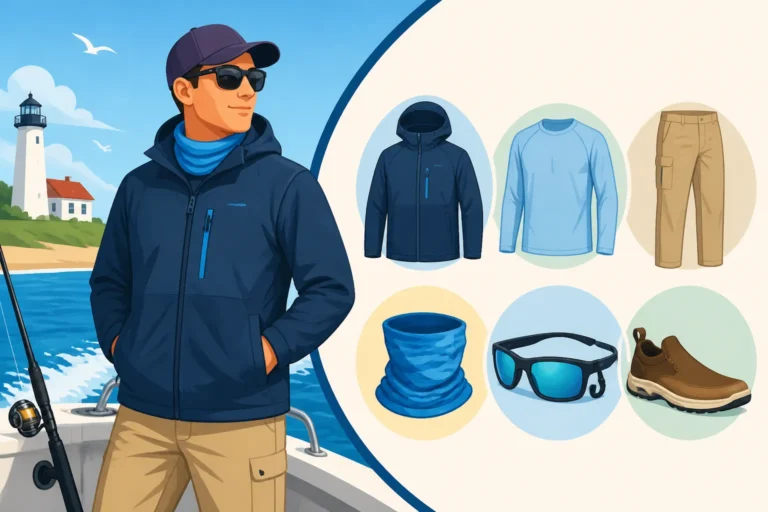
- Appropriate Clothing: Dress in layers! Even on a warm day, it can be significantly cooler on the water, especially in the mornings or evenings. Bring a rain jacket, even if the forecast looks clear, as conditions can change rapidly. Non-marking shoes are usually appreciated by captains. What to wear on a Cape Cod fishing charter covers this nicely.
- Food and Drinks: While ice and cooler space are provided, you'll need to bring your own snacks, lunch, and beverages. Stay hydrated! If you're wondering about adult beverages, ask the captain about their policy regarding alcohol on board. Is Alcohol Allowed on Massachusetts Fishing Charters? is a smart question to clarify.
- Camera: You'll want to capture those memories, whether it's a trophy fish or just the beautiful Massachusetts coastline.
- Motion Sickness Medication: If you're prone to seasickness, take preventative measures before you get on the boat. It's much easier to prevent it than to treat it once it starts. What to take for seasickness before a charter is good reading if you're concerned.
- Small Dry Bag: Handy for keeping your phone, wallet, and other electronics dry.
- Cooler for Your Fillets (Post-Trip): If the charter cleans your fish, you'll want a separate cooler in your car to transport your fresh fillets home.
By understanding what a 6-person Massachusetts charter typically provides in terms of rods and other gear, and by communicating any specific needs you have, you're all set for a fantastic day of fishing. Remember, the captain and crew are there to help you have the best experience possible, so don't hesitate to ask questions.
Disclaimer
This article is for general informational purposes only and does not constitute professional advice. Laws, prices and regulations vary by location and change over time. Consult a qualified professional for guidance on your specific situation.