Can Beginners Go on a Massachusetts Fishing Charter?
It’s a common misconception that fishing charters are only for seasoned anglers, the kind of folks who know their braided line from their mono and can tie a perfect Palomar knot blindfolded. You might be dreaming of reeling in a monster striped bass off Cape Cod or some tasty bottom fish, but a little voice in your head whispers, "I've never done this before! Will I just get in the way? Will they laugh at my terrible casting?" Let me tell you, as someone who's spent countless hours on the water, that couldn't be further from the truth. Massachusetts fishing charters are absolutely, unequivocally, designed for everyone, especially beginners. This guide will walk you through exactly why and how to make your first charter trip a fantastic, fish-filled adventure.
Dispelling the Myth: Why Charters Are Perfect for New Anglers
The idea that you need prior experience to enjoy a fishing charter is one of the biggest myths out there. Think of it less like an exclusive club and more like a guided tour where the guides are experts and all the heavy lifting is handled for you. It's an incredible opportunity to learn, explore, and simply enjoy the thrill of the catch without any of the usual fuss.
Expert Guidance on Tap
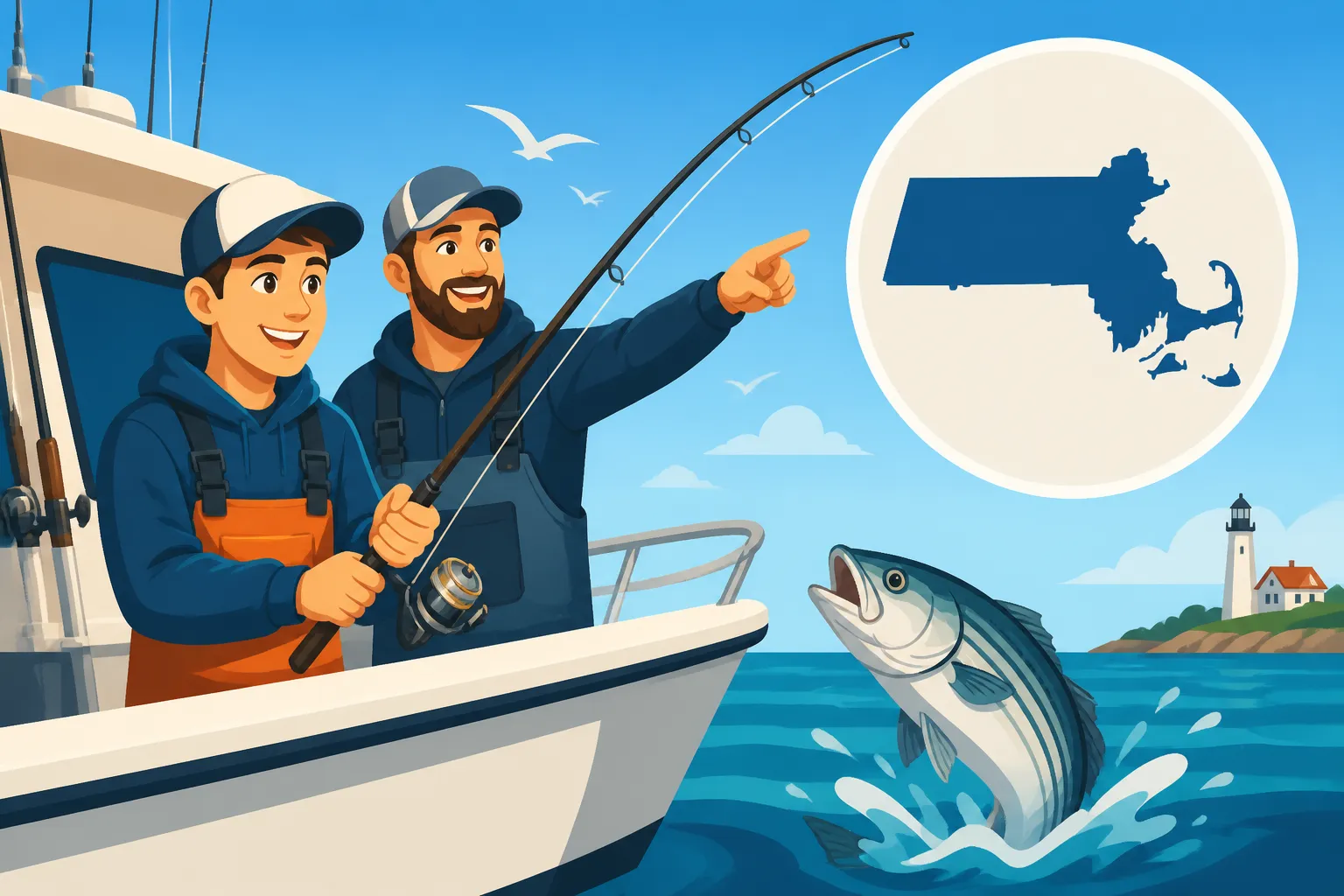
One of the most valuable assets on any Massachusetts fishing charter, especially for beginners, is the crew. These captains and mates aren't just boat drivers; they're seasoned professionals who live and breathe fishing. They understand the local waters, the fish behavior, and, crucially, how to teach. If you've never held a fishing rod, don't sweat it. The crew will be right there, patiently showing you how to hold the rod, how to cast (or drop the line, depending on the technique), and how to properly set the hook when you get a bite.
Imagine you're out on the ocean, maybe targeting some tautog near a rocky ledge. A fish hits your bait, and you feel that tell-tale tug. Instead of fumbling, a friendly deckhand is beside you in an instant, calmly instructing you to lift the rod tip, reel down, and keep the pressure on. They'll help you navigate the nuances of the fight, ensuring you don't lose that prized catch due to a rookie mistake. They're also incredible at identifying fish, explaining regulations, and sharing local lore. It's like getting a private fishing lesson combined with an ocean tour. This level of personalized instruction is something you just can't get fishing from shore or on your own.
All Gear, No Fear
Another huge hurdle for aspiring anglers is the sheer cost and confusion of fishing gear. Rods, reels, lines, hooks, sinkers, lures, bait – it can be an overwhelming list, not to mention a significant investment if you're not sure if fishing is for you. This is where fishing charters shine for beginners. Every single piece of equipment you'll need for the trip is provided.
The charter supplies high-quality rods and reels perfectly suited for the target species, fresh bait, and all the necessary tackle. This means you don't have to worry about buying the wrong type of hook, whether your line is strong enough, or if you even have the right lure. It's all there, ready to go. The crew will even rig your lines, bait your hooks, and de-tangle any unfortunate snarls (which, let's be honest, happen to everyone, not just beginners!). This complete outfitting frees you from the burden of gear acquisition and maintenance, allowing you to focus solely on the experience of fishing. It dramatically lowers the barrier to entry and lets you dip your toes into the fishing world without a huge upfront commitment.
Learning the Ropes (Literally!)
Beyond just catching fish, a charter trip is an immersive educational experience. You'll gain firsthand knowledge about the marine environment, fish species, and responsible angling practices. The captain and crew are a wealth of information. They'll often explain why you're fishing in a particular spot, how the tides and currents affect fish behavior, and the life cycle of the species you're targeting.
You might learn about the Massachusetts Saltwater Recreational Fishing Permit Explained and why certain species have specific size and bag limits. A captain might point out a seal colony or a pod of dolphins, enriching your understanding of the local ecosystem. For a beginner, soaking in this information can be incredibly valuable, helping to lay the groundwork for future fishing endeavors, should you choose to pursue them. You'll learn the practical skills of casting, retrieving, and fighting a fish, but also the broader context of what makes a successful and sustainable fishing trip. It’s an ideal way to bridge the gap between curiosity and genuine understanding of the sport.
What to Expect on Your First Massachusetts Fishing Charter
Embarking on your very first fishing charter is an exciting prospect! Knowing what to expect can help ease any pre-trip jitters and ensure you're ready to make the most of your time on the water. From finding the right boat to handling your first catch, it's a memorable journey.
Booking Your Adventure
The first step is finding a charter that suits your beginner status. Many charter captains in Massachusetts actively market themselves as "family-friendly" or "beginner-welcoming," which is a great sign. When you're researching, look for these phrases in their descriptions. You'll want to consider the type of fishing, the duration of the trip, and the size of the boat. A shorter, half-day trip is often ideal for a first-timer, as it allows you to get a taste of the action without committing to an entire day on the water, which can sometimes be tiring.
Platforms like FishingBooker are excellent resources for comparing different charters, reading reviews from past customers (who often mention how well the crew handled beginners), and understanding what each trip entails. Don't hesitate to call the captain directly if you have specific questions about their approach to novice anglers. They're usually very happy to put your mind at ease. Be sure to clarify what's included and what you might need to bring yourself. Many charters provide all the gear, but it's always good to confirm. Checking out pages like Booking a Fishing Charter on Cape Cod can also give you great regional insights.
The Day of the Trip: From Dock to Deck
On the day of your charter, plan to arrive a little early at the designated dock or marina. This gives you time to find parking, locate your boat, and get settled before the scheduled departure. The captain or mate will typically greet you, give a brief orientation, and run through any immediate safety instructions. This is where they'll show you where life jackets are, point out the head (bathroom), and give you a rundown of how the day will generally unfold.
Once you're underway, the captain will navigate to the fishing grounds. This can be a scenic part of the trip, offering views of the Massachusetts coastline, lighthouses, and wildlife. When you arrive at the fishing spot, the crew will explain the technique you'll be using, whether it's dropping bait to the bottom for flounder or casting lures for striped bass. They'll help you get your lines in the water, often baiting your hook for you initially, and encourage you to ask questions. The atmosphere on a charter is usually relaxed and friendly, focused on ensuring everyone has a good time.
Hooking Up and Handling Your Catch
This is the moment you've been waiting for! When you feel that first tug on your line, it's an exhilarating rush. The crew will be attentive, often spotting a bite before you even do and giving you prompts. If you hook a fish, they’ll provide verbal guidance on how to reel it in and manage the fight, then assist with landing the fish safely aboard. For beginners, they'll usually handle the de-hooking, especially with toothy species like bluefish, ensuring both your safety and the fish's well-being.
Once the fish is landed, the crew will explain if it's a "keeper" based on the Massachusetts Recreational Fishing Rules and Bag Limits (which vary by species and season) or if it needs to be released. If it's a keeper, they’ll often place it in a cooler on ice. Many charters offer filleting services back at the dock, so you can take home fresh, ready-to-cook fish. Even if you choose to release all your catches, the thrill of hooking and fighting a fish, even a small one, is a fantastic experience that will quickly build your confidence and enthusiasm for the sport.
Choosing the Right Charter for a Beginner in Massachusetts
Selecting the perfect charter for your first fishing trip in Massachusetts can make all the difference. It's not just about finding an open boat; it's about matching the experience to your comfort level and expectations. Different types of charters and target species offer varying levels of challenge and excitement.
Party Boat vs. Private Charter: Which is Best?
For beginners, the choice between a party boat (also known as a head boat) and a private charter is a significant one, each offering distinct advantages.
A party boat is generally a larger vessel that takes many individual anglers out fishing together. They are typically more budget-friendly as you only pay for your spot, not the whole boat. This can be a great way to experience offshore fishing without a huge financial commitment. The atmosphere is often lively and social, and there are usually several crew members on hand to help. However, the attention you receive from the crew will be spread among many people, so while they're helpful, it might not be as personalized. You'll likely be fishing elbow-to-elbow with other anglers, which can sometimes lead to tangled lines, but also offers a chance to observe more experienced fishermen. If you're looking for a low-cost, low-pressure introduction and don't mind sharing the experience, a party boat can be a fantastic option. You can learn more about these on Massachusetts Party Boat and Head Boat Fishing.
A private charter, on the other hand, means you have the entire boat and crew to yourself and your chosen group. This allows for much more personalized instruction and a custom-tailored trip. The captain can focus on exactly what you want to catch, teaching you specific techniques, and moving to different spots as needed. This intimate setting is ideal if you're a bit shy, want dedicated coaching, or are going with a small group of friends or family. The downside, of course, is the higher cost, as you're covering the entire boat's expenses. However, if you split the cost among a few people, it can become more manageable. For a truly dedicated learning experience where you can ask endless questions without feeling rushed, a private charter is often superior for beginners.
Here's a quick comparison:
| Feature | Party Boat (Head Boat) | Private Charter |
|---|---|---|
| Cost | Per person, generally more affordable | Flat rate for the boat, more expensive |
| Personalization | Less, crew assists many anglers | High, dedicated crew attention |
| Group Size | Large, many individuals | Small, your chosen group only |
| Learning Focus | Observational, general assistance | Hands-on, tailored instruction |
| Social Atmosphere | More lively, communal | More intimate, focused on your group |
| Flexibility | Less, fixed targets and schedule | High, customizable trip |
Targeting Beginner-Friendly Fish Species
For your first charter, choosing the right target species can significantly impact your enjoyment. Some fish are notoriously difficult to catch, requiring specialized skills, while others are more forgiving and offer consistent action, which is perfect for building confidence.
Excellent beginner-friendly saltwater species in Massachusetts include:
- Mackerel: These abundant, fast-moving fish are a blast to catch, often found in large schools, providing non-stop action. They hit readily and are relatively easy to reel in.
- Scup (Porgy): Found on rocky bottoms, scup are aggressive biters and plentiful. They offer a steady stream of bites and are great for learning how to feel a subtle take.
- Black Sea Bass: Another bottom-dwelling favorite, black sea bass are strong fighters for their size and provide excellent table fare. They're often found in good numbers, making for a productive day.
- Flounder (Winter or Summer): While sometimes requiring a bit more finesse, flounder are generally cooperative and a popular target for many charters.
- Smaller Striped Bass: While trophy stripers can be a challenge, smaller "schoolie" stripers offer exciting fights and are often eager to hit a lure or bait. Many charters focus on Massachusetts Striped Bass Charters which can still be beginner friendly if you’re not solely focused on giants.
It's generally advisable for beginners to avoid trips specifically targeting highly migratory, powerful species like bluefin tuna, which require immense physical effort and specialized techniques. Also, while very popular, targeting specific, tricky bottom fish like large tautog might be better once you have a few trips under your belt. Discuss your preferences with the captain when booking to ensure they understand you're looking for a beginner-friendly experience with plenty of action.
Considering Trip Length and Location
The length of your fishing trip and where you fish are critical considerations for a first-timer. As mentioned, half-day trips are often the sweet spot. A typical half-day can range from 4 to 6 hours. This duration is usually enough time to steam out to a productive fishing spot, get some lines in the water, catch some fish, and return to the dock before fatigue sets in or seasickness becomes too much of an issue for those prone to it. A full-day trip (8+ hours) might be too long for a first-timer, especially if the weather turns or the fish aren't biting consistently.
Massachusetts offers a diverse range of fishing locations, each with its own character and target species.
- Boston Harbor: Offers convenient departures from the city, and surprisingly good fishing for striped bass, bluefish, and flounder within relatively calm waters. This is a great choice for those looking for a quick trip from a metropolitan area. Check out Boston Fishing Charters Guide, Massachusetts for more details.
- Cape Cod and Islands: Areas around Cape Cod, Martha's Vineyard, and Nantucket are renowned fishing destinations. Charters here often target a wider variety of species, from striped bass and bluefish to bottom fish like scup and black sea bass, and even offshore species for longer trips. The waters can be a bit more exposed, but the fishing opportunities are vast. Cape Cod Fishing Charters Guide for Massachusetts Anglers can help you find a suitable trip.
- North Shore (e.g., Gloucester, Salem): These historic fishing ports offer access to rich waters for cod, haddock, striped bass, and more. Depending on the trip, you might be heading further offshore into choppier conditions, so discussing comfort levels is key.
When you're booking, ensure you communicate your beginner status and ask the captain what trip length and location they recommend for a first-time angler who wants a fun, accessible experience.
Tips for a Successful First-Time Charter Experience
You've picked your charter, you're excited, and now it's time to prepare! A little bit of planning can go a long way in ensuring your first Massachusetts fishing charter is not just good, but truly fantastic.
Preparation is Key
Think of this as getting ready for any outdoor adventure. You'll be on a boat, exposed to the elements, so dressing in layers is always a smart move. Even on a warm summer day, the ocean breeze can be cool, and you'll want protection from the sun. Here’s a quick checklist of essentials:
- Sun Protection: Sunscreen (reapply often!), a wide-brimmed hat, and sunglasses are non-negotiable. The sun's glare off the water is intense.
- Appropriate Clothing: Layers are your friend. A light base layer, a fleece or sweatshirt, and a waterproof/windproof outer shell are perfect. Wear comfortable, non-slip shoes.
- Food and Drink: Bring plenty of water to stay hydrated. Snacks or a small lunch are also a good idea, as fishing can build up an appetite. Most charters don't provide meals.
- Cooler: If you plan on keeping fish, bring a separate cooler to transport your fillets home. The charter will have one for their catches, but you'll want your own.
- Medication: If you're prone to seasickness, take preventative medication before you board the boat, giving it time to work. Don't wait until you feel queasy.
- Camera: To capture those memorable moments!
You can find more detailed suggestions by looking at What to Bring on a Massachusetts Fishing Charter. Remember, most charters provide rods, reels, bait, and tackle, so you don't need to bring your own fishing gear unless specifically instructed.
Embrace the Learning Curve
As a beginner, approach your charter trip with an open mind and a willingness to learn. The crew's job is to help you, so don't be afraid to ask questions, no matter how basic they seem. "How do I cast this?" "Is this how I reel?" "What kind of fish is this?" They've heard it all before, and they genuinely want you to succeed and enjoy yourself. Listen to their instructions carefully, especially when they're explaining how to detect a bite or fight a fish.
Fishing isn't always easy, and there will be moments when your line gets tangled, or a fish gets away. That's all part of the experience, even for seasoned pros. Don't get discouraged! Focus on the process, enjoy the challenge, and celebrate the small victories. The more questions you ask and the more you pay attention, the more you'll absorb and the more confident you'll become.
Enjoy the Entire Experience
While catching fish is certainly a major draw, remember that a fishing charter offers much more than just the opportunity to reel something in. It's a chance to be out on the beautiful Massachusetts waters, breathe in the fresh sea air, and enjoy the stunning coastal scenery. You might spot seals, dolphins, or a variety of seabirds. It's an escape from the everyday, a mini-vacation on the water.
Focus on enjoying the company, whether it's your friends and family or the new people you meet on a party boat. Take in the sights and sounds of the ocean. Sometimes the best memories aren't about the biggest fish caught, but the laughter shared, the peaceful moments, or the sheer joy of being surrounded by nature. Even if the fish aren't biting aggressively, the experience of being on the ocean and attempting a new skill is its own reward. FishingBooker makes it easy to find charters focused on overall experience, not just trophies, which is perfect for new anglers.
So, yes, absolutely, beginners can and should go on a Massachusetts fishing charter. It's an accessible, enjoyable, and often highly successful way to dive into the world of angling with expert help every step of the way.
Disclaimer
This article is for general informational purposes only and does not constitute professional advice. Laws, prices and regulations vary by location and change over time. Consult a qualified professional for guidance on your specific situation.