Cost of a 10-hour bluefin tuna trip
Thinking about booking a 10-hour bluefin tuna trip in Massachusetts? It's a dream for many anglers, a true adventure out on the big blue in pursuit of an incredible fish. But before you get too excited about the battle, one of the first questions that often pops into mind is, "How much is this going to set me back?" Understanding the factors that contribute to the overall cost can feel a bit like trying to navigate a maze, especially with so many variables involved. This guide is here to shed some light on what goes into the pricing of a 10-hour bluefin tuna charter, helping you budget for this unforgettable Massachusetts fishing experience.
Understanding the Allure of a 10-Hour Bluefin Tuna Charter
A 10-hour bluefin tuna trip isn't just another fishing excursion; it's an intense, often exhilarating, and physically demanding hunt for one of the ocean's most powerful predators. These are typically offshore trips, venturing miles from the coast into the deeper waters where these magnificent fish roam. The duration itself, 10 hours, is quite significant, indicating a serious commitment from both the angler and the crew to maximize fishing time in prime tuna territory. It's a far cry from a quick inshore jaunt, and the costs naturally reflect this elevated level of effort and specialized equipment.
Why 10 Hours for Bluefin?
Bluefin tuna are migratory and highly mobile fish. They don't just hang out near the shore waiting to be caught. A 10-hour trip allows the captain ample time to run to distant fishing grounds, search for bait, mark tuna, and then spend a good chunk of the day actively fishing. Shorter trips might offer a taste, but a 10-hour excursion significantly increases your chances of finding and hooking one of these giants. The Massachusetts coast, particularly off Cape Cod and the Islands, is renowned as a prime bluefin tuna destination, making these longer trips a necessity for serious anglers chasing these fish.
The Specialized Hunt for a Top Predator
Catching bluefin tuna requires highly specialized gear, from heavy-duty rods and reels capable of handling immense strain, to intricate spreader bars, Green Machine lures, and often live bait like mackerel or pogies. The boat itself needs to be robust, fast, and equipped with advanced electronics to locate fish and safely operate far offshore. This isn't your average freshwater bass boat; it's a vessel designed for serious big-game angling in potentially challenging conditions. The inherent challenges and specialized nature of this fishery contribute significantly to the overall expense, as charter operators invest heavily in ensuring they have the right tools for the job.
Key Factors Driving the Cost of Bluefin Tuna Trips
When you look at the price tag for a 10-hour bluefin tuna trip, it's easy to just see a number. But behind that number are numerous critical factors that dictate the expense. This isn't just paying for a boat ride; it's an investment in a highly skilled crew, top-tier equipment, and a vessel maintained to exacting safety standards, all aimed at giving you the best possible shot at a trophy fish. Many factors are at play, and understanding them helps to explain why these trips represent a substantial outlay.
Fuel Consumption: The Offshore Reality
One of the single biggest cost drivers for any offshore fishing trip is fuel. A 10-hour bluefin tuna charter often involves running dozens of miles offshore, sometimes even further if the bite is hot in a particular area. These vessels typically have large, powerful engines that consume a significant amount of diesel or gasoline. The price of fuel fluctuates, and charter operators must factor this into their rates to cover their operating expenses. A 10-hour trip can easily burn through hundreds of gallons of fuel, making it a primary component of the overall cost. When looking at options, you might even see a fuel surcharge noted by some captains, especially during periods of volatile fuel prices.
Boat and Equipment Investment and Maintenance
Imagine the wear and tear on a boat that travels offshore regularly, battling saltwater, sun, and heavy seas. Charter boats require constant maintenance, from engine upkeep to hull repairs, electronics updates, and safety gear inspections. Beyond the boat itself, the fishing tackle is incredibly expensive. High-quality rods and reels designed for giant bluefin can cost a small fortune, and they need to be replaced or repaired frequently due to the stress of fighting such powerful fish. Then there's the cost of lures, leader material, hooks, and bait – all consumables that add up. A reputable charter invests heavily in ensuring their equipment is in peak condition, which naturally gets factored into the trip price. This helps ensure your safety and increases your chances of success.
Captain's Expertise and Crew Professionalism
You're not just hiring a boat; you're hiring a captain with years, often decades, of experience hunting bluefin tuna in Massachusetts waters. Their local knowledge of tides, currents, bait movements, and tuna behavior is invaluable. They know where to go, what techniques to use, and how to safely navigate offshore conditions. The crew, too, plays a vital role, assisting with rigging, fighting fish, and ensuring everyone's safety and comfort. These are professionals, and their expertise, licenses, insurance, and continuous training command a fair wage. Think of it this way: you're paying for their hard-earned knowledge and skill, which is critical for a successful and safe trip.
What's Typically Included (and Not Included) in Your Charter Fee
It's crucial to clarify what a charter's quoted price covers to avoid any surprises. While most reputable bluefin tuna charters operate similarly, inclusions can vary slightly from one captain to another. You'll often find that the base price takes care of the essentials, but there are always other considerations for which you'll need to budget. When researching options, platforms like FishingBooker often provide a good overview of what's generally included, but always double-check with the specific captain.
Standard Inclusions: What You Can Usually Expect
Generally, a 10-hour bluefin tuna charter will include the core necessities for the fishing trip itself. This usually means your fishing license for the day – because yes, even charter passengers need to be covered, though typically by the vessel's blanket permit. You'll also get the use of all the specialized rods, reels, and tackle needed for tuna fishing. Bait, whether it's live mackerel, pogies, or frozen squid, is almost always provided. The experienced crew will be there to assist you, from rigging lines to gaffing fish, and often they'll handle the cleaning and filleting of any legal catch you decide to keep. Most captains will also have coolers with ice for your fish, and sometimes even complimentary bottled water onboard.
Here's a quick look at typical inclusions and common exclusions:
| Feature | Typically Included | Often Not Included (Budget Separately) |
|---|---|---|
| Vessel & Fuel | Yes | Optional Fuel Surcharge (rare, but check) |
| Captain's Expertise & Crew | Yes | Crew Tip |
| Fishing Rods, Reels, Tackle | Yes | Damage to lost/broken gear (check policy) |
| Bait & Lures | Yes | Specific personal lures |
| Required Fishing License | Yes (covered by charter) | N/A |
| Fish Cleaning & Filleting | Yes | Fish packaging, shipping |
| Safety Equipment | Yes | N/A |
| Basic Beverages (Water) | Often | Personal snacks, meals, alcoholic drinks |
| Sunscreen, Personal Items | No | Yes |
| Travel & Accommodation | No | Yes |
Common Exclusions and Extra Costs to Anticipate
While the bulk of your fishing needs are covered, there are several things you should budget for separately. The most significant of these is the crew's tip. Tipping on fishing charters is customary, reflecting the hard work and dedication of the crew. A good rule of thumb is to budget a certain percentage of the total charter cost for the tip. Food and drinks beyond basic water are also usually your responsibility, so pack a cooler with sandwiches, snacks, and any other beverages you prefer. Personal items like sunscreen, hats, sunglasses, and appropriate foul-weather gear are essential, and you'll need to bring those yourself. Remember to verify what specific items are and aren't provided when you book your Massachusetts Bluefin Tuna Charters to avoid any last-minute surprises.
Budgeting Beyond the Base Fare for Your Bluefin Adventure
Beyond the core charter fee, planning for a 10-hour bluefin tuna trip involves a few other financial considerations. Ignoring these can quickly push your overall expenditure beyond what you initially anticipated. It’s important to think of the entire experience, from getting to the dock to heading home with your catch, as part of your budget.
The Gratuity: Showing Appreciation for Your Crew
As mentioned, tipping the crew is standard practice and an important part of the overall cost. These men and women work incredibly hard, often starting before dawn and finishing long after you've left the dock, cleaning up and preparing for the next trip. They provide assistance, guidance, and ensure your safety throughout the day. A typical gratuity percentage is common in the industry, and it's always appreciated when you've had a great experience and the crew has gone above and beyond. Be sure to factor this into your financial planning before you even step on the boat. It's a small but significant way to acknowledge their professionalism and effort. For more details, you might want to look into Is Tipping Expected on a Massachusetts Fishing Charter?.
Travel, Accommodation, and Pre-Trip Expenses
Unless you live right next to the departure point, you'll need to account for travel expenses. This could include gasoline for your car, tolls, or even airfare if you're coming from out of state. Many anglers choose to stay in a hotel or rental property the night before a big offshore trip, especially since charters often depart very early in the morning. Factor in these accommodation costs, as well as meals before and after your trip. If you're planning a multi-day fishing adventure in Massachusetts, perhaps combining a tuna trip with some inshore fishing, these expenses will naturally accumulate. Consider researching Booking a Fishing Charter on Cape Cod well in advance, as popular times and dates fill up quickly, and early booking can sometimes offer better rates on both charters and lodging.
Contingencies and Miscellaneous Costs
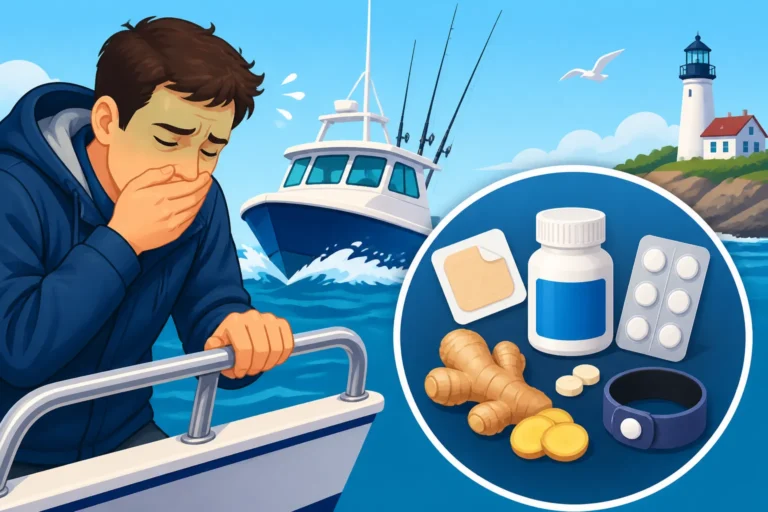
It's always wise to have a small buffer in your budget for unexpected items. This might include seasickness medication (believe me, you don't want to be caught without it if the seas kick up!), extra snacks or drinks you grab at a convenience store, or even souvenirs. While rare, sometimes unforeseen circumstances like severe weather can lead to cancellations, and while many charters have clear refund policies (check out What happens if a charter is canceled for weather), you might still incur non-refundable travel or lodging costs. Lastly, if you successfully land a substantial amount of fish, you might want to invest in proper coolers for transport or even look into local seafood processors for vacuum-sealing or smoking your catch, which can add a small but worthwhile expense. Ultimately, a 10-hour bluefin tuna trip is a significant investment, but with careful planning, it promises a truly memorable day on the water, chasing one of the ocean's most prized game fish.
Disclaimer
This article is for general informational purposes only and does not constitute professional advice. Laws, prices and regulations vary by location and change over time. Consult a qualified professional for guidance on your specific situation.