Whether Cape Cod charters go out in the rain
There’s nothing quite as frustrating as planning a much-anticipated fishing charter on Cape Cod, envisioning that perfect sunny day out on the water, only to see rain clouds looming in the forecast. It’s a common worry for many anglers, leading to endless questions about whether your trip will be a washout or if captains brave the elements. This guide is here to help you understand exactly how Cape Cod fishing charters navigate rainy weather, what to expect, and how you can best prepare.
The Unpredictable Nature of New England Weather and Your Fishing Trip
If you've spent any time in Massachusetts, you know our weather can be a real wildcard. One moment it's glorious sunshine, the next a sudden shower, especially near the coast. This unpredictability is a constant challenge for anyone planning outdoor activities, and fishing charters are no exception. Anglers often find themselves checking multiple weather apps, anxiously watching radar, and wondering if their hard-earned money and precious vacation time are about to be, well, rained out. It's a valid concern, and navigating these weather decisions is a crucial part of the charter experience.
Why Rain is More Than Just "Wet" for Anglers
For many, rain just means getting a little wet, but for a fishing charter, it involves a lot more than just soggy clothes. Firstly, there's the visibility factor. Heavy rain can severely reduce visibility, making navigation more challenging and spotting fish or structure much harder. Then there’s the comfort aspect; prolonged exposure to rain, especially when combined with wind, can lead to hypothermia, making the trip miserable for everyone on board. It can also make decks slippery, increasing the risk of falls and injuries. No one wants to spend their day shivering and unsafe.
Beyond personal comfort and safety, rain can also influence the fishing itself. While a light rain can sometimes invigorate fish, making them more active as it washes insects and nutrients into the water, heavy, driving rain can make conditions tough. It can spook shallower fish, make it harder to feel subtle bites, and complicate casting. Your fishing gear can also take a beating; reels can get water in them, lines can become harder to handle, and electronics might struggle. It’s not just about enduring a little dampness; it’s about maintaining a productive and safe environment for everyone.
The Skipper's Ultimate Responsibility: Safety First
Above all else, your charter captain’s top priority is the safety of their passengers and crew. This isn't just a friendly suggestion; it's a fundamental responsibility enshrined in maritime law and good seamanship. Captains are highly trained professionals, often holding U.S. Coast Guard licenses, and they continually monitor weather patterns, sea conditions, and forecasts with a keen eye. They've spent countless hours on the water and understand how quickly conditions can change, especially offshore.
When faced with a forecast that includes rain, the captain isn't just looking at the precipitation chance. They're evaluating wind speeds and direction, wave height, potential for lightning, fog, and any other factors that could compromise safety. If there’s any doubt about the vessel’s stability, the ability to navigate safely, or the well-being of those on board, a responsible captain will always err on the side of caution. This might mean delaying departure, altering the fishing location, or, in more severe cases, canceling the trip altogether. It’s a tough call sometimes, especially knowing how much passengers look forward to their trip, but it's a decision made with everyone's best interest at heart. You can often find details about captains' licenses and experience levels on booking platforms like FishingBooker, which helps instill confidence in their judgment.
Distinguishing Between a Light Drizzle and a Downpour
It’s important to understand that not all rain is created equal when it comes to fishing charters. A gentle, intermittent drizzle on an otherwise calm day is a world apart from a torrential downpour accompanied by high winds and lightning. Most captains are perfectly willing to fish in light rain, provided other conditions are safe and comfortable enough for their guests.
"Fishable" Rain vs. "Unfishable" Conditions
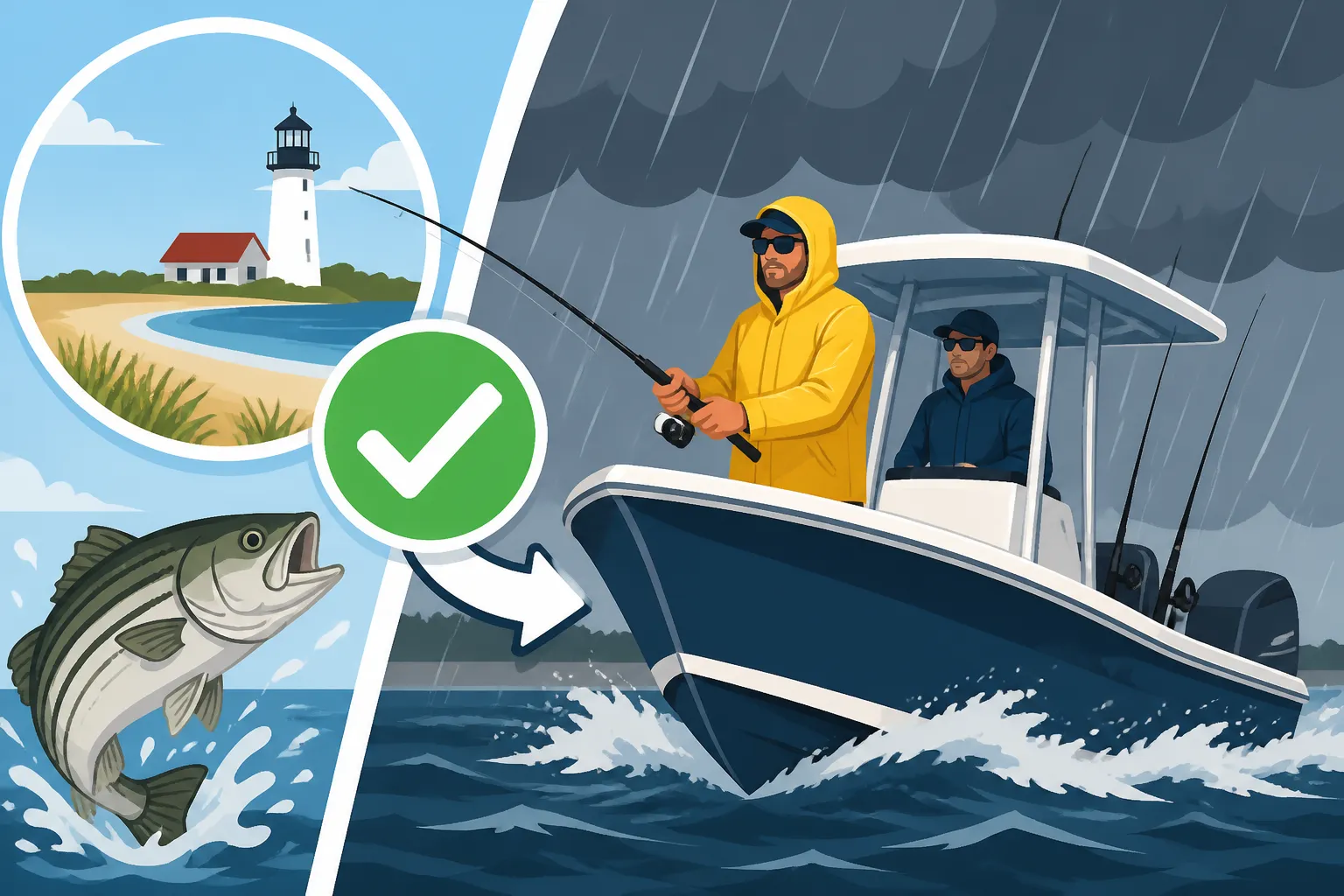
A "fishable" rain often means a light shower, perhaps a steady drizzle, that doesn't significantly impact visibility or create unsafe sea conditions. In fact, many experienced anglers will tell you that some of the best fishing days can occur under a light rain or overcast skies. The reduced light penetration can make fish less wary, and a slight surface chop can break up their view, encouraging them to feed more aggressively. For species like striped bass, a little rain can sometimes even turn on a bite. If you've got good rain gear, these conditions can still lead to a fantastic day on the water.
However, "unfishable" conditions are an entirely different story. This usually involves heavy, continuous rain that hampers visibility, often coupled with strong winds that churn up the seas, making for a rough and potentially dangerous ride. Lightning is an immediate showstopper; being on a boat, which is essentially a giant lightning rod, during an electrical storm is extremely perilous. Dense fog, which often accompanies rain in coastal areas, also makes navigation unsafe due to severely restricted visibility. In such scenarios, any reputable captain will call off the trip. These decisions are never taken lightly, as captains understand the disappointment, but safety always takes precedence.
The Captain's Call: Factors Influencing a Go/No-Go Decision
When a captain makes the decision to go or not to go, they are weighing a multitude of factors, not just the rain. Here’s a breakdown of what typically goes into that critical judgment:
- Wind Speed and Direction: This is often more critical than rain. High winds can create dangerous seas, regardless of precipitation. A stiff onshore breeze can make nearshore fishing impossible, while offshore, it can create significant swells.
- Sea State: How rough is the water? Are there high waves and whitecaps? Even if the rain is light, if the sea is too rough, the trip will be uncomfortable and potentially dangerous for passengers, especially those prone to seasickness.
- Lightning Activity: Any indication of nearby lightning or a high probability of thunderstorms will typically result in a cancellation. Modern radar systems allow captains to track these threats with precision.
- Visibility: Heavy rain, fog, or a combination of both can severely reduce visibility, making it difficult to navigate safely, avoid other vessels, or spot hazards.
- Forecast Reliability: Captains don't just look at one forecast; they consult multiple sources, often professional marine weather services, to get the most accurate picture. They also consider the timing of the weather – if the heavy rain is expected after your trip, you might still go out.
- Passenger Comfort: While not a safety issue, a captain will also consider if the conditions will simply be too miserable for passengers, even if technically safe. They want you to have an enjoyable experience, not just survive it.
Ultimately, the decision rests solely with the captain. It’s their boat, their license, and their responsibility. They might decide to postpone, reschedule, or cancel outright. It’s vital for passengers to respect this decision, even if it's disappointing.
What Happens When Rain is in the Forecast for Your Cape Cod Charter?
The looming threat of rain can cast a shadow over your upcoming charter, but reputable Cape Cod charter services have well-established procedures for handling such situations. Communication is key, and understanding their policies before you even step on the dock can save a lot of stress. Many charters listed on platforms like FishingBooker will have their weather policies clearly outlined, making it easier for you to know what to expect.
Proactive Communication from Your Charter Captain
You shouldn't have to guess or constantly call your captain to inquire about the weather. Most professional charter captains are proactive communicators. If rain or other inclement weather is in the forecast, you can generally expect to hear from your captain well in advance – often the day before your scheduled trip, or sometimes even earlier if a severe weather system is predicted. This communication will typically happen via phone call or text message.
During this conversation, the captain will explain the forecast, their assessment of the conditions, and what options are available. They might suggest a slightly altered departure time to dodge a passing shower, propose an alternative fishing ground that might be more sheltered, or, if conditions truly look unfishable, discuss cancellation or rescheduling. It's crucial that you provide accurate contact information when you book your trip so the captain can reach you. This open line of communication is vital for managing expectations and making informed decisions together.
Understanding the Cancellation and Rescheduling Policy
Every charter operation will have a cancellation policy, and it's essential to understand it before you book. For weather-related cancellations, these policies almost always favor the captain's discretion for safety reasons. Here's a general overview of what you might encounter:
- Captain-Initiated Weather Cancellation: If the captain determines that conditions are unsafe or truly unfishable due to weather (e.g., heavy rain combined with high winds, lightning, dense fog), they will cancel the trip. In these instances, you are typically offered a full refund of your deposit or the opportunity to reschedule your trip for another available date. This is a standard and fair practice designed to protect both the passengers and the crew.
- Client-Initiated Cancellation (Due to Rain): This is where it gets a bit trickier. If the captain deems the conditions safe and "fishable," but you, as the client, decide you don't want to go out because of rain, it might be considered a client-initiated cancellation. In such cases, you may forfeit your deposit or be subject to a cancellation fee, as the charter held that date for you and likely turned away other bookings. This is why understanding the difference between truly unsafe conditions and simply "not ideal" conditions is important. Always discuss your concerns with the captain.
- Rescheduling: If a trip is canceled due to weather, rescheduling is often the preferred option for both parties. It allows the charter to retain your business and you to still enjoy your fishing adventure. Be flexible if possible, as prime dates can fill up fast, especially during peak season. You can check the Massachusetts Charter Fishing Cancellation Policies for more general information.
Here’s a simplified table illustrating common scenarios:
| Scenario | Who Decides? | Typical Outcome | Your Options |
|---|---|---|---|
| Unsafe Weather (e.g., lightning, gale-force winds) | Captain | Trip Canceled by Captain | Full Refund or Reschedule |
| Uncomfortable but Safe Rain (e.g., steady drizzle, calm seas) | Captain (but consults client) | Trip Proceeds, or Captain Offers Reschedule (less common) | Proceed, or (if offered) Reschedule/Cancel (may lose deposit) |
| Client Prefers Not to Fish (due to light rain, but captain says it's safe) | Client (against Captain's advice) | Client-initiated Cancellation | Forfeit Deposit/Cancellation Fee |
Remember, clear communication with your captain is always the best approach. Don't hesitate to ask questions about the Massachusetts Fishing Charter Costs and how weather affects them.
Preparing for a Potentially Rainy Day on the Water
Even if the forecast looks clear, a pop-up shower is always a possibility on Cape Cod. And if your captain gives the green light despite some rain in the forecast, being prepared can make all the difference between a miserable trip and a memorable adventure. A little forethought in your packing can turn a potentially soggy day into a successful one.
Essential Gear for Wet Weather Fishing
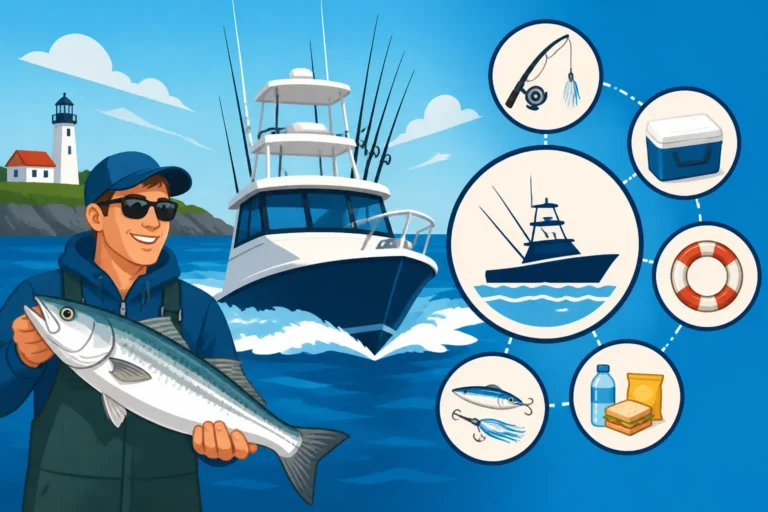
Layering is your best friend when it comes to New England weather. Start with moisture-wicking base layers, add insulating layers, and top it off with waterproof outer shells. Here’s what you should consider bringing:
- Waterproof Outerwear: This is non-negotiable. A good quality, breathable rain jacket and matching rain pants will keep you dry. Look for gear designed for fishing, with sealed seams and adjustable cuffs. Brands like Grundéns or Helly Hansen are popular among anglers for a reason.
- Non-Slip, Waterproof Footwear: Your feet are usually the first to get wet and cold. Waterproof boots with good traction are critical for safety and comfort on a wet, rocking boat deck. Avoid sneakers that will soak through.
- Hat: A waterproof hat with a brim will keep rain out of your eyes, improving visibility and adding warmth.
- Gloves: Waterproof gloves can be a game-changer, keeping your hands warm and improving grip on slippery rods and reels.
- Dry Bags: Bring a few small, waterproof dry bags or Ziploc bags for your phone, wallet, keys, and any electronics. Even if you have a protected area on the boat, it’s best to keep your valuables safe.
- Spare Clothes: Pack a full change of clothes, including socks, in a separate dry bag or plastic bin to leave in your car. Nothing feels better than dry clothes after a damp outing.
- Snacks and Drinks: Even on a half-day trip, having your own snacks and drinks in a small cooler can make the day more enjoyable, regardless of the weather. For a more detailed list, refer to What to Bring on a Massachusetts Fishing Charter.
Mindset Matters: Embracing the Elements
While it’s natural to want sunshine, sometimes the best fishing happens when the weather isn’t perfect. Adopting a positive mindset can significantly enhance your experience, even in the rain. Think of it as an authentic New England fishing adventure! Some of the most epic catches happen on overcast, rainy days when fewer people are out, and the fish are less pressured.
Focus on the camaraderie with your fellow anglers and captain, the thrill of the chase, and the unique beauty of the Cape Cod coastline under a brooding sky. If you’re dressed appropriately and prepared, a little rain can even add to the rugged charm of a day on the water. Remember, you’re out there to fish, and fish don't care about the sunshine! Embrace the challenge, enjoy the journey, and you might just find that a rainy day turns into your most memorable fishing trip.
Booking Smart: Choosing a Charter with Weather Flexibility
Knowing how Cape Cod charters handle rain can significantly influence your booking decisions. By being proactive and asking the right questions, you can select a charter that aligns with your comfort level and offers sensible policies, allowing you to book with greater peace of mind. Platforms like FishingBooker provide a wealth of information and reviews that can help you make an informed choice.
Asking the Right Questions Before You Book
Before you commit to a charter, especially if you're concerned about potential rain, don't be afraid to ask specific questions about their weather policy. A reputable captain or booking agent will be transparent and happy to discuss their procedures. Here are some key questions:
- "What is your exact policy if the captain cancels due to weather?" (Clarify refund vs. rescheduling options). You might also ask specifically, whether charters refund you for bad weather.
- "How far in advance do you typically make a weather call?" (This helps you know when to expect communication).
- "If the weather is just 'unpleasant' but not unsafe, what are our options?" (This addresses your personal comfort threshold).
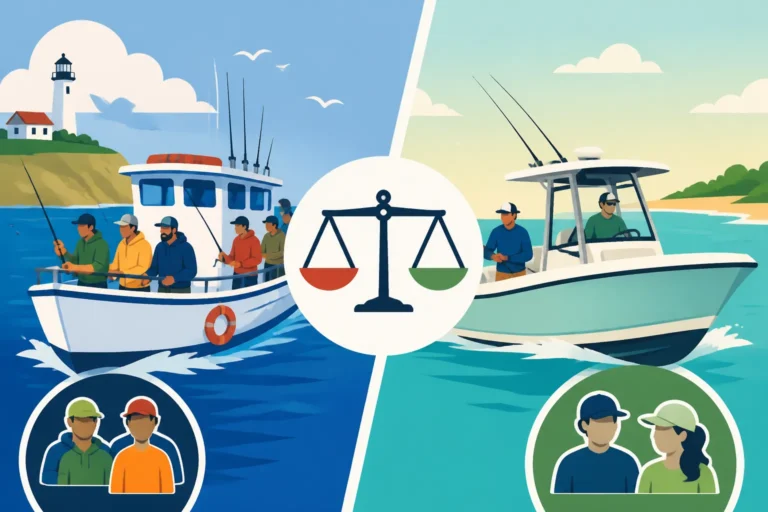
- "Does your boat have any enclosed areas or shelter from the rain?" (Some larger boats offer more protection, which can make a big difference).
- "What happens if a trip is cut short due to unexpected weather?" (Though less common, it’s good to know).
Gathering this information upfront will help you avoid surprises and choose a charter that makes you feel confident, even if the forecast is a bit iffy. Many charters will outline these details on their Booking a Fishing Charter on Cape Cod pages or their profiles on booking sites like FishingBooker.
The Value of Experienced Captains and Well-Equipped Boats
When selecting a charter, especially with an eye on weather contingencies, prioritizing experienced captains and well-equipped boats is always a smart move. An experienced captain has navigated countless weather scenarios on Cape Cod. They possess an intimate knowledge of local waters, wind patterns, and how specific conditions affect fishing spots. Their seasoned judgment about when and where to fish safely, or when to call it quits, is invaluable. They're less likely to put you in a precarious situation and more likely to pivot to a sheltered area if a squall rolls in.
Furthermore, the boat itself plays a significant role. Larger, more stable vessels with enclosed cabins or at least a significant covered area can provide much-needed respite from rain and wind. While smaller boats might be agile, they offer less protection. When you’re browsing listings, pay attention to the boat's amenities and size. These details often indicate how comfortable your trip will be, particularly if the weather decides not to cooperate. Reputable charter listings, for instance, on FishingBooker, often provide detailed descriptions of the vessel and the captain’s years of experience, allowing you to weigh these factors before making your choice. Also consider the How many people can go on a Cape Cod charter boat and if the boat size aligns with the comfort level for that group in less-than-ideal weather.
Disclaimer
This article is for general informational purposes only and does not constitute professional advice. Laws, prices and regulations vary by location and change over time. Consult a qualified professional for guidance on your specific situation.