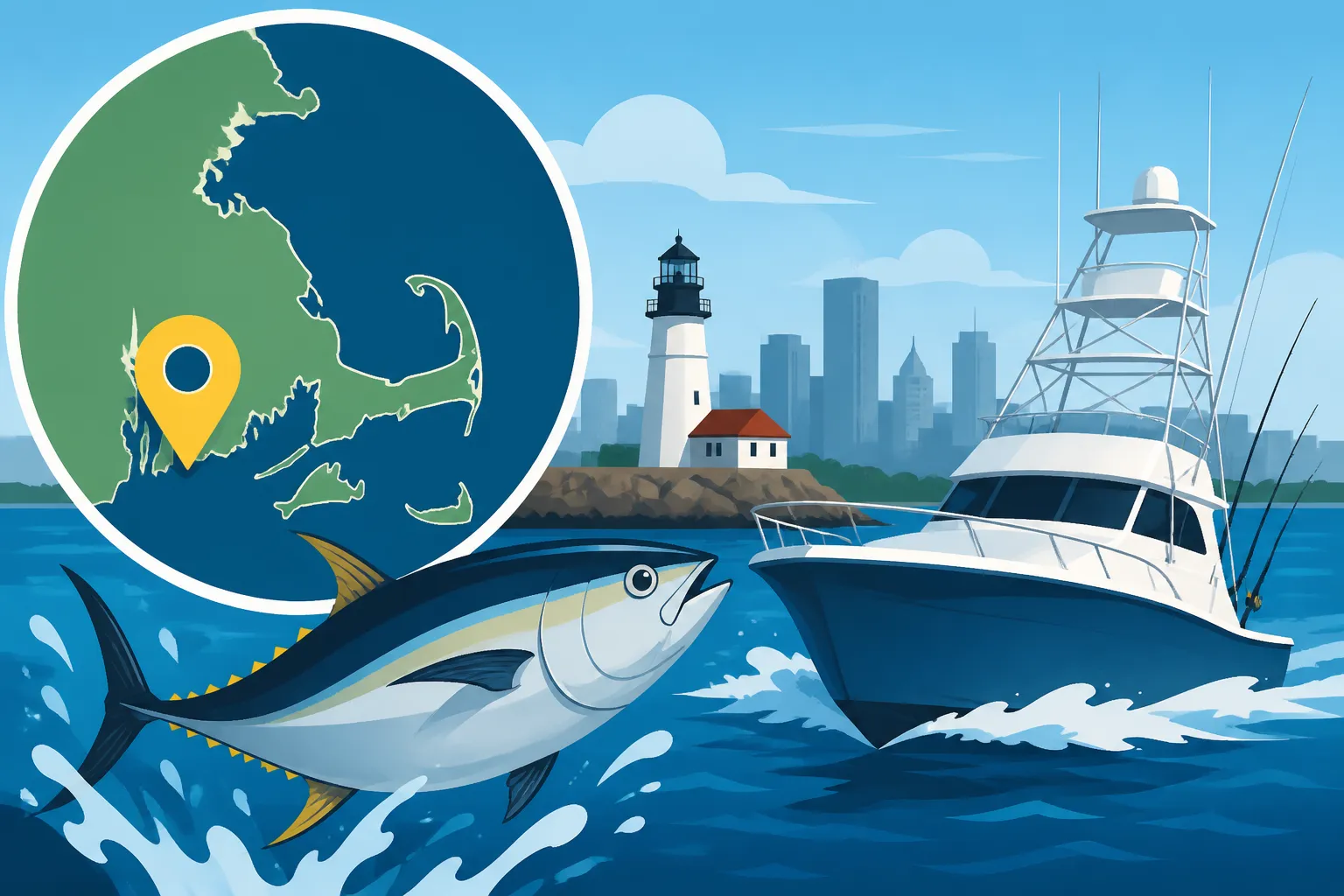
Where most Boston bluefin tuna charters depart from
When you're dreaming of tangling with a giant bluefin tuna, the sheer thought of those powerful beasts swimming off the Massachusetts coast is enough to get any angler's heart pumping. But before you can feel that rod bend, there's the practical matter of figuring out where to even begin your quest. If you're looking to book a bluefin tuna charter out of the Boston area, navigating the various departure points can feel a bit overwhelming, but understanding the main hubs will set you up for success. This guide will walk you through the primary locations where most Boston bluefin tuna charters set sail, helping you pinpoint the perfect starting line for your offshore adventure.
Why Boston is a Prime Gateway for Bluefin Tuna Expeditions
Massachusetts, and the Boston area in particular, holds a legendary status in the world of bluefin tuna fishing. It's not just about the history of the sport here, which runs deep with generations of commercial and recreational anglers chasing these magnificent fish. It's about geography, pure and simple. Boston's proximity to some of the richest feeding grounds for bluefin makes it an ideal launchpad for these intense, often long-haul trips.
The Stellwagen Bank Advantage
One of the biggest draws for tuna charters departing from the Boston region is the relatively close proximity to Stellwagen Bank. This underwater plateau, a mere short steam from the coast, is a biological hotspot, teeming with sand eels, mackerel, herring, and other baitfish that bluefin tuna absolutely gorge themselves on. Charters don't have to spend an exorbitant amount of time just getting to the fishing grounds, which maximizes your actual fishing time. Think about it: less travel time means more lines in the water, more opportunities to spot those tell-tale boils, and more chances to hook up with a fish of a lifetime. It’s why you'll hear captains constantly talking about the "Bank" when discussing where they're heading.
Beyond Stellwagen, other productive areas like Jeffreys Ledge or the waters east of Cape Cod are also within a manageable range for these powerful offshore boats. The captains running Massachusetts Bluefin Tuna Charters from the Boston area are intimately familiar with these grounds, tracking bait, water temperatures, and fish movements to put you in the best possible position for a hookup. It's a challenging fishery, no doubt, but the rewards are immense, and the convenience of these departure points only adds to the appeal.
A Fleet Built for Offshore Adventures
The charter fleet operating out of the greater Boston area is largely comprised of serious offshore vessels. These aren't your typical inshore bay boats; we're talking about robust center consoles, sportfishing yachts, and specialized tuna boats, often equipped with advanced electronics, outriggers, tuna towers, and all the heavy-duty tackle required to handle a fish that can weigh hundreds of pounds. These boats are designed for comfort and safety in open ocean conditions, a critical factor when you're steaming miles offshore.
The captains are seasoned veterans, many of whom have spent decades learning the nuances of the local waters and the migratory patterns of bluefin tuna. They understand the different techniques—from trolling large lures to jigging or live-baiting—and tailor their approach to the conditions and the fish's behavior. When you book a trip, you're not just getting a ride out to sea; you're tapping into a wealth of knowledge and expertise honed over countless hours on the water. This concentration of experienced crews and capable vessels further solidifies Boston's reputation as a premier bluefin tuna fishing destination.
Primary Departure Hubs for Boston Bluefin Tuna Charters
While "Boston" is a broad term, when it comes to bluefin tuna charters, it generally refers to a few key areas in and around the city and stretching slightly north and south. These hubs offer various logistical advantages and cater to different preferences for accessing the open ocean.
Boston Harbor Marinas and Docks
Within Boston proper, many charters operate from the extensive network of marinas and docks that line the harbor. These are often the most convenient for anglers traveling from within the city or flying into Logan Airport.
- Seaport District and Northern Avenue: This area is a major hub. You'll find a number of charters docked along Northern Avenue or in the various marinas nestled within the bustling Seaport. It's a lively part of the city, with easy access to restaurants and accommodations, though parking can sometimes be a challenge, especially during peak season. Charters from here get out into Boston Harbor quickly, heading directly east towards the open ocean and the fishing grounds. This is a very popular spot, offering a classic "Boston" experience from the moment you step on the dock.
- Charlestown Navy Yard and North End: A bit further north within the harbor, areas like the Charlestown Navy Yard and docks around the North End also host a good number of charter boats. These locations often provide slightly easier access from northern suburbs and can sometimes offer a more relaxed atmosphere than the frenetic Seaport. They still provide direct access to the outer harbor and the journey to the bluefin grounds.
When choosing a charter, make sure to confirm the exact departure address. While many might advertise as "Boston" charters, the specific dock can vary. It's always a good idea to check out the location beforehand, especially considering traffic and parking in the city. Using platforms like FishingBooker can help you sort through options and verify departure points easily, and you can often see reviews specific to captains operating from these areas.
North Shore Gateways: Gloucester and Salem
While technically distinct towns north of Boston, many bluefin tuna charters operating out of fishing hubs like Gloucester and Salem are often considered part of the broader "Boston-area" bluefin fleet, especially for those looking to fish the same grounds. These historic fishing towns offer fantastic access to the offshore waters and are often preferred by anglers who want to avoid the city traffic.
- Gloucester: The "Oldest Seaport in America" is, without a doubt, a powerhouse for bluefin tuna fishing. Located on Cape Ann, Gloucester's harbor is home to a massive fleet of commercial and recreational fishing vessels, including many top-tier tuna charters. From Gloucester, boats have a very direct shot to Stellwagen Bank and other offshore areas. The city itself has a deep-rooted fishing culture, and there's a certain authenticity to departing from a place so historically tied to the ocean. Many anglers find the drive to Gloucester more straightforward than navigating downtown Boston.
- Salem: A bit closer to Boston than Gloucester, Salem also hosts a number of reputable tuna charters. Salem Sound provides sheltered waters for departure, and boats quickly gain access to the open ocean. Like Gloucester, Salem offers a rich maritime history and a slightly less congested experience compared to central Boston.
These North Shore towns are excellent alternatives for those seeking a dedicated fishing experience without the urban sprawl. Many captains choose to base their operations here due to the proximity to the grounds and the established marine infrastructure.
South Shore Access Points: Scituate and Plymouth
On the southern side of Boston, towns like Scituate and Plymouth also serve as significant departure points for bluefin tuna charters. These locations offer access to the same prime fishing grounds and are convenient for anglers coming from the South Shore or even Rhode Island.
- Scituate: This charming coastal town boasts a well-protected harbor that's popular with both recreational and commercial fishermen. Scituate is a common base for offshore charters, particularly those targeting tuna and shark. The run out to Stellwagen Bank from Scituate is comparable to, or sometimes even shorter than, trips from parts of Boston Harbor, making it a desirable option.
- Plymouth: Famed for its historical significance, Plymouth also has a thriving fishing community and hosts several offshore charters. Its expansive harbor provides easy access to Cape Cod Bay, which then leads directly out to the deeper waters where bluefin roam. Anglers from further south or west often find Plymouth a convenient and less traffic-heavy starting point.
Choosing a South Shore departure point can streamline your travel, particularly if you're coming from that direction, and still places you firmly within the realm of top-tier Massachusetts Deep Sea Fishing Charters that pursue bluefin tuna.
Here’s a quick overview of typical departure areas:
| Departure Area | General Location Relative to Boston | Primary Advantage | Considerations |
|---|---|---|---|
| Boston Seaport/Harbor | Central Boston | Urban convenience, amenities | Traffic, parking, city bustle |
| Charlestown/North End | North Boston Harbor | Slightly less congested city access | Still requires city navigation |
| Gloucester/Salem | North Shore (45-60 min North) | Deep fishing culture, direct ocean access | Requires driving north of Boston |
| Scituate/Plymouth | South Shore (45-60 min South) | Southern access, less city traffic | Requires driving south of Boston |
Essential Considerations When Choosing Your Bluefin Tuna Charter's Departure Point
Deciding where your charter departs from isn't just about geography; it's about making the entire experience as smooth and enjoyable as possible. There are several factors beyond just the nearest dock that you'll want to think about.
Proximity to Home vs. Proximity to Fishing Grounds
This is often the core dilemma. Do you prioritize a shorter drive to the boat, even if it means a slightly longer steam to the fishing grounds? Or do you opt for a longer drive to a port that offers a quicker run out to the tuna, maximizing your time with lines in the water? For bluefin tuna trips, which can often be 8, 10, or even 12 hours long, those extra minutes or an hour of steaming can add up.
A charter departing from Gloucester, for instance, might be a 60-minute drive for you, but then only a 60-minute steam to Stellwagen. A charter from Boston Seaport might be a 20-minute drive for you, but then a 90-minute steam. Do the math and consider what feels most comfortable for your group. For Massachusetts Bluefin Tuna Charter Cost, travel time often factors into the overall trip length and fuel consumption, so sometimes a slightly longer drive to a closer port pays off in actual fishing time.
Logistical Headaches: Parking, Traffic, and Accommodations
Boston is a city, and cities have traffic and parking challenges. If you're departing from a downtown Boston marina, be prepared for potential delays and often expensive parking options. Some charters might have limited parking available, while others might direct you to public garages. Always clarify parking arrangements with your captain well in advance. What to Bring on a Massachusetts Fishing Charter should definitely include a plan for your car!
If you're coming from out of state, or if your trip involves a very early morning departure (which many tuna charters do), consider booking an overnight stay near your departure point. Towns like Gloucester and Plymouth offer a charming coastal town experience, often with more readily available and affordable accommodations and less traffic than central Boston. You can find many options on sites like FishingBooker that list charter specifics including departure locations.
Charter Specialization and Captain's Expertise
While many charters fish for bluefin, some captains specialize in specific techniques or have particular expertise in certain areas. For example, some might be renowned for their success with jigging bluefin, while others are master trollers. While the general departure points give you a starting idea, delving into a captain's reputation and specialty can make a huge difference.
Look for reviews and testimonials, and don't hesitate to call the captain directly to discuss their approach. A captain who regularly fishes the grounds off Gloucester might have different insights than one who predominantly works out of Scituate, even if they're targeting the same species. Their choice of home port often reflects their preferred fishing grounds and operational style. This is especially true when considering the Best Month for Bluefin Tuna Charters off Massachusetts, as fish movements change throughout the season.
Seasonal Factors and Fish Movement
The bluefin tuna fishery is highly migratory and seasonal. While the general departure points remain consistent, the specific areas where the fish are holding can shift throughout the season. Early in the year, fish might be found closer in; later in the season, they might be further offshore, requiring a longer run.
A good captain will adjust their strategy and target locations based on current conditions and intel. Your chosen departure point won't limit where the captain can take you within reason, but it will influence the steam time. For instance, if the fish are primarily way east of Stellwagen, a boat departing from Gloucester might have a slight advantage in getting there faster than one from the far western reaches of Boston Harbor. This is part of the exciting challenge of Bluefin Tuna Fishing Techniques Near Cape Cod and beyond, requiring flexibility and quick decisions.
Remember, regardless of where you depart, you’re embarking on an incredible adventure. Bluefin tuna are powerful, elusive, and truly magnificent creatures, and catching one is an unforgettable experience. By considering these factors and choosing a departure point that aligns with your logistical needs and fishing goals, you’ll be well on your way to an epic day on the Massachusetts waters.
Booking Your Bluefin Tuna Adventure from the Boston Area
Once you’ve narrowed down your preferred departure area, the next step is to actually book that trip! This process can be straightforward if you know where to look and what questions to ask.
Finding Reputable Charters and Making Inquiries
The best way to find a reputable bluefin tuna charter is often through word-of-mouth recommendations, local tackle shops, or online booking platforms. Websites like FishingBooker offer a comprehensive listing of charters operating out of various Massachusetts ports, including Boston, Gloucester, Salem, Scituate, and Plymouth. You can filter by species, boat type, trip duration, and read reviews from other anglers, which is incredibly helpful. This is where you'll find plenty of options for Massachusetts Bluefin Tuna Charters that fit your specific needs.
When contacting a charter, don't be afraid to ask plenty of questions:
- What's included in the price? Does it cover bait, tackle, and ice? (Most reputable charters include this for tuna trips).
- What's their cancellation policy for weather? Bad weather happens, especially offshore.
- What's the typical duration of a bluefin tuna trip? These are usually full-day affairs, often 8-12 hours.
- How many people can fish comfortably?
- What's their success rate or approach to tuna fishing? While no captain can guarantee fish, their philosophy is important.
- What happens with the fish if we catch one? Rules for Bluefin Tuna Size Limits off Massachusetts and possession can be complex.
Remember that Is Tipping Expected on a Massachusetts Fishing Charter? is a common question, and the answer is generally yes, especially for the mate who works tirelessly.
Preparing for Your Offshore Excursion
Regardless of your departure point, preparation is key for a successful and comfortable bluefin tuna trip. These are serious offshore endeavors, and the conditions can change rapidly.
- Dress in layers: Even on a warm summer day, it can be significantly cooler offshore, especially with the boat moving. Bring waterproof outer layers.
- Sun protection: Sunscreen, a wide-brimmed hat, and polarized sunglasses are non-negotiable.
- Food and drink: Pack plenty of water, snacks, and any meals you'll need. Alcohol is often permitted in moderation, but check with your captain first.
- Seasickness medication: If you're prone to seasickness, take medication before you board the boat. Don't wait until you feel sick. The open ocean swells are different from inshore waters, and a full day offshore can be a test even for experienced anglers.
- Cooler for fillets: If you're lucky enough to land a keeper, you'll want a cooler to take your share of the fillets home. Ask the captain if they provide ice.
The thrill of a bluefin tuna fight is an experience every angler should have. By carefully considering your departure point and preparing thoroughly, you'll maximize your chances of success and create lasting memories on the waters off Massachusetts. Don't forget to check the Bluefin Tuna Charter Season Out of Boston, Massachusetts to ensure you're booking at the optimal time of year!
Disclaimer
This article is for general informational purposes only and does not constitute professional advice. Laws, prices and regulations vary by location and change over time. Consult a qualified professional for guidance on your specific situation.