Massachusetts Charter Fishing Cancellation Policies
It's incredibly frustrating when you've planned out a fishing trip to the beautiful Massachusetts coast or one of its sprawling reservoirs, only for something to throw a wrench in your plans. Maybe the weather takes a sudden turn, an unforeseen emergency pops up, or perhaps the boat itself encounters a hiccup. When you've put down a deposit and are looking forward to a day on the water, understanding what happens next can be a real headache. This comprehensive guide will walk you through the ins and outs of Massachusetts charter fishing cancellation policies, helping you know what to expect, what to ask, and how to protect your investment for your next angling adventure.
Understanding the Nuances of Charter Cancellation Policies
Booking a fishing charter in Massachusetts, whether it's for striped bass off Cape Cod or trout in the Quabbin, involves a commitment from both you, the angler, and the charter captain. It's not like canceling a dinner reservation where a quick phone call usually suffices. These are specialized trips with significant costs for fuel, bait, crew, and preparation. Because of this, charter captains have specific rules in place to protect their business, and it's absolutely vital that you understand them before you ever hand over your credit card details.
Why Charter Cancellation Policies Are Essential
From the captain's perspective, a cancellation means a lost day of income that could have been filled by another paying customer. Unlike a retail store with multiple sales daily, a charter boat has a finite number of trips it can run in a season. Each trip requires significant pre-trip planning, purchasing of bait, fueling the boat, and preparing tackle. When a trip cancels, especially last minute, that preparation time and those resources are wasted, and the opportunity to book another party is often gone. These policies aren't designed to be punitive, but rather to ensure the captain's livelihood and the smooth operation of their business, allowing them to continue offering those incredible fishing experiences you're seeking.
Imagine a scenario where a captain has turned down three other inquiries for your specific date because you booked it. If you cancel at the last minute for a non-weather reason, that captain might have lost four potential bookings. That's a significant blow. So, when you see a policy that seems a bit rigid, try to see it from their side. It's about protecting their business and ensuring they can keep doing what they love – and taking you out fishing!
The Variation in Policies Across Massachusetts Charters
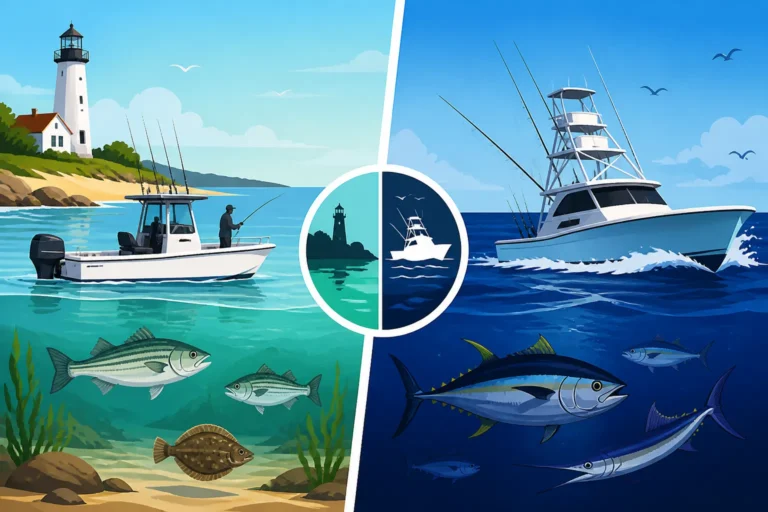
One of the biggest challenges for anglers is that there isn't one universal cancellation policy for all Massachusetts fishing charters. Just like every captain has their own favorite fishing spots and techniques, they often have their own unique terms and conditions for cancellations. A small, independent guide running a bay boat out of Plymouth might have a more flexible, personal policy compared to a larger, multi-boat operation in Boston Harbor. Offshore tuna charters, with their higher costs and more intense preparations, often have the strictest rules.
You might find that a Cape Cod Fishing Charters Guide for Massachusetts Anglers lists several different operations, each with their own unique stipulations. Some might offer a full refund up to a certain point, while others might offer a credit for a future trip. It's rare to find a "no questions asked" cancellation, especially close to the trip date. This variability makes it incredibly important to do your homework and not assume that the policy you encountered with one charter will be the same with another.
Key Elements You'll Find in Most Policies
While policies vary, most will cover a few critical areas. First and foremost, they'll outline the conditions under which the captain can cancel the trip, most commonly due to unsafe weather. Secondly, they'll detail the rules for angler-initiated cancellations, typically with a tiered refund or credit system based on how much notice you provide. You'll almost always see language about deposits – whether they are refundable, partially refundable, or convertible to a credit.
Many policies will also touch upon no-shows or late arrivals, often resulting in a forfeiture of your deposit or the full trip fee. Some might even specify conditions for rescheduling, such as a fee for changing dates within a certain window. Look for clauses regarding mechanical breakdowns; reputable charters will always offer a full refund or reschedule if their equipment fails. When you're ready to book, platforms like FishingBooker often present a charter's specific policy clearly, allowing you to compare and understand before you commit. Remember, it's about clarity for both parties involved.
Common Triggers for Cancellations and What They Mean for You
When a charter trip is canceled, it’s usually due to one of a few main reasons. Knowing these categories can help you understand your options and what to expect when a cancellation occurs, rather than being caught completely off guard.
Weather-Related Cancellations: The Captain's Call
This is by far the most common reason for a charter trip cancellation, and rightly so. Safety is always paramount on the water. What constitutes "bad weather" for a cancellation can vary, but it's always at the captain's discretion. It's not about a little rain or an overcast sky; it's about conditions that pose a legitimate safety risk or would make fishing miserable and unproductive for the clients. This could include high winds creating dangerous seas, dense fog reducing visibility, or severe thunderstorms with lightning.
Captains are experts on local marine forecasts and water conditions. They know their boats, their crew, and their fishing grounds better than anyone. If a captain calls off a trip due to weather, it's because they genuinely believe it's not safe or enjoyable to go out. As a general rule, if the captain cancels for weather, you are almost always entitled to a full refund of your deposit or the option to reschedule for another available date. This is one of the most consistent aspects across all Massachusetts Fishing Charter Costs and policies. Don't push them to go out in questionable weather; it's for everyone's safety.
Mechanical Issues and Unforeseen Circumstances
While less frequent than weather cancellations, mechanical problems with the boat can and do happen. Engines can fail, electronics can glitch, and essential safety equipment can malfunction. A responsible captain will never take paying clients out on a boat that isn't fully operational and safe. If your charter is canceled due to a mechanical issue, you should always expect a full refund or the option to reschedule your trip.
Beyond mechanical issues, other rare "unforeseen circumstances" might arise. This could be a sudden illness of the captain or a key crew member, or an unexpected closure of a particular fishing ground. While these are less common, they fall under the umbrella of events beyond the angler's control. In such cases, the charter is typically obligated to offer you a full refund or work diligently to reschedule your trip. The key takeaway here is that if the cancellation isn't your fault, your financial commitment should generally be protected.
Angler-Initiated Cancellations: Understanding the Deadlines
This is where policies can get a bit more complex and where anglers often face the most confusion or disappointment. Life happens, and sometimes you simply can't make the trip you booked. Most charters will allow you to cancel for a full refund of your deposit, or at least convert it to a credit, if you provide sufficient notice. This "notice period" is typically outlined in the charter's policy and can range anywhere from 7 days to 30 days, sometimes even more for multi-day or highly specialized trips.
If you cancel within that notice period (e.g., less than 7 days out), you generally risk forfeiting your deposit. The logic here, as discussed earlier, is that the captain has likely turned away other bookings for your spot and now has little to no chance of filling it. Some policies might offer a partial refund or a credit if they manage to rebook the date, but don't count on it. Always check the specific charter's policy carefully. It’s a good idea to mark the cancellation deadline on your calendar the moment you book.
The Financial Implications: Deposits, Refunds, and Rescheduling
Understanding the flow of money is probably the most stressful part of any cancellation. When you book a trip, you’re making a financial commitment, and it's natural to want to know what happens to your hard-earned money if plans change.
Deposits: Your Commitment to the Trip
Almost every fishing charter in Massachusetts will require a deposit to secure your booking. Think of it as putting a down payment on a commitment. This deposit serves several purposes: it confirms your intention to go, it covers some of the captain's initial costs if you cancel last minute, and it protects the captain from simply holding a date for someone who might not show up. You can often find details about this in guides like Whether charters require a deposit to book.
The amount of the deposit varies. For a standard half-day inshore trip, it might be a flat fee or a percentage of the total trip cost. For a more expensive full-day offshore tuna charter, the deposit could be substantial. It's crucial to understand if your deposit is refundable, non-refundable, or convertible to a credit under various cancellation scenarios. Don't be shy about asking these questions upfront before you commit. Many online booking services, like FishingBooker, clearly state the deposit amount and its terms directly on the charter's listing.
Refund Structures for Cancellations
The refund you receive (if any) depends heavily on who cancels and when.
Captain-Initiated Cancellations (Weather, Mechanical, etc.):
- Full Refund: As mentioned, if the captain cancels due to unsafe weather or mechanical issues, you should almost always receive a full refund of your deposit. They might offer rescheduling as an option, but the refund is typically your right.
- Reschedule Option: Often, the captain will first offer to reschedule your trip to an open date that works for both parties. This is usually the preferred option, as it means everyone still gets to go fishing.
Angler-Initiated Cancellations:
- Full Deposit Refund/Credit (with sufficient notice): If you cancel far enough in advance (outside the stated cancellation window, e.g., more than 14 days out), most charters will offer a full refund of your deposit or a credit for a future trip.
- Forfeiture of Deposit (within cancellation window): If you cancel within the specified short-notice period, you will likely forfeit your deposit. This is the primary way captains protect their income for lost bookings.
- Partial Refund/Credit (if rebooked): Some generous captains might offer a partial refund or credit if they manage to rebook your original date with another party. However, this is usually at their discretion and not guaranteed.
Here's a simplified table illustrating common refund scenarios:
| Cancellation Reason | Who Cancels | Notice Provided | Typical Outcome |
|---|---|---|---|
| Unsafe Weather | Captain | Any | Full Refund OR Reschedule |
| Mechanical Breakdown | Captain | Any | Full Refund OR Reschedule |
| Angler Emergency/Illness | Angler | > 14-30 Days (Varies) | Full Refund OR Reschedule |
| Angler Change of Plans | Angler | > 14-30 Days (Varies) | Full Refund OR Reschedule |
| Angler Cancellation (Short Notice) | Angler | < 7-14 Days (Varies) | Deposit Forfeited (or credit if rebooked) |
| No-Show / Late Arrival | Angler | N/A | Deposit Forfeited (or full trip cost charged) |
The Art of Rescheduling: Flexibility and Availability
Rescheduling is often the preferred outcome for both parties when a cancellation occurs. For you, it means you still get your fishing trip. For the captain, it means they retain your business and don't have to process a refund. However, rescheduling isn't always straightforward. A popular charter's calendar, especially during peak season for species like striped bass or bluefin tuna, can be fully booked months in advance.
When discussing rescheduling, be flexible with your dates if possible. The captain will typically offer their available openings, and it's up to you to find a date that works. If you're struggling to find a new date, some policies might state that if a reschedule can't be agreed upon, the deposit might be forfeited (if it was an angler-initiated cancellation). Always confirm the terms for rescheduling, especially if you're looking at a different time of year or a significantly different type of trip. Patience and clear communication are key here.
Navigating the Policy: What to Ask Before You Book
The best way to avoid frustration and financial surprises is to be proactive. Before you even think about putting down a deposit, make sure you have a crystal-clear understanding of the charter's cancellation policy. Don't assume anything.
Critical Questions to Pose to Your Charter Captain
Before you book, whether directly or through a platform like FishingBooker, make it a point to ask specific questions about their cancellation policy. This not only clarifies things for you but also demonstrates that you're a serious, informed client. Here are some essential questions to ask:
- "What is your policy for cancellations due to weather? Who makes the final call, and what are my options if you cancel?" (This is covered in What happens if a charter is canceled for weather.)
- "What is your policy if I need to cancel? How much notice do I need to give for a full refund of my deposit?"
- "If I cancel within the short-notice window, do I lose my entire deposit, or is there any possibility of a partial refund or credit if you rebook my date?"
- "What happens if there's a mechanical issue with the boat on our scheduled day?"
- "What is your policy on rescheduling? Is there a fee to reschedule, and how far in advance do I need to notify you?"
- "What if I'm late or we're a no-show? Will my deposit be forfeited?"
Asking these questions upfront sets clear expectations and shows you've done your homework. A good captain will appreciate your thoroughness and be happy to explain their policy in detail. For broader advice on choosing a trip, you might find Questions to ask before booking a charter helpful.
Reviewing the Policy in Writing: Don't Just Assume
Verbal agreements are great, but for something as important as a financial commitment, always get the cancellation policy in writing. Most reputable charter operations will have their policy clearly stated on their website, in their booking confirmation email, or on their listing through a booking platform. If you're booking directly and can't find it, politely ask them to send it to you.
Having the policy in writing serves as a reference point for both parties. It eliminates ambiguity and provides a clear guideline if a cancellation does occur. Print it out, save it to your phone, or at least bookmark the webpage. In a dispute, a written policy is much more valuable than a "he said, she said" conversation. Think of it as your safety net for your fishing trip investment.
How Online Booking Platforms Influence Policies
Online booking platforms, such as FishingBooker, have become a popular way to find and reserve fishing charters. These platforms often streamline the booking process and provide a standardized way to present cancellation policies. Typically, each charter listed on the platform will have its individual cancellation policy clearly displayed on its profile page. This makes it easier to compare policies across different boats and captains.
While the platform facilitates the booking, the underlying cancellation policy is still set by the individual captain or charter business. The platform's role is usually to enforce that policy. For example, if a captain states a 14-day cancellation window, FishingBooker will typically process refunds or apply forfeitures based on that specific rule. These platforms can offer some benefits, like secure payment processing and clear documentation of your booking and any cancellation communications. However, always remember that you are agreeing to the charter's policy, not necessarily the platform's general terms, though the platform will manage the transaction according to that policy. It’s always good to How to read charter reviews before booking to see if other anglers have had issues.
Specific Scenarios and How Charters Typically Handle Them
Sometimes, life throws curveballs that don't fit neatly into the "weather" or "change of plans" categories. It's helpful to consider how charters generally approach these more specific, often delicate, situations.
Dealing with Unexpected Illness or Emergencies
You wake up on the morning of your trip with a sudden, debilitating illness. Or perhaps a family emergency requires your immediate attention. These aren't just "changes of plans"; they are often unavoidable and distressing situations. While most charter policies are firm about angler-initiated cancellations, some captains may show more leniency in documented emergency situations.
It's always best to contact your captain immediately if an emergency arises. Be transparent and provide any reasonable documentation if asked (e.g., a doctor's note for a severe illness). While a refund might not be guaranteed if you're within the strict cancellation window, many captains, being empathetic individuals themselves, might be more inclined to offer a credit for a future trip or work harder to rebook your date and then offer a refund if they succeed. Remember, while it's an emergency for you, it's still a lost day of income for the captain. Mutual respect and open communication are paramount here.
No-Shows and Late Arrivals: The Strict Realities
This is one area where almost all charter policies are universally strict. If you simply don't show up for your trip, or if you arrive so late that the trip cannot reasonably proceed (for instance, missing the tide window for a Cape Cod Canal Striped Bass Fishing Spots trip), you will almost certainly forfeit your entire deposit, and some policies even reserve the right to charge the full trip amount. This is why punctuality is so incredibly important for a charter fishing trip.
Captains typically have a tight schedule, especially during busy seasons. They may have another trip booked right after yours, or they need to return to port at a specific time. Waiting for latecomers causes delays, wastes fuel, and impacts their ability to run their business efficiently. Always plan to arrive well in advance of your scheduled departure time, especially if you're traveling to a new dock or unfamiliar area like those in the Best Fishing Spots in Massachusetts. If you anticipate being even a few minutes late, call the captain as soon as possible. Communication is key; a short phone call can sometimes avert a complete forfeiture.
Group Cancellations and Partial Refunds
When booking a charter, you often have a group of friends or family going with you. What happens if one or two members of your party drop out at the last minute, but the rest of the group still wants to go? This can create a tricky situation. Most charter prices are based on the boat, not per person, up to a certain capacity (e.g., How many people can go on a Cape Cod charter boat). If a few people cancel, it doesn't reduce the captain's costs for fuel, bait, or crew.
In most cases, if only a portion of your group cancels, the remaining members will still be responsible for the full charter price that was originally agreed upon for the boat. Charters rarely offer partial refunds for individual drop-outs within a group unless the policy specifically states otherwise, or if the drop-out is due to a captain-initiated reason. To avoid this, it's a good idea for the person booking the trip to collect funds from all participants well in advance, or to ensure that everyone understands the financial commitment should someone drop out. Some charter operations might be flexible if given significant notice (outside the cancellation window), allowing you to find replacement anglers, but this is always at the captain's discretion.
Disclaimer
This article is for general informational purposes only and does not constitute professional advice. Laws, prices and regulations vary by location and change over time. Consult a qualified professional for guidance on your specific situation.