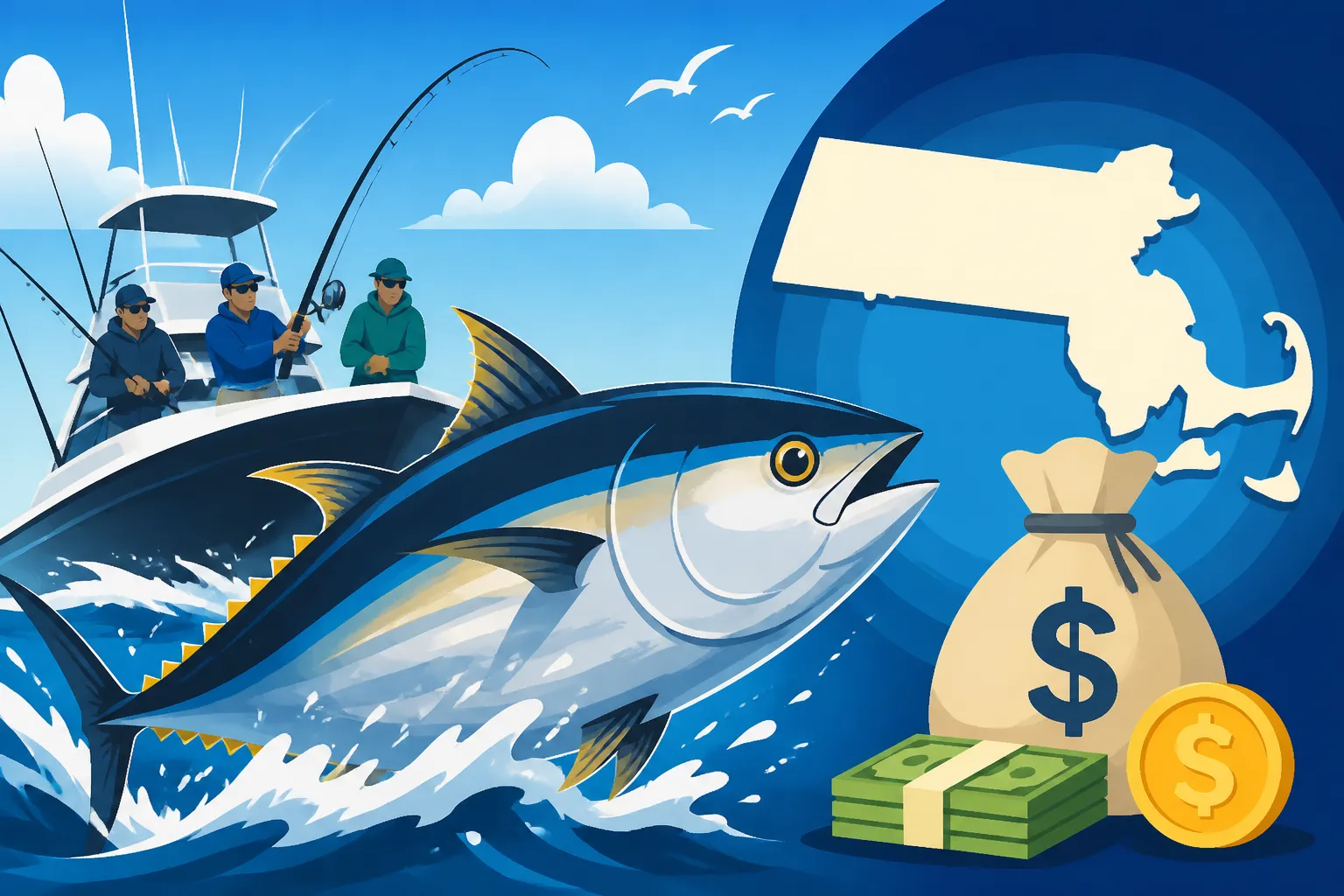
Bluefin tuna charter cost off Massachusetts
If you've ever dreamt of battling one of the ocean's most formidable predators, the bluefin tuna, off the coast of Massachusetts, you're not alone. The sheer power and speed of these magnificent fish make for an unforgettable angling experience. However, when you start looking into booking a trip, one of the first questions that pops up is almost always about the cost, and let's be honest, it can feel a little daunting at first glance. This guide is here to demystify the expenses involved, helping you understand what goes into the price of a bluefin tuna charter off Massachusetts and what you can expect for your investment.
Understanding the Investment: Why Bluefin Tuna Charters Aren't Cheap
Let's cut right to it: bluefin tuna charters are an investment, not a casual afternoon outing. There's a lot that goes into making these specialized trips possible, and understanding these underlying costs can help you appreciate the value you're getting. It’s not just about a boat ride; it’s about a highly specialized operation targeting a truly world-class game fish.
The Specialized Gear and Vessels
Think about the sheer size and strength of a bluefin tuna. These aren't your average pond dwellers. To successfully hook, fight, and land one, you need incredibly robust and specialized equipment. This includes heavy-duty rods and reels capable of handling immense strain, often costing thousands of dollars each. Then there's the tackle – the lines, leaders, hooks, and lures, many of which are custom-made or incredibly durable to withstand powerful bites and prolonged battles. Losing a single high-quality tuna lure can be a significant setback.
Beyond the tackle, the vessels themselves are purpose-built or heavily modified for offshore tuna fishing. These aren't small inshore boats. They need to be substantial enough to handle potentially rough offshore conditions, carry vast amounts of fuel, bait, ice, and accommodate several anglers and crew members comfortably and safely. Maintenance for such boats, including engines, electronics, and safety gear, is a continuous and substantial expense for any charter operation.
The Expertise of the Crew
When you step aboard a bluefin tuna charter, you're not just paying for a boat; you're paying for the invaluable experience and knowledge of the captain and crew. These individuals spend countless hours on the water, tracking weather patterns, studying migration routes, understanding baitfish movements, and interpreting sonar readings. They know the subtle signs that indicate where tuna might be holding and what techniques are most likely to entice a bite on any given day.
A seasoned captain has built up years, even decades, of local knowledge, identifying prime fishing grounds, understanding tidal currents, and adapting to the ever-changing habits of these migratory fish. The crew often includes a skilled mate who is crucial for rigging baits, setting lines, coaching anglers during a fight, and ensuring everyone's safety. This expertise is honed over many seasons and is absolutely essential for a successful and safe tuna fishing adventure.
Fuel Consumption and Operational Overheads
Massachusetts bluefin tuna fishing often means venturing far offshore, sometimes many miles out into the Atlantic. This requires significant amounts of fuel, and as anyone who owns a boat knows, marine fuel isn't cheap. A single trip can burn through hundreds of gallons of diesel or gasoline, adding a substantial operating cost.
Beyond fuel, there are numerous other operational expenses that charter captains must factor into their pricing. This includes commercial insurance, which is paramount for passenger safety and liability. There are also various permits and licenses required for the vessel and crew to operate commercially. Then there are consumables: large quantities of ice to preserve the catch, live bait (which can be expensive and difficult to source), chum, terminal tackle that gets lost or broken, and general wear and tear on all equipment. All these elements combined contribute to the overall cost of running a professional tuna charter and are naturally reflected in the price.
Key Factors Influencing Bluefin Tuna Charter Prices
When you're browsing for a charter, you'll quickly notice that prices aren't uniform. Several key factors play a significant role in determining the final cost. Being aware of these variables can help you understand why one trip might be more expensive than another and choose an option that best fits your budget and expectations.
Trip Duration: Half-Day, Full-Day, or Extended Journeys
The length of your trip is often the most direct determinant of cost. While some inshore charters might offer half-day trips, bluefin tuna typically require a full day or even extended multi-day excursions due to the distances involved and the time it takes to locate and engage these powerful fish.
- Full-Day Charters: These are the most common for bluefin tuna, typically lasting 8-12 hours. They allow ample time for the run to the fishing grounds, hours of active fishing, and the return trip. The vast majority of bluefin tuna charters out of Massachusetts, particularly for giants, will fall into this category. The price reflects the extended fuel consumption, crew time, and opportunity for a full day's fishing.
- Extended or Overnight Trips: For those seeking true giants or looking to explore more distant canyons, some charters offer 18-hour, 24-hour, or even multi-day trips. These provide more fishing time and access to areas further offshore but come with a significantly higher price tag due to additional fuel, provisions, and crew costs. These are often reserved for serious anglers chasing truly immense fish.
Boat Size, Amenities, and Crew-to-Angler Ratio
The vessel itself is a major factor. Larger, more luxurious, or newer boats typically command higher prices. These vessels might offer more comfortable cabins, advanced electronics, better fishing platforms, and perhaps even air conditioning or more extensive galleys, all of which contribute to a more premium experience.
- Boat Size and Comfort: A smaller, older boat that gets the job done might be more economical than a state-of-the-art sportfishing yacht equipped with every imaginable comfort and high-tech fishing gadget.
- Crew-to-Angler Ratio: Most tuna charters include a captain and at least one mate. If you're on a private charter with a smaller group, you get more personalized attention, which is often reflected in the price per person (though the overall boat cost remains the same). Some larger head boats, while less common for dedicated tuna trips, might offer a lower individual price by spreading the cost among more passengers. When browsing options on platforms like FishingBooker, pay attention to the boat specifications and crew details.
Seasonality and Demand
Just like any other service, the demand for bluefin tuna charters fluctuates with the seasons, directly impacting pricing.
- Peak Season: The prime time for bluefin tuna fishing in Massachusetts generally runs from late spring through fall. During these months, especially July, August, and September, when the weather is most stable and tuna are abundant, demand is highest. This is when you can expect charter prices to be at their peak. Booking well in advance is crucial during this period.
- Shoulder Seasons: Early spring and late fall can sometimes offer opportunities, and you might find slightly more competitive pricing as demand eases. However, weather can be more unpredictable, potentially leading to more cancellations.
Location of Departure
The specific port from which your charter departs can also subtly influence pricing. Boats operating out of ports closer to the prime tuna fishing grounds might have slightly lower fuel costs, though this is often offset by other factors. Popular departure points like Gloucester, Chatham, and ports on Cape Cod or near Boston are all hubs for tuna fishing. You might find some variation in pricing simply due to the local market conditions and competition among captains in different areas. For example, a boat departing from a harbor that's a longer run to the fishing grounds will naturally have higher fuel expenses, which will be factored into the overall cost.
What's Typically Included (and Not Included) in Your Bluefin Tuna Charter Fee
Understanding what your charter fee covers is crucial for budgeting and avoiding any surprises on the day of your trip. While most reputable captains are transparent about their pricing, it's always good practice to clarify upfront.
The Standard Inclusions
Generally, a bluefin tuna charter fee covers the essential elements needed for a day of fishing:
- Professional Captain and Crew: Their expertise, guidance, and hard work are central to the experience.
- Boat and Fuel: The vessel, its operation, and the fuel consumed during your trip.
- Fishing Tackle: This includes high-quality rods, reels, lines, and terminal tackle (hooks, swivels, leaders, etc.). You won't need to bring your own specialized gear.
- Bait and Lures: Whether it's live mackerel, herring, or expensive artificial lures, these are typically provided.
- Ice: Ample ice is usually provided for bait and for preserving any fish you catch and keep.
- Safety Equipment: Life jackets, first-aid kits, navigation equipment, and other safety gear required by the Coast Guard are always on board.
Many Massachusetts captains also provide fish bags or coolers for your catch and sometimes even offer to fillet your fish at the dock. Be sure to confirm this service if it's important to you.
Common Exclusions and Extra Costs
Even with a comprehensive charter package, there are often a few additional costs that you'll need to account for:
- Fishing Licenses: While the boat itself has commercial permits, individual anglers typically need their own Massachusetts Saltwater Recreational Fishing Permit Explained for saltwater fishing, even on a charter. It's a small fee but essential. Check with your captain or MassWildlife's website to confirm. You generally need to purchase this beforehand.
- Food and Beverages: Most charters are "BYO" (Bring Your Own) when it comes to snacks, lunch, and drinks. Pack plenty of water and anything else you might want to eat during your long day offshore.
- Gratuities for the Crew: Tipping is customary and highly encouraged for the hard-working captain and mate. They put in long hours, provide expert assistance, and significantly enhance your experience. A common guideline is to tip 15-20% of the charter cost, but always tip based on your satisfaction with their effort and service, regardless of whether you catch fish.
- Sunscreen, Hat, Sunglasses, Appropriate Clothing: These are personal items you'll want to bring for comfort and protection from the elements.
- Seasickness Medication: If you're prone to motion sickness, bring your preferred remedy and take it before you board. Offshore tuna fishing can involve significant swells.
- Fish Processing (Beyond Filleting): While some captains will fillet your catch, if you want further processing (e.g., vacuum sealing, smoking), you'll likely need to arrange and pay for that with a local fish processor once you're back on shore.
- Photos/Videos: While some captains might take a few photos, if you want professional quality photos or videos, you'd need to arrange that separately.
Considering the "Value" Beyond the Price Tag
It’s easy to look at the price of a bluefin tuna charter and focus solely on the number. However, the true value of the experience extends far beyond the monetary cost. You're paying for:
- Safety: Reputable charters prioritize safety, from well-maintained vessels to experienced crew trained in emergency procedures.
- An Unforgettable Experience: The thrill of hooking into a powerful bluefin is a once-in-a-lifetime experience for many.
- Education: You'll learn a tremendous amount about offshore fishing techniques, navigation, and marine life from passionate experts.
- Potential for a Trophy Catch: While there are no guarantees in fishing, chartering with experienced professionals significantly increases your chances of landing a magnificent bluefin tuna.
So, while the bluefin tuna charter cost off Massachusetts might seem high at first glance, consider all these factors, and you'll see it’s a fair reflection of the expertise, equipment, and sheer effort required to chase these incredible fish.
Navigating Booking Options and Finding the Right Fit
Once you have a better grasp of the costs and what influences them, the next step is finding and booking your bluefin tuna charter. There are several avenues you can explore, each with its own advantages. Careful consideration and asking the right questions will help ensure a great experience.
Direct Booking vs. Online Platforms
You have a couple of primary ways to book your Massachusetts bluefin tuna adventure:
- Directly with a Captain: Many seasoned captains operate independently and can be found through their websites, social media, or by word-of-mouth recommendations. Booking direct allows for direct communication with the captain, potentially more flexibility, and sometimes a more personal touch. It also ensures all your payment goes directly to the operator.
- Online Booking Platforms: Websites like FishingBooker specialize in connecting anglers with charter captains worldwide, including those operating out of Massachusetts. These platforms offer a convenient way to browse numerous charters, compare prices, read reviews from other anglers, and often book instantly. They can simplify the search process, providing a structured overview of available boats, amenities, and pricing. Just be sure to read the fine print regarding cancellation policies and any booking fees. Many reputable Massachusetts captains list their services on these platforms, making it easier for you to find a great match.
Asking the Right Questions Before You Book
No matter how you book, engaging in clear communication with the captain or booking agent is key. Here are some essential questions to ask:
- What is the exact total cost, and what is included? Reconfirm all inclusions (bait, tackle, fuel, ice) and exclusions (licenses, food, gratuity).
- What is your typical trip duration for bluefin tuna? Confirm the start and end times.
- What is your cancellation policy? Understand what happens in case of bad weather, mechanical issues, or if you need to cancel.
- How many anglers can you comfortably accommodate for tuna fishing? While a boat might be rated for six passengers, tuna fishing with heavy gear often requires more space per angler.
- Do you offer fish cleaning/filleting services? If so, is it included or an additional charge?
- What should we bring for food and drinks?
- What is the best time of year to catch bluefin tuna with your charter? This can help align your expectations with the Massachusetts Bluefin Tuna Charters season.
- What is your policy on keeping fish? Understand Bluefin Tuna Size Limits off Massachusetts and regulations, and what happens if you catch multiple fish.
Getting clear answers to these questions will help set expectations and ensure there are no surprises on the day of your trip. Don't be shy about clarifying any details when communicating with a captain you find on platforms like FishingBooker.
Maximizing Your Investment: Tips for a Successful Trip
You’ve invested your hard-earned money in a bluefin tuna charter, so you want to make the most of it. Here are some tips to help maximize your chances of a successful and enjoyable trip:
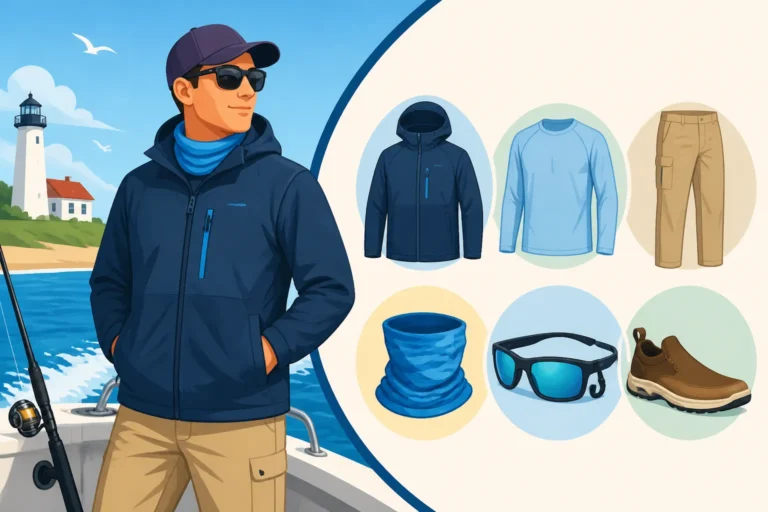
- Be Prepared: Dress in layers, as offshore temperatures can change quickly. Bring rain gear, even if the forecast looks clear. Wear non-skid shoes. Bring sunscreen, a hat, and polarized sunglasses. And as mentioned, don't forget food, drinks, and any necessary seasickness medication. Check out guides on What to Bring on a Massachusetts Fishing Charter for more detailed packing lists.
- Listen to Your Crew: The captain and mate are the experts. Pay attention to their instructions for rigging, casting, fighting fish, and especially safety. Their guidance will significantly improve your chances of success.
- Be Patient: Tuna fishing can sometimes involve long stretches of waiting, followed by intense bursts of action. Enjoy the ocean, the scenery, and the company. The bite will come when it comes!
- Manage Expectations: While the goal is always to catch fish, it's called "fishing," not "catching." Bluefin tuna are wild animals, and there are no guarantees. Focus on the experience, the challenge, and the adventure.
- Stay Hydrated and Well-Fed: A full day on the water, especially battling a large fish, can be physically demanding. Keep your energy up.
- Don't Forget the Tip: Show your appreciation for the crew's hard work, knowledge, and dedication. They work incredibly hard to put you on fish and ensure your safety and enjoyment. You can learn more about this by checking out Is Tipping Expected on a Massachusetts Fishing Charter?.
By understanding the factors that influence the bluefin tuna charter cost off Massachusetts, doing your research, and going into your trip well-prepared and with realistic expectations, you're setting yourself up for an incredible angling adventure that will create lasting memories.
| Cost Factor | Impact on Price | Description |
|---|---|---|
| Trip Duration | High | Longer trips (full-day, extended) directly increase costs due to more fuel, crew time, and provisions. Short trips are rare for bluefin tuna. |
| Boat Size/Amenities | Medium-High | Larger, newer, more comfortable, or highly equipped vessels often command higher prices. Basic but effective boats can be more economical. |
| Crew Experience | High | Highly experienced captains and mates with proven track records for finding tuna justify premium pricing due to their invaluable knowledge and skill. |
| Seasonality | Medium | Peak fishing season (late summer/early fall) sees higher demand and often higher prices. Shoulder seasons might offer slight discounts but with more unpredictable weather/fishing. |
| Fuel Costs | High | Significant factor as tuna grounds are often far offshore. Fluctuating fuel prices directly impact charter rates. |
| Equipment Quality | Medium | Charters using top-tier, heavy-duty tackle and advanced electronics factor these high investment and maintenance costs into their pricing. |
| Departure Location | Low | Slight variations may exist between ports due to proximity to fishing grounds or local market competition, but generally less impactful than duration or boat type. |
Disclaimer
This article is for general informational purposes only and does not constitute professional advice. Laws, prices and regulations vary by location and change over time. Consult a qualified professional for guidance on your specific situation.