Fish you can catch on a Boston Harbor charter
There’s nothing quite like the salty air, the iconic skyline, and the anticipation of a bent rod right in your backyard. Fishing in Boston Harbor isn't just about catching fish; it's an experience, a unique blend of urban adventure and marine thrill. But if you’re new to charter fishing, or even just new to the harbor, you might be wondering, "What fish can I actually hope to catch out there?" This guide will break down the most popular and exciting species that call Boston Harbor home, giving you a clear picture of what your charter trip might entail.
The Vibrant Ecosystem of Boston Harbor
When you think of Boston Harbor, you might picture historical ships, ferry boats, and perhaps the occasional whale watch, but beneath the surface lies a surprisingly robust and diverse ecosystem. This isn't just a dirty city waterway anymore; years of conservation efforts have transformed it into a thriving habitat for numerous fish species, making it an excellent destination for anglers of all skill levels.
A Diverse Fishery Right at Your Fingertips
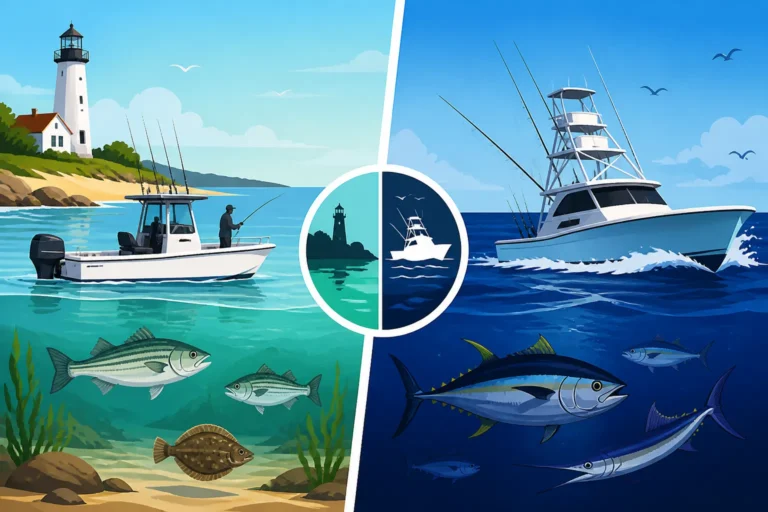
Boston Harbor benefits from its unique geographical position. It's a deep-water port with tidal influences from Massachusetts Bay and the Atlantic Ocean, creating a dynamic environment where both inshore and nearshore species can flourish. You've got rocky ledges, sandy flats, deeper channels, and plenty of baitfish moving in and out with the tides. This variety of habitats means that a single charter trip can offer you shots at several different types of fish, keeping the action exciting and unpredictable. It's truly incredible how much life teems within sight of the city's towering buildings, offering anglers a chance to connect with nature without venturing far from shore. For those looking for local wisdom on where to drop a line, Best Places to Fish in Boston Harbor, Massachusetts is a fantastic resource.
Star Species You'll Target on a Boston Harbor Charter
Boston Harbor is famous for a few key species that truly define its charter fishing scene. While you might occasionally hook into something unexpected, these are the fish that most charters actively pursue, and for good reason—they offer thrilling fights and often make for excellent table fare.
Striped Bass: The Crown Jewel
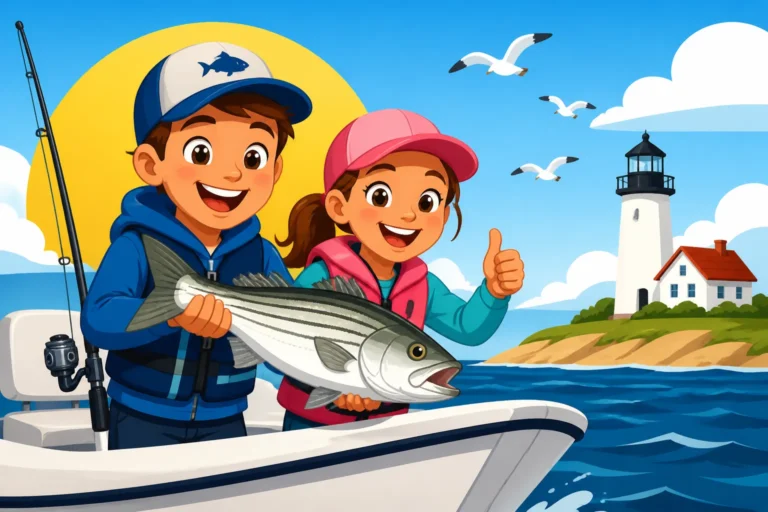
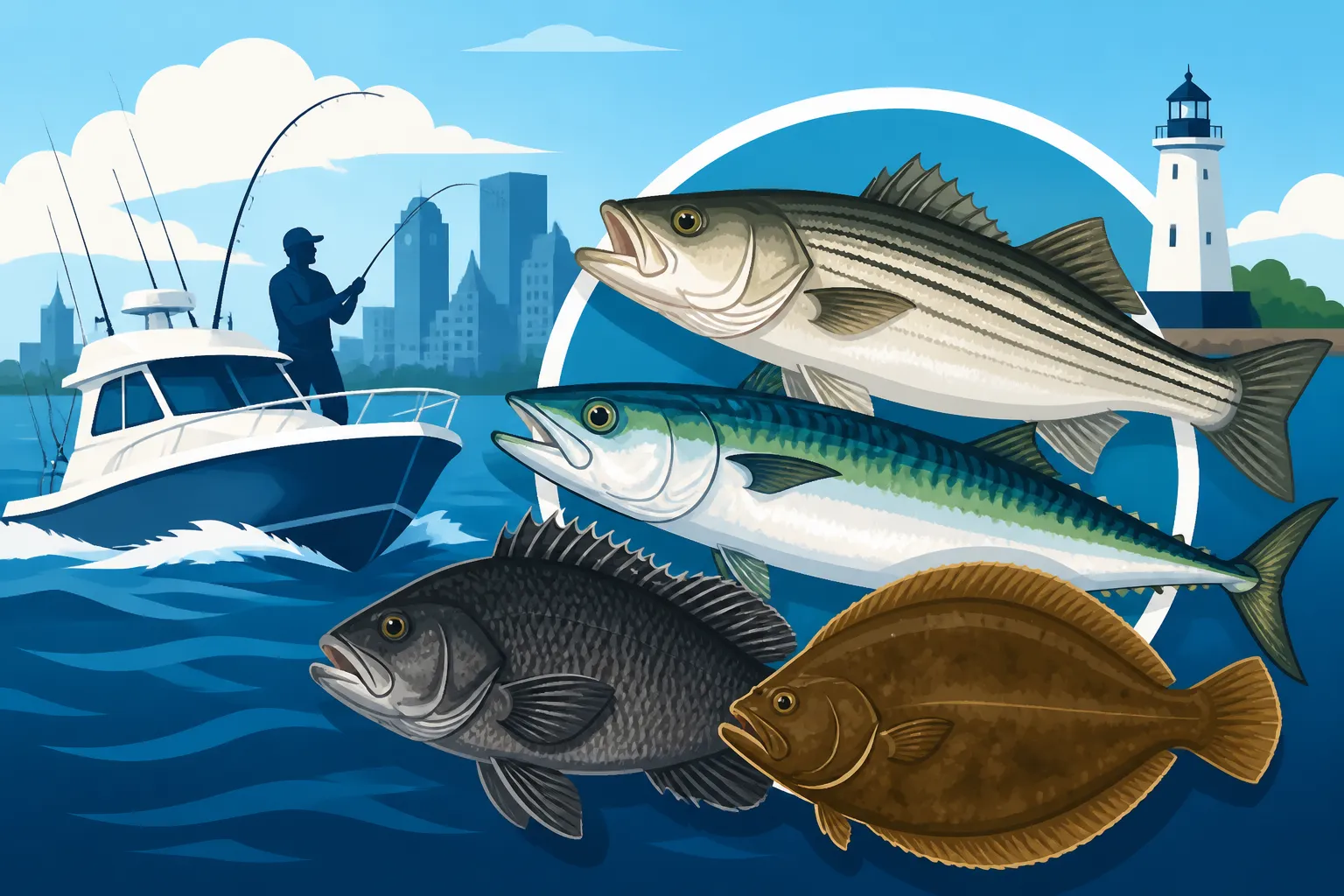
Ah, the striped bass. If there’s one fish synonymous with Massachusetts saltwater fishing, it’s the striper. These magnificent fish are highly sought after for their powerful runs and delicious white meat. In Boston Harbor, you can expect to find them cruising the channels, hugging rocky shorelines, and ambushing baitfish near structure. Charters often target them by trolling various lures, drifting live bait like mackerel or pogies (menhaden), or even jigging soft plastics when they're schooled up. The thrill of a striper hitting your line, especially a larger one, is something every angler should experience.
The season for striped bass in Massachusetts typically kicks off in late spring, usually around May, and can run well into the fall, sometimes even into November. The summer months are prime time for consistent action within the harbor. When you hook into a striped bass, be prepared for a strong fight; they're known for their powerful initial runs and their ability to stay deep and pull hard. Your charter captain will know the local regulations regarding size and bag limits, but it's always good to be aware yourself, and you can learn more about this in Massachusetts Striped Bass Size and Bag Limit.
For a truly memorable experience, many anglers hope to land a "cow" striper—a fish pushing 40 pounds or more. While these giants are less common, the harbor consistently produces plenty of respectable fish in the 20-30 inch range, perfect for a photo and perhaps dinner. Charters are equipped with the heavy-duty tackle needed to handle these strong fish, so you just need to bring your enthusiasm. If you're keen to dive deeper into techniques, check out How to Catch Striped Bass in Massachusetts.
Bluefish: Aggressive and Abundant
If you're looking for sheer excitement and a fish that fights with reckless abandon, then bluefish are your quarry. Known for their razor-sharp teeth and aggressive strikes, bluefish are often found in the same waters as striped bass, especially during the warmer months. They're opportunistic feeders and will strike at almost anything that moves, from topwater lures to live bait. Be warned: they can destroy tackle, so charters come prepared with wire leaders or heavy fluorocarbon to prevent bite-offs.
Bluefish generally arrive in Boston Harbor sometime in June and stick around through September or even October, depending on water temperatures. When they're in, they're usually in large schools, leading to what anglers call a "bluefish blitz" where the water boils with feeding fish. A charter trip during a bluefish run can lead to non-stop action, with multiple hook-ups possible. They don't have the same reputation for table fare as stripers for some, but many enjoy their strong, oily flavor, especially when fresh and properly prepared. To understand more about their presence, you might want to read Massachusetts Bluefish Bag Limit and Season.
Fighting a bluefish is an experience in itself. They pull hard, make quick, erratic runs, and will often jump or thrash at the surface. They’re tenacious fighters, and even smaller bluefish can put up an impressive battle on light tackle. Just remember to give them plenty of respect when handling them at the boat due to their formidable teeth!
Flounder and Bottom Dwellers: A Consistent Catch
While the flashy stripers and blues often steal the spotlight, Boston Harbor offers excellent opportunities for bottom fishing, too. This style of fishing is often more relaxed but can be incredibly rewarding, especially if you're looking for a consistent bite or want to introduce kids to fishing. The most common targets here are winter flounder, summer flounder (known as fluke), scup (porgy), and tautog (blackfish).
Winter flounder prefer sandy or muddy bottoms and are often targeted in the spring and fall. They're delicious panfish, known for their delicate white flesh. Charters will typically anchor up over prime flounder grounds and use small hooks baited with clam worms or strips of clam. The bite can be subtle, so paying attention to your rod tip is key. Massachusetts Fluke Size Limits Explained can give you an idea of the regulations for their summer cousins.
Summer flounder, or fluke, are another popular species, arriving in the harbor as the water warms. They're ambush predators, often found lying in wait on sandy bottoms near structure. Charters will often drift bait or small bucktail jigs along the bottom to entice them. Scup, or porgy, are hard-fighting panfish that offer a ton of fun on light tackle, especially in late summer. Tautog, on the other hand, are structure-oriented fish, found around rocky areas, wrecks, and mussel beds. They require a specific bait (usually green crabs or fiddler crabs) and a quick hook-set, but they are incredibly strong for their size and highly prized for their firm, white meat. More on these tricky fish can be found in Massachusetts Tautog Size and Bag Limit by Season.
Cod and Haddock: Deeper Water Opportunities
While you're not typically going to target cod and haddock right inside the protected inner harbor, many Boston-based fishing charters will venture out into the deeper waters of Massachusetts Bay, just beyond the harbor islands, where these groundfish species thrive. These trips are often referred to as "deep sea" or "groundfish" charters and typically require a bit more travel time to reach the fishing grounds.
Cod and haddock are cold-water species, often found on rocky bottoms and ledges in deeper water. The seasons and regulations for these species can vary, so it's always best to consult with your chosen charter captain. They are generally caught using jigs or baited rigs (clams, seaworms) fished directly on the bottom. The fight from a good-sized cod or haddock is a solid, determined pull, and they are, without a doubt, among the most delicious fish in the ocean, making the effort worthwhile. If you're considering targeting these, familiarize yourself with Massachusetts recreational cod fishing rules. These trips often yield a variety of other deep-water species, adding to the excitement of a full day offshore.
Planning Your Boston Harbor Fishing Adventure
Ready to cast a line in Boston Harbor? A little planning goes a long way in ensuring a fantastic and fruitful fishing trip. Choosing the right charter, knowing what to expect, and understanding the local rules will set you up for success.
Choosing the Right Charter and Time of Year
When it comes to booking a Boston Harbor charter, you've got options. Many reputable captains operate out of various marinas in Boston, Quincy, and other surrounding towns. Your first step should be to decide what kind of fishing experience you're looking for. Do you want to specifically target striped bass? Are you hoping for a family-friendly bottom fishing trip? Or are you dreaming of a deep-sea adventure for cod and haddock? Once you know your goal, you can then narrow down charters that specialize in those areas.
Platforms like FishingBooker are incredibly useful for comparing different charters, checking their availability, reading reviews from other anglers, and seeing what species they primarily target. This makes it easy to find a captain who aligns with your fishing ambitions. Remember that the best time of year will heavily influence what you catch. Early spring might be good for winter flounder, while summer and early fall are prime for stripers and bluefish. Offshore trips for cod and haddock might be available for longer seasons, depending on the captain and regulations. For a general overview, Massachusetts Saltwater Fishing Seasons is a great resource. Booking in advance, especially for prime summer weekends, is always a good idea!
What to Expect and What to Bring
Most Boston Harbor charters will provide all the necessary fishing gear, including rods, reels, tackle, and bait. This is a huge convenience, especially if you're traveling or just starting out. They'll also typically handle the necessary permits for the vessel itself. However, it's a common and important question: Do Charter Passengers Need Their Own Massachusetts Saltwater Permit? The short answer is usually no, as the vessel's federal permit often covers everyone on board for recreational purposes, but it's always wise to confirm with your captain.
Here’s a general checklist of what you might want to bring:
- Sun Protection: Sunglasses, hat, sunscreen are essential, even on cloudy days. The sun reflecting off the water can be intense.
- Layers of Clothing: Weather on the water can change rapidly. Dress in layers you can easily add or remove.
- Food and Drinks: While some charters might provide water, it’s best to bring your own snacks, lunch, and beverages. Cans are usually preferred over glass bottles.
- Cooler: Bring a cooler to transport your catch home (cleaned and filleted by the crew, if they offer that service). Don't bring it full of drinks for the boat, bring a separate smaller bag for that.
- Camera: To capture those memorable moments and trophy fish!
- Motion Sickness Medication: If you're prone to seasickness, take medication before you board the boat, not once you start feeling queasy.
- Soft-soled Shoes: For comfort and safety on deck.
Most charters will run for a half-day (4-5 hours) or a full-day (6-8 hours). The longer trips typically give you more time to explore different spots and target a wider variety of fish, increasing your chances of a great catch. Your charter captain and crew are there to help you, offer advice, and ensure your safety and enjoyment, so don't hesitate to ask questions. For more detailed insights on general charter experiences, consider looking at Boston Fishing Charters Guide, Massachusetts.
Understanding Regulations and Conservation
Fishing in Massachusetts, whether in Boston Harbor or elsewhere, comes with rules and regulations designed to protect fish populations and ensure sustainable fishing for future generations. Your charter captain will be intimately familiar with the current bag limits, size restrictions, and seasons for various species. It's their responsibility to ensure everyone on board adheres to these rules.
However, as an angler, being aware of these regulations yourself is a part of responsible fishing. This includes understanding the slot limits for striped bass, the minimum sizes for flounder and cod, and the daily catch limits for species like bluefish. Conservation goes beyond just following the rules; it also involves practicing good catch-and-release techniques for fish you don't intend to keep, minimizing stress and injury to the fish. When you utilize resources like FishingBooker, you can often find captains who are passionate about conservation and educate their clients on these best practices. Knowing Massachusetts Recreational Fishing Rules and Bag Limits broadly is always a good starting point for any fishing trip in the state.
Boston Harbor Target Species Overview
To help you visualize your potential catch, here's a quick summary of the main fish you can expect to encounter on a Boston Harbor charter:
| Species | Best Season (Boston Harbor) | Typical Size Range (Charter) | Common Techniques | Notes |
|---|---|---|---|---|
| Striped Bass | Late Spring – Early Fall | 20-40 inches (often larger) | Trolling, Live Bait, Jigging | Powerful fight, excellent eating. Slot limits apply. |
| Bluefish | Summer – Early Fall | 2-10 pounds | Trolling, Live Bait, Casting | Aggressive, sharp teeth, exciting fight. |
| Winter Flounder | Spring – Late Fall | 12-18 inches | Bottom Fishing (Clams, Worms) | Delicate taste, subtle bite. |
| Summer Flounder (Fluke) | Summer | 15-25 inches | Drifting Bait, Jigs | Ambush predator, prized for firm white meat. |
| Tautog (Blackfish) | Late Spring, Fall | 15-25 inches | Bottom Fishing (Crabs) | Structure-oriented, strong fight, delicious. |
| Cod | Year-round (offshore) | 2-20 pounds | Jigging, Baited Rigs | Deep-water species, fantastic eating. |
| Haddock | Year-round (offshore) | 1-10 pounds | Jigging, Baited Rigs | Similar to cod, delicate taste. |
| Scup (Porgy) | Summer – Early Fall | 8-15 inches | Bottom Fishing (Worms, Clams) | Abundant, fun on light tackle, good eating. |
Fishing in Boston Harbor offers a unique and accessible way to experience the thrill of saltwater angling. Whether you're chasing the mighty striped bass, battling aggressive bluefish, or enjoying a relaxing day bottom fishing for flounder, there's a fish out there for everyone. So, gather your crew, book a charter, perhaps through a convenient service like FishingBooker, and get ready to make some unforgettable memories against the backdrop of one of America's most historic cities.
Disclaimer
This article is for general informational purposes only and does not constitute professional advice. Laws, prices and regulations vary by location and change over time. Consult a qualified professional for guidance on your specific situation.