Boston Fishing Charters Guide, Massachusetts
For many anglers, the dream of hooking into a powerful striped bass or a feisty bluefish is strong, but the thought of navigating the complex waters of Boston Harbor or beyond can feel incredibly daunting. You might not have a boat, the right gear, or the local knowledge needed to find the fish. That's where a Boston fishing charter becomes your ultimate solution, offering expert guidance and a seamless experience to help you make those fishing dreams a reality on the stunning Massachusetts coastline.
Why Choose a Boston Fishing Charter for Your Next Adventure?
Boston, with its rich maritime history and proximity to vibrant inshore and offshore fishing grounds, is a truly special place for anglers. But let's be honest, trying to fish these waters on your own, especially if you're not a local, can be a real headache. You've got to contend with boat ramps, tides, navigating busy channels, and knowing where the fish are actually biting. This is where the magic of a fishing charter truly shines.
Access to Expert Knowledge and Prime Fishing Grounds
One of the biggest advantages of booking a Boston fishing charter is gaining immediate access to an experienced captain and their intimate knowledge of the local ecosystem. These captains spend countless hours on the water, tracking fish movements, understanding seasonal patterns, and knowing the hidden honey holes that you’d never find on your own. They know when the Best Time of Year to Fish in Massachusetts is for certain species and which tides are most productive in specific areas. This expertise means less time searching and more time with a bending rod.
Imagine trying to locate a school of striped bass in the vastness of Boston Harbor. Without local insight, you'd be guessing, burning fuel, and probably coming up empty-handed. A charter captain, however, has a network of contacts, uses advanced electronics, and relies on years of experience to put you right on top of the fish. They're not just taking you for a boat ride; they're providing a guided, strategic fishing experience tailored to the conditions of the day.
All-Inclusive Convenience and High-Quality Gear
Another huge benefit? Charters are typically all-inclusive. This means you don't have to worry about owning expensive rods, reels, tackle, or even bait. Many folks just starting out in fishing, or those visiting from out of state, simply don't have the specialized gear needed for saltwater fishing in Massachusetts. Trying to buy everything for a single trip can be incredibly cost-prohibitive, not to mention a hassle.
A good Boston fishing charter provides top-of-the-line equipment, ensuring you have the best chance to land that trophy fish. The rods are matched to the target species, the reels are properly spooled, and the tackle is fresh and effective. This convenience allows you to simply show up, step on board, and focus purely on the joy of fishing, without any of the pre-trip logistics or equipment worries. Plus, if you're wondering Do Charter Passengers Need Their Own Massachusetts Saltwater Permit?, the answer is usually no – your captain's vessel license often covers everyone on board, though it's always smart to confirm.
Exploring the Types of Charters Available in Boston
Boston's diverse marine environment means there's a fishing charter experience for just about every angler, whether you dream of staying within sight of the city skyline or venturing far offshore into the vast Atlantic. Understanding the different types of charters available can help you decide which adventure best suits your fishing goals and comfort level.
Inshore and Nearshore Charters
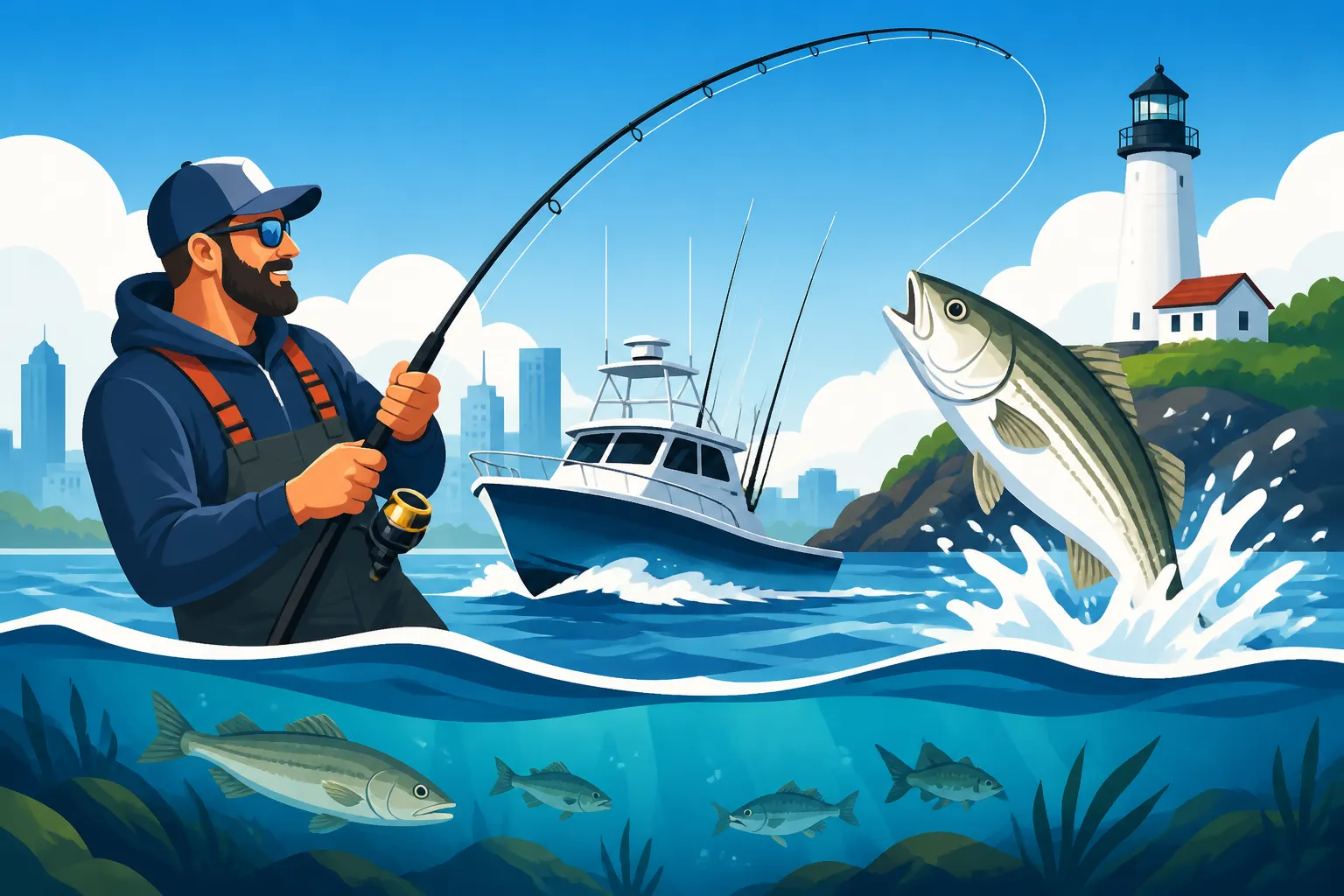
Inshore and nearshore charters typically focus on the waters of Boston Harbor, Massachusetts Bay, and the immediate coastline. These trips are fantastic for families, beginners, or anyone who prefers calmer waters and shorter boat rides. The scenery is often stunning, with views of the Boston skyline, historic lighthouses, and the Boston Harbor Islands. You'll find plenty of opportunities for exciting fishing without needing to travel far.
These charters primarily target species like striped bass, bluefish, flounder, and sometimes tautog or scup, depending on the season. A half-day trip, which might be a Cost of a Boston Harbor half-day charter, is often ideal for this type of fishing, offering plenty of action within a few hours. Captains will often work rips, rocky outcrops, and channel edges, where baitfish congregate, drawing in predatory gamefish. It's a fantastic way to experience Boston's fishing scene without committing to a full-day offshore journey.
Offshore and Deep-Sea Charters
For those with a more adventurous spirit and a desire to chase bigger, harder-fighting fish, offshore and deep-sea charters are the way to go. These trips venture many miles out into the Atlantic, often to Stellwagen Bank or other offshore grounds, where the water is deeper and the marine life more abundant. These trips typically require longer durations, often full-day or even extended trips, and can be more physically demanding due to potential sea conditions.
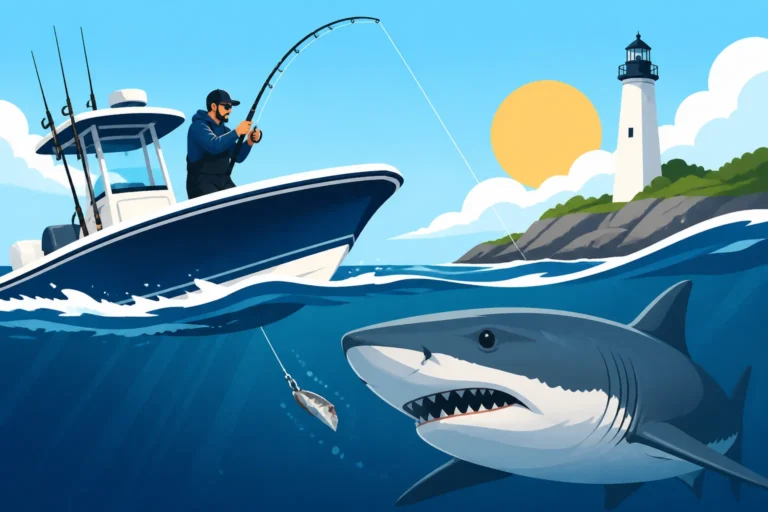
Offshore charters target formidable species such as bluefin tuna, cod, pollock, haddock, and sometimes even sharks. If you're looking for Massachusetts Bluefin Tuna Charters, Boston is an excellent departure point. These trips are an entirely different ballgame, often involving specialized gear, techniques like trolling or jigging, and the pursuit of truly monumental catches. While they command a higher price point, the thrill of battling a tuna or hauling up a substantial cod from the depths is an unforgettable experience for serious anglers.
What You Can Expect to Catch on a Boston Charter
The fishing grounds around Boston are incredibly productive, teeming with a variety of species that offer exciting opportunities for anglers of all skill levels. What you can expect to catch largely depends on the time of year and whether you opt for an inshore or offshore adventure.
Inshore Gamefish: Stripers, Blues, and Flounder
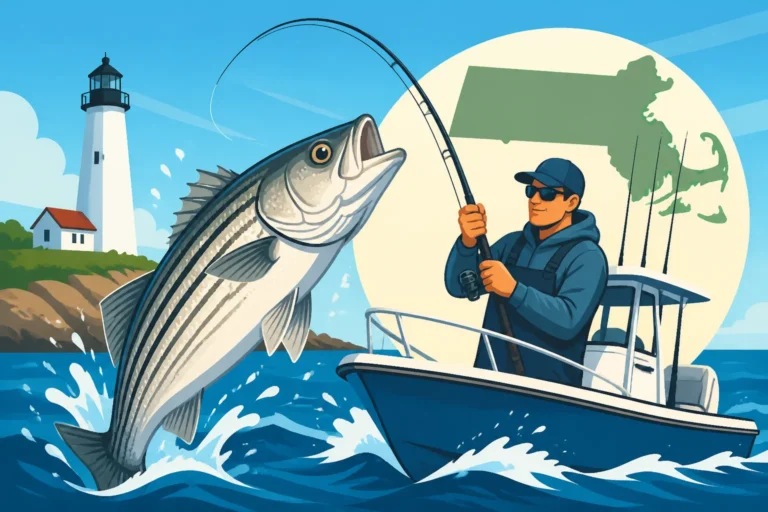
When you book an inshore or nearshore charter in Boston, your primary targets will often be striped bass and bluefish. These migratory species arrive in Massachusetts waters in late spring and stay through the fall, offering consistent action throughout the warmer months. Striped Bass Fishing in Massachusetts is particularly popular, with anglers often catching a mix of slot-sized keepers and larger "cow" bass that provide an incredible fight. Bluefish are known for their aggressive strikes and powerful runs, making them a thrilling catch.
Beyond the hard-hitting predators, you can also expect to encounter various bottom fish. Winter flounder and summer flounder (fluke) are popular targets, especially in the shallower, sandy bottoms of Boston Harbor. You might also hook into scup (porgy) or even tautog around rocky structures. These species provide excellent table fare and offer a different kind of angling challenge, often requiring more finesse with lighter tackle. Many charters focus on Fish you can catch on a Boston Harbor charter specifically, providing a clear idea of what's in season.
Offshore Giants: Tuna, Cod, and Haddock
Venturing offshore from Boston opens up a whole new world of angling possibilities, especially if you're after true leviathans of the deep. Massachusetts Bluefin Tuna Charters are highly sought after, with anglers traveling from all over to battle these powerful pelagic fish. The season for bluefin typically runs from summer into early fall, and hooking into one is an experience that will test your strength and stamina like no other.
Beyond tuna, the offshore banks like Stellwagen are renowned for their groundfish populations. Cod and haddock are staples of deep-sea fishing, providing both a good fight and delicious fillets. Pollock and cusk can also be caught, adding to the variety of the deep-sea bounty. These trips often involve vertical jigging or bait fishing on the bottom, requiring heavy-duty gear to bring these deep-dwelling species to the surface. It's truly a test of will and skill, but the rewards are often substantial.
Understanding Boston Fishing Charter Costs and Inclusions
One of the first questions people ask when considering a fishing charter is, "How much does it cost?" It's a fair question, and the answer, like with most things in fishing, isn't always straightforward. Charter prices in Boston can vary widely based on several factors, but understanding these can help you budget and choose the right trip.
Factors Influencing Charter Prices
The cost of a Boston fishing charter is primarily influenced by the duration of the trip, the type of fishing, and the size and amenities of the boat. Shorter trips, like a half-day inshore charter for striped bass, will naturally be less expensive than a full-day offshore tuna expedition. For example, a dedicated Massachusetts Striped Bass Charter Cost will differ significantly from a bluefin tuna trip, which typically requires more fuel, specialized heavy tackle, and a longer commitment from the crew.
Boat size and type also play a role; larger, more comfortable vessels with advanced electronics and amenities might command a higher price. The experience and reputation of the captain can also factor in. While it might be tempting to go with the cheapest option, remember that you're paying for expertise, safety, and a higher likelihood of success. It's always worth looking into the Massachusetts Fishing Charter Costs to get a general idea, but be prepared for variations.
What's Typically Included and What's Extra
Most Boston fishing charters include the essentials: the boat, a US Coast Guard licensed captain, fuel (within reason), all necessary fishing licenses for those on board, rods, reels, tackle, and bait. Some charters might also offer to clean and fillet your catch at the end of the trip, which is a fantastic bonus. Always confirm these inclusions when booking your trip.
However, there are a few things that are almost always extra. Food and drinks are usually not provided, so you'll want to pack a cooler with your snacks and beverages. Sunscreen, hats, and appropriate clothing are also your responsibility. One significant extra to consider is the gratuity for the captain and crew. Tipping is customary in the charter industry, and it's important to understand Massachusetts Charter Boat Tipping Etiquette. A typical tip is around 15-20% of the total charter price, reflecting their hard work, guidance, and effort to ensure you have a successful and enjoyable day.
How to Choose the Right Boston Fishing Charter for Your Trip
Selecting the perfect fishing charter can feel like a daunting task with so many options available. However, by asking the right questions and knowing what to look for, you can significantly increase your chances of having a fantastic and memorable experience on the water.
Researching Captains and Vessels
Start your search by doing a bit of online research. Websites like FishingBooker are excellent resources, offering detailed profiles of captains, photos of their boats, customer reviews, and information on the types of trips they offer. Pay close attention to the reviews – they provide invaluable insights into a captain's communication style, fishing success rate, and overall professionalism. Look for captains who specialize in the type of fishing you're most interested in, whether it's Are There Striped Bass Charters Inside Boston Harbor? or a quest for tuna.
Don't hesitate to reach out to potential captains directly with any questions you might have. A good captain will be happy to chat about their experience, the boat's amenities, and what you can realistically expect on your trip. Ask about the size of their vessel, safety equipment on board, and how many anglers it can comfortably accommodate. This initial communication can give you a good feel for their personality and whether they're a good fit for your group.
Matching Your Expectations to the Charter
Before booking, have an honest conversation with yourself and your group about your expectations for the trip. Are you looking for a serious, trophy-hunting expedition, or a more relaxed, family-friendly outing where catching a few fish of any size is the main goal? This will help you narrow down the type of charter. For instance, a dedicated tuna charter is very different from a casual harbor cruise.
Also, consider the experience level of everyone in your party. If you have young children or complete novices, an inshore trip with plenty of action and calmer waters might be more suitable than a rough offshore journey. Discuss these points with the captain when inquiring, as they can help guide you towards the most appropriate trip type, duration, and even the best time of day to fish to maximize your enjoyment.
Preparing for Your Boston Fishing Charter Adventure
A successful fishing charter isn't just about what happens on the boat; it also involves a bit of preparation beforehand. Knowing what to bring, how to dress, and how to combat common issues like seasickness can make a huge difference in your overall experience.
What to Bring and How to Dress
Even on the sunniest Boston day, conditions on the water can change rapidly, so dressing in layers is always a smart move. Bring a light jacket or rain gear, even if the forecast looks clear, as sea spray or an unexpected shower can make you uncomfortable quickly. Sun protection is paramount: a wide-brimmed hat, sunglasses, and plenty of high SPF sunscreen are non-negotiables, especially on offshore trips where sun exposure is intense. Comfortable, non-slip shoes are also a must for safety on a wet deck.
As for other essentials, consider packing a small bag with any personal medications, snacks, and drinks (non-alcoholic, unless explicitly permitted by the captain – and even then, in moderation). While many charters will offer to clean your catch, bringing a cooler with ice in your vehicle for the ride home is a good idea to keep your fillets fresh. For a detailed list, check out guides like What to Bring on a Massachusetts Fishing Charter.
Battling Seasickness and Ensuring Comfort
Seasickness can turn a dream fishing trip into a miserable ordeal, but there are steps you can take to prevent or mitigate it. If you're prone to motion sickness, consider taking over-the-counter remedies like Dramamine or Bonine the night before and again an hour before your trip. Ginger chews or wristbands can also provide some relief for mild cases.
During the trip, staying above deck in the fresh air and keeping your eyes on the horizon can help. Avoid reading or looking down at your phone for extended periods. It's also wise to avoid greasy foods or excessive alcohol the night before. Communicate any concerns about seasickness with your captain; they are often very understanding and can offer advice or adjust the boat's positioning to make you more comfortable, ensuring everyone has a pleasant time on the water.
Booking Your Boston Fishing Charter Seamlessly
Once you've decided on the type of charter and done your research, the next step is booking your trip. Knowing the best practices for booking, especially regarding timing and understanding policies, will help ensure a smooth and stress-free experience from start to finish.
Online Booking Platforms and Direct Contact
Many Boston fishing charters are listed on online booking platforms like FishingBooker. These sites offer a convenient way to browse available boats, compare prices, read reviews, and often book directly through the platform. This can be especially helpful for visualizing options and seeing real-time availability. FishingBooker, for instance, provides a user-friendly interface that aggregates many local charter services, making it a valuable tool for finding the perfect match for your fishing adventure.
However, once you've found a few promising options, don't hesitate to contact the captain directly before booking. A phone call allows you to ask specific questions that might not be covered in the online listing and get a feel for their communication style. This direct contact can also be crucial for discussing specific requests, like accommodating a larger group or targeting a particular fish species outside of their standard offerings. Sometimes, directly booking can also offer a more personalized experience, and the captain might share valuable pre-trip advice unique to your outing.
Advance Booking and Cancellation Policies
Boston fishing charters, especially during peak season (late spring through early fall), can book up quickly. To secure your preferred dates and captain, it's highly recommended to book well in advance, particularly for weekend trips or if you're planning a trip for a larger group. Popular charters, especially those for prime species like striped bass or bluefin tuna, can be reserved months ahead of time. Waiting until the last minute might leave you with limited choices.
Always clarify the charter's cancellation policy at the time of booking. Most charters have a weather-related cancellation clause, where the captain makes the final decision on whether conditions are safe to sail. If the trip is canceled due to unsafe weather, you will typically be offered a reschedule or a full refund. However, if you need to cancel for personal reasons, there's often a cutoff period (e.g., 72 hours, one week) for a full refund or a partial credit. Understanding these policies upfront will prevent any unwelcome surprises. Guides like Massachusetts Charter Fishing Cancellation Policies can offer general insights, but always confirm with your specific captain.
Popular Departure Points for Boston Fishing Charters
Boston Harbor is a sprawling, dynamic body of water, and charters depart from various marinas and docks scattered throughout the metropolitan area. Knowing the most common departure points can help you plan your logistics, especially regarding travel time and parking.
Marinas Within Boston Proper
Several popular marinas within the city of Boston serve as departure points for fishing charters. Places like Liberty Marina, Constitution Marina, and some of the docks around the Seaport District offer convenient access for those staying downtown or flying into Logan Airport. These locations provide easy access to the inner harbor and quick transit to Massachusetts Bay, making them ideal for both inshore and nearshore trips.
Choosing a departure point within Boston proper means you'll enjoy impressive views of the city skyline as you head out to sea. It also often comes with the convenience of being close to public transportation and a plethora of dining options for before or after your trip. However, be aware that parking in these areas can sometimes be challenging or come with a fee, so it's wise to plan your transportation well in advance. Many Boston Fishing Charters Guide, Massachusetts will detail specific departure points on their listings.
North and South Shore Departures
While many charters operate directly out of Boston, you'll also find excellent options departing from towns just north and south of the city, offering slightly different access points to the fishing grounds. To the north, towns like Salem, Beverly, and Gloucester are renowned for their fishing fleets and provide direct access to the rich waters of Cape Ann and Ipswich Bay. These spots are particularly popular for groundfish trips and chasing bluefin tuna further offshore.
To the south, areas like Quincy, Hingham, and Plymouth offer convenient departure points for exploring the South Shore's fishing opportunities, including trips towards Cape Cod Bay or even farther south. These locations can sometimes mean a shorter run to certain fishing spots or a different perspective of the coastline. When booking, always confirm the exact departure address and plan your route accordingly, accounting for potential traffic, especially during summer weekends.
Table: Comparison of Boston Charter Fishing Trip Types
To help you visualize the choices, here's a quick comparison of the most common types of Boston fishing charters:
| Feature | Inshore/Nearshore Charter (e.g., Boston Harbor) | Offshore/Deep Sea Charter (e.g., Stellwagen Bank) |
|---|---|---|
| Primary Targets | Striped Bass, Bluefish, Flounder, Scup | Bluefin Tuna, Cod, Haddock, Pollock, Shark |
| Typical Duration | Half-day (4-6 hours) | Full-day (8-12 hours) |
| Water Conditions | Generally calmer, protected bays/harbor | Can be rougher, open ocean conditions |
| Distance from Shore | Within sight of land, 1-10 miles | Many miles offshore, often out of sight of land |
| Experience Level | Great for all, including families & beginners | Best for experienced anglers, or those tolerant of motion |
| Cost Factor | Lower to moderate | Higher, often significantly so |
| Main Appeal | Consistent action, calmer waters, scenic views | Chance for trophy fish, ultimate angling challenge |
| Best Season | Late Spring – Early Fall | Summer – Early Fall (especially for Tuna) |
Disclaimer
This article is for general informational purposes only and does not constitute professional advice. Laws, prices and regulations vary by location and change over time. Consult a qualified professional for guidance on your specific situation.