Massachusetts Offshore Shark Fishing Charters
The idea of heading offshore from the Massachusetts coast, venturing out into the vast Atlantic, with the sole purpose of finding and tangling with a powerful shark, is a dream for many anglers. But let's be real, it's also a daunting prospect. The ocean is huge, sharks are formidable, and planning such an adventure can feel overwhelming. This guide is here to demystify the process of booking and experiencing an offshore shark fishing charter in Massachusetts, helping you prepare for an unforgettable adventure.
The Allure of Offshore Shark Fishing in Massachusetts
There's something incredibly primal and exciting about shark fishing. It's not your typical calm day on the pond chasing panfish; it's an adrenaline-fueled quest into deeper waters, testing both skill and endurance against some of the ocean's most impressive predators. For many, it's the ultimate angling challenge.
Why Anglers Seek Sharks in Massachusetts Waters
Massachusetts boasts a dynamic and rich marine ecosystem, making it a prime destination for offshore shark fishing. The continental shelf drops off a good distance from shore, and the warm waters of the Gulf Stream often brush up against the cooler Labrador Current, creating nutrient-rich eddies and temperature breaks. This convergence creates a highway for baitfish and, consequently, the larger pelagic predators that follow them—sharks.
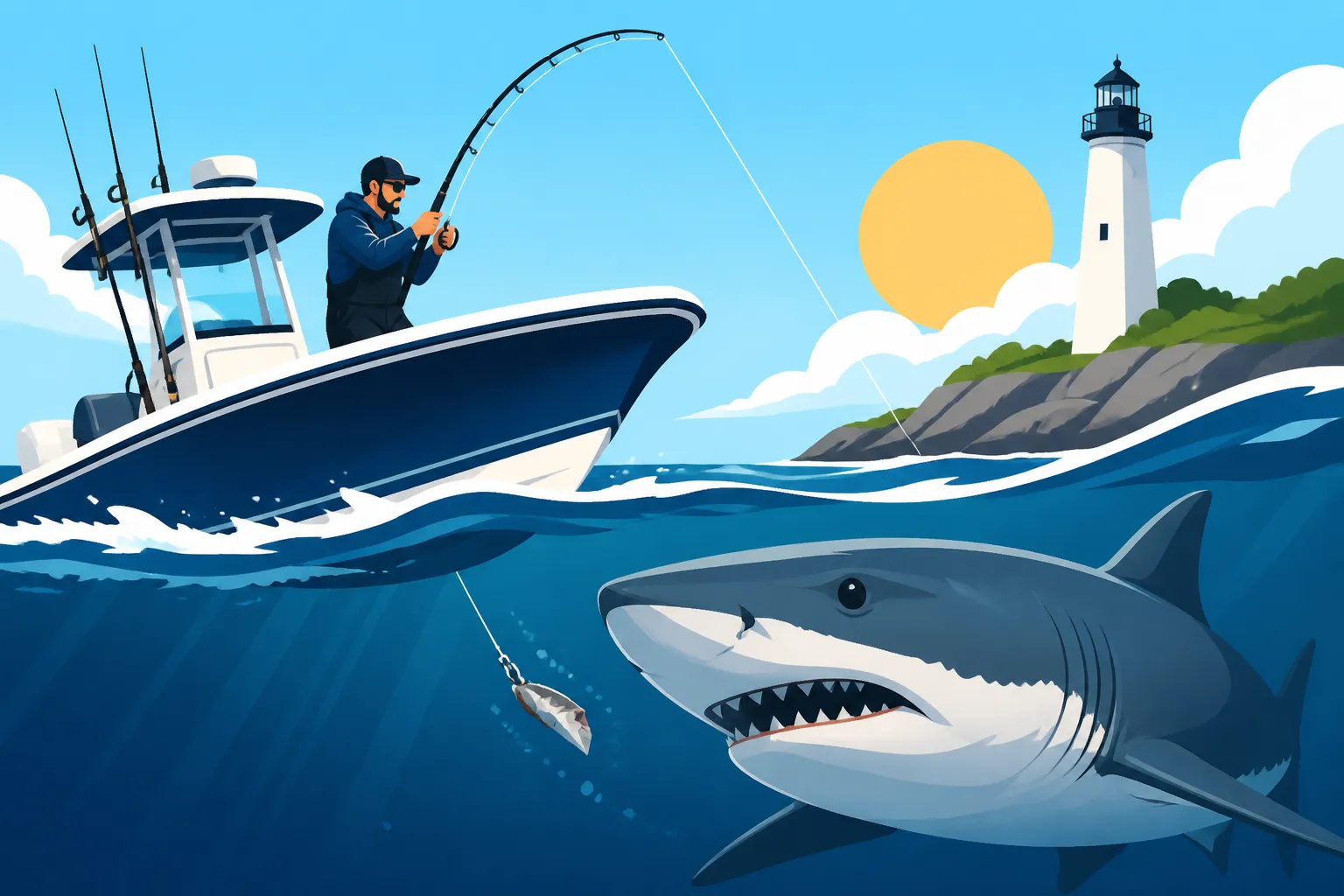
Anglers are drawn by the sheer power and size of these creatures. A hook-up with a mako or thresher can mean a fight lasting hours, pushing both angler and tackle to their limits. It's an experience that few other types of fishing can replicate, a true test of strength and strategy. There's also the mystique; sharks are apex predators, and just being on the water in their domain evokes a sense of wildness and adventure that's hard to find elsewhere. Many seasoned fishermen talk about the unparalleled thrill of watching a massive shark breach or tail-walk after being hooked. It's a memory that lasts a lifetime, regardless of whether the fish is kept or released.
Common Shark Species Targeted Offshore
When you head out on a Massachusetts offshore shark charter, you're primarily looking for a few specific species known for their size, fight, and often, their presence in our waters during the warmer months. These aren't your typical inshore species, but true offshore giants.
The Shortfin Mako is perhaps the most sought-after. Known for its incredible speed and acrobatic leaps, it’s a truly formidable opponent on the line. Makos are torpedo-shaped and can grow quite large, offering an intense battle. Then there's the Thresher Shark, easily recognizable by its elongated, scythe-like tail, which it uses to herd and stun prey. Threshers are powerful fighters, often making long, deep runs. Blue Sharks are also common, especially further offshore in cooler waters. While not always as aggressive on the bite as makos, they are beautiful fish and put up a respectable fight, often found in numbers. Porbeagle Sharks, a relative of the mako, are another possibility, particularly in cooler waters north of Cape Cod. Each of these species presents a unique challenge and rewards anglers with an incredible fight. Knowing a bit about what you might encounter adds to the excitement and helps you appreciate the biodiversity of our ocean. You can dive deeper into these incredible fish by checking out our guide on Sharks Found in Massachusetts Waters.
Planning Your Massachusetts Shark Charter Adventure
Embarking on an offshore shark fishing adventure isn't something you just decide to do on a whim. It requires careful planning, especially when it comes to timing, choosing the right professionals, and understanding the financial commitment. Nobody wants to shell out for a trip only to be met with bad weather or an unprepared boat.
Best Time of Year and Weather Considerations
The prime window for offshore shark fishing in Massachusetts typically runs from late spring through early fall, with July and August often being considered the peak months. This is when water temperatures are warmest, baitfish are abundant, and pelagic shark species are actively migrating and feeding in our offshore waters. However, even within this window, timing is crucial.
Weather plays an enormous role in offshore fishing. You're venturing far from shore, sometimes 30-60 miles or more, where sea conditions can change rapidly. A responsible charter captain will always prioritize safety over fishing, meaning trips are frequently canceled or rescheduled due to high winds, large swells, or incoming storms. It’s essential to have some flexibility in your schedule if you’re planning a shark charter. Always discuss weather policies with your captain when booking, and be prepared for the possibility of rescheduling. A good captain will keep a close eye on forecasts and communicate any concerns well in advance. Understanding Massachusetts Saltwater Fishing Seasons can give you a broader perspective on when different species are most active.
Choosing the Right Offshore Charter Vessel and Captain
Selecting the right charter is paramount to a successful and enjoyable shark fishing experience. This isn't just about finding someone with a boat; it's about finding a seasoned professional who understands the nuances of offshore fishing, shark behavior, and, most importantly, safety. Look for captains with extensive experience specifically in offshore shark fishing. They'll know the hotspots, the bait presentations that work best, and how to handle a large, powerful fish safely once it's alongside the boat.
The vessel itself should be a capable offshore boat, well-maintained, and equipped with all necessary safety gear, navigation electronics, and heavy-duty fishing tackle. Don't be shy about asking questions about the boat, the captain's experience, and their approach to shark fishing. You're investing in an experience, and you deserve to feel confident in your choice. Websites like FishingBooker can be a fantastic resource for finding reputable charters in Massachusetts, allowing you to read reviews, compare boats, and get a sense of different captains' specializations. It's always a good idea to chat with the captain directly before booking to ensure your expectations align.
Understanding Charter Costs and What's Included
Offshore shark fishing charters represent a significant investment, often reflecting the specialized equipment, extensive fuel consumption, and expertise required for these longer, more demanding trips. You won't find specific prices here, but understand that these trips are generally priced at the higher end of the fishing charter spectrum due to the distances covered and the intensity of the fishing.
Typically, the cost of a Massachusetts offshore shark charter includes the boat, captain, mate, all necessary fishing tackle (rods, reels, bait, lures), and often ice for your catch. Fuel is a major component of offshore trips, and while usually included in the base price, it's always wise to confirm. Many charters operate as full-day excursions, sometimes lasting 8-12 hours, to allow ample travel time to the fishing grounds and sufficient fishing time. Gratuity for the mate is customary and deeply appreciated, typically a percentage of the trip cost. Don't forget to ask about any additional fees or what you might need to bring yourself, such as food, drinks, or a cooler for fillets. Getting a clear picture of what's covered upfront helps avoid any surprises and ensures you can budget appropriately for your adventure. For a more general overview of what charter costs entail, check out Massachusetts Fishing Charter Costs.
The Offshore Shark Fishing Experience: Techniques and Safety
Stepping onto an offshore charter boat with the goal of catching a shark is an exhilarating experience. It's a blend of patience, anticipation, and pure adrenaline. Knowing what to expect in terms of techniques and, critically, safety, will make your trip much more enjoyable and successful.
Common Shark Fishing Techniques and Gear
The primary technique for offshore shark fishing in Massachusetts is typically chumming and drifting. Once the captain reaches a promising area, usually an offshore bank, drop-off, or temperature break, they'll begin deploying a "chum slick." This involves continuously dispersing ground bait (often oily fish like menhaden or mackerel) into the water, creating an irresistible scent trail that drifts down-current, hopefully attracting sharks to the boat.
While the chum slick is working its magic, several baits are deployed at various depths, suspended under balloons or floats, or fished directly off the bottom. These baits are usually large chunks of fresh fish or whole fish, rigged on heavy leader lines with robust hooks. The tackle used is heavy-duty: stout rods, large conventional reels spooled with strong braided line, and heavy monofilament or wire leaders designed to withstand the abrasive skin and powerful jaws of a shark. When a shark hits, it's rarely subtle – the drag screams, and the fight is on. The mate is invaluable in rigging baits, managing the lines, and providing instructions during the fight.
Crucial Safety Protocols on a Shark Charter
Safety on an offshore shark charter cannot be overstated. You are dealing with powerful, wild animals far from shore, and respect for both the ocean and the fish is paramount. Your captain is responsible for your safety, and their instructions should be followed without question. Before leaving the dock, the captain will typically provide a safety briefing covering emergency procedures, location of safety equipment (life jackets, first aid), and basic boat rules.
Once fishing, specific protocols for handling sharks are critical. Sharks, especially large ones, can be dangerous even when seemingly subdued. The captain and mate are skilled in bringing sharks to the boat safely, often using flying gaffs, tail ropes, or specialized tools to control the fish. If a shark is to be released, the goal is a quick, efficient process to minimize stress on the animal and maximize safety for everyone on board. If a shark is to be kept, it is handled carefully to avoid injury to the crew and to ensure a humane take. Never put your hands near a shark's mouth, even a seemingly docile one. Always remain aware of your surroundings on deck, especially during a hook-up or when a fish is near the boat. It's also important to be prepared for the conditions offshore. Seasickness can quickly turn a dream trip into a miserable one, so consider preventative measures if you're prone to it. This kind of trip is why knowing What to Bring on a Massachusetts Fishing Charter is so essential.
Catch and Release vs. Keeping Your Catch
The decision to keep or release a shark is a personal one, but it must always adhere to strict regulations and ethical considerations. Many anglers today participate in catch-and-release shark fishing, valuing the thrill of the fight and the conservation of the species over harvesting the fish. The incredible power of a shark on the line is a reward in itself, and releasing it ensures it can continue to contribute to the marine ecosystem.
However, if you do decide to keep a shark, it's crucial to be aware of the specific Massachusetts and federal regulations regarding size limits, bag limits, and seasons for different shark species. For instance, species like mako and thresher sharks have very specific rules. Charters will usually have all the necessary permits, but it's good practice for anglers to understand the rules. Responsible harvesting also means having a plan for the meat, as large sharks yield a substantial amount. Discuss your intentions with your captain beforehand; they can advise on legalities and best practices for either releasing or keeping your catch responsibly. Remember, conservation is key to ensuring these magnificent creatures are around for future generations of anglers.
Regulations and Conservation for Massachusetts Sharks
Fishing for sharks, especially offshore, comes with a serious responsibility to understand and abide by a complex set of regulations. These rules are in place not to make fishing harder, but to ensure the long-term health of shark populations and the safety of anglers. Ignoring them can lead to hefty penalties and harm the resource we all enjoy.
Massachusetts Shark Fishing Regulations Overview
While many offshore shark species fall under federal management due to their migratory nature, Massachusetts also has its own rules that often supplement or align with federal guidelines. Generally, for recreational shark fishing, the most critical aspects are possession limits (how many you can keep), minimum size limits (how big a shark must be to be legal to keep), and identification requirements (knowing your species). Some species may be entirely prohibited from harvest.
For instance, certain shark species require recreational anglers to have a Highly Migratory Species (HMS) Angling Permit, which covers species like mako and thresher sharks. While charter boats typically carry the necessary permits for the vessel and its passengers, it’s always a good idea to confirm this when booking your trip. This permit allows the vessel to fish for and land federally managed HMS species. Passengers on a permitted vessel do not typically need their own individual HMS permit, but it’s crucial to understand that all anglers must adhere to the rules. These regulations can change, so staying informed is vital. Your charter captain will be up-to-date on the most current regulations, but having a general understanding is part of being a responsible angler. You can also review Massachusetts Recreational Fishing Rules and Bag Limits for broader context.
Protecting Our Shark Populations
Sharks, as apex predators, play a vital role in maintaining the balance of marine ecosystems. Their populations globally have faced significant pressure from overfishing in the past. Today, conservation efforts are more critical than ever, and recreational anglers are a crucial part of this. Sustainable fishing practices, such as catch-and-release, using appropriate tackle to minimize fight time, and careful handling of fish at the boat, are paramount.
Many charters operate with a strong conservation ethic, advocating for catch-and-release of many species. When a shark is brought alongside the boat for release, experienced mates work quickly and efficiently to remove hooks and ensure the fish is healthy enough to swim away. Minimizing out-of-water time is key for a shark's survival. Even if you plan to keep a legal shark, adhering strictly to bag and size limits ensures that populations are not overexploited. Your involvement in a charter that champions these practices contributes directly to the health of our oceans.
Understanding Federal Shark Permits
As mentioned, many of the highly migratory shark species found off the coast of Massachusetts, such as mako, thresher, and blue sharks, are managed under federal regulations by NOAA Fisheries. This means that a vessel engaged in recreational fishing for these species, and intending to keep them, generally needs to possess a valid Federal Highly Migratory Species (HMS) Angling Permit. This isn't just a Massachusetts thing; it applies to all federal waters.
For passengers on a federally permitted charter boat, you typically don't need your own HMS permit. The vessel's permit covers everyone on board. However, it’s the captain’s responsibility to ensure that all catches comply with federal size and bag limits, which can be quite specific and even change during the season. For example, there might be different size limits for male and female mako sharks, or different rules for landing a thresher shark. Your captain is the expert here, and they will guide you through what is permissible. Always defer to their knowledge and ensure your chosen charter operates legally and responsibly.
What to Expect and How to Prepare for Your Trip
Getting ready for an offshore shark trip is half the fun! It's not just about showing up; it's about anticipating the adventure, gathering your essentials, and mentally preparing for a day on the open ocean. A little preparation goes a long way in ensuring you have a great time.
Essential Gear and Personal Items to Bring
Even though your charter will provide all the heavy-duty fishing gear, there are several personal items you'll want to bring to make your day comfortable and enjoyable. Think about layers of clothing, even on a warm day, as offshore temperatures can fluctuate and the breeze can be constant. A good waterproof jacket is a smart idea, even if rain isn't in the forecast, to protect against sea spray. Sun protection is absolutely non-negotiable: a wide-brimmed hat, sunglasses, and high-SPF sunscreen are vital, as the sun's reflection off the water can be intense.
Hydration and snacks are also critical. Bring plenty of water and easy-to-eat snacks, or a packed lunch. Offshore trips are long, and you'll burn a lot of energy. For those prone to seasickness, taking preventative medication the night before and again in the morning of your trip can be a lifesaver. Don't forget your camera to capture those incredible moments, but ensure it's either waterproof or in a protective case. A small bag for your personal items is usually fine; just remember space can be limited on a boat. Here’s a quick list to consider:
| Item Type | Specifics | Importance |
|---|---|---|
| Clothing | Layers, waterproof jacket, non-slip shoes | Comfort, warmth, protection from spray |
| Sun Protection | Hat, sunglasses, high-SPF sunscreen | Prevent sunburn and eye strain |
| Food & Drink | Water, snacks, lunch | Hydration, energy for a long day |
| Medication | Seasickness remedies (if needed), personal meds | Comfort, health |
| Personal Gear | Camera, small bag, towel | Capturing memories, organization |
| Miscellaneous | Cash for gratuity | Essential for showing appreciation to the crew |
Managing Expectations and Maximizing Your Fun
It's called fishing, not catching, for a reason. While offshore shark charters greatly increase your chances of encountering a trophy fish, there are no guarantees. The ocean is vast, and wild animals don't always cooperate. It's crucial to approach your trip with an open mind and a spirit of adventure. Even if the sharks aren't biting, you'll still experience a day on the beautiful Massachusetts ocean, see incredible marine life, and learn from experienced professionals.
Focus on the entire experience: the journey out, the camaraderie with your fellow anglers and crew, the anticipation of a bite, and the raw power of the ocean. Ask questions, learn about the techniques, and appreciate the immense effort that goes into these trips. A positive attitude is contagious and will contribute to a more enjoyable day for everyone on board. Your captain and mate are working hard to put you on fish, so trust their expertise and enjoy the process.
Booking Your Charter and Final Checks
Once you've done your research and picked a charter, booking your trip usually involves a deposit to secure your date. Many reputable charters list their availability and contact information directly, and platforms like FishingBooker provide a streamlined booking process with reviews and detailed information about captains and boats. It's always a good idea to confirm all the details, including departure time, meeting location, and what you need to bring, a few days before your trip. This pre-trip communication can alleviate any last-minute anxieties.
Additionally, take a moment to review the Massachusetts Charter Fishing Cancellation Policies with your captain. Understanding their policy for weather cancellations or other unforeseen circumstances is important. Ensure you have clear directions to the departure point and factor in travel time, especially if you're coming from inland or during peak tourist season. Being punctual shows respect for your captain and crew, and ensures your trip can depart on schedule, maximizing your time on the water.
After the Catch: Memories and Beyond
The moments after a shark encounter, whether it's a release or a landing, are often filled with a unique blend of awe, adrenaline, and satisfaction. It's a powerful experience that leaves a lasting impression, and knowing how to respectfully document and handle the outcome ensures those memories are cherished properly.
Photographing and Documenting Your Shark Encounter
You've just had an epic battle with a marine giant; naturally, you'll want to capture the moment! Responsible photography is key. Your captain and mate are experts at safely handling sharks for quick photos, especially for catch-and-release. They'll know the best angles and safest practices to get those iconic shots without harming the fish or putting anyone at risk. This often involves keeping the shark in the water or ensuring minimal time out of the water.
Listen to their instructions carefully regarding proximity to the fish and how to pose. A quick photo, perhaps with the fish alongside the boat or with its head gently supported out of the water, is ideal. Avoid prolonged handling, especially if the shark is slated for release, as this can cause undue stress. Capture a few great shots, then let the magnificent creature go or prepare it for landing. These photos will serve as incredible reminders of your adventure, far more meaningful than a blurry, rushed shot taken unsafely.
Handling Your Catch Responsibly
If you've managed to land a legal shark and decided to keep it, the responsibility continues. Large sharks provide a significant amount of meat, and knowing how to handle it properly ensures its quality. Your charter crew will typically assist with bleeding, gutting, and icing the fish on board, which are crucial steps for preserving the meat.
Once back at the dock, many charters offer filleting services, often for an additional fee, or can direct you to a local fish processor. If you plan to fillet it yourself, ensure you have a large cooler with plenty of ice to transport the fillets home. Shark meat has a distinct flavor and texture, and prompt, proper cooling is essential. Respecting your catch by utilizing its meat fully is part of responsible angling. For those more interested in the species itself, you might explore articles like Sharks Found in Massachusetts Waters to learn more about identification.
Where to Find More Information and Plan Future Trips
The thrill of one offshore shark trip often ignites a desire for more! As you reflect on your experience, you might find yourself already planning your next adventure. There are many resources available to deepen your knowledge and plan future fishing excursions in Massachusetts.
MassWildlife and NOAA Fisheries websites are excellent for up-to-date regulations, conservation news, and scientific information about marine species. Local bait and tackle shops are also treasure troves of information, often staffed by seasoned anglers who can offer insights into local conditions and charter recommendations. And, of course, online platforms like FishingBooker remain a fantastic tool for exploring different charters, comparing offerings, and reading reviews for various types of fishing trips across Massachusetts, whether you're looking for another shark charter or want to try something different, like a Massachusetts Striped Bass Charters or Massachusetts Bluefin Tuna Charters. The angling community in Massachusetts is vibrant, and there's always more to learn and new waters to explore.
Disclaimer
This article is for general informational purposes only and does not constitute professional advice. Laws, prices and regulations vary by location and change over time. Consult a qualified professional for guidance on your specific situation.