Cape Cod Bottom Fishing Charters
For many anglers, the thrill of reeling in a feisty bottom-dweller from the ocean depths is truly something special. But if you're new to Cape Cod's vast and productive waters, figuring out where to go, what to target, and how to book the right trip can feel pretty overwhelming. This guide is here to demystify Cape Cod bottom fishing charters, helping you understand what to expect, what fish you might catch, and how to ensure you have an unforgettable day on the water.
Understanding What Bottom Fishing Entails on Cape Cod
Bottom fishing is a classic and incredibly effective method for catching a wide variety of saltwater fish species that live near the seabed. Unlike trolling for pelagic fish that swim in the open water, bottom fishing involves dropping baits or jigs down to the bottom where these species feed and reside. On Cape Cod, this style of fishing is incredibly popular due to the diverse underwater terrain and the abundance of delicious, hard-fighting fish that call these depths home.
The Basics of Bottom Fishing Techniques
At its core, bottom fishing is straightforward: you're trying to put your bait or lure right in front of a fish that's hanging out on the seafloor. This can involve anything from a simple lead sinker and baited hook, often called a "hi-lo" or "dropper loop" rig, to more advanced jigging techniques. The goal is always the same: entice a fish to bite near the bottom structure, whether it's a rocky reef, a sandy patch, or a mussel bed.
Charters specializing in bottom fishing often use heavy-duty tackle to handle the strong currents and the sometimes considerable size of the fish you'll encounter. Your captain will position the boat over known "sticky" spots – areas with structure where fish congregate – or drift over promising grounds. Anglers then drop their lines, waiting for that tell-tale tug. It's a very hands-on style of fishing, requiring a good feel for what's happening at the end of your line, which is why it’s such a rewarding experience for both beginners and seasoned pros. You'll learn quickly to distinguish between the current pulling your line and a fish gently mouthing your bait.
Why Cape Cod is Ideal for Bottom Fishing
Cape Cod's unique geography makes it a phenomenal destination for bottom fishing. The peninsula juts out into the Atlantic, creating a mosaic of diverse marine habitats. To the south, Nantucket Sound and Buzzards Bay offer shallower, warmer waters with sandy bottoms, rocky ledges, and mussel beds, perfect for species like scup and fluke. To the east and north, the deeper, cooler waters of Cape Cod Bay and the open Atlantic feature more dramatic underwater topography, including rocky outcroppings, wrecks, and ledges that attract larger bottom fish.
This variety means that no matter the season or the specific species you're hoping to target, there's likely a productive bottom fishing spot nearby. The nutrient-rich waters surrounding the Cape also support a vibrant food chain, ensuring a healthy population of baitfish and, consequently, plenty of predators lying in wait near the bottom. Local captains have spent years, even decades, meticulously mapping these hotspots, often knowing specific rocks and bumps on the seafloor where fish consistently gather. This local knowledge is invaluable, transforming a casual fishing trip into a truly productive angling adventure.
Target Species for Cape Cod Bottom Fishing
When you book a Cape Cod bottom fishing charter, you're not just aiming for "any fish." You're often going after specific species known for their delicious fillets and their fighting spirit. The exact species you'll target can depend heavily on the time of year, water temperatures, and the specific grounds your captain decides to fish. Knowing what's in season and what you might encounter adds another layer of excitement to your trip. You can always check the current Massachusetts Saltwater Fishing Seasons for up-to-date information.
Tautog and Black Sea Bass
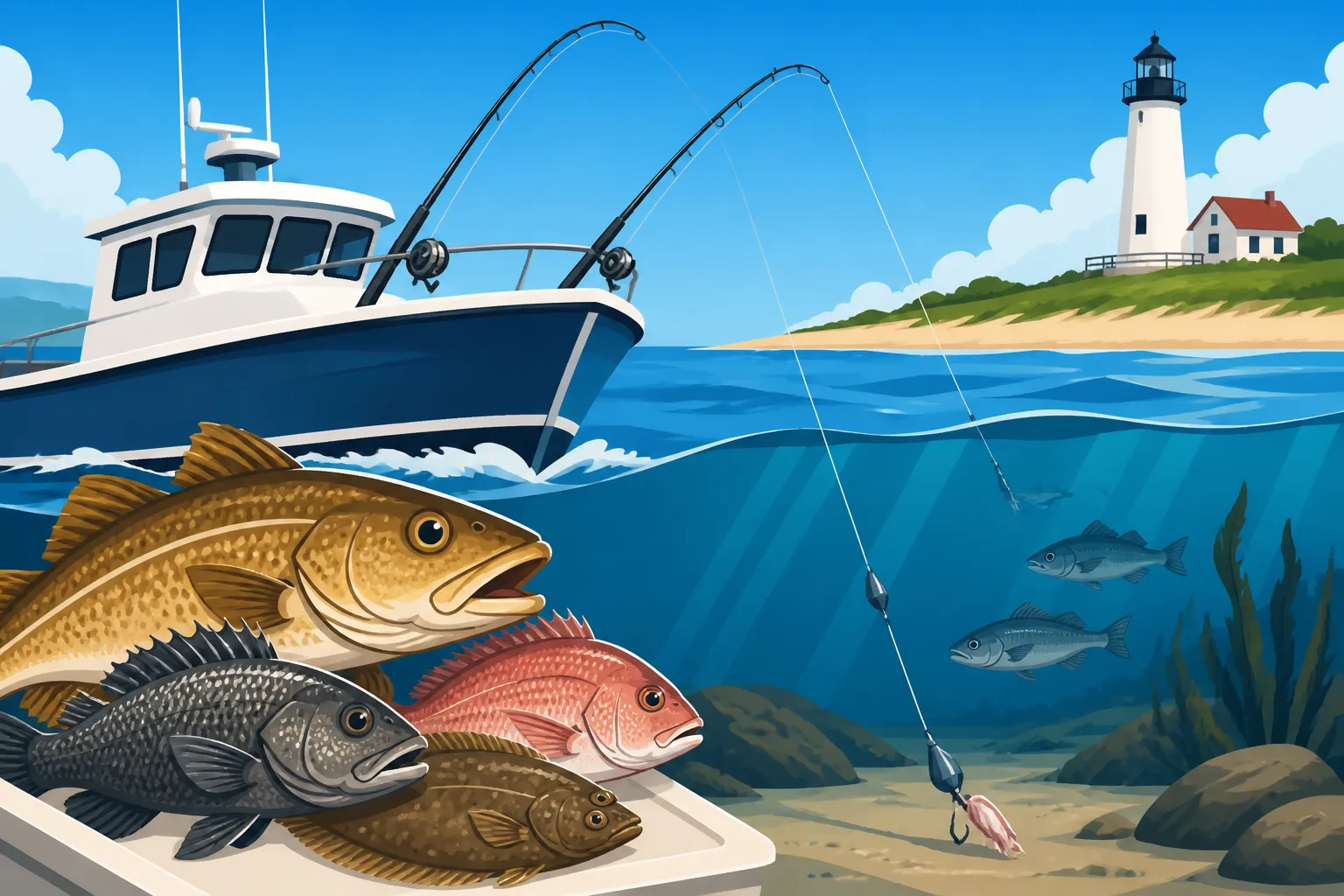
Tautog, often called "blackfish," are absolute brutes on the line. They are known for their incredibly strong bite and their tendency to dive straight for rocky cover, making them a challenging and exciting catch. You’ll typically find them around wrecks, jetties, and rocky bottoms, where they feed on crabs, mussels, and clams. Tautog season in Massachusetts can be a bit complex, with different size and bag limits depending on the time of year and whether you're fishing from shore or a boat. Charters targeting tautog will usually provide green crabs or hermits as bait, which are irresistible to these tough customers. For more specifics, look up Massachusetts Tautog Size and Bag Limit by Season.
Black sea bass are another highly sought-after species on the bottom fishing scene. These beautiful, iridescent fish are fantastic table fare and put up a surprisingly good fight for their size. They prefer rocky habitat, mussel beds, and underwater structures, often found in the same areas as tautog but sometimes in slightly shallower waters. They readily hit jigs tipped with squid or clam, and are a staple catch throughout much of the warmer months. These fish are generally present from late spring through fall. The Black Sea Bass Fishing in Massachusetts article can give you more details on these fun-to-catch fish.
Fluke Summer Flounder and Winter Flounder
Fluke, also known as summer flounder, are masters of camouflage, lying flat on sandy or muddy bottoms, waiting to ambush baitfish. They are famous for their sweet, flaky white meat and their aggressive strikes. Fluke fishing often involves drifting over sandy or pebbly bottoms, dragging a baited rig (often with squid strips or small baitfish like spearing) along the seafloor. When a fluke hits, it can be a subtle tap or a solid thud, followed by a vigorous head shake. The size limits for fluke can differ depending on whether you're fishing from shore or a boat, and specific seasons apply. A good charter will be well-versed in these rules. For more details on catching them, check out How to Catch Fluke in Massachusetts or for regulations, Massachusetts Fluke Size Limits Explained.
Winter flounder, true to their name, are primarily targeted in the cooler months, often in late winter and early spring. These delicious flatfish prefer softer, muddy bottoms in shallower bays and estuaries. Their bite is often very light, requiring a sensitive touch to detect. Clams and worms are the go-to baits for winter flounder. While perhaps not as flashy as a hard-fighting tautog, the reward of a fresh winter flounder dinner is undeniable.
Scup Porgy and Other Groundfish
Scup, or porgy, are another fantastic bottom fishing target, especially for families and anglers looking for consistent action. These gregarious fish travel in schools and are eager biters, making them ideal for a day of non-stop reeling. They have small, but sharp, teeth and readily gobble up small pieces of clam or squid. You'll find them over various bottom types, including sandy, rocky, and shelly areas. They are excellent eating, with delicate white meat.
Beyond these primary targets, a good Cape Cod bottom fishing charter might also put you on other interesting groundfish depending on the location and conditions. This could include a stray codfish (though recreational cod fishing can be very restricted and localized in Massachusetts), various hake species, or even cunner, which are often caught alongside tautog and sea bass. The beauty of bottom fishing is its variety; you never quite know what might grab your bait next!
Choosing Your Cape Cod Bottom Fishing Charter
Deciding on the right charter can make or break your Cape Cod bottom fishing experience. It's not just about finding an available boat; it's about matching your expectations, budget, and group size with the right vessel and crew. With so many options available, taking the time to consider a few key factors will pay off. Websites like FishingBooker are a great resource for comparing options, reading reviews, and checking availability.
Half-Day vs. Full-Day Trips
One of the first decisions you'll face is the duration of your trip. Half-day trips typically last around 4 hours, while full-day trips can range from 6 to 8 hours or even longer. Each has its advantages:
- Half-Day Trips: These are often more budget-friendly and perfect for families with younger children or those prone to seasickness. They get you out on the water for a good taste of fishing without committing to a full day. The downside is that they might not allow enough time to travel to the further, potentially more productive fishing grounds. If the bite is slow, a half-day trip can feel rushed.
- Full-Day Trips: While more expensive, full-day charters offer significantly more fishing time. This allows the captain to explore a wider range of spots, move if the bite isn't on, and often reach those prime, offshore grounds that hold bigger fish. If you're serious about catching a good haul or targeting specific, more distant species, a full-day trip is usually the better choice. It also provides a more relaxed pace, allowing for deeper engagement with the fishing experience.
Here’s a quick comparison:
| Feature | Half-Day Trip (Approx. 4 hours) | Full-Day Trip (Approx. 6-8 hours) |
|---|---|---|
| Cost | Generally lower | Generally higher |
| Travel Time | Shorter travel to closer grounds | Longer travel, access to more distant, prime spots |
| Fishing Time | Less actual fishing time | Significantly more actual fishing time |
| Ideal For | Families with kids, beginners, those prone to seasickness, budget-conscious anglers | Serious anglers, targeting specific species, exploring diverse grounds, higher catch potential |
| Pace | More rushed, quicker decisions | Relaxed, allows captain to move around, more opportunities |
| Catch Potential | Good for consistent biters, but limited by location | Greater potential for varied species and larger fish |
Private Charters vs. Party Boats
Another significant choice is between booking a private charter or joining a party boat (also known as a head boat).
-
Private Charters: When you book a private charter, you're essentially renting the entire boat and crew for your group. This offers a highly personalized experience. You often have more input on what species to target, where to fish, and when to start/end (within reason). The captain and mate can provide more individualized instruction and assistance. It's ideal for groups of friends or family who want an exclusive experience and are willing to pay a premium for it. You'll find many options on platforms like FishingBooker that cater to private groups. Check out the Massachusetts Fishing Charter Costs for a general idea of pricing structures.
-
Party Boats / Head Boats: Party boats operate on a per-person basis, meaning you pay for your spot alongside other anglers you may not know. These boats are larger, designed to accommodate many people, sometimes 20, 30, or even more. They are generally much more affordable than private charters and include bait and tackle. The fishing experience is less personalized, with the crew having to attend to a larger number of anglers. However, they are fantastic for solo anglers, couples, or small groups looking for a cost-effective way to get out on the water. They often run on a set schedule and target whatever species are most prevalent and active.
Questions to Ask Before Booking
Before you commit to a charter, it's always wise to ask a few key questions. This ensures there are no surprises and that you're booking with a reputable operation:
- What's included in the price? Does it cover bait, tackle, and ice for your catch? What about the Massachusetts Saltwater Recreational Fishing Permit Explained? Most reputable charters will cover the vessel's permit, so individual passengers typically don't need one, but always confirm.
- What species are we likely to target? This helps manage expectations, especially if you have your heart set on a particular fish.
- What's your cancellation policy? Especially important for weather-related cancellations.
- How many people can the boat comfortably accommodate? Don't try to cram too many people onto a boat that's too small.
- Is fish cleaning/filleting included or an additional charge?
- Are there restrooms on board? (Crucial for longer trips!)
- Do you have all necessary safety equipment? (Life jackets, first aid, etc. – reputable charters will, but it's good to know.)
- What should we bring? (Sunscreen, food, drinks, cooler for fillets, etc.) This is a common question, and you'll find great advice in articles like What to Bring on a Massachusetts Fishing Charter.
Don't hesitate to use platforms like FishingBooker to browse different charters, compare their offerings, and read reviews from previous customers. This will give you a comprehensive picture of what each captain and boat provides.
What to Expect on a Cape Cod Bottom Fishing Trip
So, you've booked your charter, the alarm is set, and anticipation is building! Knowing what to expect once you step aboard can help you feel more prepared and allow you to fully enjoy the experience. From the gear you'll be using to the actual techniques, a good charter operation will guide you every step of the way.
Typical Gear and Bait Provided
Reputable Cape Cod bottom fishing charters will provide all the necessary fishing gear. This typically includes:
- Rods and Reels: You'll usually be handed a sturdy rod paired with a conventional (or baitcasting) reel, spooled with strong braided line. These setups are designed to handle heavy sinkers, strong currents, and the powerful runs of bottom fish. The captain will ensure the gear is in good working order and appropriately sized for the target species.
- Terminal Tackle: This includes lead sinkers (often several ounces or more, depending on depth and current), swivels, and specific bottom fishing rigs. Common rigs include high-low rigs with two hooks or a single hook snelled directly to the line, sometimes with a teaser.
- Bait: Fresh bait is paramount for successful bottom fishing. For tautog and scup, you'll likely see green crabs, hermit crabs, or clam strips. Fluke charters will typically have strips of squid, or sometimes live baitfish like spearing or peanut bunker. The crew will show you how to properly bait your hook.
You rarely need to bring your own rod and reel unless you have a specific preference and clear it with the captain first. The crew will usually have spare tackle if you get snagged or break a line – which happens to everyone in bottom fishing!
Fishing Techniques for Bottom Dwellers
Once you're at the fishing spot, the crew will give you instructions on how to deploy your line. It generally goes something like this:
- Drop to the Bottom: You'll be instructed to open the bail or disengage the reel, allowing your baited rig to free-spool down to the seafloor. As soon as you feel the sinker hit bottom, engage the reel.
- Maintain Bottom Contact: This is crucial. You want your bait to be right where the fish are feeding. Reel up a crank or two to lift your sinker just off the bottom. If you feel the sinker dragging, let out a little more line to maintain contact. If you feel slack, reel in slowly to keep tension. The captain might also instruct you to gently bounce your sinker on the bottom, which can stir up sediment and attract fish.
- Detecting a Bite: Bottom fish bites can range from a subtle tap-tap-tap to a solid thunk or a steady pull. Tautog, for instance, are notorious "nibblers" before they commit. When you feel something, hesitate for a moment to let the fish take the bait, then set the hook with a firm, upward sweep of the rod.
- Reeling in: Once hooked, keep steady pressure on the fish and reel steadily. If you're on a party boat, be mindful of other anglers' lines to avoid tangles. The crew will be there to help net your fish or guide you through the process.
It sounds simple, but maintaining bottom contact in varying currents and depths is a skill that comes with practice. Don't be shy about asking the crew for tips!
Catch Handling and Filleting
Once you land a fish, the crew will typically handle it. They'll measure it against current regulations to ensure it meets the legal size limit (like the Massachusetts Saltwater Bag Limits by Species) and adhere to bag limits. Any fish that are too small or over the limit will be carefully released.
"Keepers" will usually be placed into a cooler or fish box with ice to ensure their freshness. At the end of the trip, most charters offer fish cleaning and filleting services. Sometimes this is included in the charter price; other times, it's an additional fee, or it's handled by the mate for a tip. This is a huge convenience, as you'll walk off the boat with ready-to-cook fillets. Be sure to bring your own cooler to transport your cleaned fish home.
Maximizing Your Cape Cod Bottom Fishing Experience
Going on a charter is an investment in a day of fun and, hopefully, a full cooler. There are a few things you can do to ensure you get the most out of your Cape Cod bottom fishing adventure, beyond just showing up with your payment. Thoughtful preparation, an understanding of the conditions, and good old-fashioned fishing etiquette go a long way.
Preparation is Key for a Smooth Trip
A little foresight before you head to the docks can make a world of difference. Think about the necessities, but also those little comforts that can elevate your experience:
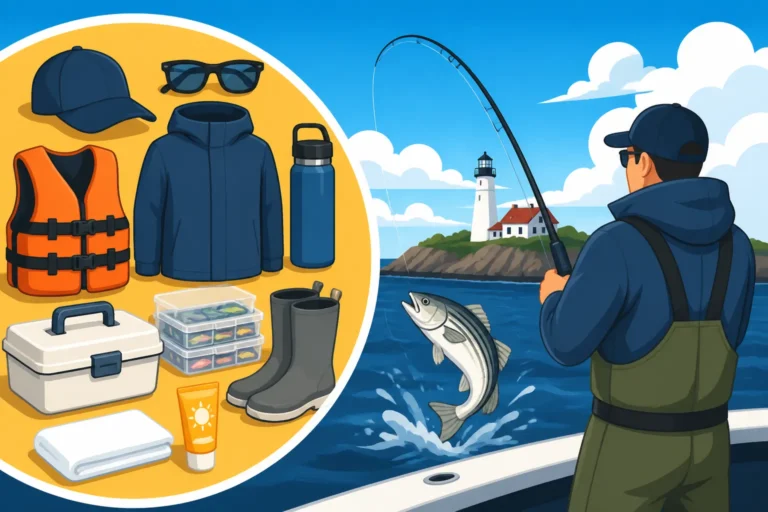
- Dress in Layers: New England weather can be notoriously unpredictable, even in summer. Mornings offshore can be chilly, but the midday sun can get intense. Layers allow you to adjust comfortably. A waterproof outer layer is always a good idea, as spray from waves or cleaning fish can get you wet.
- Sun Protection: Even on cloudy days, the sun reflecting off the water can lead to a nasty burn. Bring a wide-brimmed hat, sunglasses (polarized are great for seeing into the water, too!), and plenty of high-SPF sunscreen.
- Food and Drink: Most charters don't provide meals, so pack a lunch, snacks, and plenty of water or other non-alcoholic beverages. Staying hydrated is vital, especially on warmer days.
- Cooler for Catch: As mentioned, bring a separate cooler for your cleaned fillets to take home. Keep it in your car until the end of the trip.
- Motion Sickness Medication: If you're prone to seasickness, take preventative medication (like Dramamine or Bonine) before you board the boat, preferably an hour or two prior. Don't wait until you feel queasy, as it's often too late by then. Focus on the horizon if you start to feel unwell.
- Cash for Tips: This brings us to our next important point…
Understanding Tides and Bottom Structure
While your captain is the expert on navigating the tides and finding the fish-holding structure, having a basic understanding yourself can enhance your appreciation of their skill and even help you anticipate bites.
- Tides: Tides play a huge role in bottom fishing. Moving water, especially around structure, tends to stir up bait and activate fish. Often, the incoming or outgoing tides will be more productive than slack tide (the period of minimal water movement between high and low tide). Your captain will time the trip to hit these prime tidal windows at specific locations.
- Bottom Structure: Fish like tautog, black sea bass, and sometimes fluke, are not just swimming randomly. They associate with specific underwater features – rock piles, ledges, wrecks, mussel beds, and even subtle depressions in the seafloor. These structures provide food, shelter from currents, and ambush points for predators. When the captain maneuvers the boat, they are often using sophisticated electronics to "read" the bottom and position you directly over or adjacent to these fish-holding areas. Listening to the captain explain what they're seeing on the fishfinder can be incredibly educational.
Charter Etiquette and Tipping
Knowing how to behave on a charter helps ensure a good experience for everyone on board, including the crew.
- Listen to the Crew: The captain and mate are there for your safety and to help you catch fish. Pay attention to their instructions, whether it's how to cast, when to reel in, or what side of the boat to fish from. They know the boat, the waters, and the fish best.
- Be Patient: Fishing is fishing, not catching. There will be slow periods. Enjoy the scenery, the company, and the anticipation. Don't complain if the fish aren't biting constantly – the crew is working hard to find them.
- Be Courteous: On a party boat, be mindful of your fellow anglers. Don't hog space or cast over someone else's line. Offer to help if someone needs a hand, and be polite.
- Tipping: It is customary and highly recommended to tip the crew. Mates, especially, work incredibly hard, baiting hooks, untangling lines, netting fish, and cleaning your catch. A general guideline is 15-20% of the trip's total cost. If you had an exceptional experience, consider tipping more. Hand the tip directly to the mate at the end of the trip. This is a crucial part of the crew's income, and a well-deserved recognition of their hard work. For more on this, see Massachusetts Charter Boat Tipping Etiquette.
By following these tips, you'll not only have a more enjoyable time but also build a good rapport with the crew, which can sometimes lead to even better fishing advice on future trips!
Seasonal Considerations for Cape Cod Bottom Fishing
The beauty of Cape Cod bottom fishing is that it offers opportunities throughout much of the year, but the specific species and their abundance will shift with the seasons. Understanding these patterns can help you plan your trip for the best possible results, whether you’re dreaming of a particular fish or just looking for the most active bite.
Spring Opportunities
As the waters around Cape Cod begin to warm up in the spring, new life awakens, and various bottom species become more active.
- Winter Flounder: Early spring, typically April and May, can offer some of the best winter flounder fishing. These flatfish move into shallower bays and estuaries to spawn, making them accessible to anglers. Charters targeting winter flounder will often focus on these shallower, muddy-bottomed areas.
- Tautog and Black Sea Bass: As late spring arrives, usually by May and into June, tautog and black sea bass start to become more prevalent in their rocky haunts. Their seasons typically open around this time, and the fish are often aggressive after the colder months. These are excellent targets for charters venturing into Buzzards Bay or Nantucket Sound. The fish are often hungry and willing to bite, making for some exciting early-season action.
Spring is also a fantastic time to enjoy the natural beauty of Cape Cod before the peak summer crowds arrive. The air is crisp, and the ocean feels invigorated.
Summer Abundance
Summer is arguably the peak season for Cape Cod bottom fishing, offering the widest variety of species and generally the most consistent action. The warmer water temperatures bring in a multitude of fish, and the longer days allow for more fishing time.
- Black Sea Bass and Scup: June, July, and August see black sea bass and scup in full swing. These fish are abundant over rocky structures and mussel beds throughout Nantucket Sound and Buzzards Bay, providing plenty of rod-bending action. They are excellent targets for both half-day and full-day charters, and particularly good for family trips due to their willingness to bite.
- Fluke (Summer Flounder): Summer is prime time for fluke fishing. These delicious flatfish spread out over sandy and pebbly bottoms, especially in Nantucket Sound and along the south side of the Cape. Drifting with bucktails tipped with squid or Gulp! baits is a highly effective method. Fluke are known for their sharp, aggressive strikes, and their fillets are among the most prized.
- Other Groundfish: During the summer, you might also encounter various other groundfish species, adding an element of surprise to your catch. While not always the primary target, they contribute to the overall bounty.
The summer months offer the most options for charters, with many boats running multiple trips a day. It's a great time to be on the water, soaking up the sun and enjoying the thrill of the catch.
Fall Runs
As summer transitions to fall, the fishing doesn't slow down; it often gets even better for certain species. The cooling waters trigger feeding frenzies as fish prepare for winter migration, and the crowds begin to thin out.
- Tautog: Fall, particularly October and November, is widely considered the best time to target tautog. The fish are concentrated on their rocky structures and are incredibly aggressive. The largest tautog of the year are often caught during this period, making it a favorite among dedicated bottom anglers. The Bottom Fishing for Tautog in Massachusetts article can tell you more about techniques for this specific season.
- Black Sea Bass: While their numbers might start to dwindle later in the fall as they migrate offshore, early fall can still provide excellent black sea bass fishing, with many larger individuals feeding heavily.
- Fluke: Fluke fishing can remain strong into early fall, especially in September, as these fish begin their migration. The cooler water often makes them even more active, and some of the largest fluke can be caught during this "fall run."
- Scup: Scup also remain active well into the fall, continuing to provide consistent action for anglers.
Fall on Cape Cod offers a unique beauty, with vibrant foliage contrasting against the blue ocean. The fishing can be spectacular, and with fewer boats on the water, you often feel like you have the ocean all to yourself. It’s a truly magical time to experience bottom fishing on Cape Cod.
Disclaimer
This article is for general informational purposes only and does not constitute professional advice. Laws, prices and regulations vary by location and change over time. Consult a qualified professional for guidance on your specific situation.